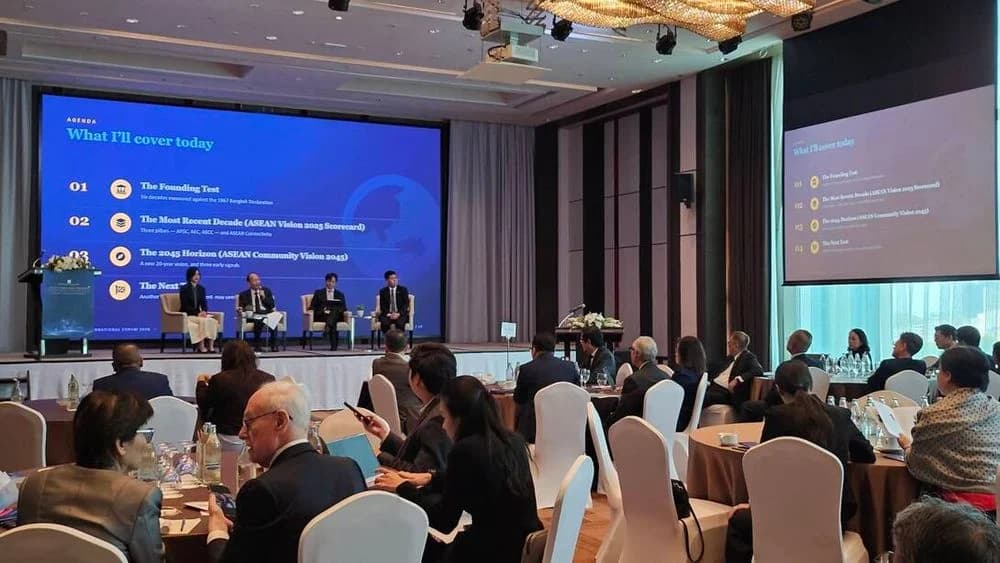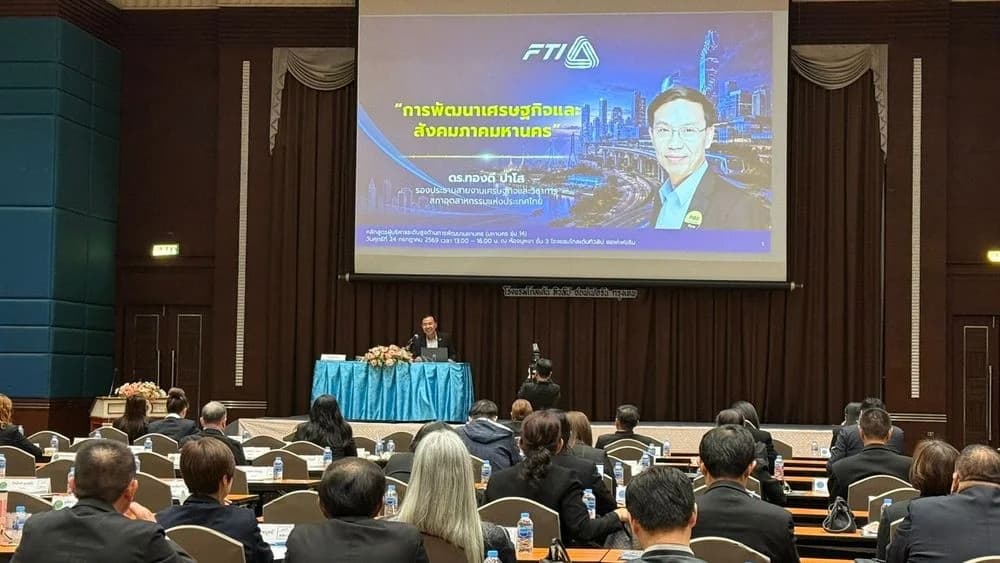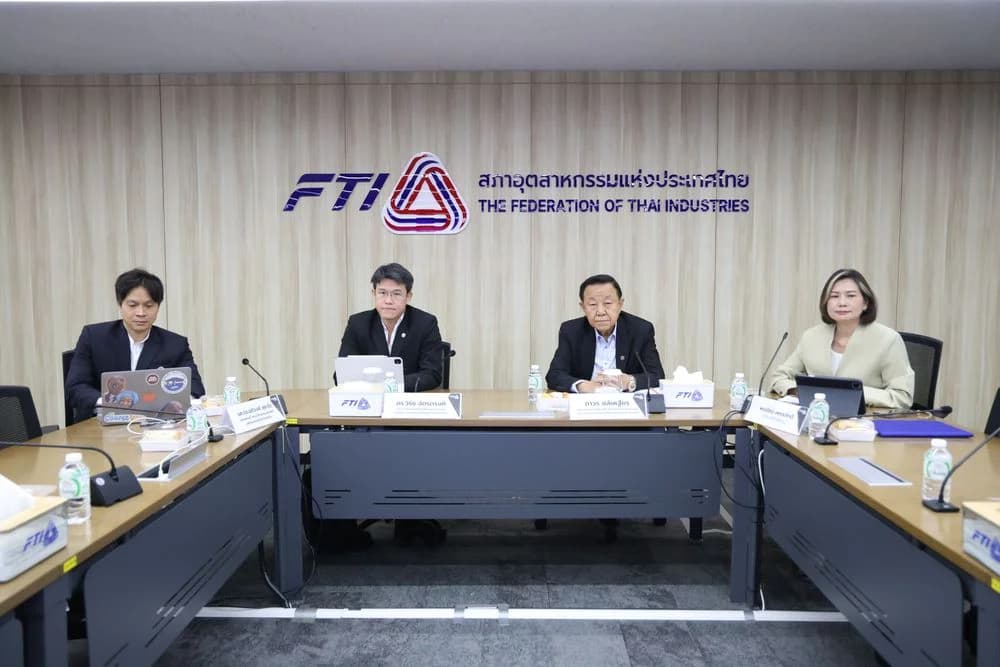
เมื่อวันที่ 29 ตุลาคม 2568 นายเกรียงไกร เธียรนุกุล ประธานสภาอุตสาหกรรมแห่งประเทศไทย (ส.อ.ท.) ร่วมเป็นวิทยากรในงานสัมมนาเรื่อง “การเปลี่ยนแปลงของห่วงโซ่อุปทานโลกและการลงทุนจากต่างประเทศในอาเซียนและประเทศไทย” จัดโดยคณะกรรมาธิการการเศรษฐกิจ การเงิน และการคลัง วุฒิสภา ณ โรงแรมแกรนด์ เซนเตอร์ พอยต์ เทอร์มินอล 21
ภายในงาน นายเกรียงไกร ได้ถ่ายทอดมุมมองเชิงลึกเกี่ยวกับ แนวโน้มการปรับตัวของอุตสาหกรรมไทยในยุคเศรษฐกิจโลกใหม่ท่ามกลางความผันผวนของภูมิรัฐศาสตร์ เศรษฐกิจ และเทคโนโลยี โดยเฉพาะการเปลี่ยนแปลงของ ห่วงโซ่อุปทานโลก (Global Supply Chain) ที่ส่งผลโดยตรงต่อการจัดการการผลิต การค้า และการลงทุนในภูมิภาคเอเชีย
นายเกรียงไกร ได้เน้นย้ำว่า ประเทศไทยต้อง เร่งยกระดับขีดความสามารถทางการแข่งขัน ผ่านการพัฒนาอุตสาหกรรมสมัยใหม่ เช่น อุตสาหกรรมยานยนต์ไฟฟ้า (EV) อุตสาหกรรมดิจิทัล พลังงานสะอาด และอุตสาหกรรมเกษตรแปรรูปมูลค่าสูง รวมถึงส่งเสริมการใช้เทคโนโลยีและนวัตกรรม เพื่อเพิ่มประสิทธิภาพในการผลิตและลดต้นทุน
นอกจากนี้ นายเกรียงไกร ยังได้เสนอแนะแนวทางสำคัญต่อภาครัฐในการ ผลักดันนโยบายที่เอื้อต่อการลงทุนและการค้าระหว่างประเทศ อาทิ การพัฒนาระบบโลจิสติกส์และโครงสร้างพื้นฐาน การพัฒนาทักษะแรงงานให้ตอบโจทย์อุตสาหกรรมอนาคต และการสนับสนุนผู้ประกอบการให้ก้าวสู่การผลิตที่เป็นมิตรต่อสิ่งแวดล้อม
ทั้งนี้ ส.อ.ท. พร้อมทำงานร่วมกับภาครัฐและพันธมิตรทุกภาคส่วน เพื่อขับเคลื่อนนโยบายอุตสาหกรรมไทยสู่อนาคต มุ่งสู่เศรษฐกิจคาร์บอนต่ำ (Low-Carbon Economy) และการเติบโตอย่างยั่งยืน ที่จะช่วยสร้างสมดุลระหว่างเศรษฐกิจ สังคม และสิ่งแวดล้อม
ในโอกาสนี้ มีผู้บริหาร ส.อ.ท. เข้าร่วมงาน ได้แก่ นายกฤษณ์ อิ่มแสง เลขาธิการ ส.อ.ท.
นายปณิธาน ปวโรฬารวิทยา รองเลขาธิการและกรรมการเลขานุการสายงานอาเซียนและโลจิสติกส์ นายวรวิทย์ จำเริญเลิศ กรรมการสายงานการค้าและการลงทุน และนายธนวัฒน์ จิตบรรเทิงพันธ์ กรรมการและผู้ช่วยเลขานุการสายงานอาเซียนและโลจิสติกส์
งานสัมมนาครั้งนี้ ถือเป็นอีกหนึ่งเวทีสำคัญในการแลกเปลี่ยนองค์ความรู้และมุมมองเชิงกลยุทธ์ ระหว่างภาครัฐ ภาคเอกชน และนักวิชาการ เพื่อร่วมกันกำหนดทิศทางการพัฒนาอุตสาหกรรมไทยให้เติบโตอย่างแข็งแกร่งและมีความยืดหยุ่น พร้อมรับมือกับการเปลี่ยนแปลงของเศรษฐกิจโลกในอนาคต
On October 29, 2025, Mr. Kiangkrai Theeranukul, Chairman of the Federation of Thai Industries (FTI), participated as a speaker at the seminar on “Changes in the Global Supply Chain and Foreign Investment in ASEAN and Thailand,” organized by the Senate Economic, Finance, and Banking Commission at the Grand Center Point Terminal 21 Hotel.
During the event, Mr. Kiangkrai shared in-depth insights on the trends of Thailand's industrial adaptation in the new global economic era, amidst fluctuations in geopolitics, economy, and technology, particularly regarding the changes in the Global Supply Chain, which directly impact production management, trade, and investment in the Asia region.
Mr. Kiangkrai emphasized that Thailand must accelerate the enhancement of its competitive capabilities through the development of modern industries such as electric vehicle (EV) manufacturing, the digital industry, clean energy, and high-value-added agribusiness, as well as promote the use of technology and innovation to increase production efficiency and reduce costs.
Additionally, Mr. Kiangkrai proposed essential guidelines to the government for promoting policies conducive to investment and international trade, such as developing logistics systems and infrastructure, enhancing workforce skills to meet the future industry demands, and supporting entrepreneurs in transitioning to environmentally friendly production.
The FTI is ready to work hand in hand with the government and all sectors to drive the Thai industrial policy towards the future, aiming for a low-carbon economy and sustainable growth that will help create a balance between the economy, society, and environment.
On this occasion, FTI executives in attendance included Mr. Krit Eamsang, Secretary-General of the FTI, Mr. Panithan Pawaromlart, Deputy Secretary-General and Secretary of the ASEAN and Logistics Committee, Mr. Worawit Jamroenlert, Committee member from the Trade and Investment Division, and Mr. Thanawat Chitbanthengphan, Committee member and Assistant Secretary of the ASEAN and Logistics Division.
This seminar served as another important platform for exchanging knowledge and strategic perspectives among the government, private sector, and academia to jointly determine the direction of the Thai industrial development for robust and resilient growth, ready to cope with future changes in the global economy.