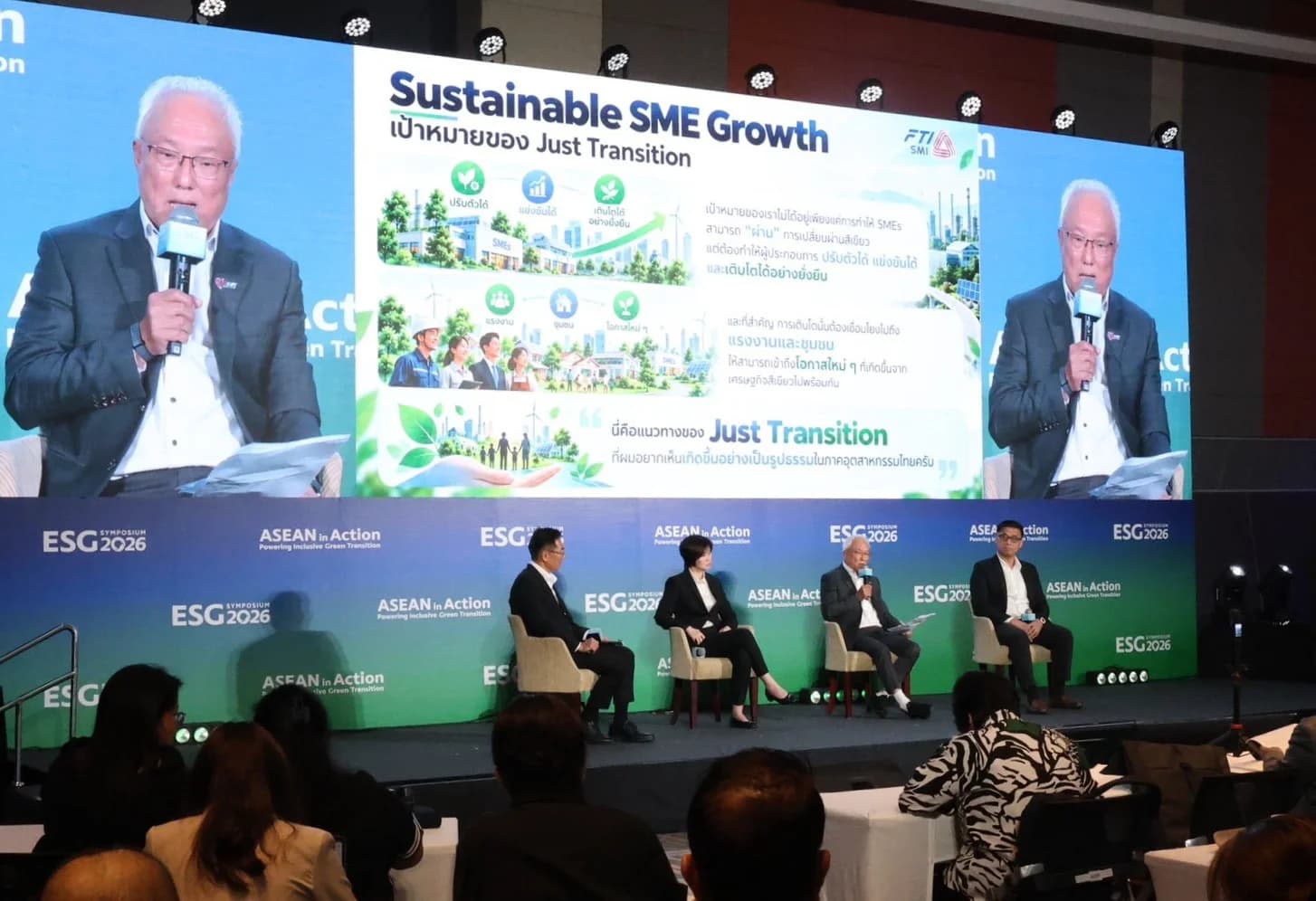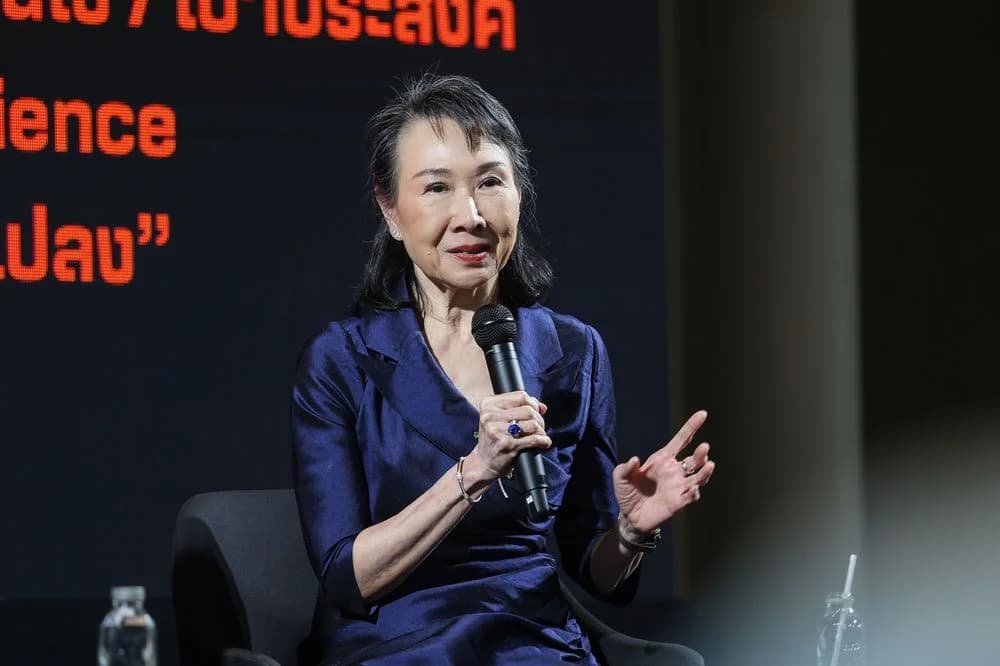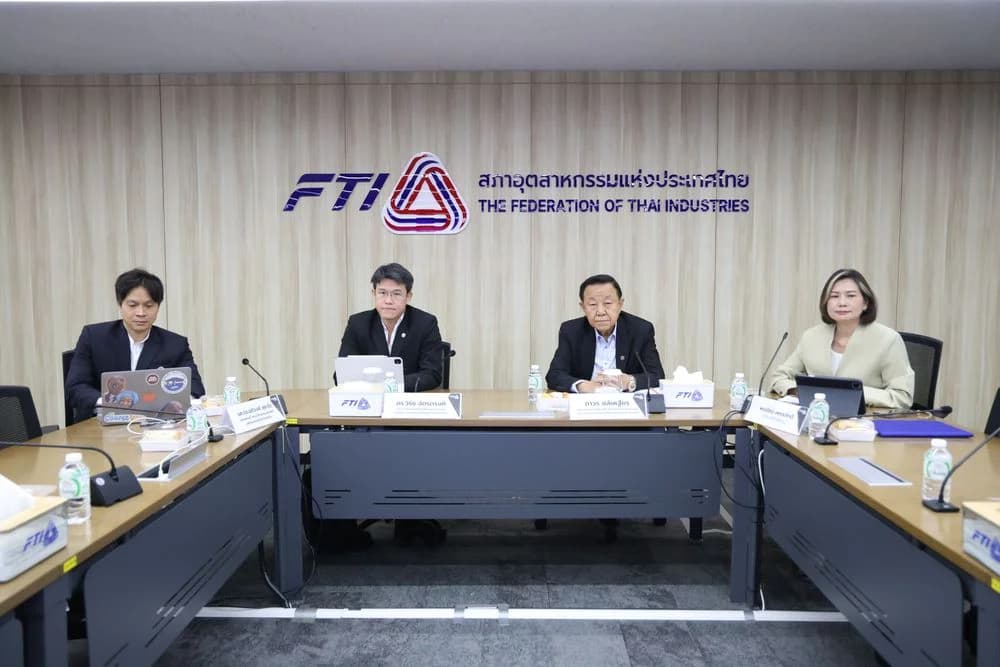

เมื่อวันที่ 3 ตุลาคม 2568 นายวิวรรธน์ เหมมณฑารพ รองประธานสภาอุตสาหกรรมแห่งประเทศไทย (ส.อ.ท.) เข้าร่วมเสวนา “A Call for Adaptation: The Sustainability in Trade & Industry” จัดโดยกรุงเทพธุรกิจ และ Sustainability Expo 2025 (SX) ณ ศูนย์การประชุมแห่งชาติสิริกิติ์ โดยมีผู้นำภาครัฐและเอกชน ร่วมแลกเปลี่ยนมุมมองในหัวข้อ “ผนึกพลังทางการค้า เปลี่ยนความท้าทายสู่โอกาส”
นายวิวรรธน์ชี้ว่า การลงทุนจากต่างชาติ (FDI) กำลังเปลี่ยนทิศทางมุ่งสู่ ดิจิทัลและ Data Center สิ่งนี้ทำให้ไทยต้องหาจุดแข็งที่ต่างออกไป และคำตอบสำคัญ คือ ความหลากหลายทางชีวภาพ (Biodiversity) ซึ่งสามารถต่อยอดสู่การสร้างสินค้ามูลค่าสูง ที่ไม่พึ่งแรงงานราคาถูกเหมือนเดิม
ปัจจุบันเศรษฐกิจไทยยังพึ่งพาการส่งออก 60% และการท่องเที่ยวอีก 15% การเติบโตจึงเปราะบางหากขาดปัจจัยภายนอก ดังนั้นการใช้ Biodiversity มาพัฒนาเป็นสินค้า เช่น สมุนไพร เทคโนโลยีชีวภาพ (Biotechnology) และ Bioproducts จะช่วยเพิ่มเสถียรภาพและลดความเสี่ยงทางเศรษฐกิจ
การผลักดัน Bio Economy จึงกลายเป็นยุทธศาสตร์หลัก โดยมีหัวใจสำคัญอยู่ที่ยา เครื่องสำอาง ส่วนผสมอาหารเชิงฟังก์ชัน วัสดุชีวภาพ พลังงานชีวภาพ ควบคู่ไปกับ Green Growth ที่มุ่งลดคาร์บอน ปลูกป่าเพิ่มออกซิเจน และใช้ทรัพยากรอย่างสมดุล สิ่งเหล่านี้เชื่อมโยงกันในฐานะ “ทางรอด” ที่จะทำให้เศรษฐกิจเติบโตพร้อมกับสิ่งแวดล้อมที่ยั่งยืน
เพื่อให้แนวคิด Bio Economy เกิดผลจริง ส.อ.ท. จึงเดินหน้าสร้างโครงสร้างนวัตกรรม เช่น
• One Innovation Council ภายใต้กลยุทธ์ 3B: Build – Buy – Borrow
• Smart Agriculture Industry (SAI) ร่วมกับมหาวิทยาลัยมหิดล พัฒนาเกษตรมูลค่าสูง เช่น การแปรรูปเห็ดเป็น Plant-Based Products โดยใช้โมเดล Demand Driven ที่เชื่อมโยงตั้งแต่ต้นน้ำถึงปลายน้ำ
สิ่งนี้ไม่เพียงช่วยยกระดับการเกษตร แต่ยังสร้างห่วงโซ่อุปทานใหม่ให้ไทยแข่งขันได้ในตลาดโลก
อย่างไรก็ตาม การแข่งขันในภูมิภาคยังเป็นความท้าทายใหญ่ เพราะมี FDI ย้ายฐานการผลิตไปเวียดนามเพิ่มขึ้นเรื่อย ๆ ดังนั้นไทยต้องสร้างความแตกต่าง ผ่านการพัฒนาคนทั้งในด้าน Biotechnology และ Digital Transformation เพื่อสร้างงานที่มีทักษะสูงและรายได้สูง รองรับเทคโนโลยีขั้นสูง ซึ่งจะเป็นปัจจัยสำคัญในการรักษาความสามารถในการแข่งขัน
นอกจากการดึง FDI ไทยยังต้องเสริมสร้างความแข็งแรงจากภายใน ส.อ.ท. จึงจัดตั้งกองทุน Innovation One เพื่อสนับสนุนสตาร์ทอัพและ SMEs ที่มีศักยภาพ สร้างนวัตกรรมใหม่ให้ขับเคลื่อนประเทศอย่างยั่งยืน
นายวิวรรธน์ย้ำว่า “ประเทศไทยต้องเร่งสร้างนวัตกรรม ใช้จุดแข็งด้าน Biodiversity และพัฒนาคนให้พร้อมรับเทคโนโลยีใหม่” เพราะอนาคตของเศรษฐกิจไทยไม่ได้อยู่ที่ต้นทุนต่ำอีกต่อไป แต่อยู่ที่นวัตกรรม ความยั่งยืน และการสร้างคนคุณภาพ เพื่อให้ประเทศก้าวไปข้างหน้าอย่างมั่นคงและแตกต่างในเวทีโลก
On October 3, 2025, Mr. Wiwat Hemnatharap, Vice Chairman of the Federation of Thai Industries (FTI), attended the discussion “A Call for Adaptation: The Sustainability in Trade & Industry” organized by Bangkok Biz News and the Sustainability Expo 2025 (SX) at the Queen Sirikit National Convention Center, where government and private sector leaders exchanged views on the topic “Harnessing Trade Power: Turning Challenges into Opportunities.”
Mr. Wiwat emphasized that foreign direct investment (FDI) is shifting towards digital and Data Centers, necessitating Thailand to identify unique strengths. A crucial answer lies in biodiversity, which can lead to the creation of high-value products without relying on low-cost labor as before.
Currently, the Thai economy relies on exports for 60% and tourism for another 15%. Growth remains fragile without external factors. Therefore, utilizing biodiversity to develop products such as herbal medicines, biotechnology, and bioproducts will enhance stability and reduce economic risk.
The promotion of the Bio Economy has thus become a primary strategy, with critical focuses on pharmaceuticals, cosmetics, functional food ingredients, bioplastics, and bioenergy, alongside Green Growth aimed at carbon reduction, afforestation to increase oxygen, and balanced resource utilization. These elements are interconnected as a “lifeline” that will enable the economy to grow sustainably along with the environment.
To ensure that the concept of the Bio Economy yields tangible results, FTI has initiated the establishment of an innovation infrastructure, including:
• One Innovation Council under the strategy 3B: Build – Buy – Borrow
• Smart Agriculture Industry (SAI) in collaboration with Mahidol University, developing high-value agriculture such as processing mushrooms into Plant-Based Products using a Demand Driven model that connects upstream to downstream.
This not only elevates agriculture but also creates a new supply chain that enables Thailand to compete in the global market.
However, competition in the region remains a significant challenge because FDI continues to shift production bases to Vietnam. Hence, Thailand must create differentiation through human resource development in both biotechnology and digital transformation to generate high-skill, high-income jobs that cater to advanced technology, which will be a critical factor in maintaining competitiveness.
In addition to attracting FDI, Thailand must also strengthen its internal capabilities. FTI has established the Innovation One Fund to support startups and SMEs with potential in creating new innovations to drive sustainable development for the country.
Mr. Wiwat reiterated that “Thailand must accelerate the creation of innovation, leverage its strengths in biodiversity, and develop its workforce to be ready for new technologies” as the future of the Thai economy no longer relies on low costs but on innovation, sustainability, and the development of quality human resources to enable the country to move forward confidently and distinctively on the global stage.