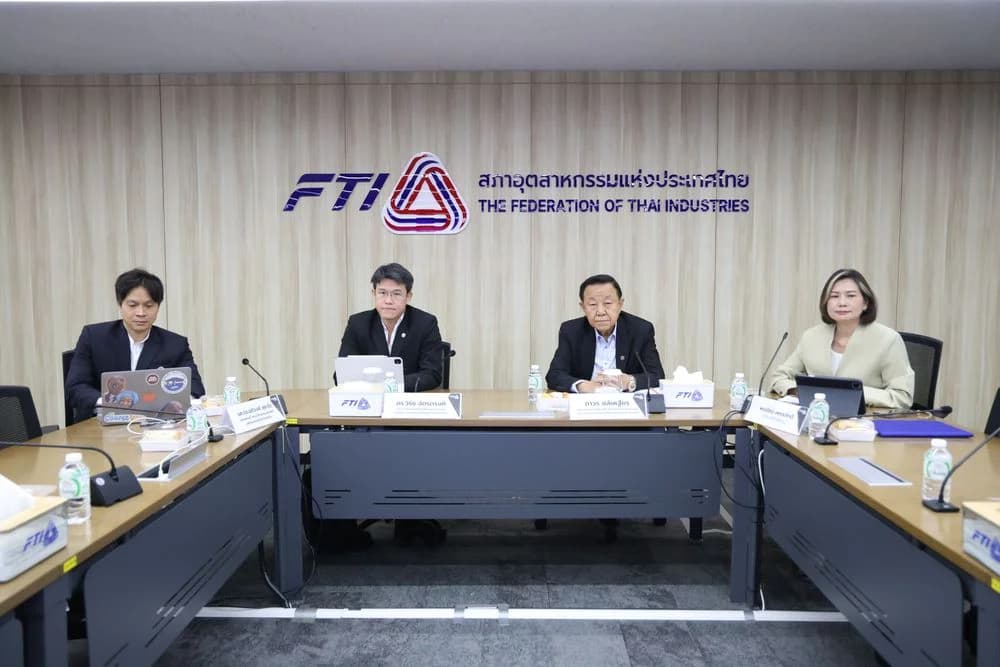
เมื่อวันที่ 17 กันยายน 2568 นายนาวา จันทนสุรคน รองประธานสภาอุตสาหกรรมแห่งประเทศไทย (ส.อ.ท.) ได้รับเกียรติร่วมเป็นวิทยากรบรรยายพิเศษในหัวข้อ “นโยบายภาษีของทรัมป์และผลกระทบต่ออุตสาหกรรมการผลิต” ภายในงาน AWS Manufacturing Day จัดโดยบริษัท Amazon Web Services (AWS) โดยมีนายวัตสัน ถิรภัทรพงศ์ ผู้จัดการประจำประเทศไทย (Country Manager) บริษัท AWS ประเทศไทย กล่าวต้อนรับและเปิดงาน ณ โรงแรมดิ โอกุระ เพรสทีจ กรุงเทพฯ
การสัมมนาครั้งนี้จัดขึ้นเพื่อเป็นเวทีแลกเปลี่ยนมุมมองระหว่างผู้นำภาคอุตสาหกรรม ผู้เชี่ยวชาญด้านเทคโนโลยี และภาครัฐ เกี่ยวกับแนวโน้มการเปลี่ยนแปลงด้านเศรษฐกิจ การค้า และการผลิตในยุคที่โลกกำลังเผชิญความท้าทายใหม่ ๆ โดยเฉพาะผลกระทบจากนโยบายภาษีของสหรัฐฯ ที่อาจส่งผลโดยตรงต่อผู้ประกอบการไทยในหลายกลุ่มอุตสาหกรรม
ในการบรรยาย นายนาวา ได้สะท้อนให้เห็นภาพรวมการเปลี่ยนแปลงของเศรษฐกิจโลกและการผลิตในอนาคต พร้อมอธิบายผลกระทบจากนโยบายภาษีสหรัฐฯ ต่ออุตสาหกรรมการผลิตไทย โดยเฉพาะ อุตสาหกรรมที่มีห่วงโซ่อุปทานเชื่อมโยงกับตลาดโลก (Global Supply Chain) ซึ่งจำเป็นต้องเร่งปรับตัวด้วยการเพิ่มประสิทธิภาพการผลิต พัฒนานวัตกรรม และปรับทิศทางเข้าสู่อุตสาหกรรมใหม่ เพื่อรักษาขีดความสามารถในการแข่งขันในระยะยาว ทั้งนี้ ประเทศไทยยังคงต้องจับตาการเจรจาทางการค้าระหว่างประเทศอย่างใกล้ชิด เพื่อประเมินความเสี่ยงและหาแนวทางรองรับอย่างเหมาะสม
นอกจากนี้ นายนาวา ยังได้เสนอแนวทางเชิงนโยบายต่อภาครัฐและภาคเอกชนในการ “ปลดล็อกศักยภาพของอุตสาหกรรมการผลิตไทย” โดยมีข้อเสนอสำคัญ ได้แก่
1. การยกระดับเทคโนโลยีและนวัตกรรม เพื่อปรับโครงสร้างอุตสาหกรรมให้สอดคล้องกับมาตรฐานสากลและเทรนด์การผลิตใหม่
2. การปรับปรุงกฎหมายและกฎระเบียบ เพื่ออำนวยความสะดวก ลดอุปสรรคทางการค้า และเพิ่มความคล่องตัวในการทำธุรกิจ
3. การตรวจสอบและควบคุมการสวมสิทธิ์สินค้าจากต่างประเทศอย่างเข้มงวด เพื่อปกป้องผู้ประกอบการไทยจากการแข่งขันที่ไม่เป็นธรรม
4. การส่งเสริมการใช้วัตถุดิบและสินค้าภายในประเทศ ภายใต้แนวทาง Local Content และการสนับสนุนสินค้า Made in Thailand (MiT)
5. การเร่งเจรจาข้อตกลงทางการค้าเสรี (FTA) เพื่อเปิดตลาดใหม่ ๆ และสร้างโอกาสการส่งออกให้กว้างขวางยิ่งขึ้น
6. การพัฒนาอุตสาหกรรมตามแนวคิด BCG Model (Bio-Circular-Green Economy) เพื่อสร้างความยั่งยืนทั้งด้านเศรษฐกิจ สิ่งแวดล้อม และสังคม
การบรรยายดังกล่าวสะท้อนให้เห็นถึงบทบาทของ ส.อ.ท. ในการเป็นตัวกลางระหว่างภาคเอกชนและภาครัฐ ในการขับเคลื่อนอุตสาหกรรมไทยให้สามารถเผชิญความท้าทายระดับโลก และปรับตัวอย่างมั่นคงภายใต้กระแสการเปลี่ยนแปลงทางเศรษฐกิจและการค้าระหว่างประเทศ
On September 17, 2025, Mr. Nava Janthasurakhan, Vice Chairman of the Federation of Thai Industries (FTI), was honored to be a keynote speaker on the topic of “Trump's Tax Policy and Its Impact on the Manufacturing Industry” during the AWS Manufacturing Day event organized by Amazon Web Services (AWS). The event was welcomed by Mr. Watson Thirapatpong, Country Manager of AWS Thailand, and took place at The Okura Prestige Bangkok.
This seminar was organized as a platform for exchanging views among industry leaders, technology experts, and government representatives regarding the trends of economic, trade, and manufacturing changes in an era where the world is facing new challenges, particularly the impacts of U.S. tax policies that may directly affect Thai entrepreneurs across various industry sectors.
In his presentation, Mr. Nava reflected on the overall changes in the global economy and future manufacturing, explaining the effects of U.S. tax policies on the Thai manufacturing sector, particularly industries linked to the global supply chain, which need to adapt rapidly by enhancing production efficiency, developing innovations, and shifting towards new industries to maintain long-term competitiveness. Additionally, Thailand must closely monitor international trade negotiations to assess risks and find appropriate response strategies.
Moreover, Mr. Nava proposed policy recommendations to both the government and the private sector for “unlocking the potential of the Thai manufacturing industry,” with key suggestions including:
1. Upgrading technology and innovation to align the industry's structure with international standards and new manufacturing trends.
2. Improving laws and regulations to facilitate trade, reduce barriers, and enhance business agility.
3. Strictly monitoring and controlling the infringement of foreign goods to protect Thai operators from unfair competition.
4. Promoting the use of domestic materials and products under the Local Content approach and supporting Made in Thailand (MiT) products.
5. Accelerating negotiations for Free Trade Agreements (FTA) to open new markets and expand export opportunities.
6. Developing industries based on the BCG Model (Bio-Circular-Green Economy) to create sustainability in economic, environmental, and social aspects.
This presentation reflects the role of the FTI as a mediator between the private sector and the government in driving the Thai industry to face global challenges and to adapt steadily under the dynamics of economic and international trade changes.