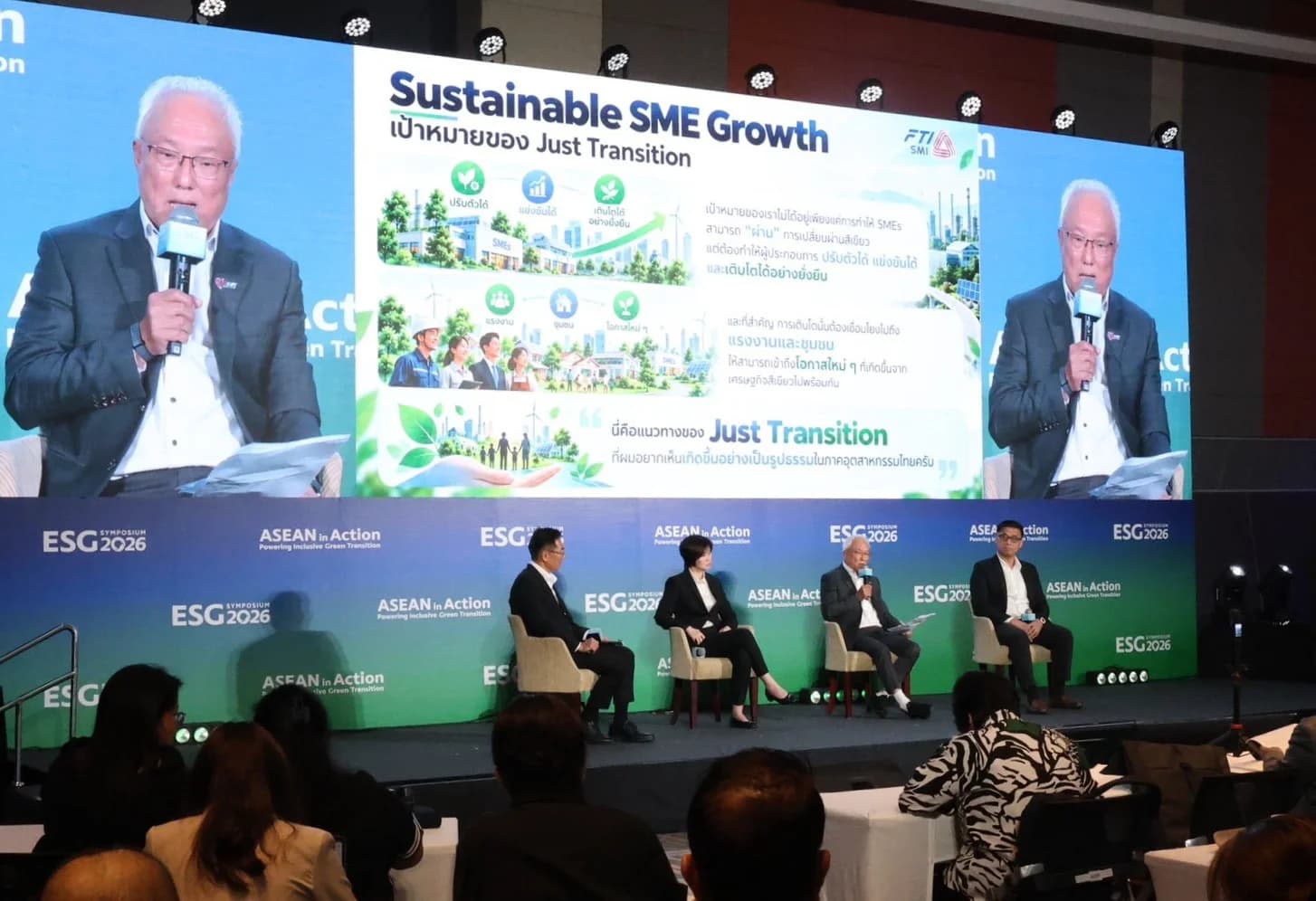

เมื่อวันศุกร์ที่ 15 สิงหาคม 2568 นายสมบูรณ์ พิทยรังสฤษฎ์ กรรมการสภาอุตสาหกรรมแห่งประเทศไทย (ส.อ.ท.) และประธานกลุ่มอุตสาหกรรมเครื่องจักรกลและระบบอัตโนมัติ เข้าร่วมเสวนาภายในงานสัมมนารับฟังความคิดเห็นการจัดทำความตกลงการค้าเสรี ไทย–สมาคมการค้าเสรีแห่งยุโรป (European Free Trade Association: EFTA) ณ ห้องแกรนด์ บอลรูม ชั้น 4 โรงแรมเรดิสัน บลู พลาซ่า กรุงเทพมหานคร
การสัมมนาดังกล่าวมีผู้แทนจากภาคเอกชนเข้าร่วม อาทิ สภาอุตสาหกรรมแห่งประเทศไทย สภาหอการค้าแห่งประเทศไทย สภาเกษตรกรแห่งชาติ และสมาคมปลานิลไทย เพื่อแสดงความคิดเห็นต่อการจัดทำความตกลงการค้าเสรี ไทย–สมาคมการค้าเสรีแห่งยุโรป โดยผู้แทนจากสภาอุตสาหกรรมแห่งประเทศไทยเห็นว่า ความตกลงการค้าเสรีฉบับนี้จะส่งผลดีต่อผู้ประกอบการไทยที่นำเข้าสินค้าจากกลุ่มประเทศสมาชิกสมาคมการค้าเสรีแห่งยุโรป เนื่องจากสามารถนำเข้าได้ในราคาที่ถูกลง แต่ในอีกด้านหนึ่งอาจส่งผลกระทบต่ออุตสาหกรรมประมงที่อาจสูญเสียส่วนแบ่งตลาดให้กับสินค้านำเข้าจากกลุ่มประเทศดังกล่าว
อย่างไรก็ดี ได้มีการเสนอแนวทางการใช้ประโยชน์จากความตกลงการค้าเสรีว่า ผู้ประกอบการไทยควรเน้นการเจาะตลาดในรูปแบบสินค้าที่ผลิตตามความต้องการเฉพาะ (Customized) ซึ่งเป็นตลาดที่มีผู้แข่งขันน้อยแต่มีมูลค่าสูง อีกทั้งควรส่งเสริมความเชื่อมโยงระหว่างสินค้าเกษตรไทยกับนวัตกรรมการสกัดสารเคมีจากกลุ่มประเทศสมาคมการค้าเสรีแห่งยุโรป เพื่อนำไปสู่การพัฒนาสินค้าอาหารฟังก์ชัน (Functional Food) นอกจากนี้ ภาครัฐควรสนับสนุนภาคเอกชนในการประยุกต์ใช้เทคโนโลยีเพื่อยกระดับมาตรฐานสินค้าไทยสำหรับการส่งออกไปยังกลุ่มประเทศสมาคมการค้าเสรีแห่งยุโรป
On Friday, August 15, 2025, Mr. Somboon Pityarangsrit, a Board Member of the Federation of Thai Industries (FTI) and Chairman of the Machinery and Automation Industry Group, participated in a discussion at a seminar for public opinion regarding the negotiation of the Thailand–European Free Trade Association (EFTA) free trade agreement at the Grand Ballroom, 4th Floor, Radisson Blu Plaza Hotel, Bangkok.
The seminar saw participation from representatives of the private sector, including the Federation of Thai Industries, the Thai Chamber of Commerce, the National Farmers Council, and the Thai Tilapia Association, to provide their opinions on the Thailand–EFTA free trade agreement. Representatives from the Federation of Thai Industries indicated that this free trade agreement would benefit Thai entrepreneurs importing goods from the EFTA member countries due to potentially lower import costs. However, it may adversely affect the fishing industry, which could lose market share to imported products from these countries.
Nevertheless, recommendations were made on how to leverage the free trade agreement, stating that Thai entrepreneurs should focus on market penetration through customized products, a domain with fewer competitors but higher value. Furthermore, it is essential to promote the linkage between Thai agricultural products and innovative extraction technologies from EFTA member countries to develop functional food products. Additionally, the government should support the private sector in applying technology to elevate Thai product standards for exports to EFTA member countries.