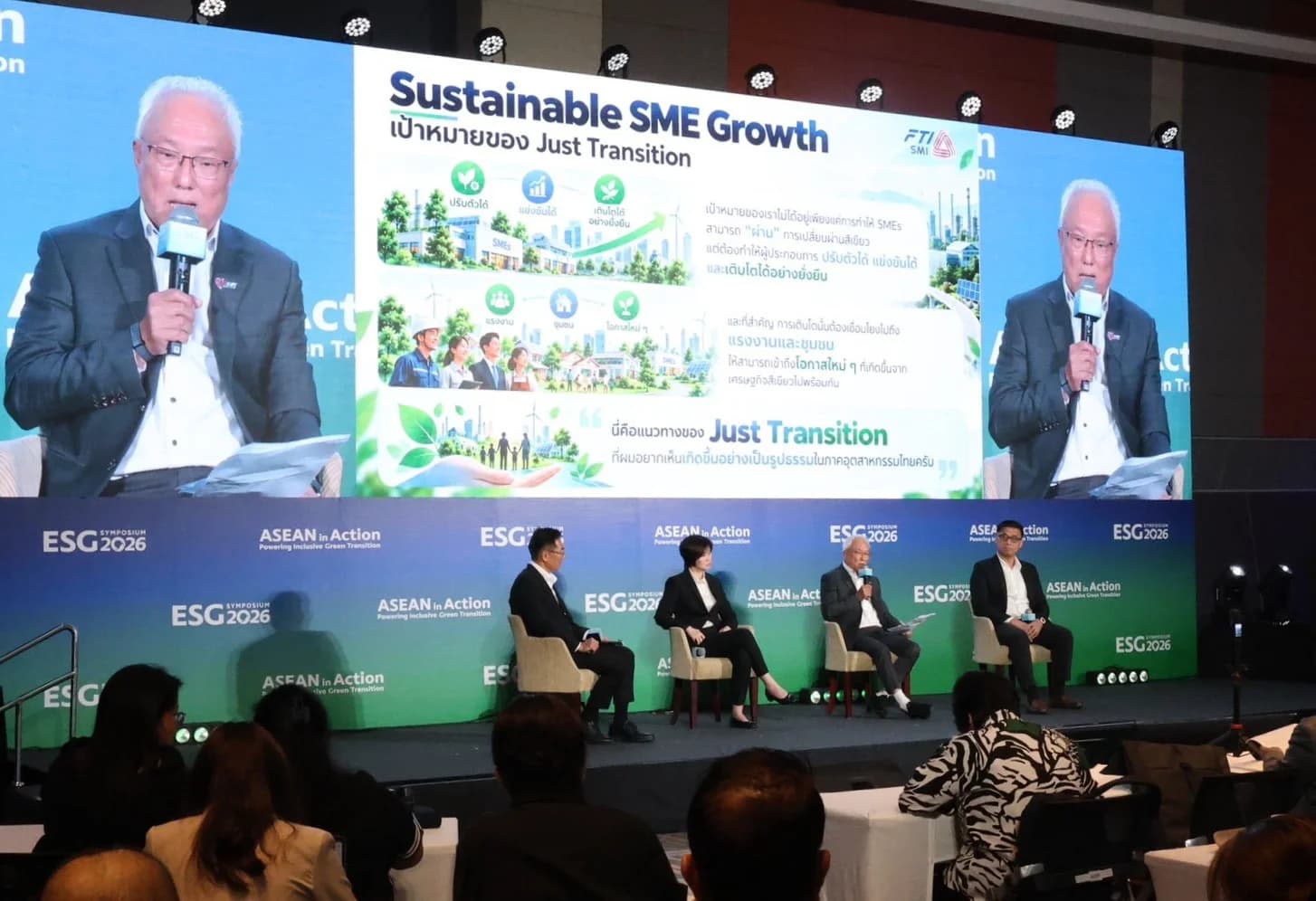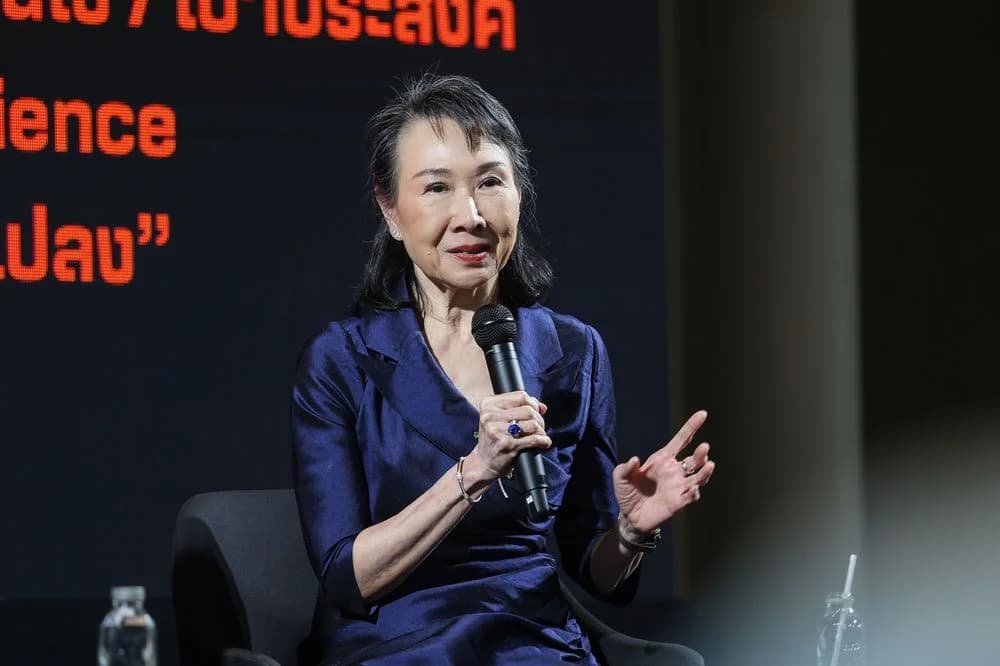

เมื่อวันอังคารที่ 4 กุมภาพันธ์ 2568 นายอภิชิต ประสพรัตน์ รองประธานสภาอุตสาหกรรมแห่งประเทศไทย (ส.อ.ท.) ได้เข้าร่วมเป็นวิทยากร ในงานสัมมนา Krungsri Prime จัดโดยธนาคารกรุงศรีอยุธยา จำกัด (มหาชน) ในหัวข้อ "แนวโน้มเศรษฐกิจไทย 2568 และความเสี่ยงที่ควรจับตา" ณ Victor Club ห้อง 3-4 อาคาร FYI Center คลองเตย
ในการสัมมนาครั้งนี้ นายอภิชิต ได้ประเมินภาพรวมอุตสาหกรรมไทยปี 2568 ยังมีแนวโน้มทรงตัวจากปีที่ผ่านมา โดยมีความ ท้าทายในหลายปัจจัยทั้งจากความไม่แน่นอนของสงครามการค้าสหรัฐฯ - จีน จากนโยบายทรัมป์ 2.0 ส่งผลให้สินค้าจากจีนเข้ามาในตลาดอาเซียนและไทยมากขึ้น เช่น เหล็ก เครื่องนุ่งห่ม เฟอร์นิเจอร์ เป็นต้น ขณะที่ปัญหาความขัดแย้งทางภูมิรัฐศาสตร์ยังมีความไม่แน่นอน อีกทั้งการเปลี่ยนแปลงสภาพภูมิอากาศ (Climate Change) อย่างเช่น ปัญหาฝุ่น PM2.5 ที่ประเทศไทยกำลังเผชิญอยู่ในปัจจุบัน ยังเป็นปัจจัยเสี่ยงของเศรษฐกิจในปีนี้ นอกจากนี้ ปัญหาหนี้ครัวเรือน ยังกดดันกำลังซื้อในประเทศ เห็นได้จากยอดขายรถยนต์ในประเทศ ปี 2567 หดตัว 20.94% เมื่อเปรียบเทียบกับปีที่ผ่านมา แต่อย่างไรก็ตาม เศรษฐกิจไทยในปี 2568 ยังมีปัจจัยบวกจากภาคการท่องเที่ยวที่ขยายตัวต่อเนื่อง ซึ่งคาดว่าจำนวนนักท่องเที่ยวต่างชาติจะเพิ่มขึ้นถึง 39 ล้านคน ขณะที่การส่งออก คณะกรรมการร่วมภาคเอกชน 3 สถาบัน (กกร.) คาดว่าจะขยายตัว 1.5-2.5% ส่วนการลงทุนทั้งภาครัฐและเอกชนมีแนวโน้มขยายตัว รวมทั้ง มาตรการกระตุ้นเศรษฐกิจของภาครัฐ เช่น มาตรการ Easy-Receipt และดิจิทัลวอลเล็ต จะช่วยส่งเสริมการใช้จ่ายในประเทศ
นอกจากนี้ นายอภิชิต ยังได้กล่าวถึงความไม่แน่นอนของนโยบายทรัมป์ 2.0 โดยเฉพาะการปรับขึ้นภาษีนำเข้าจากประเทศต่างๆ อาจส่งผลกระทบต่อสินค้าส่งออกของไทย โดยกลุ่มสินค้าที่ต้องเฝ้าระวัง ได้แก่ ไฟฟ้าและอิเล็กทรอนิกส์ อัญมณีและเครื่องประดับ ยานยนต์และชิ้นส่วนฯ ยาง และสิ่งทอ เป็นต้น ซึ่งเป็นสินค้าที่ไทยส่งออกไปยังสหรัฐฯ และมีมูลค่าสูง จากข้อมูลของกระทรวงพาณิชย์พบว่า ในปี 2567 สหรัฐฯ ขาดดุลการค้ากับไทย อันดับที่ 10 เพิ่มขึ้นจากอันดับที่ 14 ในปี 2562
ทั้งนี้ ส.อ.ท. ได้จัดทำข้อเสนอต่อภาครัฐเพื่อเตรียมแนวทางรับมือกับนโยบายการค้าของสหรัฐฯ และลดผลกระทบให้กับภาคการส่งออกของไทย รวมถึงเสนอให้ภาครัฐออกมาตรการปกป้องผู้ประกอบการในประเทศจากการทุ่มตลาดของสินค้าจีน ตลอดจนเร่งสนับสนุนผู้ประกอบการให้ปรับตัว เพื่อก้าวผ่านปัญหาต่างๆ ได้ พร้อมกับส่งเสริมการยกระดับและสร้างขีดความสามารถในการแข่งขันให้กับผู้ประกอบการ SMEs สู่ Smart SMEs ด้วยแนวทาง 4 GO ได้แก่ Go Digital & AI, Go Innovation , Go Global และ Go Green ดังนั้น ผู้ประกอบการไทยจำเป็นต้องเร่งปรับตัวและเตรียมความพร้อมเพื่อรองรับกับความไม่แน่นอนของเศรษฐกิจ ไม่ว่าจะเป็นการพัฒนาผลิตภัณฑ์ด้วยนวัตกรรม เพื่อเพิ่มมูลค่าสินค้า การวิจัยพัฒนา (R&D) การนำเทคโนโลยี Automation& Robotic มาใช้เพิ่มประสิทธิภาพการผลิต ตลอดจนการจัดทำบัญชีเล่มเดียว เพื่อให้สามารถเข้าถึงสินเชื่อจากสถาบันการเงินได้ง่ายและสะดวกรวดเร็วขึ้น
On Tuesday, February 4, 2025, Mr. Apichit Prasoprat, Vice President of the Federation of Thai Industries (FTI), participated as a speaker at the Krungsri Prime seminar organized by Krungsri Bank Public Company Limited, focusing on the topic "Thai Economic Outlook 2025 and Risks to Watch" at Victor Club, Rooms 3-4, FYI Center, Klongtoey.
During this seminar, Mr. Apichit assessed the overall Thai industry outlook for 2025, which remains stable compared to the previous year, amidst challenges arising from various factors, including the uncertainties of the US-China trade war under Trump 2.0 policies, leading to an increase in Chinese goods in the ASEAN and Thai markets, such as steel, apparel, and furniture. The geopolitical conflicts also present uncertainties, while climate change issues, such as the PM2.5 dust problem that Thailand currently faces, pose economic risks for this year. Furthermore, household debt continues to pressure domestic purchasing power, as evidenced by a 20.94% decline in domestic car sales in 2024 compared to the previous year. Nonetheless, Thailand's economy in 2025 still has positive factors from the continuously expanding tourism sector, with foreign tourist numbers expected to reach 39 million. Meanwhile, exports are projected to grow by 1.5-2.5% according to the Joint Private Sector Committee of three organizations (JSCCIB), and both public and private investments are expected to expand. Moreover, government economic stimulus measures, such as the Easy-Receipt scheme and digital wallets, will support domestic spending.
Additionally, Mr. Apichit discussed the uncertainties surrounding the Trump 2.0 policy, particularly the increase in import duties from various countries, which may impact Thai exports. The products that need close monitoring include electrical and electronics, gems and jewelry, automotive and parts, rubber, and textiles, which are valuable Thai exports to the United States. According to the Ministry of Commerce, in 2024, the United States had a trade deficit with Thailand ranked 10th, up from 14th in 2022.
In this regard, the FTI has prepared recommendations for the government to strategize on how to cope with US trade policies and mitigate their impacts on Thailand's export sector. This includes proposing measures to protect domestic operators from Chinese market flooding and accelerating support for entrepreneurs to adapt to overcome various challenges. Furthermore, it aims to enhance competitiveness and elevate SMEs to Smart SMEs through the 4 GO approach, which includes Go Digital & AI, Go Innovation, Go Global, and Go Green. Therefore, Thai entrepreneurs must quickly adapt and prepare for the economic uncertainties, whether through product development with innovation to increase product value, engaging in research and development (R&D), implementing Automation & Robotic technologies to enhance production efficiency, and preparing single-entry bookkeeping to facilitate easier and faster access to financial institution loans.