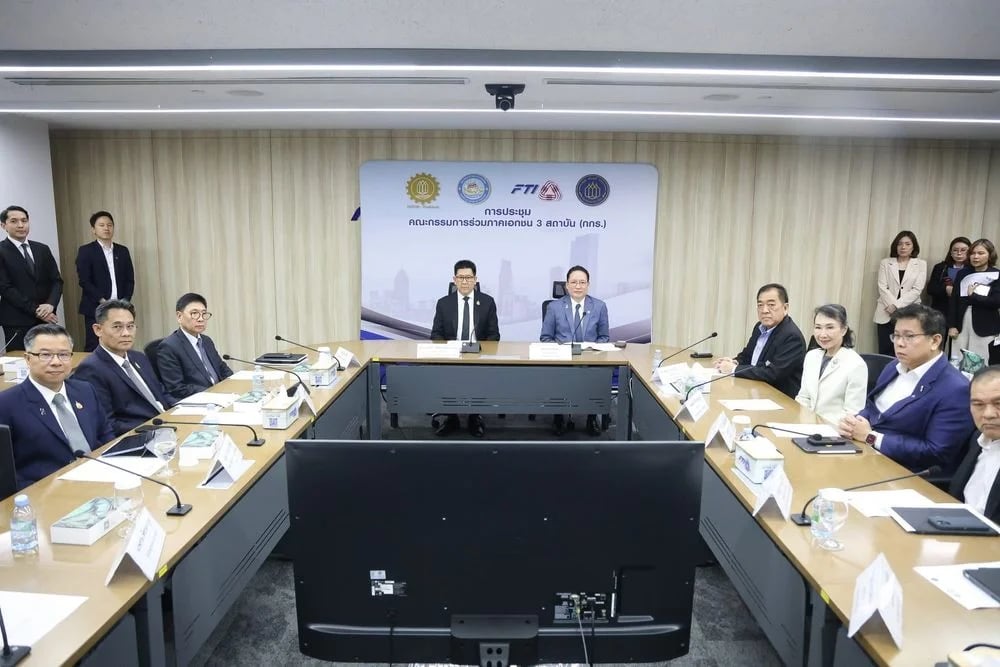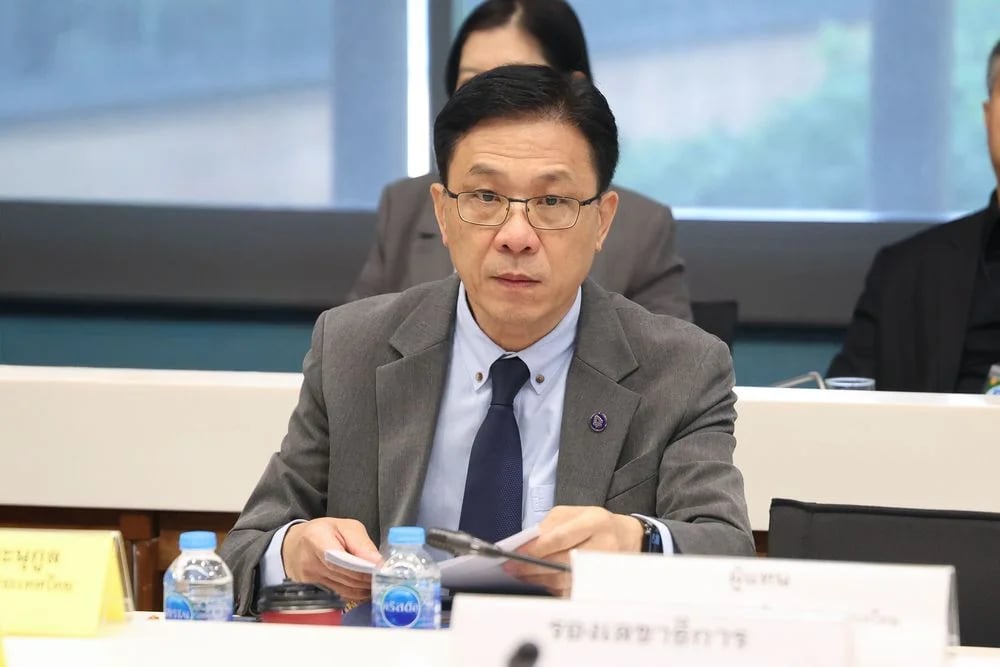

ภาครัฐและภาคเอกชนมีทิศทางสอดคล้องกันในการยกระดับเศรษฐกิจไทย โดยแผนพัฒนาฯ ฉบับที่ 14 ตั้งเป้าให้เศรษฐกิจเติบโตไม่ต่ำกว่า 3% ต่อปี และ GDP ในอุตสาหกรรมเป้าหมายขยายตัว 5.5% ซึ่งสอดรับกับ 7 กลุ่มธุรกิจภายใต้ Reinvent Thailand และข้อเสนอของธนาคารโลก โดย กกร. พร้อมร่วมขับเคลื่อนผ่านกลไก กรอ. ใน 3 ระยะ ได้แก่ Stabilize Today แก้ปัญหาเร่งด่วนและปลดล็อกอุปสรรค Transition Now เร่งการปรับตัวสู่เทคโนโลยีและมาตรฐานใหม่ และ Invest for Tomorrow ลงทุนในอุตสาหกรรมแห่งอนาคต ทักษะ และโครงสร้างพื้นฐาน เพื่อสร้างการเติบโตที่แข็งแกร่งและยั่งยืน
การประชุม IMF–World Bank Group Annual Meetings 2026 ที่จะจัดขึ้นระหว่างวันที่ 12–18 ตุลาคม 2569 จะรวบรวมผู้นำ ผู้กำหนดนโยบาย และผู้บริหารจากทั่วโลก กว่า 15,000 คน ถือเป็นอีกหนึ่งจังหวะสำคัญที่ต่อเนื่องจากงาน Bangkok Business Summit 2026 เพื่อนำเสนอศักยภาพและทิศทางใหม่ของไทยสู่เวทีโลก สร้างความเชื่อมั่นแก่นักลงทุน และเปิดโอกาสให้ธุรกิจไทยเชื่อมโยงกับตลาดและเครือข่ายระดับโลก ก่อนก้าวสู่บทบาทประธานอาเซียนในปี 2028 ทั้งนี้ ประเด็นหารือในเวทีนี้ล้วนเกี่ยวข้องกับทิศทางเศรษฐกิจ การดำเนินธุรกิจ นโยบายภาครัฐ และคุณภาพชีวิตของประชาชน จึงเป็นวาระที่ทั้งภาคธุรกิจและคนไทยควรติดตาม พร้อมร่วมเป็นเจ้าบ้านที่ดีและนำเสนอศักยภาพของไทยสู่สายตาประชาคมโลก
ราคาน้ำมันดิบยังปรับตัวสูงขึ้น แม้ว่า supply จากตะวันออกกลางจะกลับมาใกล้เคียงระดับก่อนความขัดแย้ง สะท้อนความเปราะบางในตะวันออกกลางและน้ำมันสำรองที่อยู่ในระดับต่ำ โดยราคาน้ำมันดิบเบรนท์ปรับตัวเพิ่มขึ้นจากเดือนกันยายนที่ 95 มาอยู่ที่ 102 ดอลลาร์ต่อบาร์เรล ขณะที่ตลาดการเงิน ผลตอบแทนพันธบัตรระยะยาวสหรัฐ 30 ปี แตะระดับ 5% สูงสุดในรอบ 20 ปี ตามความกังวลฐานะการคลังสหรัฐฯ และการเร่งระดมทุนของกลุ่ม Hyperscaler ส่งผลให้พันธบัตรระยะยาวหลายประเทศรวมทั้งไทยในเดือนกันยายนปรับเพิ่มขึ้น กระทบต่อต้นทุนการกู้ยืมภาคเอกชนและค่าเงินบาทเสี่ยงอ่อนค่า
กรอบประมาณการเศรษฐกิจปี 2569 ของ กกร.
ปี 2568
GDP 2.4
ส่งออก 12.9
เงินเฟ้อ -0.1
ปี 2569
(ณ มิ.ย.- ส.ค. 69)
GDP 1.6 ถึง 2.0
ส่งออก 8.0 ถึง 10.0
เงินเฟ้อ 2.5 ถึง 3.0
ปี 2569
(ณ ก.ย. - ต.ค. 69)
GDP 2.1 ถึง 2.5
ส่งออก 12.0 ถึง 16.0
เงินเฟ้อ 2.5 ถึง 3.0
ที่มา: สศช. พณ. และประมาณการโดย กกร.
ภัยธรรมชาติกำลังกลายเป็นความเสี่ยงเชิงโครงสร้างต่อเศรษฐกิจไทย โดยที่ผ่านมา ภาครัฐต้องใช้งบประมาณเฉลี่ย 5–6 หมื่นล้านบาทต่อปีในการเยียวยาความเสียหายจากภัยธรรมชาติ ขณะที่สถานการณ์น้ำท่วมในปัจจุบันส่งผลกระทบต่อภาคประชาชน ภาคธรุกิจโดยเฉพาะ SME ภาคเกษตร การผลิตภาคอุตสาหกรรม โดยเฉพาะอุตสาหกรรมยานยนต์และ Supply Chain ในภาคกลางและภาคตะวันออก รวมถึงภาคการท่องเที่ยว ตลอดจนสร้างความเสียหายต่อทรัพย์สินของภาคธุรกิจและประชาชน ซึ่งยังไม่สามารถประเมินมูลค่าได้ อีกทั้งยังเพิ่มภาระหนี้สิน และกระทบต่อความเชื่อมั่นของนักลงทุน
กกร. เห็นว่า ประเทศไทยจำเป็นต้องเร่งแก้ไขปัญหาอย่างเป็นระบบ โดยให้ความสำคัญกับการเตรียมความพร้อมล่วงหน้าในการป้องกันและบริหารความเสี่ยงเชิงรุก ควบคู่กับการลงทุนในโครงสร้างพื้นฐานเพื่อยกระดับขีดความสามารถในการรับมือและปรับตัวต่อการเปลี่ยนแปลงสภาพภูมิอากาศ (Climate Resilience) โดยเฉพาะการพัฒนาระบบเตือนภัยล่วงหน้า (Early Warning) ในระดับพื้นที่ให้รวดเร็ว แม่นยำ และมีข้อมูลเพียงพอต่อการตัดสินใจ เพื่อให้ประชาชนและภาคธุรกิจสามารถเตรียมรับมือได้ทันท่วงที พร้อมยกระดับระบบบริหารจัดการน้ำและโครงสร้างพื้นฐานอย่างครบวงจร ตั้งแต่การกักเก็บ การส่งและระบายน้ำ การจัดเตรียมพื้นที่รองรับน้ำหลาก ไปจนถึงการป้องกันพื้นที่เศรษฐกิจและนิคมอุตสาหกรรม ขณะเดียวกันจำเป็นต้องบูรณาการการวางผังเมืองและการใช้ประโยชน์ที่ดินให้สอดคล้องกับทิศทางการไหลของน้ำ และความเสี่ยงจากอุทกภัย โดยคำนึงถึงการรักษาทางน้ำและพื้นที่รับน้ำ ตลอดจนกำหนดแนวทางพัฒนาพื้นที่ชุมชนและอุตสาหกรรมอย่างเหมาะสม ควบคู่กับการพัฒนากลไกประกันภัยพิบัติ เพื่อลดความสูญเสียทางเศรษฐกิจ รักษาความต่อเนื่องของภาคการผลิต ฟื้นฟูความเชื่อมั่นของนักลงทุน และเสริมความมั่นคงด้านน้ำของประเทศในระยะยาว
เร่งแก้ไขปัญหาการขนส่งสินค้าทางอากาศ ณ ท่าอากาศยานสุวรรณภูมิ การขนส่งสินค้าทางอากาศมีมูลค่าประมาณ 2.42 ล้านล้านบาท หรือราวหนึ่งในสามของมูลค่าการส่งออกทั้งหมด แต่ท่าอากาศยานสุวรรณภูมิยังประสบปัญหาความแออัด ขณะที่อุทกภัยยิ่งส่งผลให้เที่ยวบินล่าช้าและถูกยกเลิก รวมถึงมีผู้โดยสารและสัมภาระตกค้างเป็นจำนวนมาก สนามบินเป็นประตูด่านแรกที่ผู้เดินทางสัมผัสเมื่อมาถึงประเทศไทย ปัญหาการให้บริการที่ติดขัดจึงอาจกระทบต่อความเชื่อมั่นและภาพลักษณ์ของประเทศ โดยเฉพาะในช่วงฤดูกาลท่องเที่ยวปลายปีที่มีนักท่องเที่ยวเดินทางเข้าประเทศเพิ่มขึ้น และในช่วงที่ประเทศไทยเตรียมเป็นเจ้าภาพการประชุมประจำปี IMF–World Bank Group Annual Meetings 2026 ดังนั้น รัฐบาลและหน่วยงานที่เกี่ยวข้องจึงควรเร่งบูรณาการและแก้ไขปัญหา เพื่อให้การเดินทางและการให้บริการกลับสู่ภาวะปกติโดยเร็ว
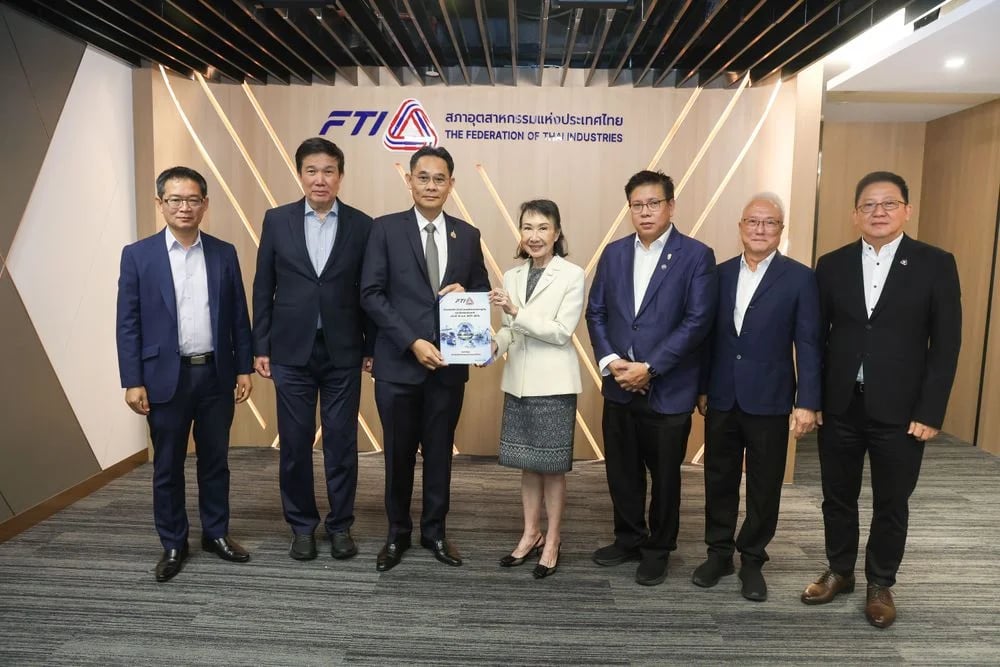
ทั้งนี้ กกร. เตรียมจัดทำหนังสือถึงนายกรัฐมนตรี เพื่อผลักดันให้ภาครัฐเร่งพิจารณาแนวทางการเตรียมความพร้อมรับมืออุทกภัยของประเทศไทย พร้อมเสนอให้มีผู้แทนภาคเอกชนเข้าร่วมเป็นคณะกรรมการทรัพยากรน้ำแห่งชาติหรือ กนช. และคณะอนุกรรมการด้านการบริหารจัดการน้ำทั้ง 3 คณะประกอบด้วย 1)คณะอนุกรรมการชับเคลื่อนแผนแม่บทการบริหารจัดการน้ำและโครงการสำคัญ 2) คณะอนุกรรมการอำนวยการด้านการบริหารจัดการทรัพยากรน้ำ 3) คณะอนุกรรมการพัฒนาหลักเกณฑ์นวัตกรรมการบริหารทรัพยากรน้ำของสำนักงานทรัพยากรน้ำแห่งชาติ (สทนช.) เพื่อให้การกำหนดนโยบายและมาตรการสอดคล้องกับสถานการณ์และความต้องการของภาคธุรกิจ ภาคเกษตรและประชนชน ขณะเดียวกัน กกร. มีมติจัดตั้งคณะทำงานเฉพาะกิจเพื่อประเมินผลกระทบจากอุทกภัยและจัดทำข้อเสนอแนวทางเตรียมความพร้อมและฟื้นฟู เพื่อจัดทำแผนบูรณาการ การจัดการน้ำทั้งระบบ พร้อมกับสนับสนุนการช่วยเหลือผู้ได้รับผลกระทบและเร่งฟื้นฟูกิจกรรมทางเศรษฐกิจอย่างเป็นรูปธรรม
การประชุม IMF–World Bank Group Annual Meetings 2026 ที่จะจัดขึ้นระหว่างวันที่ 12–18 ตุลาคม 2569 จะรวบรวมผู้นำ ผู้กำหนดนโยบาย และผู้บริหารจากทั่วโลก กว่า 15,000 คน ถือเป็นอีกหนึ่งจังหวะสำคัญที่ต่อเนื่องจากงาน Bangkok Business Summit 2026 เพื่อนำเสนอศักยภาพและทิศทางใหม่ของไทยสู่เวทีโลก สร้างความเชื่อมั่นแก่นักลงทุน และเปิดโอกาสให้ธุรกิจไทยเชื่อมโยงกับตลาดและเครือข่ายระดับโลก ก่อนก้าวสู่บทบาทประธานอาเซียนในปี 2028 ทั้งนี้ ประเด็นหารือในเวทีนี้ล้วนเกี่ยวข้องกับทิศทางเศรษฐกิจ การดำเนินธุรกิจ นโยบายภาครัฐ และคุณภาพชีวิตของประชาชน จึงเป็นวาระที่ทั้งภาคธุรกิจและคนไทยควรติดตาม พร้อมร่วมเป็นเจ้าบ้านที่ดีและนำเสนอศักยภาพของไทยสู่สายตาประชาคมโลก
ราคาน้ำมันดิบยังปรับตัวสูงขึ้น แม้ว่า supply จากตะวันออกกลางจะกลับมาใกล้เคียงระดับก่อนความขัดแย้ง สะท้อนความเปราะบางในตะวันออกกลางและน้ำมันสำรองที่อยู่ในระดับต่ำ โดยราคาน้ำมันดิบเบรนท์ปรับตัวเพิ่มขึ้นจากเดือนกันยายนที่ 95 มาอยู่ที่ 102 ดอลลาร์ต่อบาร์เรล ขณะที่ตลาดการเงิน ผลตอบแทนพันธบัตรระยะยาวสหรัฐ 30 ปี แตะระดับ 5% สูงสุดในรอบ 20 ปี ตามความกังวลฐานะการคลังสหรัฐฯ และการเร่งระดมทุนของกลุ่ม Hyperscaler ส่งผลให้พันธบัตรระยะยาวหลายประเทศรวมทั้งไทยในเดือนกันยายนปรับเพิ่มขึ้น กระทบต่อต้นทุนการกู้ยืมภาคเอกชนและค่าเงินบาทเสี่ยงอ่อนค่า
กรอบประมาณการเศรษฐกิจปี 2569 ของ กกร.
ปี 2568
GDP 2.4
ส่งออก 12.9
เงินเฟ้อ -0.1
ปี 2569
(ณ มิ.ย.- ส.ค. 69)
GDP 1.6 ถึง 2.0
ส่งออก 8.0 ถึง 10.0
เงินเฟ้อ 2.5 ถึง 3.0
ปี 2569
(ณ ก.ย. - ต.ค. 69)
GDP 2.1 ถึง 2.5
ส่งออก 12.0 ถึง 16.0
เงินเฟ้อ 2.5 ถึง 3.0
ที่มา: สศช. พณ. และประมาณการโดย กกร.
ภัยธรรมชาติกำลังกลายเป็นความเสี่ยงเชิงโครงสร้างต่อเศรษฐกิจไทย โดยที่ผ่านมา ภาครัฐต้องใช้งบประมาณเฉลี่ย 5–6 หมื่นล้านบาทต่อปีในการเยียวยาความเสียหายจากภัยธรรมชาติ ขณะที่สถานการณ์น้ำท่วมในปัจจุบันส่งผลกระทบต่อภาคประชาชน ภาคธรุกิจโดยเฉพาะ SME ภาคเกษตร การผลิตภาคอุตสาหกรรม โดยเฉพาะอุตสาหกรรมยานยนต์และ Supply Chain ในภาคกลางและภาคตะวันออก รวมถึงภาคการท่องเที่ยว ตลอดจนสร้างความเสียหายต่อทรัพย์สินของภาคธุรกิจและประชาชน ซึ่งยังไม่สามารถประเมินมูลค่าได้ อีกทั้งยังเพิ่มภาระหนี้สิน และกระทบต่อความเชื่อมั่นของนักลงทุน
กกร. เห็นว่า ประเทศไทยจำเป็นต้องเร่งแก้ไขปัญหาอย่างเป็นระบบ โดยให้ความสำคัญกับการเตรียมความพร้อมล่วงหน้าในการป้องกันและบริหารความเสี่ยงเชิงรุก ควบคู่กับการลงทุนในโครงสร้างพื้นฐานเพื่อยกระดับขีดความสามารถในการรับมือและปรับตัวต่อการเปลี่ยนแปลงสภาพภูมิอากาศ (Climate Resilience) โดยเฉพาะการพัฒนาระบบเตือนภัยล่วงหน้า (Early Warning) ในระดับพื้นที่ให้รวดเร็ว แม่นยำ และมีข้อมูลเพียงพอต่อการตัดสินใจ เพื่อให้ประชาชนและภาคธุรกิจสามารถเตรียมรับมือได้ทันท่วงที พร้อมยกระดับระบบบริหารจัดการน้ำและโครงสร้างพื้นฐานอย่างครบวงจร ตั้งแต่การกักเก็บ การส่งและระบายน้ำ การจัดเตรียมพื้นที่รองรับน้ำหลาก ไปจนถึงการป้องกันพื้นที่เศรษฐกิจและนิคมอุตสาหกรรม ขณะเดียวกันจำเป็นต้องบูรณาการการวางผังเมืองและการใช้ประโยชน์ที่ดินให้สอดคล้องกับทิศทางการไหลของน้ำ และความเสี่ยงจากอุทกภัย โดยคำนึงถึงการรักษาทางน้ำและพื้นที่รับน้ำ ตลอดจนกำหนดแนวทางพัฒนาพื้นที่ชุมชนและอุตสาหกรรมอย่างเหมาะสม ควบคู่กับการพัฒนากลไกประกันภัยพิบัติ เพื่อลดความสูญเสียทางเศรษฐกิจ รักษาความต่อเนื่องของภาคการผลิต ฟื้นฟูความเชื่อมั่นของนักลงทุน และเสริมความมั่นคงด้านน้ำของประเทศในระยะยาว
เร่งแก้ไขปัญหาการขนส่งสินค้าทางอากาศ ณ ท่าอากาศยานสุวรรณภูมิ การขนส่งสินค้าทางอากาศมีมูลค่าประมาณ 2.42 ล้านล้านบาท หรือราวหนึ่งในสามของมูลค่าการส่งออกทั้งหมด แต่ท่าอากาศยานสุวรรณภูมิยังประสบปัญหาความแออัด ขณะที่อุทกภัยยิ่งส่งผลให้เที่ยวบินล่าช้าและถูกยกเลิก รวมถึงมีผู้โดยสารและสัมภาระตกค้างเป็นจำนวนมาก สนามบินเป็นประตูด่านแรกที่ผู้เดินทางสัมผัสเมื่อมาถึงประเทศไทย ปัญหาการให้บริการที่ติดขัดจึงอาจกระทบต่อความเชื่อมั่นและภาพลักษณ์ของประเทศ โดยเฉพาะในช่วงฤดูกาลท่องเที่ยวปลายปีที่มีนักท่องเที่ยวเดินทางเข้าประเทศเพิ่มขึ้น และในช่วงที่ประเทศไทยเตรียมเป็นเจ้าภาพการประชุมประจำปี IMF–World Bank Group Annual Meetings 2026 ดังนั้น รัฐบาลและหน่วยงานที่เกี่ยวข้องจึงควรเร่งบูรณาการและแก้ไขปัญหา เพื่อให้การเดินทางและการให้บริการกลับสู่ภาวะปกติโดยเร็ว
ทั้งนี้ กกร. เตรียมจัดทำหนังสือถึงนายกรัฐมนตรี เพื่อผลักดันให้ภาครัฐเร่งพิจารณาแนวทางการเตรียมความพร้อมรับมืออุทกภัยของประเทศไทย พร้อมเสนอให้มีผู้แทนภาคเอกชนเข้าร่วมเป็นคณะกรรมการทรัพยากรน้ำแห่งชาติหรือ กนช. และคณะอนุกรรมการด้านการบริหารจัดการน้ำทั้ง 3 คณะประกอบด้วย 1)คณะอนุกรรมการชับเคลื่อนแผนแม่บทการบริหารจัดการน้ำและโครงการสำคัญ 2) คณะอนุกรรมการอำนวยการด้านการบริหารจัดการทรัพยากรน้ำ 3) คณะอนุกรรมการพัฒนาหลักเกณฑ์นวัตกรรมการบริหารทรัพยากรน้ำของสำนักงานทรัพยากรน้ำแห่งชาติ (สทนช.) เพื่อให้การกำหนดนโยบายและมาตรการสอดคล้องกับสถานการณ์และความต้องการของภาคธุรกิจ ภาคเกษตรและประชนชน ขณะเดียวกัน กกร. มีมติจัดตั้งคณะทำงานเฉพาะกิจเพื่อประเมินผลกระทบจากอุทกภัยและจัดทำข้อเสนอแนวทางเตรียมความพร้อมและฟื้นฟู เพื่อจัดทำแผนบูรณาการ การจัดการน้ำทั้งระบบ พร้อมกับสนับสนุนการช่วยเหลือผู้ได้รับผลกระทบและเร่งฟื้นฟูกิจกรรมทางเศรษฐกิจอย่างเป็นรูปธรรม
1 / 10
The public and private sectors are aligned in advancing the Thai economy, with the 14th Development Plan aiming for economic growth of no less than 3% per year and a target GDP growth in key industries of 5.5%. This aligns with 7 business groups under Reinvent Thailand and proposals from the World Bank. The JCC is ready to drive this forward through the GRP mechanism in three phases: Stabilize Today, addressing urgent issues and unlocking obstacles; Transition Now, accelerating adaptation to new technologies and standards; and Invest for Tomorrow, investing in future industries, skills, and infrastructure to create strong and sustainable growth.
The IMF–World Bank Group Annual Meetings 2026, which will take place from October 12 to 18, 2026, will gather over 15,000 leaders, policymakers, and executives from around the globe. This is another crucial opportunity following the Bangkok Business Summit 2026 to showcase Thailand's potential and new directions to the global stage, instilling confidence among investors and providing Thai businesses with opportunities to connect with international markets and networks ahead of the country's role as ASEAN Chair in 2028. The topics for discussion at this forum will all relate to economic direction, business operations, government policy, and citizens' quality of life, making this an agenda for both the business sector and the Thai populace to follow, while also being a good host and presenting Thailand's potential to the international community.
Crude oil prices continue to rise, despite supply from the Middle East returning to pre-conflict levels, reflecting the volatility in the region and low reserves. Brent crude oil prices have increased from $95 in September to $102 per barrel. Meanwhile, in the financial markets, the yield on 30-year U.S. Treasury bonds has reached 5%, the highest in 20 years, due to concerns about U.S. fiscal health and increased funding by Hyperscaler groups. This has led to rising long-term bond yields in several countries, including Thailand, in September, which impacts the cost of private sector borrowing and poses risks of depreciation for the Thai Baht.
The economic outlook for 2026 from the JCC:
Year 2025
GDP 2.4
Exports 12.9
Inflation -0.1
Year 2026
(as of June to August 2026)
GDP 1.6 to 2.0
Exports 8.0 to 10.0
Inflation 2.5 to 3.0
Year 2026
(as of September to October 2026)
GDP 2.1 to 2.5
Exports 12.0 to 16.0
Inflation 2.5 to 3.0
Source: NESDB, Ministry of Commerce, and forecasts by the JCC.
Natural disasters are increasingly becoming a structural risk to the Thai economy. In the past, the government has had to use an average budget of 50–60 billion Baht per year to remedy damages from natural disasters. Current flooding impacts the public sector, businesses especially SMEs in agriculture, and the manufacturing sector, particularly the automotive industry and supply chains in central and eastern regions, as well as tourism, causing damage that cannot yet be assessed. Furthermore, it increases debt burdens and undermines investor confidence.
The JCC believes that Thailand needs to expedite systematic problem-solving by prioritizing proactive risk prevention and management, alongside investments in infrastructure to enhance resilience to climate change. This includes the development of an early warning system at a local level that is rapid, accurate, and has sufficient data for decision-making, enabling citizens and businesses to prepare in a timely manner. It is essential to upgrade water management systems and infrastructure comprehensively, from storage, transmission, and drainage, to preparing flood zones and protecting economically significant areas and industrial estates. Simultaneously, it is necessary to integrate urban planning and land use with water flow directions and flood risks while considering the maintenance of waterways and floodplain areas, as well as developing guidelines for community and industrial area development appropriately, alongside developing disaster insurance mechanisms to reduce economic losses, maintain continuity in production sectors, restore investor confidence, and bolster the nation's long-term water security.
Accelerating solutions for air freight transportation at Suvarnabhumi Airport is vital. Air cargo is valued at approximately 2.42 trillion Baht, or about one-third of total export value, yet Suvarnabhumi Airport faces congestion issues. Flooding exacerbates delays and cancellations of flights, causing a significant backlog of passengers and luggage. The airport is the first point of contact for travelers arriving in Thailand, and service disruptions may impact the country's confidence and image, particularly during the peak tourist season at the end of the year when more travelers arrive and as Thailand prepares to host the IMF–World Bank Group Annual Meetings 2026. Therefore, the government and relevant agencies should expedite integration and resolve issues to restore normal travel and service conditions swiftly.
The JCC is preparing to send a letter to the Prime Minister to urge the government to expedite considerations on preparedness for flood management in Thailand. They also propose having private sector representatives participate in the National Water Resources Committee (NWR) and in three subcommittees on water management: 1) the subcommittee for advancing the water management master plan and key projects; 2) the subcommittee for resources management administration; and 3) the subcommittee for developing rules for water resources management innovations of the Office of National Water Resources (ONWR). This will ensure that policy-making and measures align with the situation and the needs of the business sector, agriculture, and communities. Meanwhile, the JCC has resolved to establish a task force to assess the impacts of flooding and develop proposals for preparedness and recovery strategies to formulate an integrated water management plan, while also supporting assistance for those affected and rapidly revitalizing economic activities in a tangible manner.
The IMF–World Bank Group Annual Meetings 2026, which will take place from October 12 to 18, 2026, will gather over 15,000 leaders, policymakers, and executives from around the globe. This is another crucial opportunity following the Bangkok Business Summit 2026 to showcase Thailand's potential and new directions to the global stage, instilling confidence among investors and providing Thai businesses with opportunities to connect with international markets and networks ahead of the country's role as ASEAN Chair in 2028. The topics for discussion at this forum will all relate to economic direction, business operations, government policy, and citizens' quality of life, making this an agenda for both the business sector and the Thai populace to follow, while also being a good host and presenting Thailand's potential to the international community.
Crude oil prices continue to rise, despite supply from the Middle East returning to pre-conflict levels, reflecting the volatility in the region and low reserves. Brent crude oil prices have increased from $95 in September to $102 per barrel. Meanwhile, in the financial markets, the yield on 30-year U.S. Treasury bonds has reached 5%, the highest in 20 years, due to concerns about U.S. fiscal health and increased funding by Hyperscaler groups. This has led to rising long-term bond yields in several countries, including Thailand, in September, which impacts the cost of private sector borrowing and poses risks of depreciation for the Thai Baht.
The economic outlook for 2026 from the JCC:
Year 2025
GDP 2.4
Exports 12.9
Inflation -0.1
Year 2026
(as of June to August 2026)
GDP 1.6 to 2.0
Exports 8.0 to 10.0
Inflation 2.5 to 3.0
Year 2026
(as of September to October 2026)
GDP 2.1 to 2.5
Exports 12.0 to 16.0
Inflation 2.5 to 3.0
Source: NESDB, Ministry of Commerce, and forecasts by the JCC.
Natural disasters are increasingly becoming a structural risk to the Thai economy. In the past, the government has had to use an average budget of 50–60 billion Baht per year to remedy damages from natural disasters. Current flooding impacts the public sector, businesses especially SMEs in agriculture, and the manufacturing sector, particularly the automotive industry and supply chains in central and eastern regions, as well as tourism, causing damage that cannot yet be assessed. Furthermore, it increases debt burdens and undermines investor confidence.
The JCC believes that Thailand needs to expedite systematic problem-solving by prioritizing proactive risk prevention and management, alongside investments in infrastructure to enhance resilience to climate change. This includes the development of an early warning system at a local level that is rapid, accurate, and has sufficient data for decision-making, enabling citizens and businesses to prepare in a timely manner. It is essential to upgrade water management systems and infrastructure comprehensively, from storage, transmission, and drainage, to preparing flood zones and protecting economically significant areas and industrial estates. Simultaneously, it is necessary to integrate urban planning and land use with water flow directions and flood risks while considering the maintenance of waterways and floodplain areas, as well as developing guidelines for community and industrial area development appropriately, alongside developing disaster insurance mechanisms to reduce economic losses, maintain continuity in production sectors, restore investor confidence, and bolster the nation's long-term water security.
Accelerating solutions for air freight transportation at Suvarnabhumi Airport is vital. Air cargo is valued at approximately 2.42 trillion Baht, or about one-third of total export value, yet Suvarnabhumi Airport faces congestion issues. Flooding exacerbates delays and cancellations of flights, causing a significant backlog of passengers and luggage. The airport is the first point of contact for travelers arriving in Thailand, and service disruptions may impact the country's confidence and image, particularly during the peak tourist season at the end of the year when more travelers arrive and as Thailand prepares to host the IMF–World Bank Group Annual Meetings 2026. Therefore, the government and relevant agencies should expedite integration and resolve issues to restore normal travel and service conditions swiftly.
The JCC is preparing to send a letter to the Prime Minister to urge the government to expedite considerations on preparedness for flood management in Thailand. They also propose having private sector representatives participate in the National Water Resources Committee (NWR) and in three subcommittees on water management: 1) the subcommittee for advancing the water management master plan and key projects; 2) the subcommittee for resources management administration; and 3) the subcommittee for developing rules for water resources management innovations of the Office of National Water Resources (ONWR). This will ensure that policy-making and measures align with the situation and the needs of the business sector, agriculture, and communities. Meanwhile, the JCC has resolved to establish a task force to assess the impacts of flooding and develop proposals for preparedness and recovery strategies to formulate an integrated water management plan, while also supporting assistance for those affected and rapidly revitalizing economic activities in a tangible manner.
1 / 10
แท็ก:Tags:#เศรษฐกิจ#Economy