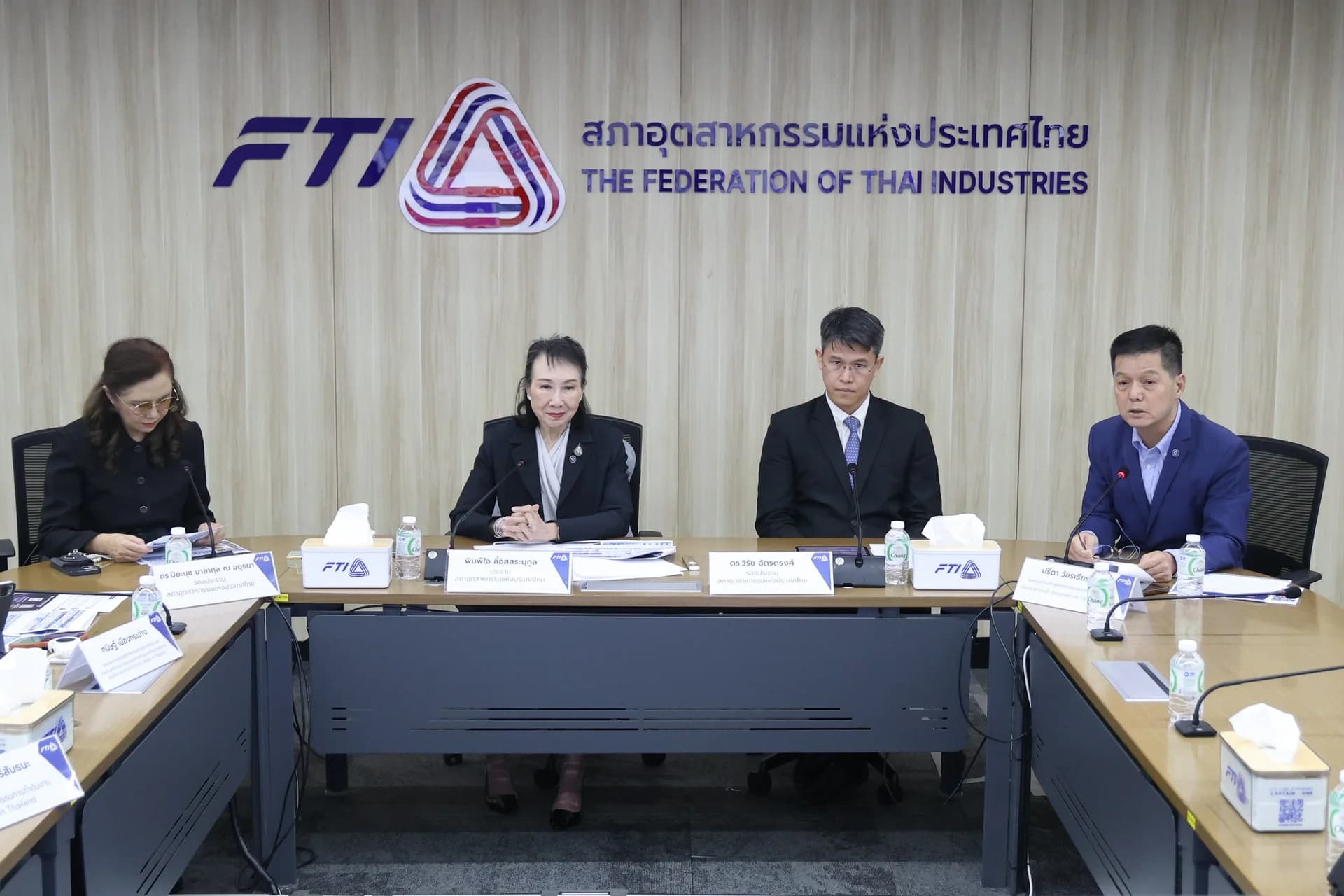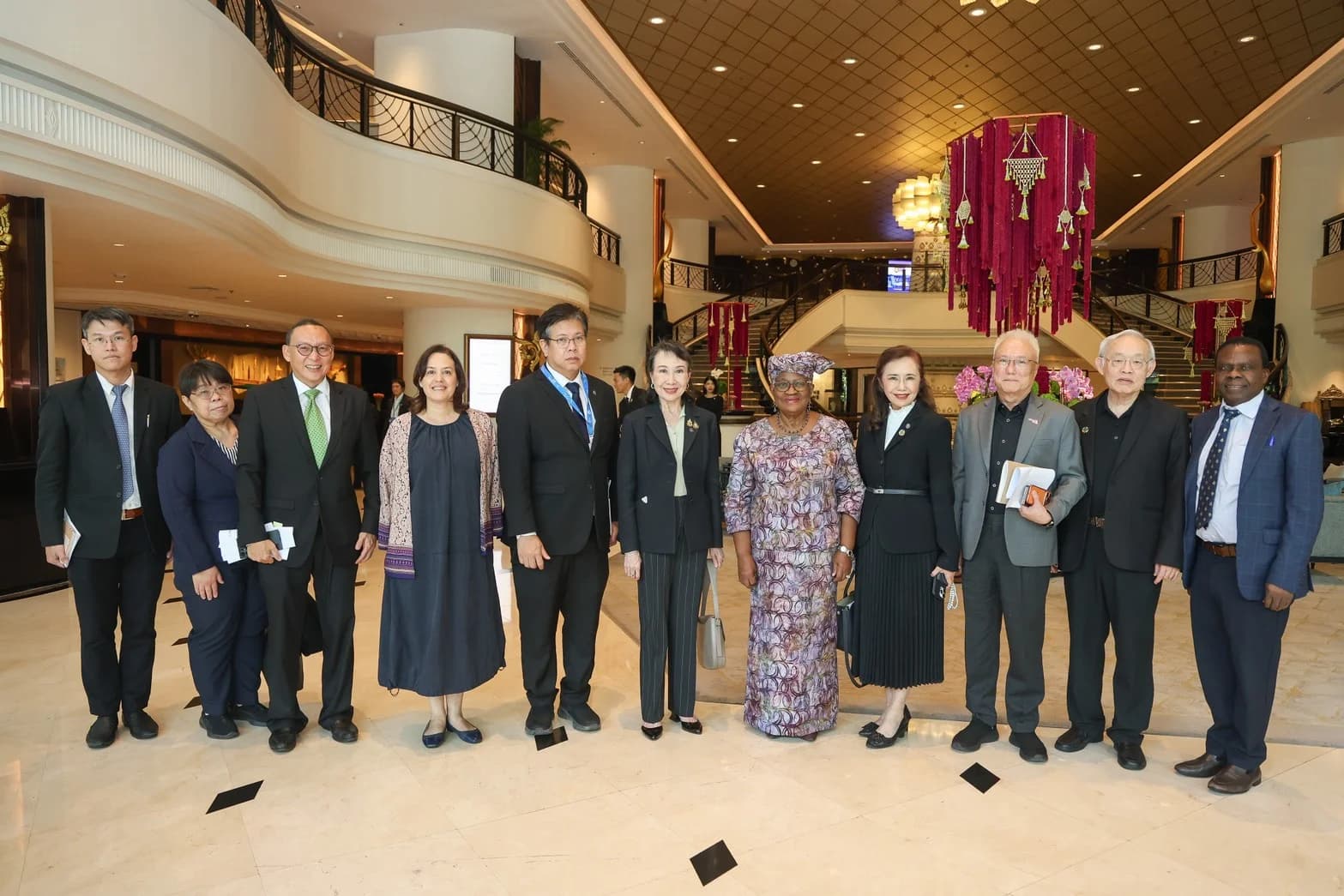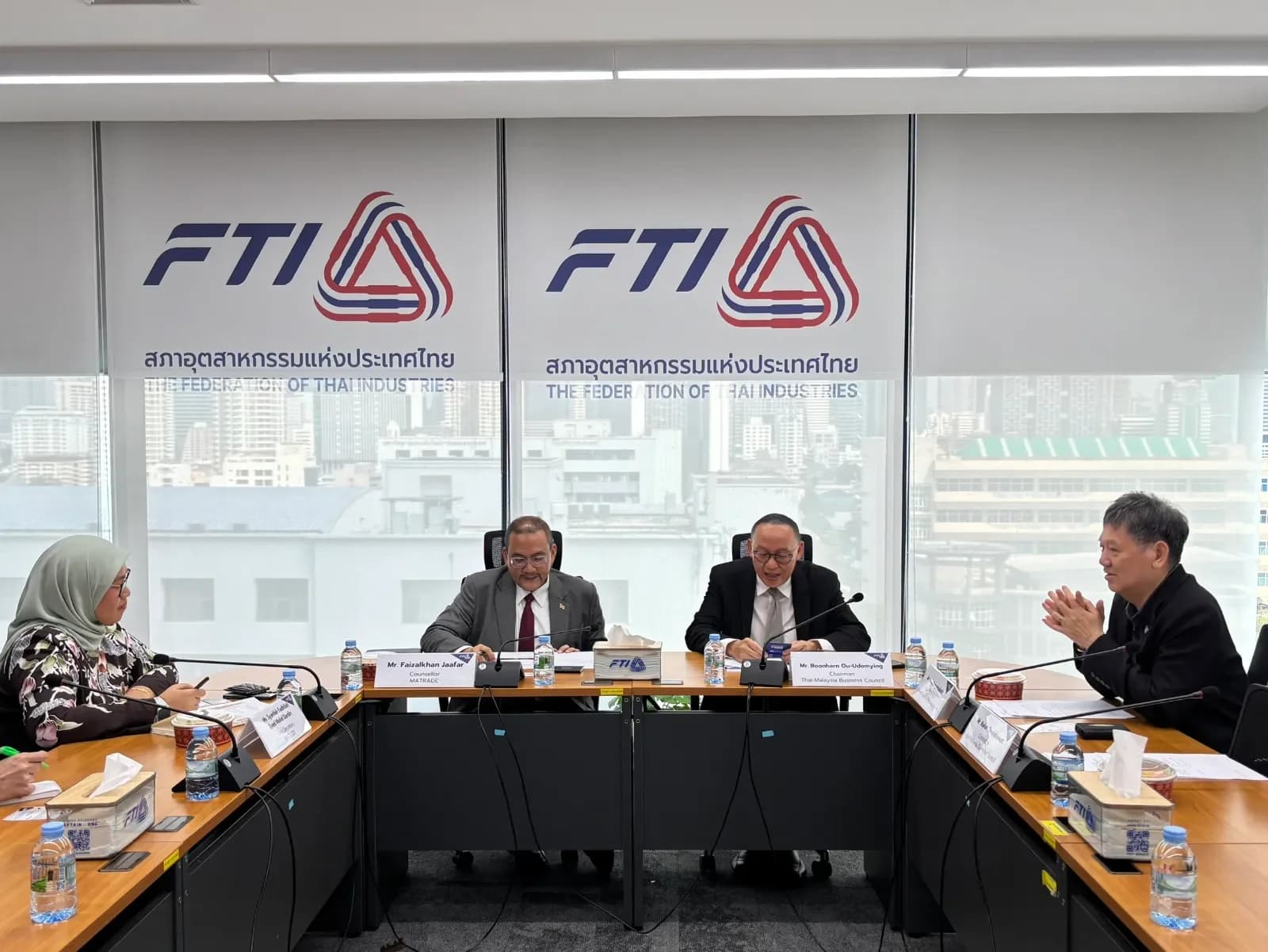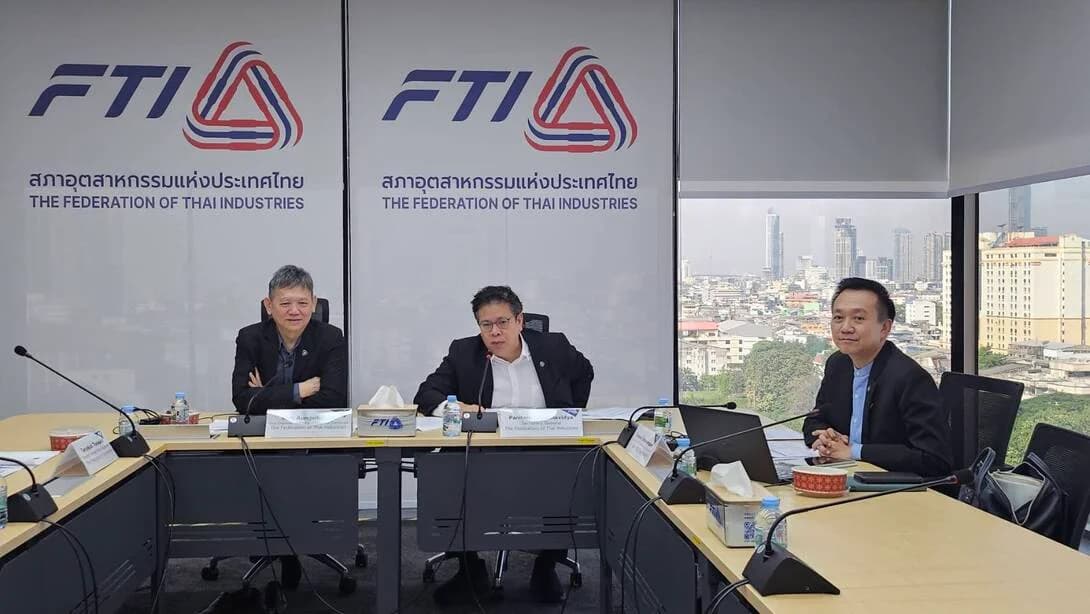
เมื่อวันที่ 15 ตุลาคม 2569 นายวิเชาวน์ รักพงษ์ไพโรจน์ รองประธานสภาอุตสาหกรรมแห่งประเทศไทย (ส.อ.ท.) และประธานสายงานกิจการต่างประเทศ พร้อมด้วยนายวชิระชัย คูนำวัฒนา รองประธานสายงานเศรษฐกิจวิชาการ นายเอก บูรพวงศ์ กรรมการสถาบันวิสาหกิจขนาดกลางและขนาดย่อมอุตสาหกรรมการผลิต (SMI) และนางสาวสุวพีร์ ศิริกุลวัฒนา เลขานุการสายงานกิจการต่างประเทศ ให้การต้อนรับ Mr. Christian Kettel Thomsen ผู้ว่าการธนาคารกลางเดนมาร์ก (Danmarks Nationalbank) พร้อมคณะผู้แทน เพื่อแลกเปลี่ยนมุมมองเกี่ยวกับทิศทางเศรษฐกิจโลก ความท้าทายของภาคอุตสาหกรรม และโอกาสในการส่งเสริมความร่วมมือทางเศรษฐกิจระหว่างไทยกับเดนมาร์ก ณ ห้องมงคลสุธี ส.อ.ท.
นายวิเชาวน์สะท้อนความท้าทายที่ภาคอุตสาหกรรมไทยกำลังเผชิญ ท่ามกลางความตึงเครียดทางภูมิรัฐศาสตร์ มาตรการกีดกันทางการค้าจากประเทศมหาอำนาจ ต้นทุนพลังงานที่ปรับตัวสูงขึ้น ตลอดจนความเสี่ยงจากการสวมสิทธิถิ่นกำเนิดสินค้า (Transshipment) ซึ่งอาจส่งผลกระทบต่อความสามารถในการแข่งขันของผู้ประกอบการไทยและความเชื่อมั่นในห่วงโซ่อุปทานระหว่างประเทศ
ขณะที่ฝ่ายเดนมาร์กแลกเปลี่ยนมุมมองเกี่ยวกับสถานการณ์เศรษฐกิจยุโรป โดยเฉพาะการแข่งขันที่เข้มข้นขึ้นในอุตสาหกรรมยานยนต์ไฟฟ้า จากการขยายตัวของผู้ผลิตจีนในตลาดยุโรป รวมถึงผลกระทบจากสงครามรัสเซีย–ยูเครนต่อราคาพลังงาน ต้นทุนการผลิต และเสถียรภาพทางเศรษฐกิจของภูมิภาค สถานการณ์ดังกล่าวสะท้อนถึงความท้าทายร่วมกันในการปรับตัวและรักษาขีดความสามารถในการแข่งขันของภาคอุตสาหกรรม ท่ามกลางความเปลี่ยนแปลงของเศรษฐกิจโลก
ด้านนายวชิระชัยแลกเปลี่ยนมุมมองเกี่ยวกับทิศทางการพัฒนาเศรษฐกิจและอุตสาหกรรมไทย โดยมุ่งสู่การเป็นประเทศรายได้สูงภายในปี 2580 ผ่านการปรับโครงสร้างเศรษฐกิจ การเพิ่มผลิตภาพ และการประยุกต์ใช้เทคโนโลยีและนวัตกรรมเพื่อยกระดับภาคการผลิต ภายใต้แนวทาง Reinvent Thailand ซึ่งมุ่งพัฒนา 7 สาขาเศรษฐกิจเป้าหมาย ได้แก่ เกษตรและอาหารแปรรูป ยานยนต์ การค้าปลีกและการค้า อิเล็กทรอนิกส์อัจฉริยะ การแพทย์และสุขภาพ การท่องเที่ยว และเศรษฐกิจสร้างสรรค์ เพื่อขับเคลื่อนภาคอุตสาหกรรมสู่การผลิตสินค้าที่มีมูลค่าเพิ่มสูงขึ้น และสร้างการเติบโตอย่างยั่งยืน
การหารือครั้งนี้เป็นเวทีสำคัญในการแลกเปลี่ยนมุมมองระหว่างภาคอุตสาหกรรมไทยกับธนาคารกลางเดนมาร์ก เพื่อเสริมสร้างความเข้าใจเกี่ยวกับทิศทางเศรษฐกิจโลกและความท้าทายที่ภาคธุรกิจต้องเผชิญ ตลอดจนสะท้อนแนวทางการยกระดับอุตสาหกรรมไทยให้พร้อมรับการเปลี่ยนแปลง เพิ่มขีดความสามารถในการแข่งขัน และต่อยอดโอกาสความร่วมมือทางเศรษฐกิจระหว่างไทยกับเดนมาร์กในระยะยาว
นายวิเชาวน์สะท้อนความท้าทายที่ภาคอุตสาหกรรมไทยกำลังเผชิญ ท่ามกลางความตึงเครียดทางภูมิรัฐศาสตร์ มาตรการกีดกันทางการค้าจากประเทศมหาอำนาจ ต้นทุนพลังงานที่ปรับตัวสูงขึ้น ตลอดจนความเสี่ยงจากการสวมสิทธิถิ่นกำเนิดสินค้า (Transshipment) ซึ่งอาจส่งผลกระทบต่อความสามารถในการแข่งขันของผู้ประกอบการไทยและความเชื่อมั่นในห่วงโซ่อุปทานระหว่างประเทศ
ขณะที่ฝ่ายเดนมาร์กแลกเปลี่ยนมุมมองเกี่ยวกับสถานการณ์เศรษฐกิจยุโรป โดยเฉพาะการแข่งขันที่เข้มข้นขึ้นในอุตสาหกรรมยานยนต์ไฟฟ้า จากการขยายตัวของผู้ผลิตจีนในตลาดยุโรป รวมถึงผลกระทบจากสงครามรัสเซีย–ยูเครนต่อราคาพลังงาน ต้นทุนการผลิต และเสถียรภาพทางเศรษฐกิจของภูมิภาค สถานการณ์ดังกล่าวสะท้อนถึงความท้าทายร่วมกันในการปรับตัวและรักษาขีดความสามารถในการแข่งขันของภาคอุตสาหกรรม ท่ามกลางความเปลี่ยนแปลงของเศรษฐกิจโลก
ด้านนายวชิระชัยแลกเปลี่ยนมุมมองเกี่ยวกับทิศทางการพัฒนาเศรษฐกิจและอุตสาหกรรมไทย โดยมุ่งสู่การเป็นประเทศรายได้สูงภายในปี 2580 ผ่านการปรับโครงสร้างเศรษฐกิจ การเพิ่มผลิตภาพ และการประยุกต์ใช้เทคโนโลยีและนวัตกรรมเพื่อยกระดับภาคการผลิต ภายใต้แนวทาง Reinvent Thailand ซึ่งมุ่งพัฒนา 7 สาขาเศรษฐกิจเป้าหมาย ได้แก่ เกษตรและอาหารแปรรูป ยานยนต์ การค้าปลีกและการค้า อิเล็กทรอนิกส์อัจฉริยะ การแพทย์และสุขภาพ การท่องเที่ยว และเศรษฐกิจสร้างสรรค์ เพื่อขับเคลื่อนภาคอุตสาหกรรมสู่การผลิตสินค้าที่มีมูลค่าเพิ่มสูงขึ้น และสร้างการเติบโตอย่างยั่งยืน
การหารือครั้งนี้เป็นเวทีสำคัญในการแลกเปลี่ยนมุมมองระหว่างภาคอุตสาหกรรมไทยกับธนาคารกลางเดนมาร์ก เพื่อเสริมสร้างความเข้าใจเกี่ยวกับทิศทางเศรษฐกิจโลกและความท้าทายที่ภาคธุรกิจต้องเผชิญ ตลอดจนสะท้อนแนวทางการยกระดับอุตสาหกรรมไทยให้พร้อมรับการเปลี่ยนแปลง เพิ่มขีดความสามารถในการแข่งขัน และต่อยอดโอกาสความร่วมมือทางเศรษฐกิจระหว่างไทยกับเดนมาร์กในระยะยาว
1 / 11
On October 15, 2026, Mr. Vichaow Rakphongphairoj, Vice Chairman of The Federation of Thai Industries (FTI) and Chairman of International Affairs, along with Mr. Wachirachai Koonamvatan, Vice Chairman of Economic and Academic Affairs, Mr. Ek Burapavong, Member of the Small and Medium Enterprises Development Institute (SMI), and Ms. Suvapee Sirikulvadhana, Secretary for International Affairs, welcomed Mr. Christian Kettel Thomsen, Governor of the Central Bank of Denmark (Danmarks Nationalbank), and his delegation to exchange views on global economic directions, challenges in the industrial sector, and opportunities for enhancing economic cooperation between Thailand and Denmark at the Mongkolsuthi Room, FTI.
Mr. Vichaow reflected on the challenges facing the Thai industrial sector amidst geopolitical tensions, trade barriers from major powers, rising energy costs, and risks from product origin transshipment, which may impact the competitiveness of Thai entrepreneurs and confidence in international supply chains.
Meanwhile, the Danish representatives shared their perspectives on the European economic situation, particularly the intensifying competition in the electric vehicle industry due to the expansion of Chinese manufacturers in the European market, as well as the impacts of the Russia-Ukraine war on energy prices, production costs, and the economic stability of the region. This situation reflects the shared challenges in adapting and maintaining competitiveness in the industrial sector amidst global economic changes.
For his part, Mr. Wachirachai exchanged views on the direction of Thailand's economic and industrial development, aiming to become a high-income country by 2037 through economic restructuring, productivity enhancement, and the adoption of technology and innovation to elevate the manufacturing sector under the Reinvent Thailand initiative, which focuses on developing seven target economic sectors: agriculture and processed food, automotive, retail and trade, smart electronics, medical and health, tourism, and creative economy, to drive the industrial sector towards producing high-value goods and fostering sustainable growth.
This discussion serves as an important platform for exchanging views between the Thai industrial sector and the Central Bank of Denmark, enhancing understanding of global economic directions and the challenges faced by the business sector, while reflecting on approaches to elevate Thai industry to be prepared for changes, enhancing competitiveness, and leveraging opportunities for long-term economic cooperation between Thailand and Denmark.
Mr. Vichaow reflected on the challenges facing the Thai industrial sector amidst geopolitical tensions, trade barriers from major powers, rising energy costs, and risks from product origin transshipment, which may impact the competitiveness of Thai entrepreneurs and confidence in international supply chains.
Meanwhile, the Danish representatives shared their perspectives on the European economic situation, particularly the intensifying competition in the electric vehicle industry due to the expansion of Chinese manufacturers in the European market, as well as the impacts of the Russia-Ukraine war on energy prices, production costs, and the economic stability of the region. This situation reflects the shared challenges in adapting and maintaining competitiveness in the industrial sector amidst global economic changes.
For his part, Mr. Wachirachai exchanged views on the direction of Thailand's economic and industrial development, aiming to become a high-income country by 2037 through economic restructuring, productivity enhancement, and the adoption of technology and innovation to elevate the manufacturing sector under the Reinvent Thailand initiative, which focuses on developing seven target economic sectors: agriculture and processed food, automotive, retail and trade, smart electronics, medical and health, tourism, and creative economy, to drive the industrial sector towards producing high-value goods and fostering sustainable growth.
This discussion serves as an important platform for exchanging views between the Thai industrial sector and the Central Bank of Denmark, enhancing understanding of global economic directions and the challenges faced by the business sector, while reflecting on approaches to elevate Thai industry to be prepared for changes, enhancing competitiveness, and leveraging opportunities for long-term economic cooperation between Thailand and Denmark.
1 / 11