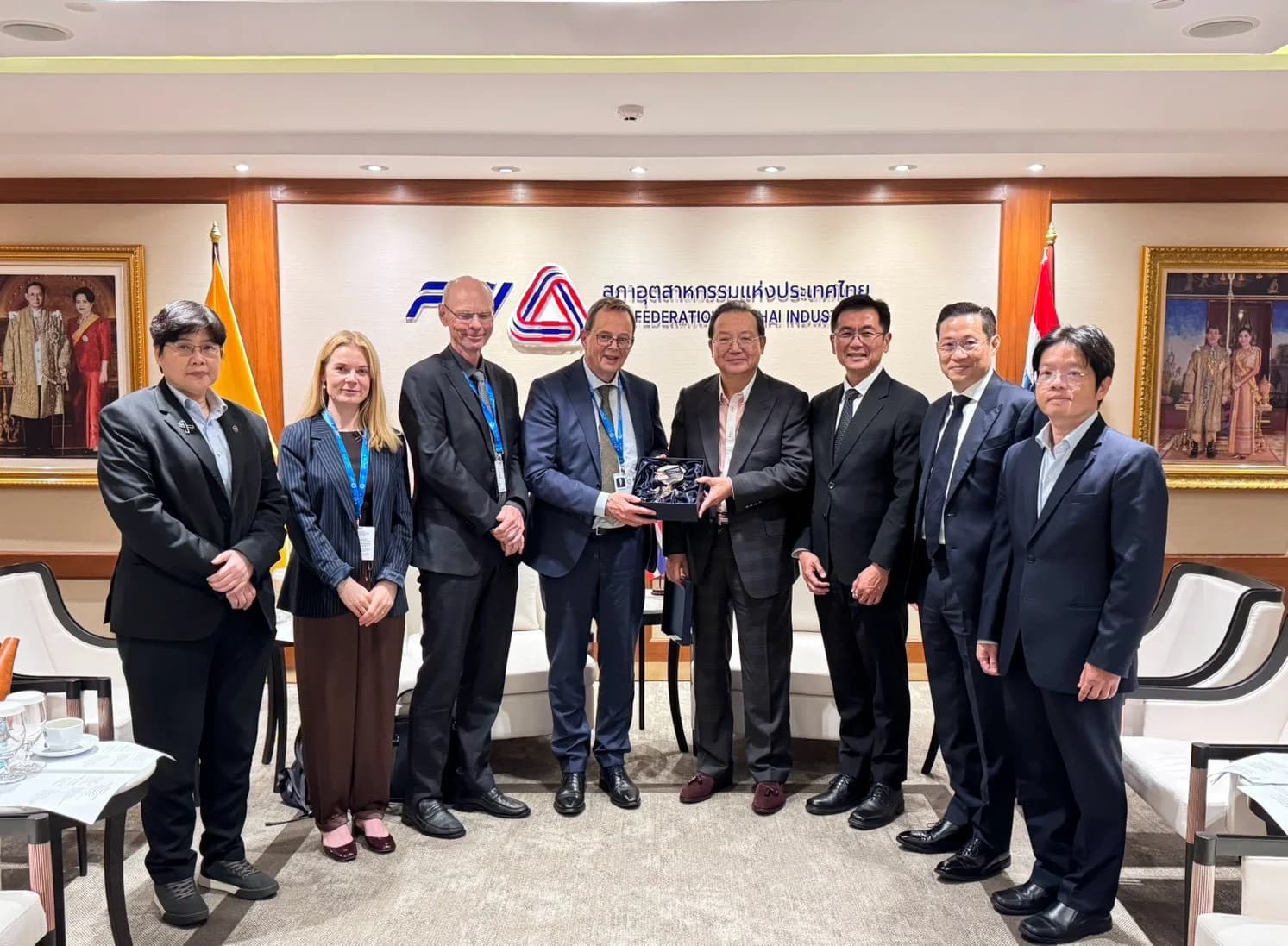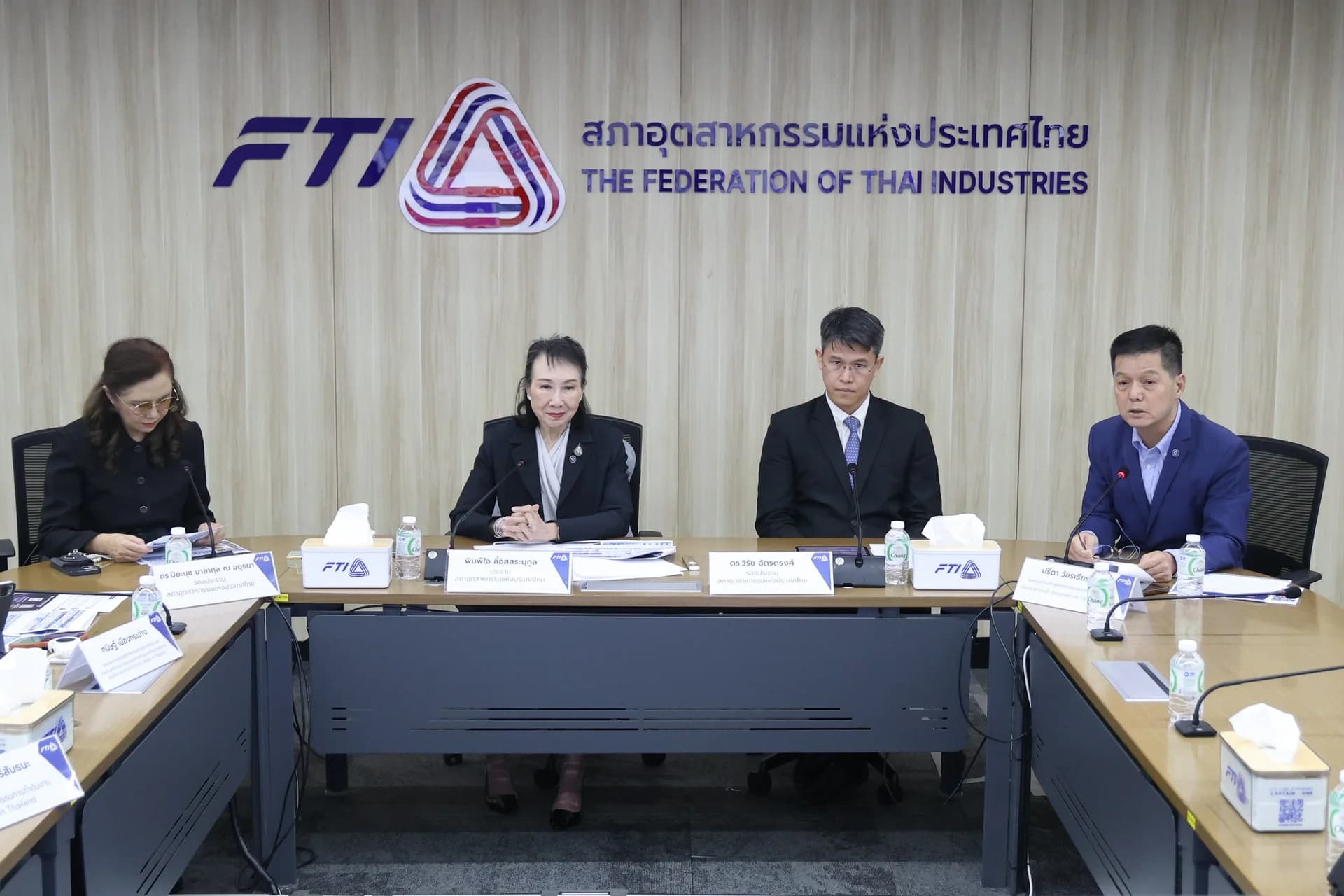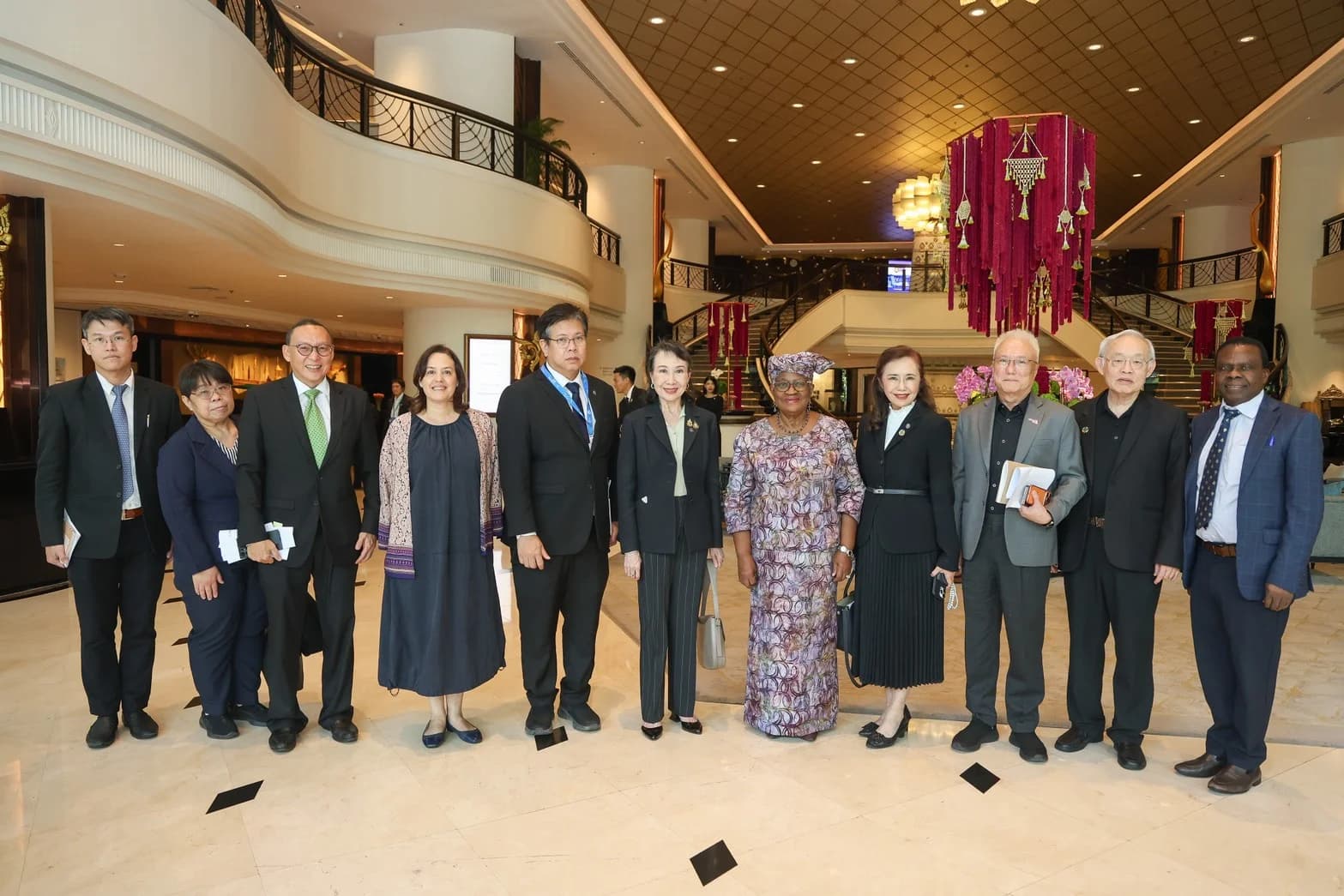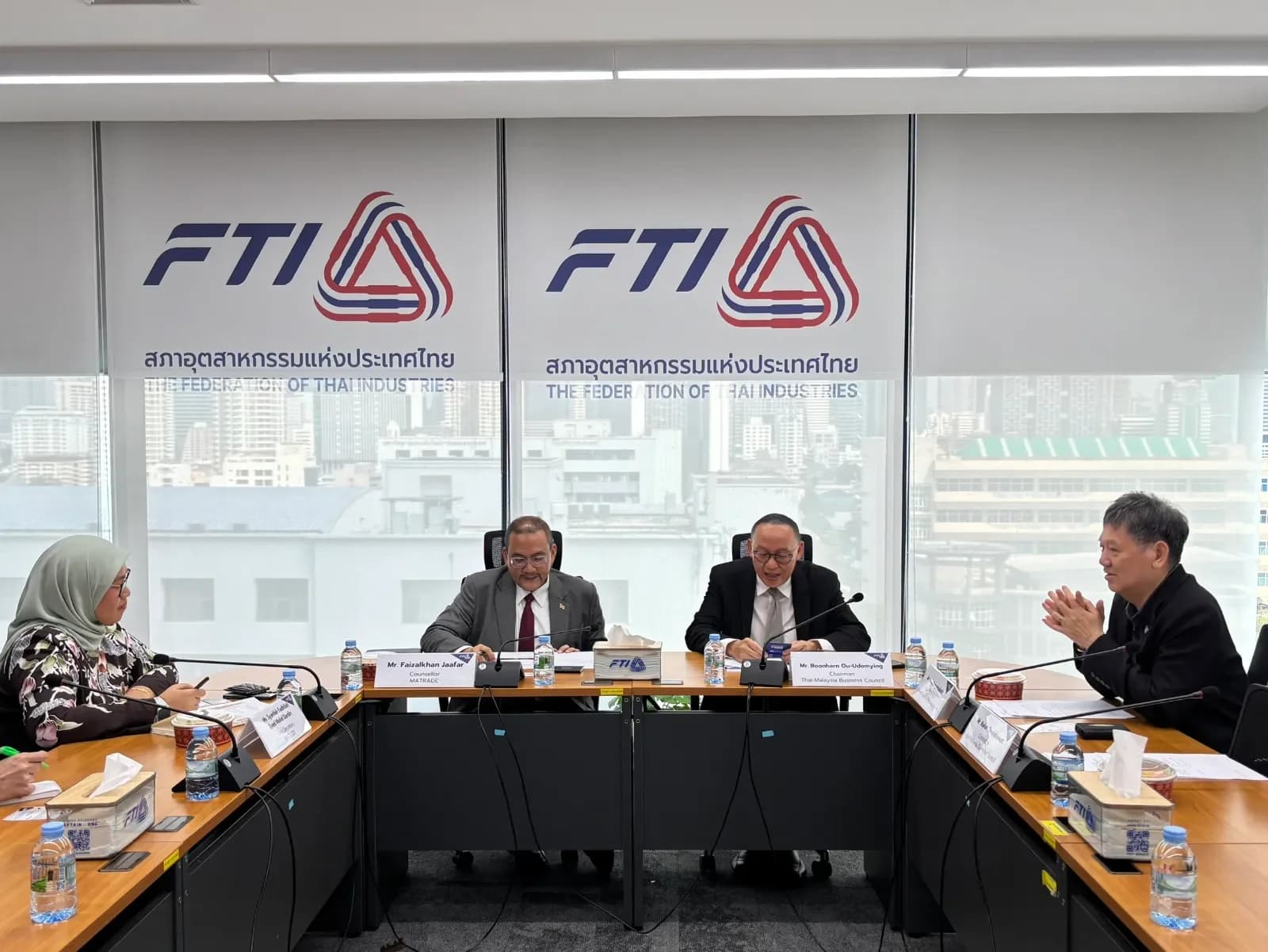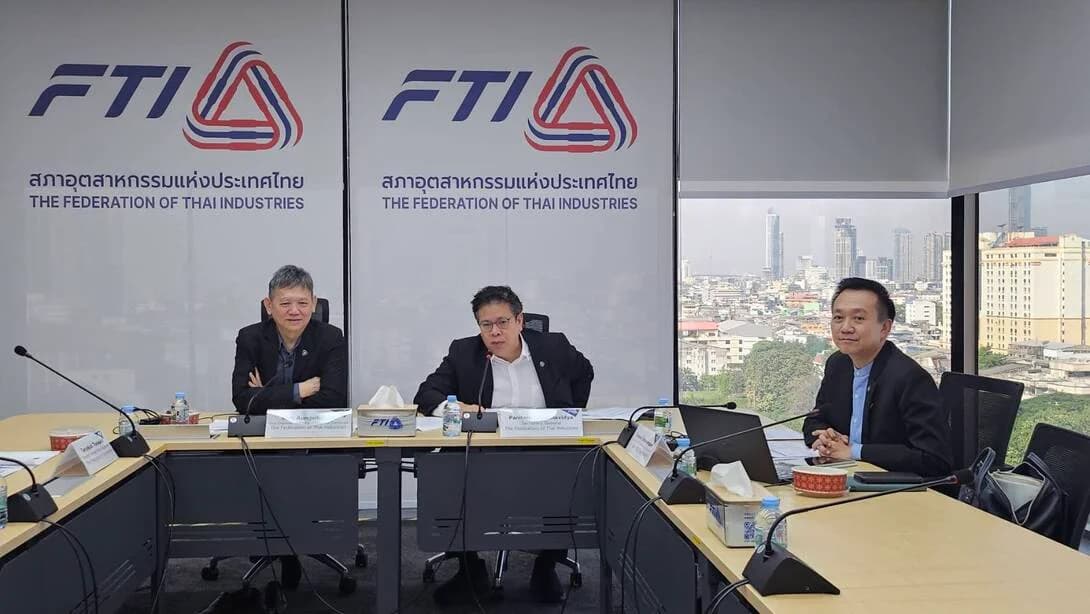
เมื่อวันอังคารที่ 5 พฤศจิกายน 2567 นายวิเชาวน์ รักพงษ์ไพโรจน์ รองประธานสภาอุตสาหกรรมแห่งประเทศไทย (ส.อ.ท.) ให้การต้อนรับ นางแซรัป แอร์ซอย (H.E. Mrs. Serap Ersoy) เอกอัครราชทูตตุรกีประจำประเทศไทย นายเจมิล ชาคาร์ (Cemil Çakar) ประธาน Türkiye-Thailand Business Council และคณะนักธุรกิจจากประเทศตุรกี ณ ส.อ.ท.
ในที่ประชุม ได้มีการหารือเกี่ยวกับความร่วมมือในการแลกเปลี่ยนข้อมูลด้านเศรษฐกิจ การค้าและการลงทุน และได้มีการลงนามบันทึกความเข้าใจ (MOU) ร่วมกับหน่วยงาน Foreign Economic Relations Board (DEİK) ตุรกี โดยเน้นเรื่องของการแลกเปลี่ยนความร่วมมือในอุตสาหกรรมเป้าหมาย เช่น ยานยนต์ ชิ้นส่วนและอะไหล่ยานยนต์ เกษตร พลังงานทดแทน เภสัชภัณฑ์ เป็นต้น
นอกจากนี้ ฝ่ายไทยยังได้เชิญชวนให้ทางตุรกีขยายการลงทุนมายังในประเทศไทยมากขึ้น จากข้อได้เปรียบด้านที่ตั้งและสิทธิประโยชน์ด้านการลงทุนเมื่อเทียบกับประเทศอาเซียน ซึ่งทางตุรกีก็ได้เชิญชวนไทยเข้าไปลงทุนในตุรกีเช่นกัน ซึ่งตุรกีเป็นประเทศที่มีนโยบายด้านการส่งเสริมและคุ้มครองการลงทุนจากต่างประเทศ เพื่อใช้เป็นกลไกในการพัฒนาเศรษฐกิจของประเทศ โดยมีอุตสาหกรรมต่างๆ ที่เข้มแข็งและมีศักยภาพ
On Tuesday, November 5, 2024, Mr. Vichaveth Rukphongphairoj, Vice Chairman of the Federation of Thai Industries (FTI), welcomed H.E. Mrs. Serap Ersoy, the Turkish Ambassador to Thailand, Mr. Cemil Çakar, Chairman of the Türkiye-Thailand Business Council, and a delegation of Turkish businesspeople at the FTI.
During the meeting, discussions were held concerning cooperation in exchanging information regarding the economy, trade, and investment. A memorandum of understanding (MOU) was also signed with the Foreign Economic Relations Board (DEİK) of Turkey, focusing on collaboration in target industries such as automotive, automotive parts and components, agriculture, renewable energy, and pharmaceuticals.
Additionally, the Thai side invited Turkey to expand its investments in Thailand, highlighting the advantages of location and investment benefits compared to other ASEAN countries. In return, Turkey has also encouraged Thailand to invest in Turkey, as it is a country with policies promoting and protecting foreign investments to serve as a mechanism for economic development, backed by strong and potential industries.