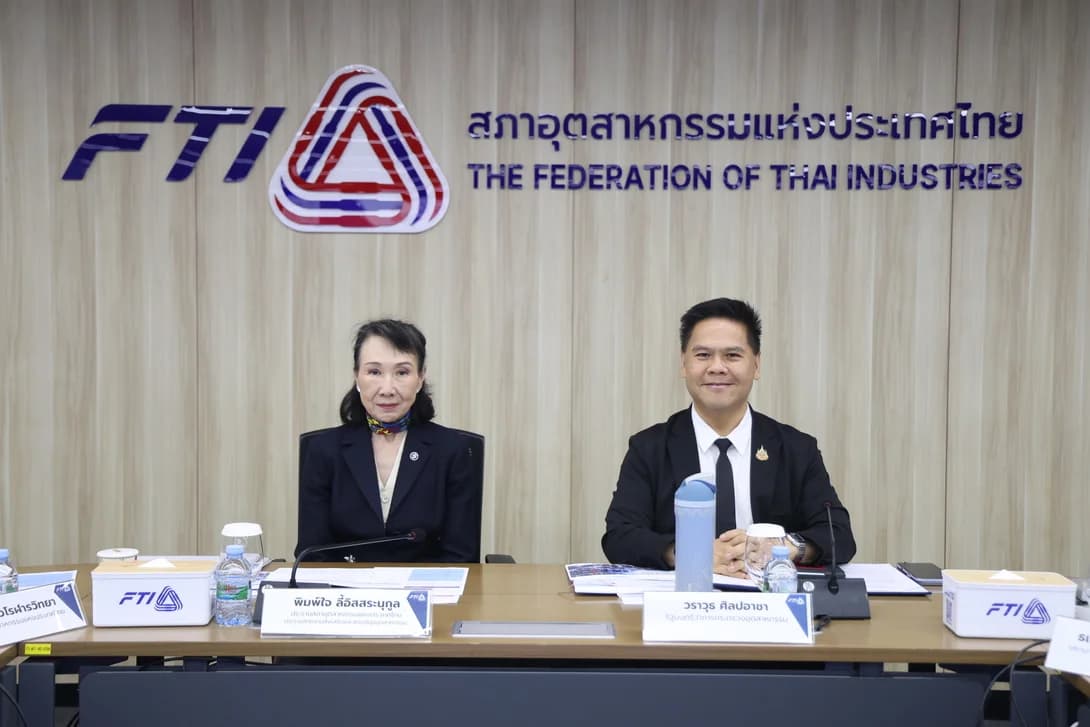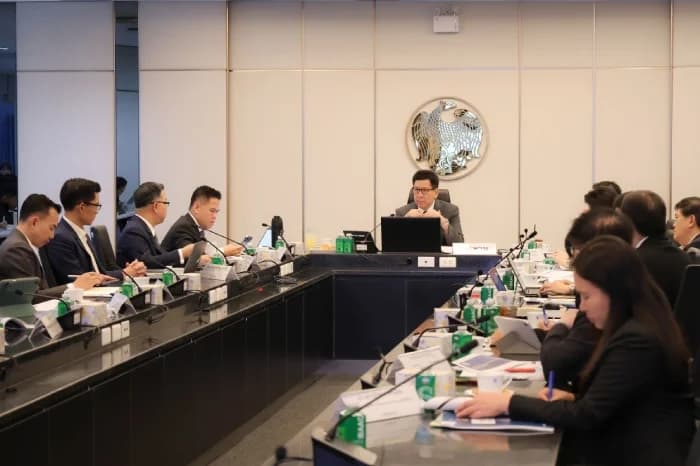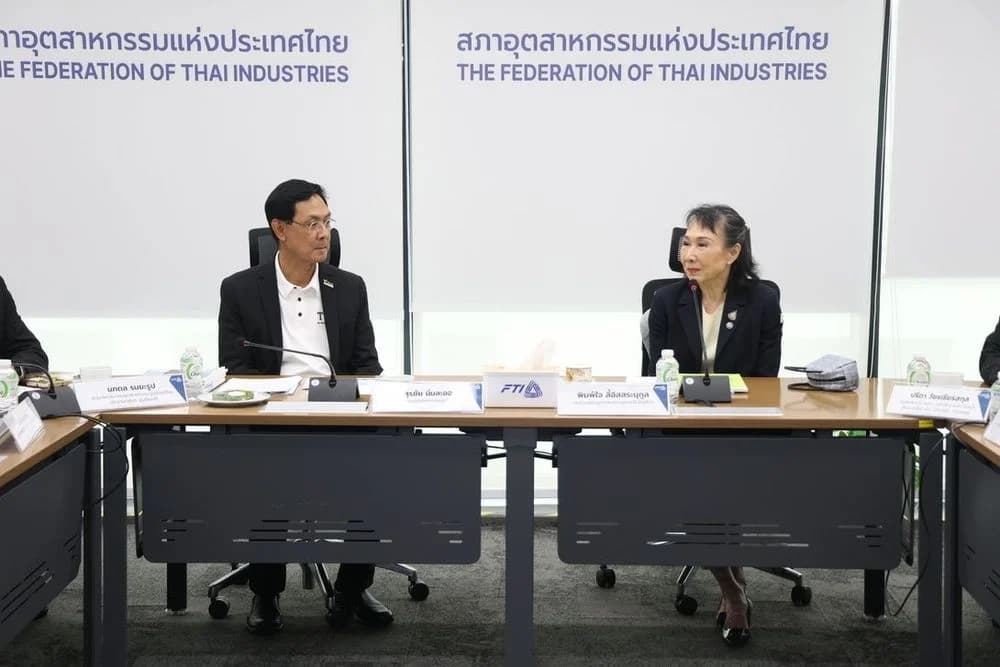
วันที่ 4 พฤศจิกายน 2567 ที่ผ่านมา กลุ่มอุตสาหกรรมเหล็ก สภาอุตสาหกรรมแห่งประเทศไทย (ส.อ.ท.) และ 10 สมาคมเหล็ก ร่วมหารือปัญหาวิกฤตอุตสาหกรรมเหล็กกับนายเอกนัฏ พร้อมพันธุ์ รัฐมนตรีว่าการกระทรวงอุตสาหกรรม เพื่อหาแนวทางแก้ไขและพัฒนาอุตสาหกรรมเหล็กให้ยั่งยืน ณ กระทรวงอุตสาหกรรม
ในการหารือครั้งนี้ มีผู้แทนอุตสาหกรรมเหล็กไทย นำโดยนายนาวา จันทนสุรคน รองประธาน ส.อ.ท. และนายบัณฑูรย์ จุ้ยเจริญ ประธานกลุ่มอุตสาหกรรมเหล็ก รวมทั้งคณะกรรมการกลุ่มอุตสาหกรรมเหล็ก ส.อ.ท. และ 10 สมาคมผู้ประกอบการอุตสาหกรรมเหล็กเข้าร่วม โดยนายเอกนัฏ เป็นประธานในการประชุม พร้อมนายณัฐพล รังสิตพล ปลัดกระทรวงอุตสาหกรรม และผู้บริหารกระทรวงอุตสาหกรรมร่วมหารือ
นายนาวา กล่าวขอบคุณรัฐมนตรีว่าการกระทรวงอุตสาหกรรมที่ให้ความสำคัญต่อการรักษาและพัฒนาอุตสาหกรรมเหล็กของประเทศไทย โดยอุตสาหกรรมเหล็กเปรียบเสมือนกระดูกสันหลังของระบบอุตสาหกรรม เพราะเหล็กเป็นวัตถุดิบที่นำไปใช้ในอุตสาหกรรมต่อเนื่อง ได้แก่ ก่อสร้าง รถยนต์ เครื่องใช้ไฟฟ้า เครื่องจักรกล เฟอร์นิเจอร์ เป็นต้น โดยหลายประเทศต่างปกป้องอุตสาหกรรมเหล็กภายในประเทศเพื่อรักษาความมั่นคงแห่งชาติ แต่ปัจจุบันโลกเผชิญวิกฤตกำลังการผลิตเหล็กของโลกล้นเกินความต้องการใช้ โดยเฉพาะอย่างยิ่ง ประเทศจีนซึ่งประสบปัญหาเศรษฐกิจและธุรกิจภาคอสังหาริมทรัพย์ที่ถดถอย ส่งผลให้ความต้องการใช้เหล็กภายในประเทศของจีนลดลง ในขณะที่ผู้ผลิตเหล็กในจีนยังคงผลิตเหล็กในสัดส่วนสูงมากราวร้อยละ 58 ของการผลิตเหล็กของทั้งโลก จีนจึงมุ่งส่งออกสินค้าเหล็กไปยังภูมิภาคหรือประเทศที่มีช่องโหว่ ซึ่งจีนสามารถทุ่มตลาดได้ โดยในช่วง 9 เดือนแรก จีนสามารถส่งออกสินค้าเหล็กแล้ว 81 ล้านตัน และคาดว่าทั้งปี 2567 จีนจะส่งออกสินค้าเหล็กมากที่สุดในรอบ 8 ปี ปริมาณสูงถึง 109 ล้านตัน เพิ่มขึ้นร้อยละ 21 จากปีก่อนหน้า โดยสินค้าเหล็กจากจีนที่ส่งมายังประเทศไทยปีนี้ มีแนวโน้มปริมาณมากกว่า 5.1 ล้านตัน และครองส่วนแบ่งปริมาณเหล็กนำเข้ามากที่สุดร้อยละ 44 ส่งผลให้ผู้ผลิตเหล็กในไทยมีการใช้กำลังการผลิตถึงขั้นวิกฤตต่ำกว่าร้อยละ 30 จนหลายโรงงานเหล็กต้องทยอยปิดกิจการและเลิกจ้างแรงงานไป ดังนั้น กลุ่มอุตสาหกรรมเหล็ก ส.อ.ท. และ 10 สมาคมเหล็ก จึงได้เสนอ 7 แนวทางบรรเทาวิกฤตอุตสาหกรรมเหล็ก ดังนี้
1. การห้ามตั้งและห้ามขยายโรงงานเหล็กเฉพาะประเภทที่มีกำลังการผลิตมากเกินความต้องการใช้ภายในประเทศไทย ได้แก่ โรงงานเหล็กเส้นเสริมคอนกรีตหรือเหล็กแท่งเล็กสำหรับเหล็กเส้นเสริมคอนกรีต และโรงงานผลิตเหล็กแผ่นรีดร้อน เป็นต้น
2. การส่งเสริมให้โครงการจัดซื้อจัดจ้างภาครัฐใช้สินค้าเหล็กในประเทศที่ผลิตจากโรงงานที่ได้รับการรับรองอุตสาหกรรมสีเขียวตั้งแต่ระดับ 4 ขึ้นไป เพื่อส่งเสริมให้เกิดการลงทุนปรับปรุงเทคโนโลยีที่เป็นมิตรกับสิ่งแวดล้อม มุ่งสู่เป้าหมายการลดการปล่อยก๊าซเรือนกระจกสุทธิเป็นศูนย์ (Net Zero)
3. การเร่งกำหนดมาตรฐานผลิตภัณฑ์อุตสาหกรรม (มอก.) เหล็กโครงสร้างสำเร็จรูป
4. การสงวนเศษเหล็ก เพื่อใช้เป็นวัตถุดิบในการผลิตสินค้าเหล็กในประเทศ
5. การจัดทำนโยบายส่งเสริมอุตสาหกรรมจัดการซากรถยนต์ เพื่อให้มีการบริหารจัดการและสามารถนำวัสดุต่างๆ มาแปรใช้ใหม่ (Recycle) ได้เกิดประโยชน์สูงสุด
6. การจัดทำนโยบายส่งเสริมการใช้สินค้าที่ได้รับการรับรองจาก ส.อ.ท. ว่าผลิตในประเทศไทย (Made in Thailand หรือ MiT) ไม่เพียงแค่เฉพาะการจัดซื้อจัดจ้างภาครัฐเท่านั้น โดยขยายไปยังโครงการร่วมลงทุนระหว่างรัฐและเอกชน (Public – Private Partnership หรือ PPP) และโครงการก่อสร้างของกิจการที่ได้รับการส่งเสริมการลงทุนจากคณะกรรมการส่งเสริมการลงทุน (BOI) ด้วย
7. การสนับสนุนให้ใช้มาตรการทางการค้าต่างๆ โดยเข้มข้นขึ้นตามสถานการณ์และทันท่วงที เนื่องจากปัจจุบัน ประเทศไทยมีการใช้มาตรการตอบโต้การทุ่มตลาด (Anti-Dumping หรือ AD) มาตรการตอบโต้การหลบเลี่ยง (Anti-Circumvention หรือ AC) กับสินค้าเหล็กบางประเภทเท่านั้น โดยไม่มีการใช้มาตรการตอบโต้การอุดหนุน (Countervailing Duty หรือ CVD) และมาตรการปกป้องการนำเข้าที่เพิ่มขึ้น (Safeguard หรือ SG) แต่อย่างใด ในขณะที่ประเทศไทยยังคงถูกจีนส่งสินค้าเหล็กมาทุ่มตลาดปริมาณเฉลี่ยกว่า 4.2 แสนตันต่อเดือน
ทั้งนี้ นายเอกนัฏ ได้รับทราบข้อเสนอดังกล่าวและยืนยันว่าอุตสาหกรรมเหล็กเป็นหนึ่งในอุตสาหกรรมของไทยที่ต้องสนับสนุนด้วยมาตรการต่างๆ อย่างทันท่วงที โดยกลุ่มอุตสาหกรรมเหล็กก็ต้องมีการปรับตัว เพื่อการเติบโตอย่างยั่งยืนและประโยชน์ของประเทศชาติด้วย โดยข้อเสนอจากกลุ่มอุตสาหกรรมเหล็กหลายๆ ข้อเสนอ สอดคล้องกับนโยบายและมาตรการที่กระทรวงอุตสาหกรรมกำลังดำเนินการอยู่ ได้แก่ มาตรการห้ามตั้งห้ามขยายโรงงานเหล็กบางประเภท การกำหนดมาตรฐานผลิตภัณฑ์อุตสาหกรรม (มอก.) อาคารโครงสร้างเหล็ก มาตรการที่เกี่ยวข้องกับการควบคุมเศษเหล็ก รวมถึงการจัดการซากรถยนต์ เป็นต้น โดยจะเร่งรัดผลักดันมาตรการต่างๆ ให้มีผลบังคับใช้โดยเร็วที่สุด เพื่อให้อุตสาหกรรมเหล็กยังคงเป็นพื้นฐานสำคัญในห่วงโซ่อุตสาหกรรมต่อเนื่องภายในประเทศไทย
On November 4, 2024, the Steel Industry Group of the Federation of Thai Industries (FTI) and 10 steel associations convened to discuss the crisis within Thailand's steel industry with Mr. Eaknaat Prompan, Minister of Industry, to find solutions and develop sustainable strategies for the steel industry at the Ministry of Industry.
The meeting was led by representatives from the Thai steel industry, including Mr. Nava Chantanasurakorn, Vice President of FTI, and Mr. Bandhu Chueicharoen, Chairman of the Steel Industry Group, along with the committee members of the FTI Steel Industry Group and 10 steel industry associations. Mr. Eaknaat chaired the meeting, attended by Mr. Natthapol Rangsitpol, Permanent Secretary of the Ministry of Industry, and executives from the Ministry of Industry.
Mr. Nava expressed gratitude to the Minister of Industry for prioritizing the maintenance and development of Thailand's steel industry, emphasizing that the steel industry is akin to the backbone of the industrial system, as steel is a raw material utilized in various downstream industries, including construction, automotive, electrical appliances, machinery, and furniture. Many countries protect their domestic steel industries to maintain national security. However, the world is currently facing an oversupply crisis in global steel production, particularly in China, which is experiencing economic issues and a downturn in the real estate sector, resulting in decreased domestic demand for steel in China. Meanwhile, Chinese steel producers continue to maintain high production levels, accounting for approximately 58% of global steel production. As a result, China aims to export steel products to regions or countries with vulnerabilities, allowing them to engage in aggressive market strategies. Over the first nine months, China managed to export 81 million tons of steel, and it is anticipated that in 2024, China will achieve its highest export volume in eight years, totaling 109 million tons, representing a 21% increase from the previous year. This year, the volume of steel products imported from China to Thailand is projected to exceed 5.1 million tons, capturing the largest share of imported steel at 44%, which has caused Thai steel producers to operate at a critical capacity below 30%, leading to the gradual closure of several steel plants and layoffs. Thus, the Steel Industry Group of FTI and the 10 steel associations proposed seven measures to alleviate the crisis in the steel industry as follows:
1. Prohibition of new and expanded steel plants specifically for types with production capacities exceeding domestic demand in Thailand, including rebar manufacturing plants and hot-rolled steel sheet mills.
2. Promotion of public procurement projects to utilize domestically produced steel from factories certified as green industries at level 4 and above, to encourage investment in environmentally friendly technology aimed at achieving net-zero greenhouse gas emissions.
3. Acceleration of the establishment of industrial product standards (TIS) for prefabricated steel structures.
4. Reservation of steel scrap for use as raw material in domestic steel production.
5. Development of policies to promote the automobile recycling industry to maximize the management and recycling of various materials.
6. Formulation of policies to promote the use of products certified by FTI as made in Thailand (MiT) beyond public procurement, including public-private partnership (PPP) projects and constructions by enterprises receiving investment promotion from the Board of Investment (BOI).
7. Support for the implementation of various trade measures more intensively and timely, as currently Thailand employs anti-dumping measures for only certain types of steel products, without utilizing countervailing duties (CVD) and safeguard measures (SG), while Thailand continues to face steel imports from China at an average of over 420,000 tons per month.
Mr. Eaknaat acknowledged the proposals and confirmed that the steel industry is one of Thailand's industries that requires timely support through various measures. The steel industry group must also adapt for sustainable growth and the benefit of the nation. Many of the proposals from the steel industry group align with the policies and measures that the Ministry of Industry is currently implementing, including the prohibition of new and expanded steel plants of certain types, establishing industrial product standards (TIS) for steel structures, and measures related to steel scrap management, as well as automobile recycling. Efforts will be made to expedite the implementation of these measures as soon as possible to ensure that the steel industry remains a vital foundation in the continuous industrial chain within Thailand.