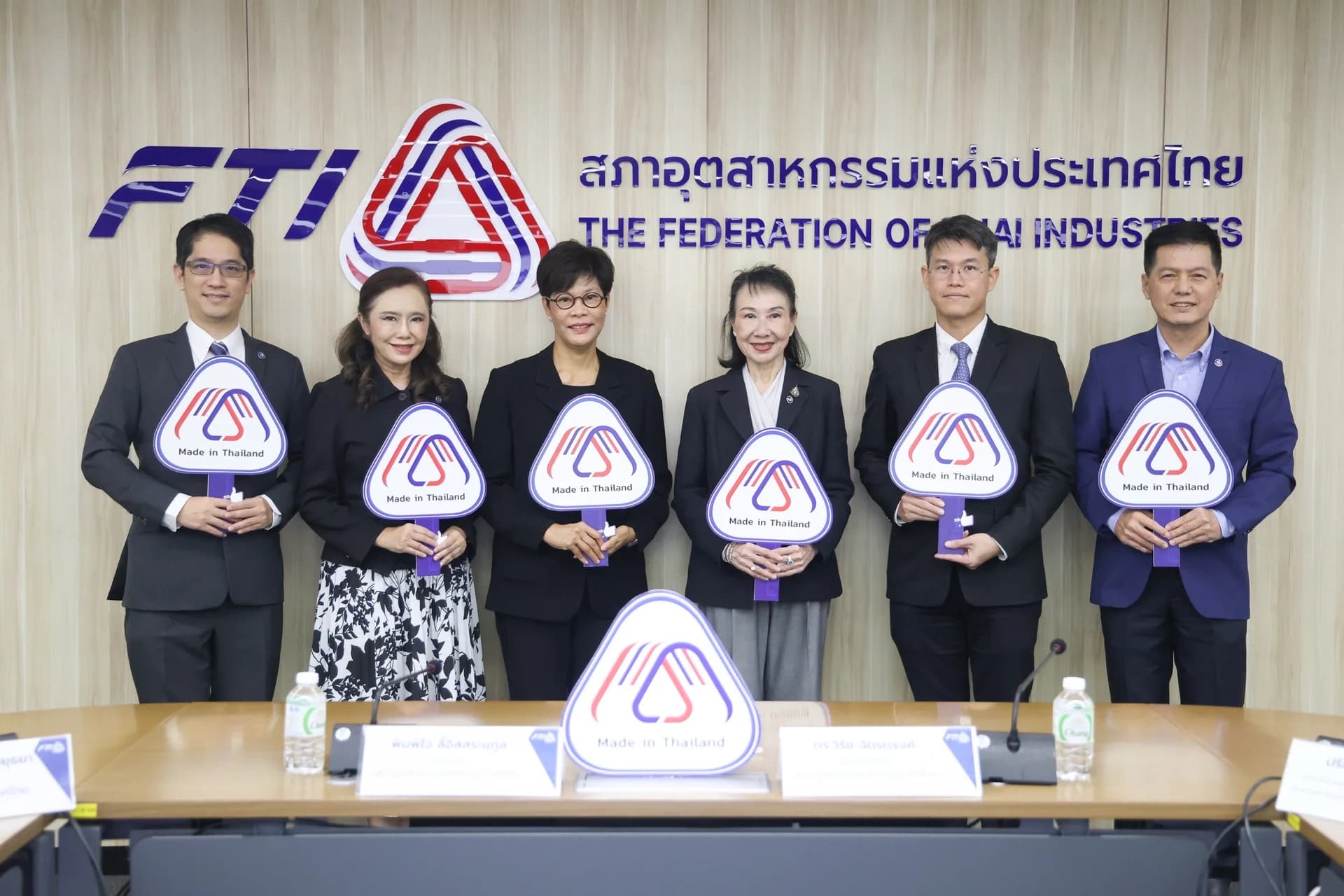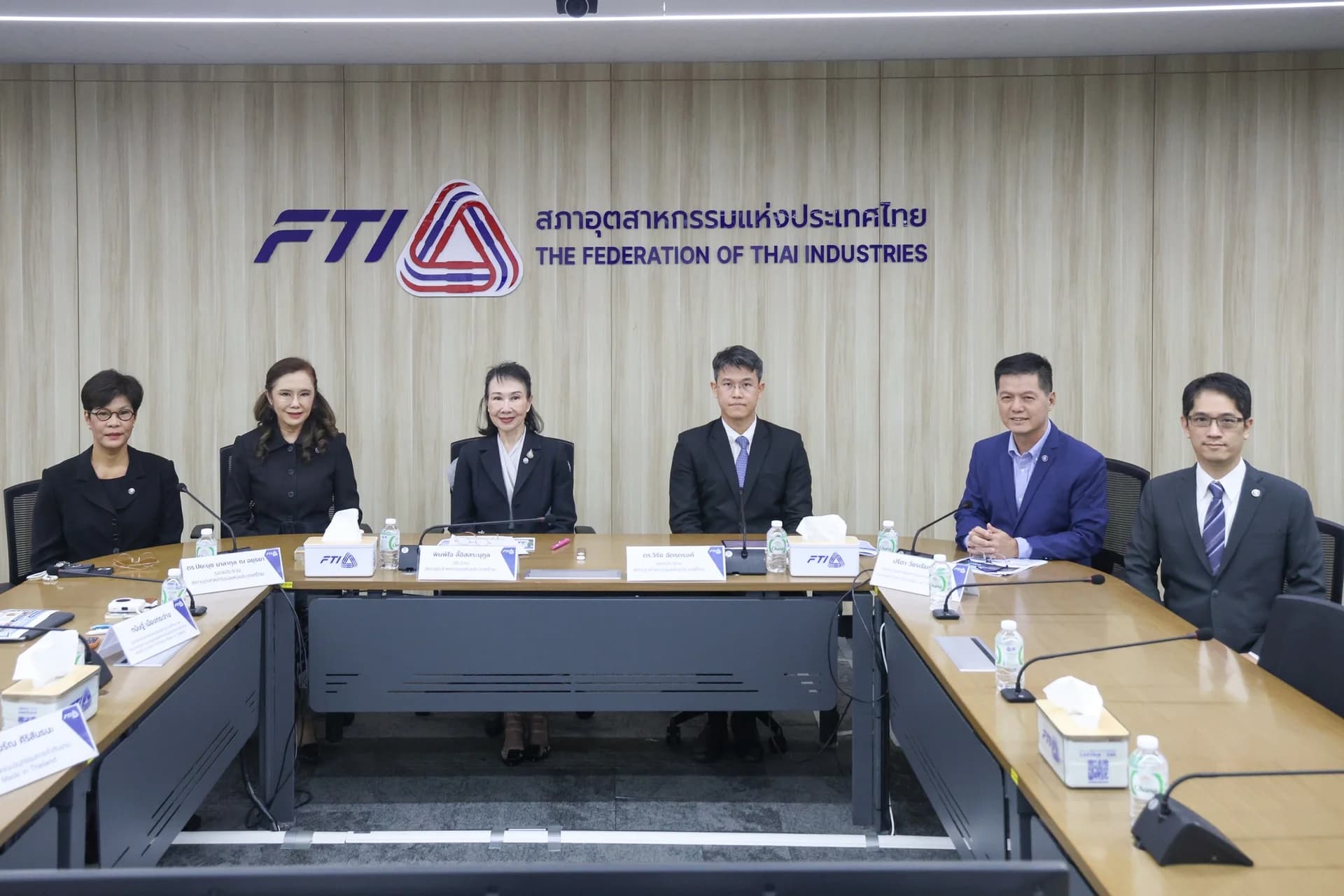

วันจันทร์ที่ 21 ตุลาคม 2567 หม่อมหลวงปีกทอง ทองใหญ่ รองประธานสภาอุตสาหกรรมแห่งประเทศไทย (ส.อ.ท.) เปิดเผยผลการสำรวจ FTI CEO Poll ครั้งที่ 41 ในเดือนตุลาคม 2567 ภายใต้หัวข้อ “แพลตฟอร์มอีคอมเมิร์ซขายสินค้าราคาถูกบุกไทย อุตสาหกรรมจะรับมืออย่างไร” พบว่าผู้บริหาร ส.อ.ท. ที่ตอบแบบสำรวจถึง 35.1% มียอดขายลดลงจากการเข้ามาของแพลตฟอร์มอีคอมเมิร์ซขายสินค้าถูกจากต่างประเทศ โดยเฉพาะในกลุ่มสินค้าเครื่องนุ่งห่ม เฟอร์นิเจอร์ ผลิตภัณฑ์พลาสติก บรรจุภัณฑ์ เป็นต้น ซึ่งสินค้าที่ขายผ่านแพลตฟอร์มอีคอมเมิร์ซบางรายการอาจเป็นสินค้าที่ไม่ได้มาตรฐาน ไม่มีคุณภาพ หรือไม่ตรงปก ทำให้ผู้บริโภคสูญเสียเงิน ตลอดจนมีความเสี่ยงในเรื่องความปลอดภัยในการบริโภคสินค้าด้วย ดังนั้นผู้บริหาร ส.อ.ท. จึงเสนอให้ภาครัฐกำหนดเงื่อนไขให้ผู้ให้บริการแพลตฟอร์มอีคอมเมิร์ซจากต่างประเทศจะต้องจดทะเบียนนิติบุคคลและมีสำนักงานในไทยเพื่อให้สามารถจัดเก็บภาษีมูลค่าเพิ่ม (VAT) และมีการบังคับใช้กฎหมายที่เกี่ยวข้องกับการคุ้มครองผู้บริโภคอย่างเคร่งครัด รวมทั้งกำหนดให้ผู้ให้บริการแพลตฟอร์มรับผิดชอบในการคืนสินค้า กรณีสินค้าไม่ได้คุณภาพหรือไม่ตรงปก
อย่างไรก็ตาม จากผลสำรวจพบว่า ผู้บริหาร ส.อ.ท. ส่วนใหญ่ยังมองว่า สินค้าไทยยังสามารถแข่งขันกับสินค้าราคาถูกจากต่างประเทศที่ผ่านแพลตฟอร์มอีคอมเมิร์ซได้ แต่ผู้ประกอบการไทยจะต้องเร่งปรับตัวเพื่อพัฒนาและสร้างจุดแข็งให้กับสินค้า โดยเฉพาะการพัฒนามาตรฐานผลิตภัณฑ์ การนำเทคโนโลยีนวัตกรรมมายกระดับกระบวนการผลิตและผลิตภัณฑ์ รวมทั้งการสร้างเครือข่ายความร่วมมือทางธุรกิจในการส่งเสริมสินค้าที่ผลิตในประเทศและการเปิดตลาดไปยังต่างประเทศ
จากการสำรวจผู้บริหาร ส.อ.ท. (CEO Survey) จำนวน 175 ท่าน ครอบคลุมผู้บริหารจาก 46 กลุ่มอุตสาหกรรม และ 76 สภาอุตสาหกรรมจังหวัด มีสรุปผลการสำรวจ FTI CEO Poll ครั้งที่ 41 จำนวน 6 คำถาม ดังนี้
1)แพลตฟอร์มอีคอมเมิร์ซขายสินค้าราคาถูกส่งผลกระทบต่อยอดขายสินค้าอย่างไร*
อันดับ 1 : ไม่ได้รับผลกระทบ 47.4%
อันดับ 2 : ลดลง 35.1%
อันดับ 3 : เพิ่มขึ้น 17.5%
2)แพลตฟอร์มอีคอมเมิร์ซขายสินค้าราคาถูกมีผลกระทบเชิงบวกอย่างไร
อันดับ 1 : เพิ่มทางเลือกให้กับผู้บริโภคในการเข้าถึงสินค้าจากโรงงาน 65.7% โดยตรงไม่ผ่านคนกลาง
อันดับ 2 : เร่งให้ผู้ประกอบการไทยต้องมีการปรับตัวพัฒนาธุรกิจให้สามารถแข่งขันได้ 64.0%
อันดับ 3 : ส่งเสริมตลาดอีคอมเมิร์ซในประเทศให้ขยายตัว ตลอดจนส่งเสริม 26.3% เศรษฐกิจดิจิทัล (Digital Economy)
อันดับ 4 : ช่วยลดต้นทุนในการบริหารสินค้าคงคลังให้แก่ผู้ประกอบการที่สั่งสินค้า 13.1% มาจำหน่ายในประเทศ
3)แพลตฟอร์มอีคอมเมิร์ซขายสินค้าราคาถูกจะส่งผลกระทบเชิงลบในเรื่องใด
อันดับ 1 : สินค้าที่ไม่มีมาตรฐานและคุณภาพเข้ามาในประเทศ 61.7% ส่งผลถึงความปลอดภัยของผู้บริโภคและทำให้เกิดภาระในการกำจัดขยะ
อันดับ 2 : ไม่สามารถแข่งขันด้านราคาและทำให้ถูกแย่งส่วนแบ่งการตลาด 44.6%
อันดับ 3 : ความเสี่ยงที่จะส่งผลกระทบต่อห่วงโซ่อุปทาน (Supply Chain) 41.7% ของอุตสาหกรรมในประเทศ
อันดับ 4 : กระทบต่อกำไรของผู้ประกอบการในประเทศ เนื่องจากต้องปรับลดราคา 26.9% และต้นทุนเพื่อแข่งขัน
4)ภาครัฐควรมีการกำกับดูแลผู้ให้บริการแพลตฟอร์มอีคอมเมิร์ซอย่างไร
อันดับ 1 : กำหนดเงื่อนไขให้ผู้ให้บริการแพลตฟอร์มอีคอมเมิร์ซ 67.4%
จากต่างประเทศต้องจดทะเบียนนิติบุคคลและมีสำนักงานในไทยเพื่อจัดเก็บภาษีมูลค่าเพิ่ม (VAT)
อันดับ 2 : บังคับใช้กฎหมายที่เกี่ยวข้องกับการคุ้มครองผู้บริโภคอย่างเคร่งครัด 46.9% เปิดช่องทางให้ร้องเรียนได้สะดวกและกำหนดให้ผู้ให้บริการแพลตฟอร์มบริหารจัดการการคืนสินค้ากรณีสินค้าไม่ได้คุณภาพหรือไม่ตรงปก
อันดับ 3 : บังคับให้ผู้ให้บริการแพลตฟอร์มอีคอมเมิร์ซต้องมีการแสดง 45.1% เครื่องหมายมาตรฐาน รวมทั้งฉลากบนแพลตฟอร์มขายสินค้าออนไลน์
อันดับ 4 : ควรมีการตรวจสอบการใช้ระบบชำระเงิน (Payment) ออกไปยังต่างประเทศ 26.3% โดยบังคับให้เข้าสู่ระบบที่ถูกต้องและอยู่ภายใต้การกำกับของธนาคารแห่งประเทศไทย (ธปท.)
5)ภาคเอกชนควรปรับตัวรับมือกับการเข้ามาของแพลตฟอร์มอีคอมเมิร์ซขายสินค้าราคาถูกอย่างไร
อันดับ 1 : พัฒนามาตรฐานผลิตภัณฑ์และการนำเทคโนโลยีนวัตกรรม 57.7% มายกระดับกระบวนการผลิตและผลิตภัณฑ์
อันดับ 2 : สร้างเครือข่ายความร่วมมือทางธุรกิจในการส่งเสริมสินค้า 48.6% ที่ผลิตในประเทศและการเปิดตลาดสินค้า
อันดับ 3 : การใช้แนวคิดความคิดสร้างสรรค์ (Creative & Design) เพื่อสร้าง 34.9% เอกลักษณ์ให้กับผลิตภัณฑ์และให้ความสำคัญกับการจดสิทธิบัตร
อันดับ 4 : การสร้างแบรนด์สินค้าให้เป็นที่ยอมรับและพัฒนาบริการหลังการขาย 32.0%
6)อุตสาหกรรมสามารถแข่งขันกับสินค้าราคาถูกที่เข้ามาผ่านแพลตฟอร์มอีคอมเมิร์ซได้หรือไม่*
อันดับ 1 : สามารถแข่งขันได้ 80.7%
อันดับ 2 : ไม่สามารถแข่งขันได้ 19.3%
หมายเหตุ : *ไม่นำกลุ่มอุตสาหกรรมที่ไม่มีสินค้าขายผ่านแพลตฟอร์มอีคอมเมิร์ซมาคำนวณ
...........................................................................................................
เผยแพร่โดย ฝ่ายสื่อสารองค์กร สภาอุตสาหกรรมแห่งประเทศไทย (โทร. 0-2345-1051)
จัดทำข้อมูลโดย ฝ่ายเศรษฐกิจและวิชาการ สภาอุตสาหกรรมแห่งประเทศไทย (โทร. 0-2345-1111)
On Monday, October 21, 2024, Mom Luang Pikthong Thongyai, Vice Chairman of the Federation of Thai Industries (FTI), revealed the results of the FTI CEO Poll No. 41 conducted in October 2024 under the topic "How Will the Industry Cope with the Influx of Foreign Low-Priced E-commerce Platforms?" The survey found that 35.1% of FTI executives reported a decline in sales due to the presence of foreign e-commerce platforms selling low-cost products, especially in categories such as clothing, furniture, plastic products, and packaging. Some products sold through these e-commerce platforms may not meet standards, lack quality, or be misrepresented, leading to consumer financial loss and risks regarding product safety. Therefore, FTI executives proposed that the government establish conditions requiring foreign e-commerce platform providers to register as legal entities and have offices in Thailand to facilitate the collection of value-added tax (VAT) and ensure strict enforcement of consumer protection laws. Additionally, they suggested that platform providers should be responsible for product returns in cases where the products do not meet quality standards or are misrepresented.
However, the survey results indicated that most FTI executives still believe that Thai products can compete with low-cost foreign products sold through e-commerce platforms. Nevertheless, Thai operators need to accelerate their adaptation to develop and reinforce their product strengths, particularly in enhancing product standards, integrating innovative technologies to upgrade production processes and products, and building business collaboration networks to promote locally produced goods and expand market access internationally.
The survey involved 175 FTI executives, covering management from 46 industry groups and 76 provincial industry councils. Here are the summarized results of the FTI CEO Poll No. 41 comprising six questions:
1) How does the influx of low-priced e-commerce platforms impact product sales?*
Rank 1: No impact 47.4%
Rank 2: Decreased 35.1%
Rank 3: Increased 17.5%
2) What positive impacts do low-priced e-commerce platforms have?
Rank 1: Provides consumers with greater access to products directly from manufacturers 65.7%, without intermediaries.
Rank 2: Accelerates the need for Thai operators to adapt and develop their businesses to remain competitive 64.0%.
Rank 3: Promotes the growth of e-commerce markets within the country while also supporting the digital economy 26.3%.
Rank 4: Helps reduce inventory management costs for operators importing products for domestic sale 13.1%.
3) What negative impacts will low-priced e-commerce platforms have?
Rank 1: Introduction of substandard and low-quality products into the country 61.7%, affecting consumer safety and resulting in waste management burdens.
Rank 2: Inability to compete on price, leading to a loss of market share 44.6%.
Rank 3: Risk of adverse effects on the domestic industry supply chain 41.7%.
Rank 4: Negative impacts on domestic operators' profits due to price reductions 26.9% and costs associated with competition.
4) How should the government regulate e-commerce platform providers?
Rank 1: Establish conditions requiring foreign e-commerce platform providers to register as legal entities and maintain offices in Thailand for VAT collection 67.4%.
Rank 2: Strictly enforce relevant consumer protection laws 46.9%, providing convenient complaint channels and holding platform providers responsible for managing product returns when products do not meet quality standards or are misrepresented.
Rank 3: Mandate e-commerce platform providers to display standard compliance marks 45.1%, including labels on online product listings.
Rank 4: Conduct audits of payment systems going to foreign countries 26.3%, requiring compliance with proper procedures under the supervision of the Bank of Thailand.
5) How should the private sector adapt to the arrival of low-priced e-commerce platforms?
Rank 1: Develop product standards and incorporate innovative technology 57.7% to enhance production processes and products.
Rank 2: Create business cooperation networks to promote domestically produced goods and open up market channels 48.6%.
Rank 3: Use creative design concepts to establish product identity while emphasizing patent registration 34.9%.
Rank 4: Build brand recognition and improve after-sales service 32.0%.
6) Can the industry compete with low-priced products coming through e-commerce platforms?*
Rank 1: Yes, can compete 80.7%.
Rank 2: No, cannot compete 19.3%.
Note: *Excludes industrial groups without products sold via e-commerce platforms.
...........................................................................................................
Released by the Corporate Communications Division, Federation of Thai Industries (Tel. 0-2345-1051)
Prepared by the Economic and Academic Division, Federation of Thai Industries (Tel. 0-2345-1111)