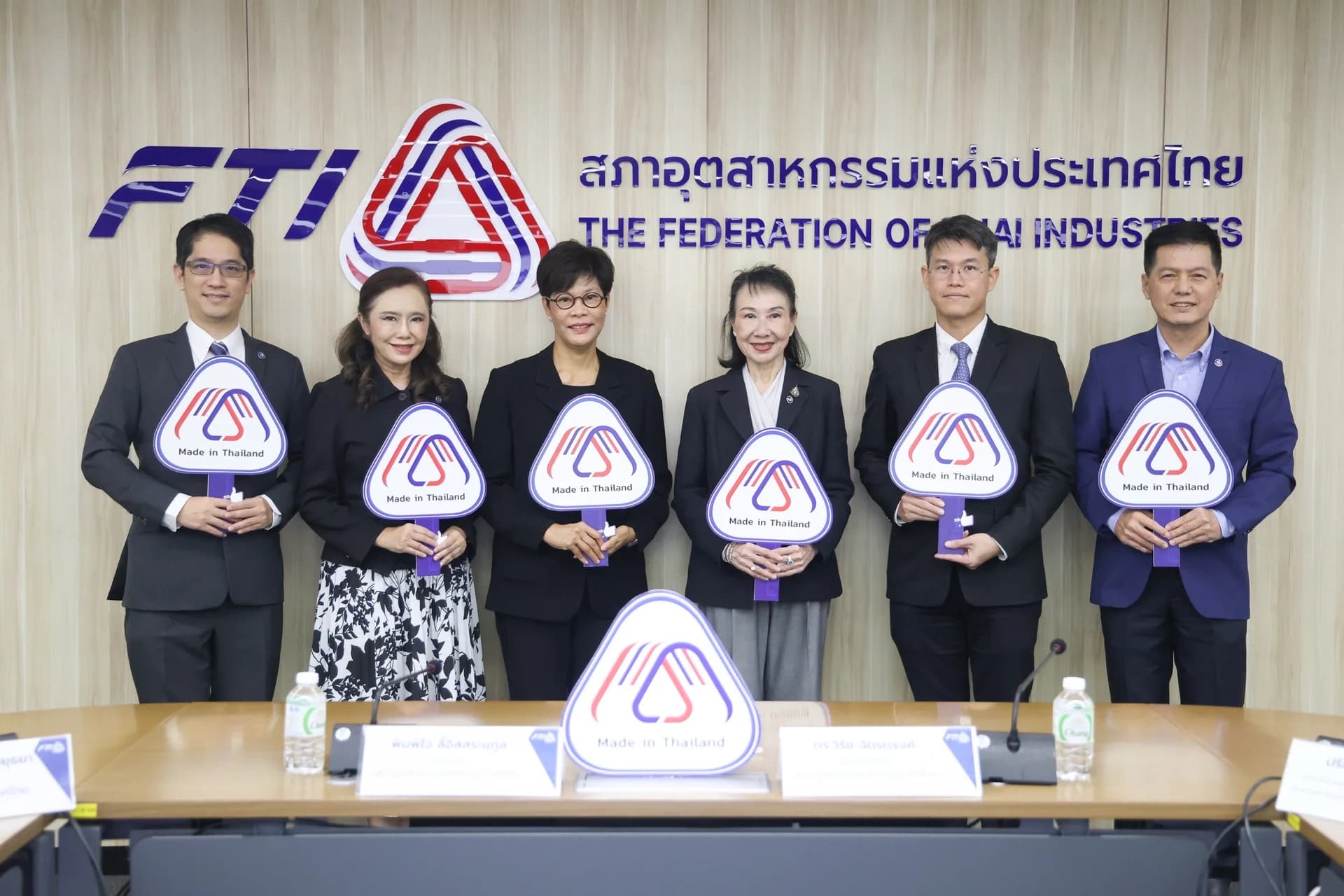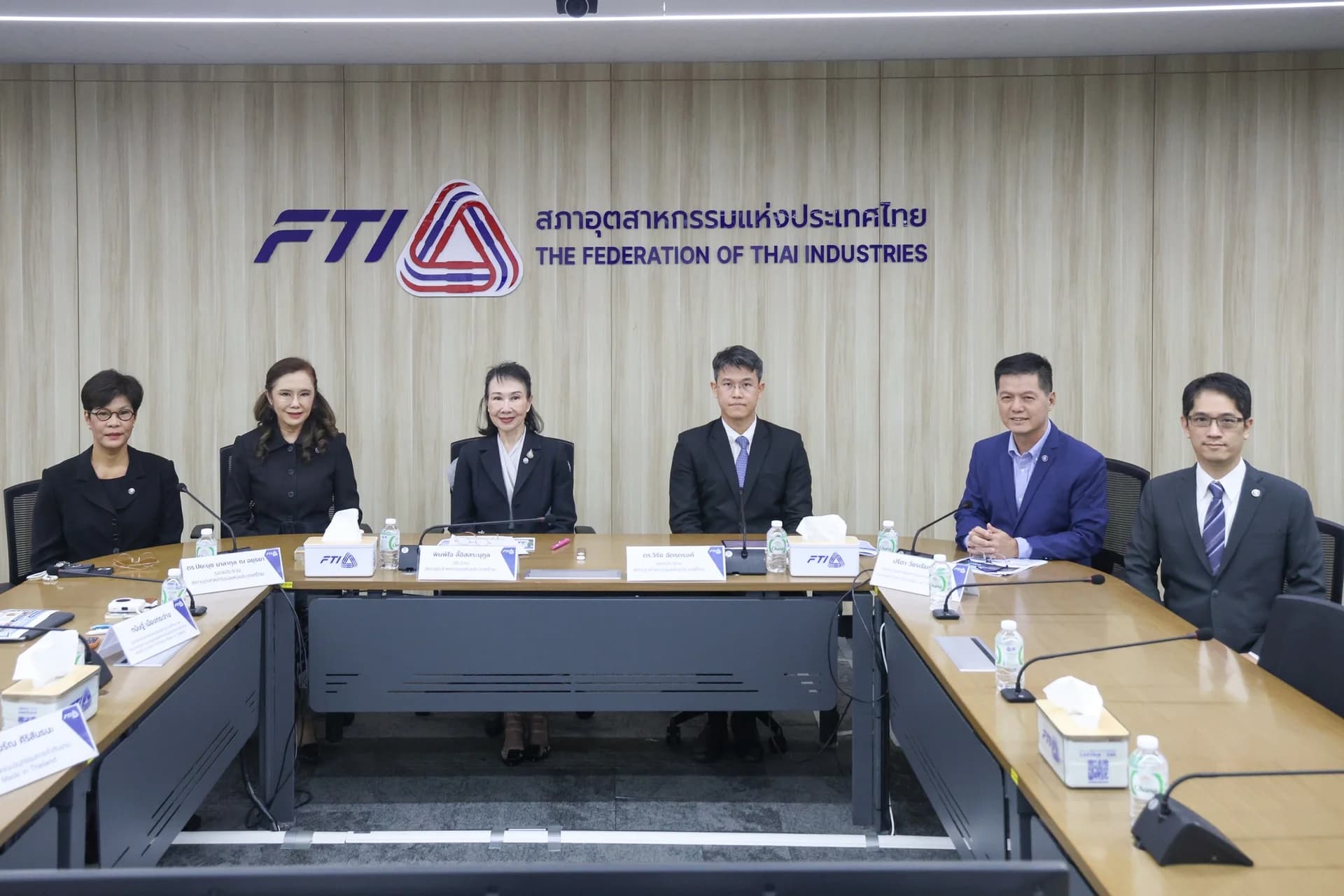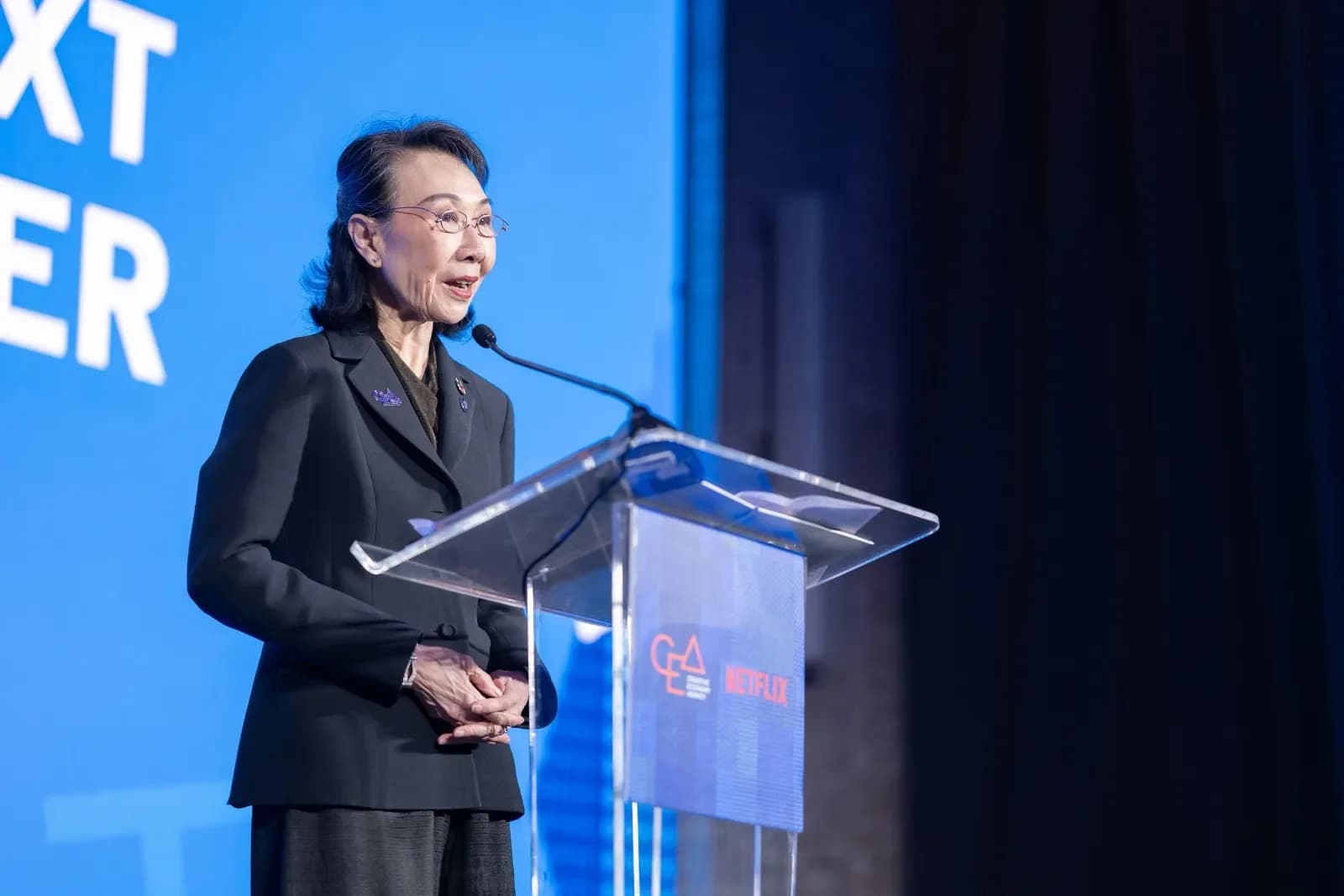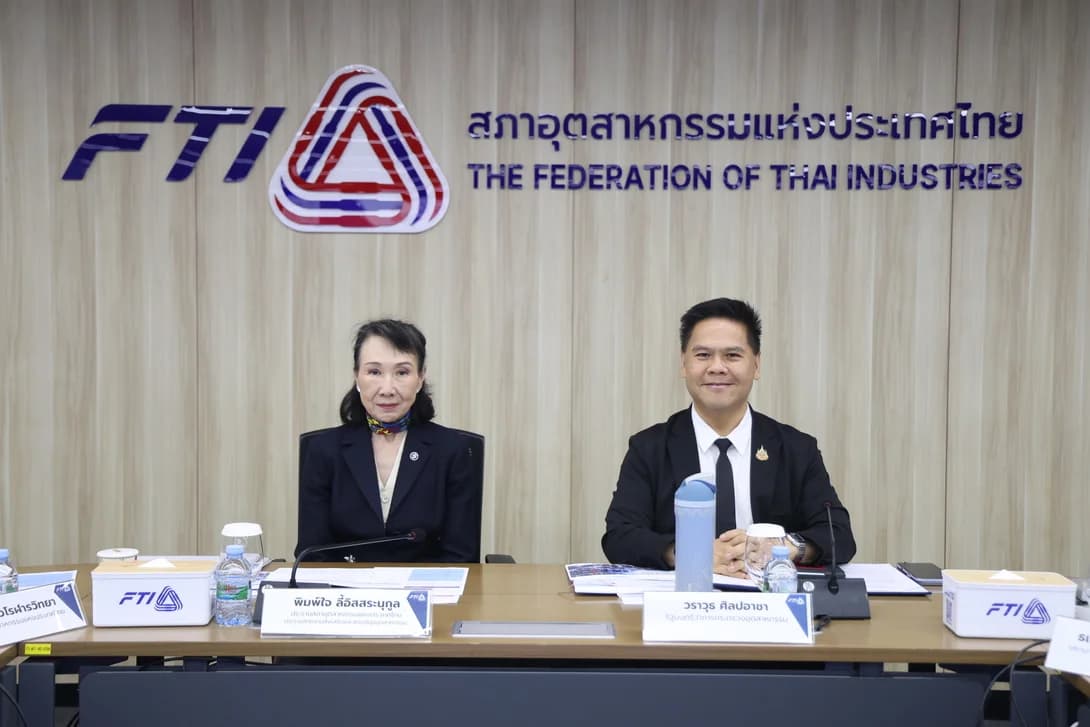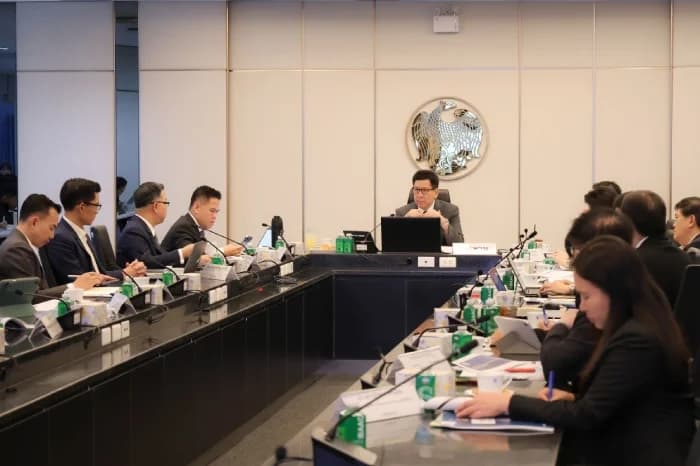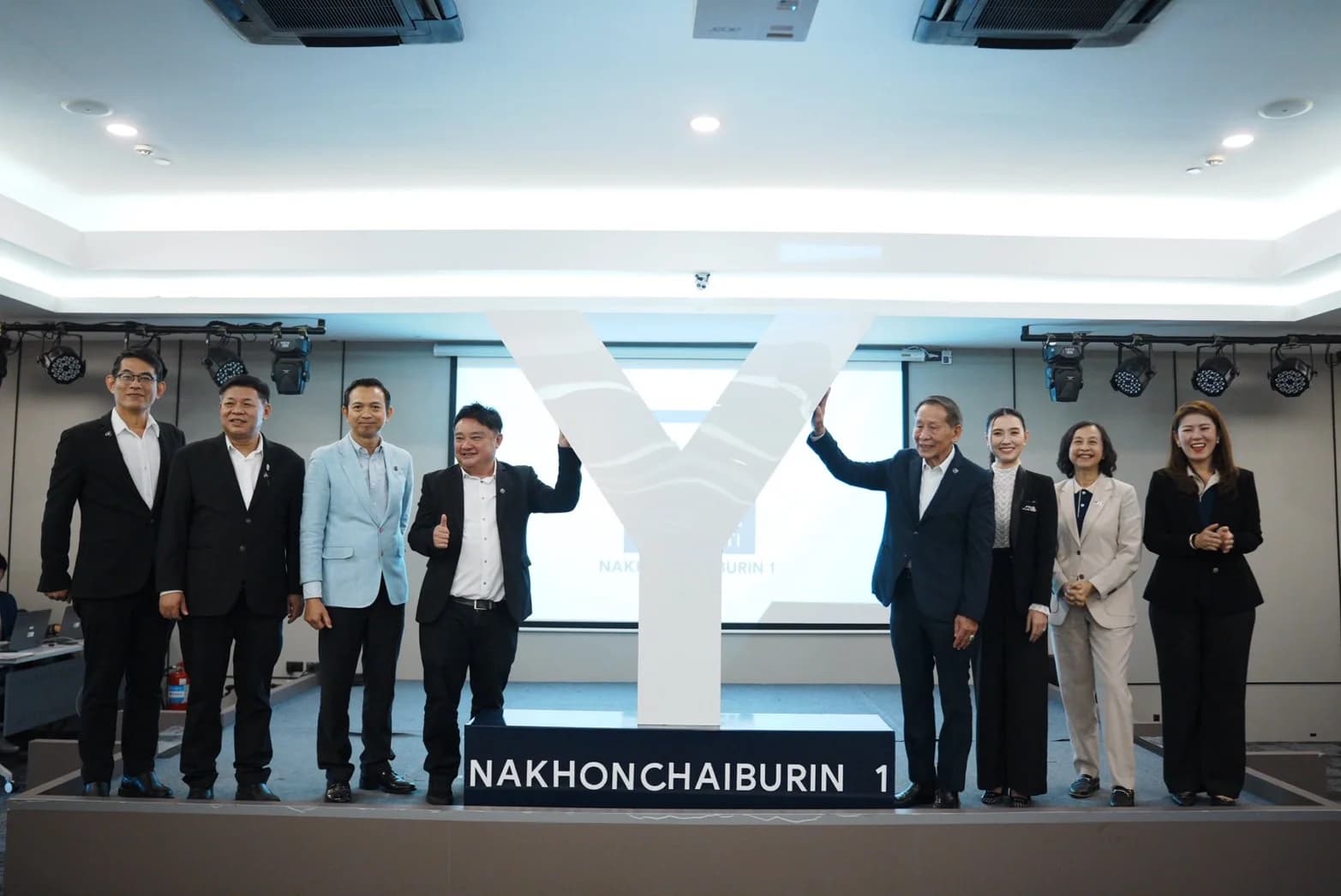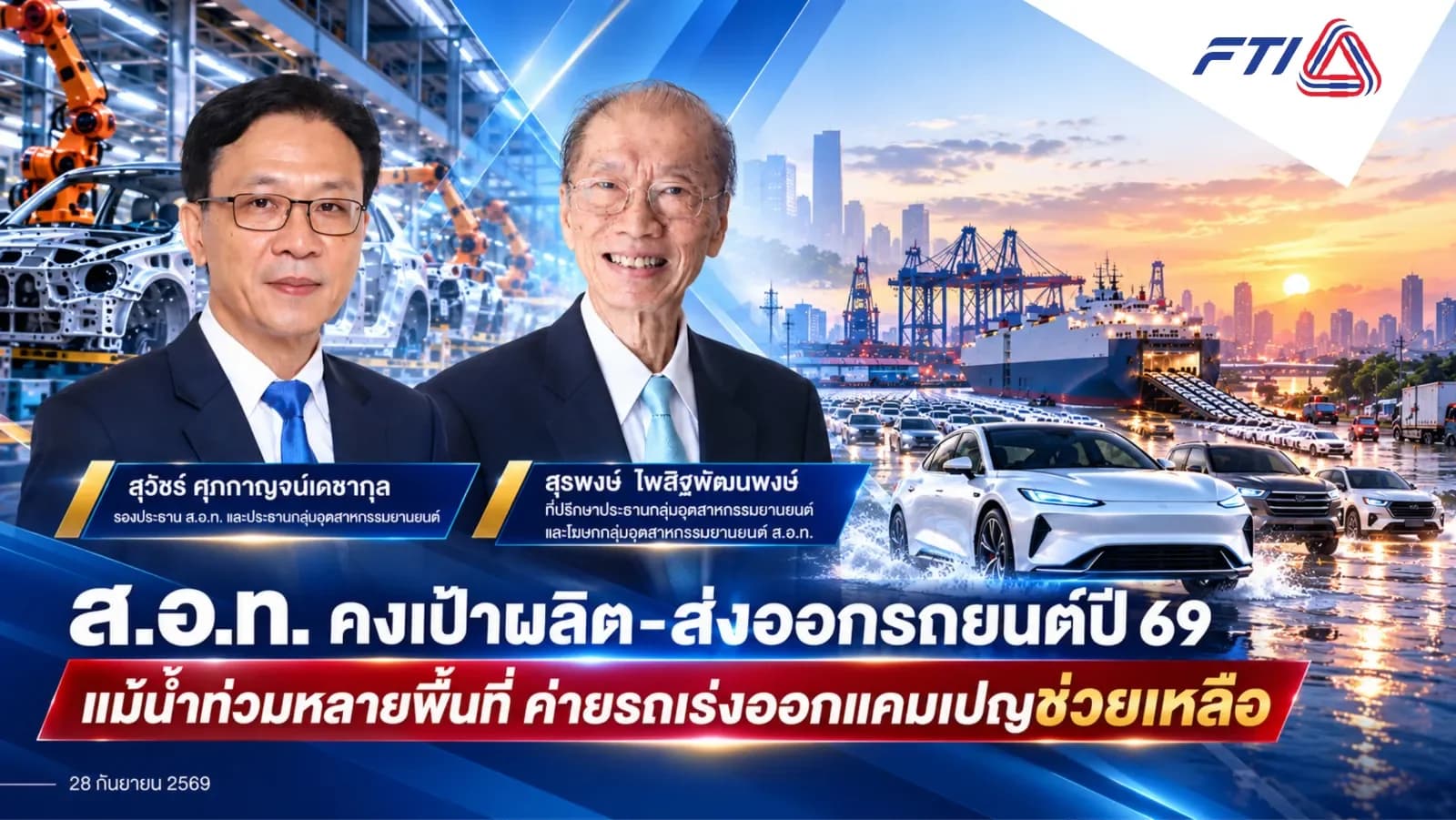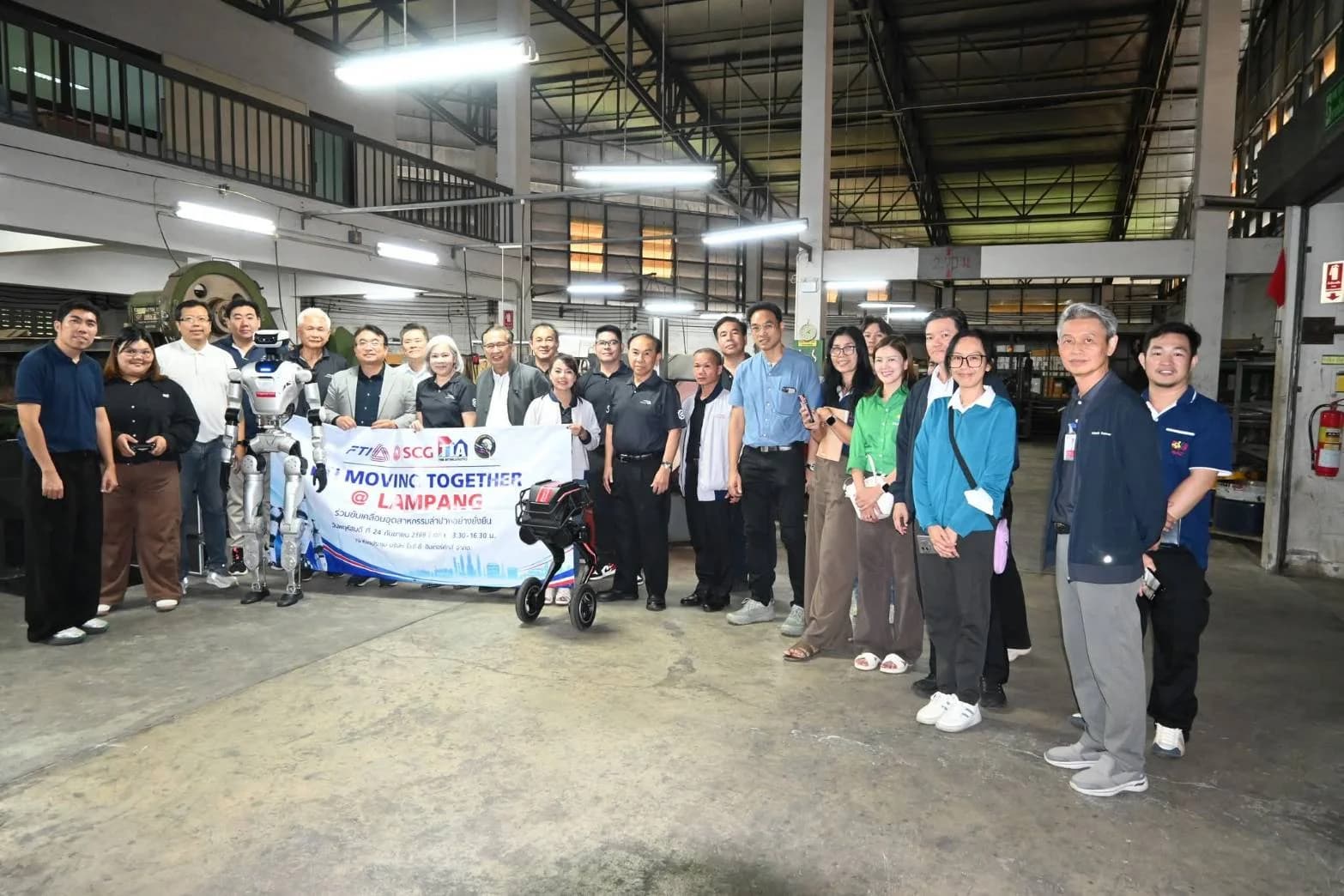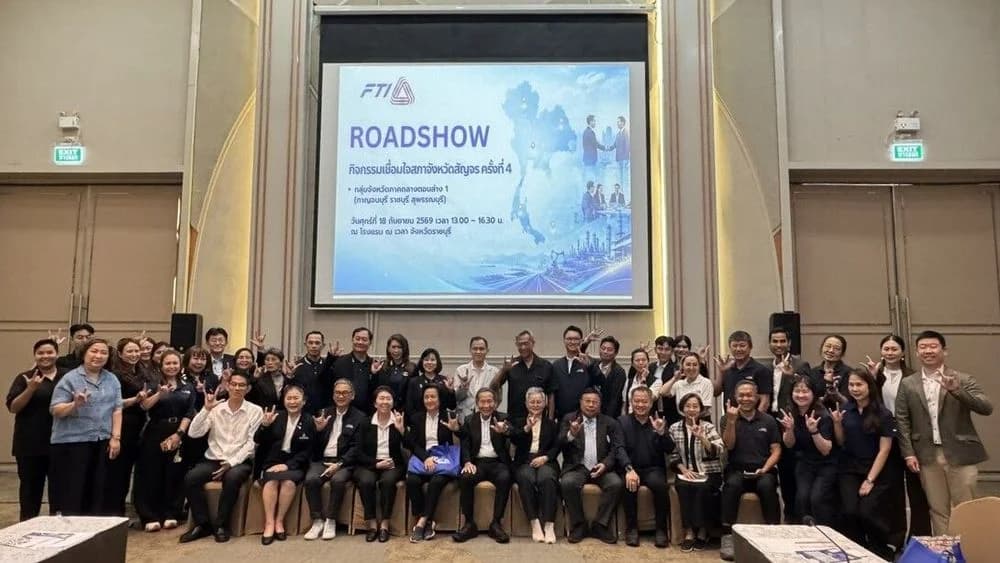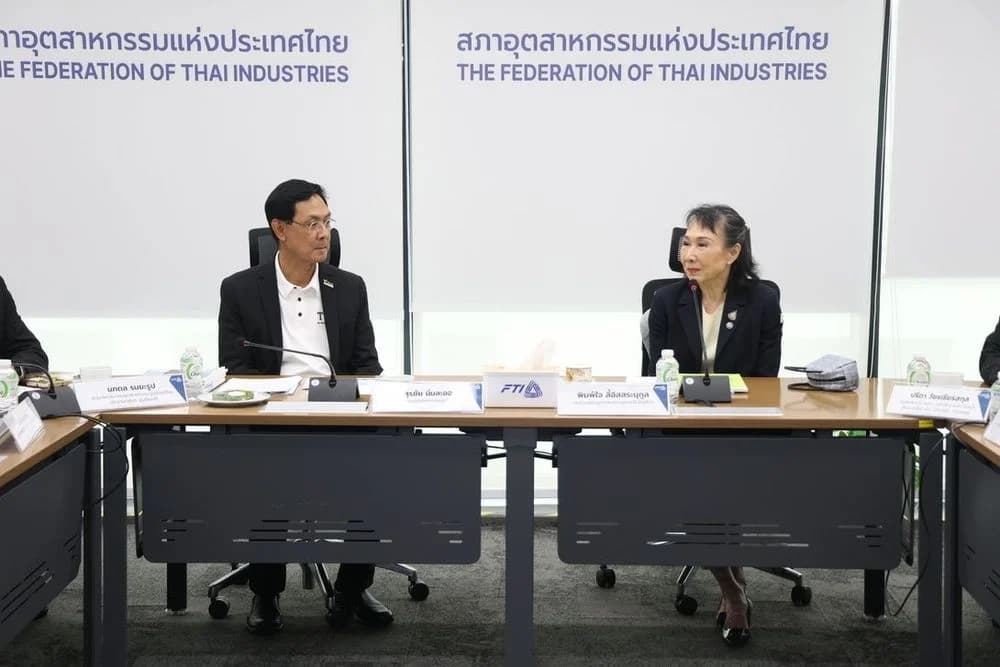
วันนี้ (พฤหัสบดีที่ 17 ตุลาคม 2567) สถาบันพลังงานเพื่ออุตสาหกรรม สภาอุตสาหกรรมแห่งประเทศไทย (ส.อ.ท.) จัดงานสัมมนาวิชาการประจำปี Energy Symposium 2024 ภายใต้หัวข้อ “การปรับตัวของภาคอุตสาหกรรมให้สอดคล้องกับแผนพลังงานใหม่เพื่อมุ่งสู่ Carbon Neutrality” เพื่อให้ผู้ประกอบการภาคอุตสาหกรรมและผู้สนใจทั่วไป ได้รับทราบสถานการณ์โลกที่ส่งผลต่อความผันผวนทางเศรษฐกิจและพลังงาน พร้อมแนวทางการปรับตัวภายใต้แผนพลังงานชาติ (National Energy Plan) ที่กระทรวงพลังงานกำลังนำมาใช้ผลักดันให้ประเทศมุ่งสู่ความเป็นกลางทางคาร์บอน (Carbon Neutrality) ในปี ค.ศ. 2050 และการปล่อยก๊าซเรือนกระจกสุทธิเป็นศูนย์ (Net Zero) ในปี ค.ศ. 2065 ณ ห้องวิภาวดีบอลรูม โรงแรมเซ็นทารา แกรนด์ แอท เซ็นทรัลพลาซ่า ลาดพร้าว กรุงเทพฯ
นายประสงค์ อินทรหนองไผ่ รองประธานสภาอุตสาหกรรมแห่งประเทศไทย (ส.อ.ท.) และประธานสถาบันพลังงานเพื่ออุตสาหกรรม กล่าวว่า จากสถานการณ์ความผันผวนของเศรษฐกิจ ภาวะโลกร้อนที่ก้าวเข้าสู่ภาวะโลกเดือด และความขัดแย้งทางภูมิรัฐศาสตร์ ถือเป็นปัจจัยที่ส่งผลกระทบต่อราคาพลังงานโลก และนับเป็นความท้าทายของเศรษฐกิจและอุตสาหกรรมไทยที่ได้รับผลกระทบ โดยเฉพาะพลังงานถือเป็นปัจจัยหลักในการดำเนินงานและพัฒนาความสามารถในการแข่งขันของภาคอุตสาหกรรม ดังนั้น ภาคอุตสาหกรรมและผู้ประกอบการ SMEs จำเป็นต้องปรับตัวและเตรียมความพร้อมเพื่อรับมือกับความท้าทายอย่างเร่งด่วน รวมถึงการประยุกต์ใช้เทคโนโลยีที่พัฒนาอย่างรวดเร็วในช่วงเปลี่ยนผ่านด้านพลังงาน (Energy Transition) จะมีส่วนช่วยอุตสาหกรรมก้าวสู่การแข่งขันอย่างยั่งยืนในอนาคตได้
ที่ผ่านมา สภาอุตสาหกรรมแห่งประเทศไทย (ส.อ.ท.) ในฐานะตัวแทนภาคอุตสาหกรรมที่มีบทบาทในการสนับสนุนและพัฒนาศักยภาพของภาคอุตสาหกรรม เล็งเห็นถึงความสำคัญของสถานการณ์ด้านพลังงานที่เปลี่ยนแปลงไปอย่างรวดเร็ว ดังนั้น ส.อ.ท. จึงได้มียุทธศาสตร์ในการขับเคลื่อนภายใต้นโยบาย ONE FTI
(One Vision, One Team, One Goal) โดยเน้นการขับเคลื่อน First Industries หรืออุตสาหกรรมเดิม และขยายผลสู่ Next-GEN Industries ใน 12 อุตสาหกรรมเป้าหมายใหม่หรืออุตสาหกรรมแห่งอนาคต
(S-Curves) ที่ขับเคลื่อนด้วย BCG Model (Bio-Circular-Green) ที่เป็นทิศทางของโลกในปัจจุบัน โดยภาคอุตสาหกรรมต้องมีการเตรียมความพร้อมและรับมือต่อผลกระทบจากมาตรการภายใต้กรอบนโยบายจากต่างประเทศ ที่มาในรูปแบบต่างๆ เช่น Carbon Border Adjustment Mechanism (CBAM) หรือมาตรการปรับคาร์บอนก่อนข้ามพรมแดนของสหภาพยุโรป (EU) ที่ส่งผลกระทบต่อธุรกิจไทยและอีกหนึ่งแนวทางขับเคลื่อนผู้ประกอบการสู่ Smart SMEs ผ่าน 4GO ประกอบไปด้วย
1. Go Digital & AI ภายใต้โครงการ “Digital One” เพื่อช่วยยกระดับ SMEs ทั่วประเทศ โปรแกรมด้านต่างๆ ที่ช่วยลดต้นทุน เพิ่มประสิทธิภาพการผลิต และช่วยลดรายจ่าย ตรงนี้เป็นนโยบายเชิงรุกที่จะช่วยยกระดับให้เป็นสมาร์ทเอสเอ็มอี (Smart SMEs) ได้เร็วขึ้น
2. Go innovation เป็น SMEs “จิ๋วแต่แจ๋ว” ในส่วนของ ส.อ.ท. ได้ร่วมกับกระทรวงการอุดมศึกษา วิทยาศาสตร์ วิจัยและนวัตกรรม (อว.) จัดตั้งกองทุนนวัตกรรมที่เรียกว่า “Innovation One” หรือโครงการกองทุนอินโนเวชั่นวันโดยกระทรวง อว. ได้ให้งบสนับสนุน 1,000 ล้านบาท และ ส.อ.ท. สมทบอีก 1,000 ล้านบาท รวมเป็น 2,000 ล้านบาท ในกรอบระยะเวลา 3 ปี เพื่อสนับสนุน SMEs และสตาร์ทอัพ (Startup) ในการพัฒนาผลิตภัณฑ์ที่มีนวัตกรรมใหม่ๆ เพื่อสร้างมูลค่าเพิ่มให้กับสินค้า
3. Go Global จะผลักดันผู้ประกอบการ SMEs ให้สามารถผลิตและขายสินค้าไปต่างประเทศได้ในมาตรฐานที่ต่างประเทศยอมรับ หากเป็น SMEs ที่เป็นห่วงโซ่อุปทาน (Supply Chain) ของผู้ส่งออกต่างชาติที่มาตั้งฐานผลิตในไทย จะผลักดันให้ได้มาตรฐานสากล เพื่อยกระดับมาตรฐานตัวเองไปกับสินค้าต่างๆ
4. Go Green จะผลักดันให้ผู้ประกอบการ SMEs ผลิตสินค้าและมีกระบวนการทั้งหมดที่เป็นมิตรกับสิ่งแวดล้อม เพราะปัจจุบันผลิตภัณฑ์ประเภทนี้ คือ สินค้าที่ทั้งโลกต้องการและขยายตัวต่อเนื่อง เพื่อให้เสริมสร้างขีดความสามารถทางแข่งขันในระดับสากลได้
นอกจากนี้ ส.อ.ท. ได้ประสานความร่วมมือกับกระทรวงพลังงาน ในการขับเคลื่อนแนวทางการส่งเสริมภาคอุตสาหกรรมให้สอดคล้องกับนโยบายของภาครัฐด้วยดีมาอย่างต่อเนื่อง อาทิเช่น ดำเนินโครงการและกิจกรรมต่างๆ ให้กับสมาชิก ส.อ.ท. เพื่อผลักดันและจูงใจให้มีการอนุรักษ์พลังงานและใช้พลังงานอย่างมีประสิทธิภาพในภาคอุตสาหกรรม รวมถึงส่งเสริมการผลิตที่ใช้เทคโนโลยีและนวัตกรรมที่ช่วยเพิ่มมูลค่า ตลอดจนส่งเสริมการใช้พลังงานทดแทน (Renewable Energy) ร่วมกับระบบกักเก็บพลังงาน (Energy Storage System) เพื่อมุ่งเน้นการผลิตที่ไม่สร้างผลกระทบต่อสิ่งแวดล้อม ผ่านกิจกรรมการอบรมและสัมมนา รวมทั้งผลิตสื่อเผยแพร่ซึ่งเป็นองค์ความรู้ที่เป็นประโยชน์ต่อภาคอุตสาหกรรม
นายพีระพันธุ์ สาลีรัฐวิภาค รองนายกรัฐมนตรีและรัฐมนตรีว่าการกระทรวงพลังงาน ได้กล่าวว่า ในช่วงที่ผ่านมาเราจะได้ยินเรื่องการดำเนินธุรกิจที่มุ่งสู่ความเป็นกลางทางคาร์บอน หรือ Carbon Neutrality ที่หมายถึง การพยายามทำให้การปล่อยก๊าซคาร์บอนไดออกไซด์จากการดำเนินกิจกรรมทางเศรษฐกิจต่างๆ เป็นกลาง ให้มีความสมดุลกันระหว่างการปล่อยและการดูดกลับด้วยการอนุรักษ์และปลูกป่าไม้ กิจกรรมทางเศรษฐกิจที่ก่อให้เกิดการปล่อยก๊าซเรือนกระจกหรือก๊าซคาร์บอนไดออกไซด์ส่วนใหญ่มาจากการผลิตการใช้พลังงานในทุกภาคส่วน ประเทศไทยมีการปล่อยก๊าซเรือนกระจกเป็นลำดับที่ 20 ของโลก จากทั้งหมด 198 ประเทศ (Climate Watch Data, 2020) ซึ่งการปล่อยก๊าซคาร์บอนไดออกไซด์ส่วนใหญ่มาจากภาคพลังงานประมาณร้อยละ 70 จากการใช้พลังงานในภาคอุตสาหกรรมและภาคขนส่งรวมกัน
อย่างไรก็ตาม การใช้พลังงาน มีวัตถุประสงค์หลักเพื่อขับเคลื่อนกิจกรรมทางเศรษฐกิจของประเทศและเพื่ออำนวยความสะดวก ยกระดับคุณภาพชีวิตให้กับประชาชนด้วย จึงเป็นไปไม่ได้ที่เราจะเลิกใช้พลังงาน แต่เราต้องใช้อย่างคุ้มค่าและก่อให้เกิดผลกระทบต่อสิ่งแวดล้อมน้อยที่สุด ซึ่งจะเป็นหนทางสู่ความเป็นกลางทางคาร์บอนอย่างยั่งยืน
ภาคอุตสาหกรรมทั่วโลกที่ดำเนินธุรกิจในปัจจุบัน ต้องปรับตัวสู่การผลิตที่ปล่อยคาร์บอนต่ำจากพันธกรณีในระดับโลกที่กำหนดเป้าหมายการลดการปล่อยก๊าซเรือนกระจก ซึ่งส่งผลต่อการเลือกซื้อสินค้าและบริการ รวมถึงการเลือกลงทุนในธุรกิจที่เป็นมิตรกับสิ่งแวดล้อม ภาคอุตสาหกรรมของประเทศไทยก็เช่นกันที่ต้องปรับตัว ไม่ใช่แค่เพื่อความอยู่รอดในเชิงธุรกิจที่พิจารณาเฉพาะผลตอบแทนในรูปของตัวเงินเท่านั้น แต่เป็นการปรับการดำเนินธุรกิจเพื่อความอยู่รอดอย่างยั่งยืนของโลกที่รวมถึงทรัพยากรและสิ่งมีชีวิตบนโลกด้วย แผนพลังงานชาติที่กระทรวงพลังงานจัดทำขึ้นได้มุ่งเน้นสู่พลังงานที่มั่นคง ยั่งยืน และเป็นธรรม สอดคล้องกับเป้าหมายของประเทศในการลดก๊าซเรือนกระจกจากภาคพลังงาน พร้อมกับสร้างมูลค่าทางเศรษฐกิจจากการส่งเสริมพลังงานสะอาด
นอกจากนี้ นายพีระพันธุ์ ยังกล่าวอีกว่า สิ่งที่กระทรวงพลังงานให้ความสำคัญและดำเนินการอยู่ คือ การนำแผนไปสู่การปฏิบัติด้วยการ “รื้อ ลด ปลด สร้าง” เพื่อสร้างสภาวะแวดล้อมที่เหมาะสมให้สามารถปฏิบัติตามแผนที่กำหนดไว้อย่างมีประสิทธิภาพ ภาคอุตสาหกรรมที่ต้องการมุ่งสู่ความเป็นกลางทางคาร์บอนก็สามารถประยุกต์แนวคิดดังกล่าวได้เช่นกัน เพื่อสร้างสมดุลระหว่างการปล่อยคาร์บอนจากดำเนินธุรกิจไปพร้อมกับการดูดกลับด้วยการเพิ่มพื้นที่สีเขียวหรือการชดเชยคาร์บอน จัดการสภาวะปัจจุบันที่เป็นอุปสรรคต่อการเปลี่ยนผ่าน โดย “รื้อ” ระบบการผลิตการใช้พลังงานเก่าที่ล่าสมัยไร้ประสิทธิภาพออกไป ซึ่งจะเป็นการ “ลด” การใช้พลังงานของตนเองไปโดยอัตโนมัติ นั่นคือ การเพิ่มประสิทธิภาพการใช้พลังงานให้มีการผลิตที่ใช้พลังงานน้อยลง แต่ได้ผลผลิตที่มากขึ้นด้วยวัสดุอุปกรณ์ที่ทันสมัยและมีประสิทธิภาพพลังงานสูง “ปลด” พันธนาการจากการพึ่งพาพลังงานจากภายนอกด้วยการผลิตพลังงานสะอาดใช้เอง ที่จะทำให้ภาคอุตสาหกรรมสามารถกำหนดและควบคุมต้นทุนด้านพลังงานได้ด้วยตัวเอง โดยเฉพาะต้นทุนด้านไฟฟ้าที่การผลิตไฟฟ้าของส่วนกลางต้องนำเข้าเชื้อเพลิง LNG จากต่างประเทศ ทำให้มีต้นทุนสูงและมีราคาผันผวนตามราคาตลาดโลก ส่งผลต่อต้นทุนการผลิตและกระทบต่อความอยู่รอดของภาคอุตสาหกรรม
ดังนั้น การที่ธุรกิจจะอยู่รอดได้อย่างยั่งยืนต้องมีแหล่งพลังงานสะอาดที่สามารถบริหารจัดการได้เองที่จะช่วยลดปริมาณความต้องการไฟฟ้าได้ โดยปัจจุบันกระทรวงพลังงานอยู่ในระหว่างดำเนินการปรับปรุงกฎระเบียบร่วมกับหน่วยงานที่เกี่ยวข้อง ทั้งกระทรวงอุตสาหกรรม การไฟฟ้าฝ่ายผลิตแห่งประเทศไทย การไฟฟ้าส่วนภูมิภาค การไฟฟ้านครหลวง เป็นต้น เพื่อให้มีความทันสมัย ปลดล็อคกฎระเบียบที่ไม่จำเป็น ลดขั้นตอนให้ผู้ประกอบการ และช่วยอำนวยความสะดวกให้ภาคอุตสาหกรรมสามารถปรับตัวสู่การเป็นผู้ผลิตไฟฟ้าสะอาดใช้เอง เพื่อลดค่าใช้จ่ายทางธุรกิจและสร้างความมั่นคงด้านพลังงานของตนเอง นอกจากนี้ ภาคอุตสาหกรรมยังสามารถ “สร้าง” มูลค่าเพิ่มให้กับของเสียน้ำเสียจากกระบวนการผลิตของตนเองต่อยอดสู่การผลิตเป็นพลังงานทดแทนสำหรับนำกลับมาใช้เอง “สร้าง” ระบบบริหารจัดการเพื่อเพิ่มประสิทธิภาพการใช้พลังงานของตนเองด้วยเทคโนโลยีสมัยใหม่ เช่น การปรับปรุงระบบขนส่งเป็นรถไฟฟ้าเพื่อลดค่าใช้จ่ายด้านน้ำมันและลดมลพิษต่อสิ่งแวดล้อม เป็นต้น
จากที่ได้กล่าวมาทั้งหมดนี้เป็นตัวอย่างของการปรับตัวของภาคอุตสาหกรรม ที่เชื่อว่ามีหลายแห่งที่ได้ดำเนินการไปบ้างแล้ว โดยกระทรวงพลังงานจะเดินหน้าผลักดันต่อไป เพื่อสนับสนุนให้ภาคอุตสาหกรรมสามารถปรับตัวสู่การผลิตการใช้พลังงานอย่างมีประสิทธิภาพที่ช่วยลดต้นทุนด้านพลังงาน ลดต้นทุนด้านการจัดการทรัพยากรวัตถุดิบและการจัดการของเสีย ซึ่งจะช่วยเพิ่มความสามารถในการแข่งขันของภาคอุตสาหกรรม และท้ายที่สุดจะช่วยลดการปล่อยก๊าซเรือนกระจกในภาพรวมของประเทศและของโลกเพื่อก้าวเข้าสู่ความเป็นกลางทางคาร์บอนได้ตามเป้าหมายที่ตั้งไว้
...............................................................
เผยแพร่โดย ฝ่ายสื่อสารองค์กร สภาอุตสาหกรรมแห่งประเทศไทย (โทร. 0-2345-1051)
Today (Thursday, October 17, 2024), the Institute of Energy for Industry of the Federation of Thai Industries (FTI) organized the annual academic seminar Energy Symposium 2024 under the theme "Industrial Adaptation in Line with the New Energy Plan towards Carbon Neutrality" to inform industrial operators and interested parties about global situations affecting economic and energy volatility, along with adaptation guidelines under the National Energy Plan that the Ministry of Energy is implementing to drive the country towards carbon neutrality by 2050 and achieving net zero greenhouse gas emissions by 2065 at the Vibhavadi Ballroom, Centara Grand at Central Plaza Ladprao, Bangkok.
Mr. Prasong Inthanongphai, Vice Chairman of the Federation of Thai Industries (FTI) and President of the Institute of Energy for Industry, stated that the current economic volatility, climate change leading to global warming, and geopolitical conflicts are factors impacting global energy prices and pose challenges to the Thai economy and industry. Energy is a fundamental component of operations and enhancing the competitiveness of the industrial sector. Therefore, industrial sectors and SMEs need to urgently adapt and prepare to cope with these challenges, including the rapid adoption of technologies developed during the energy transition, which will help industries achieve sustainable competition in the future.
In the past, the Federation of Thai Industries (FTI), as a representative of the industrial sector, has played a significant role in supporting and developing the capacity of the industry in light of the rapidly changing energy situation. Therefore, the FTI has established a strategy to drive under the ONE FTI policy (One Vision, One Team, One Goal), focusing on the driving of First Industries and expanding towards Next-GEN Industries in 12 target new industries or future industries (S-Curves) driven by the BCG Model (Bio-Circular-Green), which reflects the current global direction. The industrial sector must be prepared and able to cope with the impacts of measures under foreign policy frameworks in various forms, such as the Carbon Border Adjustment Mechanism (CBAM) or EU's carbon adjustment mechanism that impacts Thai businesses. Additionally, one of the promotion methods to drive entrepreneurs towards Smart SMEs through 4GO consists of:
1. Go Digital & AI under the “Digital One” project to help elevate SMEs nationwide through various programs that help reduce costs, increase production efficiency, and lower expenses. This is a proactive policy that will accelerate the elevation to Smart SMEs.
2. Go innovation enables SMEs to be “small but mighty.” The FTI has collaborated with the Ministry of Higher Education, Science, Research and Innovation to establish an innovation fund called “Innovation One,” in which the ministry has allocated a budget of 1 billion baht, supplemented by an additional 1 billion baht from the FTI, totaling 2 billion baht over three years to support SMEs and startups in developing innovative new products to create added value for goods.
3. Go Global will push SMEs to produce and sell products internationally to standards recognized abroad. For SMEs that are part of the supply chains of foreign exporters manufacturing in Thailand, efforts will be made to help them achieve international standards, thus enhancing their standards alongside various products.
4. Go Green aims to push SMEs to produce products and implement processes that are environmentally friendly, as this type of product is in high demand globally and continues to expand, thereby enhancing international competitiveness.
In addition, the FTI has collaborated with the Ministry of Energy to continuously drive the promotion of industrial practices in alignment with government policies, such as implementing various projects and activities for FTI members to promote and encourage energy conservation and efficient energy use in the industrial sector, as well as encouraging production that utilizes technologies and innovations that add value, along with promoting renewable energy and energy storage systems to focus on production that does not harm the environment through training and seminars, as well as producing disseminated media that provide beneficial knowledge to the industrial sector.
Mr. Pirapan Salirathavibhaga, Deputy Prime Minister and Minister of Energy, stated that in recent times, there has been increasing discussions on conducting business towards carbon neutrality, which aims to balance the emissions of carbon dioxide from various economic activities through conservation and reforestation. Economic activities that lead to greenhouse gas emissions or carbon dioxide emissions largely come from energy production and usage in all sectors. Thailand ranks 20th in greenhouse gas emissions globally among 198 countries (Climate Watch Data, 2020), with about 70% of carbon dioxide emissions originating from the energy sector due to usage in the industrial and transport sectors combined.
However, the primary purpose of energy use is to drive the economic activities of the country and to enhance the quality of life for citizens, thus it is impossible to cease energy usage altogether, but we must use it wisely and with minimal environmental impact, which will lead to sustainable carbon neutrality.
Global industries today must adapt towards low-carbon production in accordance with global commitments that set greenhouse gas emission reduction targets, affecting purchasing choices and investments in environmentally friendly businesses. Similarly, the industrial sector in Thailand must adapt, not only for business survival that considers returns solely in monetary terms but for the sustainable survival of the world, including its resources and living beings. The National Energy Plan developed by the Ministry of Energy aims for stable, sustainable, and equitable energy aligned with the country's goals to reduce greenhouse gas emissions from the energy sector while creating economic value through the promotion of clean energy.
Moreover, Mr. Pirapan further noted that what the Ministry of Energy prioritizes and is currently implementing is to put the plan into practice with a strategy of "renovate, reduce, release, create" to establish an environment conducive to effectively implementing the outlined plans. The industrial sector aiming for carbon neutrality can also apply this concept to create a balance between carbon emissions from business operations and carbon sequestration through increased green spaces or carbon offsetting, managing current obstacles to transitions by "renovating" old, inefficient energy production systems, which will "reduce" energy consumption automatically. This means improving energy efficiency to achieve higher outputs with modern, efficient technology. Furthermore, "release" the dependence on external energy by producing clean energy on-site, enabling industries to control their energy costs independently, particularly when electricity production relies on imported LNG, leading to high and volatile costs impacting production costs and the survival of sectors.
Thus, for businesses to achieve sustainable survival, they must have a clean energy source that can be independently managed to help reduce electricity demand. Currently, the Ministry of Energy is in the process of amending regulations in collaboration with relevant agencies such as the Ministry of Industry, the Electricity Generating Authority of Thailand, the Provincial Electricity Authority, and the Metropolitan Electricity Authority, to modernize regulations, unlock unnecessary regulations, reduce procedures for operators, and facilitate the industrial sector towards being self-producing clean energy, reducing business expenses and ensuring energy security. Additionally, the industrial sector can also “create” added value from wastewater generated during production to further produce renewable energy for re-use. Furthermore, “creating” a management system to enhance energy efficiency utilizing modern technology, such as upgrading transportation systems to electric vehicles to reduce fuel costs and minimize environmental pollution, among others.
All of the above is an example of the industrial sector's adaptation, which many have already begun to implement. The Ministry of Energy will continue to push forward and support the industrial sector's adaptation towards energy-efficient production and usage that helps reduce energy costs, raw material management costs, and waste management, which will enhance the competitiveness of the industrial sector and ultimately help reduce greenhouse gas emissions at the national and global levels to achieve the established carbon neutrality goals.
...............................................................
Published by the Corporate Communications Department of the Federation of Thai Industries (Tel: 0-2345-1051)