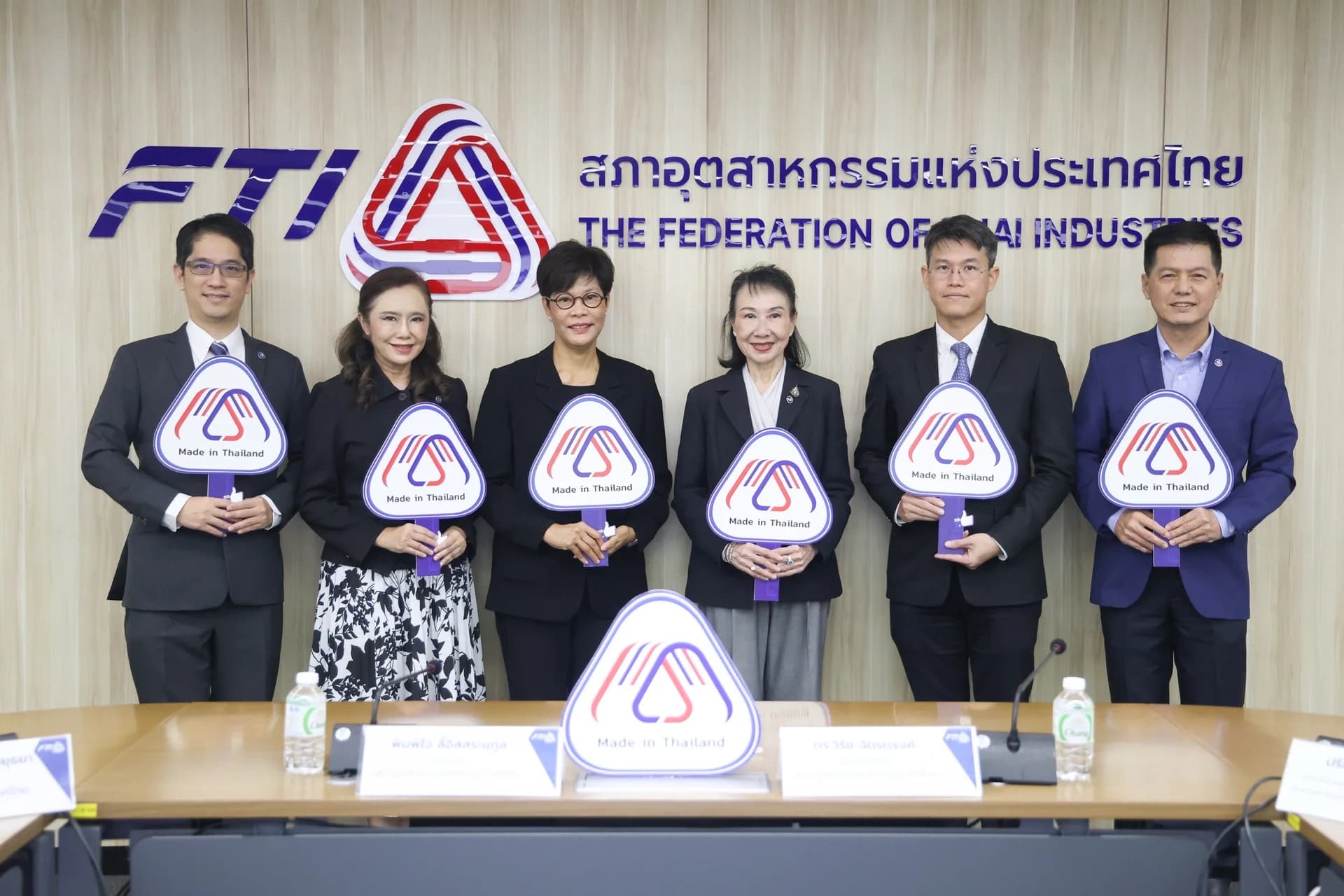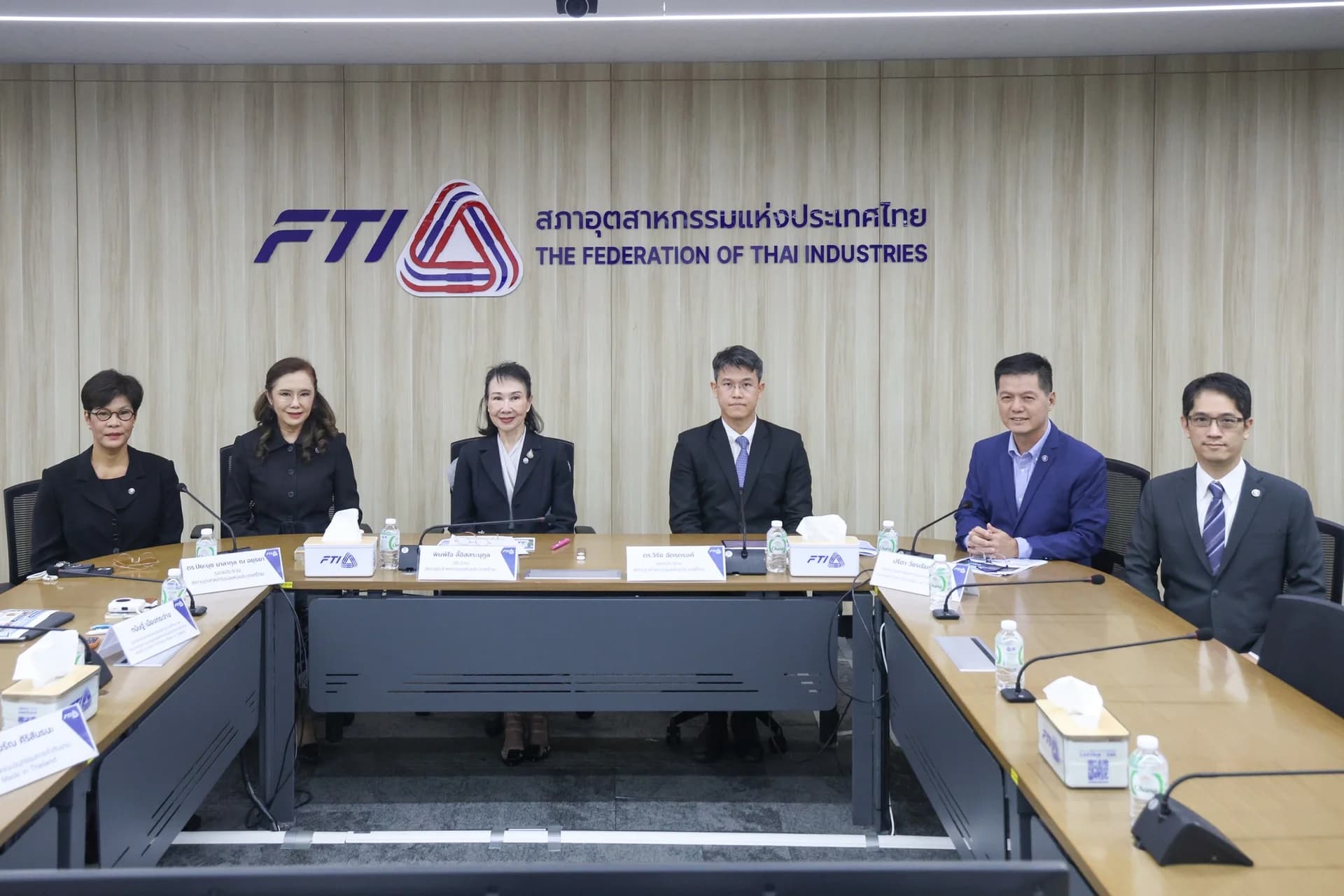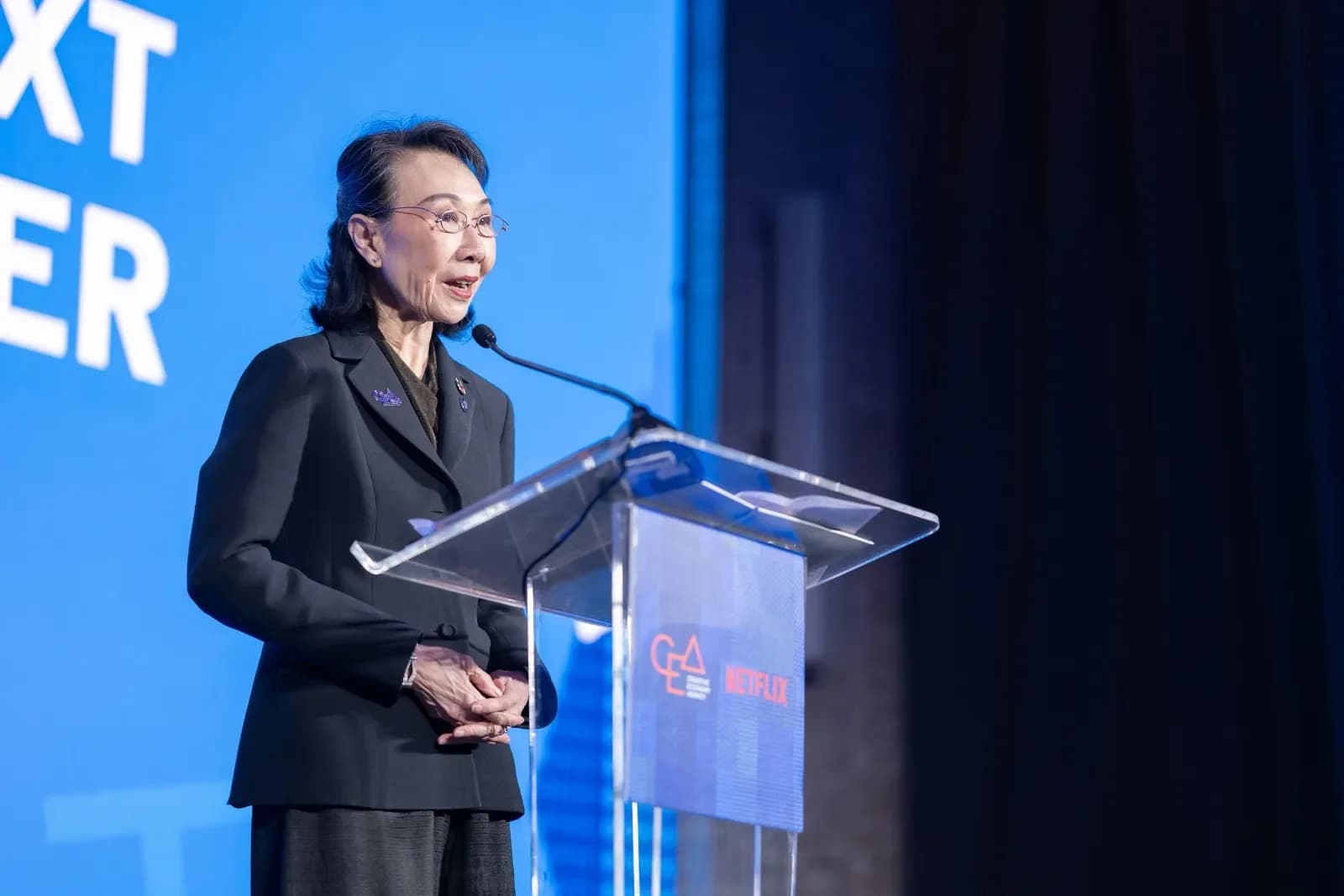

วันจันทร์ที่ 5 สิงหาคม 2567 หม่อมหลวงปีกทอง ทองใหญ่ รองประธานสภาอุตสาหกรรมแห่งประเทศไทย (ส.อ.ท.) เปิดเผยผลการสำรวจ FTI CEO Poll ครั้งที่ 40 ในเดือนกรกฎาคม 2567 ภายใต้หัวข้อ “ทิศทางเศรษฐกิจและอุตสาหกรรมไทยครึ่งปีหลัง” จากการสำรวจความเห็นของผู้บริหาร ส.อ.ท. (CEO Survey) จำนวน 143 ท่าน ครอบคลุมผู้บริหารจาก 46 กลุ่มอุตสาหกรรม และ 76 สภาอุตสาหกรรมจังหวัด เพื่อสะท้อนมุมมองและความเห็นของผู้บริหาร ส.อ.ท. ต่อแนวโน้มเศรษฐกิจและปัจจัยที่ส่งผลกระทบกับอุตสาหกรรมไทยในช่วงครึ่งปีหลังที่เหลือของปี 2567 รวมทั้งข้อเสนอแนะทั้งในส่วนของภาครัฐและภาคเอกชนที่มีต่อการขับเคลื่อนเศรษฐกิจไทย
1)ช่วงครึ่งปีแรกของปี 2567 ธุรกิจและยอดขายมีทิศทางอย่างไรเมื่อเทียบกับช่วงเวลาเดียวกันของปีก่อน
อันดับ 1 : ทรงตัว 30.8%
อันดับ 2 : หดตัว 1 - 10% 23.8%
อันดับ 3 : ขยายตัว 1 - 10% 21.0%
อันดับ 4 : หดตัวมากกว่า 10% 19.6%
อันดับ 5 : ขยายตัวมากกว่า 10% 4.9%
2)ช่วงครึ่งปีหลังของปี 2567 คาดการณ์แนวโน้มธุรกิจและยอดขายอย่างไรเมื่อเทียบกับช่วงครึ่งปีแรก
อันดับ 1 : ไม่เปลี่ยนแปลง 39.8%
อันดับ 2 : แย่ลง 32.2%
อันดับ 3 : ดีขึ้น 28.0%
3)ปัจจัยสนับสนุนที่จะส่งผลดีต่อเศรษฐกิจและอุตสาหกรรมไทยในช่วงครึ่งปีหลัง 2567
อันดับ 1 : การเร่งเบิกจ่ายงบประมาณภาครัฐในช่วงไตรมาส 3 ของปี 2567 56.0%
อันดับ 2 : ภาคการท่องเที่ยวที่ขยายตัวต่อเนื่องจากจำนวนนักท่องเที่ยวต่างชาติ 41.4%
อันดับ 3 : การส่งออกที่มีแนวโน้มขยายตัวดีขึ้นในช่วงที่เหลือของปี 2567 38.8%
อันดับ 4 : มูลค่าการลงทุนโดยตรงจากต่างประเทศ (FDI) ที่ขยายตัว 21.6% ในอุตสาหกรรมเป้าหมาย
4)ปัจจัยเสี่ยงเรื่องใดที่จะส่งผลกระทบเชิงลบต่อเศรษฐกิจและอุตสาหกรรมไทยในช่วงครึ่งปีหลัง
อันดับ 1 : การปรับขึ้นอัตราค่าจ้างขั้นต่ำ 400 บาท ทั่วประเทศ 54.5%
อันดับ 2 : ต้นทุนการผลิตที่ผันผวนอยู่ในระดับสูงทั้งจากค่าไฟฟ้า พลังงาน51.0% ราคาวัตถุดิบ และค่าขนส่ง
อันดับ 3 : สินค้าราคาถูกจากต่างประเทศเข้ามาทุ่มตลาดในประเทศ 38.5% และตลาดเป้าหมายของไทย
อันดับ 4 : กำลังซื้อของประชาชนที่ชะลอตัวจากหนี้ครัวเรือนและ NPL ที่อยู่ในระดับสูง 35.7%
5)ภาครัฐควรดำเนินมาตรการใดเพื่อช่วยเหลือและกระตุ้นเศรษฐกิจในช่วงครึ่งปีหลัง
อันดับ 1 : ส่งเสริมกลไกการจ่ายค่าจ้างแรงงานตามทักษะ (Pay by Skill) 55.9% แทนการปรับค่าแรงขั้นต่ำ
อันดับ 2 : ส่งเสริมการใช้สินค้าที่ผลิตในประเทศ หรือ Made in Thailand 50.3% ในภาคเอกชนผ่านมาตรการทางภาษี
อันดับ 3 : แก้ไขปัญหาหนี้สินของ SMEs และหนี้ครัวเรือนที่มีความเสี่ยงจะเป็นหนี้เสีย 47.6% (NPL)
อันดับ 4 : มาตรการอุดหนุนราคาพลังงานเพื่อลดต้นทุนการผลิต 41.3%
6)ผู้ประกอบการควรปรับตัวเพื่อรับมือกับความเสี่ยงที่อาจส่งผลกระทบต่อเศรษฐกิจไทยในช่วงครึ่งปีหลังอย่างไร
อันดับ 1 : นำเทคโนโลยีและนวัตกรรมมาใช้เพื่อเพิ่มประสิทธิภาพในการผลิต 67.1% และพัฒนาผลิตภัณฑ์/บริการใหม่ๆ
อันดับ 2 : นำระบบบริหารจัดการมาช่วยในการลดต้นทุนการผลิต 47.6% เช่น LEAN Manufacturing
อันดับ 3 : สร้างเครือข่ายและพันธมิตรเพื่อร่วมกันแสวงหาโอกาสทางธุรกิจ 47.6%
อันดับ 4 : ขยายตลาดใหม่หรือทำตลาดในหลายประเทศเพื่อลดความเสี่ยง 45.5% จากการพึ่งพาตลาดเดียว
7)ในช่วงครึ่งหลังของปี 2567 ภาครัฐควรเร่งปรับโครงสร้างอุตสาหกรรมในเรื่องใด
เพื่อเพิ่มขีดความสามารถในการแข่งขันในระยะยาว
อันดับ 1 : ปรับปรุงกฎหมาย กฎระเบียบ และทบทวนมาตรการส่งเสริมการลงทุน 48.3% เพื่อส่งเสริมการขยายตัวของภาคอุตสาหกรรม
อันดับ 2 : พัฒนาระบบการศึกษา และส่งเสริมการพัฒนาทักษะแรงงาน 46.9% Upskill & Reskill & Newskill ให้ตอบโจทย์ความต้องการของภาคอุตสาหกรรมในอนาคต
อันดับ 3 : ส่งเสริมการวิจัยและพัฒนาเทคโนโลยี นวัตกรรมแบบมุ่งเป้าในภาคการผลิต 42.7%
อันดับ 4 : สนับสนุนการลงทุนผลิตไฟฟ้าจากพลังงานสะอาด 26.6% และการเปลี่ยนผ่านด้านพลังงานสู่ความยั่งยืน
8)คาดการณ์ GDP เศรษฐกิจไทยทั้งปี 2567 จะขยายตัวในระดับใด
อันดับ 1 : ขยายตัวต่ำกว่า 2% 51.7%
อันดับ 2 : ขยายตัว 2 – 3% 39.9%
อันดับ 3 : ขยายตัว 3 – 4% 5.6%
อันดับ 4 : ขยายตัวมากกว่า 4% 2.8%
On Monday, August 5, 2024, Mom Luang Peekthong Thongyai, Vice Chairman of the Federation of Thai Industries (FTI), disclosed the results of the FTI CEO Poll Round 40 conducted in July 2024 under the theme “Direction of Thailand’s Economy and Industry in the Second Half of the Year.” The survey gathered opinions from 143 executives, covering 46 industry groups and 76 provincial industry councils, to reflect their views and insights on the economic trends and factors affecting Thailand's industry in the remaining half of the year 2024, as well as suggestions for both the public and private sectors in driving Thailand's economy.
1) How did business and sales trends in the first half of 2024 compare to the same period of the previous year?
Rank 1: Remained stable 30.8%
Rank 2: Contracted by 1 - 10% 23.8%
Rank 3: Expanded by 1 - 10% 21.0%
Rank 4: Contracted by more than 10% 19.6%
Rank 5: Expanded by more than 10% 4.9%
2) How do you forecast business and sales trends in the second half of 2024 compared to the first half?
Rank 1: No change 39.8%
Rank 2: Worsened 32.2%
Rank 3: Improved 28.0%
3) What supporting factors will positively impact Thailand's economy and industry in the second half of 2024?
Rank 1: Acceleration of government budget disbursement in the third quarter of 2024 56.0%
Rank 2: Continuing expansion of the tourism sector driven by foreign tourist numbers 41.4%
Rank 3: Better export growth prospects for the remaining year 2024 38.8%
Rank 4: Growth in foreign direct investment (FDI) in target industries 21.6%
4) What risk factors could negatively impact Thailand’s economy and industry in the second half?
Rank 1: Increase in the national minimum wage to 400 baht 54.5%
Rank 2: Fluctuating high production costs due to electricity prices, energy51.0%, raw material prices, and transportation costs
Rank 3: Cheap imported goods flooding the domestic market 38.5% and Thailand's target markets
Rank 4: Decline in consumer purchasing power due to household debt and high NPL levels 35.7%
5) What measures should the government undertake to assist and stimulate the economy in the second half?
Rank 1: Promote the mechanism of wage payment according to skills (Pay by Skill) 55.9% instead of raising the minimum wage
Rank 2: Encourage the use of domestically produced goods or Made in Thailand 50.3% in the private sector through tax incentives
Rank 3: Address the debt issues of SMEs and household debts at risk of becoming non-performing loans (NPL) 47.6%
Rank 4: Subsidize energy prices to reduce production costs 41.3%
6) How should entrepreneurs adapt to risks that may impact Thailand’s economy in the second half?
Rank 1: Implement technology and innovation to enhance production efficiency 67.1% and develop new products/services
Rank 2: Utilize management systems to reduce production costs 47.6% such as LEAN Manufacturing
Rank 3: Establish networks and partnerships to jointly seek business opportunities 47.6%
Rank 4: Expand into new markets or operate in multiple countries to mitigate risks 45.5% from reliance on a single market
7) In the second half of 2024, which areas should the government expedite industrial restructuring to enhance long-term competitive capability?
Rank 1: Improve laws, regulations, and review investment promotion measures 48.3% to encourage industrial sector growth
Rank 2: Develop education systems and promote workforce skills development 46.9% Upskill & Reskill & Newskill to meet future industry demands
Rank 3: Promote targeted research and development of technology and innovation in manufacturing 42.7%
Rank 4: Support investment in clean energy power production 26.6% and transition to sustainable energy
8) How is Thailand’s GDP for the whole year 2024 expected to grow?
Rank 1: Growth below 2% 51.7%
Rank 2: Growth of 2 – 3% 39.9%
Rank 3: Growth of 3 – 4% 5.6%
Rank 4: Growth above 4% 2.8%