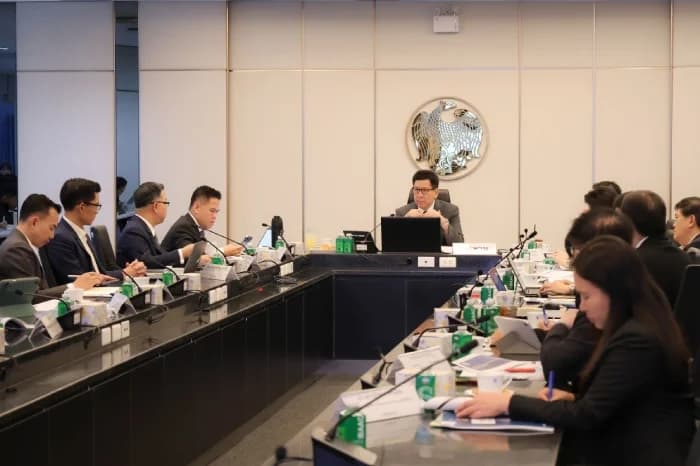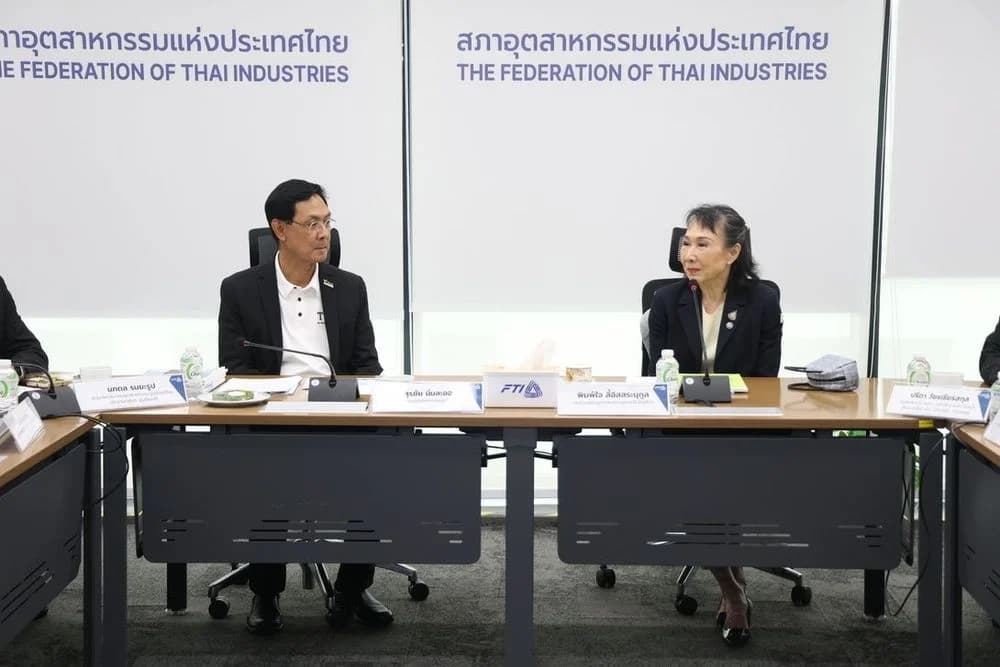
เมื่อวันพุธที่ 24 มิถุนายน 2569 นายธงชัย วณิชวิกรม กรรมการสภาอุตสาหกรรมแห่งประเทศไทย (ส.อ.ท.) และรองประธานอนุกรรมการโครงสร้างพื้นฐาน โลจิสติกส์และซัพพลายเชน สายงานอาเซียนและโลจิสติกส์ เป็นผู้แทน ส.อ.ท. เข้าร่วมงานเสวนาภายใต้หัวข้อ “Transport Resilience: การลงทุนเสริมความเชื่อมั่นต่อโครงข่ายคมนาคมในภาวะวิกฤต” ซึ่งเป็นส่วนหนึ่งของโครงการศึกษาจัดทำกรอบการดำเนินงานและแผนบริหารจัดการภัยพิบัติ เพื่อลดผลกระทบต่อโครงสร้างพื้นฐานด้านคมนาคมอย่างยั่งยืน จัดโดยสำนักงานนโยบายและแผนการขนส่งและจราจร (สนข.) ณ ห้องพญาไท 4 ชั้น 6 โรงแรมอีสติน แกรนด์ พญาไท
การเสวนาครั้งนี้ มุ่งสะท้อนภาพความท้าทายของระบบคมนาคมไทยท่ามกลางสถานการณ์ภัยพิบัติที่ทวีความรุนแรง พร้อมทั้งแลกเปลี่ยนแนวทางการเตรียมความพร้อมในอนาคต โดยมีผู้แทนจากหน่วยงานภาครัฐและภาคเอกชนร่วมแลกเปลี่ยนมุมมองเชิงนโยบายและแนวทางการลงทุน เพื่อเสริมสร้างความยืดหยุ่นและความเชื่อมั่นต่อโครงข่ายคมนาคมของประเทศ
ภายในงาน นายธงชัย ได้กล่าวว่า ภาคเอกชนควรให้ความสำคัญกับการวางแผนและการเตรียมความพร้อมเพื่อรับมือกับภัยพิบัติทางธรรมชาติ โดยเฉพาะในภาคการขนส่ง ซึ่งควรจัดทำแผนบริหารความต่อเนื่องทางธุรกิจ (Business Continuity Plan: BCP) ครอบคลุมการเตรียมเส้นทางขนส่งสำรอง ผู้ให้บริการขนส่งสำรอง คลังสินค้าสำรอง การสำรองสินค้าสำคัญ (Buffer Stock) แผนการสื่อสารกับลูกค้าและซัพพลายเออร์ (Supplier) การทำประกันภัยสินค้าและการขนส่ง ตลอดจนการจัดทำข้อตกลงล่วงหน้ากับผู้ให้บริการโลจิสติกส์ เพื่อให้สามารถระดมทรัพยากรได้อย่างรวดเร็วและมีประสิทธิภาพ รวมทั้งสามารถคาดการณ์และบริหารจัดการระบบโลจิสติกส์ที่จำเป็นได้ก่อนเกิดภัยพิบัติ
นอกจากนี้ นายธงชัย ยังกล่าวเพิ่มเติมว่า ภัยพิบัติที่ภาคเอกชนต้องเตรียมความพร้อมรับมือ ได้แก่ วิกฤตซูเปอร์เอลนีโญ (Super El Niño) ซึ่งส่งผลให้เกิดภัยแล้งและกระทบต่อภาคอุตสาหกรรม โดยสภาอุตสาหกรรมแห่งประเทศไทย (ส.อ.ท.) ได้เสนอแนวทางการรับมือ ประกอบด้วย 1) การยกระดับสู่ "เศรษฐกิจน้ำอัจฉริยะ" (Smart Water Economy & Management) 2) การเร่งรัดพัฒนาโครงสร้างพื้นฐานและการเชื่อมโยงโครงข่ายน้ำ โดยเฉพาะในพื้นที่ EEC และโครงการอ่างเก็บน้ำคลองวังโตนด เพื่อเพิ่มศักยภาพในการกักเก็บน้ำและยกระดับประสิทธิภาพการบริหารจัดการน้ำ และ 3) การส่งเสริมการพัฒนาระบบน้ำหมุนเวียน (Water Recycling Infrastructure) เพื่อเพิ่มประสิทธิภาพการใช้น้ำและสร้างความมั่นคงด้านทรัพยากรน้ำให้แก่ภาคอุตสาหกรรมอย่างยั่งยืน
การเสวนาครั้งนี้ ถือเป็นอีกก้าวสำคัญของการบูรณาการองค์ความรู้และความร่วมมือจากทุกภาคส่วน เพื่อยกระดับการบริหารจัดการด้านคมนาคมให้สามารถรับมือกับภัยพิบัติได้อย่างมีประสิทธิภาพ ลดผลกระทบต่อโครงสร้างพื้นฐาน และเสริมสร้างความยั่งยืนของระบบคมนาคมไทยในอนาคต
On Wednesday, June 24, 2026, Mr. Thongchai Wanichwikan, a member of the Federation of Thai Industries (FTI) and Vice Chairman of the Subcommittee on Infrastructure, Logistics and Supply Chain for ASEAN and Logistics, represented the FTI at a seminar under the topic “Transport Resilience: Investing to Build Confidence in Transportation Networks During Crises.” This seminar is part of a project to study and develop a framework for disaster management operations and plans to sustainably mitigate the impact on transportation infrastructure, organized by the Office of Transport and Traffic Policy and Planning (OTP) at Phayathai Room 4, 6th Floor, Eastin Grand Hotel Phayathai.
This seminar aimed to reflect on the challenges facing the Thai transportation system amid increasingly severe disaster situations, while exchanging future preparedness strategies. Representatives from both government and private sectors participated in sharing policy perspectives and investment strategies to enhance resilience and confidence in the country’s transportation network.
During the event, Mr. Thongchai mentioned that the private sector should prioritize planning and preparedness for natural disasters, particularly in the transportation sector. A Business Continuity Plan (BCP) should be implemented, encompassing contingency transportation routes, alternative transport service providers, backup warehouses, buffer stock, communication plans with customers and suppliers, insurance for goods and transportation, as well as advance agreements with logistics service providers to ensure quick and effective resource mobilization, alongside the capability to predict and manage necessary logistics systems before disasters occur.
Additionally, Mr. Thongchai further noted that disasters the private sector must prepare for include the Super El Niño crisis, which leads to drought and impacts the industrial sector. The Federation of Thai Industries (FTI) proposed coping strategies, which include 1) upgrading to a “Smart Water Economy & Management,” 2) accelerating infrastructure development and linking water networks, especially in the EEC area and the Klong Wang Tonod reservoir project to enhance water storage capacity and improve water management efficiency, and 3) promoting the development of water recycling infrastructure to enhance water use efficiency and ensure sustainable water resource security for the industrial sector.
This seminar represents another significant step in integrating knowledge and cooperation from all sectors to improve transportation management that can effectively respond to disasters, reduce impacts on infrastructure, and enhance the sustainability of the Thai transportation system in the future.