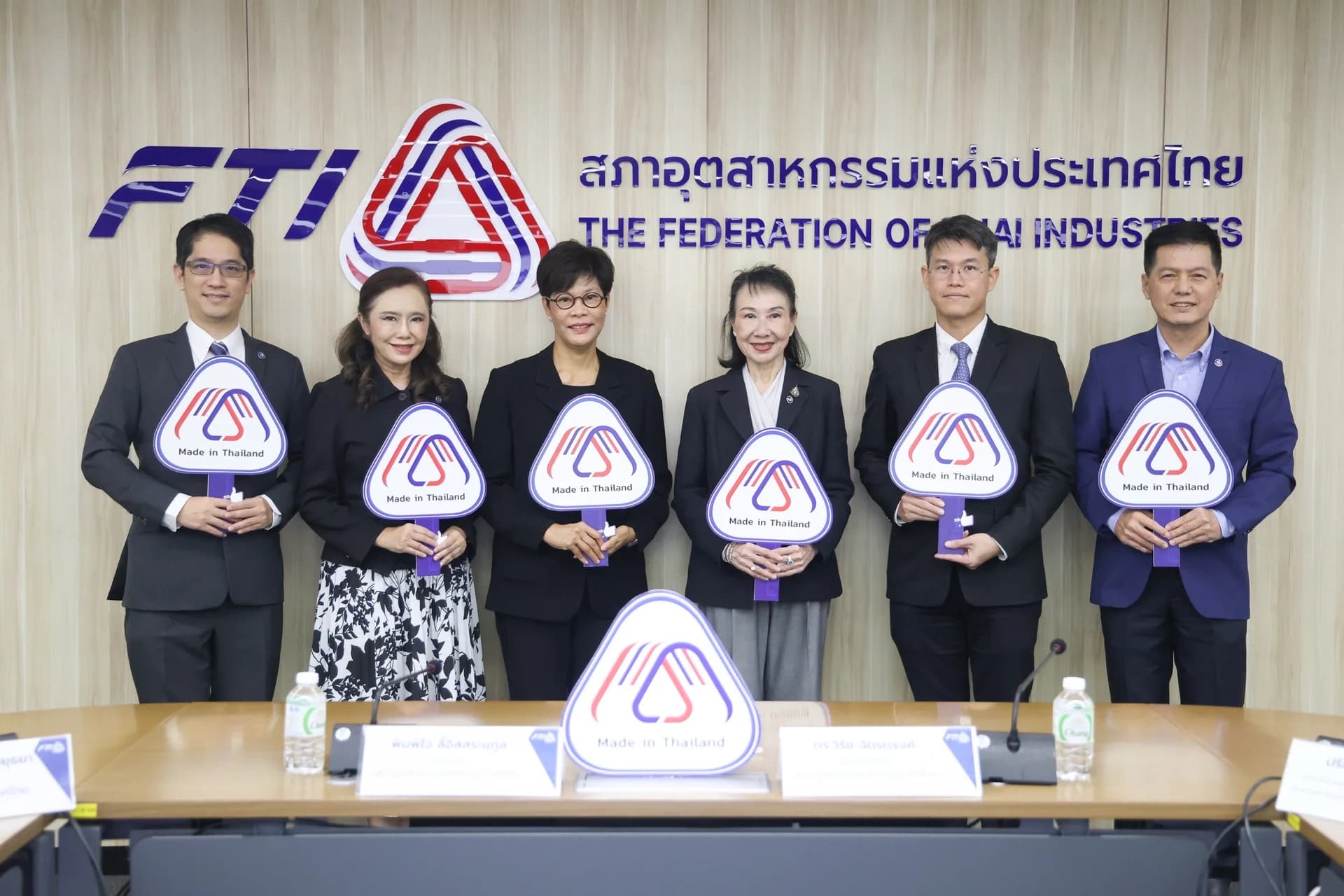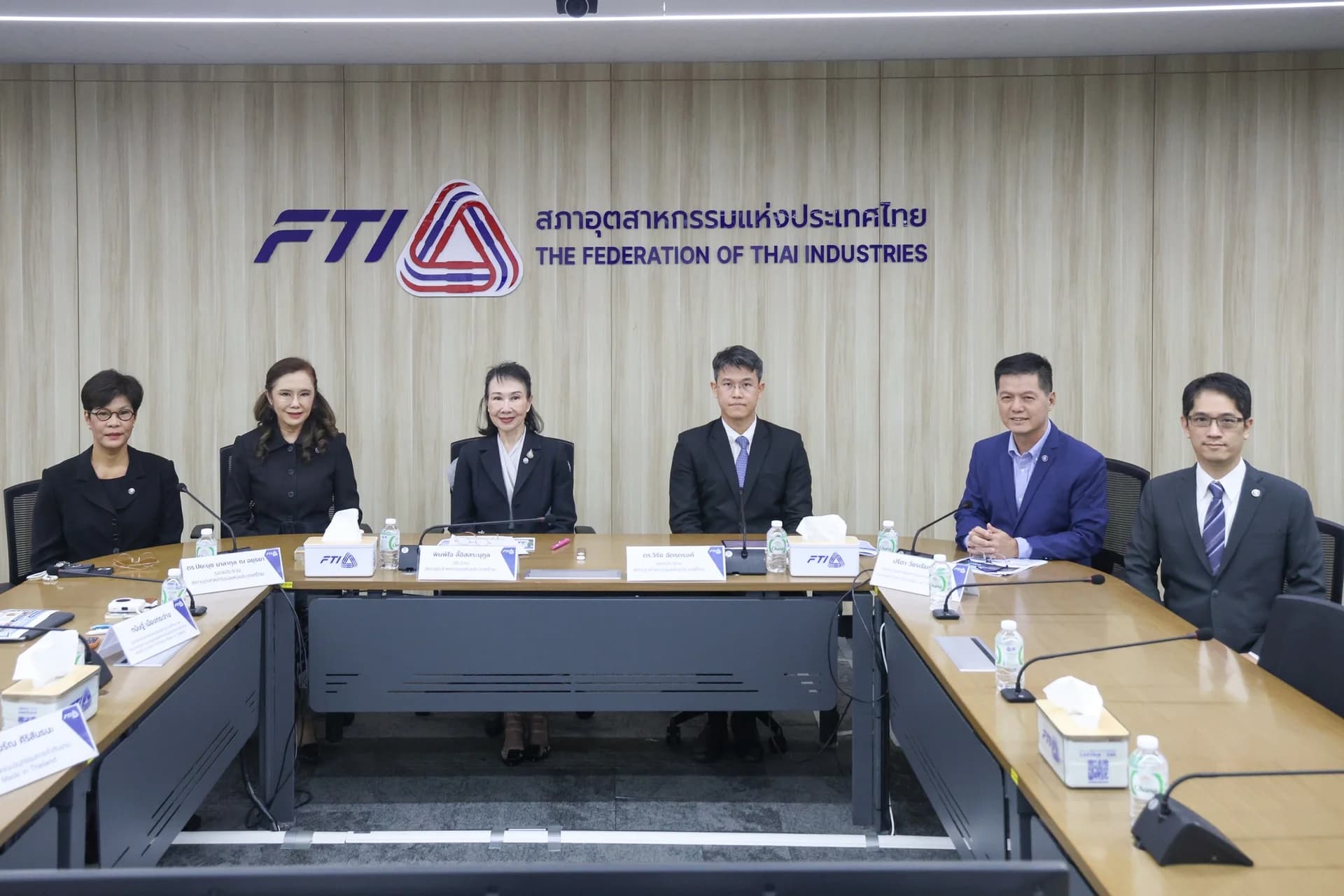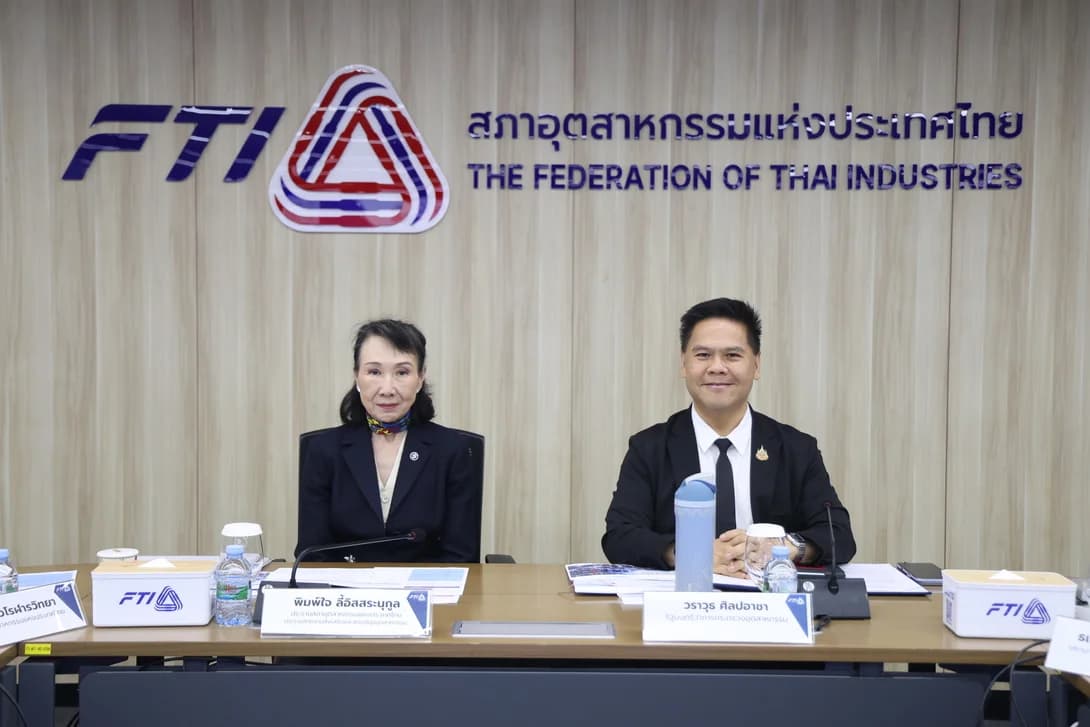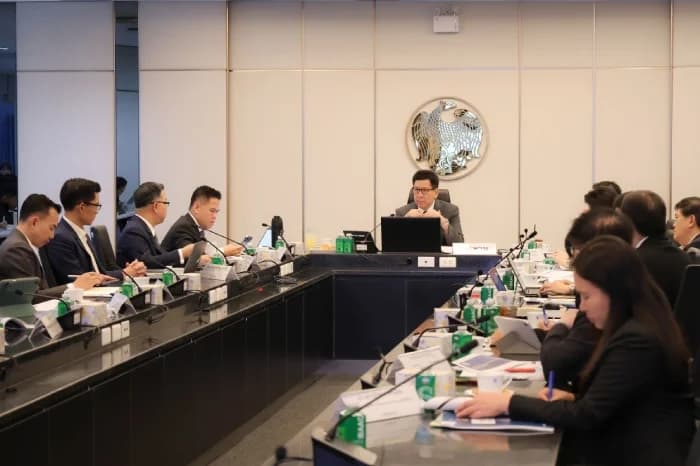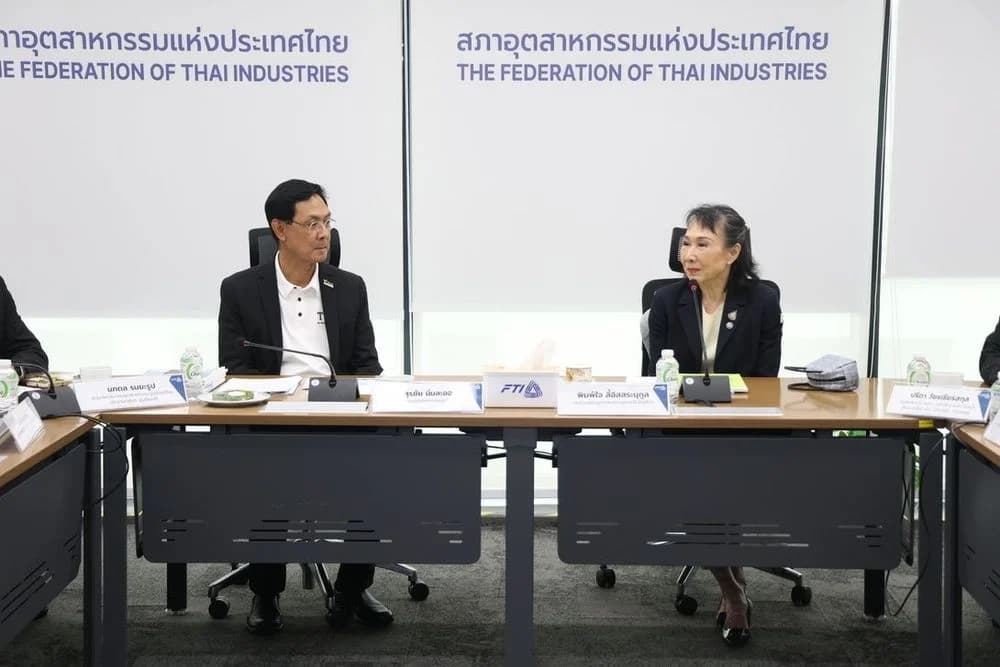

วันที่ 27 มิถุนายน 2567 สภาอุตสาหกรรมแห่งประเทศไทย (ส.อ.ท.) โดย Cluster of FTI Future Mobility-ONE หรือ CFM-ONE จัดงานเสวนา “การขับเคลื่อนอุตสาหกรรมเครื่องมือแพทย์ รองรับการเปลี่ยนผ่านอุตสาหกรรมชิ้นส่วนยานยนต์ (Part Transformation)” เพื่อให้เกิดการแลกเปลี่ยนประสบการณ์และองค์ความรู้ระหว่างกลุ่มอุตสาหกรรมถึงโอกาสความเป็นไปได้ในการปรับเปลี่ยนธุรกิจชิ้นส่วนยานยนต์สู่อุตสาหกรรมเป้าหมายใหม่ (New S-Curve) ณ ห้องรัตนโกสินทร์ (ชั้น 1) โรงแรมเดอะสุโกศล
นายอิศเรศ รัตนดิลก ณ ภูเก็ต รองประธานสภาอุตสาหกรรมแห่งประเทศไทย (ส.อ.ท.) กล่าวว่า ส.อ.ท. ภายใต้นโยบาย ONE FTI. มีแนวทางการขับเคลื่อนอุตสาหกรรมไทยจากอุตสาหกรรมดั้งเดิม (First Industries) ซึ่งประกอบไปด้วย 46 กลุ่มอุตสาหกรรม 11 คลัสเตอร์ 76 สภาอุตสาหกรรมจังหวัด สู่อุตสาหกรรมใหม่ (Next-Gen Industries) ซึ่งมีอุตสาหกรรมยานยนต์สมัยใหม่เป็นหนึ่งในอุตสาหกรรม S-Curve ดังนั้น ส.อ.ท. จึงมีแนวทางการจัดตั้ง Cluster of FTI Future Mobility-ONE หรือ CFM-ONE เพื่อสร้างความร่วมมือระหว่างกลุ่มอุตสาหกรรมที่เกี่ยวข้องตลอดห่วงโซ่อุปทาน (Supply Chain) ของยานยนต์สมัยใหม่กว่า 14 กลุ่มอุตสาหกรรม ประกอบกับประเทศไทยอยู่ในช่วงการเปลี่ยนผ่านอุตสาหกรรมยานยนต์ไฟฟ้าและพลังงานทางเลือกอื่นๆ ซึ่งคาดกันว่าจะส่งผลให้อุตสาหกรรมชิ้นส่วนยานยนต์ทั้ง Supply Chain ต้องปรับตัว โดยส่วนหนึ่งสามารถปรับเปลี่ยนสู่อุตสาหกรรมเครื่องมือแพทย์ ทั้งนี้ ประเด็นสำคัญ คือ นอกเหนือจากที่ธุรกิจต้องหาแนวทางในการปรับเปลี่ยนธุรกิจแล้ว ภาครัฐจะต้องมีบทบาทสำคัญในการรองรับการเปลี่ยนผ่านดังกล่าว รวมถึงการขับเคลื่อนอุตสาหกรรมเครื่องมือแพทย์ในทุกมิติ ทั้งการสนับสนุนอุตสาหกรรมการผลิต การพัฒนามาตรฐาน การวิจัยและนวัตกรรม การส่งเสริมการใช้สินค้าเครื่องมือแพทย์ในประเทศ และการอำนวยความสะดวกทางธุรกิจ ซึ่งจะเป็นแนวทางสำคัญในการพัฒนาอุตสาหกรรมพร้อมกับรองรับอุตสาหกรรมอื่นๆ และสร้างความสามารถในการแข่งขันให้กับอุตสาหกรรมไทย
นางสาวยุพิน บุญศิริจันทร์ ประธาน Cluster of FTI Future Mobility-ONE และประธานกลุ่มอุตสาหกรรมยานยนต์ สภาอุตสาหกรรมแห่งประเทศไทย (ส.อ.ท.) กล่าวว่า ด้วยบริบทของอุตสาหกรรมยานยนต์ไทยที่ประสบกับความท้าทายจากการเปลี่ยนแปลงสภาพภูมิอากาศ (Climate Change) การเปลี่ยนแปลงเทคโนโลยีการผลิต (Technology Disruption) รวมถึงมีการออกมาตรการที่ชัดเจนว่าตั้งแต่ปี 2573 (ค.ศ. 2030) จะมีการขายยานยนต์ประเภทสันดาปภายในให้ลดลง โดยเฉพาะในประเทศยุโรปและสหรัฐอเมริกา ดังนั้น ประเทศไทยจึงต้องเตรียมพร้อมและปรับตัวกับการเปลี่ยนแปลงที่จะเกิดขึ้น ด้วยเหตุนี้ Cluster of FTI Future Mobility-ONE จึงมีแนวทางการขับเคลื่อนอุตสาหกรรมยานยนต์และชิ้นส่วนไทย ภายใต้แนวคิด “Strong global production hub with industry transformation” โดยมีข้อเสนอ อาทิ การรักษาและต่อยอดความเป็นฐานการผลิตยานยนต์และชิ้นส่วนให้สามารถแข่งขันได้ในตลาดโลก การสร้างอุตสาหกรรมยานยนต์และชิ้นส่วนสมัยใหม่ เตรียมพร้อมสู่ความเป็นกลางทางคาร์บอน (Carbon Neutrality) และที่สำคัญ CFM-ONE ผลักดันให้เกิดการขับเคลื่อนข้อเสนอให้ชิ้นส่วนยานยนต์ไทยปรับตัวสู่อุตสาหกรรมสมัยใหม่ (Parts Transformation) เช่น ระบบราง หรือเครื่องมือแพทย์ ทั้งนี้ ผู้ประกอบการอุตสาหกรรมชิ้นส่วนยานยนต์ถือว่ามีศักยภาพเพียงพอที่จะสามารถปรับเปลี่ยนหรือสร้างโอกาสทางธุรกิจใหม่ๆ ที่เดิมผลิตชิ้นส่วนเพื่อโรงงานผลิตยานยนต์เท่านั้น มาเป็นกระจายความเสี่ยงทางธุรกิจ (Diversification Strategy) และต่อยอดสู่การผลิตชิ้นส่วนหรือผลิตภัณฑ์เครื่องมือแพทย์ เนื่องจากผู้ผลิตชิ้นส่วนยานยนต์ไทย มีความสามารถในแง่การผลิต เพื่อให้ได้มาตรฐาน มีคุณภาพ และมีต้นทุนที่สามารถแข่งขันได้
นายสุพจน์ สุขพิศาล เลขาธิการ Cluster of FTI Future Mobility-ONE และประธานกลุ่มอุตสาหกรรมชิ้นส่วนและอะไหล่ยานยนต์ สภาอุตสาหกรรมแห่งประเทศไทย (ส.อ.ท.) กล่าวว่า อุตสาหกรรมชิ้นส่วนยานยนต์ไทย ถือเป็นอุตสาหกรรมที่ต้องได้รับการสนับสนุนในช่วงเปลี่ยนผ่านในเชิงต้นทุน ทักษะและเทคโนโลยี เพื่อรักษาธุรกิจ การจ้างงาน พร้อมทั้งการยกระดับการผลิต และการพัฒนาผลิตภัณฑ์เพื่อตอบโจทย์อุตสาหกรรมยานยนต์แห่งอนาคต หรือในบางธุรกิจที่ไม่สามารถไปต่อกับอุตสาหกรรมยานยนต์ได้ ยังสามารถพัฒนาไปอุตสาหกรรมเป้าหมายอื่นๆ เช่น ระบบรางหรือเครื่องมือแพทย์ ซึ่งเป็นอุตสาหกรรมที่ใกล้เคียงกับผู้ผลิตชิ้นส่วนยานยนต์ โดยปัจจุบันมีผู้ผลิตชิ้นส่วนยานยนต์ เริ่มประกอบธุรกิจที่มีความหลากหลาย เช่น การเข้าสู่อุตสาหกรรมเครื่องมือแพทย์มากขึ้น โดยผลิตสินค้าที่มีความเสี่ยงทางการแพทย์ไม่สูงมากนัก ทั้งนี้ ภาครัฐควรจะเข้ามามีบทบาทสำคัญในการส่งเสริมการเปลี่ยนผ่าน โดยผลักดันให้มีการกำหนดสัดส่วนการใช้ผลิตภัณฑ์ภายในประเทศ หรือออกนโยบายสนับสนุนการซื้อหรือผลิตเพื่อให้ผู้ผลิตชิ้นส่วนสามารถเข้าสู่ supply chain ของอุตสาหกรรมอื่นในการจัดซื้อจัดจ้างภาครัฐหรือเอกชนมากขึ้น
นายจารุเดช คุณะดิลก รองประธาน Cluster of FTI Future Mobility-ONE และประธานกลุ่มอุตสาหกรรมผู้ผลิตเครื่องมือแพทย์ สภาอุตสาหกรรมแห่งประเทศไทย (ส.อ.ท.) กล่าวว่า ในนามอุตสาหกรรมเครื่องมือแพทย์ มีความยินดีที่จะสร้างความร่วมมือกับกลุ่มอุตสาหกรรมชิ้นส่วนและอะไหล่ ยานยนต์ ในการหาผลิตภัณฑ์เครื่องมือแพทย์ที่มีความเป็นไปได้ มาผลิตหรือดัดแปลง จากชิ้นส่วนยานยนต์ โดยหาแนวทางการสนับสนุนด้านการวิจัยและนวัตกรรมจากหน่วยงานภาครัฐที่เกี่ยวข้องเพิ่มเติม เพื่อส่งเสริมห่วงโซ่อุปทานสำหรับการผลิตเครื่องมือแพทย์
ในปัจจุบันอุตสาหกรรมเครื่องมือแพทย์ยังมีข้อจำกัดหลายประการ อาทิ องค์ความรู้ว่าด้วยมาตรฐานทางการแพทย์ เทคโนโลยีการผลิต กระบวนการคิดค้นเครื่องมือแพทย์เพื่อออกสู่ตลาดที่มีความซับซ้อน อัตราภาษีนำเข้าเครื่องมือแพทย์สำเร็จรูปที่อยู่ในระดับต่ำ ทำให้ผลิตภัณฑ์เครื่องมือแพทย์ในประเทศที่นำเข้าวัตถุดิบมาผลิตไม่สามารถแข่งขันได้ อีกทั้งยังขาดนโยบายการสนับสนุนให้โรงพยาบาล ใช้ผลิตภัณฑ์เครื่องมือแพทย์ที่ผลิตจากการวิจัยและการพัฒนาภายในประเทศ รวมถึงมาตรฐานและข้อกำหนดของเครื่องมือแพทย์จากภาครัฐที่มีความหลากหลายและแตกต่างกันในแต่ละลำดับชั้นของเวชภัณฑ์ที่จำแนกตามระดับความเสี่ยงในการใช้งาน
“ภาครัฐจะต้องเข้ามาสนับสนุนอุตสาหกรรมเครื่องมือแพทย์ในประเทศให้เกิดขึ้นอย่างเป็นรูปธรรม โดยเร่งรัดพิจารณาแผนปฏิบัติการด้านการพัฒนาอุตสาหกรรมเครื่องมือแพทย์ เพื่อส่งเสริมการใช้เครื่องมือแพทย์ที่ผลิตโดยคนไทยให้ได้ก่อนเป็นลำดับแรก ตั้งแต่การปรับปรุงกฎระเบียบการจัดซื้อจัดจ้างภาครัฐ การสนับสนุนมาตรการด้านภาษีให้สถานพยาบาลที่เป็นภาคเอกชนให้เอื้อต่อการใช้เครื่องมือแพทย์ที่ผลิตในประเทศ การสร้างความเชื่อมั่นในการใช้งานเครื่องมือแพทย์ที่ผลิตในประเทศให้แก่ผู้ใช้งานตามสถานพยาบาล ที่ผ่านกระบวนการการรับรองหรือขึ้นทะเบียนกับสำนักงานคณะกรรมการอาหารและยา (อย.) การให้ข้อมูลเครื่องมือแพทย์ที่มีการเบิกจ่ายงบประมาณรัฐที่สูง เพื่อเป็นข้อมูลการตลาดให้ผู้ผลิตและนักวิจัย โดยเฉพาะโรงเรียนแพทย์และหน่วยวิจัยของภาครัฐ การผลักดันนวัตกรรมเครื่องมือแพทย์สู่เชิงพาณิชย์ และสามารถขยายการผลิตสู่ Mass Production พร้อมกับเตรียมความพร้อมห้องปฏิบัติการที่จำเป็นต่อการทดสอบเครื่องมือแพทย์ที่ผลิตได้ในไทยให้เป็นไปตามมาตรฐานสากล เช่น ISO17025 หรือ IEC60601 ในราคาที่เหมาะสม และมีขั้นตอนรวดเร็ว รวมถึงการยกเว้นพิกัดภาษีนำเข้าวัตถุดิบหรือชิ้นส่วนที่จำเป็นต่อการผลิตเครื่องมือแพทย์ เพื่อยกระดับและส่งเสริมขีดความสามารถให้แก่ผู้ประกอบการเครื่องมือแพทย์ของไทยต่อไป” นายจารุเดช กล่าวเสริม
.………………………………………………………………
เผยแพร่โดย ฝ่ายสื่อสารองค์กร สภาอุตสาหกรรมแห่งประเทศไทย (โทร. 0-2345-1013)
จัดทำข้อมูลโดย ฝ่ายส่งเสริมและสนับสนุนอุตสาหกรรม สภาอุตสาหกรรมแห่งประเทศไทย (โทร. 0-2345-1170)
On June 27, 2024, the Federation of Thai Industries (FTI), through the Cluster of FTI Future Mobility-ONE (CFM-ONE), organized a seminar titled “Driving the Medical Device Industry to Support the Transition of the Automotive Parts Industry (Part Transformation)” to facilitate the exchange of experiences and knowledge among industry groups regarding the possibilities of transforming the automotive parts business towards a new target industry (New S-Curve) at the Rattanakosin Room (1st Floor) of The Sukosol Hotel.
Mr. Isaret Rattandilok Na Phuket, Vice President of the Federation of Thai Industries (FTI) stated that FTI, under the ONE FTI policy, has a framework for driving the Thai industry from traditional industries (First Industries), which include 46 industry groups, 11 clusters, and 76 provincial industry councils, to new industries (Next-Gen Industries), with modern automotive manufacturing being one of the S-Curve industries. Therefore, FTI has established the Cluster of FTI Future Mobility-ONE (CFM-ONE) to foster collaboration among over 14 industry groups related to the modern automotive supply chain, combined with Thailand being in a transition period towards electric vehicles and other alternative energy sources, which is expected to require the automotive parts industry and its supply chain to adapt. Part of this transformation can be redirected towards the medical device industry. Importantly, beyond the need for businesses to find ways to shift, the government must play a significant role in supporting this transition, including driving the medical device industry in all dimensions, such as supporting manufacturing, developing standards, conducting research and innovation, promoting the use of medical device products domestically, and facilitating business operations, which will be a critical pathway for industrial development alongside supporting other industries and enhancing competitiveness in the Thai industry.
Ms. Yupin Boonsirichan, Chair of the Cluster of FTI Future Mobility-ONE and President of the Automotive Industry Group of the Federation of Thai Industries (FTI), stated that given the context of the Thai automotive industry facing challenges from climate change, technological disruption, and the implementation of clear measures stating that from 2030 there will be a reduction in sales of internal combustion engine vehicles, particularly in Europe and the United States, Thailand must prepare and adapt to the upcoming changes. Thus, the Cluster of FTI Future Mobility-ONE aims to drive the automotive and parts industry under the concept of “Strong global production hub with industry transformation,” with proposals such as maintaining and enhancing the competitiveness of the automotive and parts production base in the global market, creating a modern automotive and parts industry ready for carbon neutrality, and importantly pushing for the transformation of Thai automotive parts towards modern industries (Parts Transformation), such as rail systems or medical devices. The automotive parts manufacturers have sufficient potential to adapt or create new business opportunities, diversifying from solely producing parts for automotive manufacturers to expanding into producing medical parts or products, as Thai automotive parts manufacturers possess production capabilities that meet standards, quality, and competitive costs.
Mr. Supach Sukpisan, Secretary-General of the Cluster of FTI Future Mobility-ONE and President of the Automotive Parts and Components Industry Group of the Federation of Thai Industries (FTI) stated that the Thai automotive parts industry needs support during this transition regarding cost, skills, and technology to sustain business and employment while advancing production levels and developing products to meet the future automotive industry's needs. In certain sectors that cannot continue in the automotive industry, they can still evolve towards other target industries, such as rail systems or medical devices, which are closely related to automotive parts production. Currently, automotive parts manufacturers are increasingly diversifying their business, such as entering into the medical device industry by producing products with manageable medical risks. The government should play an important role in promoting this transformation by establishing local procurement ratios or implementing policies to encourage purchases or production to allow parts manufacturers to enter the supply chains of other industries in public or private procurement.
Mr. Jarudech Khunadilok, Vice President of the Cluster of FTI Future Mobility-ONE and President of the Medical Device Manufacturing Industry Group of the Federation of Thai Industries (FTI) expressed that, on behalf of the medical device industry, we are pleased to collaborate with automotive parts and components groups in developing feasible medical device products for production or modification from automotive parts. This involves seeking additional support for research and innovation from relevant government agencies to promote the supply chain for medical device production.
Currently, the medical device industry faces several limitations, such as knowledge regarding medical standards, production technology, and the complex processes of innovating medical devices for market introduction. The low import tariffs on ready-made medical devices hinder the competitiveness of domestically produced medical products that rely on imported raw materials. Moreover, there is a lack of supportive policies for hospitals to use medical products developed through domestic research and development, and the varied standards and regulations for medical devices from the government differ across the layers of medical products classified according to their risk levels in usage.
“The government must provide tangible support to the domestic medical device industry by expediting consideration of the action plan for the development of the medical device industry to promote the use of medical devices manufactured by Thais first, starting with the revision of public procurement regulations, supporting tax measures for private healthcare facilities to facilitate the use of domestically produced medical devices, building confidence in the usage of domestically produced medical devices through a certification process with the Food and Drug Administration (FDA), providing data on high-budget public healthcare devices for marketers and researchers, especially among medical schools and government research units, pushing medical device innovations into commercial avenues, and expanding production to mass production with the required laboratories ready for testing medical devices produced domestically according to international standards such as ISO 17025 or IEC 60601 at reasonable costs with prompt procedures, as well as exempting import tariffs on raw materials or parts necessary for medical device production to upgrade and enhance the capabilities of Thai medical device manufacturers,” Mr. Jarudech added.
.………………………………………………………………
Released by the Corporate Communications Department, Federation of Thai Industries (Tel: 0-2345-1013)
Prepared by the Industry Promotion and Support Department, Federation of Thai Industries (Tel: 0-2345-1170)