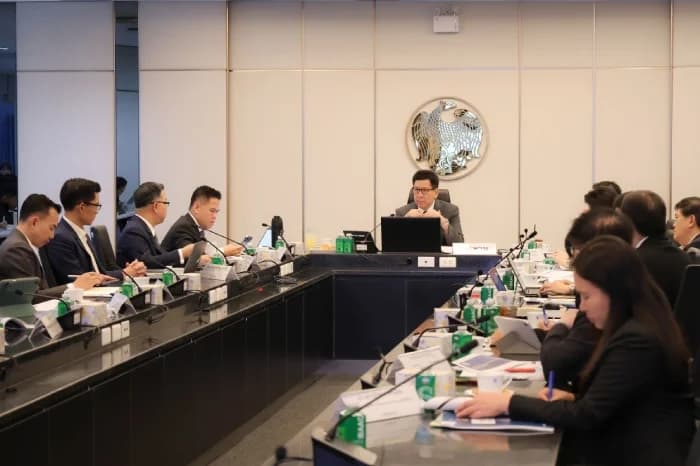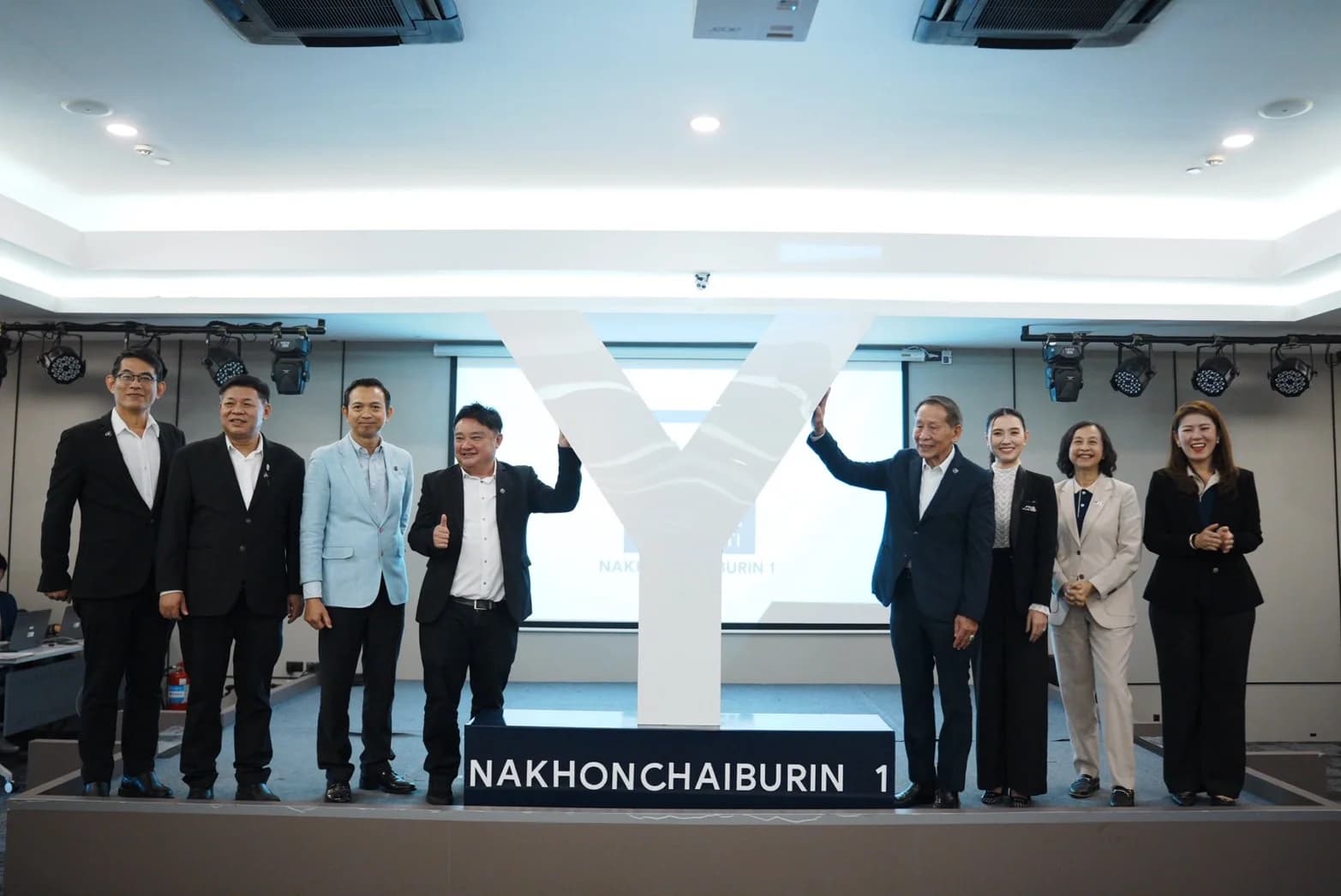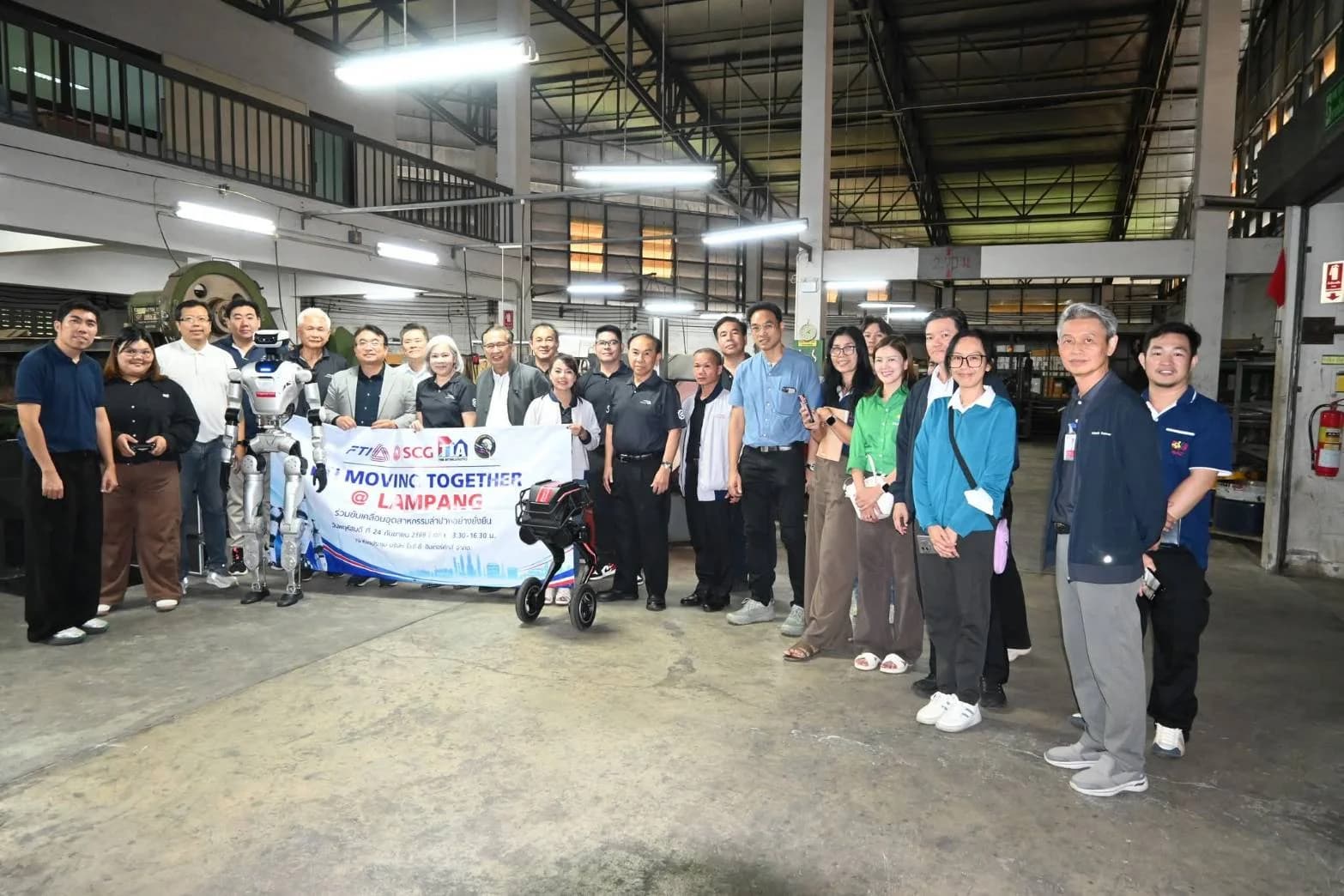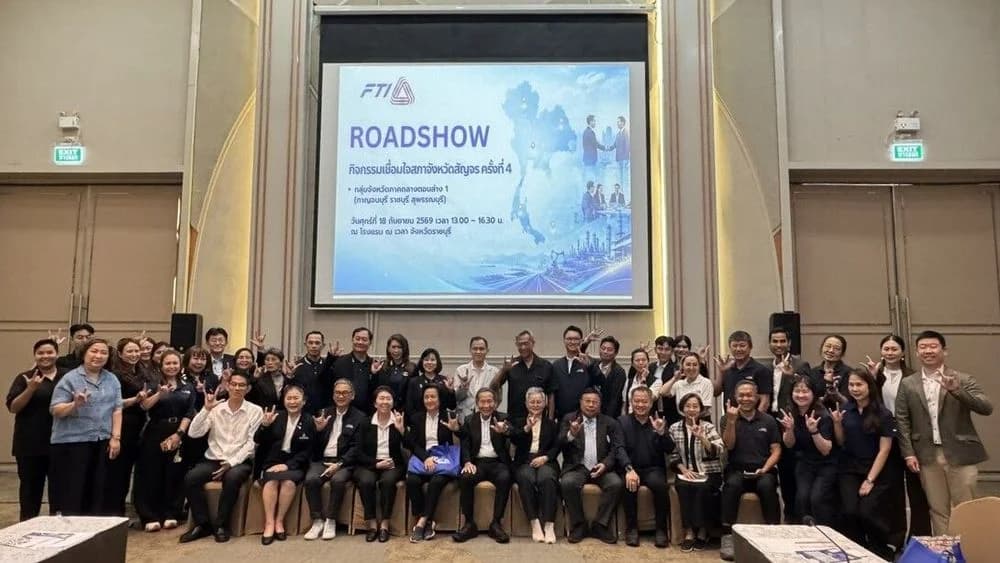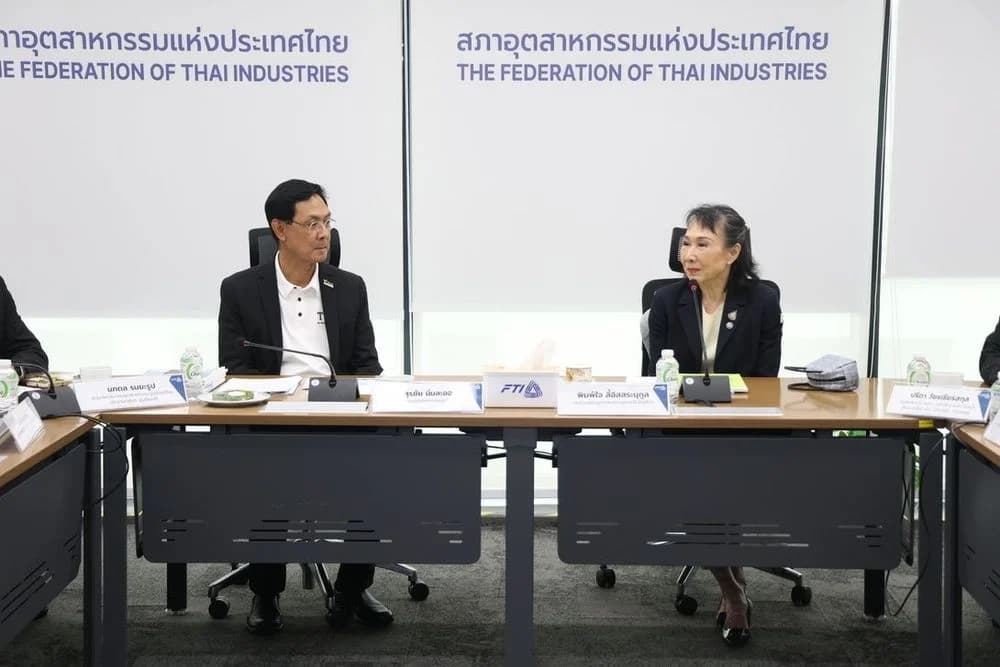
นายเกรียงไกร ได้นำเสนอความท้าทายของเศรษฐกิจโลกในปัจจุบัน โดยภาคอุตสาหกรรมไทยกำลังเผชิญกับความท้าทาย ทั้งปัญหาการเปลี่ยนแปลงทางเทคโนโลยี ดิจิทัล ปัญหาความขัดแย้งทางภูมิรัฐศาสตร์ จากทั้งปัญหาสงครามการค้าสหรัฐอเมริกา-จีนที่ยังคงอยู่ และสงครามรัสเซีย-ยูเครนที่ยังยืดเยื้อ ซึ่งเป็นเหตุให้เกิด Supply Chain Disruption นอกจากนี้ ยังมีผลกระทบต่อเนื่องจากการระบาดของโควิด-19 ที่ทำให้เศรษฐกิจโลกเสี่ยงเข้าสู่ภาวะถดถอย รวมถึงปัญหาการเปลี่ยนแปลงทางภูมิอากาศ
นอกจากนี้ นายเกรียงไกร ยังนำเสนอแนวทางการปรับตัวของภาคอุตสาหกรรม โดยการยกระดับขีดความสามารถในการแข่งขันของในอุตสาหกรรมเดิม (First-Industries) ได้แก่ 1. เปลี่ยนจากการผลิตแบบ OEM เป็น ODM หรือ OBM 2. นำเทคโนโลยี ดิจิทัล เครื่องจักร และระบบ Automation มาประยุกต์ใช้ในกระบวนการผลิต 3. ปรับเปลี่ยนโครงสร้างการดำเนินธุรกิจ จากการผลิตเพื่อกำไร เป็นการผลิตที่ควบคู่ไปกับการดูแลสิ่งแวดล้อม 4. พัฒนาทักษะฝีมือแรงงานจาก Unskilled Labor ให้เป็น High-Skilled Labor รวมถึง การลงทุนในอุตสาหกรรมใหม่หรืออุตสาหกรรมแห่งอนาคต (Next-GEN Industries) ที่ประกอบด้วย 12 อุตสาหกรรมเป้าหมาย (S-Curves) และพัฒนาอุตสาหกรรมที่ขับเคลื่อนด้วยโมเดลเศรษฐกิจใหม่ที่เรียกว่า “BCG” (Bio-Circular-Green Economy) หรือเศรษฐกิจชีวภาพ-เศรษฐกิจหมุนเวียน-เศรษฐกิจสีเขียว ซึ่งจะมีบทบาทในทุกอุตสาหกรรม ตลอดจนการรับมือกับการเปลี่ยนแปลงทางภูมิอากาศ (Climate Change) ในภาคอุตสาหกรรม จากมาตรการกีดกันทางการค้า เช่น Carbon Border Adjustment Mechanism หรือ CBAM ของสหภาพยุโรป ซึ่งยุคปัจจุบันประเด็นด้านสิ่งแวดล้อมจะเป็นจุดเปลี่ยนแปลงครั้งใหญ่ที่จะขับเคลื่อนไทยสู่เป้าหมาย SDGs (Sustainable Development Goals) รวมถึงแนวทาง 4 Go ที่จะยกระดับ SMEs สู่ Smart SMEs ได้แก่ Go Digital, Go Innovation, Go Global และ Go Green ที่ภาคอุตสาหกรรมต้องให้ความสำคัญ เพื่อที่จะสามารถแข่งขันได้ในตลาดโลก พัฒนาเศรษฐกิจและอุตสาหกรรม และยกระดับขีดความสามารถในการแข่งขันของประเทศไทยให้ดีขึ้นอย่างยั่งยืน
Mr. Kriangkrai presented the challenges of the current global economy, where the Thai industrial sector is facing difficulties due to technological changes, digital issues, and geopolitical conflicts, including the ongoing U.S.-China trade war and the protracted Russia-Ukraine war, which have caused Supply Chain Disruption. Additionally, there are ongoing impacts from the COVID-19 pandemic that have put the global economy at risk of recession, as well as issues related to climate change.
Furthermore, Mr. Kriangkrai presented adaptation strategies for the industrial sector by enhancing the competitiveness of existing industries (First-Industries) through: 1. Transitioning from OEM production to ODM or OBM 2. Utilizing digital technology, machinery, and automation systems in production processes 3. Changing the business operational structure from profit-driven production to production that also considers environmental care 4. Developing skilled labor from Unskilled Labor to High-Skilled Labor, alongside investing in new industries or future industries (Next-GEN Industries) comprising 12 targeted industries (S-Curves) and developing industries driven by a new economic model called “BCG” (Bio-Circular-Green Economy), which will play a role in all sectors, as well as addressing climate change in the industrial sector, stemming from trade barriers such as the Carbon Border Adjustment Mechanism (CBAM) of the European Union. In the current era, environmental issues will be a significant turning point that drives Thailand towards the SDGs (Sustainable Development Goals) and the 4 Go strategies to elevate SMEs to Smart SMEs, namely Go Digital, Go Innovation, Go Global, and Go Green, which the industrial sector must prioritize in order to compete in the global market, develop the economy and industry, and sustainably enhance Thailand's competitiveness.