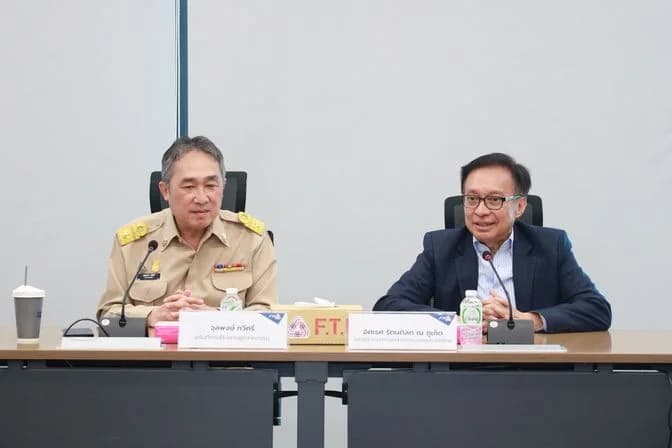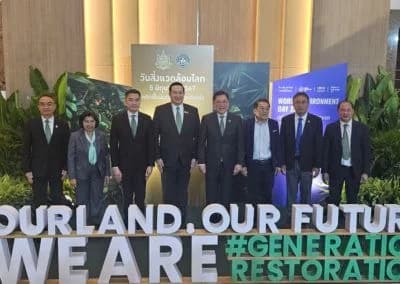
เมื่อวันที่ 28 มีนาคม 2567 นายสมชาย หวังวัฒนาพาณิช รองประธานสภาอุตสาหกรรมแห่งประเทศไทย (ส.อ.ท.) และประธานสถาบันน้ำและสิ่งแวดล้อมเพื่อความยั่งยืน พร้อมด้วย ดร.ปิยะนุช มาลากุล ณ อยุธยา รองประธานและเหรัญญิก ส.อ.ท. เข้าร่วมการประชุม Stakeholder Engagement ต่อร่างความตกลงกรอบความร่วมมือทางเศรษฐกิจอินโด-แปซิฟิกเพื่อความเจริญรุ่งเรือง (IPEF) ว่าด้วยเศรษฐกิจที่สะอาดและเป็นมิตรต่อสิ่งแวดล้อม (Indo-Pacific Economic Framework for Prosperity Agreement Relating to a Clean Economy) จัดโดยกรมการเปลี่ยนแปลงสภาพภูมิอากาศและสิ่งแวดล้อม (สส.) กระทรวงทรัพยากรธรรมชาติและสิ่งแวดล้อม ซึ่งเป็นหน่วยงาน Pillar Lead ของเสาความร่วมมือที่ 3 เศรษฐกิจที่สะอาดและเป็นมิตรต่อสิ่งแวดล้อม โดยมี ดร.พิรุณ สัยยะสิทธิ์พานิช อธิบดีกรมการเปลี่ยนแปลงสภาพภูมิอากาศและสิ่งแวดล้อม เป็นประธานการประชุม ณ ห้องประชุมอารีย์สัมพันธ์ อาคารกรมการเปลี่ยนแปลงสภาพภูมิอากาศและสิ่งแวดล้อม
การประชุมจัดขึ้นเพื่อรับฟังข้อคิดเห็นและข้อเสนอแนะของผู้มีส่วนได้เสียที่เกี่ยวข้องทั้งหน่วยงานภาครัฐ ภาคเอกชนและภาคประชาสังคม โดยในที่ประชุมได้มีการแลกเปลี่ยนความคิดเห็นต่อรายละเอียดของร่างข้อบทฯ และข้อเสนอแนะต่อการดำเนินงานของภาครัฐที่เกี่ยวข้อง เพื่อให้การขับเคลื่อนการดำเนินภายใต้ความตกลง IPEF เป็นไปอย่างมีประสิทธิภาพ รวมถึงแลกเปลี่ยนความเห็นเกี่ยวกับโครงการความร่วมมือ (Cooperative Work Program) ระหว่างประเทศภาคี IPEF เพื่อพัฒนาเป้าหมายที่เป็นมิตรต่อสิ่งแวดล้อมร่วมกัน โดยภาคเอกชนได้เสนอให้ภาครัฐร่วมสนับสนุนภาคเอกชนในการดำเนินธุรกิจที่เป็นมิตรกับสิ่งแวดล้อม อาทิ การสนับสนุนการจัดซื้อจัดจ้างผลิตภัณฑ์ที่เป็นมิตรต่อสิ่งแวดล้อม (Green Product) เป็นต้น
ประเทศไทยได้เข้าร่วมการเจรจาภายใต้กรอบ IPEF ในปี 2565 เพื่อสนับสนุนผลประโยชน์ทางเศรษฐกิจร่วมกันและเสริมสร้างศักยภาพร่วมกัน โดยภายใต้ความร่วมมือ IPEF มีสมาชิก 14 ประเทศ ได้แก่ เกาหลีใต้ ญี่ปุ่น ไทย นิวซีแลนด์ บรูไน ฟิลิปปินส์ ฟิจิ มาเลเซีย เวียดนาม สหรัฐอเมริกา สิงคโปร์ ออสเตรเลีย อินเดีย และอินโดนีเซีย และแบ่งความร่วมมือออกเป็น 4 เสาหลัก ได้แก่ เสาที่ 1 การค้า (Trade) เสาที่ 2 ห่วงโซ่อุปทาน (Supply Chain) เสาที่ 3 เศรษฐกิจสะอาดและเป็นมิตรต่อสิ่งแวดล้อม (Clean Economy) และเสาที่ 4 เศรษฐกิจที่เป็นธรรม (Fair Economy) โดยปัจจุบัน ประเทศสมาชิก สามารถสรุปการเจรจาร่างเอกสารความตกลงฯ ของเสาความร่วมมือที่ 3 เศรษฐกิจที่สะอาดและเป็นมิตรต่อสิ่งแวดล้อมแล้วเสร็จ และกระทรวงทรัพยากรธรรมชาติและสิ่งแวดล้อม จะนำความเห็นจากการหารือ มาประเมินผลประโยชน์และผลกระทบจากการลงนามเข้าร่วมเป็นภาคีความตกลงฯ เพื่อเสนอต่อคณะรัฐมนตรีพิจารณาเห็นชอบต่อไป
On March 28, 2024, Mr. Somchai Wangwattanapanit, Vice Chairman of the Federation of Thai Industries (FTI) and President of the Institute of Water and Environment for Sustainability, together with Dr. Piyanuch Malakul Na Ayutthaya, Vice Chairman and Treasurer of FTI, attended the Stakeholder Engagement meeting on the draft agreement of the Indo-Pacific Economic Framework for Prosperity (IPEF) concerning Clean and Environmentally Friendly Economy, organized by the Department of Climate Change and Environment, Ministry of Natural Resources and Environment, which is the Pillar Lead agency for the third pillar of cooperation on Clean Economy. Dr. Pirun Saeyasitpanich, Director-General of the Department of Climate Change and Environment, chaired the meeting at the Ariyasumpan Meeting Room, Department of Climate Change and Environment Building.
The meeting was held to gather comments and suggestions from stakeholders, including government agencies, the private sector, and civil society. During the meeting, participants exchanged views on the details of the draft provisions and suggestions regarding government operations relating to the IPEF agreement to ensure effective implementation. Discussions also included cooperative work programs between IPEF member countries to develop shared environmentally friendly goals. The private sector proposed that the government support businesses in undertaking environmentally friendly operations, such as promoting the procurement of Green Products.
Thailand joined negotiations under the IPEF framework in 2022 to support mutual economic benefits and enhance shared capabilities. The IPEF cooperation includes 14 member countries: South Korea, Japan, Thailand, New Zealand, Brunei, the Philippines, Fiji, Malaysia, Vietnam, the United States, Singapore, Australia, India, and Indonesia, divided into four main pillars: Pillar 1 - Trade, Pillar 2 - Supply Chain, Pillar 3 - Clean Economy, and Pillar 4 - Fair Economy. Currently, member countries have completed the negotiations of the draft document of the third pillar, Clean and Environmentally Friendly Economy, and the Ministry of Natural Resources and Environment will evaluate the benefits and impacts of signing the agreement for submission to the Cabinet for approval.