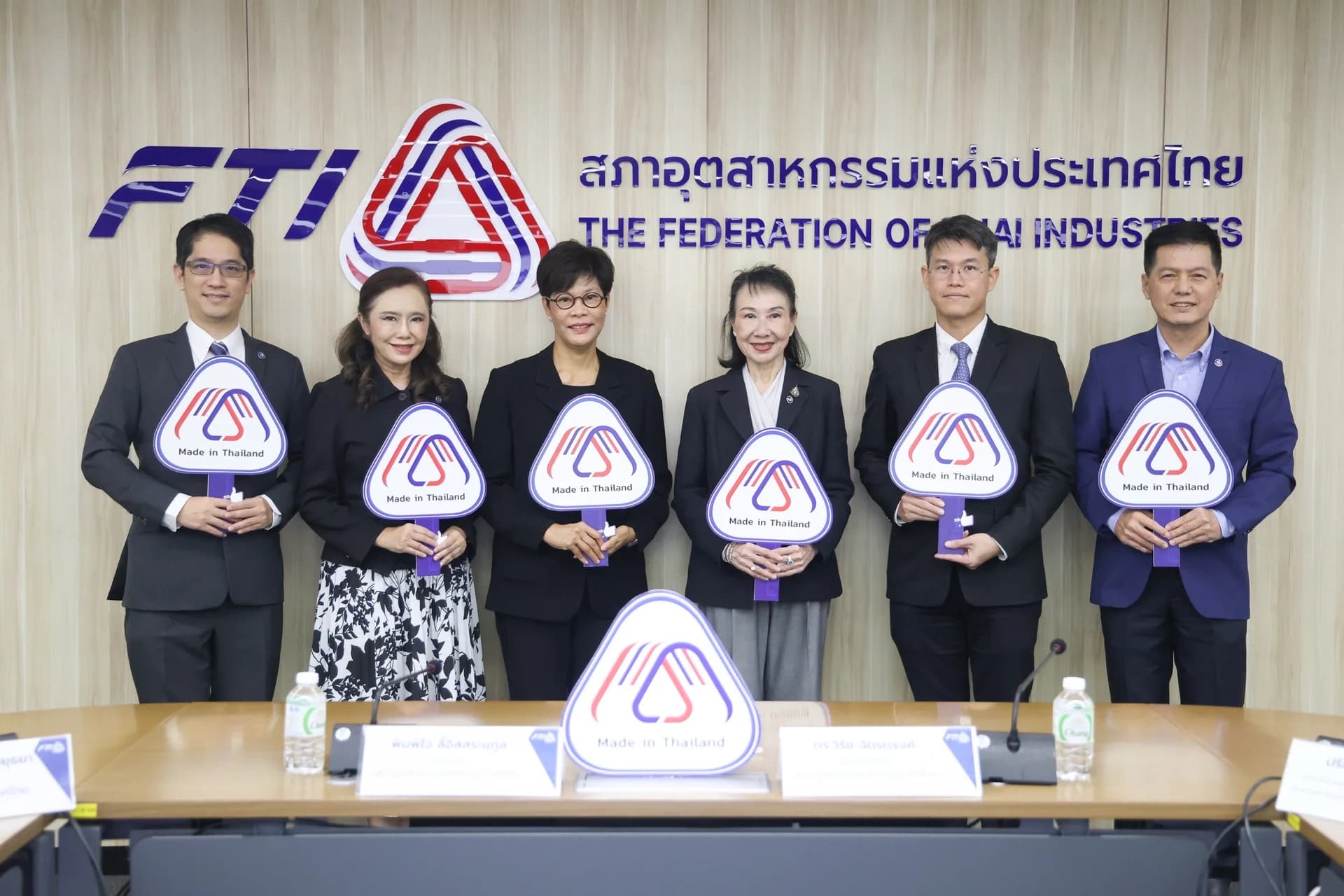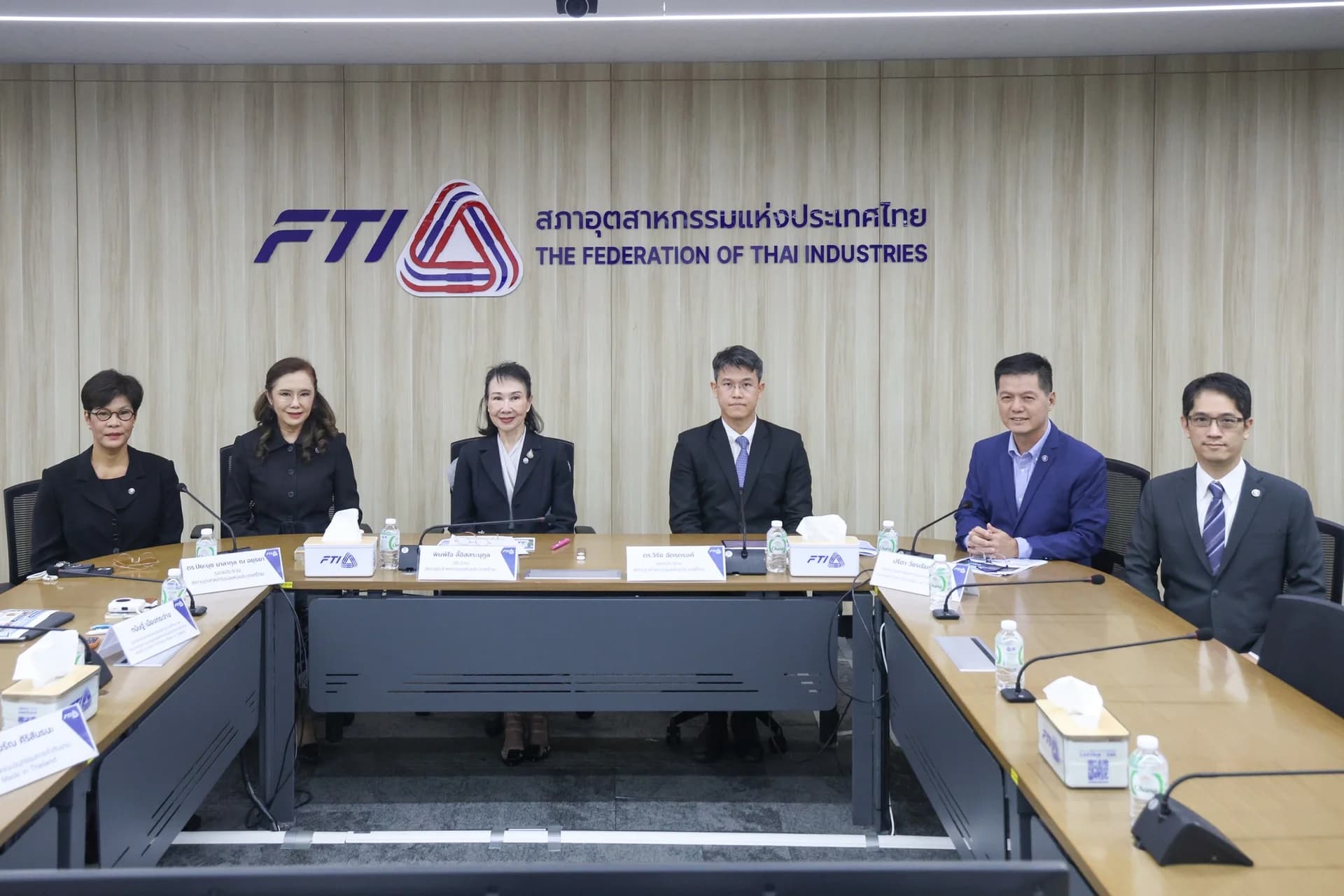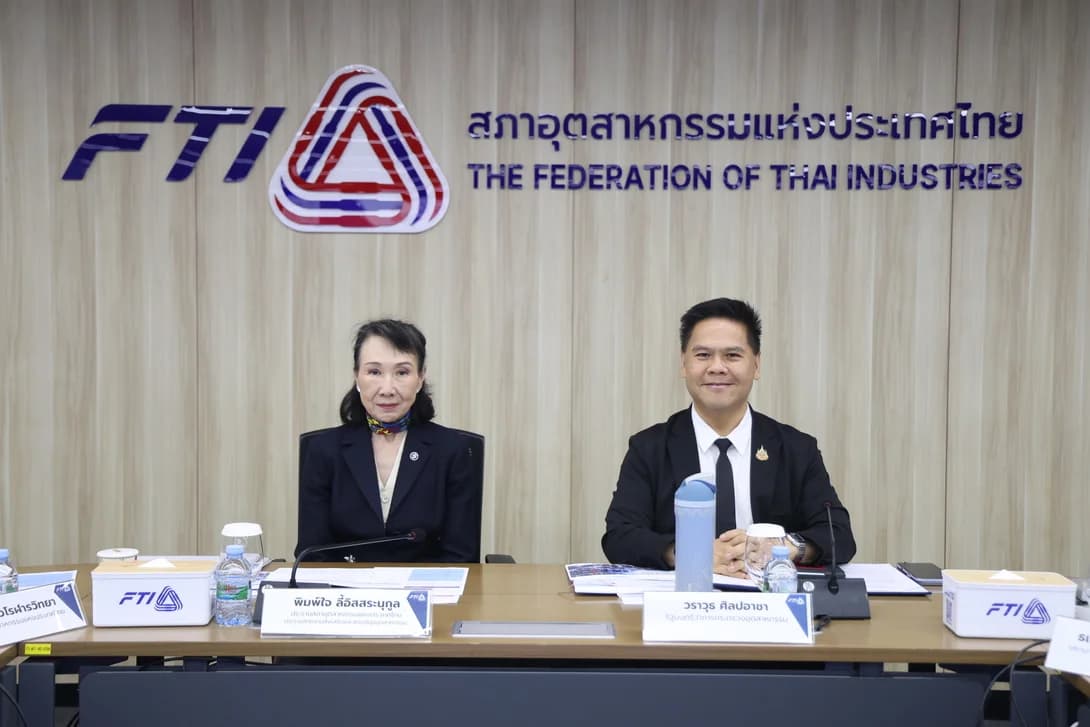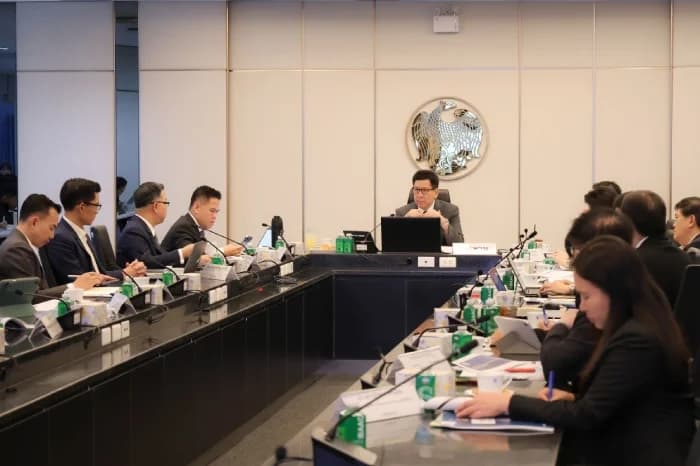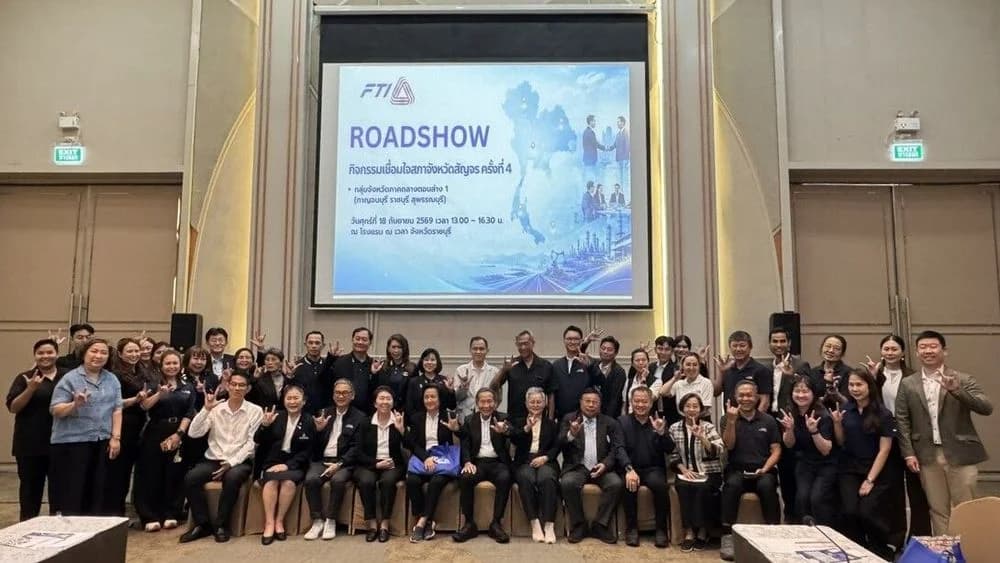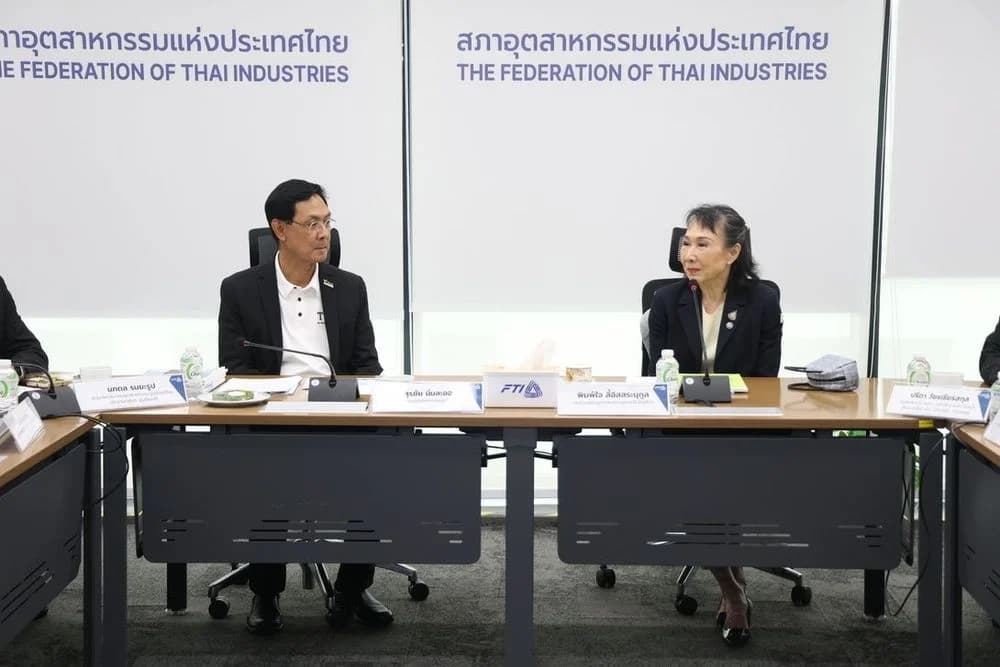

เมื่อวันจันทร์ที่ 31 สิงหาคม 2569 สภาอุตสาหกรรมแห่งประเทศไทย (ส.อ.ท.) ได้จัดประชุมคณะกรรมการสภาอุตสาหกรรมแห่งประเทศไทย ครั้งที่ 7/2569(5) นำโดย นางพิมพ์ใจ ลี้อิสสระนุกูล ประธาน ส.อ.ท. พร้อมด้วย นายกิตติ ตั้งจิตรมณีศักดา รองประธานอาวุโส ส.อ.ท. นายอิศเรศ รัตนดิลก ณ ภูเก็ต นายทะเบียน ส.อ.ท. นางเกศมณี เลิศกิจจา เหรัญญิก ส.อ.ท. และนายปณิธาน ปวโรฬารวิทยา เลขาธิการ ส.อ.ท. ร่วมประชุมกับคณะกรรมการ ส.อ.ท. จากทั่วประเทศ ณ ห้อง Chatrium Ballroom ชั้น 4 โรงแรมชาเทรียม ริเวอร์ไซด์ กรุงเทพฯ
ในการประชุม กส. ครั้งนี้ ได้มีการนำเสนอวาระสำคัญที่เป็นประโยชน์ต่อการขับเคลื่อนภาคอุตสาหกรรม อาทิ
1. คณะผู้บริหารและคณะกรรมการ ส.อ.ท. ให้การต้อนรับ ดร.สุเมธ ตันติเวชกุล กรรมการและที่ปรึกษาพิเศษอาวุโส มูลนิธิชัยพัฒนา ซึ่งให้เกียรติบรรยายพิเศษในหัวข้อ “การพัฒนาอุตสาหกรรมตามแนวพระราชดำริและหลักปรัชญาของเศรษฐกิจพอเพียง”การบรรยายมุ่งถ่ายทอดแนวคิด ทิศทาง และข้อเสนอแนะในการประยุกต์ใช้หลักปรัชญาของเศรษฐกิจพอเพียงในการบริหารจัดการองค์กรธุรกิจอย่างเป็นรูปธรรม พร้อมส่งเสริมการขับเคลื่อน มอก. 9999 แนวทางเศรษฐกิจพอเพียงภาคอุตสาหกรรม ซึ่งยึดหลักความพอประมาณ ความมีเหตุผล และการมีภูมิคุ้มกันที่ดี ภายใต้พื้นฐานของความรู้และคุณธรรม เพื่อเป็นกรอบให้องค์กรอุตสาหกรรมทุกประเภทและทุกขนาดสามารถนำไปบูรณาการกับระบบบริหารจัดการที่มีอยู่ได้อย่างเหมาะสมและมีประสิทธิภาพ
2. คณะกรรมการร่วมภาคเอกชน 3 สถาบัน (กกร.) ร่วมกับกระทรวงการคลัง ธนาคารแห่งประเทศไทย สภาพัฒน์ฯ ธนาคารโลก และพันธมิตร จัดงาน The Bangkok Business Summit 2026: Reinvent Thailand, Resilient ASEAN ในวันพฤหัสบดีที่ 3 กันยายน 2569 ณ ศูนย์การประชุมแห่งชาติสิริกิติ์ โดยงานมุ่งขับเคลื่อน 4 ด้านสำคัญ ได้แก่ การสร้างงานทักษะสูง โครงสร้างพื้นฐานพลังงานสะอาดและระบบการเงินดิจิทัล การยกระดับภาคเกษตร และมาตรการ Zero Corruption พร้อมเปิดตัวรายงานธนาคารโลก “Building Thailand’s Future Today” เพื่อผลักดันประเทศไทยสู่เศรษฐกิจฐานนวัตกรรมและประเทศรายได้สูง ตลอดจนเตรียมความพร้อมสำหรับการประชุม IMF–World Bank Group Annual Meetings 2026 และการเป็นประธานอาเซียนในปี 2571
3. คณะกรรมการร่วมภาคเอกชน 3 สถาบัน (กกร.) กำหนดจัดงาน Dinner Talk ภายใต้หัวข้อ “Zero Corruption : From Policy to Action” ในวันพฤหัสบดีที่ 1 ตุลาคม 2569 เวลา 17.00 - 21.00 น. ณ Royal Jubilee Ballroom อิมแพ็ค เมืองทองธานี เพื่อระดมทุนสนับสนุนการทำงานของคณะทำงาน Zero Corruption : กกร. และเพื่อนไม่ทน และเพื่อเป็นเวทีสำคัญของภาคเอกชนและเครือข่ายธรรมาภิบาล ในการแลกเปลี่ยน สร้างการรับรู้ และขับเคลื่อนการต่อต้านคอร์รัปชันอย่างจริงจัง ภายในงานได้รับเกียรติจาก นายอนุทิน ชาญวีรกูล นายกรัฐมนตรี กล่าวปาฐกถาพิเศษในหัวข้อ “รัฐบาลกับการขับเคลื่อนประเทศไทยสู่ Zero Corruption และการเติบโตอย่างยั่งยืน” และ นายปกรณ์ นิลประพันธ์ รองนายกรัฐมนตรี ร่วมกล่าวในช่วง Dinner Talk หัวข้อ “การปฏิรูปกฎหมายและภาครัฐ: กลไกสำคัญสู่ Zero Corruption” เพื่อสะท้อนแนวทางการยกระดับประสิทธิภาพภาครัฐ ปฏิรูปกฎหมาย และสร้างกลไกความร่วมมือระหว่างภาครัฐ ภาคเอกชน และภาคประชาชน อันจะนำไปสู่สังคมที่โปร่งใส มีธรรมาภิบาล และเติบโตอย่างยั่งยืน
4. สรุปผลการจัดกิจกรรมระดมความคิดเห็น (Workshop) แบ่งเป็น 2 กลุ่ม ดังนี้
• กลุ่ม 1: สภาอุตสาหกรรมจังหวัดเข้มแข็ง ที่ประชุมเสนอให้ส่วนกลางสนับสนุนงบประมาณและบุคลากร พัฒนาฐานข้อมูลสมาชิกให้เชื่อมโยงกันทั่วประเทศ สร้างผู้นำรุ่นใหม่ และยกระดับบริการที่ตอบโจทย์ผู้ประกอบการในพื้นที่
• กลุ่ม 2: การจัดหาที่ตั้งสำนักงาน ส.อ.ท. แห่งใหม่ ที่ประชุมเสนอสำนักงานแห่งใหม่ควรตั้งอยู่ในทำเลที่เดินทางสะดวก มีที่จอดรถและห้องประชุมเพียงพอ พร้อมพัฒนาเป็น Ecosystem ที่เชื่อมโยงสมาชิก พันธมิตร บริการ และกิจกรรมสร้างรายได้ เพื่อเสริมศักยภาพองค์กรและรองรับการเติบโตอย่างยั่งยืนในอนาคต
5. อนุมัติแนวทางการจัดการและการประสานงานของสายงาน CSR กรณีเกิดภัยพิบัติที่ได้รับผลกระทบกับสมาชิก ส.อ.ท. รวมถึงการจัดเตรียมวงเงินฉุกเฉินสำหรับช่วยเหลือเร่งด่วน ภายใต้สายงาน CSR จำนวน 200,000 บาท
6. อนุมัติแต่งตั้ง นายธงชัย โอฬารริกสุภัค ผู้แทนบริษัท เบญจมิตรบรรจุภัณฑ์ จำกัด เป็นกรรมการ ส.อ.ท. ประเภทแต่งตั้ง (แทน) นายถาวร กนกวลีวงศ์ ผู้แทนบริษัท โนเอล คอร์เปอเรท จำกัด ซึ่งแจ้งความประสงค์ลาออกจากตำแหน่งกรรมการ ส.อ.ท.
7. อนุมัติงบรายได้-ค่าใช้จ่าย เดือนกรกฎาคม 2569 โดยช่วงเดือนมกราคม–กรกฎาคม 2569 มีรายได้รวม 214.46 ล้านบาท และค่าใช้จ่ายรวม 198.64 ล้านบาท ส่งผลให้มีรายได้สูงกว่าค่าใช้จ่ายสุทธิ 15.82 ล้านบาท
8. อนุมัติสมาชิกสมัครใหม่ / ลาออก / ย้ายสถานภาพ เดือนสิงหาคม 2569 ส.อ.ท. มีสมาชิกสะสมทั้งสิ้น 16,750 ราย ประกอบด้วยสมาชิกสามัญ 10,044 ราย และสมาชิกสมทบ 6,706 ราย เพิ่มขึ้นจากสิ้นปี 2568 จำนวน 683 ราย (ณ วันที่ 20 สิงหาคม 2569)
9. แจ้งความคืบหน้าการขับเคลื่อนการเปลี่ยนผ่านพลังงาน เสนอกรอบ Thailand Pragmatic Energy Transition เพื่อขับเคลื่อนการเปลี่ยนผ่านพลังงานอย่างสมดุลใน 4 มิติ ได้แก่ ความมั่นคงทางพลังงาน ต้นทุนที่เหมาะสม ความยั่งยืน และความสามารถในการแข่งขัน พร้อมผลักดันพลังงานชีวมวล เชื้อเพลิงชีวภาพ ระบบกักเก็บพลังงาน และการเข้าถึงพลังงานสะอาดของภาคอุตสาหกรรม สำหรับร่างแผน PDP 2026 ส.อ.ท. เสนอเพิ่มเป้าหมายการใช้พลังงานชีวมวลจาก 1,185 เมกะวัตต์ เป็น 2,000 เมกะวัตต์ เพื่อลดการนำเข้าพลังงานและสร้างมูลค่าเพิ่มจากวัสดุเหลือใช้ทางการเกษตร
นอกจากนี้ ส.อ.ท. เตรียมสร้างความเข้าใจเกี่ยวกับโครงสร้างราคาก๊าซธรรมชาติ และสนับสนุนผู้ประกอบการ โดยเฉพาะ SMEs ให้เพิ่มประสิทธิภาพและลดต้นทุนพลังงาน ผ่านมาตรการอนุรักษ์พลังงาน ระบบ ESCO การบริหารพลังงานแบบ Lean และการติดตั้ง Solar Rooftop เพื่อเสริมศักยภาพการแข่งขันของอุตสาหกรรมไทยอย่างยั่งยืน
10. คณะกรรมการร่วมภาครัฐและเอกชนเพื่อแก้ไขปัญหาทางเศรษฐกิจ (กรอ.) หารือแนวทางขับเคลื่อนเศรษฐกิจในหลายมิติ พร้อมพิจารณาแต่งตั้งคณะทำงาน 4 ด้าน ภายใต้คณะอนุกรรมการด้านการพัฒนาการลงทุนใหม่ของประเทศ และคณะทำงาน 4 ด้าน ภายใต้คณะอนุกรรมการด้านการพัฒนาการค้า การท่องเที่ยว และเศรษฐกิจชุมชน เพื่อผลักดันมาตรการให้เกิดผลอย่างเป็นรูปธรรม
11. ส.อ.ท. เข้าร่วมประชุมคณะทำงานด้านการค้าระหว่างประเทศ ครั้งที่ 1/2569 เมื่อวันที่ 20 สิงหาคม 2569 พร้อมเสนอ 3 มาตรการ “Quick Big Win” ได้แก่ เร่งเจรจาความตกลงการค้าเสรีไทย–สหภาพยุโรป กระจายความเสี่ยงและขยายตลาดใหม่ในอินเดีย ตะวันออกกลาง ลาตินอเมริกา และแอฟริกา รวมถึงจัดทำแผนยุทธศาสตร์การส่งออกของประเทศ ข้อเสนอดังกล่าวมุ่งลดการพึ่งพาตลาดเดิม เพิ่มการใช้ประโยชน์จาก FTA เชื่อมโยง SMEs เข้าสู่ห่วงโซ่อุปทานโลก และยกระดับขีดความสามารถในการแข่งขันของผู้ประกอบการไทยอย่างเป็นรูปธรรม
12. การเจรจาความตกลงการค้าเสรีไทย–สหภาพยุโรป (FTA ไทย–EU) มีความคืบหน้าแล้วกว่า 2 ใน 3 โดยสามารถสรุปผลได้ 15 จากทั้งหมด 24 บท ภายหลังการเจรจารอบที่ 9 โดยทั้งสองฝ่ายอยู่ระหว่างเร่งหาข้อสรุปในประเด็นที่เหลือ ซึ่งครอบคลุมทรัพย์สินทางปัญญา นโยบายการแข่งขัน รัฐวิสาหกิจ สิ่งแวดล้อม แรงงาน และแนวปฏิบัติด้านกฎระเบียบ เพื่อขยายโอกาสทางการค้า การลงทุน และยกระดับขีดความสามารถในการแข่งขันของไทยในตลาดยุโรป
13. กฎหมายการค้าสหรัฐ มาตรา 301 ประเทศไทยชี้แจงต่อสำนักงานผู้แทนการค้าสหรัฐฯ (USTR) กรณีถูกไต่สวนตามมาตรา 301 ในประเด็นแรงงานบังคับและกำลังการผลิตส่วนเกิน โดยยืนยันว่าไทยไม่สนับสนุนสินค้าที่ใช้แรงงานบังคับ ไม่มีนโยบายอุดหนุนที่บิดเบือนตลาด และภาคอุตสาหกรรมใช้กำลังการผลิตในระดับปกติภาคอุตสาหกรรมเสนอให้เร่งยกระดับระบบตรวจสอบถิ่นกำเนิดสินค้า ป้องกันการสวมสิทธิและการถ่ายลำสินค้า พร้อมเพิ่มมาตรการคุ้มครองทรัพย์สินทางปัญญาและมาตรฐานแรงงาน เพื่อรักษาความเชื่อมั่นและลดความเสี่ยงต่อการส่งออกของไทยไปยังสหรัฐฯ
14. ภาครัฐเตรียมกำหนดมาตรการควบคุมสินค้านำเข้าที่มีความเสี่ยงจากการใช้แรงงานบังคับ เพื่อรองรับการไต่สวนตามมาตรา 301 ของสหรัฐฯ โดยจัดตั้งคณะกรรมการและคณะอนุกรรมการเฉพาะด้าน เพื่อจัดทำบัญชีสินค้าความเสี่ยงและมาตรฐานการตรวจสอบ มาตรการจะครอบคลุมการคัดกรองเอกสาร การประเมินความเสี่ยงตามตัวชี้วัดขององค์การแรงงานระหว่างประเทศ และการกำหนดเงื่อนไขห้ามนำเข้า ขออนุญาต หรือแสดงหนังสือรับรอง เพื่อป้องกันสินค้าที่ละเมิดสิทธิแรงงานและยกระดับความเชื่อมั่นต่อมาตรฐานการค้าของไทย
15. แจ้งความคืบหน้าผลการประชุมคณะทำงานอำนวยการ กกร. ภูมิภาค ครั้งที่ 2/2569 เมื่อวันที่ 14 สิงหาคม 2569 โดยมีผู้แทน กกร. จังหวัดและกลุ่มจังหวัดทั่วประเทศเข้าร่วมกว่า 500 คน เพื่อสร้างความเข้าใจเกี่ยวกับบทบาท ภารกิจ และแนวทางจัดทำโครงการให้เป็นไปในทิศทางเดียวกัน ที่ประชุมเน้นการบูรณาการข้อเสนอของภาคเอกชนผ่านกลไก กกร. และ กรอ. ตั้งแต่ระดับจังหวัดและกลุ่มจังหวัดไปสู่การกำหนดนโยบายระดับชาติ เพื่อร่วมแก้ไขปัญหาและขับเคลื่อนเศรษฐกิจภูมิภาคอย่างเป็นระบบและเป็นรูปธรรม
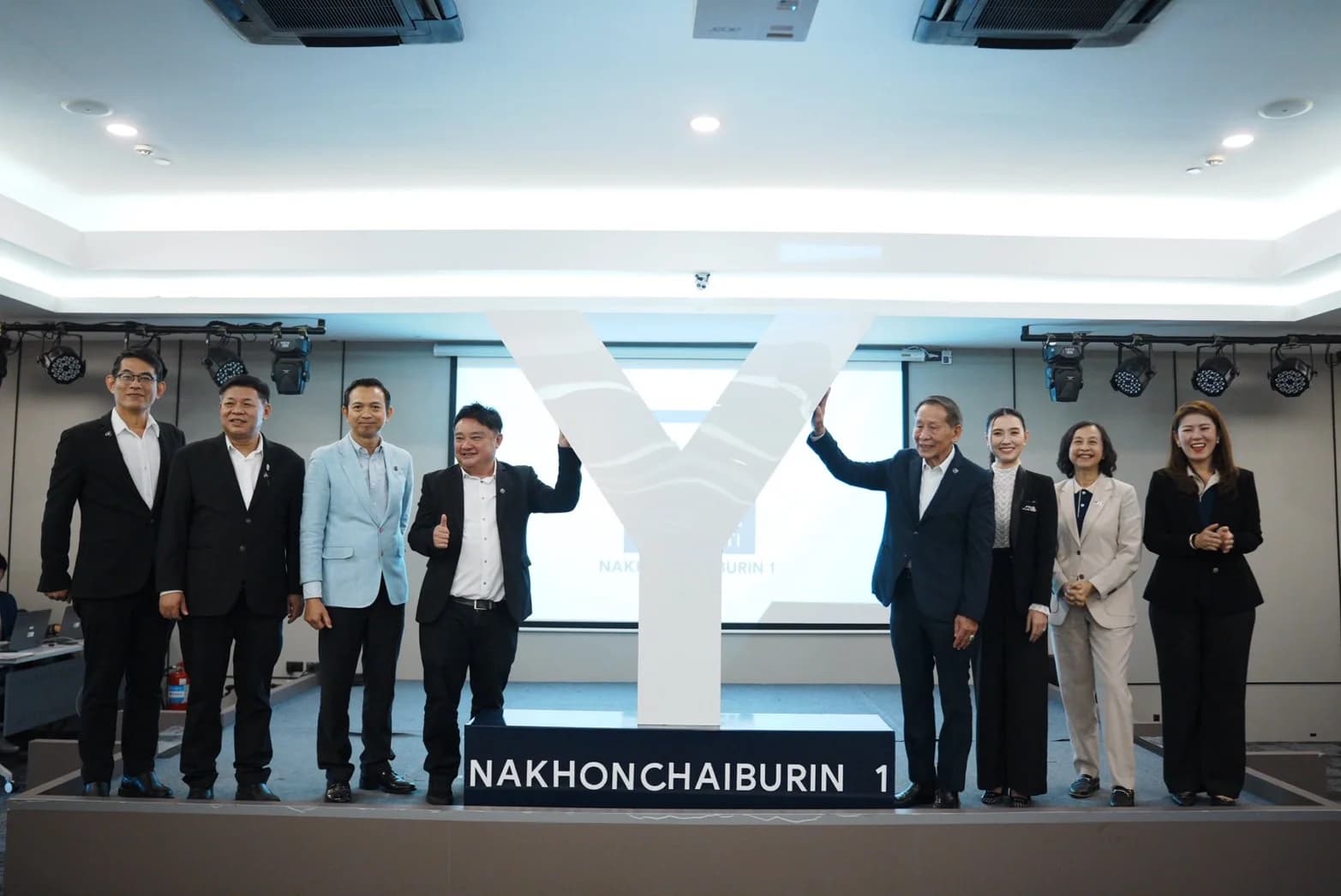
16. แจ้งความคืบหน้าการประชุมคณะกรรมการนโยบายเขตพัฒนาพิเศษภาคตะวันออก (EEC) ที่ประชุมได้ติดตามความคืบหน้าการพัฒนา EEC ทั้งการลงทุนในอุตสาหกรรมเป้าหมาย โครงการโครงสร้างพื้นฐานขนาดใหญ่ เขตส่งเสริมเศรษฐกิจพิเศษ และการพัฒนาเมืองอัจฉริยะ EECiti เพื่อยกระดับพื้นที่เป็นศูนย์กลางธุรกิจและนวัตกรรมระดับภูมิภาค นอกจากนี้ยังเห็นชอบในหลักการให้จังหวัดปราจีนบุรีเป็นพื้นที่ EEC เพิ่มเติม โดยให้เร่งแก้ไขปัญหาสิ่งแวดล้อม พัฒนาโครงสร้างพื้นฐานและบุคลากร รวมถึงส่งเสริมอุตสาหกรรมเป้าหมาย เพื่อเชื่อมโยงการลงทุนและกระจายประโยชน์ทางเศรษฐกิจสู่พื้นที่โดยรอบอย่างยั่งยืน
17. กองทุนสงเคราะห์ลูกจ้างจะเริ่มบังคับใช้วันที่ 1 ตุลาคม 2569 สำหรับสถานประกอบการที่มีลูกจ้างตั้งแต่ 10 คนขึ้นไปและไม่มีระบบกองทุนสำรองเลี้ยงชีพ โดยนายจ้างและลูกจ้างจ่ายเงินสะสมฝ่ายละ 0.25% ของค่าจ้าง ก่อนปรับเป็นฝ่ายละ 0.50% ตั้งแต่วันที่ 1 ตุลาคม 2574 เพื่อเป็นหลักประกันทางการเงินแก่ลูกจ้างเมื่อออกจากงานหรือเสียชีวิต
ทั้งนี้ การเลือกตั้งผู้แทนฝ่ายนายจ้างและผู้แทนฝ่ายผู้ประกันตนในคณะกรรมการประกันสังคม กำหนดจัดขึ้นวันที่ 27 กันยายน 2569 โดยอยู่ระหว่างปรับหลักเกณฑ์ให้ผู้มีคุณสมบัติสามารถใช้สิทธิเลือกตั้งได้โดยตรงโดยไม่ต้องลงทะเบียนล่วงหน้า เพื่อเพิ่มความสะดวก โปร่งใส และส่งเสริมการมีส่วนร่วมของทุกฝ่าย
On Monday, August 31, 2026, the Federation of Thai Industries (FTI) organized its 7th meeting of the board, chaired by Ms. Pimjai Leeissaranukul, President of FTI, alongside Mr. Kitti Tangjitrmanisak, Senior Vice President of FTI, Mr. Isares Ratthanadilok na Phuket, Registrar of FTI, Ms. Ketsamanee Lertkitcha, Treasurer of FTI, and Mr. Panithan Pawarolaeravit, Secretary-General of FTI, who convened with the board members from across the country at the Chatrium Ballroom, 4th floor, Chatrium Riverside Hotel Bangkok.
During this meeting, critical agendas beneficial for driving the industrial sector were presented, including:
1. The FTI executives and board welcomed Dr. Sumet Tantivejkul, Board Member and Senior Special Advisor of Chaipattana Foundation, who honored the meeting with a special lecture on "Industrial Development According to the Royal Initiative and the Principles of Sufficiency Economy." The lecture aimed to convey ideas, directions, and recommendations on how to apply the principles of Sufficiency Economy in practical business management, while promoting the advancement of the Sufficiency Economy Standard 9999 for the industrial sector, which adheres to the principles of moderation, reasonableness, and resilience based on knowledge and virtue. This framework can be integrated with existing management systems appropriately and effectively for all types and sizes of industrial organizations.
2. The Joint Private Sector Committee of Three Organizations (JSCC) in collaboration with the Ministry of Finance, the Bank of Thailand, the National Economic and Social Development Board, the World Bank, and partners is hosting The Bangkok Business Summit 2026: Reinvent Thailand, Resilient ASEAN on Thursday, September 3, 2026, at the Queen Sirikit National Convention Center. The summit aims to drive four key areas: creating high-skilled jobs, clean energy infrastructure and digital financial systems, enhancing the agricultural sector, and implementing Zero Corruption measures, while launching the World Bank report "Building Thailand’s Future Today" to drive Thailand towards an innovation-driven economy and high-income country, as well as prepare for the IMF–World Bank Group Annual Meetings 2026 and Thailand's ASEAN chairmanship in 2028.
3. The Joint Private Sector Committee of Three Organizations (JSCC) has scheduled a Dinner Talk under the theme "Zero Corruption: From Policy to Action" on Thursday, October 1, 2026, from 5:00 PM to 9:00 PM at the Royal Jubilee Ballroom, Impact Muang Thong Thani, to fundraise for the Zero Corruption working group: JSCC and friends, and to serve as an important platform for the private sector and governance networks to exchange, raise awareness, and drive serious anti-corruption initiatives. The event will be honored by Mr. Anutin Charnvirakul, the Prime Minister, delivering a special speech on "The Government's Role in Driving Thailand Towards Zero Corruption and Sustainable Growth," alongside Mr. Pakorn Nilprapunt, the Deputy Prime Minister, discussing the topic of "Legal Reforms and Government: Key Mechanisms for Zero Corruption" to reflect on ways to enhance government efficiency, legal reforms, and build cooperation mechanisms between the government, private sectors, and the public, leading to a transparent society with good governance and sustainable growth.
4. Summary of the feedback collection activities (Workshop) divided into two groups as follows:
• Group 1: Strong Provincial Industrial Councils suggested that the central body should support the budget and personnel, develop a member database that connects nationwide, create new leaders, and enhance services that meet the needs of entrepreneurs in the area.
• Group 2: The establishment of a new FTI office suggested that the new office should be located in a convenient location with adequate parking and meeting rooms, and developed into an ecosystem that connects members, partners, services, and income-generating activities to enhance the organization's capabilities and support sustainable growth in the future.
5. Approved guidelines for CSR management and coordination in case of disasters affecting FTI members, including the preparation of an emergency fund for immediate assistance under the CSR segment amounting to 200,000 Baht.
6. Approved the appointment of Mr. Thongchai Olarnriksupak as a member of FTI, representing Benjamitr Packaging Co., Ltd., to replace Mr. Taweewat Kanokwaleewong, representing Noel Corporate Co., Ltd., who has requested to resign from the position of FTI board member.
7. Approved the income-expense budget for July 2026, reporting total income of 214.46 million Baht and total expenses of 198.64 million Baht for the period of January–July 2026, resulting in a net income exceeding expenses by 15.82 million Baht.
8. Approved new membership applications / resignations / status changes for August 2026, with a total accumulated membership of 16,750, comprising 10,044 regular members and 6,706 associate members, an increase of 683 members from the end of 2025 (as of August 20, 2026).
9. Provided updates on the energy transition efforts, proposing the Thailand Pragmatic Energy Transition framework to drive balanced energy transition across four dimensions: energy security, reasonable costs, sustainability, and competitiveness, while pushing for biomass energy, biofuels, energy storage systems, and access to clean energy for the industrial sector. For the draft PDP 2026, FTI proposed increasing the biomass energy usage target from 1,185 megawatts to 2,000 megawatts to reduce energy imports and create added value from agricultural waste.
Additionally, FTI is preparing to enhance understanding of the natural gas price structure and support operators, particularly SMEs, in improving efficiency and reducing energy costs through energy conservation measures, ESCO systems, Lean energy management, and the installation of Solar Rooftop systems to sustainably enhance the competitiveness of the Thai industry.
10. The Joint Government-Private Sector Committee for Economic Issue Resolution (JER) discussed various measures to drive the economy, while considering the establishment of working groups in four areas under the sub-committee on new investment development and four working groups under the sub-committee on trade, tourism, and community economy development, to drive these measures into concrete results.
11. FTI participated in the first meeting of the international trade working group on August 20, 2026, proposing three "Quick Big Win" measures: expediting negotiations on the Thailand-European Union Free Trade Agreement, diversifying risks and expanding new markets in India, the Middle East, Latin America, and Africa, as well as establishing a national export strategy. These proposals aim to reduce dependence on traditional markets, increase the use of FTA benefits, integrate SMEs into the global supply chain, and enhance the competitiveness of Thai operators.
12. The negotiations for the Thailand-European Union Free Trade Agreement (FTA) have progressed over two-thirds, successfully finalizing 15 out of 24 chapters after the 9th round of negotiations. Both parties are currently accelerating efforts to conclude discussions on the remaining topics, which cover intellectual property, competition policy, state enterprises, environmental issues, labor, and regulatory practices to expand trade opportunities, investment, and elevate Thailand's competitiveness in the European market.
13. Regarding the United States Trade Law Section 301, Thailand clarified to the U.S. Trade Representative (USTR) concerning the ongoing investigation under Section 301 regarding forced labor and excess production capacity, affirming that Thailand does not support products made with forced labor and has no market-distorting subsidy policies, while the industrial sector operates at normal production capacity levels. The industrial sector proposed accelerating the upgrade of the product origin verification system to prevent rights violations and product switching while enhancing intellectual property protection measures and labor standards to maintain confidence and reduce risks to Thai exports to the United States.
14. The government is preparing measures to control imported goods at risk of forced labor usage, in response to the U.S. Section 301 investigation, by establishing specialized committees and subcommittees to create a risk goods list and inspection standards. Measures will include document screening, risk assessments based on indicators from the International Labor Organization, and requirements for import bans, permits, or certifications to prevent products that violate labor rights and enhance confidence in Thai trade standards.
15. Provided updates on the results of the 2nd meeting of the Regional JER Steering Committee on August 14, 2026, attended by over 500 representatives from provincial JSCCs and district groups nationwide, to foster understanding of roles, missions, and project direction to be aligned. The meeting emphasized the integration of the private sector's proposals through JSCC and JER mechanisms, from provincial and district levels to national policy formulation to jointly resolve issues and systematically drive regional economic growth.
16. Provided updates from the East Economic Corridor (EEC) Policy Committee meeting, monitoring the progress of EEC development including investments in target industries, large infrastructure projects, special economic zone development, and smart city development (EECiti) to enhance the area as a regional business and innovation hub. Additionally, it approved in principle to designate Prachinburi province as an additional EEC area, urging swift resolution of environmental issues, infrastructure, personnel development, and target industry promotion to connect investments and sustainably distribute economic benefits to surrounding areas.
17. The Employee Welfare Fund will come into effect on October 1, 2026, for establishments with 10 or more employees and lacking an employee provident fund, with employers and employees contributing 0.25% of wages, gradually increasing to 0.50% per side starting October 1, 2028, to ensure financial security for employees upon job departure or death.
The election of employee and employer representatives in the Social Security Committee is scheduled for September 27, 2026, with adjustments being made to regulations allowing eligible individuals to vote directly without prior registration, to enhance convenience, transparency, and encourage participation from all parties.