
ผลสำรวจครึ่งปีแรกของภาคธุรกิจญี่ปุ่นสะท้อนว่า แม้ผู้ประกอบการยังเผชิญแรงกดดันจากต้นทุน การแข่งขัน และความไม่แน่นอนของเศรษฐกิจโลก แต่กว่า 70% ยังคงเชื่อมั่นและพร้อมรักษาหรือเพิ่มการลงทุนในไทย สะท้อนบทบาทของไทยในฐานะศูนย์กลางการผลิตและห่วงโซ่อุปทานสำคัญของภูมิภาค
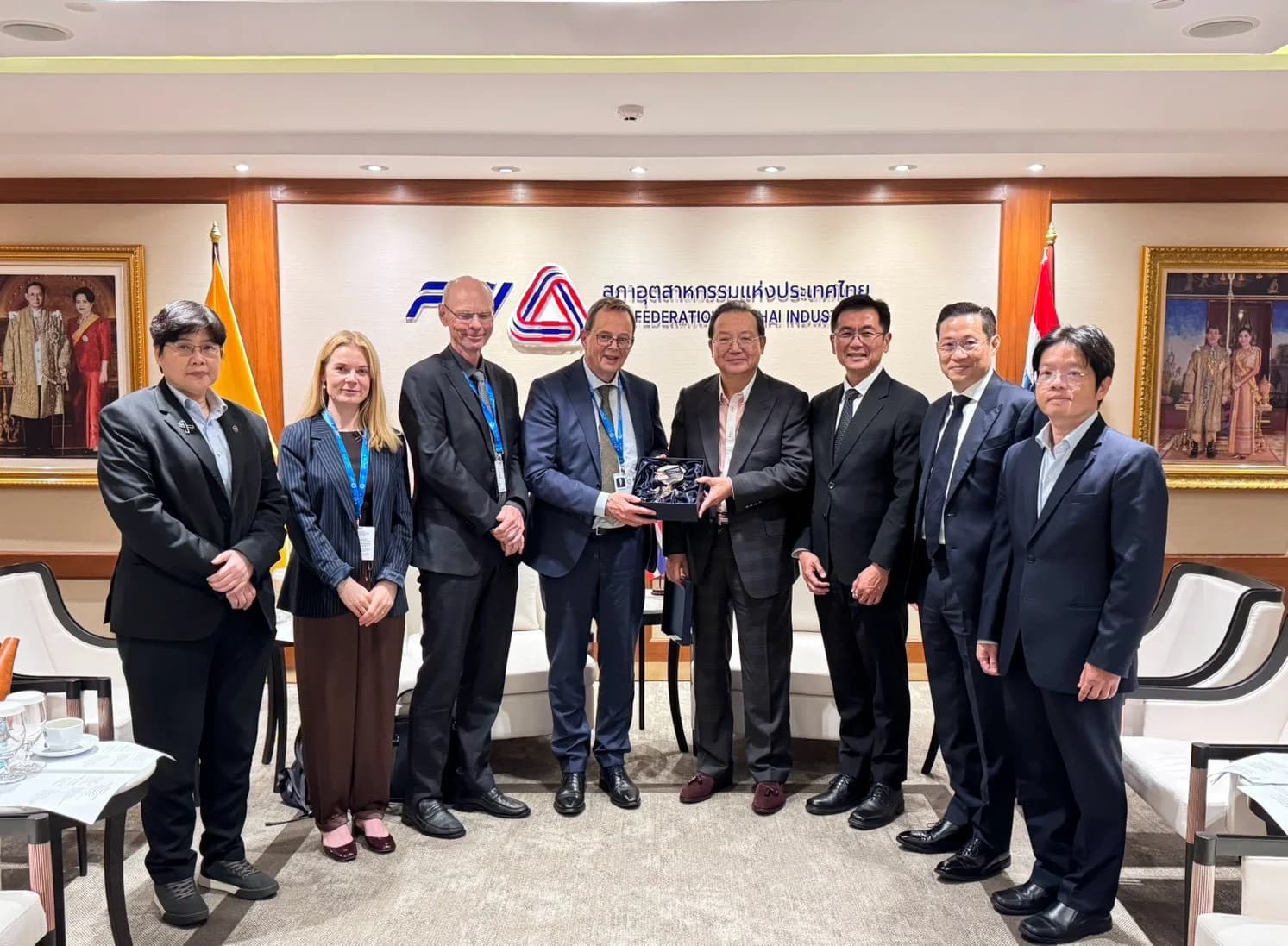
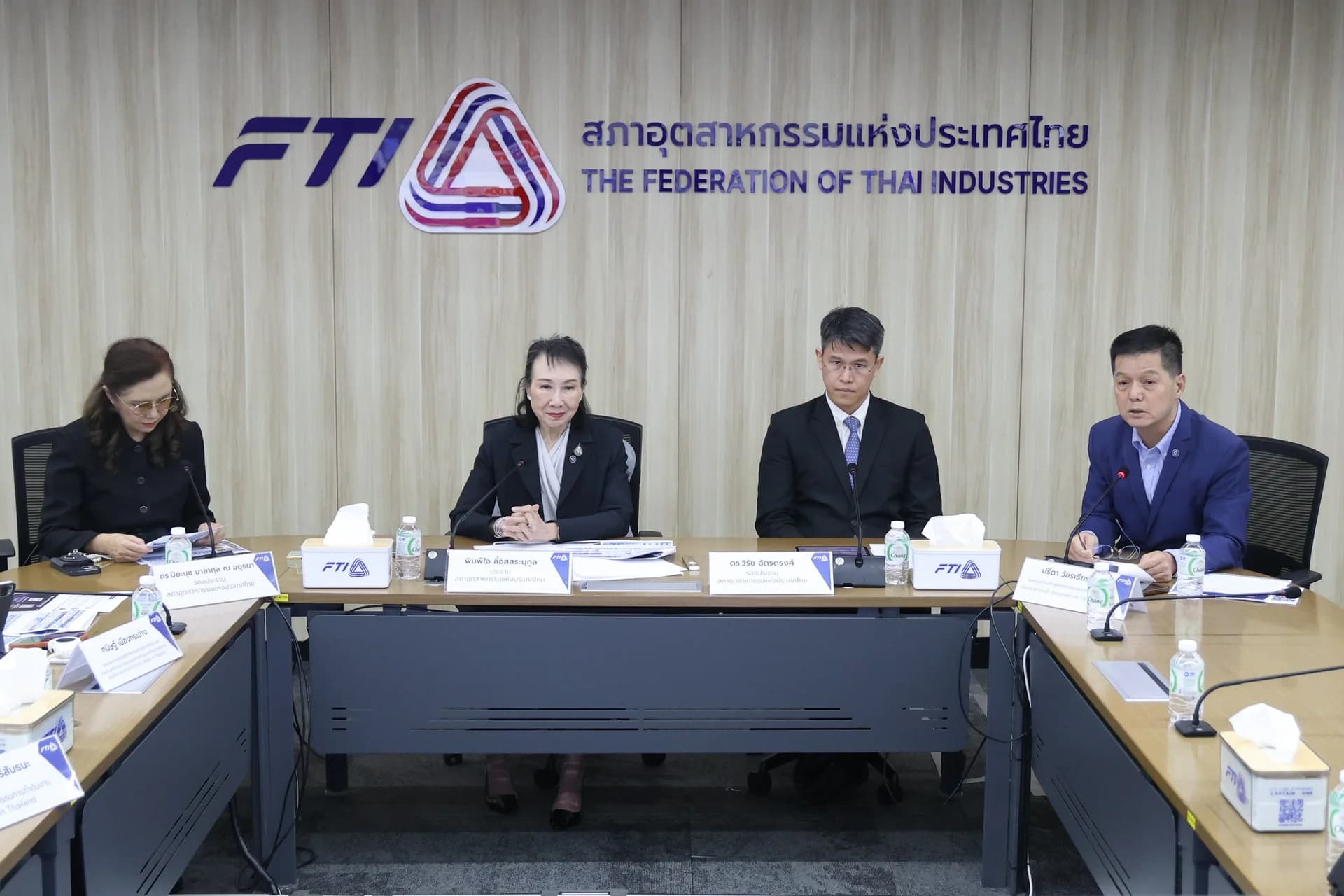
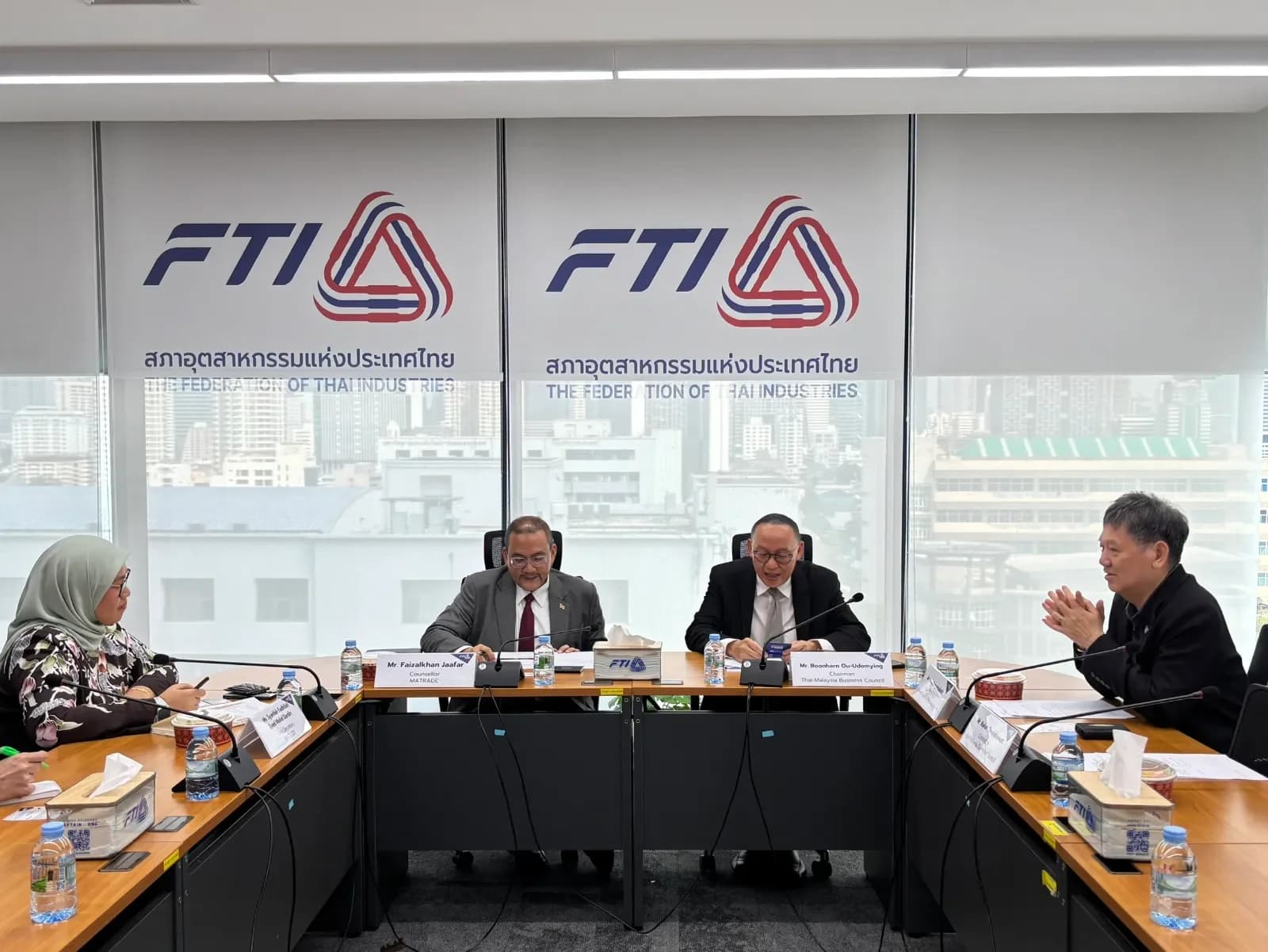
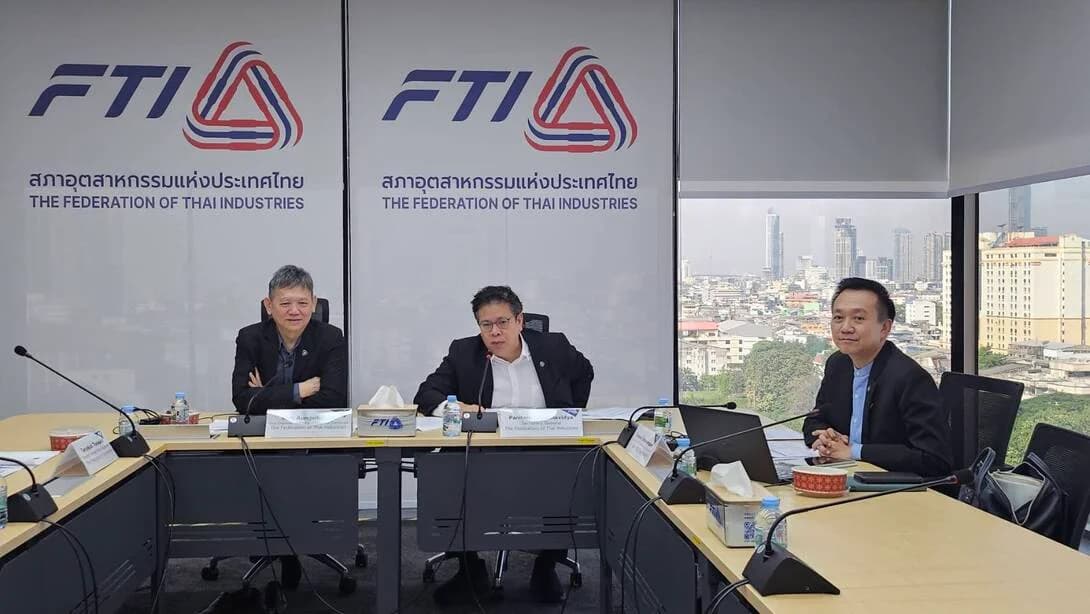
เมื่อวันที่ 21 สิงหาคม 2569 นางพิมพ์ใจ ลี้อิสสระนุกูล ประธานสภาอุตสาหกรรมแห่งประเทศไทย (ส.อ.ท.) และคณะผู้บริหาร ร่วมให้การต้อนรับ Mr. Ichiro ABE ประธาน JETRO Bangkok และ Mr. Hiroyasu KONDO ประธานหอการค้าญี่ปุ่น-กรุงเทพฯ (JCC) พร้อมคณะผู้บริหาร ในโอกาสเข้าพบเพื่อรายงานผลสำรวจดัชนีความเชื่อมั่นนักลงทุนญี่ปุ่นในประเทศไทยช่วงครึ่งแรกของปี 2569 และแลกเปลี่ยนมุมมองต่อทิศทางเศรษฐกิจและอุตสาหกรรมไทย
ผลสำรวจของ JCC สะท้อนว่า ภาคธุรกิจญี่ปุ่นยังมีความกังวลต่อภาวะเศรษฐกิจในระยะสั้นจากต้นทุนวัตถุดิบและชิ้นส่วนที่ปรับตัวสูงขึ้น การแข่งขันที่รุนแรง และกำลังซื้อภายในประเทศที่ชะลอตัว
อย่างไรก็ตาม 71% ของบริษัทญี่ปุ่นยังมีแผนรักษาหรือเพิ่มการลงทุนในไทย และ 79% คาดว่าการส่งออกจะทรงตัวหรือขยายตัว สะท้อนความเชื่อมั่นต่อศักยภาพของประเทศไทยในระยะยาว
ข้อมูลดังกล่าวถือเป็นสัญญาณเชิงบวกต่อภาคอุตสาหกรรมไทย โดยเฉพาะในช่วงที่หลายประเทศกำลังแข่งขันดึงดูดการลงทุนและปรับโครงสร้างห่วงโซ่อุปทานโลก เนื่องจากบริษัทญี่ปุ่นยังคงมองไทยเป็นฐานการผลิตสำคัญของภูมิภาค โดยเฉพาะในอุตสาหกรรมแห่งอนาคต เช่น เซมิคอนดักเตอร์ ดาต้าเซ็นเตอร์ เทคโนโลยีขั้นสูง และอุตสาหกรรมที่เกี่ยวข้องกับการเปลี่ยนผ่านสู่เศรษฐกิจดิจิทัล
ทั้งนี้ ภาคธุรกิจญี่ปุ่นยังสะท้อนข้อกังวลที่ต้องได้รับการแก้ไขอย่างเร่งด่วน ไม่ว่าจะเป็นต้นทุนพลังงาน ความผันผวนของสถานการณ์ภูมิรัฐศาสตร์ การขาดแคลนแรงงานทักษะสูง รวมถึงบุคลากรด้าน AI และวิศวกรรม ซึ่งเป็นปัจจัยสำคัญต่อการตัดสินใจลงทุนในอนาคต
ในส่วนของภาคอุตสาหกรรมไทย ส.อ.ท. เห็นสัญญาณการฟื้นตัวที่ชัดเจนมากขึ้น โดยดัชนีความเชื่อมั่นภาคอุตสาหกรรม (TISI) เดือนกรกฎาคม 2569 ปรับเพิ่มขึ้นมาอยู่ที่ระดับ 90.0 จาก 88.2 ในเดือนก่อนหน้า ขณะที่ดัชนีคาดการณ์ 3 เดือนข้างหน้าอยู่ที่ 96.1 สะท้อนความเชื่อมั่นของผู้ประกอบการที่ดีขึ้น จากแรงสนับสนุนของอุตสาหกรรมยานยนต์ไฟฟ้า การส่งออกสินค้าอุตสาหกรรม และความคืบหน้าด้านการค้าและการลงทุนกับประเทศคู่ค้าสำคัญ
ส.อ.ท. มองว่า ผลสำรวจของ JCC เป็นข้อมูลสำคัญที่สะท้อนความคาดหวังของนักลงทุนต่างชาติ และจะนำไปสู่การผลักดันข้อเสนอเชิงนโยบายร่วมกับภาครัฐ เพื่อยกระดับความสามารถในการแข่งขันของประเทศ พัฒนากำลังคนรองรับอุตสาหกรรมแห่งอนาคต ดูแลต้นทุนพลังงาน และรักษาความเชื่อมั่นของนักลงทุนต่างชาติ เพื่อให้ประเทศไทยยังคงเป็นจุดหมายสำคัญของการลงทุนและการผลิตในภูมิภาคต่อไป
The survey conducted in the first half of the year by the Japanese business sector indicates that while operators still face pressures from costs, competition, and global economic uncertainties, over 70% remain confident and intend to maintain or increase investments in Thailand, reflecting Thailand's role as a vital manufacturing and supply chain hub in the region.
On August 21, 2026, Mrs. Pimjai Leeissaranukul, President of the Federation of Thai Industries (FTI), and executives welcomed Mr. Ichiro ABE, President of JETRO Bangkok, and Mr. Hiroyasu KONDO, President of the Japan Chamber of Commerce in Bangkok (JCC), along with their executive teams. This meeting was an opportunity to discuss the results of the survey on Japanese investor confidence in Thailand for the first half of 2026 and to exchange views on the direction of the Thai economy and industry.
The JCC survey reflects that the Japanese business sector still has concerns about the short-term economic situation due to rising raw material and component costs, intense competition, and domestic purchasing power slowing down.
However, 71% of Japanese companies still plan to maintain or increase their investments in Thailand, and 79% expect exports to remain stable or expand, reflecting confidence in Thailand's long-term potential.
This information is seen as a positive sign for the Thai industrial sector, especially at a time when many countries are competing to attract investments and restructure their global supply chains, as Japanese companies still view Thailand as a crucial manufacturing base in the region, particularly in future industries such as semiconductors, data centers, advanced technology, and industries related to the transition to a digital economy.
Moreover, the Japanese business sector continues to express concerns that require urgent attention, including energy costs, geopolitical volatility, and a shortage of skilled labor, particularly in AI and engineering, which are key factors in future investment decisions.
Regarding the Thai industrial sector, the FTI observes clearer signs of recovery, as the Industrial Confidence Index (TISI) for July 2026 rose to a level of 90.0 from 88.2 the previous month, while the three-month outlook index stands at 96.1, reflecting improved confidence among operators thanks to support from the electric vehicle industry, industrial goods exports, and progress in trade and investment with key partner countries.
The FTI views the JCC survey results as essential data reflecting the expectations of foreign investors. This will lead to the promotion of policy proposals in collaboration with the government to enhance the country’s competitiveness, develop skilled labor to support future industries, manage energy costs, and maintain the confidence of foreign investors, ensuring that Thailand continues to be a crucial destination for investment and production in the region.