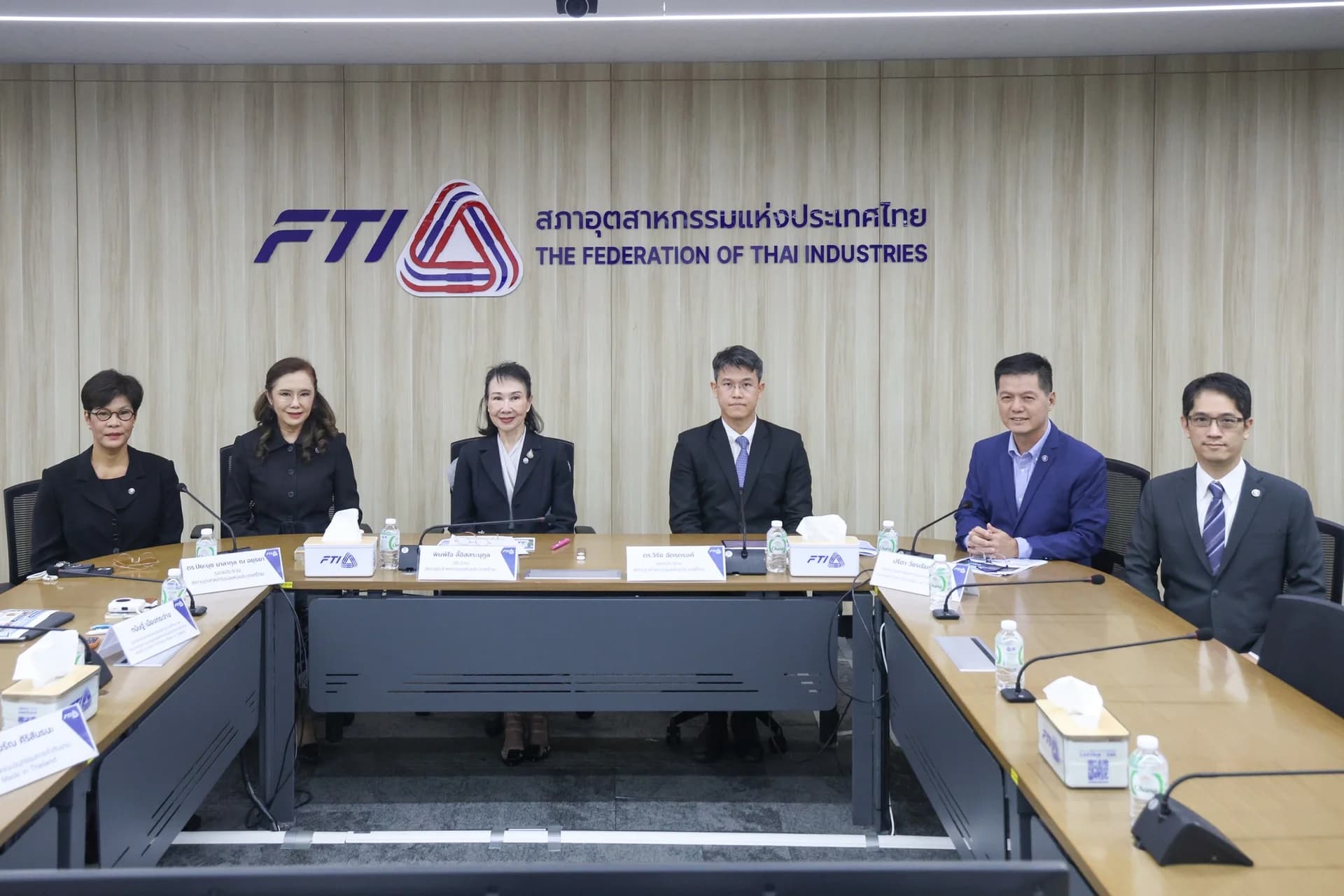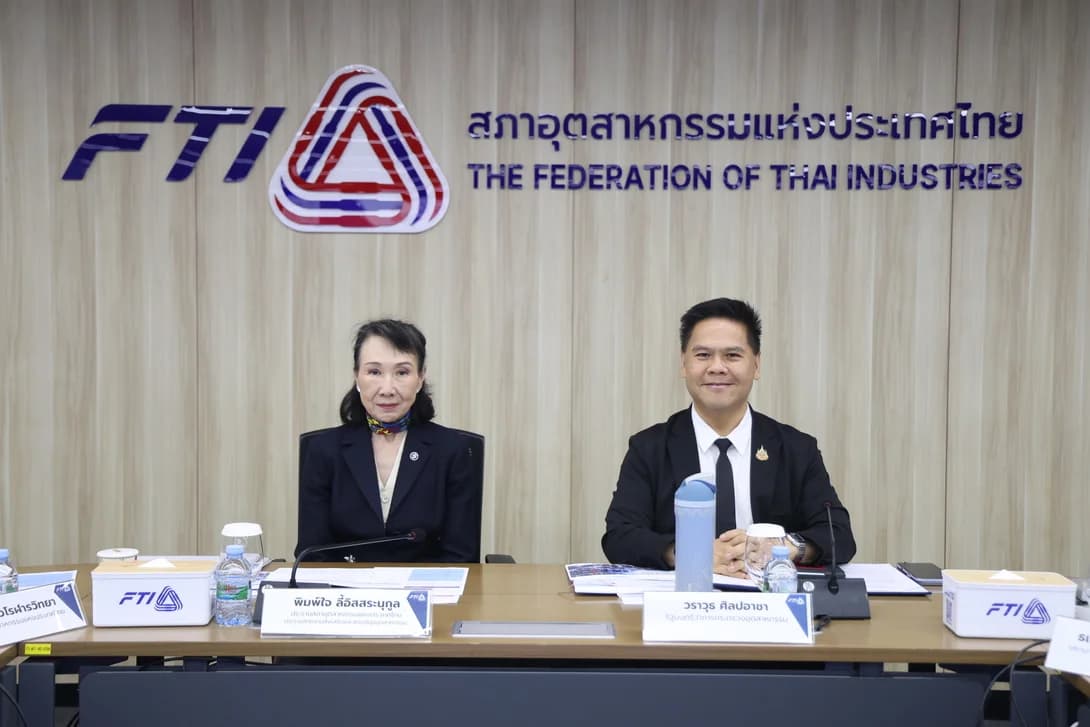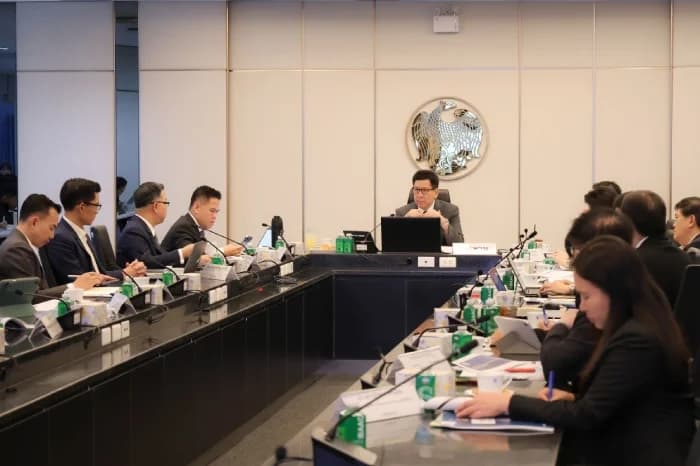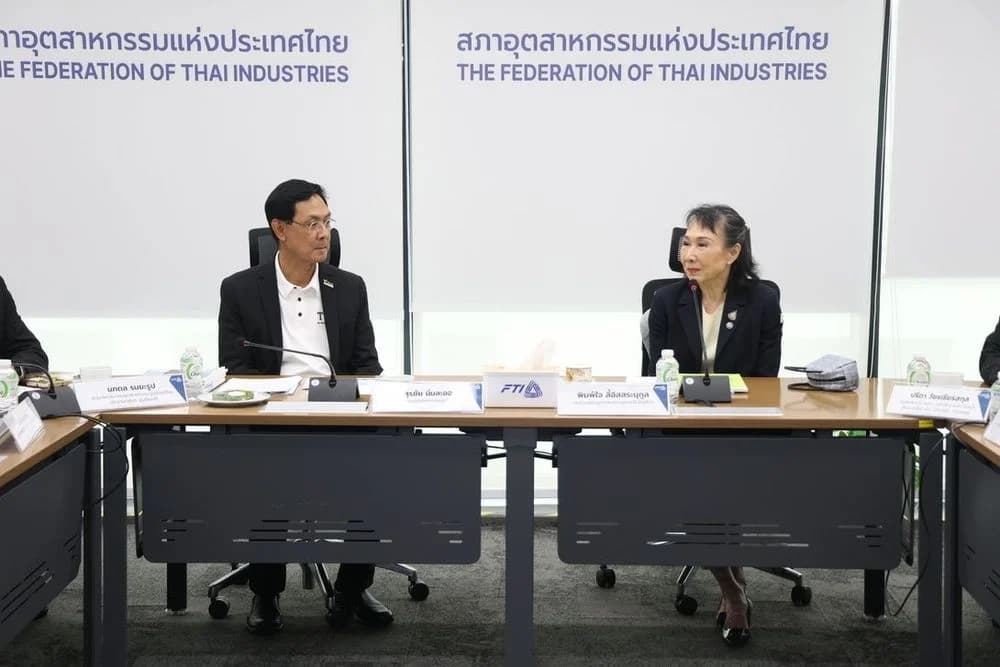

นายปณิธาน ปวโรฬารวิทยา เลขาธิการสภาอุตสาหกรรมแห่งประเทศไทย (ส.อ.ท.) พร้อมด้วย นายวชิระชัย คูนำวัฒนา รองประธานสายงานเศรษฐกิจและวิชาการ ดร.ปิยะนุช มาลากุล ณ อยุธยา รองประธาน ส.อ.ท. และนายนที สิทธิประศาสน์ กรรมการบริหาร ส.อ.ท. ร่วมแถลงผลการสำรวจดัชนีความเชื่อมั่นภาคอุตสาหกรรม ประจำเดือนกรกฎาคม 2569 อยู่ที่ระดับ 90.0 ปรับตัวเพิ่มขึ้นจากระดับ 88.2 ในเดือนมิถุนายน 2569
การปรับตัวเพิ่มขึ้นของดัชนีฯ มีปัจจัยสนับสนุนจากการขยายตัวอย่างต่อเนื่องของตลาดยานยนต์ไฟฟ้า โดยยอดขายในช่วง 6 เดือนแรกของปี 2569 เพิ่มขึ้นร้อยละ 93.07 เมื่อเทียบกับช่วงเดียวกันของปีก่อน ประกอบกับการเร่งผลิตรถยนต์ไฟฟ้าในประเทศตามเงื่อนไขการผลิตชดเชยการนำเข้า ซึ่งส่งผลเชิงบวกต่อห่วงโซ่อุปทานของอุตสาหกรรมที่เกี่ยวเนื่อง
ขณะเดียวกัน การเร่งเจรจาการค้าและการลงทุนกับคู่ค้าหลัก อาทิ สหรัฐอเมริกา สหภาพยุโรป และจีน มีส่วนช่วยเปิดโอกาสทางการตลาดและลดข้อจำกัดทางการค้าสำหรับสินค้าไทย ประกอบกับการส่งออกสินค้าอุตสาหกรรม เช่น ฮาร์ดดิสก์ไดรฟ์และส่วนประกอบ รวมถึงชิ้นส่วนยานยนต์ มีแนวโน้มขยายตัวต่อเนื่องในตลาดสำคัญ อาทิ สหรัฐอเมริกาและญี่ปุ่น
นอกจากนี้ มาตรการนำผลประโยชน์ส่วนเกินจากค่าการกลั่นมาใช้พยุงราคาขายปลีกน้ำมันเชื้อเพลิง อาทิ น้ำมันดีเซล บี 0 บี 7 และบี 20 ส่งผลให้ราคาปรับลดลง 2.40 บาทต่อลิตร ในช่วงวันที่ 24 กรกฎาคม–15 สิงหาคม 2569 ช่วยบรรเทาภาระค่าครองชีพของประชาชนและลดต้นทุนด้านการขนส่งในระยะสั้น ขณะที่มาตรการ “ไทยช่วยไทยพลัส” มีส่วนช่วยกระตุ้นยอดขายของผู้ประกอบการวิสาหกิจขนาดกลางและขนาดย่อม (SMEs) โดยเฉพาะกลุ่มสินค้าอุปโภคบริโภค อาหาร และเครื่องดื่ม
อย่างไรก็ตาม แม้ดัชนีความเชื่อมั่นภาคอุตสาหกรรมจะปรับตัวดีขึ้น แต่ภาคอุตสาหกรรมยังมีปัจจัยเสี่ยงที่ต้องติดตามอย่างใกล้ชิด โดยเฉพาะความขัดแย้งระหว่างสหรัฐอเมริกาและอิหร่านที่กลับมาทวีความรุนแรงขึ้น ซึ่งอาจส่งผลให้ราคาน้ำมัน ค่าระวางเรือ และต้นทุนการผลิตปรับตัวสูงขึ้น
ขณะเดียวกัน การบังคับใช้มาตรการภาษีนำเข้าสินค้าไทยในอัตราร้อยละ 12.5 ภายใต้มาตรา 301 ของสหรัฐอเมริกา อาจเพิ่มต้นทุนการส่งออกสินค้าบางกลุ่มไปยังตลาดสหรัฐฯ ในระยะต่อไป นอกจากนี้ โครงการก่อสร้างภาครัฐใหม่มีแนวโน้มล่าช้า โดยเฉพาะโครงการขนาดใหญ่ ซึ่งอาจกดดันคำสั่งซื้อวัสดุก่อสร้างใหม่
ด้านการท่องเที่ยว จำนวนนักท่องเที่ยวปรับตัวลดลงร้อยละ 3.1 เมื่อเทียบกับช่วงเดียวกันของปีก่อน ส่งผลให้กำลังซื้อในพื้นที่ท่องเที่ยวชะลอตัวลง ขณะที่หนี้เสียของผู้ประกอบการวิสาหกิจขนาดกลางและขนาดย่อม (SMEs) มีแนวโน้มเพิ่มขึ้น โดยแตะระดับร้อยละ 9.5 ซึ่งเป็นปัจจัยกดดันต่อสภาพคล่องและความสามารถในการดำเนินธุรกิจของผู้ประกอบการ
จากผลการสำรวจผู้ประกอบการจำนวน 1,330 ราย ครอบคลุม 48 กลุ่มอุตสาหกรรมของ ส.อ.ท. ในเดือนกรกฎาคม 2569 พบว่าปัจจัยที่ผู้ประกอบการมีความกังวลลดลง ได้แก่ ราคาพลังงาน ร้อยละ 53.2 เศรษฐกิจภายในประเทศ ร้อยละ 51.7 อัตราแลกเปลี่ยน (โดยเฉพาะในมุมมองของผู้ส่งออก) ร้อยละ 25.1 การเข้าถึงสินเชื่อ ร้อยละ 25.0 และอัตราดอกเบี้ยเงินกู้ ร้อยละ 21.4 ส่วนปัจจัยที่ผู้ประกอบการมีความกังวลเพิ่มขึ้น ได้แก่ เศรษฐกิจโลก ร้อยละ 62.1 นโยบายภาครัฐ ร้อยละ 34.6
ขณะที่ ดัชนีความเชื่อมั่นภาคอุตสาหกรรมคาดการณ์ในช่วง 3 เดือนข้างหน้า อยู่ที่ระดับ 96.1 ปรับตัวเพิ่มขึ้นจากระดับ 94.5 ในเดือนมิถุนายน 2569 โดยมีปัจจัยสนับสนุนจากหลายด้าน ได้แก่ การเป็นเจ้าภาพจัดการประชุมกองทุนการเงินระหว่างประเทศและธนาคารโลก (IMF–World Bank) ซึ่งคาดว่าจะช่วยกระตุ้นกิจกรรมทางเศรษฐกิจและยกระดับภาพลักษณ์ของประเทศไทยในเวทีระหว่างประเทศ
นอกจากนี้ ค่าไฟฟ้าเฉลี่ยสำหรับงวดเดือนกันยายน–ธันวาคม 2569 ลดลง 9 สตางค์ต่อหน่วย เหลือ 3.86 บาทต่อหน่วย หลังสำนักงานคณะกรรมการกำกับกิจการพลังงาน (สำนักงาน กกพ.) มีมติตัดค่าใช้จ่ายไฟฟ้าสาธารณะออกจากค่าไฟฐาน ซึ่งจะช่วยบรรเทาภาระต้นทุนการผลิตของผู้ประกอบการ ขณะเดียวกัน นโยบายการเปิดตลาดซื้อขายไฟฟ้าสะอาดโดยตรง (Direct Power Purchase Agreement: Direct PPA) จะเพิ่มทางเลือกให้ภาคธุรกิจสามารถเข้าถึงพลังงานสะอาดได้มากขึ้น และสนับสนุนการเปลี่ยนผ่านสู่เศรษฐกิจคาร์บอนต่ำ
อย่างไรก็ตาม ยังคงมีปัจจัยเสี่ยงที่ต้องติดตามอย่างใกล้ชิด โดยเฉพาะสถานการณ์ความขัดแย้งในตะวันออกกลางที่มีแนวโน้มยืดเยื้อ ซึ่งอาจส่งผลให้แรงกดดันด้านเงินเฟ้อเพิ่มขึ้นในปีนี้ ขณะเดียวกัน การส่งออกไปยังตลาดตะวันออกกลางมีแนวโน้มหดตัว และอาจกดดันภาคการผลิต โดยเฉพาะอุตสาหกรรมยานยนต์และชิ้นส่วน ผลิตภัณฑ์ไม้ ผลิตภัณฑ์ยาง และเครื่องปรับอากาศ
นอกจากนี้ เงื่อนไขการใช้โครงข่ายไฟฟ้า อาจเป็นอีกปัจจัยที่ส่งผลต่อการตัดสินใจลงทุนของภาคเอกชน โดยการกำหนดหลักประกันในอัตรา 4.5 ล้านบาทต่อเมกะวัตต์ อาจเพิ่มภาระต้นทุนและเป็นข้อจำกัดต่อการลงทุนในโครงการพลังงานสะอาดในระยะต่อไป
ข้อเสนอแนะต่อภาครัฐ
1. เสนอให้ภาครัฐส่งเสริมการใช้เชื้อเพลิงชีวภาพเป็นเชื้อเพลิงยุทธศาสตร์ (Strategic Fuel) โดยเร่งส่งเสริมการใช้แก๊สโซฮอล์ E20 ให้เป็นน้ำมันพื้นฐาน ส่งเสริมการผลิตไบโอดีเซล B7–B20 ในภาคขนส่ง และเชื้อเพลิงอากาศยานยั่งยืน (SAF) เพื่อลดการพึ่งพาน้ำมันนำเข้าและเพิ่มมูลค่าวัตถุดิบทางการเกษตรภายในประเทศ
2. เสนอให้ภาครัฐยกระดับระบบตรวจสอบย้อนกลับ (Traceability) แหล่งกำเนิดสินค้าตลอดห่วงโซ่อุปทาน ควบคู่กับการยกระดับมาตรการควบคุมสินค้านำเข้าที่ผลิตด้วยแรงงานบังคับ และสนับสนุน SMEs ให้ปรับตัวตามมาตรฐานสากล เพื่อลดความเสี่ยงจากมาตรการทางการค้าภายใต้มาตรา 301 ของสหรัฐฯ
3. เสนอให้ภาครัฐเร่งส่งเสริมการเข้าถึงแหล่งเงินทุนของ SMEs ผ่านกลไก Supply Chain Financing ควบคู่กับการออกมาตรการจูงใจบริษัทขนาดใหญ่เข้าร่วมโครงการ “พี่ช่วยน้อง” รวมถึงสนับสนุนอัตราดอกเบี้ยต่ำ (Soft Loan) เพื่อสร้างโอกาสในการเข้าถึงสินเชื่อ SMEs ในห่วงโซ่อุปทาน
ทั้งนี้ ส.อ.ท. ได้รวบรวมผลสำรวจดัชนีความเชื่อมั่นภาคอุตสาหกรรมและข้อมูลตัวชี้วัดเศรษฐกิจและอุตสาหกรรมย้อนหลัง 3 ปี จัดทำเป็น Dashboard เผยแพร่ผ่านเว็บไซต์ Industry Data Space (iDS) เพื่ออำนวยความสะดวกแก่ผู้ประกอบการและประชาชนในการเข้าถึงข้อมูลสำหรับใช้ประโยชน์ทางธุรกิจ โดยสามารถเข้าดูข้อมูลได้ที่ https://fti.or.th/ids
.......................................................................
เผยแพร่โดย ฝ่ายสื่อสารองค์กร สภาอุตสาหกรรมแห่งประเทศไทย (โทร. 0-2345-1051)
จัดทำข้อมูลโดย ฝ่ายเศรษฐกิจและวิชาการ สภาอุตสาหกรรมแห่งประเทศไทย (โทร. 0-2345-1111)
Mr. Panithan Pawarolwarit, Secretary-General of the Federation of Thai Industries (FTI), along with Mr. Wachirachai Koonamwattana, Vice President of the Economic and Academic Sector, Dr. Piyanuch Malakul Na Ayutthaya, Vice President of FTI, and Mr. Natee Sittiprasat, Executive Board Member of FTI, jointly announced the results of the industrial confidence index survey for July 2026, which stands at 90.0, an increase from 88.2 in June 2026.
The increase in the index is supported by the continued expansion of the electric vehicle market, with sales in the first six months of 2026 increasing by 93.07% compared to the same period last year. This is coupled with accelerated domestic production of electric vehicles under the import substitution policy, positively affecting the supply chain in related industries.
At the same time, the acceleration of trade negotiations and investments with key partners, such as the United States, the European Union, and China, has opened market opportunities and reduced trade barriers for Thai products. Additionally, exports of industrial goods, such as hard disk drives and components, as well as automotive parts, are expected to continue expanding in major markets, including the United States and Japan.
Furthermore, the measures to utilize excess benefits from refining margins to support retail fuel prices, such as diesel B0, B7, and B20, have resulted in a decrease of 2.40 Baht per liter during the period from July 24 to August 15, 2026, helping to ease the cost of living for the public and reduce transportation costs in the short term. Meanwhile, the “Thai Helps Thai Plus” initiative has stimulated sales for small and medium-sized enterprises (SMEs), particularly in the consumer goods, food, and beverage sectors.
However, despite the improved industrial confidence index, the industrial sector still faces risks that need to be monitored closely, particularly the escalating conflict between the United States and Iran, which could lead to increased oil prices, shipping costs, and production costs.
At the same time, the enforcement of a 12.5% import tax on Thai products under Section 301 of the United States may increase export costs for certain goods to the U.S. market in the near future. Additionally, new public construction projects are likely to be delayed, especially large-scale projects, which may pressure new orders for construction materials.
In terms of tourism, the number of tourists has decreased by 3.1% compared to the same period last year, resulting in a slowdown in purchasing power in tourist areas. Meanwhile, non-performing loans among SMEs are on the rise, reaching 9.5%, which adds pressure on liquidity and business operation capabilities.
According to a survey of 1,330 operators covering 48 industry groups from FTI in July 2026, it was found that the concerns regarding certain factors have decreased, including energy prices at 53.2%, domestic economy at 51.7%, exchange rates (especially from the exporter’s perspective) at 25.1%, access to credit at 25.0%, and interest rates on loans at 21.4%. Meanwhile, the concerns regarding the global economy have increased to 62.1%, and government policies to 34.6%.
The industrial confidence index forecast for the next three months stands at 96.1, an increase from 94.5 in June 2026, supported by various factors, including hosting the International Monetary Fund and World Bank (IMF–World Bank) meetings, which are expected to stimulate economic activities and enhance Thailand's image on the international stage.
Additionally, the average electricity rate for the period from September to December 2026 has decreased by 9 Satang per unit to 3.86 Baht per unit after the Energy Regulatory Commission decided to remove public electricity costs from the base electricity rate, which will help alleviate production costs for operators. At the same time, the policy of opening a direct clean energy trading market (Direct Power Purchase Agreement: Direct PPA) will provide more options for businesses to access clean energy and support the transition to a low-carbon economy.
However, there are still risk factors that need to be closely monitored, especially the prolonged conflict situation in the Middle East which may increase inflationary pressure this year. Meanwhile, exports to the Middle East markets are likely to contract and could pressure the production sector, particularly in the automotive and components, wood products, rubber products, and air conditioning industries.
Moreover, the conditions for using the power grid may also be another factor affecting private sector investment decisions, as the requirement for collateral at the rate of 4.5 million Baht per megawatt may increase cost burdens and limit investment in clean energy projects in the future.
Recommendations to the Government
1. Recommend that the government promote the use of biofuels as a strategic fuel by accelerating the use of E20 gasohol as a base oil, promoting biodiesel B7–B20 production in the transportation sector, and sustainable aviation fuel (SAF) to reduce dependence on imported oil and increase the added value of domestic agricultural raw materials.
2. Recommend that the government enhance the traceability system of product origins throughout the supply chain, alongside upgrading measures to control imported goods produced with forced labor, and support SMEs to adapt to international standards to reduce risk from trade measures under Section 301 of the U.S.
3. Recommend that the government expedite the promotion of SMEs' access to funding sources through Supply Chain Financing mechanisms alongside implementing incentives for large companies to participate in the “Big Brother Helps Little Brother” program, including supporting low-interest rate loans (Soft Loan) to create opportunities for SMEs to access credit within the supply chain.
FTI has compiled the results of the industrial confidence index survey and economic and industrial indicators for the past three years into a Dashboard, published on the Industry Data Space (iDS) website to facilitate operators and the public in accessing data for business benefits. The information can be accessed at https://fti.or.th/ids
.......................................................................
Published by the Corporate Communication Department of the Federation of Thai Industries (Tel. 0-2345-1051)
Data prepared by the Economic and Academic Department of the Federation of Thai Industries (Tel. 0-2345-1111)