
กติกาด้านสิ่งแวดล้อมกำลังมีบทบาทต่อการดำเนินธุรกิจและความสามารถในการแข่งขันของภาคอุตสาหกรรมมากขึ้น ขณะเดียวกันผู้ประกอบการต้องสามารถปรับตัวได้โดยไม่ต้องแบกรับภาระที่เกินความจำเป็น ส.อ.ท. และกรมโรงงานอุตสาหกรรมจึงเดินหน้าหารือเพื่อเชื่อม “กฎหมาย–เทคโนโลยี–การปฏิบัติจริง” ให้สามารถเดินไปด้วยกัน
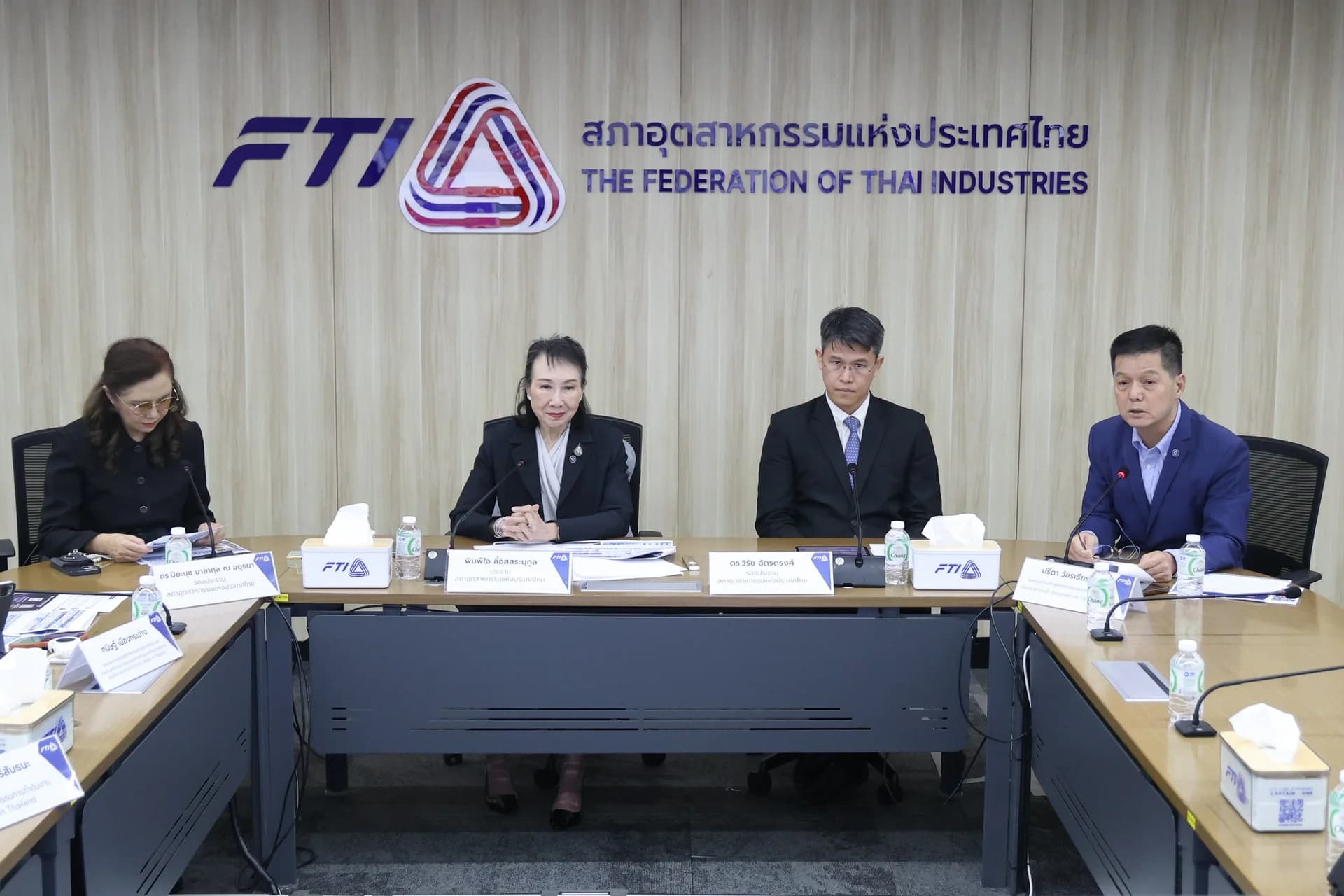
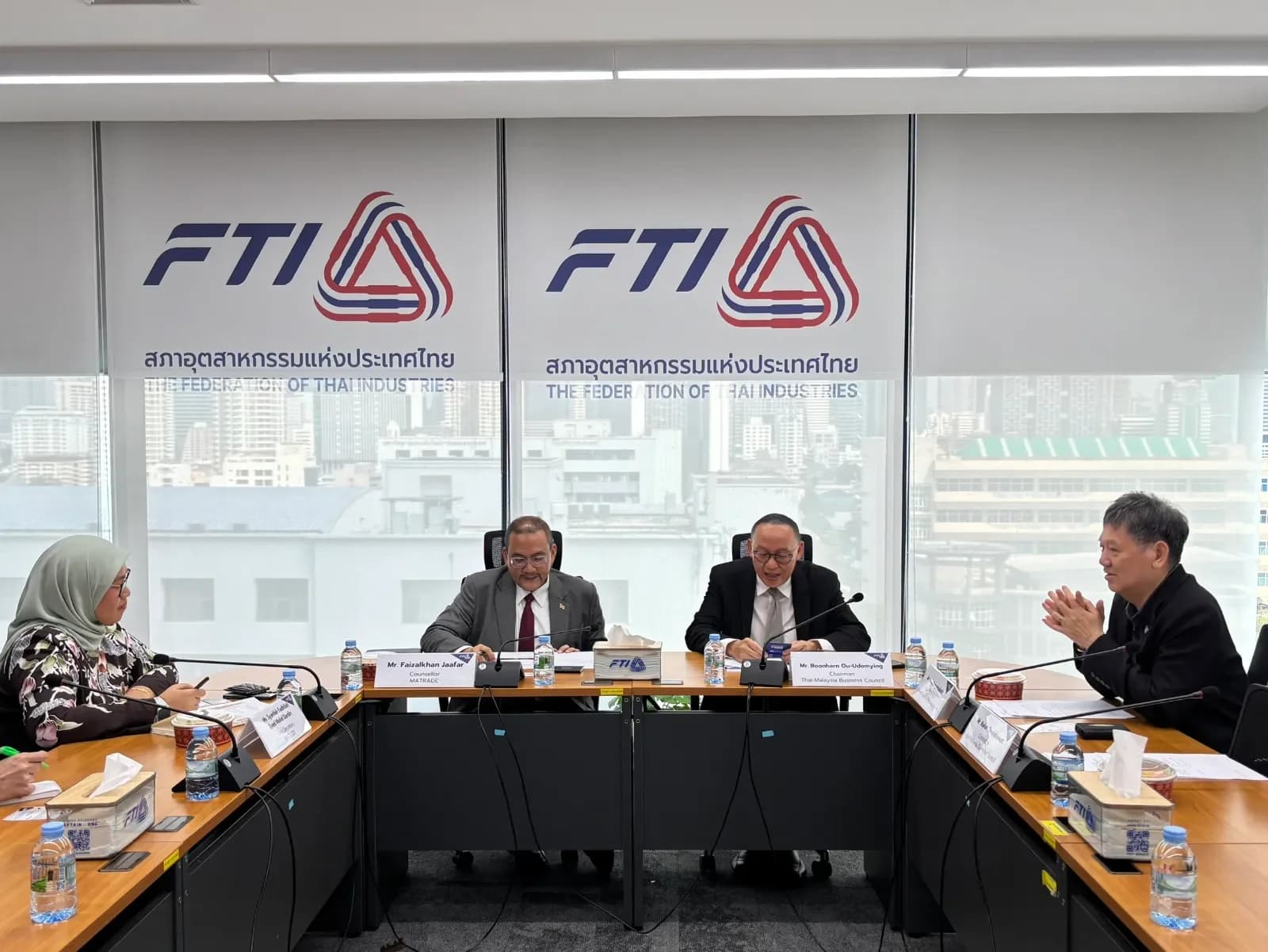
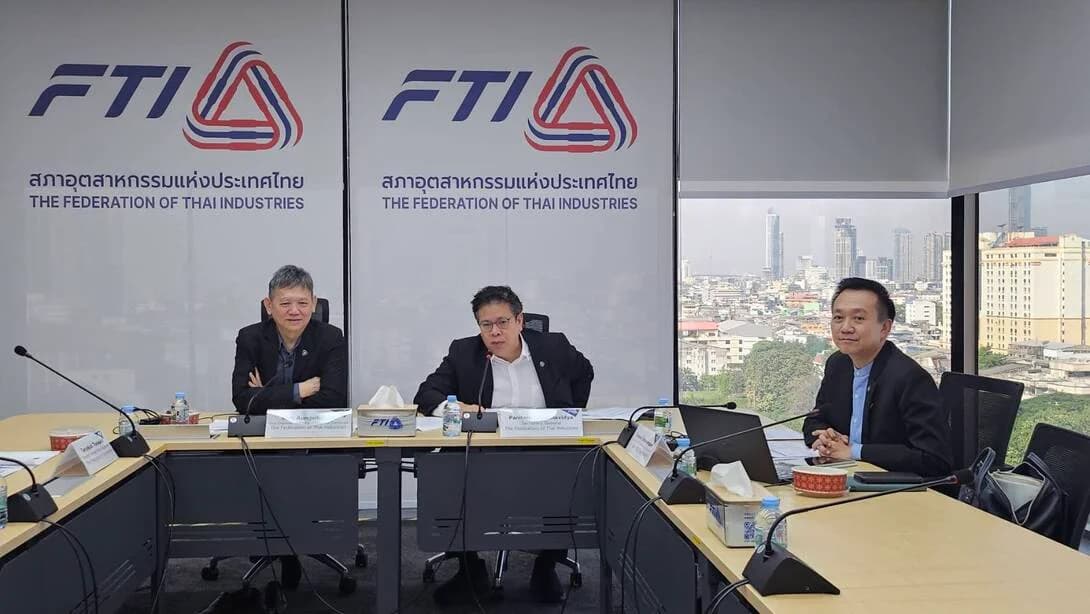
เมื่อวันที่ 17 สิงหาคม 2569 นายปรีดา วัชรเธียรสกุล รองประธานสภาอุตสาหกรรมแห่งประเทศไทย (ส.อ.ท.) และประธานสถาบันน้ำ สิ่งแวดล้อม และ Climate Change พร้อมคณะผู้บริหารสถาบันฯ เข้าพบนายพรยศ กลั่นกรอง อธิบดีกรมโรงงานอุตสาหกรรม ณ ห้องประชุม 505 อาคารกรมโรงงานอุตสาหกรรม เพื่อหารือแนวทางยกระดับความร่วมมือด้านสิ่งแวดล้อมและความปลอดภัยในภาคอุตสาหกรรม
[ปรับกฎหมายให้ “กำกับได้จริง” และไม่เพิ่มภาระเกินจำเป็น]
หนึ่งในประเด็นสำคัญคือการเปิดให้ภาคอุตสาหกรรมมีส่วนร่วมในการจัดทำและพัฒนากฎหมาย เพื่อให้กฎระเบียบสามารถใช้กำกับดูแลได้อย่างมีประสิทธิภาพ และสอดคล้องกับสภาพการดำเนินงานจริง โดยยึดหลัก “ผู้ก่อมลพิษเป็นผู้จ่าย” (Polluter Pays Principle: PPP) เป็นแนวทางสำคัญ
ครอบคลุมทั้งร่างพระราชบัญญัติการจัดการกากอุตสาหกรรม ร่างพระราชบัญญัติโรงงาน และร่างมาตรฐานการปนเปื้อนในดินและน้ำใต้ดิน เพื่อสร้างสมดุลระหว่างการยกระดับมาตรฐานสิ่งแวดล้อมกับความสามารถในการปฏิบัติตามของผู้ประกอบการ
[ใช้ AI ลดขั้นตอน เปลี่ยน “กาก” ให้เป็นทรัพยากร]
อีกประเด็นที่น่าจับตาคือการนำ AI มาใช้ในกระบวนการพิจารณาอนุญาตด้านการจัดการกากอุตสาหกรรมผ่านระบบ Automatic E-License เพื่อเพิ่มความรวดเร็วและแม่นยำในการอนุญาตและกำกับดูแล
พร้อมกันนี้ ยังผลักดันแนวคิด Circular Economy และ End-of-Waste เพื่อให้กากอุตสาหกรรมที่สามารถนำกลับมาใช้ประโยชน์ได้ถูกเปลี่ยนจาก “ของเสีย” ให้กลายเป็นวัตถุดิบหรือทรัพยากรที่สร้างมูลค่าได้อย่างเหมาะสม ซึ่งจะช่วยทั้งลดปริมาณของเสียและเพิ่มประสิทธิภาพการใช้ทรัพยากรของภาคอุตสาหกรรม
นอกจากนี้ ยังหารือเรื่องการเทียบเคียงมาตรฐาน Eco Factory กับ Green Industry การเพิ่มผลิตภาพการใช้น้ำ (Water Productivity) และการพัฒนามาตรฐานรับมือภาวะฉุกเฉิน เพื่อเพิ่มความพร้อมในการป้องกันและลดผลกระทบที่อาจเกิดขึ้นกับโรงงาน ชุมชน และสิ่งแวดล้อม
[ไม่จบที่การหารือ เดินหน้าติดตามทุก 2 เดือน]
เพื่อให้ความร่วมมือเกิดผลต่อเนื่อง ทั้งสองฝ่ายได้แต่งตั้งผู้ประสานงานของแต่ละฝ่าย และกำหนดจัดเวทีหารือร่วมกันทุก 2 เดือน เพื่อรายงานความคืบหน้า แลกเปลี่ยนข้อเสนอ และผลักดันประเด็นที่เห็นร่วมกันไปสู่การดำเนินงานจริง
ความร่วมมือดังกล่าวสอดคล้องกับวิสัยทัศน์ “The New Chapter of Thai Industry: Empowering Growth with 5I” ของ ส.อ.ท. วาระปี 2569–2571 โดยเฉพาะยุทธศาสตร์ I5 – Inclusive Sustainability ที่มุ่งให้อุตสาหกรรมไทยเติบโตอย่างยั่งยืน ใช้ทรัพยากรอย่างมีประสิทธิภาพ และเร่งการเปลี่ยนผ่านสู่ Low Carbon Industry ควบคู่กับการประยุกต์ใช้ ESG เพื่อเสริมขีดความสามารถในการแข่งขันของอุตสาหกรรมไทยในระยะยาว
ทั้งนี้ คณะผู้บริหารสถาบันฯ ของ ส.อ.ท. ที่เข้าร่วม ได้แก่ นายพีรชัย ทินกรศรีสุภาพ นางสุภาวิณี กฤษณาวัฒนา นายวิสุทธ จงเจริญกิจ นางสุมิตรา วิทิตกนกธำรง นายพิษณุ จารุพัฒนะสิริกุล นางสาวสุนีย์ วรวุฒางกูร นายพร้อมพร อิศรางกูร ณ อยุธยา และนายนพกฤษฏิ์ ศิริธีรเมธารัฐ
Environmental regulations are increasingly impacting business operations and the competitiveness of the industrial sector. At the same time, entrepreneurs must be able to adapt without bearing unnecessary burdens. Thus, the FTI and the Department of Industrial Works have moved forward in discussions to connect “laws–technology–practical implementation” so they can function together.
On August 17, 2026, Mr. Prida Watcharathiansakul, Vice Chairman of the Federation of Thai Industries (FTI) and President of the Water, Environment, and Climate Change Institute, along with the institute's executive team, met with Mr. Pornyod Klanakorn, Director-General of the Department of Industrial Works, at Conference Room 505, Department of Industrial Works, to discuss ways to enhance cooperation on environmental and safety issues in the industrial sector.
[Amend Laws for Effective Regulation Without Unnecessary Burden]
One of the key issues is to allow the industrial sector to participate in the formulation and development of laws to ensure that regulations can be effectively implemented and aligned with actual operational conditions, based on the principle of “the polluter pays” (Polluter Pays Principle: PPP) as a fundamental guideline.
This includes draft legislation on industrial waste management, draft factory laws, and draft standards for soil and groundwater contamination to create a balance between enhancing environmental standards and the compliance capabilities of operators.
[Utilize AI to Reduce Steps, Transform “Waste” into Resources]
Another noteworthy point is the use of AI in the permitting process for industrial waste management through the Automatic E-License system to improve the speed and accuracy of permits and regulations.
Additionally, efforts are being made to promote the concepts of Circular Economy and End-of-Waste, allowing industrial waste that can be reused to be transformed from “waste” into valuable raw materials or resources, which will help reduce waste volume and enhance resource efficiency in the industrial sector.
Moreover, there are discussions about benchmarking Eco Factory standards with Green Industry, increasing water productivity, and developing emergency response standards to enhance readiness in preventing and mitigating potential impacts on factories, communities, and the environment.
[Continuous Follow-Up Every Two Months]
To ensure ongoing collaboration, both parties have appointed coordinators and scheduled joint discussion forums every two months to report progress, exchange proposals, and advance shared issues into practical implementation.
This collaboration aligns with the vision “The New Chapter of Thai Industry: Empowering Growth with 5I” of the FTI for the period 2026-2028, particularly the I5 strategy – Inclusive Sustainability, which aims for sustainable growth in the Thai industry, efficient resource use, and acceleration towards a Low Carbon Industry alongside the application of ESG to enhance the competitiveness of the Thai industry in the long term.
Among the executive team of the FTI participating in this initiative are Mr. Pirachai Thingrasrisupab, Mrs. Supawinee Krisnawattana, Mr. Wisuth Jongjaroenkij, Mrs. Sumitra Wittitkanokthamak, Mr. Phitsanu Jarupattanasirikul, Ms. Suniy Worasangkoor, Mr. Promporn Isarangkun Na Ayutthaya, and Mr. Nopparakrit Sirithiramatara.