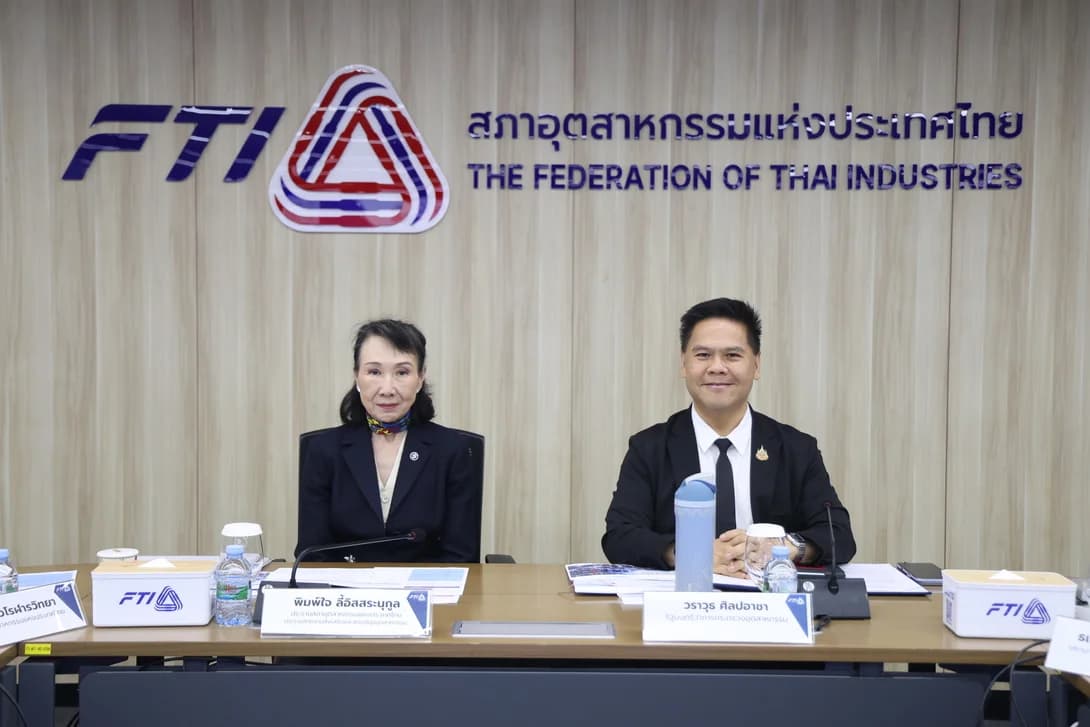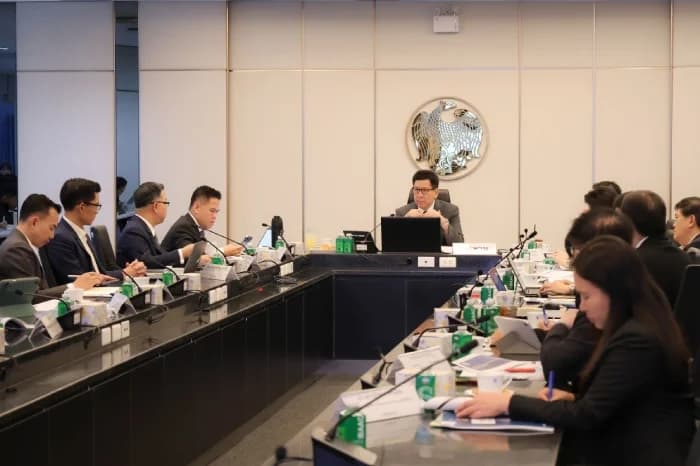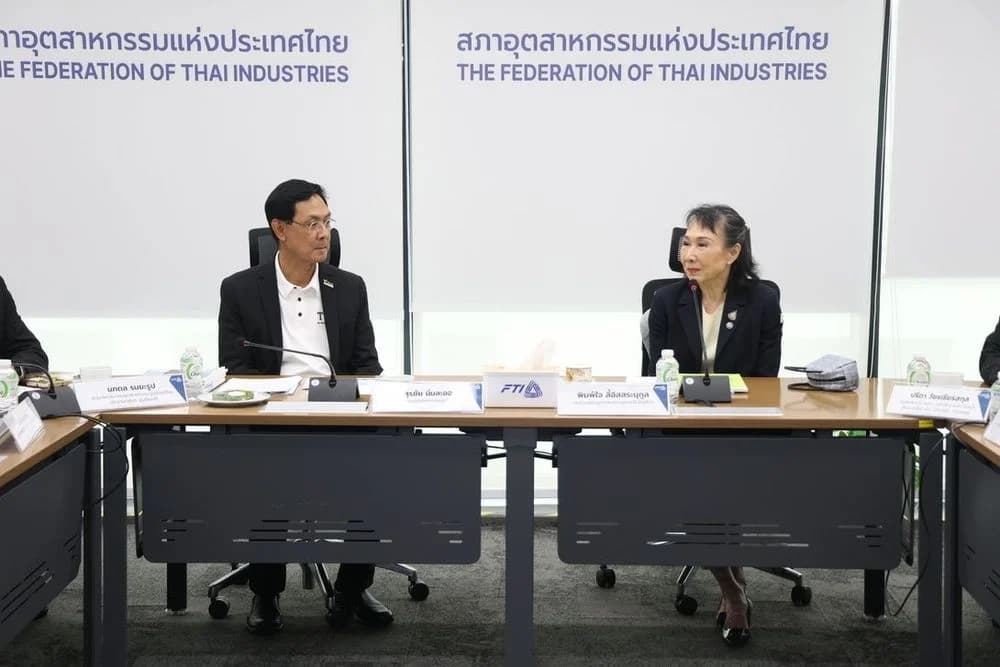

เมื่อวันที่ 13 สิงหาคม 2569 นายปณิธาน ปวโรฬารวิทยา เลขาธิการสภาอุตสาหกรรมแห่งประเทศไทย (ส.อ.ท.) เข้าร่วมการประชุมคณะกรรมการพัฒนาอุตสาหกรรมแห่งชาติ (กอช.) ครั้งที่ 1/2569 โดยมีนางศุภจี สุธรรมพันธุ์ รองนายกรัฐมนตรี ในฐานะประธานกรรมการ กอช. เป็นประธานการประชุม พร้อมด้วย นายวราวุธ ศิลปอาชา รัฐมนตรีว่าการกระทรวงอุตสาหกรรม นายไชยชนก ชิดชอบ รัฐมนตรีว่าการกระทรวงดิจิทัลเพื่อเศรษฐกิจและสังคม รวมถึงผู้บริหารภาครัฐ และเอกชนที่เกี่ยวข้อง เพื่อหารือและติดตามแนวทางการขับเคลื่อนการพัฒนาอุตสาหกรรมของประเทศให้สอดคล้องกับทิศทางเศรษฐกิจและการเปลี่ยนแปลงของโลก ณ ห้องประชุมสำนักงานปลัดกระทรวงอุตสาหกรรม
ที่ประชุมรับทราบประเด็นสำคัญ อาทิ การยกระดับขีดความสามารถของภาคอุตสาหกรรม อาทิ รายงานสถานการณ์เศรษฐกิจอุตสาหกรรมไทยปี 2569 การปรับปรุงดัชนีอุตสาหกรรม (MPI) การนำกรอบการดำเนินงานของ OECD มาใช้สนับสนุนการเปลี่ยนผ่านสู่อุตสาหกรรมคาร์บอนต่ำและ Net Zero ตลอดจนการขับเคลื่อนมาตรฐาน มอก. 9999 และการปรับปรุงกฎหมายที่เกี่ยวข้องกับภาคอุตสาหกรรม
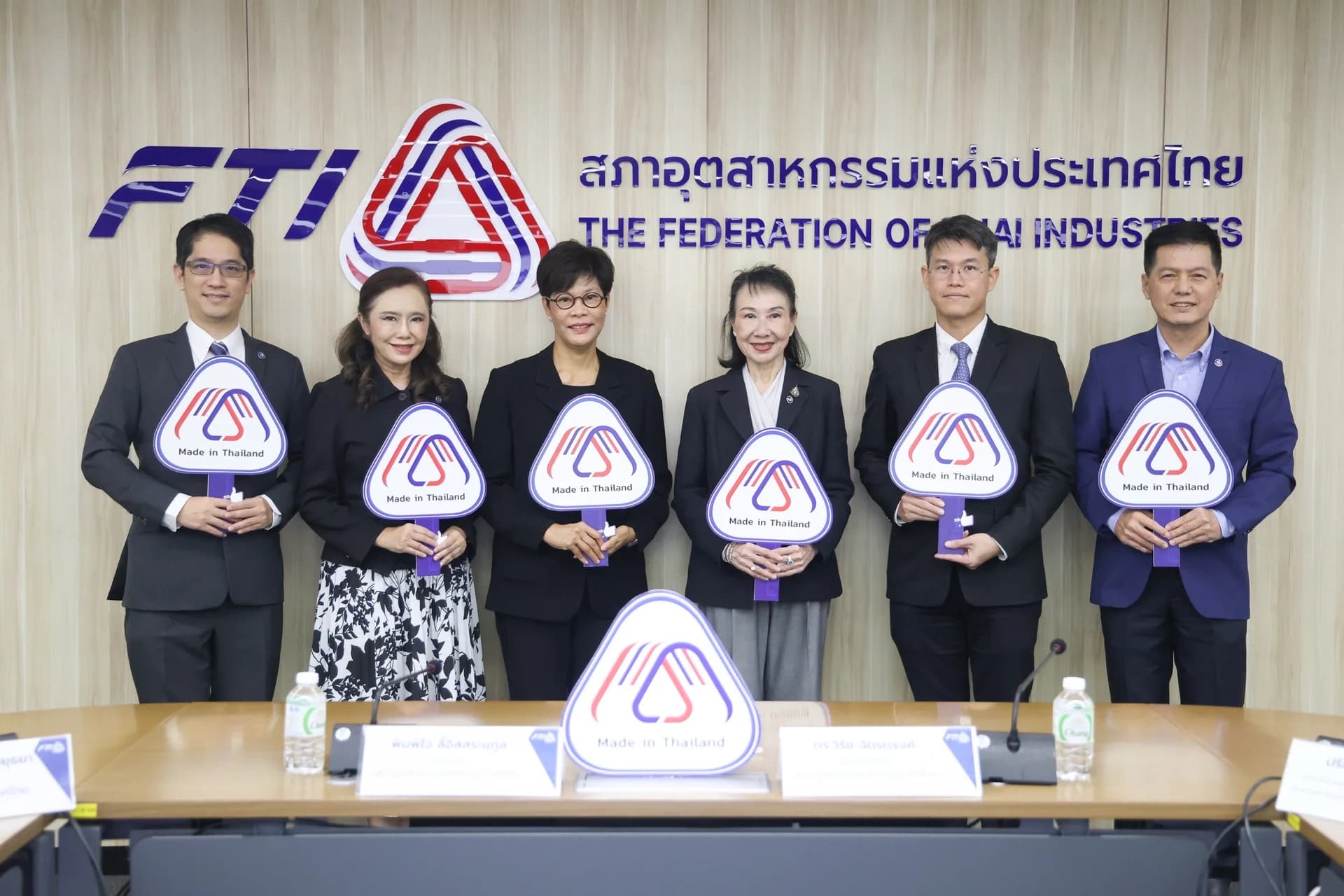
นอกจากนี้ ที่ประชุมยังได้พิจารณาเห็นชอบในหลักการสำหรับ การยกระดับศักยภาพอุตสาหกรรมเศรษฐกิจผ่านกลไกการจัดซื้อจัดจ้างภาครัฐที่ส่งเสริมการใช้สินค้าที่ผลิตในประเทศ ซึ่งเป็นประเด็นที่มีความสำคัญต่อการสร้างความเข้มแข็งให้กับผู้ประกอบการไทย โดยเอกสารระบุถึงการบูรณาการระหว่างภาครัฐและ ส.อ.ท. รวมถึงการใช้กลไก Made in Thailand (MiT) เพื่อสร้างความเชื่อมั่นว่าสินค้าที่ภาครัฐจัดซื้อเป็นสินค้าที่ผลิตในประเทศ ใน 3 อุตสาหกรรม อาทิ อุตสาหกรรมป้องกันประเทศ อุตสาหกรรมเครื่องมือแพทย์ และอุตสาหกรรมระบบราง โดยจะมอบหมายให้มีคณะทำงานฯ ดำเนินการพิจารณาจัดทำในรายละเอียด อาทิ เงื่อนไขการกำหนดการจัดซื้อจัดจ้างให้สามารถปฎิบัติได้ มาตรฐานการรับรอง ความสอดคล้องกับพันธกรณีระหว่างประเทศ และความสอดคล้องกับมาตรการส่งเสริมการจัดซื้อจัดจ้างภาครัฐอื่นๆ
อีกหนึ่งประเด็นสำคัญ คือ เห็นชอบในหลักการในการส่งเสริมอุตสาหกรรมยานยนต์สันดาปภายในที่ใช้เชื้อเพลิงชีวภาพ (Biofuel) เพื่อความมั่นคงทางพลังงาน ซึ่งแนวทางดังกล่าวสอดคล้องกับข้อเสนอของ ส.อ.ท. ในการสนับสนุนการใช้เชื้อเพลิงชีวภาพและการปรับตัวของอุตสาหกรรมยานยนต์ไทยให้สอดรับกับบริบทด้านพลังงานและเทคโนโลยีที่เปลี่ยนแปลงไป ซึ่งจะต้องหารือกับหน่วยงานภาครัฐ ภาคพลังงาน ภาคเอกชน และภาคการเกษตรที่เกี่ยวข้อง ในรายละเอียดต่อไป
การเข้าร่วมประชุมครั้งนี้สะท้อนบทบาทของ ส.อ.ท. ในการเป็นตัวแทนภาคอุตสาหกรรมในการร่วมเสนอความคิดเห็นและผลักดันแนวทางเชิงนโยบายกับภาครัฐ เพื่อสร้างสภาพแวดล้อมที่เอื้อต่อการประกอบธุรกิจ ยกระดับขีดความสามารถในการแข่งขัน และสนับสนุนการเติบโตของอุตสาหกรรมไทยอย่างยั่งยืน
On August 13, 2026, Mr. Panithan Pavarolravithya, Secretary-General of the Federation of Thai Industries (FTI), attended the 1st National Industrial Development Committee (NIDC) meeting of 2026, chaired by Mrs. Suphachi Sucharittanont, Deputy Prime Minister, in her capacity as Chairperson of the NIDC. Attendees included Mr. Varawut Silpa-archa, Minister of Industry, Mr. Chaiyacharn Chidchob, Minister of Digital Economy and Society, as well as relevant public and private sector executives, to discuss and monitor the strategies for advancing the development of the country's industry in alignment with economic trends and global changes at the Ministry of Industry's Office meeting room.
The meeting acknowledged key issues such as enhancing the capabilities of the industrial sector, including a report on the Thai industrial economic situation for 2026, improvements to the Manufacturing Production Index (MPI), applying the OECD framework to support the transition to a low-carbon and Net Zero industry, as well as advancing the standards of the Thai Industrial Standards Institute (TISI) 9999 and revising relevant industry laws.
Furthermore, the meeting also agreed in principle to enhance the industrial economic potential through government purchasing mechanisms that promote the use of domestically produced goods. This issue is critical for strengthening Thai entrepreneurs, as the document specified the integration between the government and the FTI, as well as utilizing the Made in Thailand (MiT) mechanism to ensure that government purchases consist of domestically produced goods in three industries: the defense industry, the medical device industry, and the rail system industry. A working committee will be assigned to detail matters such as procurement conditions that can be implemented, certification standards, compliance with international obligations, and consistency with other public procurement promotion measures.
Another important agenda item was the principle approval for promoting the internal combustion engine automotive industry that uses biofuel for energy security. This approach aligns with the FTI's proposals to support biofuel use and the adaptation of the Thai automotive industry to the changing energy and technology contexts. Further discussions will need to be held with relevant public sector agencies, the energy sector, private sector stakeholders, and the agricultural sector in detail.
This participation in the meeting reflects the FTI's role as a representative of the industrial sector in offering opinions and promoting policy directions with the government to create a conducive business environment, enhancing competitiveness, and supporting the sustainable growth of the Thai industry.