
สภาอุตสาหกรรมแห่งประเทศไทย (ส.อ.ท.) เสนอ 3 ยุทธศาสตร์ยกระดับภาคเกษตรและอาหารไทย จากการผลิตและส่งออกวัตถุดิบ สู่ “ฐานการผลิตอาหารและสินค้าเกษตรมูลค่าสูง” โดยใช้ตลาดเป็นตัวนำ ชู Thailand Food Valley เป็นกลไกเชื่อมเกษตร–อุตสาหกรรม–นวัตกรรม–ตลาดและการลงทุน พร้อมสร้างห่วงโซ่อุปทานที่เข้มแข็ง และยกระดับมาตรฐานสินค้าไทยให้พร้อมแข่งขันภายใต้กติกาการค้าโลก มุ่งเพิ่มรายได้เกษตรกร สร้างโอกาสให้ SMEs เพิ่มมูลค่าการส่งออก และเสริมความมั่นคงทางอาหารของประเทศ
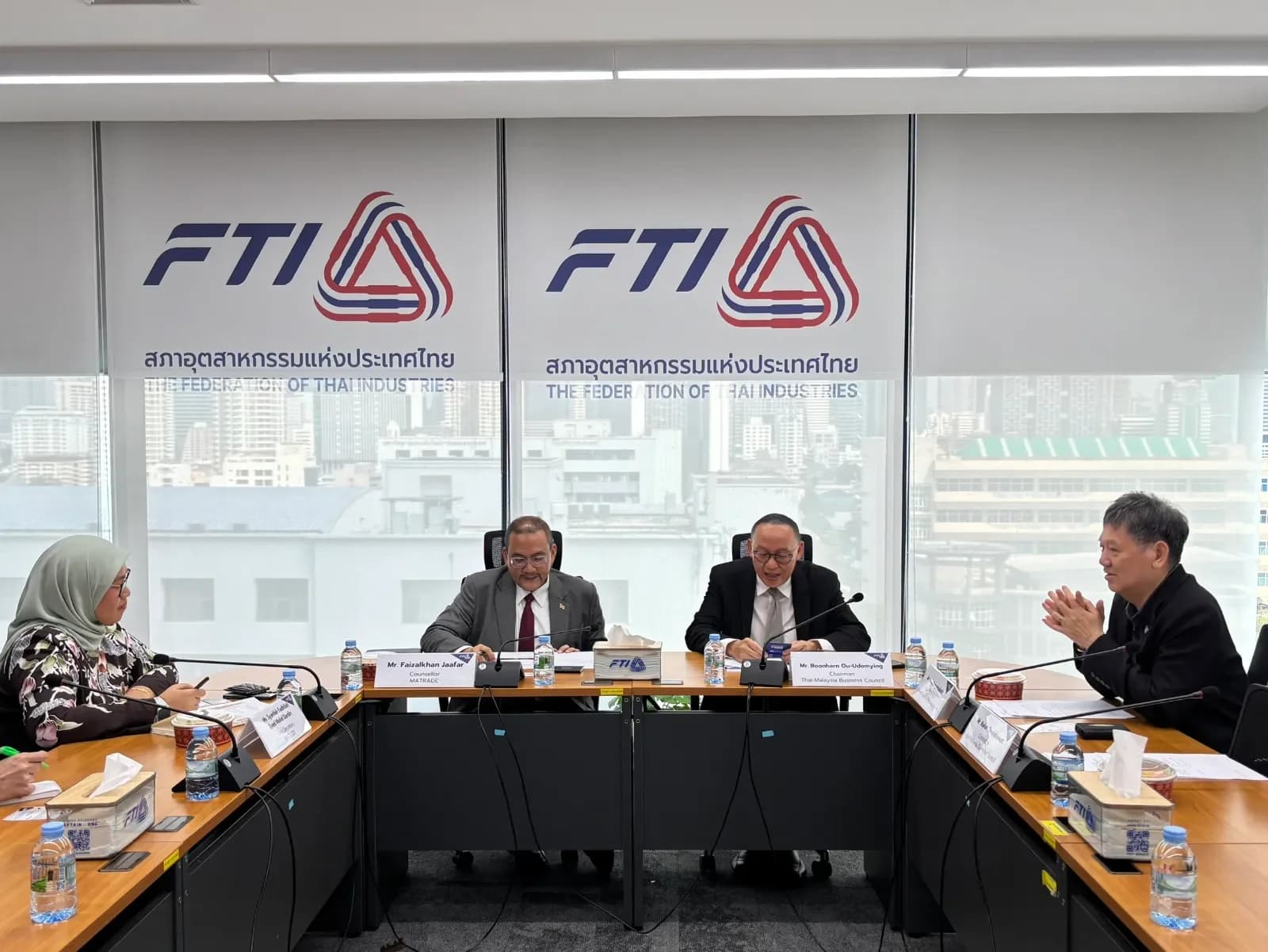
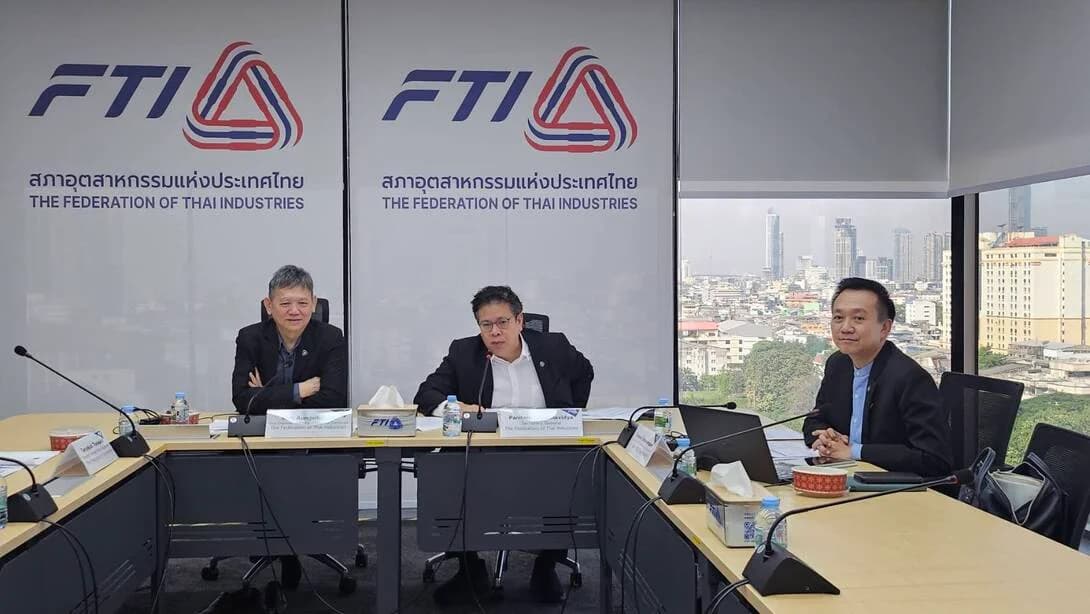
เมื่อวันที่ 13 สิงหาคม 2569 ดร.ทองดี ปาโส ประธานกลุ่มอุตสาหกรรมอาหารและเครื่องดื่ม ส.อ.ท. เข้าร่วมประชุมคณะทำงานด้านสินค้าเกษตรและความมั่นคงทางอาหาร ภายใต้ กรอ. โดยมี นายกอบศักดิ์ ภูตระกูล ที่ปรึกษาของรองนายกรัฐมนตรี เป็นประธานการประชุม ณ ห้องประชุม 301 ตึกบัญชาการ ทำเนียบรัฐบาล
ส.อ.ท. เห็นว่า ท่ามกลางความผันผวนของเศรษฐกิจโลก การเปลี่ยนแปลงสภาพภูมิอากาศ ความเสี่ยงด้านห่วงโซ่อุปทาน และกติกาการค้าระหว่างประเทศที่เข้มข้นขึ้น ความได้เปรียบจากการมีฐานทรัพยากรและผลผลิตทางการเกษตรเพียงอย่างเดียวไม่เพียงพออีกต่อไป ประเทศไทยจำเป็นต้องเปลี่ยนจากการแข่งขันด้วย “ปริมาณและราคา” ไปสู่การแข่งขันด้วย “มูลค่า คุณภาพ มาตรฐาน และนวัตกรรม”
โจทย์สำคัญของประเทศไทยจึงไม่ใช่เพียง “ผลิตให้มากขึ้น” แต่ต้อง “ผลิตให้ตรงตลาด สร้างมูลค่าให้สูงขึ้น และทำให้มูลค่าที่เพิ่มขึ้นกลับไปสู่เกษตรกรและเศรษฐกิจไทย” โดยเชื่อมโยงเกษตรกร วิสาหกิจชุมชน SMEs ภาคอุตสาหกรรม สถาบันวิจัย เทคโนโลยี และตลาดทั้งในและต่างประเทศให้เป็นระบบเดียวกัน
ส.อ.ท. จึงเสนอ 3 ยุทธศาสตร์สำคัญ เพื่อยกระดับศักยภาพภาคเกษตรและอาหารของประเทศ ดังนี้
1. ชู “Thailand Food Valley” เชื่อมเกษตร–อุตสาหกรรม–นวัตกรรม สู่สินค้ามูลค่าสูง
ส.อ.ท. เสนอให้ขับเคลื่อน Thailand Food Valley เป็นกลไกสำคัญในการเชื่อมโยงการผลิต การแปรรูป การวิจัยและพัฒนา นวัตกรรม การตลาด และการลงทุน โดยใช้ “ตลาดนำการผลิต” เพื่อให้การวางแผนการผลิตเริ่มต้นจากความต้องการของผู้บริโภคและตลาดปลายทาง ไม่ใช่ผลิตแล้วจึงหาตลาดภายหลัง
แนวทางดังกล่าวจะช่วยให้เกษตรกรและผู้ประกอบการสามารถขยับจากการขายวัตถุดิบ ไปสู่สินค้าแปรรูป อาหารมูลค่าสูง และผลิตภัณฑ์ที่ตอบโจทย์ตลาดยุคใหม่ ลดความเสี่ยงจากความผันผวนของราคาสินค้าเกษตร และทำให้มูลค่าเพิ่มที่เกิดขึ้นตลอดห่วงโซ่สามารถกระจายกลับไปสู่เกษตรกรและผู้ประกอบการไทยได้มากขึ้น
ขณะเดียวกัน ต้องเร่งพัฒนาโครงสร้างพื้นฐานที่จำเป็นตลอดห่วงโซ่ ทั้งศูนย์รวบรวมและคัดบรรจุสินค้าเกษตร ระบบขนส่งและจัดเก็บที่ควบคุมอุณหภูมิ ระบบตรวจสอบย้อนกลับและแหล่งที่มาของสินค้า ตลอดจนการเข้าถึงเทคโนโลยี เงินทุน และตลาด เพื่อเปิดโอกาสให้เกษตรกร วิสาหกิจชุมชน และ SMEs เข้าสู่ห่วงโซ่มูลค่าที่สูงขึ้นได้อย่างเป็นรูปธรรม
2. สร้าง Food Security และห่วงโซ่อุปทานที่พร้อมรับความผันผวน
ความมั่นคงทางอาหารกำลังกลายเป็นหนึ่งในประเด็นยุทธศาสตร์ของโลก จากความเสี่ยงทั้งด้านสภาพภูมิอากาศ ภัยธรรมชาติ ความขัดแย้งทางภูมิรัฐศาสตร์ ราคาพลังงาน และความผันผวนของตลาดโลก ประเทศไทยจึงต้องยกระดับจากการเป็นประเทศที่ “ผลิตอาหารได้” ไปสู่ประเทศที่ “บริหารความมั่นคงทางอาหารได้”
ส.อ.ท. เสนอให้พัฒนาระบบข้อมูลสินค้าเกษตรและอาหารที่เชื่อมโยงกันอย่างเป็นระบบ ครอบคลุม ปริมาณผลผลิต สินค้าคงเหลือ ราคา และความต้องการของตลาด พร้อมพัฒนาระบบติดตามและแจ้งเตือนสถานการณ์ล่วงหน้า เพื่อให้สามารถวางแผนการผลิต การกระจายสินค้า และการบริหารสินค้าจำเป็นได้อย่างแม่นยำและทันต่อสถานการณ์
ระบบดังกล่าวจะช่วยลดปัญหาผลผลิตล้นตลาดหรือไม่เพียงพอต่อความต้องการ ลดความสูญเสียตลอดห่วงโซ่ และเพิ่มความสามารถของประเทศไทยในการรักษาความต่อเนื่องของระบบอาหารในภาวะวิกฤต
เป้าหมายสำคัญจึงไม่ใช่เพียงการมีอาหารเพียงพอ แต่ต้องสร้าง ห่วงโซ่อุปทานที่ยืดหยุ่นและพร้อมรับความผันผวน (Supply Chain Resilience) เพื่อให้ประเทศไทยสามารถรักษาความมั่นคงทางอาหาร ควบคู่กับการรักษาศักยภาพการผลิตและการส่งออกได้อย่างต่อเนื่อง
3. ยกระดับมาตรฐาน เปิดทางสินค้าเกษตรและอาหารไทยสู่ตลาดโลก
การแข่งขันในตลาดโลกกำลังเปลี่ยนจากการแข่งขันด้านราคา ไปสู่การแข่งขันด้าน คุณภาพ มาตรฐาน ความปลอดภัย ความยั่งยืน แหล่งที่มาของสินค้า และการตรวจสอบย้อนกลับ
ส.อ.ท. จึงเสนอให้เร่งยกระดับความพร้อมด้านการค้าระหว่างประเทศของสินค้าเกษตรไทย โดยพัฒนาระบบตรวจสอบและรับรองมาตรฐานแบบครบวงจร ลดความซ้ำซ้อนของขั้นตอน ลดระยะเวลาและต้นทุนของผู้ประกอบการ รวมถึงทบทวนกฎระเบียบที่เป็นอุปสรรคต่อการค้า เพื่อให้สินค้าไทยสามารถเข้าสู่ตลาดต่างประเทศได้รวดเร็วและแข่งขันได้มากขึ้น
นอกจากนี้ ควรจัดทำแนวทางเตรียมความพร้อมสำหรับสินค้าแต่ละประเภทอย่างเป็นระบบ ตั้งแต่แหล่งผลิต กระบวนการตรวจสอบ การรับรองมาตรฐาน ไปจนถึงข้อกำหนดของตลาดปลายทาง โดย ไม้จากแหล่งผลิตที่มีการจัดการอย่างยั่งยืน เป็นหนึ่งในตัวอย่างที่สะท้อนให้เห็นว่า กติกาการค้าโลกในอนาคตจะให้ความสำคัญกับแหล่งที่มา ความยั่งยืน และการตรวจสอบย้อนกลับมากขึ้น
เปลี่ยน “ความได้เปรียบด้านเกษตร” ให้เป็น “มูลค่าทางเศรษฐกิจของประเทศ”
ส.อ.ท. เห็นว่า การยกระดับภาคเกษตรและอาหารไม่ควรเป็นการแก้ปัญหาแบบแยกส่วนหรือดำเนินการเป็นรายสินค้า แต่ต้องเชื่อมโยง ข้อมูล การผลิต อุตสาหกรรม นวัตกรรม โลจิสติกส์ มาตรฐาน และการค้า เข้าด้วยกัน โดยมีความต้องการของตลาดเป็นตัวนำ และทำให้ระบบที่มีอยู่สามารถทำงานร่วมกันได้จริง
หากประเทศไทยสามารถขับเคลื่อนทั้ง 3 ยุทธศาสตร์ได้อย่างเป็นรูปธรรม จะก่อให้เกิดผลต่อเศรษฐกิจในหลายระดับ ตั้งแต่ เพิ่มรายได้และความมั่นคงให้เกษตรกร เปิดโอกาสให้ SMEs เข้าสู่ธุรกิจมูลค่าสูง สร้างการเติบโตให้ภาคอุตสาหกรรมอาหาร เพิ่มมูลค่าการส่งออก ตลอดจนเสริมความมั่นคงทางอาหารและความสามารถของประเทศในการรับมือกับวิกฤตโลก
เป้าหมายปลายทาง คือการเปลี่ยนประเทศไทยจากการพึ่งพาการผลิตและส่งออกสินค้าเกษตรในรูปแบบเดิม ไปสู่การเป็น “ฐานการผลิตอาหารและสินค้าเกษตรมูลค่าสูง” ที่แข่งขันได้ด้วยคุณภาพ นวัตกรรม มาตรฐาน และความยั่งยืน เพื่อให้ความเข้มแข็งของภาคเกษตรและอาหารสร้าง รายได้ที่สูงขึ้นให้เกษตรกร สร้างมูลค่าเพิ่มให้ภาคธุรกิจ และสร้างความมั่นคงทางเศรษฐกิจให้ประเทศไทยในระยะยาว
The Federation of Thai Industries (FTI) has proposed three strategies to enhance the Thai agricultural and food sectors, shifting from the production and export of raw materials to becoming a "high-value food and agricultural product production base" by leveraging market demands. The proposal highlights Thailand Food Valley as a mechanism to connect agriculture, industry, innovation, market, and investment, alongside creating a strong supply chain and upgrading Thai product standards to be competitive in the global trade framework. The goal is to increase farmers' incomes, create opportunities for SMEs, enhance export value, and reinforce the country's food security.
On August 13, 2026, Dr. Thongdee Paso, Chairman of the Food and Beverage Industry Group of FTI, participated in a meeting of the Agricultural Products and Food Security Working Group under the Office of the Prime Minister, chaired by Mr. Kobsak Pootrakool, advisor to the Deputy Prime Minister, at Room 301, Government House.
FTI acknowledges that amidst the volatility of the global economy, climate change, supply chain risks, and increasingly strict international trade rules, having an advantage solely based on agricultural resources and production is no longer sufficient. Thailand must transition from competing on "quantity and price" to competing on "value, quality, standards, and innovation."
Therefore, the critical challenge for Thailand is not just to “produce more,” but to “produce according to market needs, increase value, and ensure that the increased value returns to farmers and the Thai economy” by linking farmers, community enterprises, SMEs, industries, research institutions, technology, and markets both domestically and internationally into a cohesive system.
Thus, FTI proposes three key strategies to elevate the country's agricultural and food sector as follows:
1. Promote “Thailand Food Valley” to connect agriculture, industry, and innovation towards high-value products.
FTI proposes to drive Thailand Food Valley as a crucial mechanism to integrate production, processing, research and development, innovation, marketing, and investment, using “market-driven production” to ensure that production planning begins from consumer demands and end-market needs, rather than producing first and then seeking markets.
This approach will help farmers and operators transition from selling raw materials to producing processed goods, high-value food products, and products that meet the demands of the modern market, thereby reducing risks from price fluctuations in agricultural products and ensuring that the added value throughout the supply chain can more effectively return to Thai farmers and entrepreneurs.
At the same time, it is essential to rapidly develop necessary infrastructure across the entire supply chain, including collection and packing centers for agricultural products, temperature-controlled transportation and storage systems, traceability and source verification systems, as well as access to technology, financing, and markets, to concretely enable farmers, community enterprises, and SMEs to integrate into a higher value chain.
2. Build Food Security and a supply chain ready to handle volatility.
Food security is emerging as a strategic issue globally, amidst risks from climate change, natural disasters, geopolitical conflicts, energy prices, and global market volatility. Therefore, Thailand must upgrade from being a country that “can produce food” to one that “can manage food security.”
FTI proposes the development of a comprehensive agricultural and food product information system that is interconnected and covers production quantities, remaining stocks, prices, and market demands, along with establishing a real-time monitoring and alert system to effectively plan production, product distribution, and essential goods management in accordance with circumstances.
This system will help mitigate issues of market oversupply or shortages, reduce losses throughout the supply chain, and enhance Thailand's ability to maintain food system continuity in times of crisis.
The primary objective thus is not only to ensure sufficient food availability but to create a resilient supply chain capable of accommodating volatility (Supply Chain Resilience), enabling Thailand to maintain food security while sustaining production and export capacity.
3. Upgrade standards and open pathways for Thai agricultural and food products to global markets.
Global market competition is shifting from price competition to competition based on quality, standards, safety, sustainability, sourcing, and traceability.
FTI, therefore, suggests accelerating the readiness of Thai agricultural products for international trade by developing a comprehensive standard inspection and certification system, reducing duplication of steps, and lowering time and costs for operators, as well as reviewing regulations that hinder trade to facilitate quicker and more competitive access for Thai products to international markets.
Furthermore, guidelines should be systemically outlined to prepare various product types, from production sources, inspection processes, standard certifications, to market requirements, where sustainably managed timber sources serve as a prime example reflecting the fact that future global trade rules will increasingly prioritize sourcing, sustainability, and traceability.
Transforming “agricultural advantages” into “economic value for the country.”
FTI believes that enhancing the agricultural and food sectors should not be a fragmented solution or conducted on a product-by-product basis but must interlink data, production, industry, innovation, logistics, standards, and trade together, with market demand steering the process and ensuring that the existing systems can operate cohesively.
If Thailand can effectively implement all three strategies, it will yield economic benefits at multiple levels, from increasing income and stability for farmers, opening up opportunities for SMEs in high-value businesses, fostering growth in the food industry, enhancing export value, to strengthening food security and the country's capacity to cope with global crises.
The ultimate goal is to transform Thailand from a dependency on traditional agricultural production and export into a “high-value food and agricultural product production base” capable of competing on quality, innovation, standards, and sustainability to ensure that the strength of the agricultural and food sectors generates higher income for farmers, adds value for businesses, and builds long-term economic stability for Thailand.