
ส.อ.ท. ชู Cross-Border E-Commerce เป็นกลไกเชิงยุทธศาสตร์เปิดตลาดใหม่สินค้าไทยสู่จีน เสนอใช้เซี่ยงไฮ้เป็นพื้นที่นำร่องสร้างโมเดลเชื่อมผู้ผลิตไทยกับแพลตฟอร์ม เครือข่ายการค้า โลจิสติกส์ และผู้บริโภคจีน วางระบบตั้งแต่คัดเลือกสินค้า ทดสอบตลาด สร้างแบรนด์ การตลาดดิจิทัล ไปจนถึงใช้ข้อมูลผู้บริโภคพัฒนาสินค้า มุ่งลดข้อจำกัดในการเข้าสู่ตลาดให้ SMEs เปลี่ยนจาก “นำสินค้าไปขาย” สู่ “สร้างตลาดให้สินค้าไทย” และต่อยอดสู่เมืองเศรษฐกิจสำคัญทั่วจีน
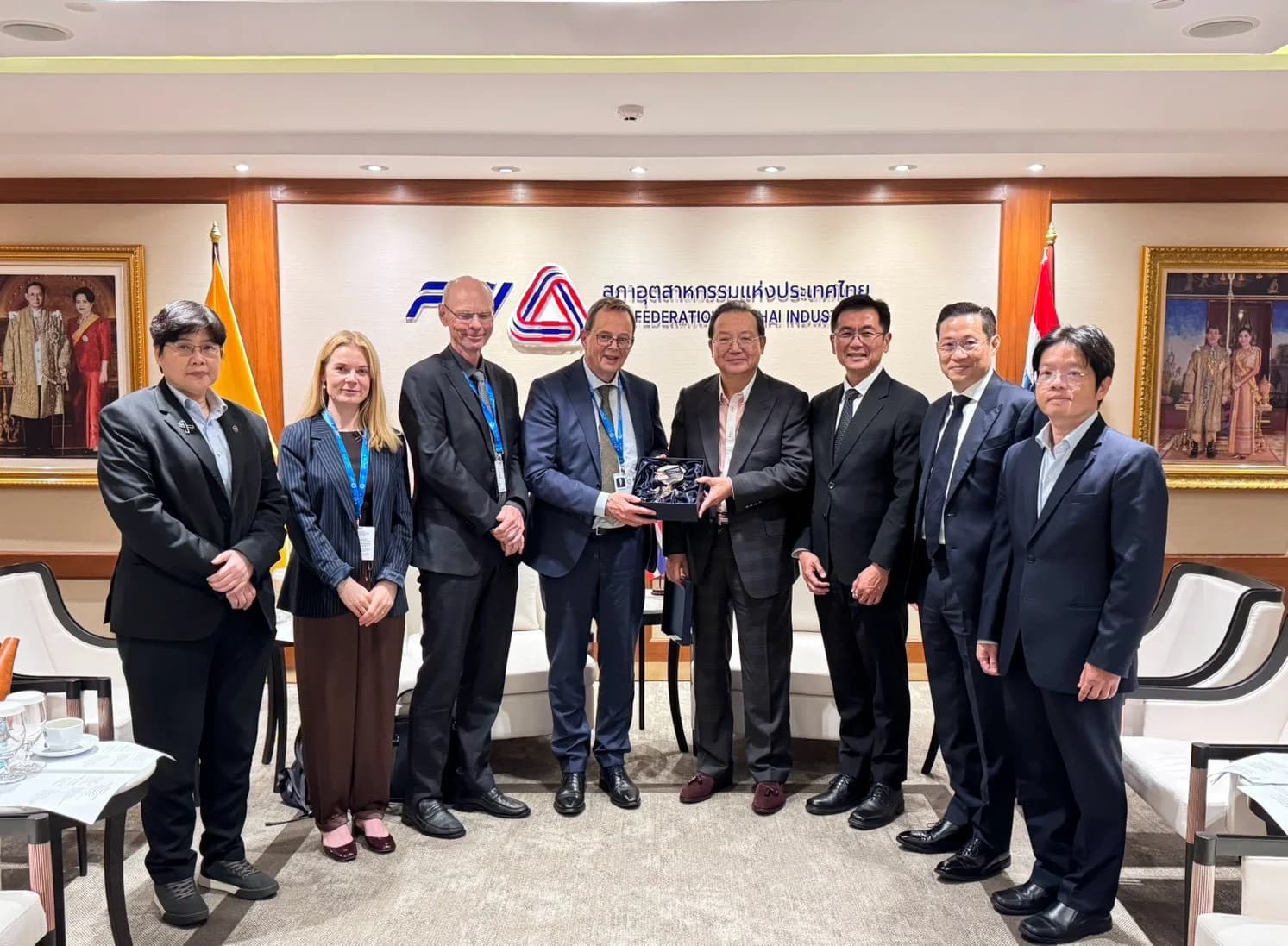
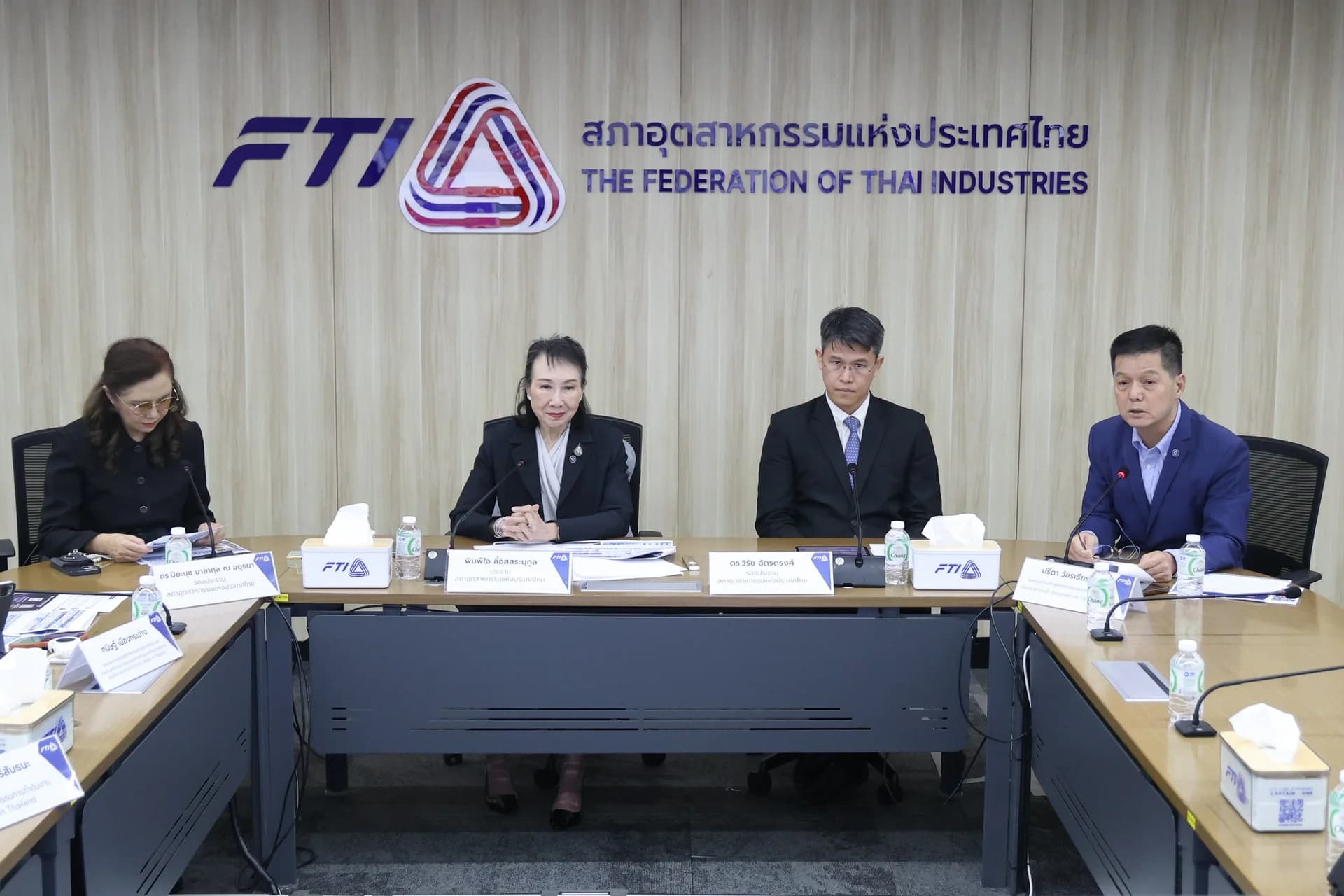
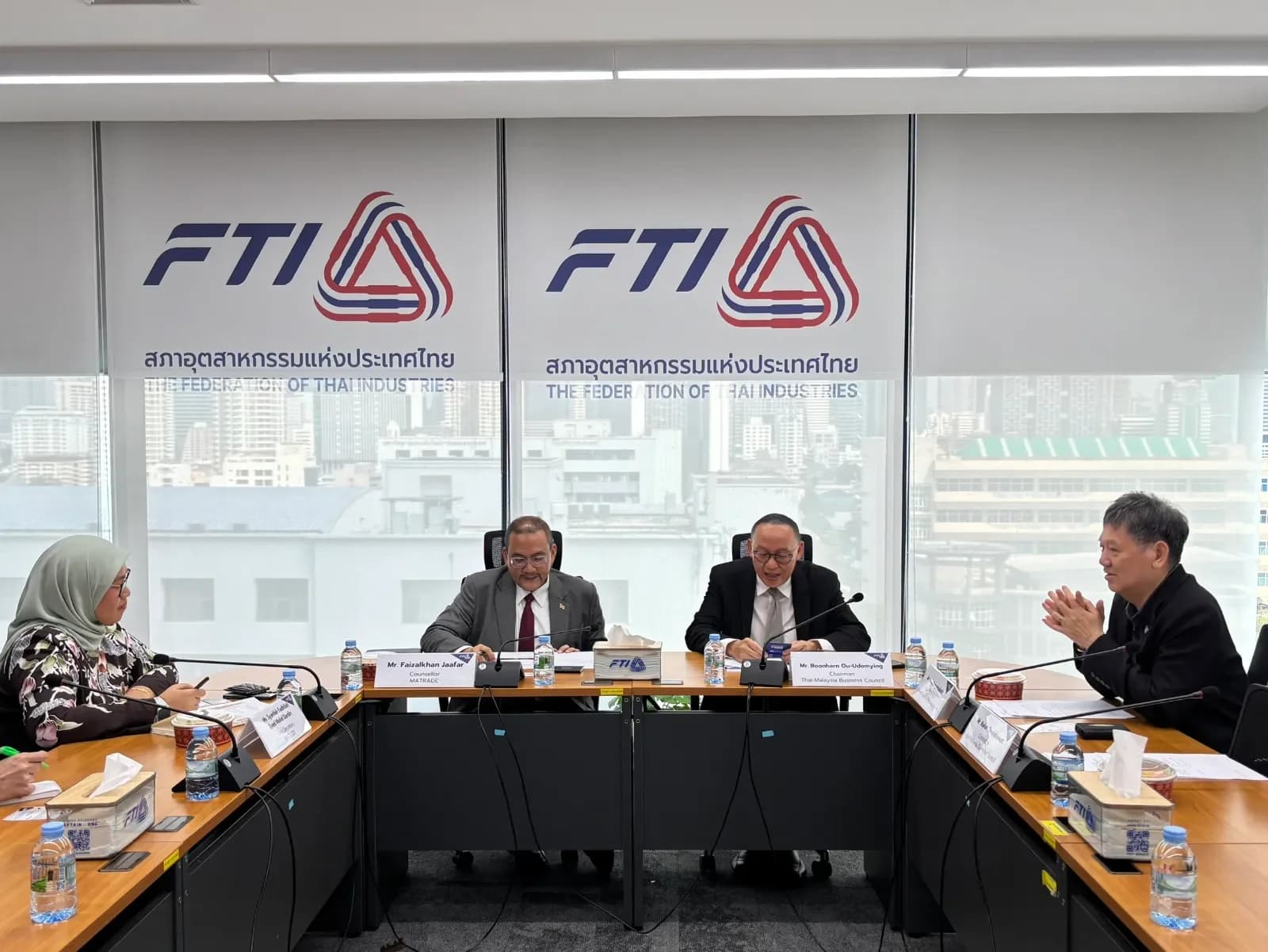
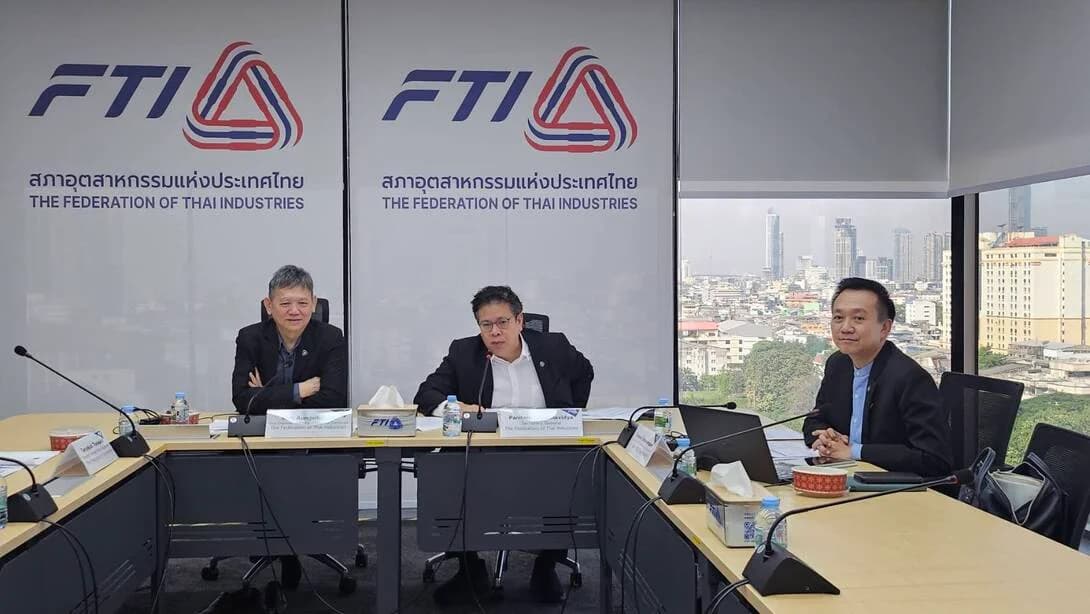
เมื่อวันที่ 13 สิงหาคม 2569 นายเวทิต โชควัฒนา รองประธานอาวุโส สภาอุตสาหกรรมแห่งประเทศไทย (ส.อ.ท.) และประธานสายงานอาเซียนและโลจิสติกส์ พร้อมด้วยนายสุนทรพล วีระประวัติ รองประธานสายงานอาเซียนและโลจิสติกส์ และประธานคณะอนุกรรมการส่งเสริมการนำเข้า-ส่งออก และการค้าชายแดนผ่านแดน ตลอดจนคณะกรรมการฯ ให้การต้อนรับคณะผู้บริหารจาก Shanghai Institute of Commerce and Foreign Languages (SICFL) นำโดย Ms. Xie Min รองอธิการบดี และ ผศ.ดร.ดนัยธัญ พงษ์พัชราธรเทพ หัวหน้าศูนย์ China Intelligence Center (CIC) มหาวิทยาลัยเชียงใหม่ ณ ส.อ.ท. เพื่อหารือแนวทางยกระดับ Cross-Border E-Commerce (CBEC) เป็นกลไกในการขยายตลาดสินค้าไทยสู่จีนอย่างเป็นระบบ
จาก “ส่งสินค้า” สู่ “สร้างตลาด” ให้สินค้าไทย
ส.อ.ท. เห็นว่า โจทย์สำคัญของการส่งออกไทยในยุคการค้าดิจิทัลไม่ได้อยู่เพียงที่ความสามารถในการผลิตสินค้าที่มีคุณภาพ แต่รวมถึง ความสามารถในการเข้าถึงตลาดและผู้บริโภคปลายทาง โดยเฉพาะตลาดจีนที่มีขนาดใหญ่ มีการแข่งขันสูง และพฤติกรรมผู้บริโภคเปลี่ยนแปลงอย่างรวดเร็ว
CBEC จึงไม่ควรถูกมองเป็นเพียงช่องทางจำหน่ายสินค้าออนไลน์ แต่สามารถพัฒนาเป็น กลไกเชิงยุทธศาสตร์ในการนำผู้ประกอบการไทยเข้าสู่ตลาดจีน ช่วยลดข้อจำกัดของการพึ่งพาช่องทางการค้าแบบเดิม เปิดโอกาสให้ผู้ประกอบการเข้าถึงผู้บริโภคโดยตรง ทดลองตลาดได้รวดเร็วขึ้น และนำข้อมูลจากตลาดกลับมาพัฒนาสินค้าให้ตรงกับความต้องการของผู้บริโภค
ส.อ.ท. จึงเสนอแนวทางใช้ เซี่ยงไฮ้เป็นพื้นที่นำร่อง ในการพัฒนาโมเดล CBEC เชื่อมผู้ผลิต ผู้ประกอบการ และแบรนด์ไทยเข้าสู่แพลตฟอร์มและเครือข่ายการค้าของจีน ก่อนต่อยอดไปยังเมืองเศรษฐกิจและกลุ่มผู้บริโภคเป้าหมายอื่นในอนาคต
สร้าง Ecosystem ให้ผู้ประกอบการ ไม่ใช่เพียงเปิดช่องทางขาย
หัวใจสำคัญของแนวทางดังกล่าว คือการสร้าง ระบบสนับสนุนการเข้าสู่ตลาดจีนแบบครบวงจร ตั้งแต่การคัดเลือกสินค้าและแบรนด์ที่มีศักยภาพ การวิเคราะห์ตลาดและพฤติกรรมผู้บริโภค การทดสอบตลาด (Market Testing) การสร้างแบรนด์และการตลาดดิจิทัล การเชื่อมต่อแพลตฟอร์ม CBEC ระบบโลจิสติกส์และการส่งมอบ ตลอดจนการใช้ข้อมูลตลาดและข้อมูลผู้บริโภคเพื่อพัฒนาสินค้าและวางแผนขยายตลาดในระยะต่อไป
แนวทางนี้จะช่วยเปลี่ยนจากการที่ผู้ประกอบการไทยต้อง “หาทางเข้าสู่ตลาดจีนด้วยตนเอง” ไปสู่การมี “ระบบนำทางเข้าสู่ตลาด” ที่ช่วยลดข้อจำกัดด้านข้อมูล ภาษา ความเข้าใจพฤติกรรมผู้บริโภค ช่องทางการตลาด และเครือข่ายทางธุรกิจ โดยเฉพาะ SMEs ซึ่งอาจมีสินค้าที่มีศักยภาพ แต่ยังขาดทรัพยากรและเครือข่ายในการเข้าสู่ตลาดขนาดใหญ่
ผนึกเครือข่ายไทย–จีน เชื่อมองค์ความรู้กับภาคการผลิต
ความร่วมมือระหว่าง ส.อ.ท. SICFL และมหาวิทยาลัยเชียงใหม่ จะเป็นโอกาสในการเชื่อม เครือข่ายภาคอุตสาหกรรมของไทยเข้ากับองค์ความรู้และเครือข่ายตลาดจีน โดยนำความเข้าใจด้านพฤติกรรมผู้บริโภค ช่องทางดิจิทัล และบริบทการค้าในจีน มาประกอบกับฐานผู้ประกอบการและภาคการผลิตของไทย เพื่อพัฒนากลไกสนับสนุนที่ตอบโจทย์การเข้าสู่ตลาดจริง
เป้าหมายจึงไม่ใช่เพียงการนำสินค้าไทยขึ้นจำหน่ายบนแพลตฟอร์มออนไลน์ แต่คือการช่วยให้ผู้ประกอบการสามารถ เลือกตลาดให้ถูก เลือกสินค้าให้ตรง สร้างแบรนด์ให้เป็นที่รู้จัก และใช้ข้อมูลจากตลาดมาพัฒนาธุรกิจ เพื่อเพิ่มโอกาสในการแข่งขันและสร้างการเติบโตอย่างต่อเนื่องในตลาดจีน
ปักหมุดเซี่ยงไฮ้ สร้างต้นแบบก่อนขยายสู่จีน
ส.อ.ท. มุ่งผลักดันให้เซี่ยงไฮ้เป็น พื้นที่นำร่องในการพัฒนาโมเดล CBEC ไทย–จีน เพื่อทดสอบแนวทางการนำสินค้าและแบรนด์ไทยเข้าสู่ตลาดจริง พร้อมพัฒนารูปแบบการสนับสนุนผู้ประกอบการที่สามารถวัดผลและขยายผลได้
เมื่อโมเดลนำร่องมีความพร้อม สามารถต่อยอดไปยังเมืองเศรษฐกิจสำคัญและกลุ่มผู้บริโภคเป้าหมายอื่นในจีน รวมถึงคัดเลือกสินค้าไทยที่มีศักยภาพในแต่ละกลุ่มตลาดเข้าร่วม เพื่อสร้างโอกาสให้สินค้าไทยเข้าถึงผู้บริโภคได้กว้างขึ้น
สร้างช่องทางส่งออกใหม่ เพิ่มโอกาส SMEs และแบรนด์ไทย
ในระยะยาว ส.อ.ท. มุ่งให้ CBEC พัฒนาไปมากกว่า “ช่องทางขายสินค้า” แต่เป็น อีกหนึ่งกลไกสำคัญในการขยายตลาดต่างประเทศของภาคอุตสาหกรรมไทย โดยเฉพาะในช่วงที่รูปแบบการค้าโลกและพฤติกรรมผู้บริโภคกำลังเปลี่ยนแปลงอย่างรวดเร็ว
การสร้างช่องทางเข้าสู่ตลาดจีนที่เป็นระบบ จะช่วยเพิ่มโอกาสให้สินค้าไทยที่มีศักยภาพสามารถทดลองตลาด สร้างการรับรู้ ขยายฐานลูกค้า และพัฒนาไปสู่การสร้างแบรนด์ในตลาดจีนได้มากขึ้น พร้อมเปิดพื้นที่ให้ SMEs ซึ่งเดิมอาจมีข้อจำกัดด้านเงินทุน เครือข่าย และความรู้ตลาดต่างประเทศ สามารถเข้าร่วมในห่วงโซ่การค้าระหว่างประเทศได้มากขึ้น
เป้าหมายสำคัญคือการเปลี่ยน CBEC จาก “ช่องทางการขาย” ให้เป็น “ประตูการค้าดิจิทัล” ที่เชื่อมศักยภาพการผลิตของไทยเข้ากับกำลังซื้อและตลาดผู้บริโภคจีน สร้างช่องทางส่งออกใหม่ เพิ่มโอกาสทางธุรกิจให้ผู้ประกอบการไทย และยกระดับความสามารถในการแข่งขันของสินค้าและแบรนด์ไทยในตลาดโลกอย่างยั่งยืน
FTI highlights Cross-Border E-Commerce as a strategic mechanism to open new markets for Thai products in China, proposing Shanghai as a pilot area to create a model that connects Thai producers with platforms, trade networks, logistics, and Chinese consumers. The system will be established from product selection, market testing, brand creation, digital marketing, to using consumer data to develop products, aiming to reduce barriers to entry for SMEs, shifting from "exporting products" to "creating markets for Thai products", and expanding to major economic cities across China.
On August 13, 2026, Mr. Wethi Chokwatthana, Senior Vice President of the Federation of Thai Industries (FTI) and Chair of the ASEAN and Logistics Sector, along with Mr. Sunthornpol Veeraprawat, Vice President of the ASEAN and Logistics Sector and Chair of the Subcommittee on Promoting Imports-Exports and Cross-Border Trade, welcomed the executive committee from the Shanghai Institute of Commerce and Foreign Languages (SICFL) led by Ms. Xie Min, Vice President, and Assoc. Prof. Dr. Danai Thungpacharathep, Head of the China Intelligence Center (CIC) at Chiang Mai University, at FTI to discuss ways to elevate Cross-Border E-Commerce (CBEC) as a mechanism to systematically expand the market for Thai products in China.
From "Exporting Products" to "Creating Markets" for Thai Products
FTI believes that the key challenge for Thai exports in this era of digital trade is not only the ability to produce quality products but also the ability to access markets and end consumers, especially in China, which has a large market, high competition, and rapidly changing consumer behavior.
CBEC should therefore not be viewed merely as an online sales channel, but can be developed into a strategic mechanism to bring Thai entrepreneurs into the Chinese market, helping to reduce the limitations of reliance on traditional trading channels, allowing entrepreneurs to access consumers directly, test the market more quickly, and use market data to refine products to meet consumer demands.
Thus, FTI proposes using Shanghai as a pilot area to develop a CBEC model that connects producers, entrepreneurs, and Thai brands to Chinese trade platforms and networks before expanding to other economic cities and target consumer groups in the future.
Creating an Ecosystem for Entrepreneurs, Not Just Opening Sales Channels
The core of this approach is to establish a comprehensive support system for entering the Chinese market, from selecting potential products and brands, analyzing market and consumer behavior, conducting market testing, creating brands and digital marketing, connecting with CBEC platforms, logistics systems, and delivery, to using market and consumer data for product development and planning for future market expansion.
This approach will help shift from Thai entrepreneurs needing to "find their own way into the Chinese market" to having a "navigation system to enter the market" that alleviates limitations related to information, language, understanding of consumer behavior, marketing channels, and business networks, especially for SMEs that may have valuable products but lack resources and networks to enter large markets.
Linking Thai–Chinese Networks and Integrating Knowledge with the Manufacturing Sector
The collaboration between FTI, SICFL, and Chiang Mai University will provide opportunities to connect the Thai industrial network with knowledge and market networks in China by integrating understanding of consumer behavior, digital channels, and trade contexts in China with the base of Thai entrepreneurs and the manufacturing sector to develop support mechanisms that address the real market needs.
Therefore, the goal is not just to have Thai products available on online platforms, but to assist entrepreneurs in selecting the right markets, choosing the right products, building recognizable brands, and utilizing market data to develop their businesses, thereby increasing their competitive opportunities and ensuring sustainable growth in the Chinese market.
Focusing on Shanghai to Create a Prototype Before Expanding into China
FTI aims to push for Shanghai to become the pilot area for developing the Thai–Chinese CBEC model to test ways to bring Thai products and brands into a real market while developing support formats for entrepreneurs that are measurable and scalable.
Once the pilot model is ready, it can be expanded to major economic cities and other target consumer groups in China, including selecting potential Thai products in each market group to create opportunities for Thai products to reach consumers more broadly.
Creating New Export Channels to Increase Opportunities for SMEs and Thai Brands
In the long term, FTI aims for CBEC to evolve beyond being just a "sales channel" but to become another crucial mechanism for expanding international markets for Thai industries, especially during a period when global trade patterns and consumer behavior are changing rapidly.
Creating a systematic entry channel into the Chinese market will provide opportunities for potential Thai products to test the market, raise awareness, expand the customer base, and advance towards brand building in the Chinese market, while also opening opportunities for SMEs, which previously may have faced limitations regarding capital, networks, and knowledge of foreign markets, to participate more in the international trade chain.
The key goal is to transform CBEC from a "sales channel" into a "digital trade gateway" that connects the production potential of Thailand with the purchasing power and consumer market of China, creating new export channels, increasing business opportunities for Thai entrepreneurs, and enhancing the competitiveness of Thai products and brands in the global market sustainably.