
ส.อ.ท. เร่งติดตามสถานการณ์น้ำภาคตะวันออก หลังฝนยังต่ำกว่าค่าปกติประมาณ 10% ชี้ต้องเตรียมการล่วงหน้า ทั้งบริหารความต้องการใช้น้ำ เพิ่มน้ำต้นทุน และเชื่อมโยงแหล่งน้ำ เพื่อสร้างความมั่นคงด้านน้ำและรองรับการเติบโตของภาคอุตสาหกรรมในพื้นที่
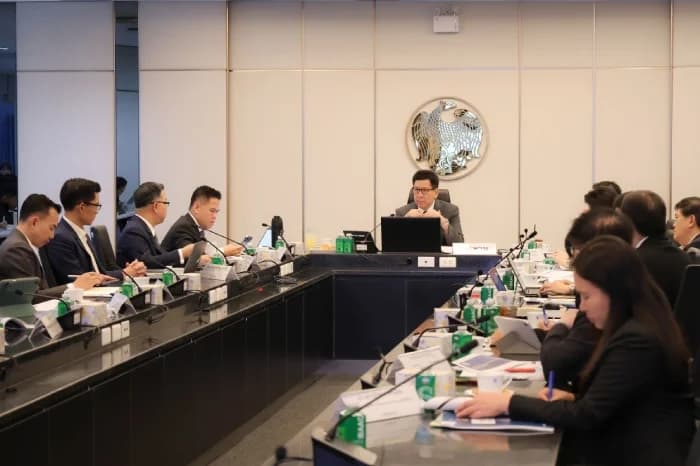
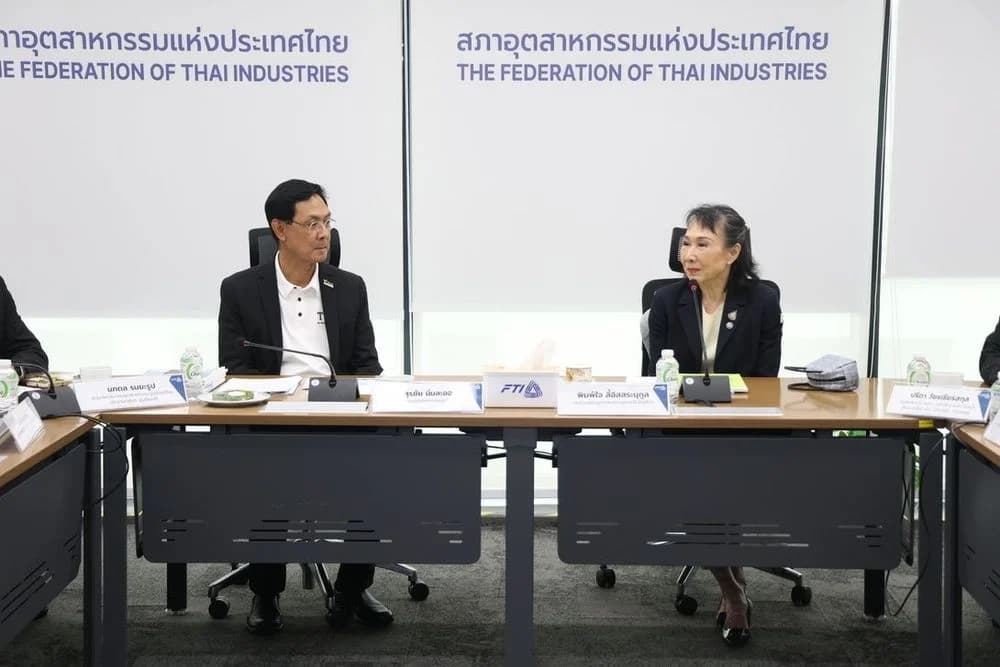
เมื่อวันที่ 10 กันยายน 2569 นายปรีดา วัชรเธียรสกุล ประธานสถาบันน้ำ สิ่งแวดล้อม และ Climate Change สภาอุตสาหกรรมแห่งประเทศไทย (ส.อ.ท.) มอบหมายให้นายกริชพล สุดสว่าง กรรมการสถาบันฯ พร้อมด้วยคณะอนุกรรมการด้านการบริหารจัดการน้ำเพื่อความยั่งยืน เข้าร่วมการประชุม KEYMAN WATER WAR ROOM ภาคตะวันออก ครั้งที่ 9/2569 ร่วมกับหน่วยงานที่เกี่ยวข้อง ณ ห้องประชุมสำนักงานชลประทานที่ 9 จังหวัดชลบุรี
การประชุมดังกล่าวจัดขึ้นเพื่อร่วมกันติดตามสถานการณ์น้ำในพื้นที่ภาคตะวันออกอย่างใกล้ชิด พร้อมแลกเปลี่ยนข้อมูลด้านปริมาณน้ำต้นทุนในแหล่งน้ำ ปริมาณฝน การใช้น้ำของภาคส่วนต่าง ๆ ตลอดจนแนวโน้มสถานการณ์ในระยะต่อไป เพื่อประเมินความสมดุลระหว่างปริมาณน้ำต้นทุนกับความต้องการใช้น้ำ และเตรียมแนวทางบริหารจัดการน้ำให้สอดคล้องกับสถานการณ์ที่เปลี่ยนแปลง
จากการติดตามข้อมูลสถานการณ์ พบว่าปริมาณฝนในพื้นที่ภาคตะวันออกยังต่ำกว่าค่าปกติประมาณร้อยละ 10 และยังต้องติดตามสถานการณ์พายุในระยะต่อไปว่าจะส่งผลต่อปริมาณฝนและการเติมน้ำในแหล่งน้ำได้มากน้อยเพียงใด ขณะที่ปริมาณน้ำในแหล่งน้ำหลักยังอยู่ในระดับที่ต้องเฝ้าระวัง โดยมีการพิจารณาถึงความจำเป็นในการบริหารและสำรองน้ำเพื่อรองรับการใช้น้ำในปีหน้า
นอกจากนี้ ที่ประชุมได้หารือแนวทางบริหารจัดการน้ำเพื่อรองรับความไม่แน่นอนของสถานการณ์ ทั้งการติดตามและประเมินสถานการณ์น้ำอย่างต่อเนื่อง การเตรียมมาตรการบริหารความต้องการใช้น้ำ ตลอดจนแนวทางเพิ่มปริมาณน้ำต้นทุน อาทิ การใช้ฝนหลวงเพื่อเติมน้ำเข้าสู่แหล่งน้ำ รวมถึงแนวทางเชื่อมโยงแหล่งน้ำเพื่อเพิ่มความมั่นคงด้านน้ำในพื้นที่
ทั้งนี้ ที่ประชุมเห็นความสำคัญของการเตรียมแผนบริหารจัดการน้ำล่วงหน้าสำหรับปีหน้า โดยจะติดตามสถานการณ์น้ำในพื้นที่ระยอง ชลบุรี และฉะเชิงเทราอีกครั้งในเดือนตุลาคม เพื่อประเมินสถานการณ์หลังสิ้นฤดูฝน และพิจารณามาตรการบริหารจัดการน้ำที่เหมาะสมต่อไป
การประชุมสะท้อนบทบาทของ I4 ในมิติการสร้างความพร้อมด้านโครงสร้างพื้นฐานและความมั่นคงด้านน้ำ และ I5 ในมิติการเติบโตอย่างยั่งยืนและการปรับตัวต่อ Climate Change ซึ่งเป็นองค์ประกอบสำคัญต่อการสร้างความยืดหยุ่นและความสามารถในการแข่งขันของภาคอุตสาหกรรมไทย
FTI is accelerating its monitoring of the water situation in the eastern region as rainfall remains approximately 10% below normal. It emphasizes the need for proactive measures in managing water demand, increasing water reserves, and connecting water sources to ensure water security and support industrial growth in the area.
On September 10, 2026, Mr. Prida Watcharathiansakun, President of the Water, Environment and Climate Change Institute of the Federation of Thai Industries (FTI), assigned Mr. Kritapol Sudsawang, a committee member of the institute, along with the subcommittee on sustainable water management, to participate in the 9th KEYMAN WATER WAR ROOM meeting in the eastern region with relevant agencies at the meeting room of the 9th Irrigation Office in Chonburi Province.
The meeting was convened to closely monitor the water situation in the eastern region, exchange information regarding the volume of raw water in the sources, rainfall amounts, water usage across various sectors, and trends of the situation moving forward. This is to evaluate the balance between the supply of raw water and the demand for usage, and to prepare water management strategies that align with the changing situations.
Following the data monitoring, it was found that rainfall in the eastern region remains approximately 10% below normal. There is also a need to monitor future storms to assess their impact on rainfall and replenishment of water sources. The current levels of water in key sources are at a cautionary level, necessitating careful consideration of the need for water management and reserves to sustain water usage in the upcoming year.
Moreover, the meeting discussed strategies for water management to address uncertainties in the situation, including continuous monitoring and assessing water conditions, preparing measures to manage water demand, as well as ways to increase the supply of raw water, such as using cloud seeding to replenish water sources, and connecting water sources to enhance water security in the area.
The meeting emphasized the importance of preparing a water management plan in advance for the coming year, with plans to reassess the water situation in Rayong, Chonburi, and Chachoengsao again in October to evaluate conditions after the rainy season and consider appropriate water management measures moving forward.
The meeting reflects the role of I4 in the aspect of building readiness in infrastructure and water security, and I5 in the dimension of sustainable growth and adaptation to climate change, which are crucial elements in enhancing the resilience and competitiveness of the Thai industrial sector.