
ส.อ.ท. เดินหน้าผลักดันแนวคิด End-of-Waste (EoW) จาก “แนวทางจัดการของเสีย” สู่ “ระบบมาตรฐานที่ภาคอุตสาหกรรมนำไปใช้ได้จริง” หวังเปลี่ยนกากอุตสาหกรรมที่มีศักยภาพให้กลับมาเป็นวัตถุดิบทุติยภูมิที่มีคุณภาพ สามารถนำเข้าสู่กระบวนการผลิตได้อย่างมั่นใจ และลดการใช้ทรัพยากรใหม่
หัวใจสำคัญคือการสร้างมาตรฐานและระบบรับรองที่ทำให้ผู้ประกอบการมั่นใจในคุณภาพของวัสดุเหลือใช้ โดยสภาอุตสาหกรรมแห่งประเทศไทย (ส.อ.ท.) ร่วมกับศูนย์เทคโนโลยีโลหะและวัสดุแห่งชาติ (MTEC) สำนักงานพัฒนาวิทยาศาสตร์และเทคโนโลยีแห่งชาติ (สวทช.) ศูนย์ความเป็นเลิศด้านการจัดการสารและของเสียอันตราย (ศสอ.) จุฬาลงกรณ์มหาวิทยาลัย เดินหน้าหารือกับสำนักงานมาตรฐานผลิตภัณฑ์อุตสาหกรรม (สมอ.) เพื่อเชื่อมกลไก EoW เข้ากับ National Quality Infrastructure (NQI) ของประเทศ ลดข้อจำกัดด้านมาตรฐานและสร้างกลไกที่เอื้อต่อการหมุนเวียนทรัพยากรกลับเข้าสู่ระบบเศรษฐกิจ
[ดัน Synthetic Gypsum เป็น Pilot วางต้นแบบมาตรฐานวัตถุดิบทุติยภูมิ]
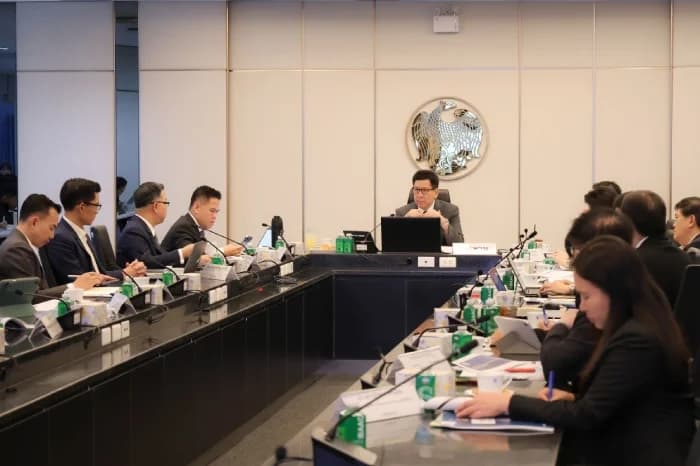
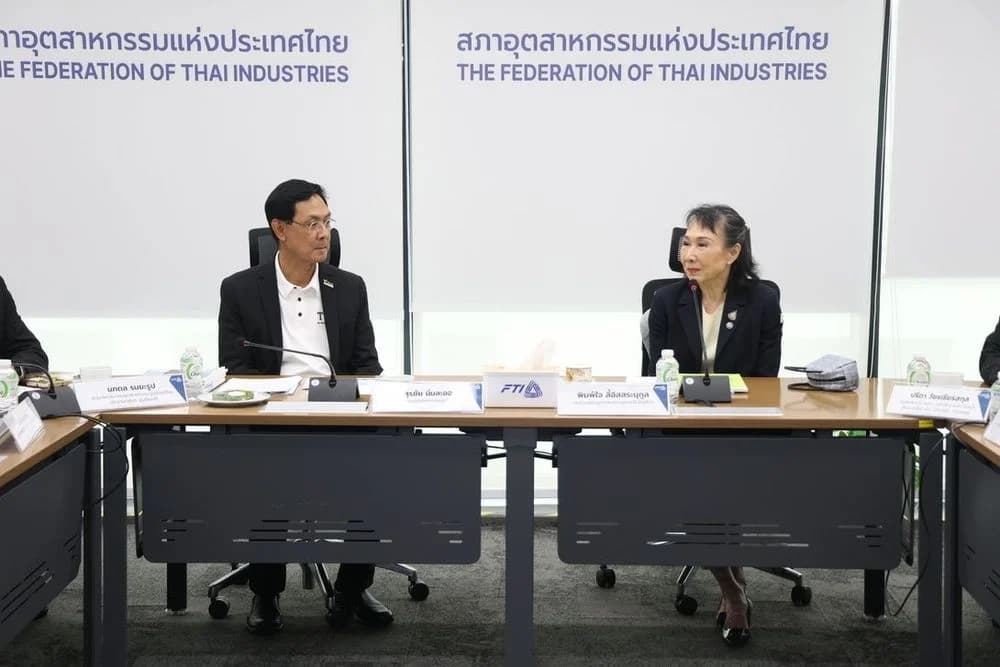
วันที่ 7 กันยายน 2569 นายปรีดา วัชรเธียรสกุล รองประธาน ส.อ.ท. และประธานสถาบันน้ำ สิ่งแวดล้อม และ Climate Change (WECCI) พร้อมด้วยนายพิษณุ จารุพัฒนะสิริกุล กรรมการสถาบันฯ นายสุรชัย วังรัตนชัย ผู้แทนสถาบันฯ และนางสรวงระวี คุณธนกาญจน์ ผู้อำนวยการสถาบันฯ เข้าพบ นายเอกนิติ รมยานนท์ เลขาธิการสำนักงานมาตรฐานผลิตภัณฑ์อุตสาหกรรม (สมอ.) ณ ห้องประชุม 230 ชั้น 2 สำนักงานมาตรฐานผลิตภัณฑ์อุตสาหกรรม
ที่ประชุมเห็นชอบให้ Synthetic Gypsum เป็นกรณีต้นแบบ (Pilot Project) สำหรับการเชื่อมโยง EoW กับระบบมาตรฐานและ NQI อย่างครบวงจร โดยเริ่มจากยิปซัมพลอยได้จากอุตสาหกรรมผลิตกรดอินทรีย์ หรือ Citro/Lacto-Gypsum พร้อมผลักดัน CaCake และยิปซัมจากแม่พิมพ์ปูนปลาสเตอร์ที่ใช้แล้ว เข้าสู่แผนการจัดทำมาตรฐานในปี 2570
อีกประเด็นสำคัญคือการวางแนวทางให้ เกณฑ์ EoW และมาตรฐาน มอก. สามารถเชื่อมโยงและอ้างอิงร่วมกัน เพื่อลดความซ้ำซ้อนของการทดสอบและทำให้วัสดุที่ผ่านเกณฑ์สามารถกลับเข้าสู่ระบบการผลิตได้สะดวกและมีความน่าเชื่อถือมากขึ้น
[ขยาย EoW สู่ Digestate และวางระบบรองรับของเสียประเภทอื่น]
WECCI ยังเสนอการพัฒนามาตรฐาน EoW สำหรับ Digestate จากอุตสาหกรรมแปรรูปการเกษตร เพื่อเปลี่ยนวัสดุเหลือใช้ให้กลับมาใช้ประโยชน์ในภาคเกษตรกรรม โดยที่ประชุมเห็นชอบให้พัฒนามาตรฐานแยกระหว่าง Liquid Digestate และ Solid Digestate ควบคู่กับการประสานหน่วยงานด้านคุณภาพ ความปลอดภัย และข้อกฎหมายที่เกี่ยวข้อง
พร้อมกันนี้ ได้เห็นชอบโครงสร้างการทำงานร่วมกัน 5 กลุ่มงาน ครอบคลุมการขึ้นทะเบียน SDO การยกร่างมาตรฐาน Synthetic Gypsum และ CaCake การเชื่อมโยงเกณฑ์ EoW กับ มอก. และการพัฒนา NQI สำหรับวัตถุดิบทุติยภูมิ เพื่อวางรากฐานให้สามารถขยายผลไปยังกากอุตสาหกรรมประเภทอื่นในอนาคต
ความร่วมมือครั้งนี้จึงเป็นการขยับจาก “Waste Management” สู่ “Resource Management” โดยสร้างทั้งมาตรฐาน กติกา และความเชื่อมั่นให้กับวัสดุที่นำกลับมาใช้ใหม่ สอดคล้องกับ I5: Inclusive Sustainability ภายใต้ยุทธศาสตร์ 5I ของ ส.อ.ท. ที่มุ่งขับเคลื่อน Green Industry และ Circular Economy ผ่านความร่วมมือระหว่างภาคอุตสาหกรรม ภาครัฐ และภาควิจัย เพื่อให้ทรัพยากรถูกใช้ซ้ำอย่างคุ้มค่าและสร้างมูลค่าให้กับระบบเศรษฐกิจไทย
FTI is advancing the concept of End-of-Waste (EoW) from a “waste management approach” to a “practical standard system for the industry” with hopes of transforming potential industrial waste back into quality secondary raw materials that can confidently enter the production process and reduce the use of new resources.
The core objective is to create standards and certification systems that instill confidence in the quality of waste materials among operators. The Federation of Thai Industries (FTI), in collaboration with the Metal and Materials Technology Center (MTEC) and the National Science and Technology Development Agency (NSTDA), the Center of Excellence for Hazardous Substance and Waste Management (CEHWM), and Chulalongkorn University, is moving forward to discuss with the Thai Industrial Standards Institute (TISI) to integrate the EoW mechanism into the National Quality Infrastructure (NQI) of the country, reducing standard limitations and creating mechanisms that facilitate the recycling of resources back into the economic system.
[Pushing Synthetic Gypsum as the Pilot Project for Secondary Raw Material Standards]
On September 7, 2026, Mr. Prida Watcharathiansakun, Vice President of FTI and Chairman of the Water, Environment, and Climate Change Institute (WECCI), along with Mr. Pisanu Jaruphatthanasirikul, Board Member of the Institute, Mr. Surachai Wangratanchai, Institute Representative, and Ms. Suangrawee Khunthanakarn, Institute Director, met with Mr. Ekniti Ramayanon, Secretary-General of the Thai Industrial Standards Institute (TISI) at Meeting Room 230, 2nd Floor, Thai Industrial Standards Institute.
The meeting agreed to designate Synthetic Gypsum as a pilot case for integrating EoW with a comprehensive standard and NQI system, initially focusing on gypsum by-products from the organic acid production industry, or Citro/Lacto-Gypsum, while promoting CaCake and used plaster mold gypsum into the standard development plan for 2027.
Another crucial issue is establishing guidelines so that EoW criteria and Thai Industrial Standards (TIS) can be interconnected and referenced together, to reduce the redundancy of testing and make it easier and more reliable for materials meeting the criteria to re-enter the production system.
[Expanding EoW to Digestate and Establishing Support Systems for Other Waste Types]
WECCI also proposed developing EoW standards for Digestate from the agricultural processing industry to reintegrate waste materials back into the agricultural sector. The meeting agreed to develop separate standards for Liquid Digestate and Solid Digestate alongside coordinating quality, safety, and legal agencies.
Additionally, the structure for collaboration among five working groups covering SDO registration, drafting standards for Synthetic Gypsum and CaCake, linking EoW criteria with TIS, and developing NQI for secondary raw materials was approved to lay the foundation for potential expansion to other types of industrial waste in the future.
This collaboration thus marks a shift from “Waste Management” to “Resource Management” by establishing standards, regulations, and trust for materials being reused, aligning with I5: Inclusive Sustainability under FTI’s 5I Strategy aimed at driving Green Industry and Circular Economy through collaboration among the industrial sector, government, and research sector, to ensure that resources are reused efficiently and create value for the Thai economy.