ส.อ.ท. ลงพื้นที่จังหวัดสงขลา ติดตามสถานการณ์และศักยภาพการค้าชายแดนไทย–มาเลเซีย สำรวจความพร้อมด้าน ด่านศุลกากร เส้นทางชายแดน ท่าเรือ คลังสินค้า และนิคมอุตสาหกรรม พร้อมหารือหน่วยงานในพื้นที่ เพื่อผลักดันการอำนวยความสะดวกทางการค้า เพิ่มประสิทธิภาพการขนส่ง และยกระดับชายแดนใต้สู่ ประตูการค้าสำคัญเชื่อมไทย–มาเลเซียและภูมิภาค
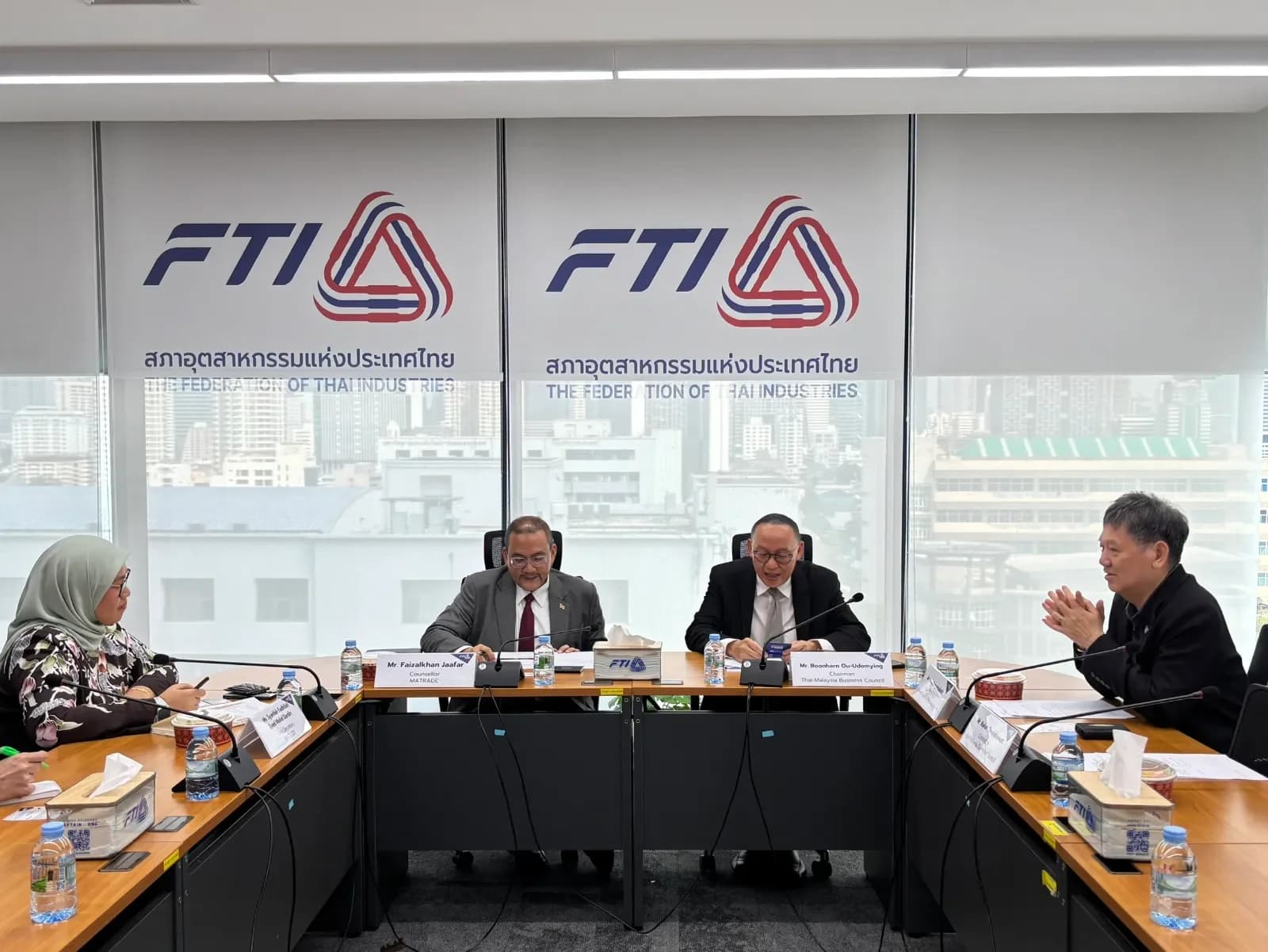
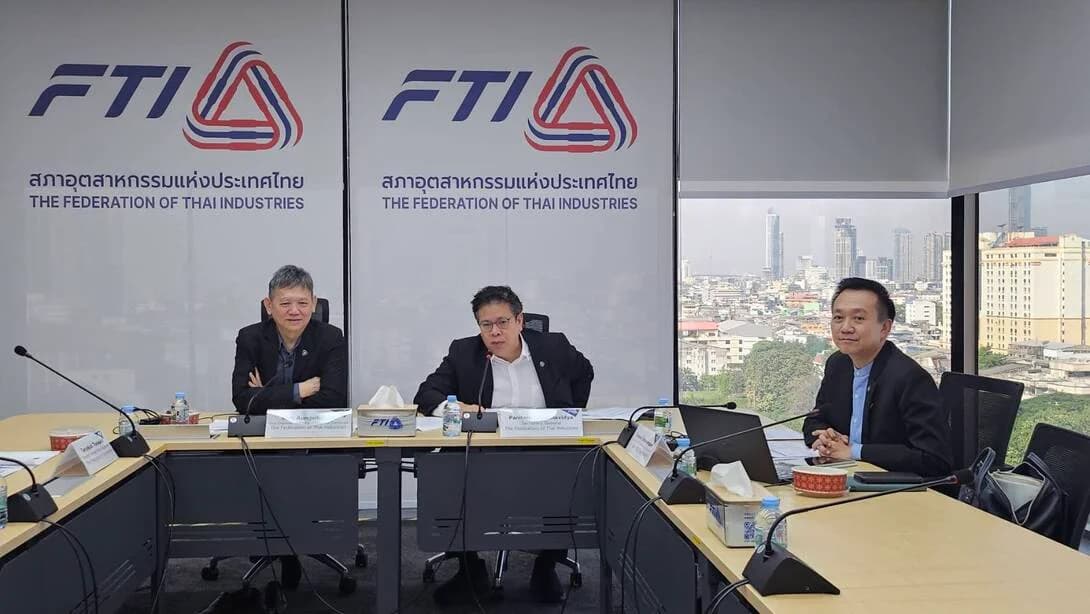
ระหว่างวันที่ 10–12 กันยายน 2569 คณะผู้บริหารสายงานอาเซียนและโลจิสติกส์ สภาอุตสาหกรรมแห่งประเทศไทย (ส.อ.ท.) นำโดย นายเวทิต โชควัฒนา รองประธานอาวุโส ส.อ.ท. และประธานสายงานอาเซียนและโลจิสติกส์ พร้อมด้วย นายสุนทรพล วีระประวัติ รองประธานสายงานฯ และประธานคณะอนุกรรมการส่งเสริมการนำเข้า–ส่งออก และการค้าชายแดนผ่านแดน รวมถึงคณะอนุกรรมการที่เกี่ยวข้อง ร่วมลงพื้นที่และแลกเปลี่ยนข้อมูลกับหน่วยงานในจังหวัดสงขลา
[เชื่อมท่าเรือ–คลังสินค้า เพิ่มประสิทธิภาพระบบโลจิสติกส์]
วันที่ 10 กันยายน 2569 คณะฯ เข้าศึกษาดูงาน ท่าเรือน้ำลึกสงขลา โดยได้รับการต้อนรับและบรรยายข้อมูลจาก นายวัฒนชัย เรืองเลิศปัญญากุล ผู้อำนวยการท่าเรือน้ำลึกสงขลา ซึ่งอยู่ภายใต้การบริหารของบริษัท เจ้าพระยาท่าเรือสากล จำกัด พร้อมติดตามแผนขยายและเพิ่มประสิทธิภาพการให้บริการ เพื่อยกระดับขีดความสามารถในการรองรับการขนส่งสินค้า
ปัจจุบัน ปั้นจั่นหน้าท่าจำนวน 2 ตัว ได้เดินทางถึงท่าเรือแล้ว ขณะที่คานเคลื่อนที่ยกตู้สินค้า (Rubber Tyred Gantry Crane: RTG) จำนวน 4 ตัว เริ่มใช้งานแล้ว รวมถึงเรือลากจูงที่จัดซื้อและเริ่มใช้งานแล้ว 1 ลำ และอีก 1 ลำ มีกำหนดส่งมอบภายในปลายเดือนกันยายน 2569 นอกจากนี้ งานปรับปรุงสิ่งอำนวยความสะดวกภายในท่าเรืออยู่ในช่วงใกล้แล้วเสร็จ และคาดว่าจะส่งมอบได้ภายในวันที่ 30 กันยายน 2569
จากนั้น คณะฯ เข้าศึกษาดูงาน บริษัท ก.ชัยแสง ดี.ซี. จำกัด และ THAI BEVERAGE LOGISTIC COMPANY LIMITED (TBL) สาขาคลัง RDC หาดใหญ่ เพื่อติดตามศักยภาพของระบบคลังสินค้าและการกระจายสินค้า ซึ่งเป็นองค์ประกอบสำคัญในการสนับสนุนการเคลื่อนย้ายสินค้าและเชื่อมโยงการค้าของภาคใต้กับประเทศเพื่อนบ้าน
[ยกระดับด่านสะเดา เพิ่มความคล่องตัวการค้าชายแดน]
ในการติดตามสถานการณ์การค้าชายแดนไทย–มาเลเซีย คณะฯ เข้าพบหารือกับนางนิรมล ศรีวุฒิชาญ ผู้อำนวยการส่วนควบคุมทางศุลกากร และนายอัฏฐากร สมศิลป์ นักวิชาการศุลกากรชำนาญการ ด่านศุลกากรสะเดา พร้อมสำรวจ ด่านศุลกากรสะเดาแห่งเดิมและแห่งใหม่ รวมถึงเส้นทางเชื่อมต่อด่านศุลกากรสะเดาแห่งใหม่กับ ด่านบูกิตกายูฮิตัมของมาเลเซีย
จากการลงพื้นที่พบว่า ด่านศุลกากรสะเดาแห่งใหม่ มีศักยภาพรองรับรถขนส่งสินค้าตู้คอนเทนเนอร์ได้เพิ่มขึ้นถึง 300 คันต่อวัน พร้อมนำระบบ X-ray แบบ Drive-through (Fast Scan) มาใช้ในการตรวจสอบสินค้า ช่วยลดระยะเวลาในการตรวจปล่อยและการรอคอยผ่านพิธีการศุลกากร ซึ่งจะช่วยประหยัดเวลา ลดต้นทุนการขนส่ง และเพิ่มความคล่องตัวในการเคลื่อนย้ายสินค้าผ่านชายแดนไทย–มาเลเซีย
[ปาดังเบซาร์ เชื่อมถนน–รถไฟ–ท่าเรือภายในประเทศมาเลเซีย]
สำหรับ ด่านศุลกากรปาดังเบซาร์ คณะฯ ได้หารือและติดตามศักยภาพในการรองรับการนำเข้า–ส่งออกและการขนส่งสินค้าข้ามพรมแดน ร่วมกับนายกมนเดช นาคประเสริฐ ผู้อำนวยการส่วนบริการศุลกากร นายจักรพันธุ์ วรรณพงษ์ ผู้อำนวยการส่วนควบคุมทางศุลกากร นายวีรศักดิ์ บุญทอง หัวหน้าฝ่ายบริการศุลกากรที่ 1 และนายวรวุฒิ สุภชัยพานิชพงศ์ หัวหน้าฝ่ายควบคุมและตรวจสอบทางศุลกากร ด่านศุลกากรปาดังเบซาร์
จากการลงพื้นที่พบว่า ด่านศุลกากรปาดังเบซาร์มีบทบาทรองรับการนำเข้า–ส่งออกผ่าน 3 ช่องทางเข้า–ออก ได้แก่ การเดินทางของผู้โดยสาร การขนส่งสินค้าทางถนน และการขนส่งทางรถไฟ
ขณะเดียวกัน ด่านฯ มีแผนพัฒนา จุดผ่านแดนแห่งที่ 2 เพื่อเพิ่มประสิทธิภาพการเชื่อมต่อไปยัง Perlis Inland Port (PIP) ประเทศมาเลเซีย ซึ่งจะช่วยเพิ่มทางเลือกและความสะดวกในการขนส่งสินค้า ตลอดจนสนับสนุนการเชื่อมโยงเครือข่ายการค้าชายแดนและโลจิสติกส์ระหว่างไทย–มาเลเซียในอนาคต
[เชื่อมภาคเอกชน–นิคมอุตสาหกรรม รองรับการลงทุนชายแดน]
คณะฯ ยังได้ลงพื้นที่นิคมอุตสาหกรรมสงขลา อำเภอสะเดา โดยมีนายพิพัฒน์ หนูทอง ผู้อำนวยการสำนักงานนิคมอุตสาหกรรมสงขลา ร่วมให้ข้อมูลและแลกเปลี่ยนมุมมองเกี่ยวกับศักยภาพของพื้นที่ ตลอดจนความพร้อมของนิคมอุตสาหกรรมในการรองรับการค้า การลงทุน และกิจกรรมทางเศรษฐกิจบริเวณชายแดนไทย–มาเลเซีย ซึ่งเชื่อมโยงกับการพัฒนาโครงสร้างพื้นฐานและระบบโลจิสติกส์ในพื้นที่
นอกจากนี้ คณะฯ ได้พบนายศิวกร วิชากิจ รองประธานสภาอุตสาหกรรมจังหวัดสงขลา พร้อมด้วยที่ปรึกษาและกรรมการสภาอุตสาหกรรมจังหวัดสงขลา เพื่อแลกเปลี่ยนมุมมองเกี่ยวกับสถานการณ์การค้าชายแดน รวมถึงโอกาสและประเด็นที่ภาคเอกชนต้องการผลักดัน เพื่อเพิ่มความคล่องตัวทางการค้าและเสริมศักยภาพการแข่งขันของพื้นที่ชายแดนไทย–มาเลเซีย
[พัฒนากำลังคน ตอบโจทย์อุตสาหกรรมและโลจิสติกส์]
การลงพื้นที่ยังครอบคลุมด้านการพัฒนากำลังคน โดยคณะฯ เข้าศึกษาดูงาน มหาวิทยาลัยสงขลานครินทร์ และหารือแนวทางพัฒนากำลังคนด้านโลจิสติกส์ผ่านรูปแบบ CWIE (Co-operative and Work-Integrated Education) เพื่อเชื่อมโยงการเรียนรู้กับประสบการณ์การทำงานจริง และพัฒนาบุคลากรให้สอดคล้องกับความต้องการของภาคอุตสาหกรรมและระบบโลจิสติกส์ในพื้นที่
[ส.อ.ท. เดินหน้าติดตามผลการใช้งานจริง]
สำหรับทิศทางการดำเนินงานในระยะต่อไป ส.อ.ท. จะติดตามพัฒนาการภายหลังการเปิดใช้งานโครงสร้างพื้นฐานและระบบต่าง ๆ ของ ด่านศุลกากรสะเดาและด่านศุลกากรปาดังเบซาร์อย่างเต็มรูปแบบ เพื่อรับฟังผลจากการใช้งานจริง รวมถึงข้อคิดเห็นและข้อเสนอแนะจากผู้ประกอบการและหน่วยงานที่เกี่ยวข้อง โดยเฉพาะด้านการอำนวยความสะดวกทางการค้าและการขนส่งสินค้าข้ามพรมแดน เพื่อนำข้อมูลมาประกอบการหารือและร่วมผลักดันแนวทางที่เป็นประโยชน์ต่อการยกระดับการค้าชายแดนไทย–มาเลเซียต่อไป
ทั้งนี้ การลงพื้นที่จังหวัดสงขลาสะท้อนถึงศักยภาพของ ชายแดนใต้ในฐานะประตูการค้าสำคัญระหว่างไทย–มาเลเซีย โดยการเชื่อมโยงด่านศุลกากร โครงสร้างพื้นฐาน ท่าเรือ ระบบโลจิสติกส์ พื้นที่อุตสาหกรรม และกำลังคน ให้ทำงานสอดประสานกัน จะเป็นกลไกสำคัญในการอำนวยความสะดวกทางการค้า ลดระยะเวลาและต้นทุนการเคลื่อนย้ายสินค้า ต่อยอดโอกาสการลงทุน และเพิ่มขีดความสามารถในการแข่งขันของผู้ประกอบการไทยในตลาดมาเลเซียและภูมิภาค
FTI conducted an on-site assessment in Songkhla Province to monitor the situation and trade potential at the Thailand-Malaysia border. The team explored the readiness of customs checkpoints, border routes, ports, warehouses, and industrial estates, and held discussions with local agencies to promote trade facilitation, enhance transportation efficiency, and elevate the southern border as a key trade gateway connecting Thailand, Malaysia, and the region.
From September 10-12, 2026, a delegation from the ASEAN and Logistics Division of the Federation of Thai Industries (FTI), led by Mr. Vethit Chokwatana, Senior Vice President of FTI and Chair of the ASEAN and Logistics Division, along with Mr. Suntornpol Weeraprawit, Vice President of the Division and Chair of the Subcommittee on Export-Import Promotion and Border Trade, as well as relevant subcommittees, visited the province to exchange information with local agencies.
[Linking Ports and Warehouses to Enhance Logistics Efficiency]
On September 10, 2026, the delegation attended a study visit at the Songkhla Deep Sea Port, where they received a warm welcome and briefing from Mr. Watthanachai Ruanglerdpanyakun, Director of Songkhla Deep Sea Port, operated by Chao Phraya International Port Co., Ltd. The team followed up on plans to expand and enhance service efficiency to improve the port's capacity for cargo transportation.
Currently, two quay cranes have arrived at the port, while four Rubber Tyred Gantry Cranes (RTGs) have been put into operation. Additionally, one tugboat has been purchased and is already in service, with another scheduled for delivery by the end of September 2026. Furthermore, improvements to the port's facilities are nearing completion and are expected to be delivered by September 30, 2026.
Subsequently, the delegation visited K.Chaiseang D.C. Co., Ltd. and THAI BEVERAGE LOGISTIC COMPANY LIMITED (TBL) at the Hatyai RDC Warehouse to assess the capabilities of the warehousing and distribution system, a critical component for supporting the movement of goods and connecting trade in the southern region with neighboring countries.
[Upgrading Sadao Checkpoint to Enhance Border Trade Fluidity]
To monitor the Thailand-Malaysia border trade situation, the delegation met with Ms. Niramol Sriwuticharn, Director of the Customs Control Division, and Mr. Atthakorn Somsilp, Customs Specialist at Sadao Customs checkpoint, assessing both the existing and new Sadao Customs checkpoints, including the connecting route to Malaysia's Bukit Kayu Hitam checkpoint.
The site visit revealed that the new Sadao Customs checkpoint has the capacity to accommodate up to 300 trucks per day, implementing a Drive-through X-ray system (Fast Scan) for cargo inspection, reducing the time for clearance and waiting during customs procedures. This will save time, lower transportation costs, and increase fluidity in the movement of goods across the Thailand-Malaysia border.
[Padang Besar: Connecting Roads, Railways, and Domestic Ports in Malaysia]
Concerning Padang Besar Customs checkpoint, the delegation discussed and assessed its capacity to handle cross-border import-export and transportation with Mr. Komnadet Nakprasert, Director of Customs Services, Mr. Jakrapand Wanphong, Director of Customs Control Division, Mr. Weerasak Boonthong, Head of Customs Services Section 1, and Mr. Worawat Suphachaiapanitpong, Head of Customs Control and Inspection Section at Padang Besar Customs checkpoint.
The site visit showed that Padang Besar Customs checkpoint plays a significant role in facilitating imports and exports via three access channels: passenger travel, road freight transport, and rail transport.
Meanwhile, the checkpoint has plans to develop a second border crossing to enhance connectivity to the Perlis Inland Port (PIP) in Malaysia, which will provide more options and convenience in transporting goods, as well as support the strengthening of cross-border trade and logistics networks between Thailand and Malaysia in the future.
[Connecting the Private Sector and Industrial Estates to Support Border Investment]
The delegation also visited the Songkhla Industrial Estate in Sadao District, where Mr. Pipat Nuthong, Director of the Songkhla Industrial Estate Office, provided information and exchanged views on the area's potential, as well as the readiness of the industrial estate to accommodate trade, investment, and economic activities in the Thailand-Malaysia border area, linked to the development of infrastructure and logistics systems in the region.
Additionally, the delegation met with Mr. Siwakorn Wichakit, Vice President of the Songkhla Provincial Industrial Council, along with advisors and council members, to discuss perspectives on the border trade situation, including opportunities and issues that the private sector aims to advocate for enhancing trade fluidity and strengthening the competitive potential of the Thailand-Malaysia border areas.
[Developing Workforce to Meet Industry and Logistics Needs]
The site visit also encompassed workforce development, where the delegation attended a study visit at Prince of Songkla University and discussed strategies for developing the logistics workforce through the CWIE (Co-operative and Work-Integrated Education) model, linking learning with real work experience and developing personnel to align with the needs of the industrial sector and logistics systems in the region.
[FTI Progresses to Monitor Real Operation Outcomes]
Looking ahead, FTI will follow up on developments after the full-scale operation of the Sadao Customs checkpoint and Padang Besar Customs checkpoint to gather feedback on the actual use, including comments and suggestions from operators and relevant agencies, particularly regarding trade facilitation and the transportation of goods across the border. This information will support discussions and initiatives aimed at enhancing the Thailand-Malaysia border trade.
This on-site assessment in Songkhla reflects the potential of the southern border as a key trading gateway between Thailand and Malaysia. By linking customs checkpoints, infrastructure, ports, logistics systems, industrial areas, and workforce coordination, it will serve as a crucial mechanism to facilitate trade, reduce the time and costs of goods movement, enhance investment opportunities, and increase the competitiveness of Thai operators in the Malaysian market and the region.