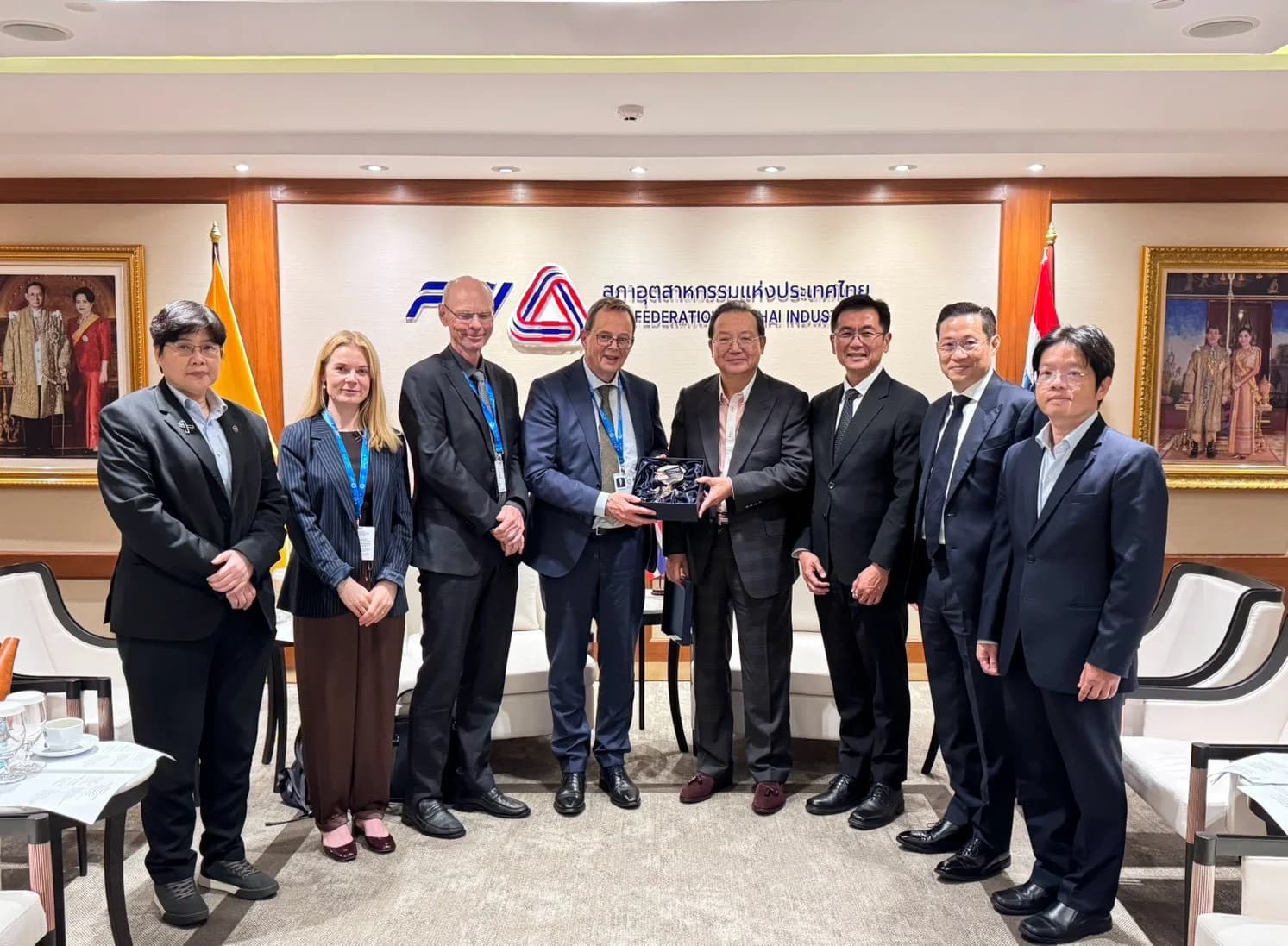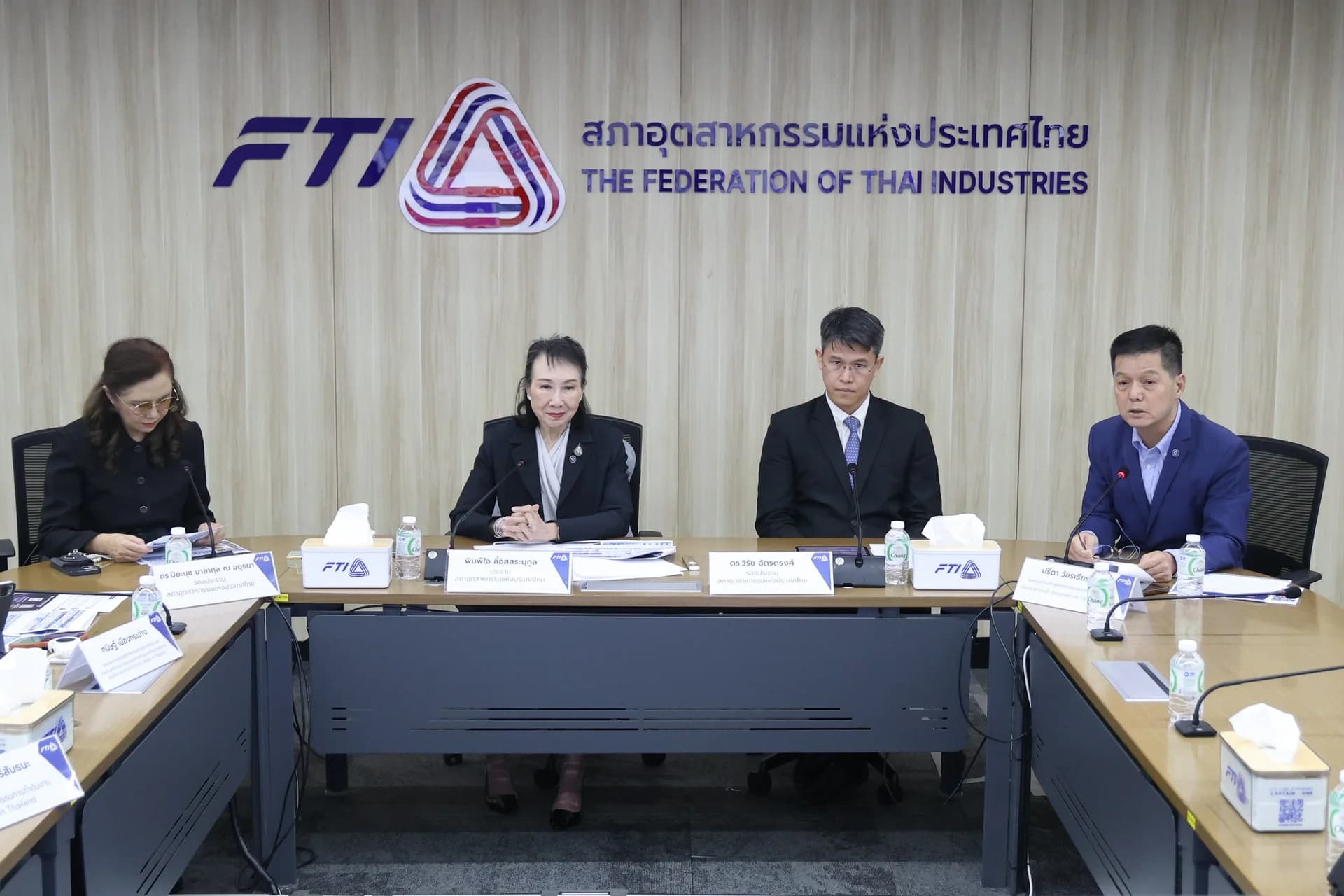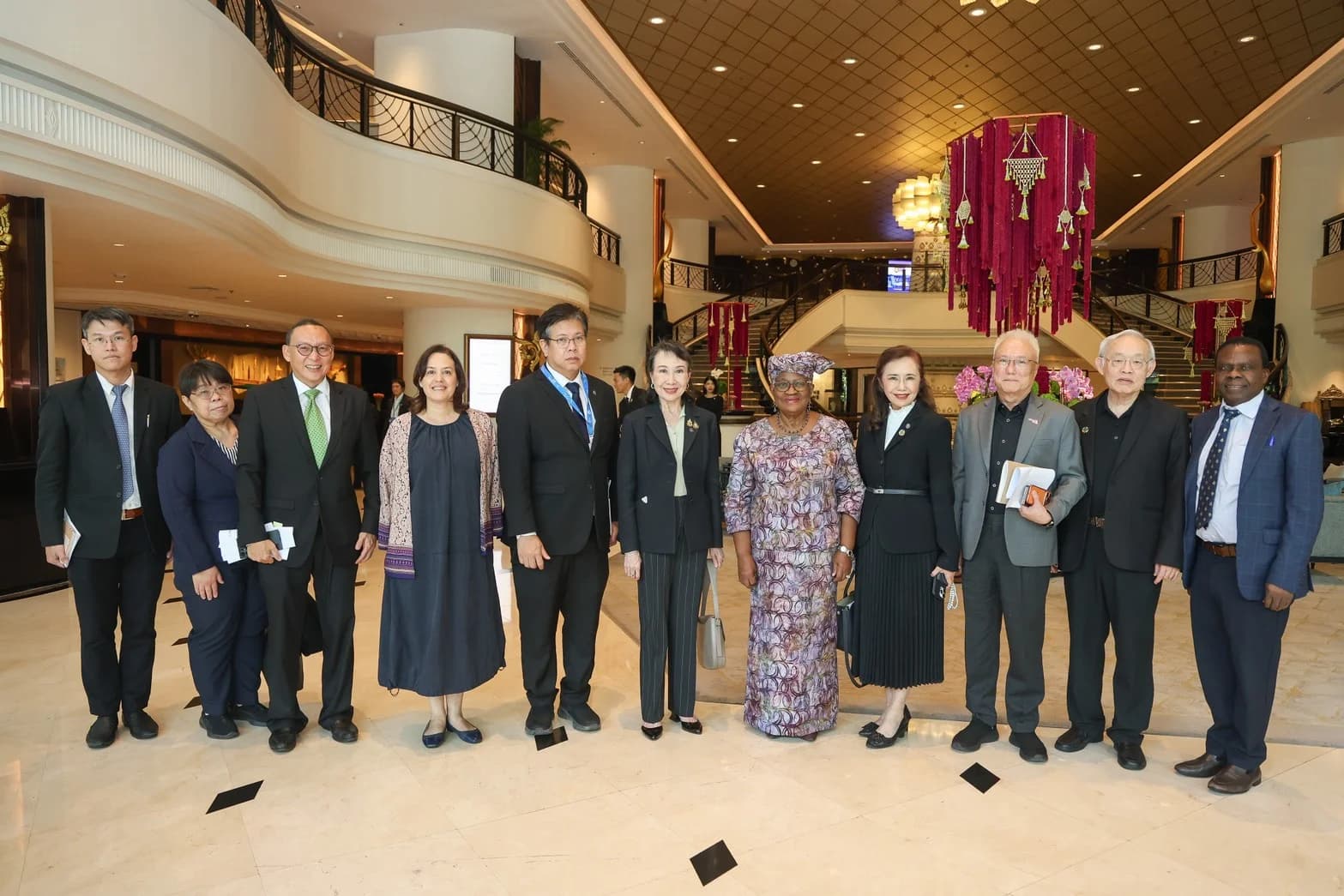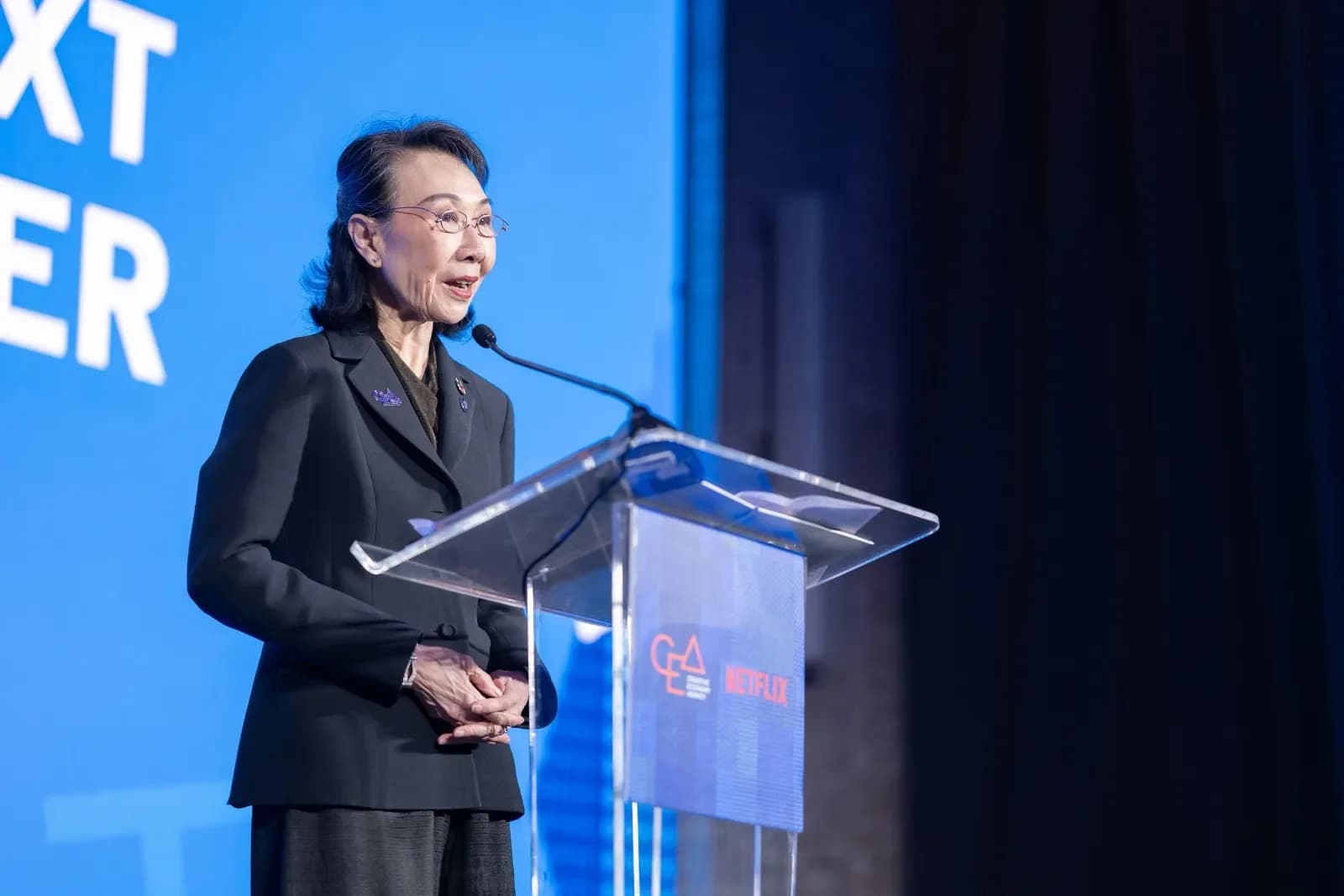

ส.อ.ท. ร่วมเวที ASEAN-BAC และการประชุมรัฐมนตรีเศรษฐกิจอาเซียน ผลักดันความร่วมมือด้านการค้าและการลงทุนในภูมิภาค โดยมุ่งลดอุปสรรคทางการค้า เชื่อมโยงห่วงโซ่อุปทาน ยกระดับเศรษฐกิจดิจิทัลและโครงสร้างพื้นฐาน พร้อมเสริมศักยภาพ MSMEs เพื่อสร้างโอกาสทางเศรษฐกิจและเพิ่มขีดความสามารถในการแข่งขันของอาเซียน
เมื่อวันที่ 18–19 กันยายน 2569 นายเวทิต โชควัฒนา รองประธานอาวุโส และประธานสายงานอาเซียนและโลจิสติกส์ สภาอุตสาหกรรมแห่งประเทศไทย (ส.อ.ท.) เข้าร่วมการประชุมสภาที่ปรึกษาธุรกิจอาเซียน (ASEAN Business Advisory Council: ASEAN-BAC) ครั้งที่ 107 และการประชุมรัฐมนตรีเศรษฐกิจอาเซียน ครั้งที่ 58 (58th ASEAN Economic Minister Meeting: AEM) เพื่อแลกเปลี่ยนข้อคิดเห็นและผลักดันข้อเสนอเชิงนโยบายจากภาคเอกชนในการส่งเสริมความร่วมมือทางเศรษฐกิจ การค้า และการลงทุนในภูมิภาคอาเซียน ณ กรุงมะนิลา ประเทศฟิลิปปินส์
สำหรับการประชุม ASEAN-BAC ครั้งที่ 107 ในวันที่ 18 กันยายน 2569 ที่ประชุมได้ติดตามความคืบหน้าการดำเนินงานภายใต้การเป็นประธาน ASEAN-BAC ของฟิลิปปินส์ ประจำปี 2569 โดยครอบคลุมการเตรียมจัดการประชุมสุดยอดผู้นำธุรกิจและการลงทุนอาเซียน (ASEAN Business & Investment Summit: ABIS) และการมอบรางวัล ASEAN Business Awards (ABA) ตลอดจนการขับเคลื่อนความร่วมมือด้านความมั่นคงทางอาหาร เศรษฐกิจสร้างสรรค์ การยกระดับศักยภาพของวิสาหกิจขนาดกลางและขนาดย่อม (MSMEs) และการส่งเสริมบทบาททางเศรษฐกิจของสตรีและเยาวชน เพื่อเพิ่มโอกาสและการมีส่วนร่วมของภาคธุรกิจในการพัฒนาเศรษฐกิจอาเซียนอย่างทั่วถึง
นอกจากนี้ ที่ประชุมยังได้รับทราบรายงานผลการดำเนินการของคณะทำงานถาวร 3 ด้าน ได้แก่ Supply Chain & Economic Integration, Digital Innovation และ Sustainability & Climate Finance โดยให้ความสำคัญกับการขับเคลื่อนกลไก ASEAN Supply Chain Council เพื่อเสริมสร้างความเชื่อมโยงของห่วงโซ่อุปทานในภูมิภาค การลดอุปสรรคทางการค้า การส่งเสริมระบบการค้าไร้เอกสาร และความร่วมมือในอุตสาหกรรมสำคัญ อาทิ เซมิคอนดักเตอร์และอิเล็กทรอนิกส์ โลจิสติกส์ และอาหารและเครื่องดื่ม ควบคู่กับการผลักดันความตกลงกรอบเศรษฐกิจดิจิทัลอาเซียน (DEFA) ไปสู่การปฏิบัติ การส่งเสริมการนำเทคโนโลยีปัญญาประดิษฐ์ (AI) มาใช้ในภาคธุรกิจ ตลอดจนการส่งเสริมการเงินเพื่อรับมือกับการเปลี่ยนแปลงสภาพภูมิอากาศและการเปลี่ยนผ่านสู่เศรษฐกิจคาร์บอนต่ำ
ต่อมาในวันที่ 19 กันยายน 2569 ได้มีการประชุมรัฐมนตรีเศรษฐกิจอาเซียน ครั้งที่ 58 (58th ASEAN Economic Minister Meeting) โดยมีประเด็นสำคัญครอบคลุมการติดตามสถานการณ์และแนวโน้มเศรษฐกิจโลกและภูมิภาค ความคืบหน้าของผลลัพธ์สำคัญด้านเศรษฐกิจ (Priority Economic Deliverables: PEDs) ภายใต้การเป็นประธานอาเซียนของฟิลิปปินส์ ตลอดจนการดำเนินงานภายใต้ประชาคมเศรษฐกิจอาเซียน (ASEAN Economic Community: AEC)
นอกจากนี้ การหารือยังครอบคลุมความริเริ่มด้านความยั่งยืน อาทิ ASEAN Strategy for Carbon Neutrality, Framework for Circular Economy for AEC, ASEAN Blue Economy Implementation Plan และ ASEAN Green Economy Framework Agreement (GEFA) รวมถึงการเตรียมความพร้อมสำหรับการหารือกับประเทศคู่เจรจาและหุ้นส่วนทางเศรษฐกิจภายนอกภูมิภาค เพื่อส่งเสริมความร่วมมือด้านการค้า การลงทุน และการบูรณาการทางเศรษฐกิจของอาเซียน
ในโอกาสเดียวกัน ASEAN-BAC ได้นำเสนอรายงานและข้อเสนอแนะเชิงนโยบายต่อรัฐมนตรีเศรษฐกิจอาเซียน ภายใต้แนวคิด “Navigating Our Future Together: Advancing Prosperity for All” โดยให้ความสำคัญกับการลดมาตรการที่มิใช่ภาษี (Non-Tariff Measures: NTMs) ซึ่งเป็นอุปสรรคต่อการค้า การอำนวยความสะดวกทางการค้าข้ามพรมแดน และการพัฒนาระบบการค้าไร้เอกสาร เพื่อเพิ่มประสิทธิภาพการเชื่อมโยงทางเศรษฐกิจระหว่างประเทศสมาชิก ตลอดจนการสนับสนุนการนำ DEFA ไปสู่การปฏิบัติ การพัฒนาโครงสร้างพื้นฐานด้านดิจิทัลและพลังงาน โดยเฉพาะการเชื่อมโยงระบบไฟฟ้าอาเซียน (ASEAN Power Grid) รวมถึงการส่งเสริมความมั่นคงทางอาหารผ่านกลไก ASEAN Food Security Alliance (AFSA) และการยกระดับศักยภาพของ MSMEs สตรี และเยาวชน ผ่านการเข้าถึงตลาด เงินทุน ทักษะ และเทคโนโลยี เพื่อสนับสนุนการบูรณาการทางเศรษฐกิจภายใต้แผนยุทธศาสตร์ประชาคมเศรษฐกิจอาเซียน พ.ศ. 2569–2573 (AEC Strategic Plan 2026–2030) ต่อไป
FTI participated in the ASEAN-BAC platform and the ASEAN Economic Ministers' meeting, promoting trade and investment cooperation in the region by aiming to reduce trade barriers, connect supply chains, elevate the digital economy and infrastructure, and enhance MSMEs' capabilities to create economic opportunities and increase ASEAN's competitiveness.
On September 18-19, 2026, Mr. Vetith Chokwatana, Senior Vice President and Chairman of the ASEAN and Logistics Division of the Federation of Thai Industries (FTI), attended the 107th meeting of the ASEAN Business Advisory Council (ASEAN-BAC) and the 58th ASEAN Economic Minister Meeting (AEM) to exchange views and push for policy recommendations from the private sector to promote economic cooperation, trade, and investment in the ASEAN region in Manila, Philippines.
During the 107th ASEAN-BAC meeting on September 18, 2026, the meeting monitored the progress of operations under the Philippine chairmanship of ASEAN-BAC for 2026, covering the preparation for the ASEAN Business & Investment Summit (ABIS) and the ASEAN Business Awards (ABA), as well as driving cooperation in food security, creative economy, enhancing the capabilities of micro, small, and medium enterprises (MSMEs), and promoting the economic roles of women and youth to increase opportunities and participation from the business sector in the overall development of the ASEAN economy.
Additionally, the meeting received reports on the operations of the three permanent working groups, namely Supply Chain & Economic Integration, Digital Innovation, and Sustainability & Climate Finance, emphasizing the drive for the ASEAN Supply Chain Council mechanism to enhance supply chain connectivity in the region, reduce trade barriers, promote a paperless trading system, and cooperate in key industries such as semiconductors and electronics, logistics, and food and beverages, alongside pushing for the implementation of the ASEAN Digital Economy Framework Agreement (DEFA), promoting the use of artificial intelligence (AI) in business, and financial support to tackle climate change and transition to a low-carbon economy.
On September 19, 2026, the 58th ASEAN Economic Ministers' meeting was held, discussing key issues related to monitoring global and regional economic conditions and trends, progress on key economic deliverables (Priority Economic Deliverables: PEDs) under the Philippine chairmanship of ASEAN, and the operations under the ASEAN Economic Community (AEC).
The discussions also encompassed sustainability initiatives such as the ASEAN Strategy for Carbon Neutrality, Framework for Circular Economy for AEC, ASEAN Blue Economy Implementation Plan, and the ASEAN Green Economy Framework Agreement (GEFA), as well as preparations for discussions with trading partners and external economic partners to promote cooperation in trade, investment, and economic integration of ASEAN.
On this occasion, ASEAN-BAC presented its report and policy recommendations to the ASEAN Economic Ministers under the concept “Navigating Our Future Together: Advancing Prosperity for All,” emphasizing the reduction of non-tariff measures (NTMs) that pose barriers to trade, facilitating cross-border trade, and developing a paperless trading system to enhance economic linkages among member countries, as well as supporting the implementation of DEFA, development of digital and energy infrastructure, especially the connection of the ASEAN Power Grid, promoting food security through the ASEAN Food Security Alliance (AFSA), and enhancing the capabilities of MSMEs, women, and youth through access to market, funding, skills, and technology to support economic integration under the ASEAN Economic Community Strategic Plan 2026–2030.