ส.อ.ท. ผนึกกำลัง TCMA เดินหน้าความร่วมมือเชิงยุทธศาสตร์ เร่งเปลี่ยนผ่านอุตสาหกรรมสู่เศรษฐกิจคาร์บอนต่ำ พร้อมผลักดัน “สระบุรีแซนด์บ็อกซ์” สู่ต้นแบบ Green Transformation และยกระดับเป็นวาระแห่งชาติ เพื่อขยายผลสู่พื้นที่อื่นทั่วประเทศ
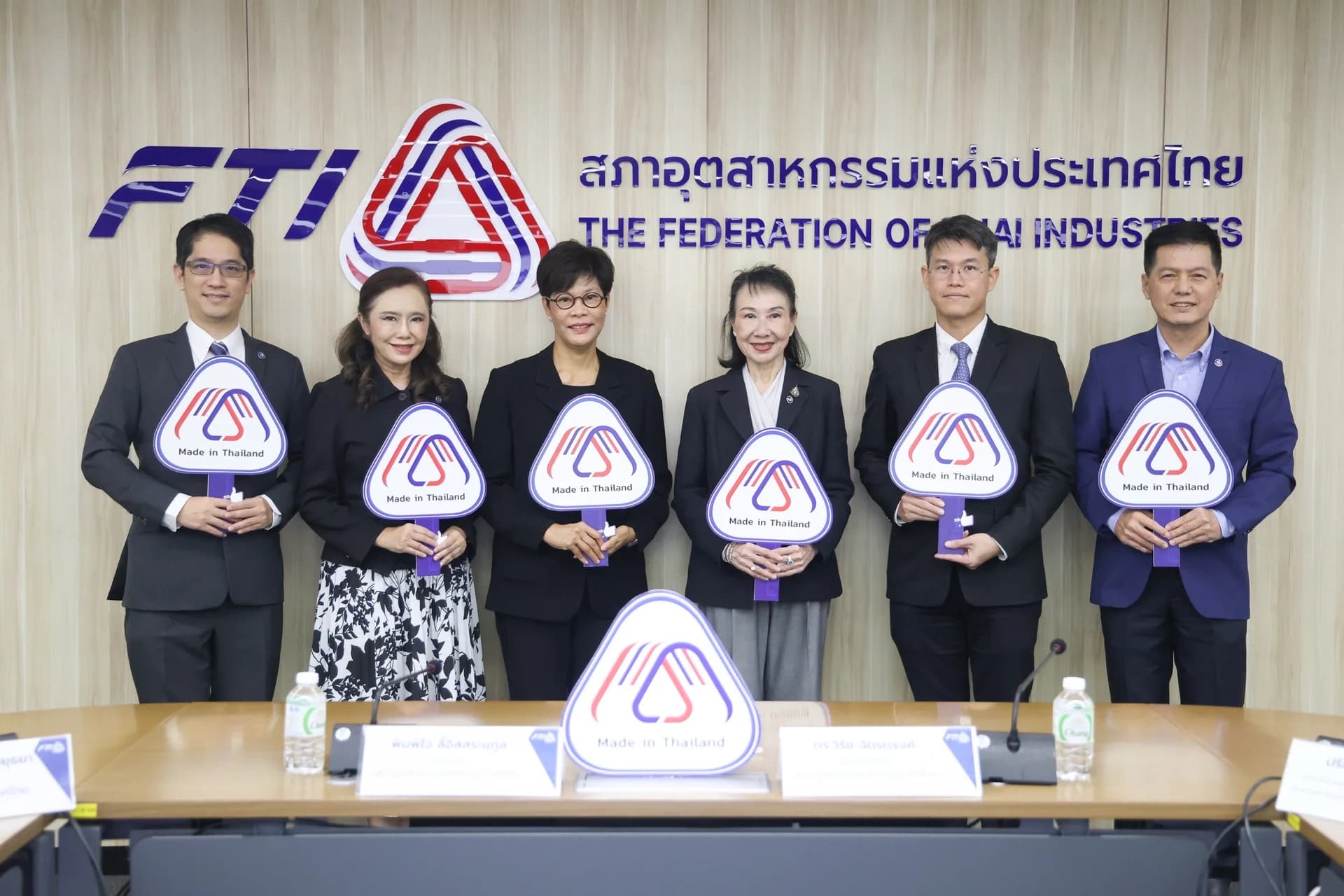
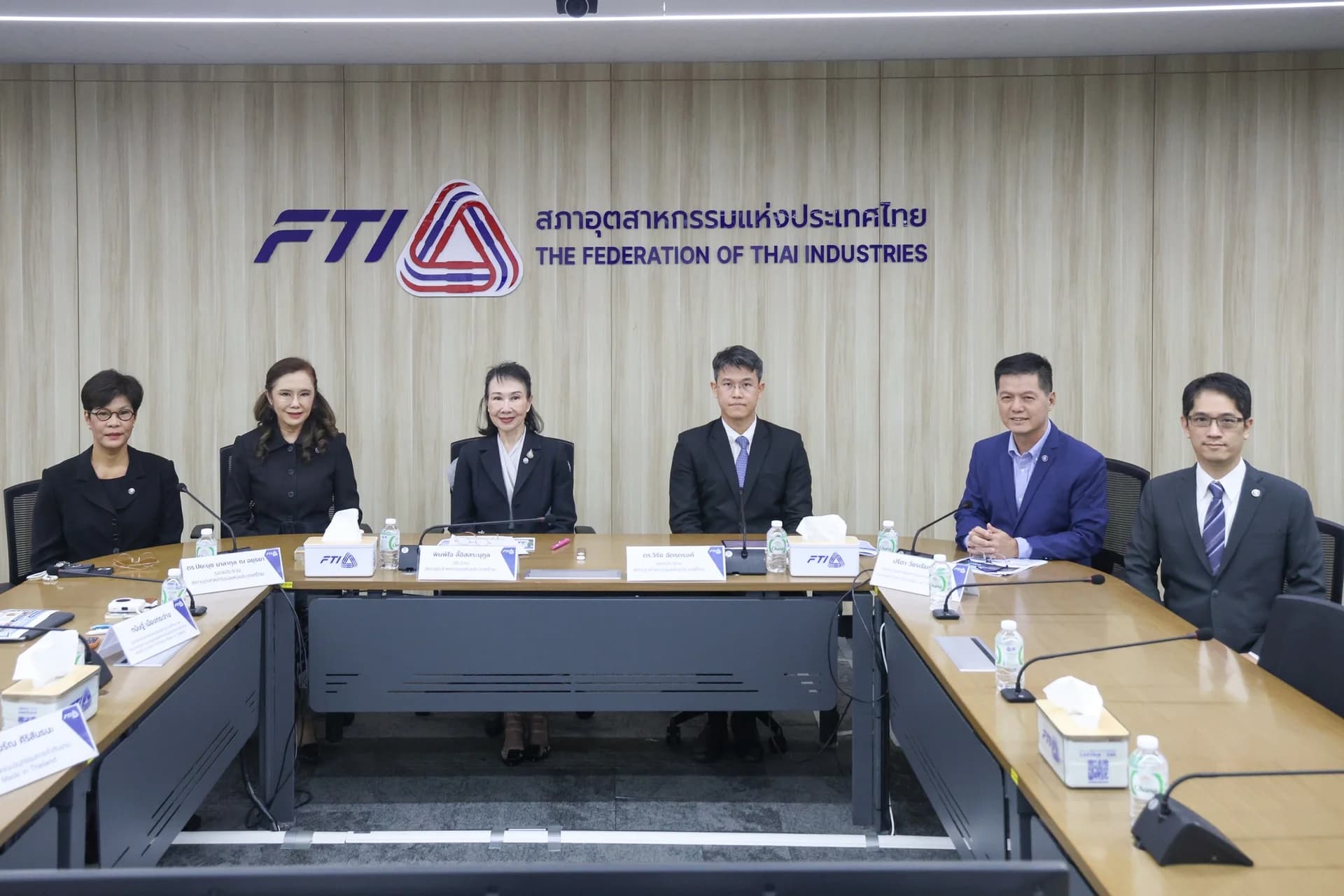
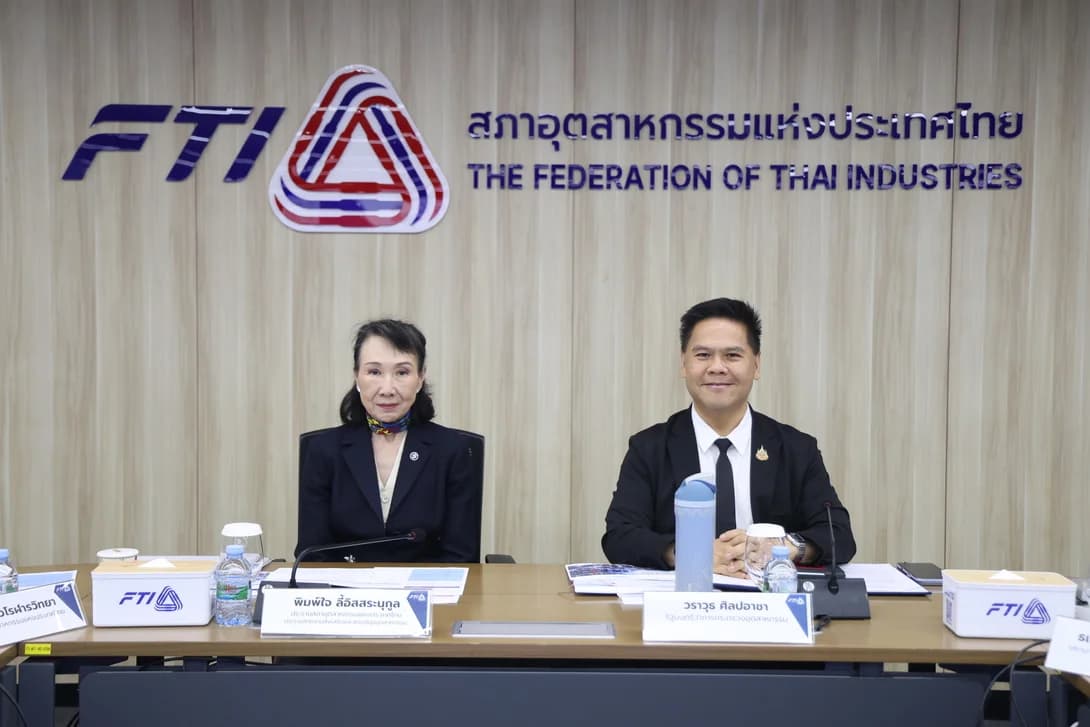
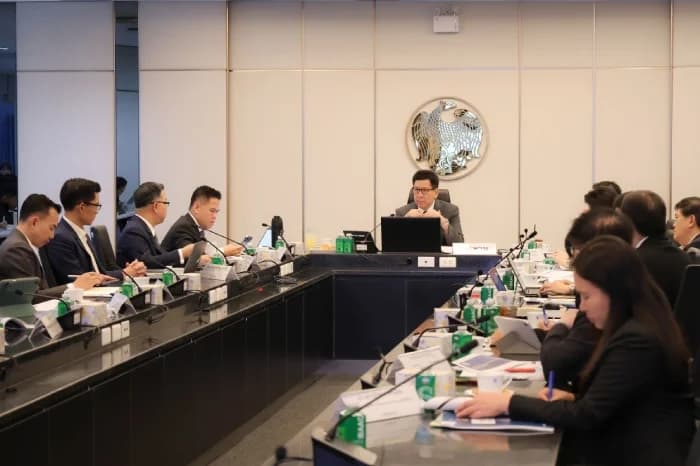
เมื่อวันที่ 18 กันยายน 2569 นางพิมพ์ใจ ลี้อิสสระนุกูล ประธานสภาอุตสาหกรรมแห่งประเทศไทย (ส.อ.ท.) พร้อมด้วยนายปรีดา วัชรเธียรสกุล รองประธาน ส.อ.ท. และประธานสถาบันน้ำ สิ่งแวดล้อม และClimate Change นายสุวัชร์ ศุภกาญจน์เดชากุล รองประธาน ส.อ.ท. ประจำสำนักประธาน นายธีระพล ติรวศิน รองประธาน ส.อ.ท. ประจำสำนักประธาน ดร.เนาวรัตน์ ทรงสวัสดิ์ชัย รองประธาน ส.อ.ท. ประจำสำนักประธาน และนายกิตติ สุขตุมตันติ กรรมการ ส.อ.ท. และรองประธานสายงานมาตรฐานอุตสาหกรรมและศักยภาพในการแข่งขัน ร่วมให้การต้อนรับคณะผู้บริหารสมาคมอุตสาหกรรมปูนซีเมนต์ไทย นำโดย นายสุรชัย นิ่มละออ นายกสมาคมอุตสาหกรรมปูนซีเมนต์ไทย พร้อมด้วย นายนภดล รมยะรูป อุปนายกสมาคมอุตสาหกรรมปูนซีเมนต์ไทย และประธานกลุ่มอุตสาหกรรมปูนซีเมนต์ นายระพี สุขยางค์ อุปนายกและเลขาธิการสมาคมอุตสาหกรรมปูนซีเมนต์ไทย นายภากร เลี่ยวไพรัตน์ อุปนายกสมาคมอุตสาหกรรมปูนซีเมนต์ไทย นายศาณิต เกษสุวรรณ ที่ปรึกษาคณะกรรมการสมาคมอุตสาหกรรมปูนซีเมนต์ไทย นายสมศักดิ์ อุทัยณรงค์เดช ผู้แทนบริษัท ภูมิใจไทยซีเมนต์ จำกัด นางสาวภัทราวรรณ สุขคันธรักษ์ ผู้อำนวยการบริหารสมาคมอุตสาหกรรมปูนซีเมนต์ไทย ดร.วันเฉลิม ชโลธร คณะทำงาน TCMA on Sustainability และนางสาวชนัดดา ผ่องใส คณะทำงาน TCMA on Innovation, Technology & CCU Platform พร้อมหารือแนวทางความร่วมมือ เพื่อเร่งขับเคลื่อนการดำเนินงานร่วมกันสู่เป้าหมาย Net Zero 2050 ณ ส.อ.ท.
การหารือประกอบด้วยการนำเสนอทิศทางการดำเนินงานของสมาคมอุตสาหกรรมปูนซีเมนต์ไทย ซึ่งได้ประกาศ Thailand 2050 Net Zero Cement & Concrete Roadmap เป็นแผนที่นำทางสู่เป้าหมาย Net Zero 2050 สอดรับกับเป้าหมาย NDC 3.0 ของประเทศ โดยมีผลการดำเนินงานลดการปล่อยก๊าซเรือนกระจกได้แล้วกว่า 3.8 ล้านตันคาร์บอนไดออกไซด์เทียบเท่า จากความร่วมมือปรับมาตรฐานสู่ปูนซีเมนต์ไฮดรอลิก และเตรียมต่อยอดสู่ปูนซีเมนต์คาร์บอนต่ำรุ่นใหม่ LC3 ซึ่งลดการปล่อยคาร์บอนไดออกไซด์ได้เพิ่มขึ้นถึงร้อยละ 40
ทั้งนี้ ได้มีการเสนอกรอบความร่วมมือเชิงยุทธศาสตร์ 5 ด้าน ได้แก่ การเปลี่ยนผ่านพลังงาน นโยบายและกฎระเบียบ เทคโนโลยีและนวัตกรรม การเติบโตทางเศรษฐกิจและความสามารถในการแข่งขัน และความร่วมมือ การเงินและการขยายผล
ประเด็นสำคัญของการหารือ คือ การผลักดัน "สระบุรีแซนด์บ็อกซ์" ซึ่งเป็นต้นแบบการขับเคลื่อนเชิงพื้นที่ในรูปแบบ Public–Private–People Partnership ครอบคลุมการทดแทนปูนเม็ดด้วยปูนซีเมนต์คาร์บอนต่ำ การเปลี่ยนผ่านพลังงานด้วยเชื้อเพลิงทดแทน พลังงานหมุนเวียน การนำความร้อนเหลือทิ้งมาผลิตไฟฟ้า และการปรับปรุงระบบโครงข่ายไฟฟ้า ตลอดจนการดักจับและใช้ประโยชน์คาร์บอนไดออกไซด์ (CCUS)
ทั้งสองฝ่ายเห็นพ้องที่จะยกระดับสระบุรีแซนด์บ็อกซ์ให้เป็นวาระแห่งชาติ และขยายผลเป็นโมเดล Green Community Area ภายใต้แนวคิด Green Transformation ของ ส.อ.ท. เพื่อให้สามารถนำสูตรความสำเร็จไปปรับใช้ในจังหวัดอื่นได้อย่างต่อเนื่อง
นอกจากนี้ ที่ประชุมได้หารือถึงการส่งเสริมสินค้าคาร์บอนต่ำผ่านกลไกมาตรฐานและการจัดซื้อจัดจ้างภาครัฐ ทั้งการผลักดันสินค้า Made in Thailand (MiT) และการส่งเสริมการใช้มาตรฐาน TIS 9999 ในภาคอุตสาหกรรม ควบคู่กับการปรับปรุงกฎหมายและกฎระเบียบให้เอื้อต่อการเปลี่ยนผ่านสู่อุตสาหกรรมคาร์บอนต่ำ ทั้งพระราชบัญญัติแร่ พ.ศ. 2560 ร่างพระราชบัญญัติการเปลี่ยนแปลงสภาพภูมิอากาศ และร่างพระราชบัญญัติอากาศสะอาด โดยเฉพาะการเพิ่มประสิทธิภาพของกระบวนการอนุญาตที่เกี่ยวข้องกับการจัดหาวัตถุดิบ การใช้ประโยชน์จากพื้นที่ที่มีอยู่เดิมให้เกิดประโยชน์สูงสุด การอำนวยความสะดวกในการจัดหาดินเหนียวซึ่งเป็นวัตถุดิบสำคัญของปูนซีเมนต์ LC3 และการจัดทำค่าการปล่อยก๊าซเรือนกระจกของเชื้อเพลิงขยะ ให้สอดคล้องกับนโยบายการจัดการของเสียของประเทศ
ส.อ.ท. และ TCMA จะร่วมกันจัดทำข้อมูลเชิงลึกและข้อเสนอเชิงนโยบายในรายละเอียด เพื่อนำเสนอแนวทางการอำนวยความสะดวกและเพิ่มประสิทธิภาพของกระบวนการอนุญาตที่เกี่ยวข้องกับภาคอุตสาหกรรมต่อหน่วยงานภาครัฐ พร้อมผลักดันสระบุรีแซนด์บ็อกซ์สู่การเป็นวาระแห่งชาติและขยายผลไปยังพื้นที่อื่นของประเทศ ร่วมให้ข้อคิดเห็นต่อร่างกฎหมายที่เกี่ยวข้องให้เอื้อต่อการเปลี่ยนผ่านของภาคอุตสาหกรรม ตลอดจนต่อยอดการส่งเสริมสินค้าคาร์บอนต่ำผ่านกลไกมาตรฐานและการจัดซื้อจัดจ้างภาครัฐ
ทั้งนี้ ทั้งสองฝ่ายพร้อมผนึกกำลังเป็นพันธมิตรเชิงยุทธศาสตร์ระหว่างองค์กร เชื่อมโยงการขับเคลื่อนระดับรายสาขาอุตสาหกรรมเข้ากับวาระอุตสาหกรรมของประเทศ เพื่อให้เกิดผลเป็นรูปธรรมตามแนวคิด "ลงมือทำร่วมกัน" สู่เป้าหมาย Net Zero 2050
FTI and TCMA have joined forces to advance their strategic collaboration towards accelerating the transition of the industry to a low-carbon economy while promoting the “Saraburi Sandbox” as a model for Green Transformation, elevating it to a national agenda to expand its impact to other regions across the country.
On September 18, 2026, Mrs. Pimjai Leeissaranukul, Chairperson of the Federation of Thai Industries (FTI), along with Mr. Preeda Watcharateerasakul, Vice Chairman of FTI, and President of the Water, Environment and Climate Change Institute, Mr. Suwatch Supakarndejakul, Vice Chairman of FTI, Mr. Theerapol Tirawasin, Vice Chairman of FTI, Dr. Nawarat Songsawaschai, Vice Chairman of FTI, and Mr. Kitti Sukthumtantip, FTI Board Member and Vice Chairman of the Industrial Standards and Competitiveness Department, welcomed a delegation from the Thai Cement Industry Association led by Mr. Surachai Nimmalaor, President of the Thai Cement Industry Association, along with Mr. Napadol Ramyarup, Vice President of the Thai Cement Industry Association and President of the Cement Industry Group, Mr. Raphee Sukyang, Vice President and Secretary General of the Thai Cement Industry Association, Mr. Phakorn Liewphairat, Vice President of the Thai Cement Industry Association, Mr. Sanit Kasuwan, Advisor to the Board of the Thai Cement Industry Association, Mr. Somsak Uthaipranongdech, Representative of Phumjaithai Cement Co., Ltd., Ms. Phatarawan Sukkantharak, Executive Director of the Thai Cement Industry Association, Dr. Wanchalerm Cholothorn, TCMA working group on Sustainability, and Ms. Chanatda Phongsoi, TCMA working group on Innovation, Technology & CCU Platform, to discuss collaborative approaches to accelerate joint operations towards the Net Zero 2050 goal at FTI.
The discussions included presenting the operational direction of the Thai Cement Industry Association, which has declared the Thailand 2050 Net Zero Cement & Concrete Roadmap as a guiding document towards the Net Zero 2050 goal, aligning with the country’s NDC 3.0 targets. The operational results show a reduction in greenhouse gas emissions of over 3.8 million tons of CO2 equivalent, through collaboration to upgrade standards to hydraulic cement, and preparations to advance to a new low-carbon cement, LC3, which can reduce CO2 emissions by an additional 40%.
Five strategic collaboration frameworks were proposed, including energy transition, policy and regulatory frameworks, technology and innovation, economic growth and competitiveness, and financial cooperation and scaling.
A key point of discussion was the promotion of the "Saraburi Sandbox", envisioned as a model for urban development within a Public–Private–People Partnership framework, encompassing the substitution of clinker with low-carbon cement, energy transition using alternative fuels and renewable energy, harnessing waste heat for electricity generation, improving the electricity network, as well as carbon capture and utilization (CCUS).
Both parties agreed to elevate the Saraburi Sandbox to a national agenda and expand its effectiveness into a Green Community Area model under the FTI's Green Transformation concept, allowing the application of this success formula in other provinces continuously.
Additionally, the meeting discussed promoting low-carbon products through standards mechanisms and public procurement, including advocating for Made in Thailand (MiT) products and promoting the use of TIS 9999 standards in the industry, alongside revising relevant laws and regulations to facilitate the transition to a low-carbon industry, including the Minerals Act B.E. 2560, the draft Climate Change Act, and the draft Clean Air Act. This includes enhancing the efficiency of processes related to sourcing raw materials, maximizing the benefits from the existing land resources, facilitating the procurement of clay, a crucial raw material for LC3 cement, and aligning the greenhouse gas emission values for waste-derived fuels with the national waste management policy.
FTI and TCMA will jointly compile in-depth information and detailed policy proposals, aiming to present facilitation measures and enhance the efficiency of licensing processes relevant to the industrial sector to governmental agencies, while pushing the Saraburi Sandbox to become a national agenda and expanding its reach to other areas of the country. They will also provide feedback on relevant draft legislation to support the industrial sector's transition, along with promoting low-carbon products through standards and public procurement mechanisms.
Both parties are committed to forming a strategic partnership between organizations, connecting the momentum of individual industry sectors with the national industrial agenda to achieve tangible results under the concept of "collaborative action" towards the Net Zero 2050 goal.