
ส.อ.ท. ลงพื้นที่กลุ่มจังหวัดภาคกลางตอนล่าง 1 รับฟังเสียงจากภาคอุตสาหกรรมในจังหวัดกาญจนบุรี ราชบุรี และสุพรรณบุรี สะท้อนโจทย์สำคัญทั้งการลดต้นทุน ยกระดับมาตรฐาน เชื่อมโยงตลาดและโลจิสติกส์ ส่งเสริมพลังงานสะอาด และสร้างเครือข่ายธุรกิจ
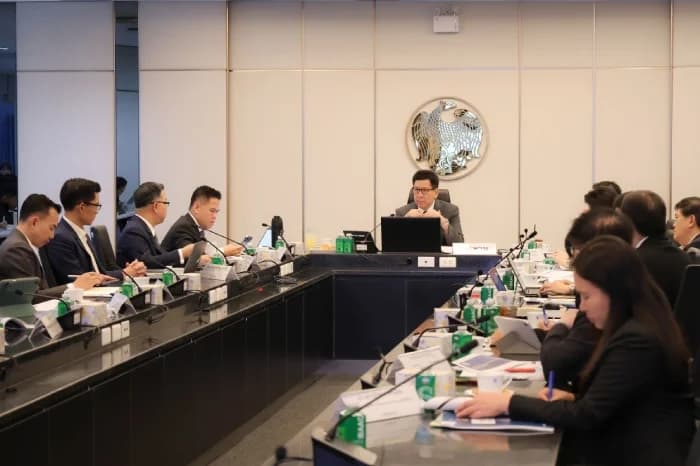
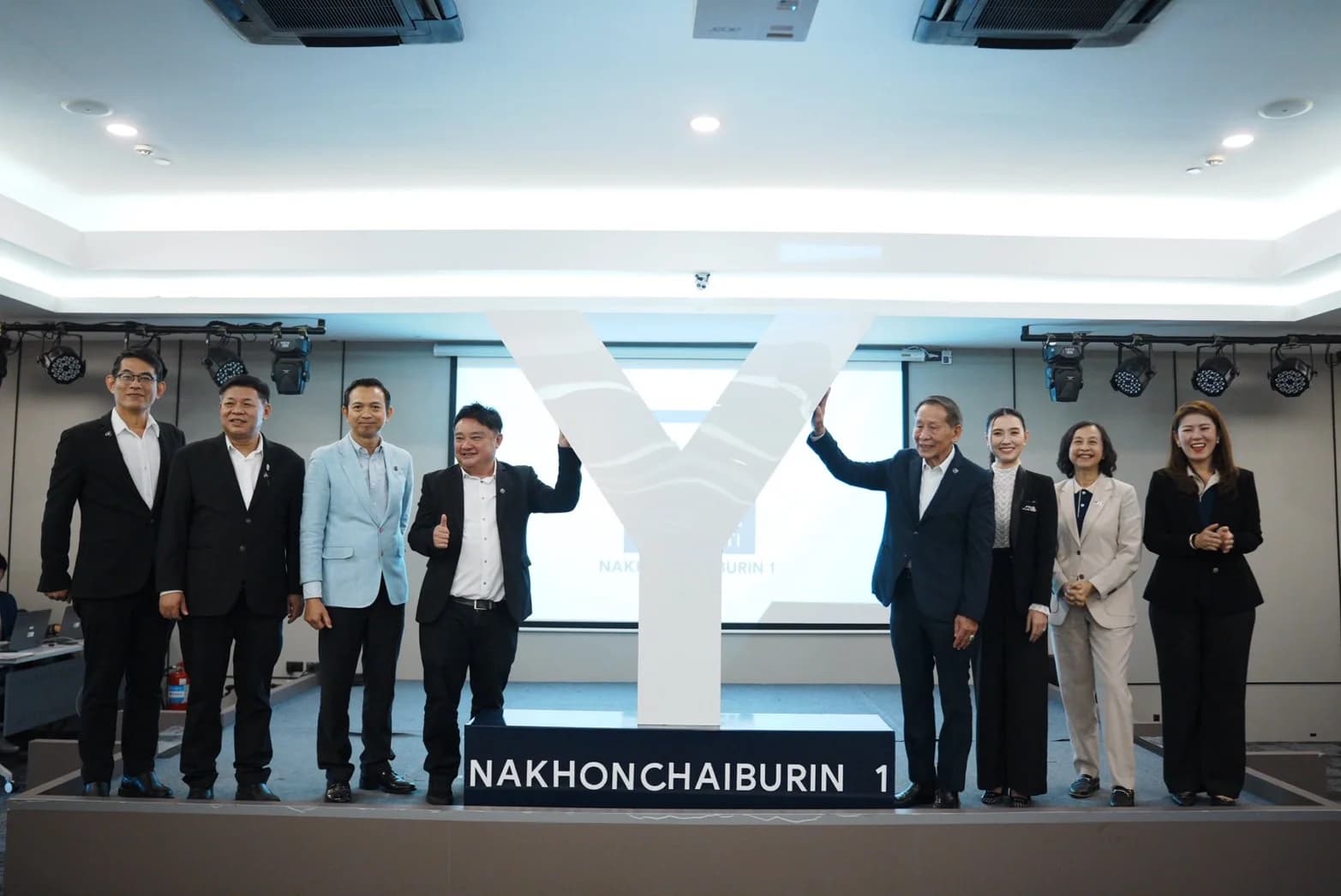
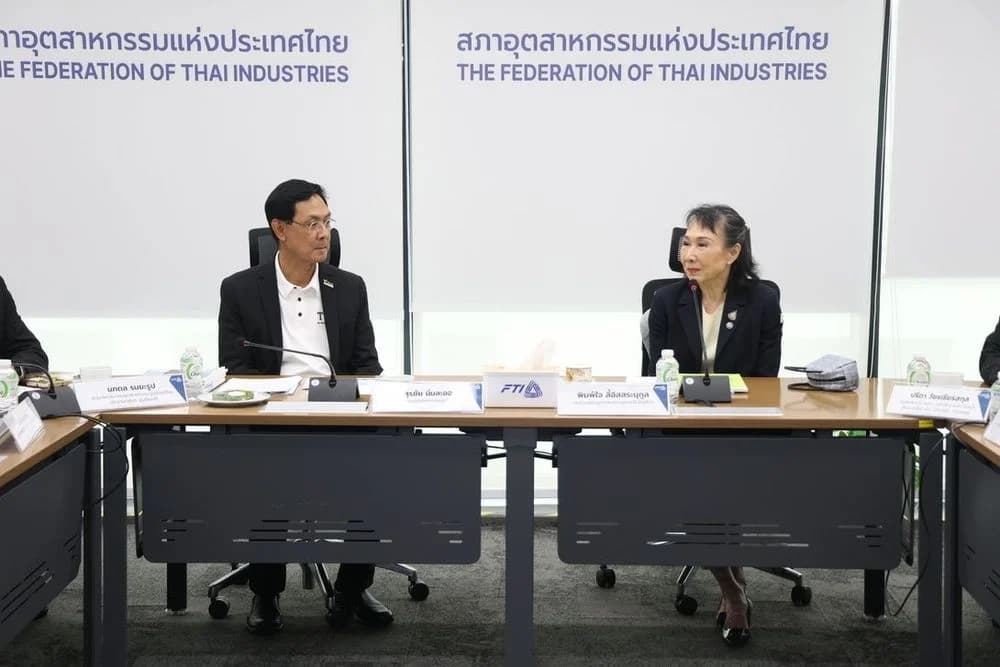
เมื่อวันที่ 18 กันยายน 2569 สายงานส่งเสริมและสนับสนุนสภาอุตสาหกรรมจังหวัด สภาอุตสาหกรรมแห่งประเทศไทย (ส.อ.ท.) เดินหน้ากิจกรรม Roadshow “เชื่อมใจสภาจังหวัดสัญจร” ครั้งที่ 4 ลงพื้นที่รับฟังความคิดเห็นจากคณะกรรมการ สมาชิก และผู้ประกอบการในกลุ่มจังหวัดภาคกลางตอนล่าง 1 ได้แก่ กาญจนบุรี ราชบุรี และสุพรรณบุรี ณ โรงแรม ณ เวลา จังหวัดราชบุรี
กิจกรรมครั้งนี้นำโดยนายไพรัตน์ เอื้อชูยศ รองประธาน ส.อ.ท. และประธานสายงานส่งเสริมและสนับสนุนสภาอุตสาหกรรมจังหวัด พร้อมด้วยคณะผู้บริหาร ส.อ.ท. ได้แก่ นางเบญจมาศ สมบูรณ์ รองประธาน ส.อ.ท. นายณฐกร โซ่จินดามณี รองเลขาธิการ ส.อ.ท. และเลขาธิการสายงานจังหวัด นายสมภพ ธีระสานต์ รองเลขาธิการ ส.อ.ท. นางสาวปภาวี สุธาวิวัฒน์ ประธานสภาอุตสาหกรรมภาคกลาง และนายเจริญชัย เฉลียวเกรียงไกร เลขาธิการสภาอุตสาหกรรมภาคกลาง พร้อมด้วยทีมงานจากสถาบันรหัสสากล และสายงานมาตรฐานอุตสาหกรรมและศักยภาพ ส.อ.ท. ร่วมให้ข้อมูลเกี่ยวกับบริการ โครงการ และสิทธิประโยชน์ของ ส.อ.ท. เพื่อสร้างความเข้าใจและเพิ่มโอกาสให้สมาชิกเข้าถึงบริการและกลไกสนับสนุนจากส่วนกลาง
พร้อมกันนี้ ประธาน กรรมการ และสมาชิกสภาอุตสาหกรรมจังหวัดจากกาญจนบุรี ราชบุรี และสุพรรณบุรี เข้าร่วมแลกเปลี่ยนความคิดเห็น พร้อมสะท้อนปัญหา ความต้องการ และข้อเสนอจากภาคธุรกิจในพื้นที่
สำหรับกลุ่มจังหวัดภาคกลางตอนล่าง 1 ภาพรวมของข้อเสนอสะท้อนทิศทางร่วมในการ “ลดต้นทุน – เพิ่มมาตรฐาน – เชื่อมโยงตลาด – ยกระดับการแข่งขัน” ครอบคลุม 6 ประเด็นสำคัญ ดังนี้
1. ยกระดับขีดความสามารถในการแข่งขันของ SMEs ไทย
ผู้ประกอบการสะท้อนแรงกดดันจากสินค้านำเข้าจากจีนที่เข้ามาแข่งขันในตลาด ส่งผลต่อยอดขายและการผลิตของ SMEs ไทย จึงเสนอให้เร่งยกระดับ Productivity และมาตรฐานสินค้าไทย ควบคู่กับการสนับสนุนการใช้สินค้าไทย เพิ่มช่องทางการตลาด และสร้างการเชื่อมโยงธุรกิจระหว่างสมาชิก
นอกจากนี้ ยังเสนอให้ผลักดันสินค้า Made in Thailand (MiT) ให้เข้าถึงตลาดและโอกาสด้านการจัดซื้อจัดจ้างภาครัฐมากขึ้น
2. “มาตรฐานไทยต้องไปได้ทั่วโลก”
กลุ่มผู้ประกอบการอาหารยังมีภาระต้นทุนจากการตรวจและรับรองมาตรฐาน ขณะที่ใบรับรองบางประเภทอาจยังไม่ได้รับการยอมรับในต่างประเทศอย่างเต็มที่
ข้อเสนอสำคัญ ได้แก่ การใช้เครือข่าย Central Lab เพื่อลดค่าใช้จ่าย การพัฒนาระบบ One Stop Service ด้านมาตรฐาน การผลักดัน Mutual Recognition การพัฒนาห้องปฏิบัติการให้ได้มาตรฐานสากล และการสร้างระบบ Traceability ตั้งแต่วัตถุดิบจนถึงสินค้าสำเร็จรูป เพื่อเพิ่มความน่าเชื่อถือและรองรับตลาดส่งออก
3. ลดต้นทุน Logistics พร้อมเพิ่มทางเลือกด้านการขนส่ง
ต้นทุนโลจิสติกส์ยังเป็นโจทย์สำคัญของภาคธุรกิจ โดยเฉพาะการพึ่งพาการขนส่งทางถนนเป็นหลัก จึงเสนอให้ส่งเสริมการใช้ระบบราง เร่งศึกษาแนวทางพัฒนา Dry Port หนองปลาดุก และเชื่อมโยงระบบ Rail–Road–Water Transport เพื่อพัฒนาการขนส่งแบบ Multimodal Transport
พร้อมส่งเสริมให้ผู้ประกอบการเข้าถึงและใช้ประโยชน์จาก ICD (Inland Container Depot) มากขึ้น เพื่อเพิ่มทางเลือกและลดต้นทุนการขนส่ง
4. สร้างความเข้มแข็ง “มะพร้าวน้ำหอม” ตลอดห่วงโซ่
มะพร้าวน้ำหอมเป็นอีกหนึ่งประเด็นที่ภาคธุรกิจให้ความสำคัญ โดยต้องยกระดับทั้งมาตรฐาน คุณภาพ และกลไกตลาด เพื่อสร้างความสามารถในการแข่งขันตลอดห่วงโซ่
แนวทางที่เสนอคือ “สร้างมาตรฐาน – สร้างความเชื่อมั่น – สร้างตลาด – สร้างราคา” ผ่านการบูรณาการระหว่างภาครัฐและเอกชน ตั้งแต่กระทรวงเกษตรฯ ที่ดูแลคุณภาพวัตถุดิบ กระทรวงอุตสาหกรรมด้านกระบวนการผลิตและมาตรฐาน กระทรวงพาณิชย์ด้านตลาด การค้า และราคา รวมถึงภาคเอกชนด้านการแปรรูป นวัตกรรม และตลาดส่งออก
5. Energy Transition เดินหน้าสู่อุตสาหกรรมสีเขียว
ผู้ประกอบการต้องปรับตัวรับเป้าหมาย Net Zero และพลังงานสะอาด แต่ยังเผชิญต้นทุนและข้อจำกัดด้านกฎระเบียบ จึงมีข้อเสนอให้ผ่อนคลายกฎระเบียบเกี่ยวกับการผลิตไฟฟ้าใช้เองในบางกรณี ส่งเสริม Renewable Energy สำหรับภาคอุตสาหกรรม และพัฒนาระบบรับรองแหล่งที่มาของไฟฟ้า
รวมถึงลดต้นทุนการเข้าถึง Green Electricity และสนับสนุน SMEs ให้สามารถจัดทำ Carbon Footprint และวางแนวทางสู่ Net Zero ได้อย่างเหมาะสมกับขนาดและศักยภาพของธุรกิจ
6. เสริมความแข็งแกร่งเครือข่าย FTI Provincial Network
อีกหนึ่งโจทย์สำคัญคือการทำให้เครือข่ายสมาชิก ส.อ.ท. สามารถ “ซื้อขายและช่วยเหลือกันเองได้จริง” ผ่านการสร้าง Business Connection ระหว่างสมาชิกใน 3 จังหวัด ส่งเสริม Business Matching การขยายตลาด และการใช้สินค้าและบริการระหว่างสมาชิก เพื่อเปลี่ยนเครือข่ายให้เป็นโอกาสทางธุรกิจที่เกิดขึ้นได้จริง
FTI conducted a field visit to the Lower Central Region 1 to hear feedback from the industrial sector in Kanchanaburi, Ratchaburi, and Suphanburi, reflecting important issues including cost reduction, standard elevation, market and logistics linkage, clean energy promotion, and business networking.
On September 18, 2026, the Industrial Promotion and Support Department of the Federation of Thai Industries (FTI) proceeded with the 4th Roadshow “Connecting Hearts of Provincial Council,” gathering opinions from committees, members, and entrepreneurs in the Lower Central Region 1, comprising Kanchanaburi, Ratchaburi, and Suphanburi at the ณ เวลา Hotel in Ratchaburi.
This event was led by Mr. Phairat Uechuayoth, Vice Chairman of FTI and Chairman of the Industrial Promotion and Support Department, alongside FTI executives including Mrs. Benjamad Somboon, Vice Chairman of FTI, Mr. Natthakorn Soejindamanee, Deputy Secretary-General of FTI, and Secretary of the Provincial Department, Mr. Somphop Teerasarn, Deputy Secretary-General of FTI, Ms. Pawinee Sutthawiwat, Chairperson of the Central Industrial Council, and Mr. Charoenchai Chaleogriangrai, Secretary of the Central Industrial Council, along with a team from the Global Standard Institute and the Industrial Standards and Capability Department of FTI who provided information on FTI services, projects, and benefits to enhance understanding and increase member access to central support mechanisms.
Additionally, the President, committee members, and industrial council members from Kanchanaburi, Ratchaburi, and Suphanburi participated in exchanging views, highlighting problems, needs, and proposals from the local business sector.
For the Lower Central Region 1, the overall proposals reflected a collaborative direction in “cost reduction – standard elevation – market linkage – competitiveness enhancement,” encompassing six key issues as follows:
1. Enhance the competitiveness of Thai SMEs
Entrepreneurs expressed pressure from imported goods from China competing in the market, affecting sales and production of Thai SMEs, and proposed to accelerate the elevation of productivity and Thai product standards, along with supporting the use of Thai products, increasing market access, and creating business connections among members.
Moreover, it is also suggested to promote Made in Thailand (MiT) products to increase access to procurement opportunities in the public sector.
2. “Thai standards must be globally recognized”
The food entrepreneurs still bear the cost burden from standard inspections and certifications, while some certification types may not yet be fully recognized abroad.
Key proposals include utilizing the Central Lab network to reduce costs, developing a One Stop Service system for standards, pushing for Mutual Recognition, developing laboratories to international standards, and creating a Traceability system from raw materials to finished products to enhance credibility and support export markets.
3. Reduce logistics costs while increasing transport options
Logistics costs remain a critical issue for businesses, especially relying heavily on road transportation, thus it is proposed to promote the use of rail systems, expedite the study of developing the Nong Pladuk Dry Port, and connect Rail–Road–Water Transport systems to enhance multimodal transport.
Furthermore, promote entrepreneurs to access and benefit from ICD (Inland Container Depot) more to increase options and reduce transportation costs.
4. Strengthen “Nam Hom Coconut” throughout the supply chain
Nam Hom coconut is another key issue that the business sector emphasizes, necessitating the elevation of standards, quality, and market mechanisms to enhance competitiveness throughout the supply chain.
The proposed approach is to “establish standards – build confidence – create markets – establish prices” through the integration between the public and private sectors, involving the Ministry of Agriculture overseeing raw material quality, the Ministry of Industry regarding production processes and standards, the Ministry of Commerce concerning market, trade, and pricing, along with the private sector focusing on processing, innovation, and export market.
5. Energy Transition towards green industry
Entrepreneurs need to adapt to the Net Zero and clean energy goals but still face costs and regulatory constraints, thus proposals include relaxing regulations regarding self-generated electricity production in certain cases, promoting Renewable Energy for the industrial sector, and developing certification systems for the origin of electricity.
This includes reducing the costs of accessing Green Electricity and supporting SMEs to establish Carbon Footprints and set pathways to Net Zero in a manner suitable for the size and capacity of their businesses.
6. Strengthen the FTI Provincial Network
Another critical issue is ensuring that FTI members' networks can “effectively trade and support each other” by creating Business Connections among members in the three provinces, promoting Business Matching, market expansion, and the use of goods and services among members to turn the network into real business opportunities.