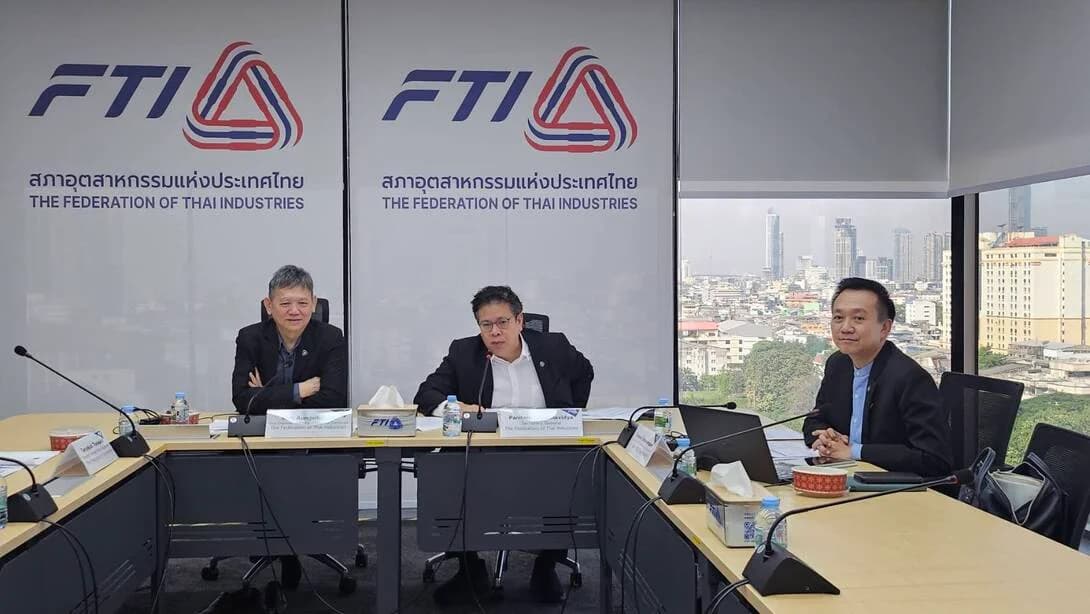
เมื่อวันที่ 22 กันยายน 2569 สถาบันน้ำ สิ่งแวดล้อม และ Climate Change สภาอุตสาหกรรมแห่งประเทศไทย (ส.อ.ท.) ร่วมกับ การนิคมอุตสาหกรรมแห่งประเทศไทย (กนอ.) ศูนย์เทคโนโลยีโลหะและวัสดุแห่งชาติ (MTEC) และศูนย์ความเป็นเลิศด้านการจัดการสารอันตรายและของเสีย (ศสอ.) ประชุมติดตามความก้าวหน้าโครงการ “Maptaphut End of Waste Sandbox” มุ่งพัฒนามาบตาพุดเป็นพื้นที่ต้นแบบการนำวัสดุเหลือทิ้งกลับมาใช้ประโยชน์ตามแนวทาง End of Waste (EoW) เชื่อมโยงภาคอุตสาหกรรมสู่ระบบเศรษฐกิจหมุนเวียน และวางรากฐานการพัฒนา Low Carbon City ในอนาคต
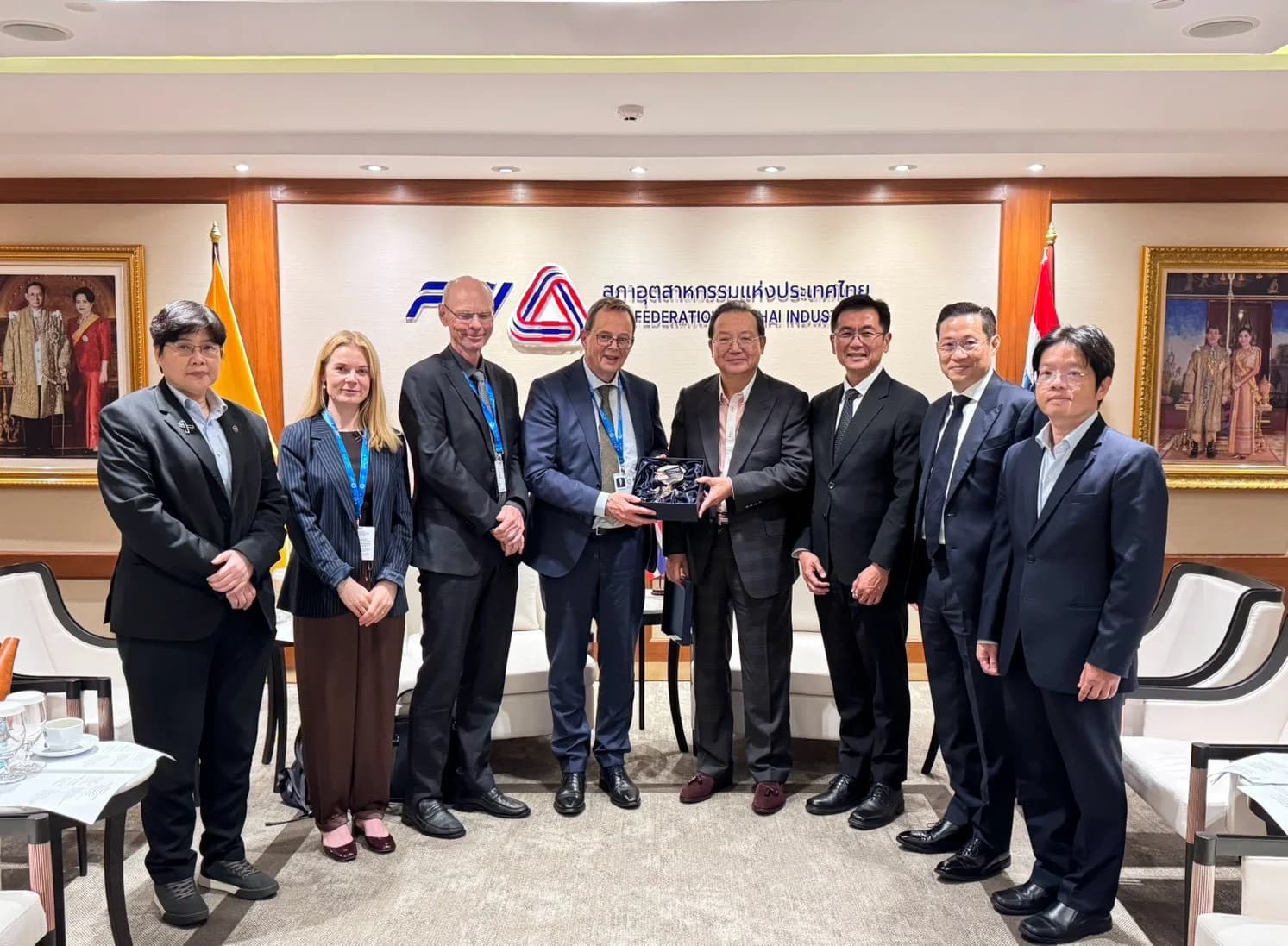
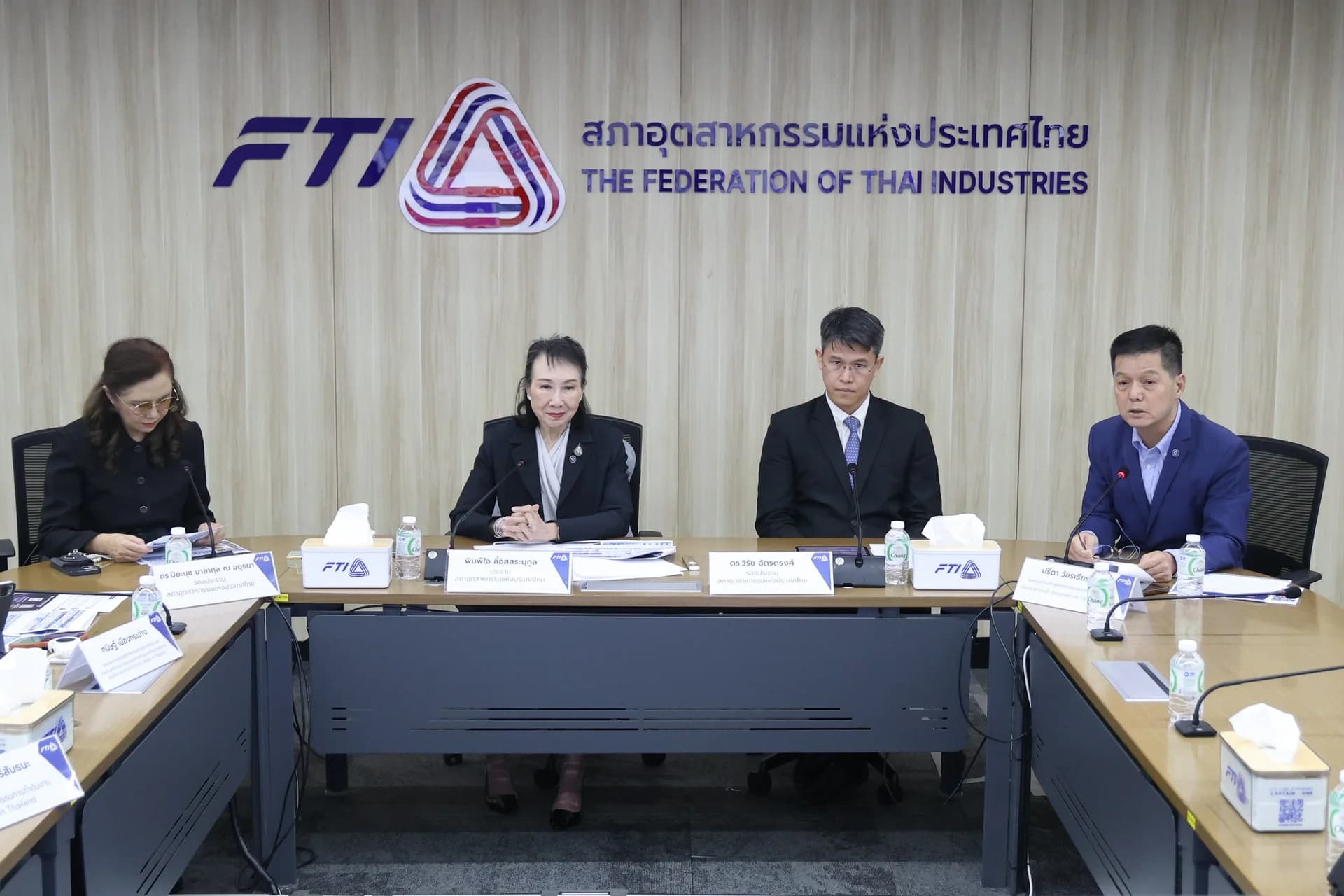
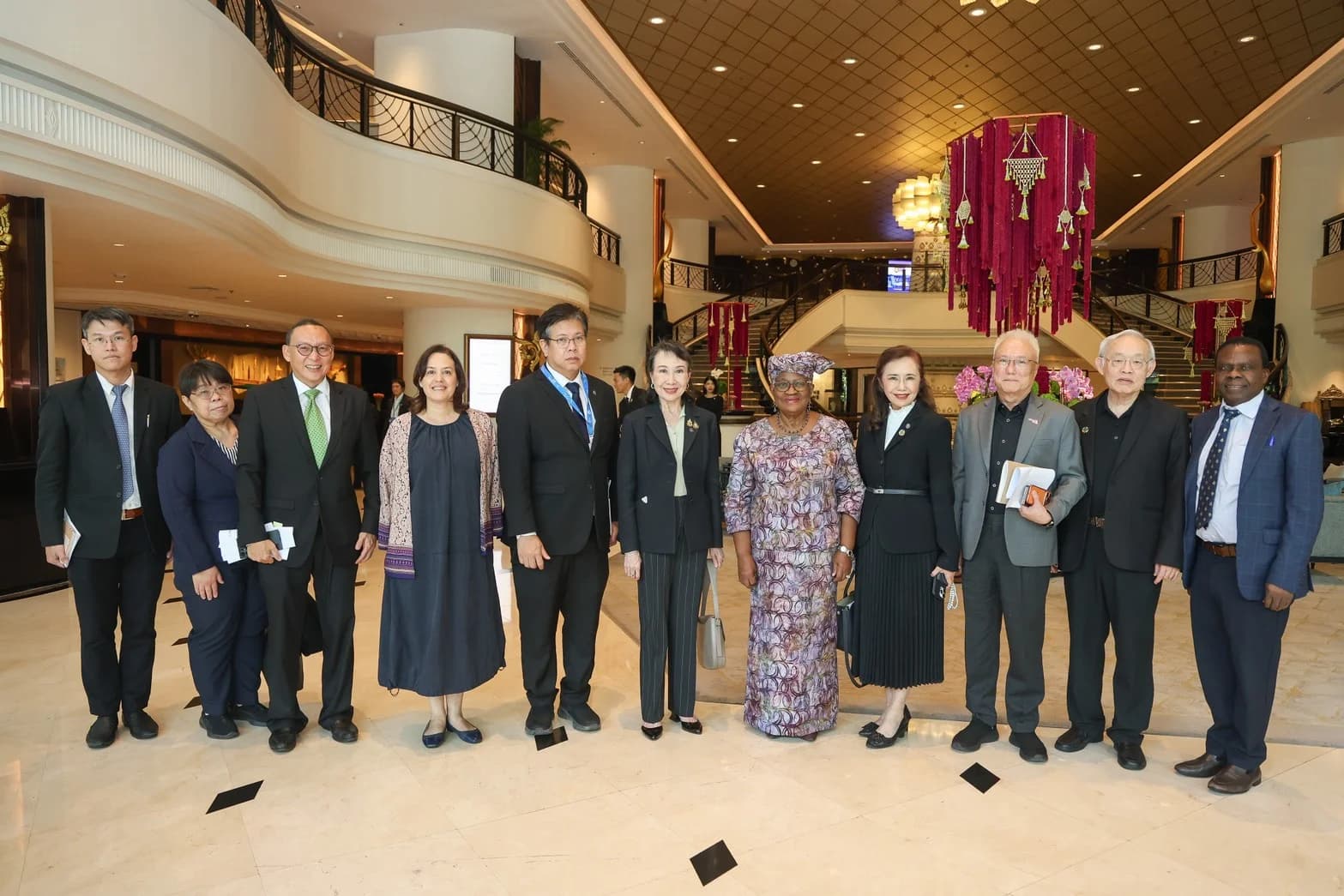
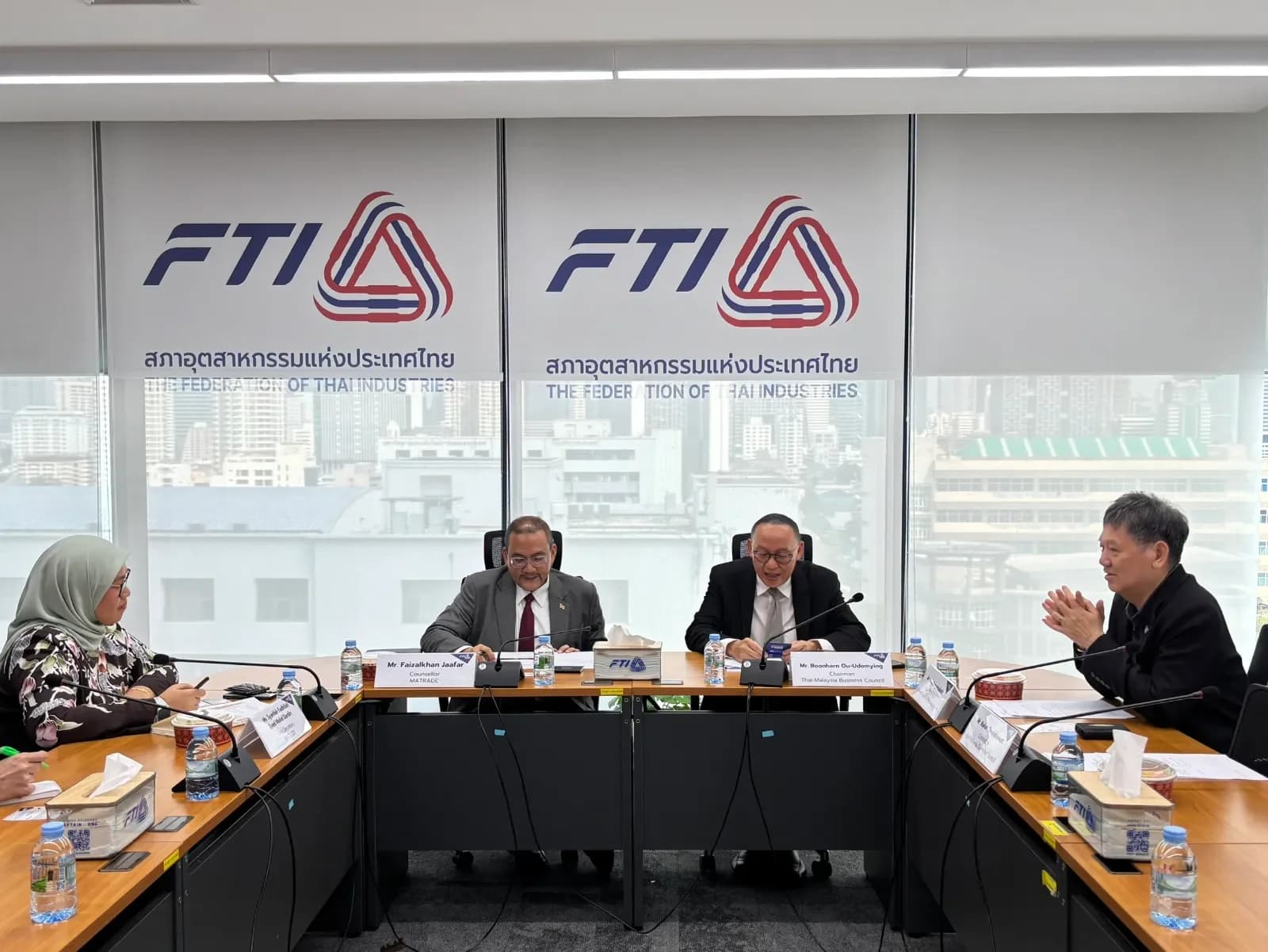
การประชุมได้รับเกียรติจากผู้บริหารและผู้ทรงคุณวุฒิจากหน่วยงานที่เกี่ยวข้อง นำโดย ดร.จุลพงษ์ ทวีศรี นางบุปผา กวินวศิน รองผู้ว่าการการนิคมอุตสาหกรรมแห่งประเทศไทย และนายปรีดา วัชรเธียรสกุล ประธานสถาบันน้ำ สิ่งแวดล้อม และ Climate Change พร้อมด้วยคณะผู้บริหาร รองประธาน และกรรมการสถาบันฯ รวมถึงคณะทำงานจาก MTEC และผู้แทนจาก ศสอ. ร่วมแลกเปลี่ยนความคิดเห็นและกำหนดแนวทางการขับเคลื่อนโครงการร่วมกัน
[ยกระดับมาบตาพุดสู่พื้นที่ต้นแบบ End of Waste]
เป้าหมายสำคัญของการประชุม คือ การผลักดัน Maptaphut End of Waste Sandbox ให้เป็นพื้นที่นำร่องด้านการจัดการวัสดุเหลือใช้แบบวงจรปิด (Closed-loop Waste Management) และสร้างระบบ Industrial Symbiosis หรือการพึ่งพากันระหว่างภาคอุตสาหกรรม โดยเชื่อมโยงของเสียหรือผลพลอยได้จากโรงงานหนึ่งให้สามารถนำไปใช้เป็น วัตถุดิบทุติยภูมิ (Secondary Raw Materials) ของอีกโรงงานหรืออุตสาหกรรมหนึ่งได้อย่างปลอดภัยและมีมาตรฐานรองรับ
การขับเคลื่อน End of Waste จะครอบคลุมตั้งแต่การศึกษาคุณสมบัติและศักยภาพของวัสดุ การกำหนดหลักเกณฑ์และมาตรฐานคุณภาพ ระบบตรวจสอบย้อนกลับ ตลอดจนการพิจารณาปรับปรุงกฎหมายและกระบวนการอนุญาตที่เป็นอุปสรรค เพื่อสร้างความเชื่อมั่นให้แก่ผู้ประกอบการ ผู้ใช้วัสดุ และหน่วยงานกำกับดูแล ก่อนนำผลจากพื้นที่นำร่องไปต่อยอดยังนิคมอุตสาหกรรมและพื้นที่อื่นทั่วประเทศ
[ต่อยอด End of Waste สู่ Low Carbon City]
นอกจากนี้ ส.อ.ท. ได้เสนอแนวทางขยายความร่วมมือกับ กนอ. ในด้าน การประเมินและบริหารความเสี่ยงจากการเปลี่ยนแปลงสภาพภูมิอากาศ (Climate Risk) การเพิ่มประสิทธิภาพการใช้พลังงาน (Energy Efficiency) และการกำหนดมาตรการลดการปล่อยก๊าซเรือนกระจกอย่างเป็นรูปธรรม เพื่อให้ผู้ประกอบการในนิคมอุตสาหกรรมสามารถประเมินความเสี่ยง วางแผนปรับตัว ลดการใช้พลังงานและทรัพยากร และเตรียมพร้อมเข้าสู่การเปลี่ยนผ่านสู่อุตสาหกรรมสีเขียวและคาร์บอนต่ำ
แนวทางดังกล่าวจะช่วยให้ภาคอุตสาหกรรม ลดการใช้ทรัพยากรใหม่ ลดต้นทุน และลดการปล่อยก๊าซเรือนกระจก จากการนำวัสดุเหลือใช้กลับมาใช้ประโยชน์และเพิ่มประสิทธิภาพการใช้พลังงาน พร้อมสนับสนุนการพัฒนา Low Carbon Industry ซึ่งสอดคล้องกับยุทธศาสตร์ 5I ของ ส.อ.ท. โดยเฉพาะ I5 : Inclusive Sustainability และการขับเคลื่อน Circular Transformation เพื่อสร้างระบบนิเวศอุตสาหกรรมที่ใช้ทรัพยากรอย่างคุ้มค่าและรองรับกติกาด้านสิ่งแวดล้อมของโลก
ความร่วมมือระหว่าง ส.อ.ท. กนอ. MTEC และ ศสอ. จึงมุ่งเปลี่ยนแนวคิด “ของเสีย” ให้กลายเป็น “ทรัพยากร” ผ่านการสร้างระบบและมาตรฐานที่นำไปใช้ได้จริง โดยใช้มาบตาพุดเป็นพื้นที่ต้นแบบในการทดลองและพัฒนากลไก ก่อนขยายผลไปยังพื้นที่อื่น เพื่อเดินหน้าสู่ อุตสาหกรรมหมุนเวียนและเมืองอุตสาหกรรมคาร์บอนต่ำ ที่เติบโตควบคู่กับการใช้ทรัพยากรอย่างมีประสิทธิภาพ
การประชุมได้รับเกียรติจากผู้บริหารและผู้ทรงคุณวุฒิจากหน่วยงานที่เกี่ยวข้อง นำโดย ดร.จุลพงษ์ ทวีศรี นางบุปผา กวินวศิน รองผู้ว่าการการนิคมอุตสาหกรรมแห่งประเทศไทย และนายปรีดา วัชรเธียรสกุล ประธานสถาบันน้ำ สิ่งแวดล้อม และ Climate Change พร้อมด้วยคณะผู้บริหาร รองประธาน และกรรมการสถาบันฯ รวมถึงคณะทำงานจาก MTEC และผู้แทนจาก ศสอ. ร่วมแลกเปลี่ยนความคิดเห็นและกำหนดแนวทางการขับเคลื่อนโครงการร่วมกัน
[ยกระดับมาบตาพุดสู่พื้นที่ต้นแบบ End of Waste]
เป้าหมายสำคัญของการประชุม คือ การผลักดัน Maptaphut End of Waste Sandbox ให้เป็นพื้นที่นำร่องด้านการจัดการวัสดุเหลือใช้แบบวงจรปิด (Closed-loop Waste Management) และสร้างระบบ Industrial Symbiosis หรือการพึ่งพากันระหว่างภาคอุตสาหกรรม โดยเชื่อมโยงของเสียหรือผลพลอยได้จากโรงงานหนึ่งให้สามารถนำไปใช้เป็น วัตถุดิบทุติยภูมิ (Secondary Raw Materials) ของอีกโรงงานหรืออุตสาหกรรมหนึ่งได้อย่างปลอดภัยและมีมาตรฐานรองรับ
การขับเคลื่อน End of Waste จะครอบคลุมตั้งแต่การศึกษาคุณสมบัติและศักยภาพของวัสดุ การกำหนดหลักเกณฑ์และมาตรฐานคุณภาพ ระบบตรวจสอบย้อนกลับ ตลอดจนการพิจารณาปรับปรุงกฎหมายและกระบวนการอนุญาตที่เป็นอุปสรรค เพื่อสร้างความเชื่อมั่นให้แก่ผู้ประกอบการ ผู้ใช้วัสดุ และหน่วยงานกำกับดูแล ก่อนนำผลจากพื้นที่นำร่องไปต่อยอดยังนิคมอุตสาหกรรมและพื้นที่อื่นทั่วประเทศ
[ต่อยอด End of Waste สู่ Low Carbon City]
นอกจากนี้ ส.อ.ท. ได้เสนอแนวทางขยายความร่วมมือกับ กนอ. ในด้าน การประเมินและบริหารความเสี่ยงจากการเปลี่ยนแปลงสภาพภูมิอากาศ (Climate Risk) การเพิ่มประสิทธิภาพการใช้พลังงาน (Energy Efficiency) และการกำหนดมาตรการลดการปล่อยก๊าซเรือนกระจกอย่างเป็นรูปธรรม เพื่อให้ผู้ประกอบการในนิคมอุตสาหกรรมสามารถประเมินความเสี่ยง วางแผนปรับตัว ลดการใช้พลังงานและทรัพยากร และเตรียมพร้อมเข้าสู่การเปลี่ยนผ่านสู่อุตสาหกรรมสีเขียวและคาร์บอนต่ำ
แนวทางดังกล่าวจะช่วยให้ภาคอุตสาหกรรม ลดการใช้ทรัพยากรใหม่ ลดต้นทุน และลดการปล่อยก๊าซเรือนกระจก จากการนำวัสดุเหลือใช้กลับมาใช้ประโยชน์และเพิ่มประสิทธิภาพการใช้พลังงาน พร้อมสนับสนุนการพัฒนา Low Carbon Industry ซึ่งสอดคล้องกับยุทธศาสตร์ 5I ของ ส.อ.ท. โดยเฉพาะ I5 : Inclusive Sustainability และการขับเคลื่อน Circular Transformation เพื่อสร้างระบบนิเวศอุตสาหกรรมที่ใช้ทรัพยากรอย่างคุ้มค่าและรองรับกติกาด้านสิ่งแวดล้อมของโลก
ความร่วมมือระหว่าง ส.อ.ท. กนอ. MTEC และ ศสอ. จึงมุ่งเปลี่ยนแนวคิด “ของเสีย” ให้กลายเป็น “ทรัพยากร” ผ่านการสร้างระบบและมาตรฐานที่นำไปใช้ได้จริง โดยใช้มาบตาพุดเป็นพื้นที่ต้นแบบในการทดลองและพัฒนากลไก ก่อนขยายผลไปยังพื้นที่อื่น เพื่อเดินหน้าสู่ อุตสาหกรรมหมุนเวียนและเมืองอุตสาหกรรมคาร์บอนต่ำ ที่เติบโตควบคู่กับการใช้ทรัพยากรอย่างมีประสิทธิภาพ
On September 22, 2026, the Water, Environment, and Climate Change Institute of the Federation of Thai Industries (FTI) held a meeting alongside the Industrial Estate Authority of Thailand (IEAT), the National Metal and Materials Technology Center (MTEC), and the Hazardous Substance and Waste Management Excellence Center (PCD) to monitor the progress of the 'Maptaphut End of Waste Sandbox' project. This initiative aims to develop Maptaphut as a model area for reusing waste materials following the End of Waste (EoW) guidelines, linking the industrial sector to a circular economy and laying the groundwork for future Low Carbon City development.
The meeting was honored by the presence of executives and esteemed experts from relevant agencies, led by Dr. Chulapong Taweesri, Miss Buppha Kwanwatsin, Deputy Governor of the Industrial Estate Authority of Thailand, and Mr. Preeda Vatchratiensakul, President of the Water, Environment, and Climate Change Institute, along with the institute's executive committee, vice presidents, and MTEC working group members, as well as representatives from the PCD, who exchanged opinions and established collaborative pathways for project advancement.
[Elevating Maptaphut to an End of Waste Model Area]
A key goal of the meeting is to promote the Maptaphut End of Waste Sandbox as a pilot area for closed-loop waste management and to create an Industrial Symbiosis system, allowing waste or by-products from one factory to serve as secondary raw materials for another safely and in compliance with standards.
The progression of End of Waste will encompass the study of material properties and potentials, the establishment of guidelines and quality standards, traceability systems, as well as the consideration of legal improvements and permitting processes that currently pose obstacles. This aims to build confidence among operators, material users, and regulatory agencies before the results from the pilot area can be extended to industrial estates and other areas nationwide.
[Extending End of Waste towards a Low Carbon City]
Furthermore, FTI proposed a cooperative approach with IEAT concerning the assessment and management of climate change risks, improving energy efficiency, and implementing concrete measures to reduce greenhouse gas emissions. This enables entrepreneurs in industrial estates to assess risks, plan adaptations, reduce energy and resource consumption, and prepare for the transition toward green and low-carbon industry.
Such strategies will help the industrial sector reduce the use of new resources, lower costs, and decrease greenhouse gas emissions by reusing waste materials and enhancing energy efficiency, while supporting the development of a Low Carbon Industry, which aligns with the 5I strategy of FTI, particularly I5: Inclusive Sustainability and the drive for Circular Transformation to create an industrial ecosystem that uses resources efficiently and complies with global environmental standards.
The collaboration between FTI, IEAT, MTEC, and PCD, therefore, aims to transform the concept of 'waste' into 'resources' through the establishment of practical systems and standards, using Maptaphut as a model area for experimentation and development of mechanisms before expanding these results to other areas, moving forward toward a circular economy and a low-carbon industrial city that grows in tandem with efficient resource usage.
The meeting was honored by the presence of executives and esteemed experts from relevant agencies, led by Dr. Chulapong Taweesri, Miss Buppha Kwanwatsin, Deputy Governor of the Industrial Estate Authority of Thailand, and Mr. Preeda Vatchratiensakul, President of the Water, Environment, and Climate Change Institute, along with the institute's executive committee, vice presidents, and MTEC working group members, as well as representatives from the PCD, who exchanged opinions and established collaborative pathways for project advancement.
[Elevating Maptaphut to an End of Waste Model Area]
A key goal of the meeting is to promote the Maptaphut End of Waste Sandbox as a pilot area for closed-loop waste management and to create an Industrial Symbiosis system, allowing waste or by-products from one factory to serve as secondary raw materials for another safely and in compliance with standards.
The progression of End of Waste will encompass the study of material properties and potentials, the establishment of guidelines and quality standards, traceability systems, as well as the consideration of legal improvements and permitting processes that currently pose obstacles. This aims to build confidence among operators, material users, and regulatory agencies before the results from the pilot area can be extended to industrial estates and other areas nationwide.
[Extending End of Waste towards a Low Carbon City]
Furthermore, FTI proposed a cooperative approach with IEAT concerning the assessment and management of climate change risks, improving energy efficiency, and implementing concrete measures to reduce greenhouse gas emissions. This enables entrepreneurs in industrial estates to assess risks, plan adaptations, reduce energy and resource consumption, and prepare for the transition toward green and low-carbon industry.
Such strategies will help the industrial sector reduce the use of new resources, lower costs, and decrease greenhouse gas emissions by reusing waste materials and enhancing energy efficiency, while supporting the development of a Low Carbon Industry, which aligns with the 5I strategy of FTI, particularly I5: Inclusive Sustainability and the drive for Circular Transformation to create an industrial ecosystem that uses resources efficiently and complies with global environmental standards.
The collaboration between FTI, IEAT, MTEC, and PCD, therefore, aims to transform the concept of 'waste' into 'resources' through the establishment of practical systems and standards, using Maptaphut as a model area for experimentation and development of mechanisms before expanding these results to other areas, moving forward toward a circular economy and a low-carbon industrial city that grows in tandem with efficient resource usage.
แท็ก:Tags:#ความร่วมมือ#Cooperation