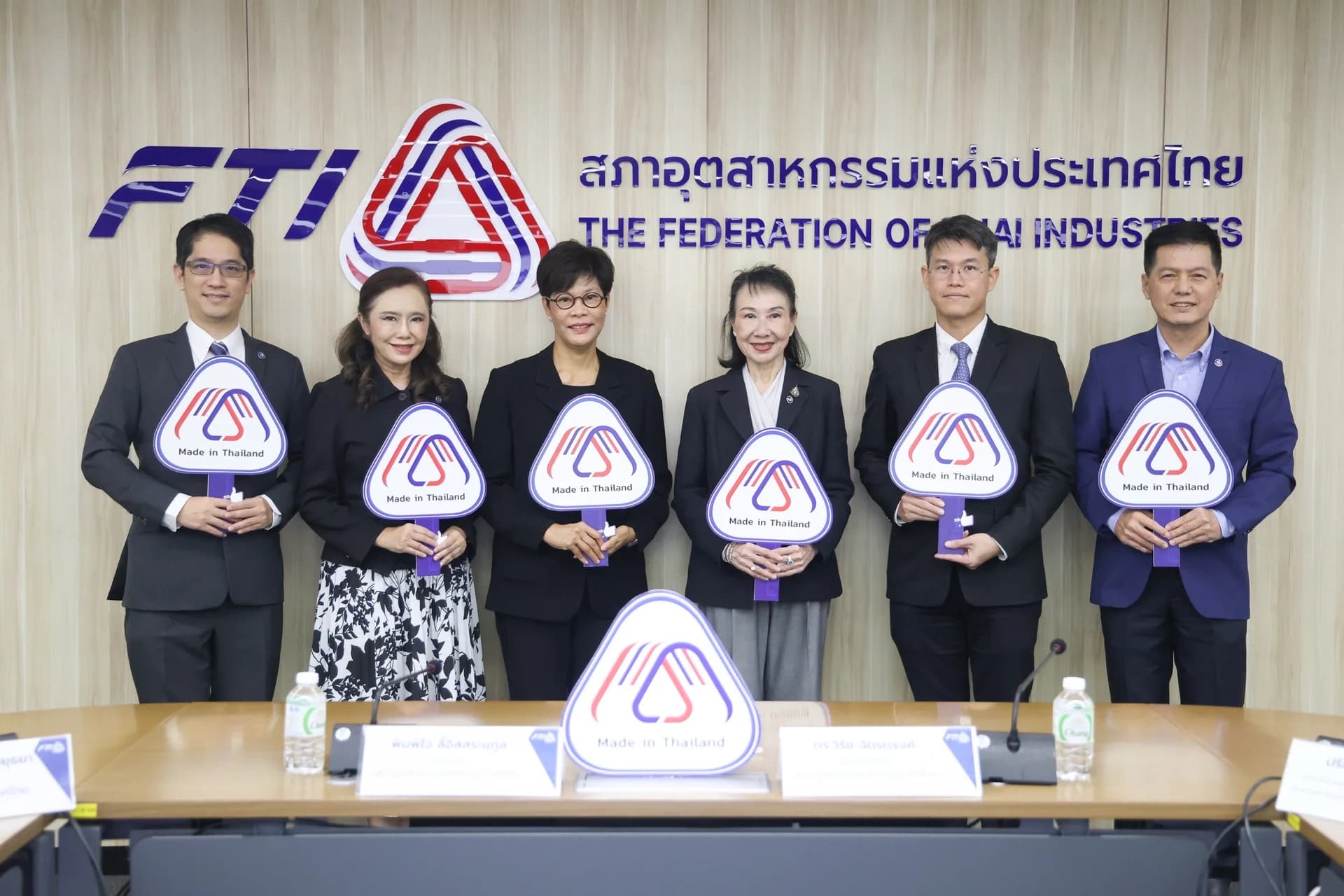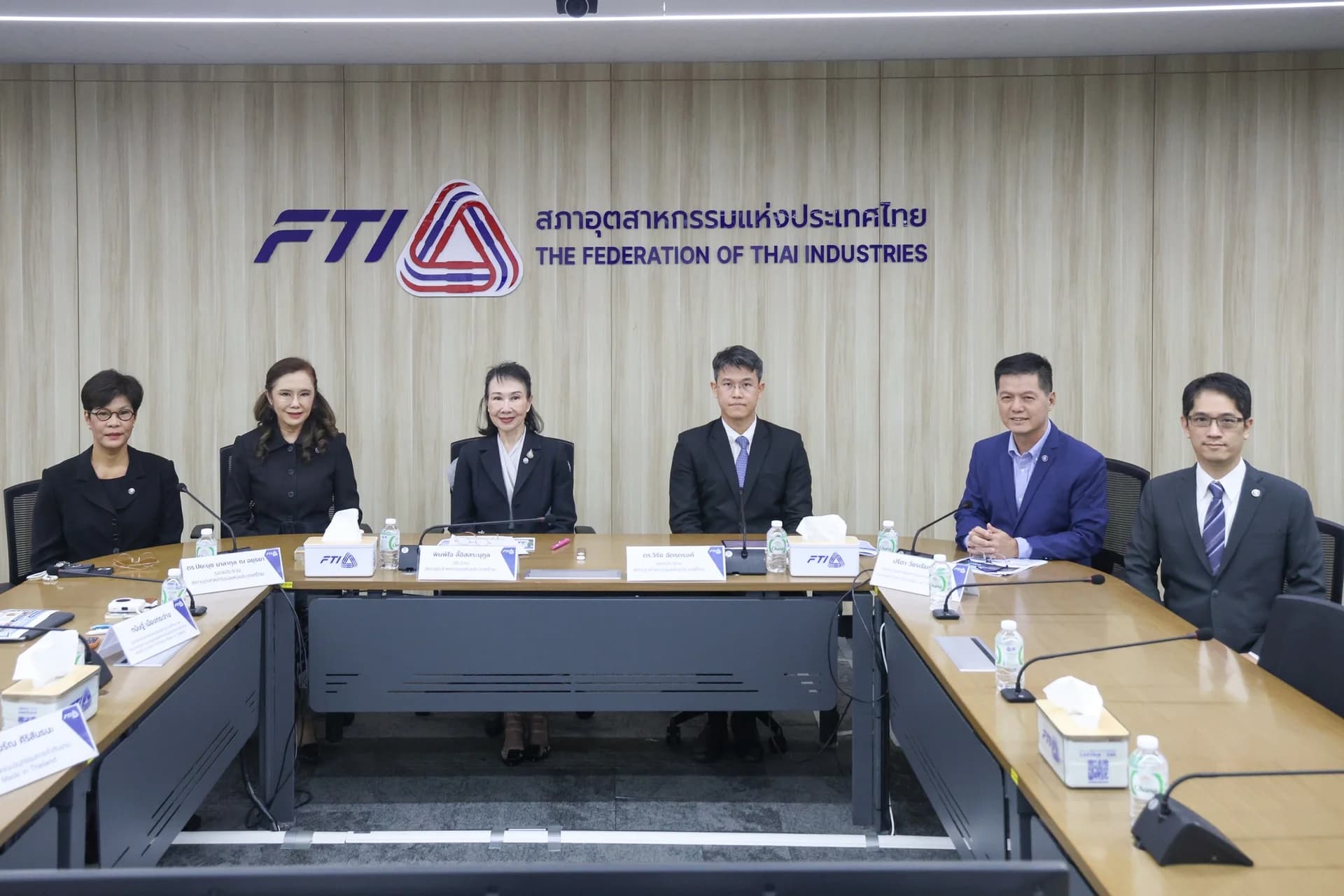

วันพุธที่ 20 พฤษภาคม 2569 นางพิมพ์ใจ ลี้อิสสระนุกูล ประธานสภาอุตสาหกรรมแห่งประเทศไทย (ส.อ.ท.) พร้อมด้วย ดร.วิรัช ฉัตรดรงค์ รองประธาน ส.อ.ท. และรองประธานสายงานเศรษฐกิจและวิชาการ ส.อ.ท. ดร.ปิยะนุช มาลากุล ณ อยุธยา รองประธาน ส.อ.ท. และ ประธานสายงานสื่อสารองค์กร และนางสาวพรรรัตน์ เพชรภักดี ผู้อำนวยการใหญ่ ส.อ.ท. ร่วมเปิดเผยผลการสำรวจดัชนีความเชื่อมั่นภาคอุตสาหกรรม ประจำเดือนเมษายน 2569 อยู่ที่ระดับ 85.3 ปรับตัวลดลงจากระดับ 88.6 ในเดือนมีนาคม 2569
การปรับลดลงของดัชนีดังกล่าว มีสาเหตุมาจากหลายปัจจัย โดยภาคการผลิตอุตสาหกรรมชะลอตัว เนื่องจากจำนวนวันทำงานลดลงในช่วงวันหยุดยาวเทศกาลสงกรานต์ ขณะที่ราคาน้ำมันโลกยังทรงตัวอยู่ในระดับสูง โดยในเดือนเมษายน 2569 ราคาน้ำมันดิบเบรนท์เฉลี่ยอยู่ที่ 120 ดอลลาร์สหรัฐต่อบาร์เรล ส่งผลให้ราคาน้ำมันดีเซลเฉลี่ยอยู่ที่ 45.32 บาทต่อลิตร เพิ่มขึ้น 33.2% เมื่อเทียบกับเดือนก่อนหน้า (Month on Month: MoM)
ขณะเดียวกัน กองทุนน้ำมันเชื้อเพลิงยังคงมีฐานะติดลบ 62,000 ล้านบาท ส่งผลให้สำนักงานกองทุนน้ำมันเชื้อเพลิง (สกนช.) จำเป็นต้องกู้เงินเพิ่มเติมจำนวน 20,000 ล้านบาท ซึ่งเพิ่มภาระทางการเงินของกองทุนน้ำมันเชื้อเพลิง
นอกจากนี้ ต้นทุนวัตถุดิบในหลายอุตสาหกรรมปรับตัวสูงขึ้น อาทิ เม็ดพลาสติก บรรจุภัณฑ์ และวัสดุก่อสร้าง อันเป็นผลจากราคาพลังงาน ค่าขนส่ง และต้นทุนด้านโลจิสติกส์ที่เพิ่มขึ้น ส่งผลกระทบต่อความสามารถในการทำกำไรของผู้ประกอบการ ขณะเดียวกัน ค่าระวางเรือในเส้นทางการค้าสำคัญปรับเพิ่มขึ้น โดยเฉพาะเส้นทางสหรัฐอเมริกาฝั่งตะวันตก (West Coast) ที่เพิ่มขึ้น 5.7% เมื่อเทียบกับเดือนก่อนหน้า รวมถึงมีการเรียกเก็บค่าใช้จ่ายเพิ่มเติม (Surcharge) และค่าประกันภัยการขนส่งจากสถานการณ์สงครามในตะวันออกกลาง ส่งผลให้ต้นทุนด้านโลจิสติกส์และการส่งออกของผู้ประกอบการสูงขึ้นตามไปด้วย
อีกทั้ง การเบิกจ่ายงบประมาณด้านการลงทุนของภาครัฐยังคงล่าช้า โดยมีอัตราการเบิกจ่ายอยู่ที่ 38.31% ณ วันที่ 24 เมษายน 2569 ซึ่งต่ำกว่าเป้าหมายที่กำหนดไว้ที่ 45.0% ส่งผลให้การหมุนเวียนเม็ดเงินในระบบเศรษฐกิจเป็นไปอย่างล่าช้า
อย่างไรก็ตาม ในเดือนเมษายน 2569 ยังมีปัจจัยสนับสนุนบางประการ ได้แก่ การจัดกิจกรรมเทศกาลสงกรานต์ที่ช่วยกระตุ้นภาคการท่องเที่ยวและการใช้จ่ายภายในประเทศ โดยคาดว่าสามารถสร้างรายได้มากกว่า 30,350 ล้านบาท ในช่วงวันที่ 11–15 เมษายน 2569 เพิ่มขึ้น 6% เมื่อเทียบกับช่วงเดียวกันของปีก่อน (Year on Year: YoY)
นอกจากนี้ ภาครัฐยังได้ออกมาตรการช่วยเหลือภาคการขนส่ง โดยสนับสนุนค่าน้ำมันสำหรับรถบรรทุกไม่ประจำทาง (ป้ายเหลือง 70) ในอัตรา 6 บาทต่อลิตร ระหว่างวันที่ 20 เมษายน – 31 พฤษภาคม 2569 ซึ่งช่วยบรรเทาต้นทุนด้านโลจิสติกส์ในระยะสั้น ขณะที่การลงทุนภาคเอกชนมีแนวโน้มขยายตัว สะท้อนจากยอดคำขอรับการส่งเสริมการลงทุนในไตรมาส 1 ปี 2569 ที่มีมูลค่ารวม 1.02 ล้านล้านบาท เพิ่มขึ้น 2.4 เท่า เมื่อเทียบกับปีก่อน โดยเฉพาะในอุตสาหกรรมอิเล็กทรอนิกส์ พลังงาน เกษตร และอาหาร
ขณะเดียวกัน การกำกับดูแลการจำหน่ายน้ำมันภายในประเทศของภาครัฐ ยังช่วยแก้ไขปัญหาการขาดแคลนน้ำมันในสถานีบริการ และลดความเสี่ยงต่อการหยุดชะงักของภาคการขนส่งและภาคการผลิตอุตสาหกรรม นอกจากนี้ Moody’s Ratings ยังได้ปรับมุมมองความน่าเชื่อถือของประเทศไทยสู่ระดับ “มีเสถียรภาพ” ซึ่งมีส่วนช่วยสร้างความเชื่อมั่นให้แก่นักลงทุนเพิ่มเติมอีกด้วย
จากผลการสำรวจผู้ประกอบการจำนวน 1,354 ราย ครอบคลุม 48 กลุ่มอุตสาหกรรมของสภาอุตสาหกรรมแห่งประเทศไทย (ส.อ.ท.) ในเดือนเมษายน 2569 พบว่าปัจจัยที่ผู้ประกอบการมีความกังวลเพิ่มขึ้น ได้แก่ ราคาพลังงาน 84.6% เศรษฐกิจโลก 80.6% เศรษฐกิจภายในประเทศ 74.2% นโยบายภาครัฐ 39.4% อัตราแลกเปลี่ยน (โดยเฉพาะในมุมมองของผู้ส่งออก) 46.5% อัตราดอกเบี้ยเงินกู้ 34.1% และการเข้าถึงสินเชื่อ 32.6%
ขณะที่ดัชนีความเชื่อมั่นภาคอุตสาหกรรมคาดการณ์ในช่วง 3 เดือนข้างหน้า อยู่ที่ระดับ 92.8 ปรับตัวลดลงจากระดับ 95.9 ในเดือนมีนาคม 2569 โดยมีปัจจัยกดดันสำคัญจากความกังวลต่อการออกพระราชกำหนดให้อำนาจกระทรวงการคลังกู้เงิน วงเงิน 400,000 ล้านบาท ซึ่งอาจเพิ่มแรงกดดันต่อระดับหนี้สาธารณะและเสถียรภาพทางการคลังในระยะยาว
นอกจากนี้ ต้นทุนสินค้ายังคงมีแนวโน้มปรับตัวสูงขึ้น โดยเฉพาะกลุ่มบรรจุภัณฑ์พลาสติกและวัสดุก่อสร้าง ซึ่งอาจส่งผ่านไปยังราคาสินค้าและสร้างแรงกดดันต่ออัตราเงินเฟ้อในไตรมาส 2 ปี 2569 ขณะเดียวกัน สถานการณ์ความขัดแย้งในตะวันออกกลางที่ยืดเยื้อ ยังคงกดดันราคาพลังงานในตลาดโลก ส่งผลให้ต้นทุนของภาคอุตสาหกรรมและภาคการท่องเที่ยวปรับตัวสูงขึ้นอย่างต่อเนื่อง
อย่างไรก็ตาม มาตรการกระตุ้นเศรษฐกิจของภาครัฐ อาทิ โครงการไทยช่วยไทยพลัส และโครงการรถเก่าแลกรถใหม่ ที่คาดว่าจะมีส่วนช่วยกระตุ้นการใช้จ่ายภายในประเทศ รวมถึงสนับสนุนอุตสาหกรรมยานยนต์และชิ้นส่วนภายในประเทศให้ขยายตัวมากขึ้น
ข้อเสนอแนะต่อภาครัฐ
1. ส่งเสริมภาครัฐในการขับเคลื่อนกลไกการประชุม กรอ. ส่วนกลางและ กรอ. พลังงาน เพื่อส่งเสริมความร่วมมือระหว่างภาครัฐและเอกชนในการแก้ไขปัญหาเศรษฐกิจ
2. เสนอให้ภาครัฐจัดตั้งศูนย์บริการแบบเบ็ดเสร็จ (One Stop Service) สำหรับการขออนุญาตติดตั้งโซลาร์เซลล์ ควบคู่กับการทบทวน ยกเลิก หรือรวมใบอนุญาตที่ซ้ำซ้อนให้เหลือใบอนุญาตหลัก (Super License) เพื่ออำนวยความสะดวก ลดภาระเอกสาร ระยะเวลา และต้นทุนของประชาชนและภาคธุรกิจ
3. เสนอให้ภาครัฐเร่งผลักดันการใช้เชื้อเพลิงชีวภาพ E20 และ B10 หรือสูตรอื่น ๆ ให้เป็นพลังงานหลักของภาคขนส่งและอุตสาหกรรม ผ่านมาตรการสนับสนุนที่ชัดเจนและต่อเนื่อง เพื่อช่วยลดต้นทุนพลังงาน ลดการพึ่งพาน้ำมันนำเข้า และสร้างความมั่นคงด้านพลังงานให้ประเทศ
4. เสนอให้หน่วยงานภาครัฐสนับสนุน ส.อ.ท. ในการเป็นกลไกช่วยเชื่อมโยง คัดกรอง และส่งต่อผู้ประกอบการ SMEs สู่แหล่งทุนและมาตรการสนับสนุน ผ่านระบบ FTI SME Funding Connect เพื่อให้ SMEs สามารถเข้าถึงมาตรการภาครัฐได้อย่างมีประสิทธิภาพ
ทั้งนี้ ส.อ.ท. ได้รวบรวมผลสำรวจดัชนีความเชื่อมั่นภาคอุตสาหกรรมและข้อมูลตัวชี้วัดเศรษฐกิจและอุตสาหกรรมย้อนหลัง 3 ปี จัดทำเป็น Dashboard เผยแพร่ผ่านเว็บไซต์ Industry Data Space (iDS) เพื่ออำนวยความสะดวกแก่ผู้ประกอบการและประชาชนในการเข้าถึงข้อมูลสำหรับใช้ประโยชน์ทางธุรกิจ โดยสามารถเข้าดูข้อมูลได้ที่ https://fti.or.th/ids
................................................................................................
เผยแพร่โดย ฝ่ายสื่อสารองค์กร สภาอุตสาหกรรมแห่งประเทศไทย (โทร. 0-2345-1051)
จัดทำข้อมูลโดย ฝ่ายเศรษฐกิจและวิชาการ สภาอุตสาหกรรมแห่งประเทศไทย (โทร. 0-2345-1111)
On Wednesday, May 20, 2026, Ms. Pimjai Leeissaranukul, President of the Federation of Thai Industries (FTI), along with Dr. Wirat Chatrarong, Vice President of FTI and Vice President of Economic and Academic Affairs, Dr. Piyanuch Malakul Na Ayutthaya, Vice President of FTI and Chair of Corporate Communication Affairs, and Ms. Parrarat Petchphakdee, Director General of FTI, disclosed the results of the Industrial Confidence Index survey for April 2026, which stood at 85.3, declining from 88.6 in March 2026.
The decrease in this index is attributed to several factors, mainly the slowdown in the industrial manufacturing sector due to fewer working days during the long Songkran holiday. Meanwhile, global oil prices remained high, with the average Brent crude oil price in April 2026 at 120 USD per barrel, resulting in the average diesel price rising to 45.32 THB per liter, an increase of 33.2% compared to the previous month (Month on Month: MoM).
At the same time, the Oil Fund remained in a deficit position of 62 billion THB, prompting the Office of the Oil Fund (OFPA) to borrow an additional 20 billion THB, increasing the financial burden on the Oil Fund.
Moreover, the costs of raw materials in various industries, such as plastic pellets, packaging, and construction materials, have risen due to increased energy prices, transport costs, and logistics expenses, affecting the profitability of operators. Simultaneously, freight rates on key trade routes increased, particularly on the West Coast of the United States, which rose by 5.7% compared to the previous month, along with additional surcharges and insurance costs arising from the ongoing conflict in the Middle East, thereby increasing logistics and export costs for operators.
Furthermore, government investment budget disbursements were still lagging, with a disbursement rate of 38.31% as of April 24, 2026, lower than the target set at 45.0%, resulting in a slow circulation of funds in the economic system.
Nonetheless, in April 2026, there were some supportive factors, including the Songkran festival activities that stimulated the tourism sector and domestic spending, which is expected to generate over 30.35 billion THB from April 11-15, 2026, an increase of 6% compared to the same period last year (Year on Year: YoY).
Additionally, the government has introduced measures to assist the transport sector by subsidizing fuel costs for non-regular trucks (yellow plate) at a rate of 6 THB per liter from April 20 to May 31, 2026, which helps alleviate short-term logistics costs, while private sector investment trends appear to be expanding, as reflected in the total value of investment promotion applications in the first quarter of 2026 amounting to 1.02 trillion THB, an increase of 2.4 times compared to the previous year, particularly in the electronics, energy, agriculture, and food industries.
Simultaneously, the government's regulation of domestic fuel distribution has helped address oil shortages at service stations and reduce the risk of disruptions in the transport and industrial manufacturing sectors. Moreover, Moody’s Ratings has upgraded Thailand's credit outlook to “stable,” further boosting investor confidence.
According to a survey of 1,354 operators covering 48 industrial groups of the Federation of Thai Industries (FTI) in April 2026, factors that have raised concerns among operators include energy prices (84.6%), the global economy (80.6%), the domestic economy (74.2%), government policies (39.4%), exchange rates (especially from the exporters' perspective) (46.5%), loan interest rates (34.1%), and access to credit (32.6%).
Meanwhile, the industrial confidence index forecast for the next three months stands at 92.8, a decrease from 95.9 in March 2026, with significant pressure stemming from concerns over the promulgation of a royal decree empowering the Ministry of Finance to borrow 400 billion THB, which may increase pressure on public debt levels and long-term fiscal stability.
Additionally, product costs are expected to continue rising, especially in the plastic packaging and construction materials sectors, which may be passed on to product prices and create inflationary pressure in the second quarter of 2026. At the same time, the ongoing conflict in the Middle East continues to exert pressure on global energy prices, leading to sustained increases in costs for the industrial and tourism sectors.
However, the government’s economic stimulus measures, such as the “Thai Help Thai Plus” project and the “old car for new car” program, are expected to help stimulate domestic spending and support the growth of the automotive and domestic parts industries.
Recommendations to the Government
1. Enhance the government's facilitation of the joint meeting mechanism of the Central GRC and the Energy GRC to promote collaboration between the government and the private sector in addressing economic problems.
2. Propose that the government establish a one-stop service center for solar panel installation permit applications, along with a review, cancellation, or consolidation of redundant licenses into a primary license (Super License) to facilitate, reduce bureaucratic burden, time, and costs for citizens and businesses.
3. Request the government to expedite the promotion of the use of biofuels E20 and B10 or other formulas as the primary energy sources for transport and industry through clear and continuous support measures to help reduce energy costs, decrease reliance on imported oil, and enhance national energy security.
4. Propose the government support the FTI in serving as a mechanism to connect, screen, and forward SMEs to funding sources and support measures through the FTI SME Funding Connect system to ensure that SMEs can effectively access government measures.
The FTI has also compiled the results of the industrial confidence index survey and economic and industrial indicators over the past three years into a Dashboard available on the Industry Data Space (iDS) website to facilitate operators and the public in accessing information for business use, which can be accessed at https://fti.or.th/ids.
................................................................................................
Published by the Corporate Communication Department, Federation of Thai Industries (Tel: 0-2345-1051)
Compiled by the Economic and Academic Department, Federation of Thai Industries (Tel: 0-2345-1111)