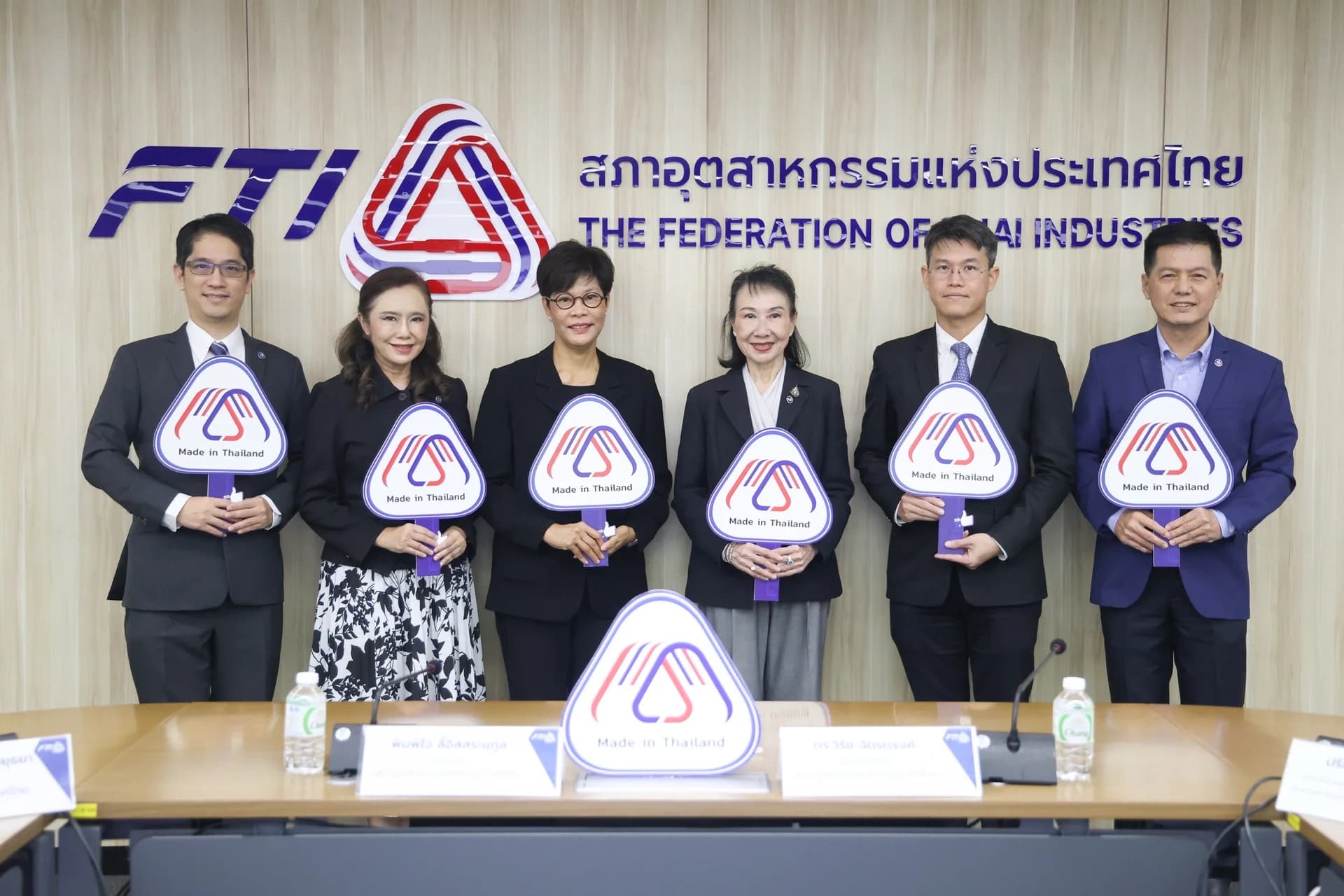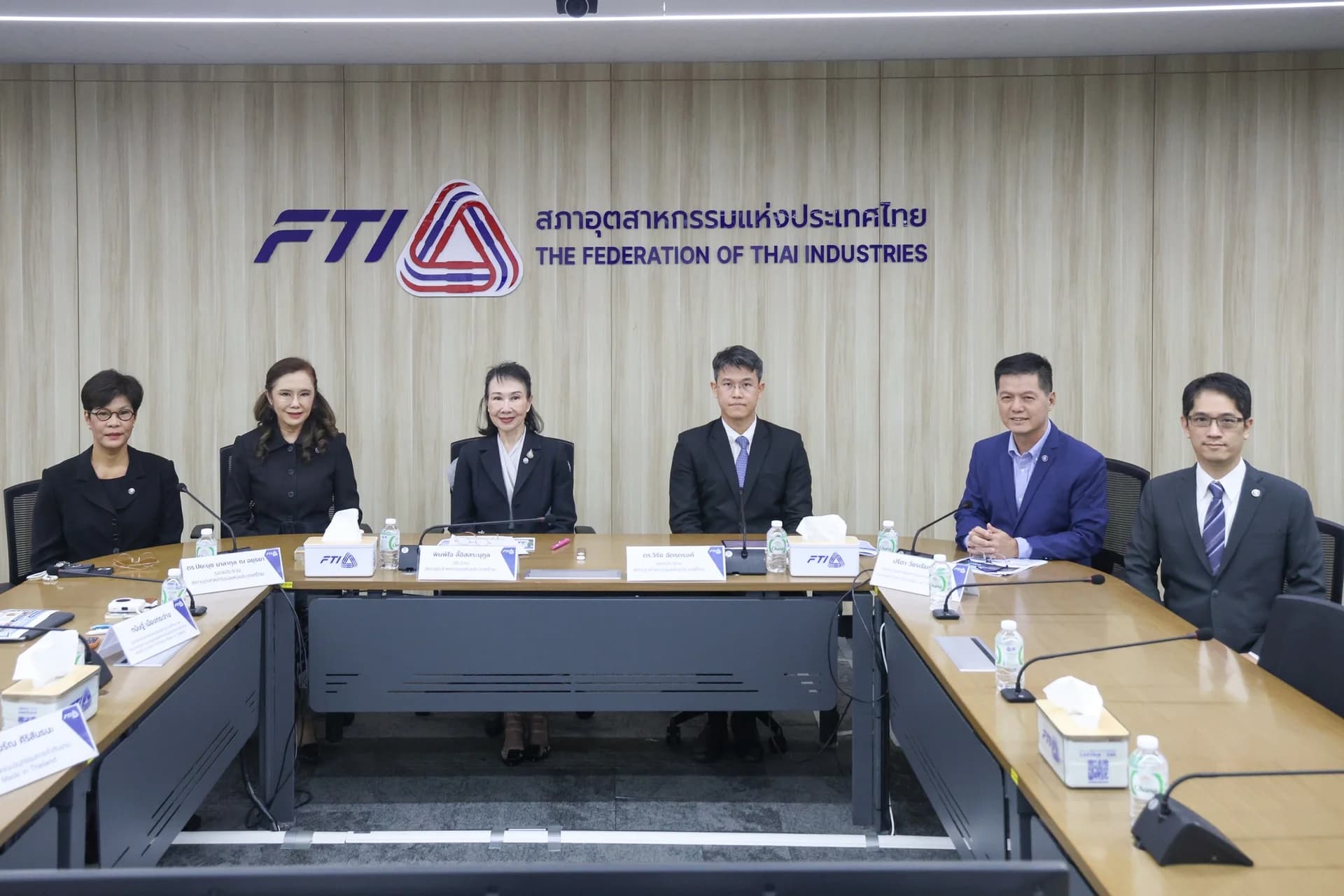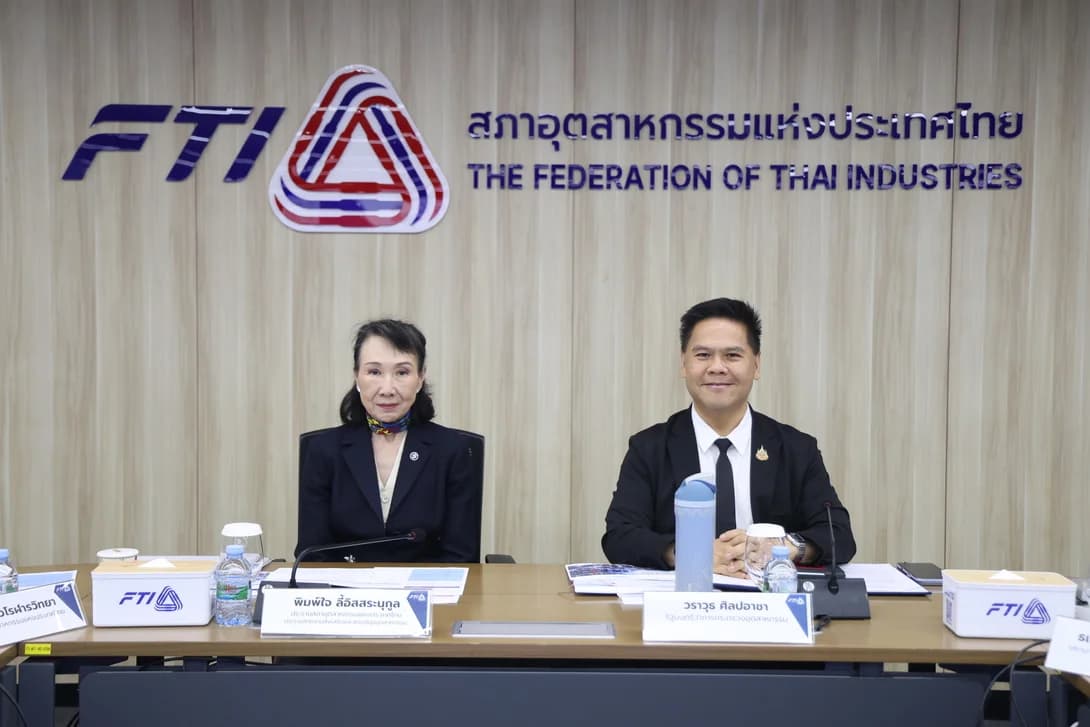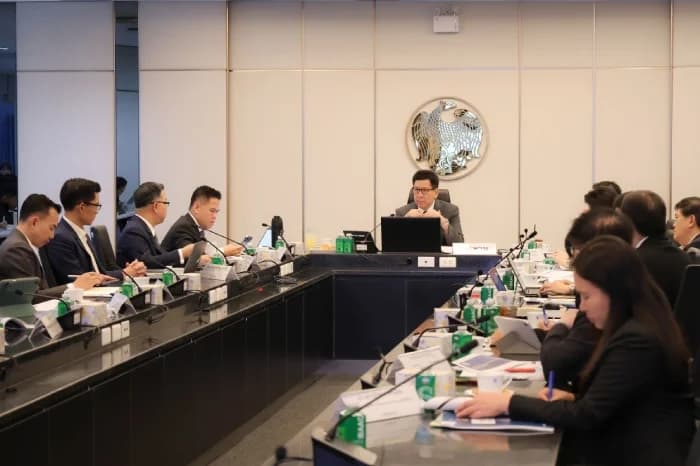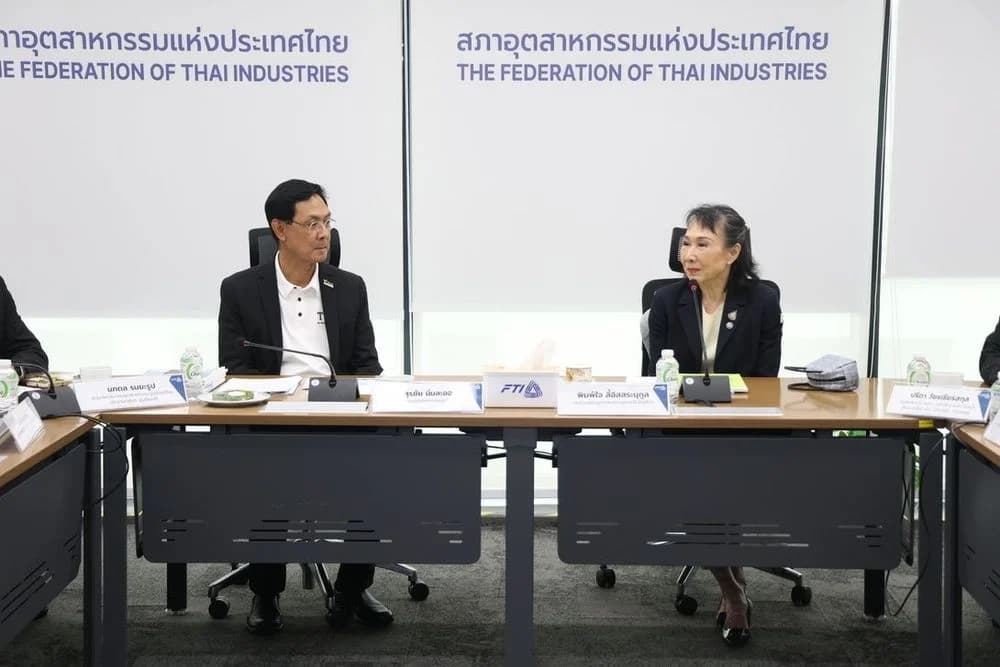

วันอังคารที่ 19 พฤษภาคม 2569 นางพิมพ์ใจ ลี้อิสสระนุกูล ประธานสภาอุตสาหกรรมแห่งประเทศไทย(ส.อ.ท.) เป็นประธานการประชุม คณะกรรมการร่วมภาคเอกชน 3 สถาบัน (กกร.) โดยมี ดร.พจน์ อร่ามวัฒนานนท์ ประธานกรรมการสภาหอการค้าแห่งประเทศไทย และนายวรกฤต จารุวงค์ภัค เลขาธิการสมาคมธนาคารไทย ร่วมในการประชุม ณ ห้อง 802 สภาอุตสาหกรรมแห่งประเทศไทย(ส.อ.ท.)
สถานการณ์ความขัดแย้งในตะวันออกกลางยืดเยื้อเข้าสู่เดือนที่ 3 และยังไม่เห็นฉากจบ ช่องแคบฮอร์มุซยังไม่สามารถกลับมาดำเนินการได้ตามปกติ อีกทั้งโครงสร้างพื้นฐานด้านพลังงานที่ได้รับผลกระทบจากการโจมตีในช่วงที่ผ่านมาต้องใช้เวลาระยะหนึ่งในการซ่อมแซม ความกังวลต่อ physical damage กดดันให้ราคาพลังงานยังอยู่ในระดับสูง โดยผลกระทบต่อกิจกรรมทางเศรษฐกิจจากสินค้าขาดแคลนเริ่มเห็นแล้วในภาคการบิน กระทบนักท่องเที่ยวที่โดยสารผ่านเที่ยวบินจากตะวันออกกลางมายังไทย
เศรษฐกิจไทยในไตรมาสที่ 1 ของปี 2569 ขยายตัวที่ 2.8%YoY แต่จำกัดอยู่ในบางภาคส่วน จากการลงทุนภาคเอกชนที่เติบโตได้ดี ภาครัฐที่มีการเร่งเบิกจ่าย ประกอบกับภาคการส่งออกที่ขยายตัวสูงจากสินค้าทางเทคโนโลยีดิจิทัล และ AI ตามกระแสโลก ส่งผลให้สินค้ากลุ่ม tech ขยายตัวกว่า 45% และเป็นการขยายตัวติดต่อกัน 12 ไตรมาส อย่างไรก็ตาม การส่งออกกระจุกตัวสูงและไม่ได้ส่งผลดีไปยังภาคการผลิตอย่างทั่วถึง
สถานการณ์ในตะวันออกกลางยังวางใจไม่ได้ และความเสี่ยงต่อเศรษฐกิจไทยอาจสูงกว่าที่เห็นในปัจจุบัน โดย กกร. ประเมินว่า GDP ไทยปี 2569 จะขยายตัวในช่วง 1.2% - 1.6% เศรษฐกิจระยะข้างหน้ายังคงมีความท้าทาย จำเป็นต้องติดตามผลกระทบความขัดแย้งในตะวันออกกลางต่อราคาวัตถุดิบและปัญหาการขาดแคลนวัตถุดิบของภาคธุรกิจ ซึ่งอาจพัฒนาเป็นปัญหาระลอกใหม่ ทั้งนี้ ประเทศไทยควรเร่งการลงทุนปรับโครงสร้างด้านพลังงาน เพิ่มการผลิตพลังงานหมุนเวียน ลดการพึ่งพาการนำเข้าน้ำมันและก๊าซ และเร่งการลงทุนเพื่อเพิ่มศักยภาพภายใต้ Reinvent Thailand จะยิ่งสนับสนุนการขยายตัวของเศรษฐกิจในระยะข้างหน้า
กรอบประมาณการเศรษฐกิจปี 2569 ของ กกร.
ปี 2568
GDP 2.4
ส่งออก 12.9
เงินเฟ้อ -0.1
ปี 2569
(ณ ม.ค. 69 – มี.ค. 69)
GDP 1.6 ถึง 2.0
ส่งออก -1.5 ถึง -0.5
เงินเฟ้อ 0.2 ถึง 0.7
ปี 2569
(ณ เม.ย. 69– พ.ค. 69)
GDP 1.2 ถึง 1.6
ส่งออก -1.5 ถึง -0.5
เงินเฟ้อ 2.0 ถึง 3.0
ที่มา: สศช. พณ. และประมาณการโดย กกร.
Key assumptions
(1) ราคาน้ำดิบเบรนท์ เฉลี่ยที่ราว 90.3 USD/บาร์เรล ในปี 69 (2) ราคาน้ำมันเชื้อเพลิงในประเทศลอยตัว
(3) Lower Bound ของเงินเฟ้อ ที่ 2.0 คาดว่ามีการลดภาษีสรรพสามิตน้ำมันลงครึ่งหนึ่งจากที่เก็บปัจจุบัน
กกร. ขอเรียกร้องให้รัฐบาลเร่งแก้ไขปัญหาการขาดแคลนแรงงานในอุตสาหกรรมที่ใช้แรงงานเข้มข้นอย่างเร่งด่วน โดยตระหนักว่าการบริหารจัดการแรงงานต่างด้าวต้องคำนึงถึงทั้งมิติด้านความมั่นคง เศรษฐกิจ และสังคมอย่างสมดุล อย่างไรก็ตาม จากสถานการณ์ปัจจุบันที่หลายภาคธุรกิจกำลังเผชิญภาวะขาดแคลนแรงงานอย่างมีนัยสำคัญ ซึ่งอาจกระทบต่อภาคการผลิต การส่งออก และความสามารถในการแข่งขันของประเทศ กกร. เห็นว่ารัฐบาลควรเร่งดำเนินมาตรการทั้งระยะสั้นและระยะกลางอย่างเป็นรูปธรรม ในระยะเร่งด่วน การต่ออายุใบอนุญาตทำงานของแรงงานต่างด้าวที่พำนักและทำงานอยู่ในประเทศไทย ถือเป็นมาตรการจำเป็น เพื่อป้องกันไม่ให้กำลังแรงงานจำนวนมากหายไปจากระบบในทันที ขณะเดียวกัน ภาครัฐควรเร่งจัดทำแผนบริหารจัดการแรงงานต่างด้าวทุกสัญชาติอย่างเป็นระบบ มีประสิทธิภาพ และสอดคล้องกับความต้องการของภาคเศรษฐกิจในระยะยาว เพื่อรักษาเสถียรภาพด้านแรงงานและความเชื่อมั่นด้านการลงทุนของประเทศ ทั้งนี้ กกร. จะมีการนำเสนอข้อเสนอต่อนายกรัฐมนตรี และรัฐมนตรีว่าการกระทรวงแรงงาน เพื่อพิจารณาเร่งรัดมาตรการแก้ไขปัญหาดังกล่าวโดยเร็วต่อไป
กกร. ขอขอบคุณท่านนายกรัฐมนตรีและรัฐบาล ที่ได้มีคำสั่งแต่งตั้ง คณะกรรมการประสานงานเพื่อการต่อต้านการทุจริต เมื่อวันที่ 18 พฤษภาคม 2569 ซึ่งถือเป็นก้าวสำคัญในการยกระดับการขับเคลื่อนการต่อต้านคอร์รัปชันของประเทศอย่างเป็นรูปธรรม และแสดงถึงความมุ่งมั่นของรัฐบาลในการสร้างความโปร่งใส เสริมสร้างธรรมาภิบาล และยกระดับความเชื่อมั่นของภาคธุรกิจและประชาชน ทั้งนี้ กกร. เห็นว่า การมีคณะกรรมการร่วมระหว่างภาครัฐและภาคเอกชน จะช่วยผลักดันการแก้ไขปัญหาการทุจริตได้อย่างบูรณาการ ครอบคลุมทั้งด้านการปรับปรุงกฎหมาย กฎระเบียบ กระบวนการอนุญาตภาครัฐ ตลอดจนการนำเทคโนโลยีมาเพิ่มความโปร่งใส ลดดุลยพินิจ และอำนวยความสะดวกแก่ประชาชนและภาคธุรกิจ ซึ่งจะเป็นส่วนสำคัญในการยกระดับมาตรฐานธรรมาภิบาลของประเทศไทย และสนับสนุนเป้าหมายการเข้าเป็นสมาชิก OECD ในอนาคต
สนง. กกร./ ณ วันที่ 19 พฤษภาคม 2569
ผู้ประสานงาน ธณิชา ตรีพล 080-0840969 / thanicha@jsccib.org
On Tuesday, May 19, 2026, Mrs. Pimjai Leeissaranukul, President of the Federation of Thai Industries (FTI), chaired a meeting of the Joint Public-Private Sector Committee (JPP) alongside Dr. Phot Aramwattanakorn, Chairman of the Thai Chamber of Commerce, and Mr. Worakrit Jaruwongphak, Secretary-General of the Thai Bankers' Association at Room 802, Federation of Thai Industries (FTI).
The ongoing conflict in the Middle East has now extended into its third month without a clear resolution. The Strait of Hormuz remains unable to return to normal operations, and the energy infrastructure affected by recent attacks will require time for repairs. Concerns over physical damage continue to put upward pressure on energy prices, as the impacts of goods shortages on economic activities are becoming apparent in the aviation sector, affecting tourists traveling on flights from the Middle East to Thailand.
The Thai economy in the first quarter of 2026 expanded by 2.8% year-on-year, although this growth was constrained within certain sectors. This was fueled by strong private sector investments, accelerated public sector disbursements, and significant growth in exports driven by digital technology and AI, in line with global trends. Tech-related exports grew by over 45%, marking a continuous expansion for 12 quarters. However, exports remain concentrated and have not beneficially impacted the manufacturing sector broadly.
Conditions in the Middle East remain uncertain, and the risks to the Thai economy may be greater than currently perceived. The JPP projects that Thailand's GDP for 2026 will grow within the range of 1.2% to 1.6%. The economic outlook continues to face challenges, necessitating close monitoring of the conflict's impact on raw material prices and shortages affecting the business sector, which could develop into a new wave of problems. Thailand should accelerate investments in energy structural adjustments, enhance renewable energy production, reduce dependence on oil and gas imports, and expedite investments to increase capacity under the Reinvent Thailand initiative to support future economic growth.
Economic projections for 2026 from the JPP:
For 2025
GDP 2.4
Exports 12.9
Inflation -0.1
For 2026
(as of Jan 26 - Mar 26)
GDP 1.6 to 2.0
Exports -1.5 to -0.5
Inflation 0.2 to 0.7
For 2026
(as of Apr 26 - May 26)
GDP 1.2 to 1.6
Exports -1.5 to -0.5
Inflation 2.0 to 3.0
Source: NESDC, Ministry of Commerce, and projections by the JPP.
Key assumptions:
(1) Average Brent crude oil price of approximately 90.3 USD/barrel in 2026 (2) Domestic fuel prices to float
(3) Lower bound of inflation at 2.0 anticipated from a 50% reduction in current fuel excise taxes.
The JPP urges the government to promptly address the labor shortage problem in labor-intensive industries, recognizing that the management of foreign labor must balance security, economics, and social dimensions. Currently, many sectors are facing significant labor shortages, which could impact production, exports, and the country's competitiveness. The JPP believes that the government should expedite both short-term and medium-term measures. In the immediate term, the extension of work permits for foreign workers already residing and working in Thailand is crucial to prevent a sudden loss of a significant workforce. Simultaneously, the government should systematically and efficiently develop management plans for foreign labor of all nationalities, aligning with the long-term needs of the economy to maintain labor stability and investor confidence. The JPP plans to present proposals to the Prime Minister and the Minister of Labour for expedited consideration of these measures.
The JPP expresses gratitude to the Prime Minister and the government for appointing the Coordinating Committee for Anti-Corruption on May 18, 2026, which marks a significant step in enhancing the country's anti-corruption efforts and demonstrates the government's commitment to transparency, good governance, and increased confidence among businesses and the public. The JPP believes that the establishment of a joint committee between the public and private sectors will facilitate a comprehensive approach to combating corruption, covering improvements in laws, regulations, government approval processes, and leveraging technology to enhance transparency, reduce discretion, and improve services for the public and businesses, which are vital for elevating Thailand's governance standards and supporting the nation's future OECD membership goals.
JPP Office / As of May 19, 2026
Coordinator: Thanicha Triphon 080-0840969 / thanicha@jsccib.org