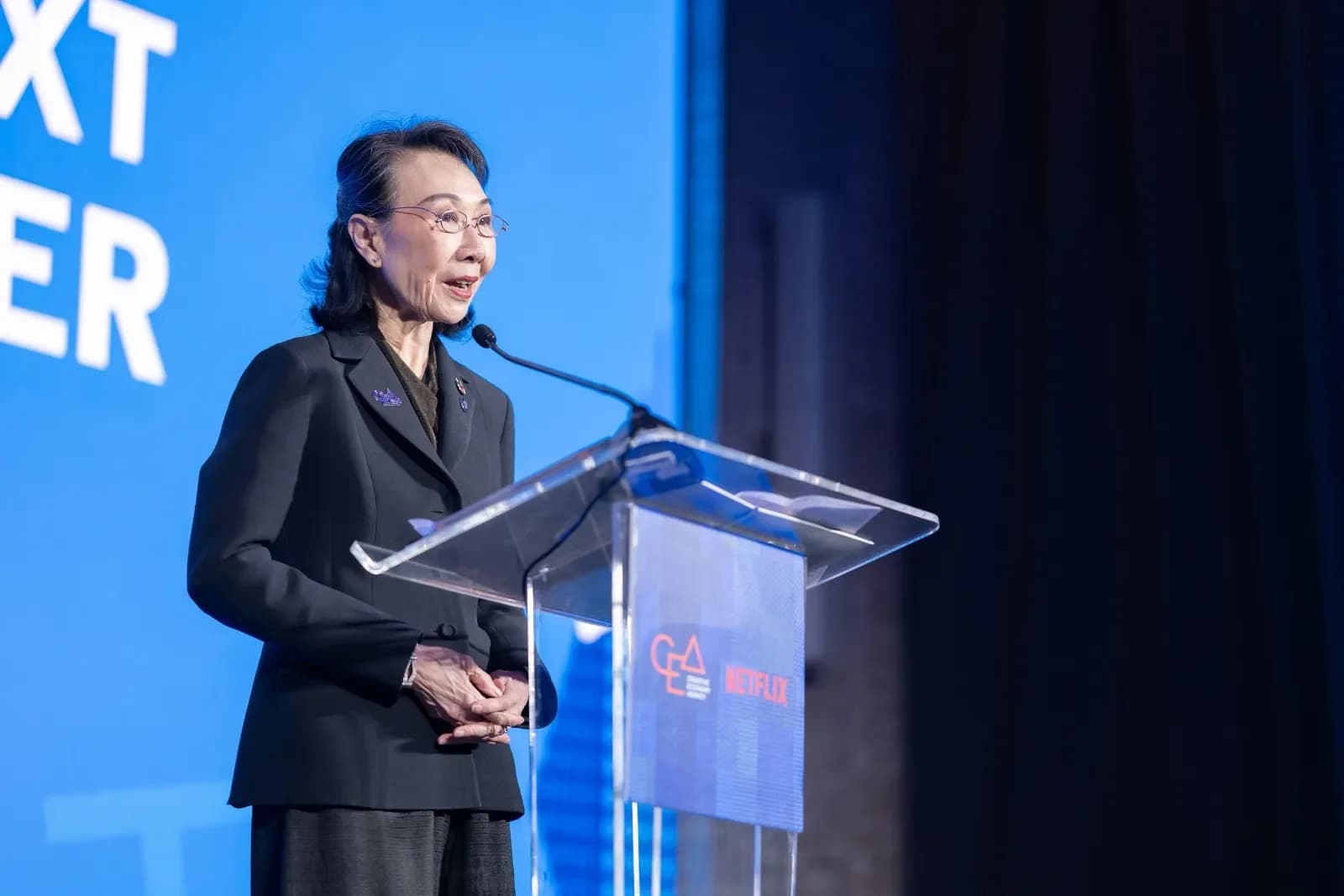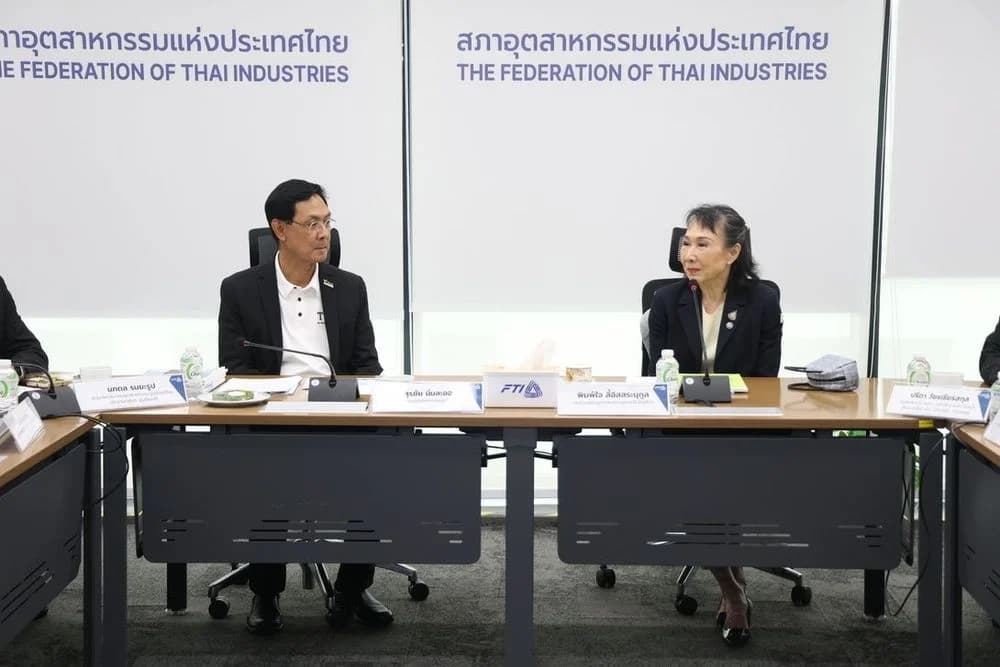

วันที่ 11 พฤษภาคม 2569 นางพิมพ์ใจ ลี้อิสสระนุกูล ประธานสภาอุตสาหกรรมแห่งประเทศไทย (ส.อ.ท.) ได้เข้าร่วมเสวนา งาน “Innovation Changes Thailand : นวัตกรรมเปลี่ยนประเทศ” จัดโดย AIS ร่วมกับเครือมติชน ณ ห้องอินฟินิตี้ 1-2 โรงแรมพูลแมน คิง เพาเวอร์ กรุงเทพ (ซอยรางน้ำ) ในหัวข้อ “ยุทธศาสตร์ขับเคลื่อนอุตสาหกรรมและการยกระดับอุตสาหกรรมเป้าหมายด้วยนวัตกรรม” โดยนำเสนอทิศทางการพัฒนาอุตสาหกรรมไทยภายใต้ยุทธศาสตร์ “5I” เพื่อยกระดับขีดความสามารถการแข่งขันของประเทศในยุคเศรษฐกิจดิจิทัลและเศรษฐกิจสีเขียว
นางพิมพ์ใจ กล่าวว่า ส.อ.ท. มุ่งผลักดัน “The New Chapter of Thai Industry” ผ่าน 5 ยุทธศาสตร์หลัก “5I” ประกอบด้วย Intelligent Industry, Innovation & Creative Industry, International Alliance & Network, Industrial Infrastructure Reform และ Inclusive & Sustainable Growth เพื่อขับเคลื่อนอุตสาหกรรมไทยสู่การเติบโตอย่างยั่งยืนและแข่งขันได้ในเวทีโลก
ยุทธศาสตร์แรก คือ “Intelligent Industry” มุ่งยกระดับภาคอุตสาหกรรมไทยด้วย AI และระบบอัตโนมัติ (Automation) เพื่อเปลี่ยนผ่านสู่โรงงานอัจฉริยะ (Smart Factory) และการรับจ้างผลิตอัจฉริยะ (Smart OEM) โดยมีเป้าหมายลดต้นทุน เพิ่มประสิทธิภาพ และยกระดับการผลิตให้แข่งขันได้ในระดับสากล ผ่านกระบวนการ 4 ระยะ ได้แก่ การประเมินและให้คำปรึกษา (Assessment) การสนับสนุนแหล่งทุน (Funding) การผลิตอย่างยั่งยืน (Execution) และการเชื่อมโยงสู่ตลาดโลก (Global Scale)
ทั้งนี้ เทคโนโลยีสำคัญที่จะเข้ามาช่วยเปลี่ยนผ่านภาคการผลิต ประกอบด้วยระบบ MES และ ERP (Manufacturing Execution System & Enterprise Resource Planning) สำหรับบริหารจัดการการผลิต รวมถึงหุ่นยนต์และระบบอัตโนมัติ (Robotics & Automation) เช่น Cobot, AGV (Automated Guided Vehicle) และ AMR (Autonomous Mobile Robot) ระบบแพลตฟอร์ม Cloud และระบบคาดการณ์การซ่อมบำรุงล่วงหน้า (AI Predictive Maintenance) ระบบการบริหารจัดการพลังงานและพลังงานหมุนเวียน (Energy Management & Renewable Energy) โลจิสติกส์และห่วงโซ่อุปทานอัจฉริยะ (Smart Logistic & Supply Chain) ผ่าน RFID และ IoT GPS Tracking รวมถึงเทคโนโลยี Data Twin และ Simulation เช่น Virtual Factory และ AR/VR Training เพื่อเพิ่มศักยภาพโรงงานอัจฉริยะอย่างครบวงจร ทั้งนี้ ภาครัฐควรมีบทบาทสนับสนุน เพื่อเปลี่ยนผ่านสู่ Smart Industry อย่างเป็นระบบ
สำหรับยุทธศาสตร์ที่สอง “Innovation & Creative Industry” ส.อ.ท. ต้องการผลักดันอุตสาหกรรมไทยจากรูปแบบการรับจ้างผลิต (OEM) ไปสู่การสร้างแบรนด์และทรัพย์สินทางปัญญา (Brand & IP) ของตนเอง เพื่อสร้างมูลค่าเพิ่มให้สินค้าไทย ผ่านแนวคิดการสร้างคุณค่าหรือมูลค่าเพิ่มให้กับสินค้า บริการ (Value-based Creation) โดยเน้นการสร้างแบรนด์ นวัตกรรม และการผสานเศรษฐกิจสร้างสรรค์ (Creative Economy) กับซอฟต์พาวเวอร์ (Soft Power) ไทย
นอกจากนี้ ยังมุ่งสร้าง “New Growth Engines” หรือเครื่องยนต์เศรษฐกิจใหม่ในกลุ่มอุตสาหกรรมแห่งอนาคต เช่น อุตสาหกรรมด้านสุขภาพและการดูแลสุขภาวะ (Health & Wellness) อาหารแห่งอนาคต (Future Food) อาหารเพื่อสุขภาพเฉพาะด้าน (Functional Food) อาหารทางการแพทย์ (Medical Food) เครื่องมือแพทย์ (Medical Devices) ตลอดจนวัคซีนและยา (Vaccine & Medicine) รวมถึงอุตสาหกรรมระบบราง ที่ผลักดัน Local Content มากกว่า 40% และอุตสาหกรรมเทคโนโลยีชีวภาพ (Biotechnology) เช่น Genetic Engineering การตัดต่อพันธุกรรมพืชให้ทนโรคและเติบโตเร็ว
นางพิมพ์ใจ ระบุว่า การขับเคลื่อนนวัตกรรมต้องอาศัยนวัตกรรมที่ขับเคลื่อนจากความต้องการของตลาด (Demand-Driven Innovation) โดยภาคอุตสาหกรรมจะเป็นผู้กำหนดโจทย์วิจัย เพื่อให้เกิดประโยชน์เชิงพาณิชย์จริง พร้อมเชื่อมโยงเครือข่ายภาครัฐ ภาคเอกชน สถาบันการศึกษา และสถาบันการเงิน ผ่านกลไก “Reinvent Thailand” เพื่อสนับสนุนสตาร์ทอัพ (Startup) และการพัฒนาเทคโนโลยีของไทย
ในส่วนของยุทธศาสตร์ “International Alliance & Network” ส.อ.ท. มองว่าไทยมีศักยภาพในการเป็นศูนย์กลางห่วงโซ่อุปทานระดับโลก (Global Supply Chain Hub) จากจุดแข็งด้านภูมิศาสตร์ ความพร้อมของโครงสร้างพื้นฐาน และความเป็นกลางทางเศรษฐกิจและภูมิรัฐศาสตร์ โดยจะผลักดันทั้งการเพิ่มศักยภาพการเข้าถึงตลาด (Market Penetration Enhancement) การบูรณาการหน่วยงานรัฐเพื่อสร้างโอกาสทางการค้าในรายอุตสาหกรรม และการเชื่อมโยงเข้าสู่ห่วงโซ่อุปทานโลก (Global Supply Chain Integration) เพื่อเชื่อมโยงไทยเข้าสู่ห่วงโซ่อุปทานโลกอย่างมั่นคง
ขณะเดียวกัน ยังตั้งเป้าพัฒนาไทยสู่การเป็นศูนย์กลางอุตสาหกรรมระดับภูมิภาค (Regional Industrial Hub) ทั้งด้านการผลิตและกระจายสินค้า โดยเฉพาะ 3 กลุ่มศักยภาพสำคัญ ได้แก่ ศูนย์กลางอุตสาหกรรมยานยนต์พวงมาลัยขวา (Right-Hand Drive Automotive Hub) ศูนย์กลางอาหารและวัตถุดิบอาหาร (Food & Ingredient Hub) และศูนย์กลางการแพทย์และสุขภาพ (Medical Hub)
ทั้งนี้ ข้อมูลจากสำนักงานคณะกรรมการส่งเสริมการลงทุน (BOI) ระบุว่า มูลค่าคำขอรับการส่งเสริมการลงทุนในไตรมาสแรกปี 2569 สูงถึง 1.02 ล้านล้านบาท เติบโต 135% เมื่อเทียบกับปีก่อน โดยกลุ่มดิจิทัลมีมูลค่าสูงสุด 873,741 ล้านบาท รองลงมา คือ เครื่องใช้ไฟฟ้าและอิเล็กทรอนิกส์ พลังงานและสาธารณูปโภค เกษตรและแปรรูปอาหาร รวมถึงโลจิสติกส์และบริการมูลค่าสูง
ส่วนยุทธศาสตร์ “Industrial Infrastructure Reform” มุ่งปรับโครงสร้างพื้นฐานอุตสาหกรรมไทย เพื่อลดต้นทุน เพิ่มขีดความสามารถการแข่งขัน และยกระดับเศรษฐกิจไทยสู่ความยั่งยืน โดยแบ่งเป็น 2 ส่วนสำคัญ คือ พัฒนาอุตสาหกรรมในประเทศ (Development) และดำเนินมาตรการเชิงรุก (Proactive Action)
ด้าน Development จะครอบคลุมการสนับสนุนพลังงานต้นทุนต่ำผ่านการเปิดให้เอกชนซื้อขายไฟฟ้าโดยตรง (Direct PPA) และพลังงานสีเขียวและพลังงานสะอาด (Green & Clean Energy) การปรับปรุงกฎหมาย ลดขั้นตอนการดำเนินธุรกิจด้วยการตัดลดกฎระเบียบที่ซ้ำซ้อน (Regulatory Guillotine) และกฎหมายแบบบูรณาการ (Omnibus Law) รวมถึงการปรับปรุงกฎหมายทรัพย์สินทางปัญญา และมาตรการคุ้มครองอุตสาหกรรมไทย เช่น Trade Remedy Early Warning System ที่ใช้ AI เฝ้าระวังการทุ่มตลาดล่วงหน้า และ TISI Shield เพื่อยกระดับมาตรฐานสินค้านำเข้า
ขณะที่ Proactive Action จะเน้นการส่งเสริม MiT Plus หรือ Made in Thailand โดยเสนอให้ BOI เพิ่มสัดส่วนการใช้ MiT ในอุตสาหกรรมนำร่อง เช่น EV และเครื่องใช้ไฟฟ้า จาก 40% เป็น 70% รวมถึงขยายการใช้ MiT ไปยังอุตสาหกรรมอื่น และผลักดันตลาดสินค้าไทยสู่ภาคเอกชนและต่างประเทศ พร้อมเร่งการยกระดับทักษะและการพัฒนาทักษะใหม่ (Upskill & Reskill) ของแรงงานไทย ควบคู่การดึงดูดบุคลากรศักยภาพสูงระดับโลก (Global Talents) และการผสาน AI กับ Robotics ในภาคอุตสาหกรรม
ด้านยุทธศาสตร์สุดท้าย “Inclusive & Sustainable Growth” มุ่งปรับเปลี่ยนอุตสาหกรรมไทยสู่การเติบโตอย่างยั่งยืน ผ่านแนวคิดการเปลี่ยนผ่านสู่เศรษฐกิจคาร์บอนต่ำ (Low Carbon Transition) การเปลี่ยนผ่านสู่เศรษฐกิจหมุนเวียน (Circular Transformation) และการจ่ายค่าจ้างตามทักษะความสามารถ (Pay by Skill)
ในมิติ Low Carbon Transition จะสนับสนุนการใช้พลังงานสะอาด เช่น พลังงานแสงอาทิตย์ ลม และชีวภาพ รวมถึงเทคโนโลยีการดักจับ การนำคาร์บอนไปใช้ประโยชน์ และการกักเก็บคาร์บอน (Carbon Capture, Utilization and Storage - CCUS/CCS) เพื่อลดการปล่อยก๊าซเรือนกระจก ขณะที่ Circular Transformation จะพัฒนาเศรษฐกิจหมุนเวียนเต็มรูปแบบ ผ่านระบบความรับผิดชอบของผู้ผลิตต่อผลิตภัณฑ์หลังการใช้ (EPR - Extended Producer Responsibility) และการรีไซเคิล การเพิ่มมูลค่าจากวัสดุเหลือใช้ (Recycling/Upcycling) เพื่อเพิ่มมูลค่าของเสียทางอุตสาหกรรม
ส่วนแนวคิด Pay by Skill จะเร่งพัฒนาทักษะแรงงานไทยให้รองรับอุตสาหกรรมใหม่ ผ่านการ Upskill และ Reskill อย่างเป็นระบบ พร้อมกำหนดมาตรฐานทักษะแรงงานแห่งชาติ (National Skill Standard) เพื่อยกระดับมาตรฐานแรงงานไทยและเชื่อมโยงค่าตอบแทนตามทักษะจริง
นอกจากนี้ ส.อ.ท. ยังได้เปิดแนวคิด “FTI Tech Services” เพื่อส่งเสริมระบบนิเวศนวัตกรรมไทย ผ่านแพลตฟอร์ม INNO-Link, INNO-Gateway, INNO-Discovery และ INNO-RUNS ที่จะช่วยเชื่อมโยงนวัตกรรม งานวิจัย ผู้ประกอบการ Startup และภาคอุตสาหกรรมเข้าด้วยกัน พร้อมสนับสนุนด้านทรัพย์สินทางปัญญาผ่าน IP Connect Center เพื่อเพิ่มศักยภาพการแข่งขันของอุตสาหกรรมไทยในอนาคต
On May 11, 2026, Mrs. Pimjai Leeissaranukul, President of the Federation of Thai Industries (FTI), participated in a seminar titled “Innovation Changes Thailand” organized by AIS in collaboration with Matichon Group at Infinity Room 1-2, Pullman King Power Bangkok (Rang Nam Soi). The topic of discussion was “Strategies for Driving the Industry and Elevating Target Industries with Innovation,” where she presented the direction for the development of the Thai industry under the “5I” strategy to enhance the country's competitive capabilities in the digital and green economy era.
Mrs. Pimjai stated that FTI aims to promote “The New Chapter of Thai Industry” through five main strategies known as “5I,” which consists of Intelligent Industry, Innovation & Creative Industry, International Alliance & Network, Industrial Infrastructure Reform, and Inclusive & Sustainable Growth, to drive the Thai industry towards sustainable growth and global competitiveness.
The first strategy, “Intelligent Industry,” aims to enhance the Thai industrial sector with AI and automation systems (Automation) to transition into Smart Factories and Smart OEM (Original Equipment Manufacturer). The goal is to reduce costs, increase efficiency, and elevate production to be competitive at the international level through a four-phase process: Assessment, Funding, Execution, and Global Scale.
Key technologies that will assist in transforming the manufacturing sector include MES and ERP (Manufacturing Execution System & Enterprise Resource Planning) for production management, as well as robotics and automation (Robotics & Automation) such as Cobots, AGV (Automated Guided Vehicles), and AMR (Autonomous Mobile Robots). Other technologies include Cloud platforms, AI Predictive Maintenance systems, Energy Management & Renewable Energy systems, and smart logistics and supply chains (Smart Logistic & Supply Chain) through RFID and IoT GPS Tracking, as well as Data Twin and Simulation technologies such as Virtual Factory and AR/VR Training, to enhance the capabilities of smart factories comprehensively. The government should play a supportive role in a systematic transition to Smart Industry.
For the second strategy, “Innovation & Creative Industry,” FTI aims to push the Thai industry from an OEM model to establishing its own brands and intellectual property (Brand & IP) to create added value for Thai products. This will be achieved through the concept of value-based creation, emphasizing branding, innovation, and integrating the creative economy with Thailand's soft power.
Additionally, FTI aims to create “New Growth Engines” or new economic drivers in future industries such as health and wellness, future foods, functional foods, medical foods, medical devices, and vaccines and medicines, as well as the railway system industry, driving local content to over 40% and the biotechnology industry, including genetic engineering to create disease-resistant, fast-growing plants.
Mrs. Pimjai noted that driving innovation requires demand-driven innovation, where the industrial sector will set the research agenda to ensure real commercial benefits, linking government, private sector, educational institutions, and financial institutions through the “Reinvent Thailand” mechanism to support startups and the development of Thai technology.
Under the “International Alliance & Network” strategy, FTI sees Thailand's potential as a Global Supply Chain Hub, leveraging geographical strengths, readiness of infrastructure, and neutrality in economic and geopolitical contexts. This involves boosting market penetration, integrating state agencies to create trade opportunities in various industries, and connecting to the global supply chain for robust integration.
Simultaneously, there is a goal to develop Thailand into a Regional Industrial Hub for both manufacturing and distribution, focusing particularly on three key areas of potential: Right-Hand Drive Automotive Hub, Food & Ingredient Hub, and Medical Hub.
According to the Board of Investment (BOI), the value of investment promotion applications in the first quarter of 2026 reached 1.02 trillion baht, a 135% increase compared to the previous year. The digital sector held the highest value at 873.741 billion baht, followed by electrical and electronics, energy and public utilities, agriculture and food processing, as well as high-value logistics and services.
The “Industrial Infrastructure Reform” strategy aims to restructure Thailand's industrial infrastructure to reduce costs, increase competitiveness, and elevate the Thai economy towards sustainability, divided into two main components: Development and Proactive Action.
Development will cover supporting low-cost energy through allowing private entities to trade electricity directly (Direct PPA) and green and clean energy, improving laws, reducing business operation procedures through redundant regulation cuts (Regulatory Guillotine), and integrated legislation (Omnibus Law), as well as enhancing intellectual property laws and measures to protect the Thai industry, such as an AI-driven Trade Remedy Early Warning System to detect market dumping in advance and TISI Shield to upgrade import product standards.
Proactive Action will emphasize promoting MiT Plus (Made in Thailand), proposing that BOI increase the MiT usage ratio in pilot industries such as EV and electrical appliances from 40% to 70%, as well as expanding MiT usage to other industries and accelerating the promotion of Thai products in the private sector and abroad while enhancing the upskilling and reskilling of the Thai workforce coupled with attracting high-skilled global talents and integrating AI with robotics in the industry.
The final strategy, “Inclusive & Sustainable Growth,” aims to transform the Thai industry towards sustainable growth through the concepts of low carbon transition, circular transformation, and pay by skill.
In the context of Low Carbon Transition, support will be provided for the use of clean energy, such as solar, wind, and biomass, as well as technologies for carbon capture, utilization, and storage (CCUS/CCS) to reduce greenhouse gas emissions. Circular Transformation will develop a fully circular economy through extended producer responsibility (EPR) and recycling, adding value from waste materials to enhance industrial waste value.
The Pay by Skill approach will expedite the development of Thai labor skills to meet new industry demands through systematic upskilling and reskilling, establishing national skill standards to upgrade Thai labor standards and align compensation according to actual skills.
Moreover, FTI has introduced the concept of “FTI Tech Services” to promote the Thai innovation ecosystem through INNO-Link, INNO-Gateway, INNO-Discovery, and INNO-RUNS platforms, which will connect innovations, research, startups, and the industrial sector, along with supporting intellectual property through the IP Connect Center to enhance the competitive capabilities of the Thai industry in the future.