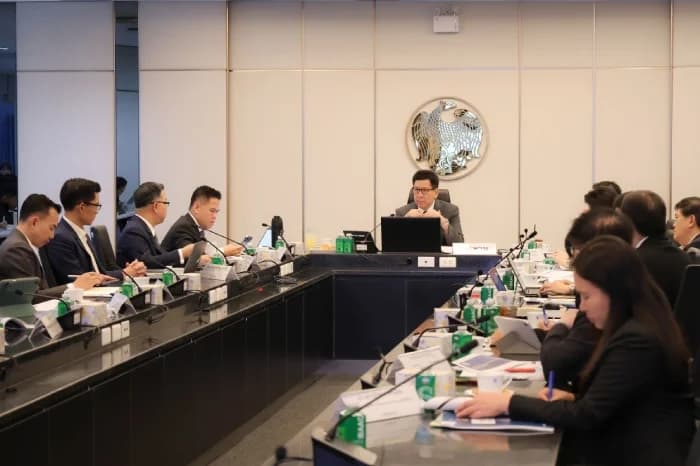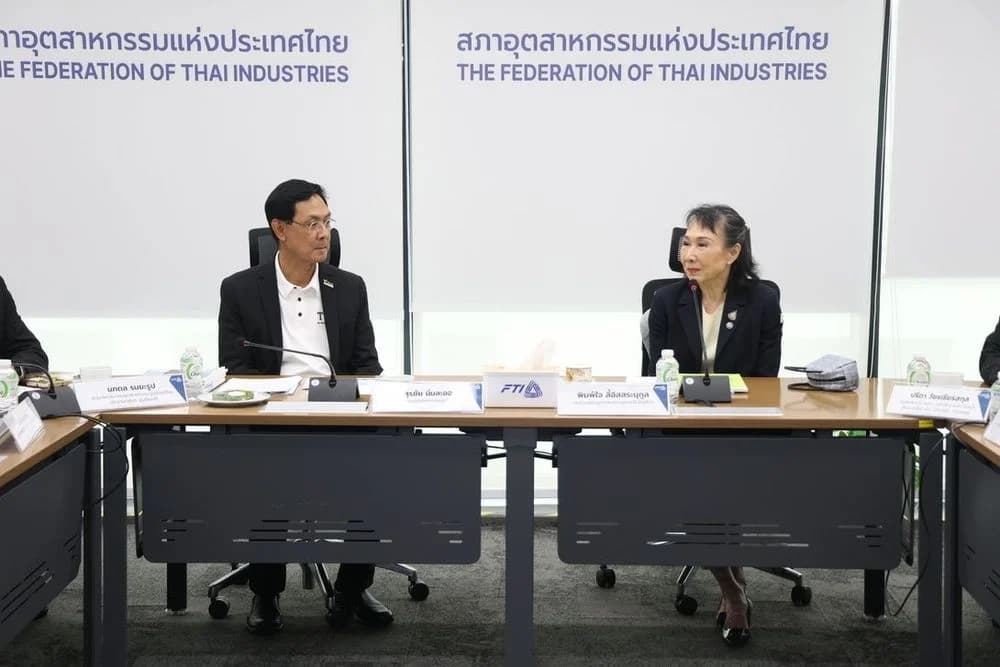

เมื่อวันพฤหัสบดีที่ 23 เมษายน 2569 ดร.ปิยะนุช มาลากุล ณ อยุธยา รองประธานสภาอุตสาหกรรมแห่งประเทศไทย (ส.อ.ท.) และเหรัญญิก ในฐานะผู้แทน ส.อ.ท. เข้าร่วมการประชุมคณะกรรมการนโยบายการบริหารงานเชิงพื้นที่แบบบูรณาการ (ก.น.บ.) ครั้งที่ 1/2569 โดยมีนายอนุทิน ชาญวีรกูล นายกรัฐมนตรีและรัฐมนตรีว่าการกระทรวงมหาดไทย เป็นประธานการประชุม พร้อมด้วยรองนายกรัฐมนตรี รัฐมนตรีประจำสำนักนายกรัฐมนตรี และหน่วยงานที่เกี่ยวข้องเข้าร่วมประชุม ณ ตึกภักดีบดินทร์ ทำเนียบรัฐบาล
นางสาวรัชดา ธนาดิเรก โฆษกประจำสำนักนายกรัฐมนตรี เปิดเผยว่า นายกรัฐมนตรีได้เน้นย้ำในที่ประชุมว่า การประชุม ก.น.บ. ครั้งแรกของรัฐบาลชุดนี้ มีความสำคัญอย่างยิ่งต่อการกำหนดทิศทางการพัฒนาเชิงพื้นที่ของประเทศ ภาครัฐจึงต้องปรับแนวทางการบริหาร โดยเฉพาะการจัดสรรงบประมาณที่มุ่งเน้นความจำเป็น ลดความซ้ำซ้อน และใช้ทรัพยากรอย่างคุ้มค่าสูงสุด
นายกรัฐมนตรีได้มอบนโยบายให้การใช้จ่ายงบประมาณสอดคล้องกับสถานการณ์ปัจจุบัน หลีกเลี่ยงโครงการที่ซ้ำซ้อน พร้อมเปิดโอกาสให้จังหวัดและกลุ่มจังหวัดเสนอแผนงานหรือโครงการที่จำเป็นในพื้นที่ เพื่อขอรับการสนับสนุนจากกระทรวงและหน่วยงานที่เกี่ยวข้อง โดยคำนึงถึงความเหมาะสมและสภาพปัญหาในแต่ละพื้นที่เป็นสำคัญ
ทั้งนี้ การจัดทำงบประมาณปี 2570 ให้ยึดหลักลดความซ้ำซ้อน มุ่งพัฒนาคุณภาพชีวิตประชาชน ส่งเสริมการท่องเที่ยว กระจายรายได้สู่เศรษฐกิจฐานราก พร้อมแก้ไขปัญหาสังคม และเสริมสร้างความเข้มแข็งเชิงพื้นที่ เพื่อรองรับความไม่แน่นอนของสถานการณ์โลกได้อย่างมีประสิทธิภาพ
นอกจากนี้ นายกรัฐมนตรียังเน้นย้ำว่า การพัฒนาเชิงพื้นที่จะต้องนำไปสู่การยกระดับคุณภาพชีวิต การสร้างรายได้ และการพัฒนาอาชีพในท้องถิ่น ควบคู่กับการแก้ไขปัญหาสังคมให้สอดคล้องกับบริบทของแต่ละพื้นที่ โดยมอบหมายให้กระทรวงมหาดไทยส่งเสริมการมีส่วนร่วมของตัวแทนท้องถิ่น รวมถึงให้ผู้ว่าราชการจังหวัดและหัวหน้ากลุ่มจังหวัดรับฟังความคิดเห็นของประชาชนอย่างรอบด้าน
ที่ประชุมยังได้เห็นชอบการแต่งตั้งคณะอนุกรรมการประจำภาค 6 คณะ เพื่อทำหน้าที่พิจารณากลั่นกรองแผนงานและโครงการของจังหวัด กลุ่มจังหวัด และหน่วยงานส่วนราชการ ให้สอดคล้องกับเป้าหมายการพัฒนาในแต่ละภูมิภาคอย่างเป็นระบบ
ส.อ.ท. พร้อมทำงานร่วมกับภาครัฐอย่างใกล้ชิด เพื่อผลักดันนโยบายและแผนพัฒนาเศรษฐกิจเชิงพื้นที่ให้เกิดผลอย่างเป็นรูปธรรม สร้างโอกาสทางเศรษฐกิจ และยกระดับคุณภาพชีวิตของประชาชนทั่วประเทศอย่างยั่งยืน
On Thursday, April 23, 2026, Dr. Piyanuj Malakul Na Ayudhaya, Vice President of the Federation of Thai Industries (FTI) and Treasurer representing the FTI, participated in the first meeting of the Policy Committee for Integrated Area-Based Management (GNB) for 2026. The meeting was chaired by Prime Minister Anutin Charnvirakul, who is also the Minister of the Interior, along with the Deputy Prime Minister, Minister attached to the Prime Minister's Office, and related agencies, held at Phakdi Bodin Building, Government House.
Ms. Rachada Thanadirek, Spokesperson for the Prime Minister’s Office, revealed that the Prime Minister emphasized during the meeting that the first GNB meeting of this government is extremely important for setting the direction of area-based development in the country. The government must therefore adjust its management approach, particularly in budget allocation focused on necessity, reducing overlaps, and utilizing resources to the maximum efficiency.
The Prime Minister has instructed that budget expenditure should align with the current situation, avoiding duplicate projects, while also allowing provinces and regional groups to propose necessary plans or projects in their areas to seek support from relevant ministries and agencies, taking into account the suitability and issues in each area as a priority.
Furthermore, the preparation of the budget for 2027 should uphold the principles of avoiding overlaps, focusing on improving the quality of life for citizens, promoting tourism, distributing income to the grassroots economy, addressing social issues, and strengthening local capacities to effectively respond to global uncertainties.
Additionally, the Prime Minister stressed that area-based development must lead to improving the quality of life, generating income, and developing local occupations, alongside addressing social issues in accordance with the context of each area, assigning the Ministry of the Interior to promote the participation of local representatives, including governors and heads of regional groups, to thoroughly consider public opinions.
The meeting also approved the appointment of six regional subcommittees to review and filter plans and projects of provinces, regional groups, and government agencies, ensuring alignment with development goals in each region systematically.
FTI is committed to working closely with the government to drive policies and plans for area-based economic development to achieve tangible results, creating economic opportunities and enhancing the quality of life for citizens nationwide sustainably.