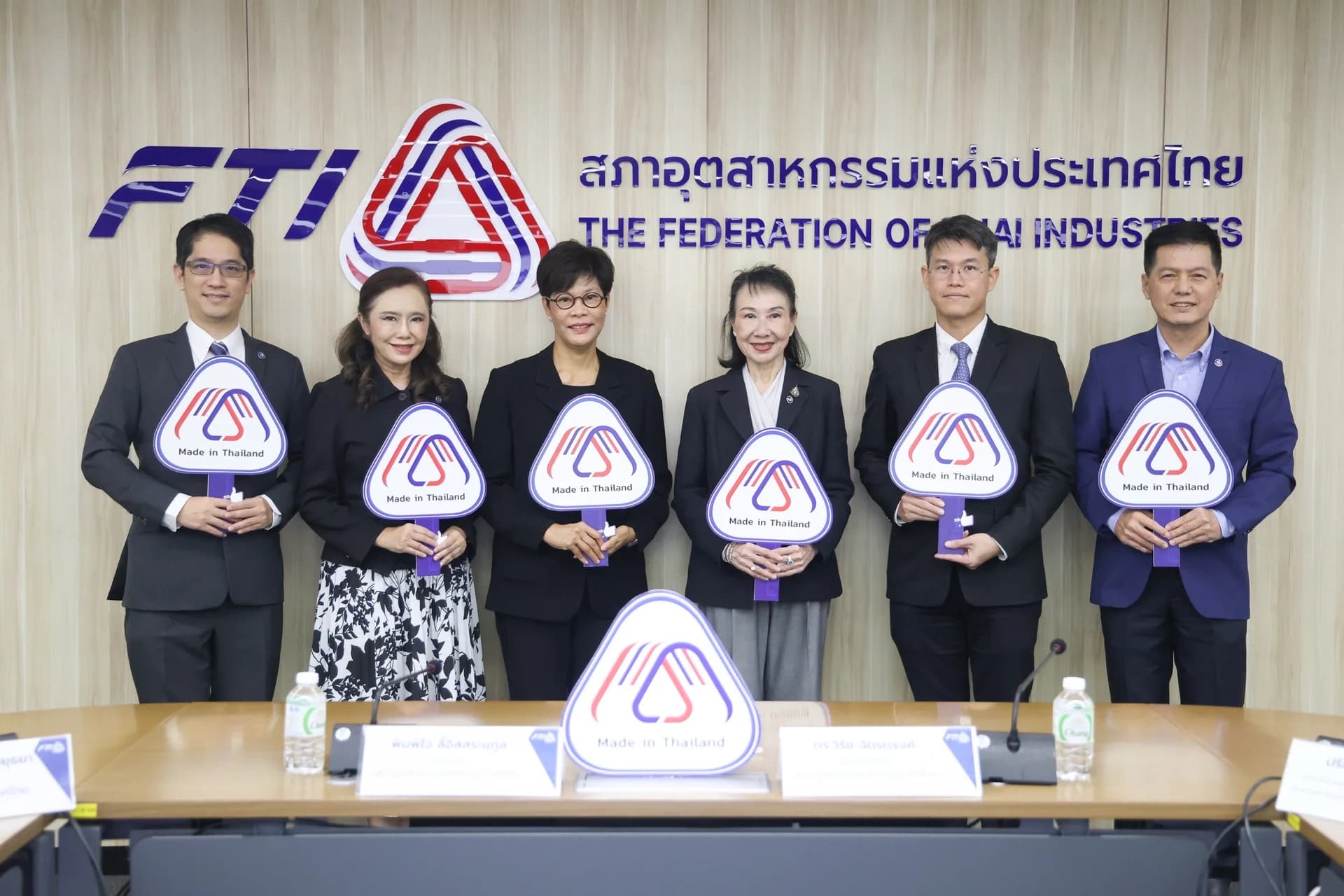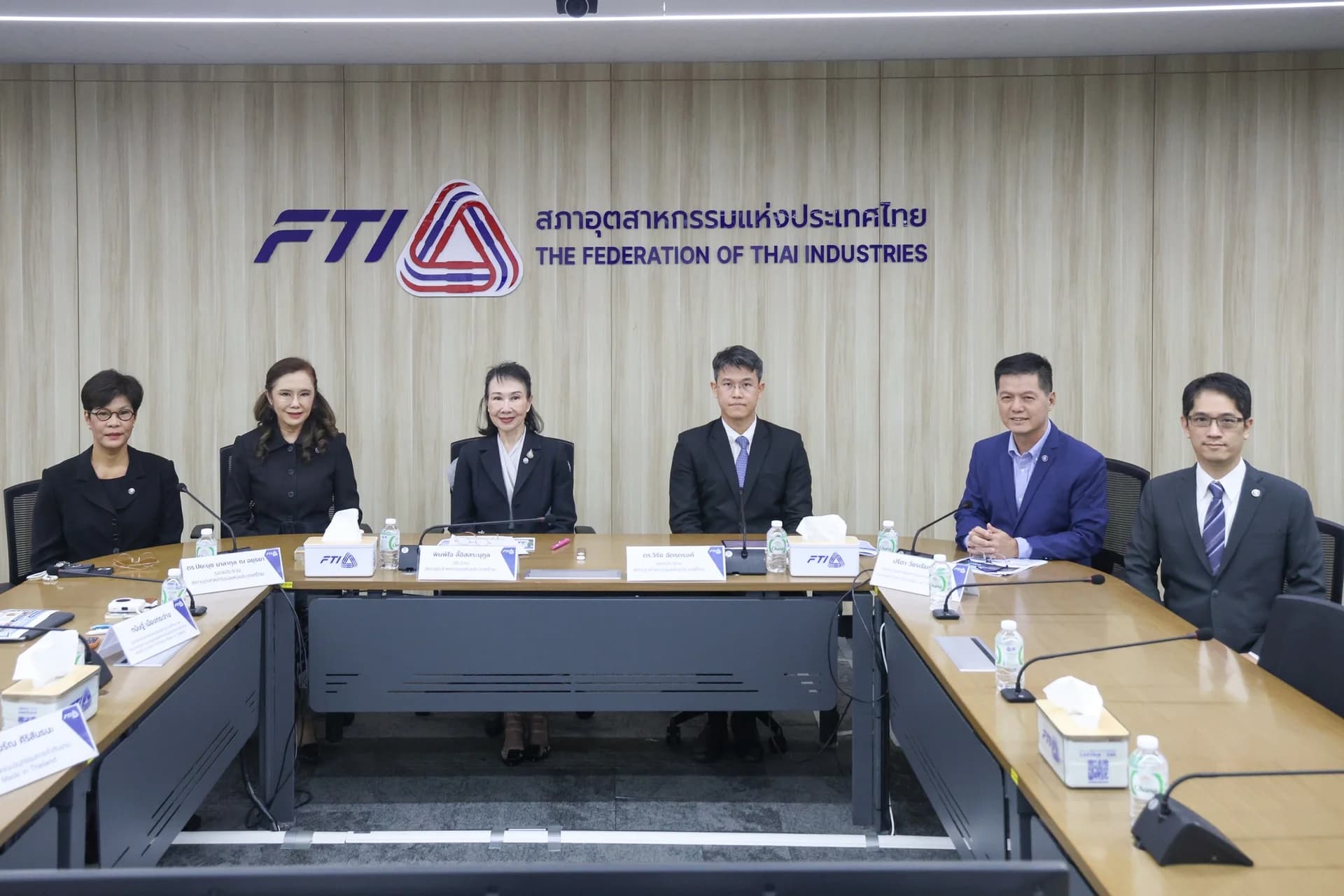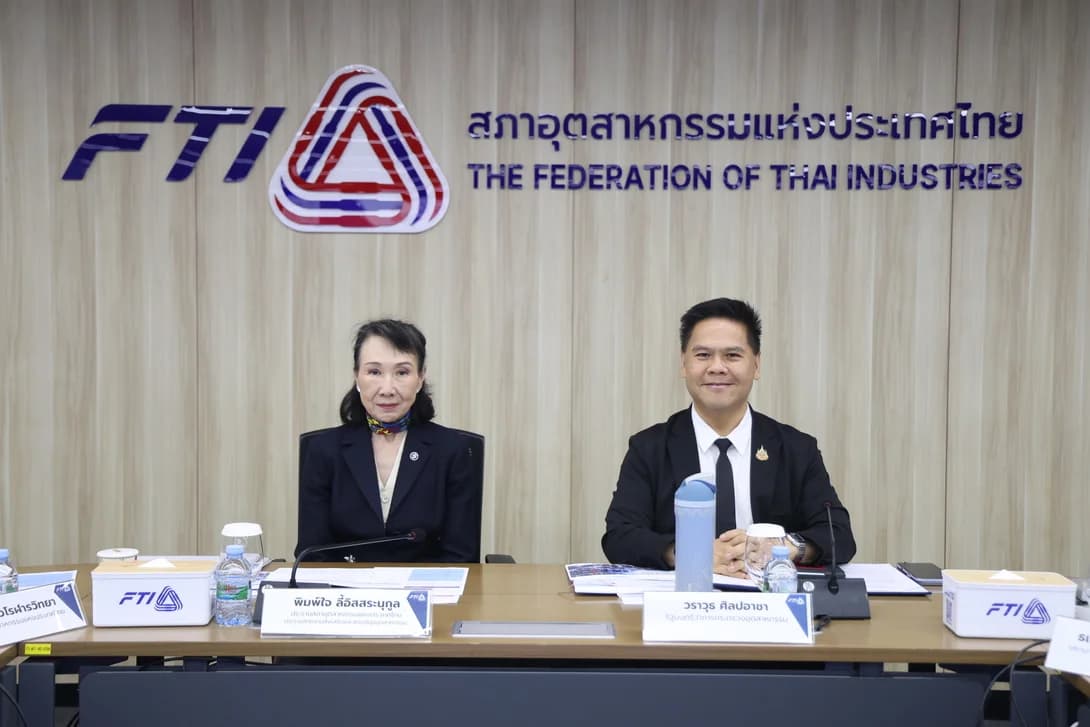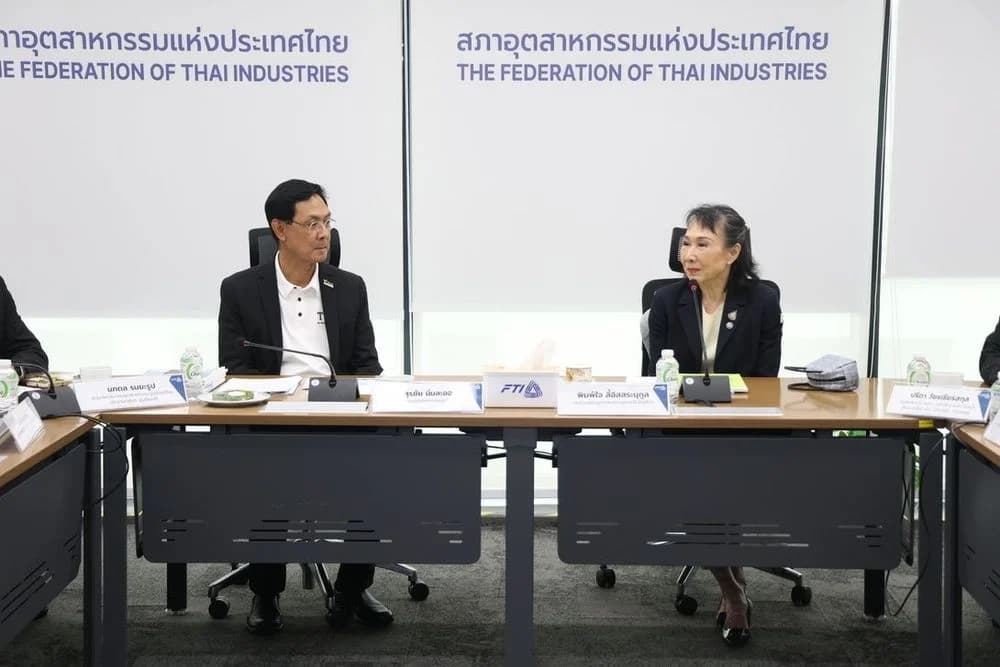

หม่อมหลวงปีกทอง ทองใหญ่ รองประธานสภาอุตสาหกรรมแห่งประเทศไทย (ส.อ.ท.) เปิดเผยผลการสำรวจ FTI CEO Poll ครั้งที่ 49 ประจำเดือนมีนาคม 2569 ภายใต้หัวข้อ “เอกชนไม่ทน : เสียงสะท้อนภาคธุรกิจกับปัญหาคอร์รัปชัน” ซึ่งเป็นการสำรวจความคิดเห็นของผู้บริหาร ส.อ.ท. (CEO Survey) จำนวน 645 ท่าน ครอบคลุม 48 กลุ่มอุตสาหกรรม และ 76 สภาอุตสาหกรรมจังหวัด เพื่อสะท้อนมุมมองของภาคเอกชนต่อปัญหาทุจริตคอร์รัปชันที่ยังคงเป็นอุปสรรคสำคัญต่อการดำเนินธุรกิจและการพัฒนาเศรษฐกิจของประเทศ
ผลสำรวจพบว่า ผู้บริหารภาคอุตสาหกรรมส่วนใหญ่ถึง 85.7% เห็นว่าปัญหาทุจริตคอร์รัปชันในปัจจุบัน รุนแรงมากขึ้น เมื่อเทียบกับอดีต สะท้อนให้เห็นว่าปัญหาดังกล่าวยังคงฝังลึกและบั่นทอนความเชื่อมั่นของภาคธุรกิจอย่างต่อเนื่อง สำหรับสาเหตุสำคัญที่ทำให้ปัญหาคอร์รัปชันยังคงเกิดขึ้นในปัจจุบัน อันดับ 1 คือ วัฒนธรรมระบบอุปถัมภ์และผลประโยชน์ทับซ้อน คิดเป็น 70.9% รองลงมาคือ ช่องว่างของกฎหมายและการบังคับใช้กฎหมายไม่เข้มงวด 57.2% และการที่เจ้าหน้าที่รัฐมีอำนาจใช้ดุลยพินิจสูง เปิดช่องให้เกิดการใช้อำนาจโดยมิชอบ 53.0% ซึ่งล้วนเป็นปัจจัยเชิงโครงสร้างที่ภาคเอกชนเห็นว่าจำเป็นต้องเร่งแก้ไขอย่างจริงจัง
ในด้านรูปแบบของการทุจริตคอร์รัปชันที่พบมากที่สุด อันดับ 1 คือ การทุจริตในการจัดซื้อจัดจ้าง ล็อกสเปกและฮั้วประมูล 81.4% รองลงมาคือ การติดสินบนและการเรียกรับผลประโยชน์ 72.6% และการทุจริตเชิงนโยบายเพื่อเอื้อประโยชน์ให้กับกลุ่มคนบางกลุ่ม 69.8% ซึ่งสะท้อนว่าปัญหาคอร์รัปชันไม่ได้เกิดขึ้นเฉพาะระดับปฏิบัติการ แต่ยังเชื่อมโยงไปถึงกลไกเชิงนโยบายและโครงสร้างการบริหารภาครัฐด้วย
ที่น่ากังวลคือ ผู้ตอบแบบสำรวจมากกว่า 55.5% ระบุว่า ต้นทุนที่เกิดจากการทุจริตคอร์รัปชันคิดเป็นมากกว่า 20% ของต้นทุนการดำเนินธุรกิจทั้งหมด นอกจากนี้ ผลสำรวจยังระบุว่า ผู้ตอบแบบสอบถามถึง 61.2% เคยประสบปัญหาการเรียกรับผลประโยชน์หรือการทุจริตคอร์รัปชันด้วยตนเอง ขณะที่ 38.8% ระบุว่าไม่เคย ซึ่งตอกย้ำว่าปัญหาคอร์รัปชันไม่ได้เป็นเพียงปัญหาด้านธรรมาภิบาล แต่ยังสร้างภาระต้นทุนโดยตรงต่อภาคธุรกิจ กระทบความสามารถในการแข่งขัน และลดทอนประสิทธิภาพของระบบเศรษฐกิจโดยรวมอย่างมีนัยสำคัญ
เมื่อสอบถามถึงแนวทางที่ภาครัฐควรเร่งดำเนินการเพื่อแก้ไขปัญหาทุจริตคอร์รัปชัน พบว่า อันดับ 1 คือ เร่งปฏิรูปกฎหมายและยกระดับการบังคับใช้ให้เข้มงวดและมีประสิทธิภาพ 64.5% รองลงมาคือ ขับเคลื่อนรัฐบาลดิจิทัล ใช้เทคโนโลยีลดการใช้ดุลยพินิจ พร้อมเปิดเผยข้อมูลภาครัฐ (Open Data) ให้ตรวจสอบได้ 60.2% อันดับ 3 คือ ส่งเสริมการมีส่วนร่วมของประชาชนและภาคเอกชน เพิ่มช่องทางร้องเรียน และคุ้มครองผู้แจ้งเบาะแสอย่างเป็นรูปธรรม 55.5% และอันดับ 4 คือ ยกระดับระบบตรวจสอบนโยบายและโครงการภาครัฐ ให้มีการประเมินความคุ้มค่าและความโปร่งใสก่อน ระหว่าง และหลังดำเนินการ 54.9%
ดังนั้น ส.อ.ท. เห็นว่า การแก้ไขปัญหาคอร์รัปชันจำเป็นต้องดำเนินการอย่างเป็นระบบและต่อเนื่อง ทั้งการปฏิรูปกฎหมาย การบังคับใช้กฎหมายอย่างจริงจัง การลดการใช้ดุลยพินิจของเจ้าหน้าที่รัฐผ่านระบบดิจิทัล การเปิดเผยข้อมูลภาครัฐให้ตรวจสอบได้ และการสร้างกลไกการมีส่วนร่วมจากทุกภาคส่วน เพื่อฟื้นฟูความเชื่อมั่น เสริมสร้างบรรยากาศการลงทุน และยกระดับขีดความสามารถในการแข่งขันของประเทศในระยะยาว โดยภาคเอกชนพร้อมสนับสนุนและร่วมขับเคลื่อนการต่อต้านทุจริตอย่างจริงจัง เพื่อให้ประเทศไทยก้าวสู่ระบบเศรษฐกิจที่โปร่งใส เป็นธรรม และยั่งยืน
สรุปผลการสำรวจ FTI CEO Poll ครั้งที่ 49 ดังนี้
1)ปัญหาทุจริตคอร์รัปชันในปัจจุบันเมื่อเทียบกับในอดีต มีความรุนแรงในระดับใด
อันดับ 1 : มากขึ้น 85.7%
อันดับ 2 : เท่าเดิม 11.8%
อันดับ 3 : น้อยลง 2.5%
2)สาเหตุที่ทำให้เกิดปัญหาทุจริตคอร์รัปชันในปัจจุบันคือข้อใด
อันดับ 1 : วัฒนธรรมระบบอุปถัมภ์และผลประโยชน์ทับซ้อน 70.9%
อันดับ 2 : ช่องว่างของกฎหมายและการบังคับใช้กฎหมายไม่เข้มงวด 57.2%
อันดับ 3 : เจ้าหน้าที่รัฐมีอำนาจใช้ดุลยพินิจสูง เปิดช่องให้เกิดการใช้อำนาจโดยมิชอบ 53.0%
อันดับ 4 : การเมืองแทรกแซงระบบบริหารราชการ 49.6%
3)ปัญหาทุจริตคอร์รัปชันในปัจจุบัน มักเกิดขึ้นในรูปแบบใดบ้าง
อันดับ 1 : การทุจริตในการจัดซื้อจัดจ้าง อาทิ การล็อกสเปก ฮั้วประมูล 81.4%
อันดับ 2 : การติดสินบนและการเรียกรับผลประโยชน์ 72.6%
อันดับ 3 : การทุจริตเชิงนโยบายเพื่อเอื้อประโยชน์ให้กับกลุ่มคนบางกลุ่ม 69.8%
อันดับ 4 : การวิ่งเต้นซื้อขายตำแหน่งในหมู่เจ้าหน้าที่รัฐฯ 40.2%
4)ต้นทุนที่เกิดจากการทุจริตคอร์รัปชัน คิดเป็นประมาณกี่เปอร์เซ็นต์ของต้นทุนการดำเนินธุรกิจทั้งหมด
อันดับ 1 : มากกว่า 20% 55.5%
อันดับ 2 : 11 – 20% 29.9%
อันดับ 3 : 5 – 10% 11.2%
อันดับ 4 : น้อยกว่า 5% 2.5%
อันดับ 5 : ไม่มีต้นทุนที่เกิดจากการคอร์รัปชัน 0.9%
5)ภาครัฐควรเร่งดำเนินการแก้ไขปัญหาทุจริตคอร์รัปชันในเรื่องใด
อันดับ 1 : เร่งปฏิรูปกฎหมาย และยกระดับการบังคับใช้ให้เข้มงวดและมีประสิทธิภาพ 64.5%
อันดับ 2 : ขับเคลื่อนรัฐบาลดิจิทัล ใช้เทคโนโลยีลดการใช้ดุลยพินิจ 60.2% พร้อมเปิดเผยข้อมูลภาครัฐ (Open Data) ให้ตรวจสอบได้อันดับ 3 : ส่งเสริมการมีส่วนร่วมของประชาชนและภาคเอกชน 55.5% เพิ่มช่องทางร้องเรียน และคุ้มครองผู้แจ้งเบาะแสอย่างเป็นรูปธรรม
อันดับ 4 : ยกระดับระบบตรวจสอบนโยบายและโครงการภาครัฐ 54.9% ให้มีการประเมินความคุ้มค่าและความโปร่งใสก่อน–ระหว่าง-หลังดำเนินการ
6) ท่านเคยประสบปัญหาการเรียกรับผลประโยชน์ การทุจริตคอร์รัปชัน หรือไม่
อันดับ 1 : เคย 61.2%
อันดับ 2 : ไม่เคย 38.8%
....................................
ฝ่ายสื่อสารองค์กร สภาอุตสาหกรรมแห่งประเทศไทย
โทรศัพท์ 02-345-1051
M.L. Pikthong Thongyai, Vice Chairman of the Federation of Thai Industries (FTI), announced the results of the FTI CEO Poll No. 49 for March 2026 under the theme "Private Sector Unyielding: Business Voices on Corruption Issues." This survey gathered the opinions of 645 FTI executives across 48 industrial sectors and 76 provincial industrial councils to reflect the private sector's perspective on the ongoing corruption problem, which remains a significant obstacle to business operations and economic development in the country.
The survey found that a majority of industrial executives, 85.7%, believe that the corruption issue has become more severe compared to the past, indicating that this problem remains deep-rooted and continuously undermines the confidence of the business sector. The main reason for the ongoing corruption issue is primarily attributed to the culture of patronage and conflict of interest, accounting for 70.9%. This is followed by the gaps in laws and lax enforcement at 57.2%, and the high discretion granted to officials leading to misuse of power at 53.0%, all of which are structural factors that the private sector sees as urgently needing serious reform.
In terms of the types of corruption most frequently encountered, the highest rate, 81.4%, is attributed to corruption in procurement processes, such as specification locking and bid rigging. This is followed by bribery and extortion at 72.6%, and policy-based corruption favoring certain groups at 69.8%. This reflects that corruption is not only occurring at the operational level but is also linked to policy mechanisms and public administrative structures.
It is concerning that over 55.5% of respondents indicated that the costs resulting from corruption account for more than 20% of the total business operation costs. Additionally, the survey revealed that 61.2% of respondents have personally experienced issues related to bribery or corruption, while 38.8% reported that they have not. This underscores that corruption is not merely a matter of governance but imposes direct cost burdens on businesses, affects competitiveness, and significantly diminishes the overall efficiency of the economic system.
When asked about the actions the government should expedite to address corruption, the top priority identified was to reform laws and enhance enforcement rigorously and effectively at 64.5%. The second priority was to advance digital government initiatives, utilizing technology to reduce discretionary powers while ensuring the transparency of public data (Open Data) at 60.2%. The third priority included promoting citizen and private sector engagement, expanding complaint channels, and providing tangible protections for whistleblowers at 55.5%. The fourth was to enhance the scrutiny of public policies and projects to assess value for money and transparency before, during, and after implementation at 54.9%.
Therefore, the FTI believes that addressing the corruption issue must be conducted systematically and continuously, including legal reforms, serious law enforcement, reducing discretionary powers of officials through digital systems, ensuring that government data is publicly accessible for verification, and creating mechanisms for participation from all sectors to restore confidence, enhance the investment climate, and elevate the country's competitiveness in the long term. The private sector is ready to support and actively drive the anti-corruption efforts to ensure that Thailand moves towards a transparent, equitable, and sustainable economic system.
Summary of the results from the FTI CEO Poll No. 49:
1) How severe is the current corruption problem compared to the past?
Rank 1: Increased 85.7%
Rank 2: Same 11.8%
Rank 3: Decreased 2.5%
2) What are the causes of the current corruption problem?
Rank 1: Culture of patronage and conflict of interest 70.9%
Rank 2: Gaps in laws and lax enforcement 57.2%
Rank 3: High discretion granted to officials leading to power abuse 53.0%
Rank 4: Political interference in administration 49.6%
3) What forms of corruption are most commonly occurring?
Rank 1: Procurement corruption, such as specification locking and bid rigging 81.4%
Rank 2: Bribery and extortion 72.6%
Rank 3: Policy-based corruption favoring certain groups 69.8%
Rank 4: Lobbying for positions among officials 40.2%
4) What percentage of total business operation costs do corruption-related costs represent?
Rank 1: More than 20% 55.5%
Rank 2: 11 – 20% 29.9%
Rank 3: 5 – 10% 11.2%
Rank 4: Less than 5% 2.5%
Rank 5: No costs attributed to corruption 0.9%
5) What areas should the government expedite to tackle corruption?
Rank 1: Urgently reform laws and enhance enforcement rigorously and effectively 64.5%
Rank 2: Advance digital government, utilizing technology to reduce discretionary power 60.2% while ensuring the accessibility of public data (Open Data). Rank 3: Foster community and private sector participation 55.5%, expanding complaint channels and providing tangible protections for whistleblowers.
Rank 4: Upgrade the scrutiny systems of public policy and projects to assess value for money and transparency before, during, and after implementation 54.9%
6) Have you personally experienced any issues related to bribery or corruption?
Rank 1: Yes 61.2%
Rank 2: No 38.8%
....................................
Corporate Communications Department, Federation of Thai Industries
Telephone 02-345-1051