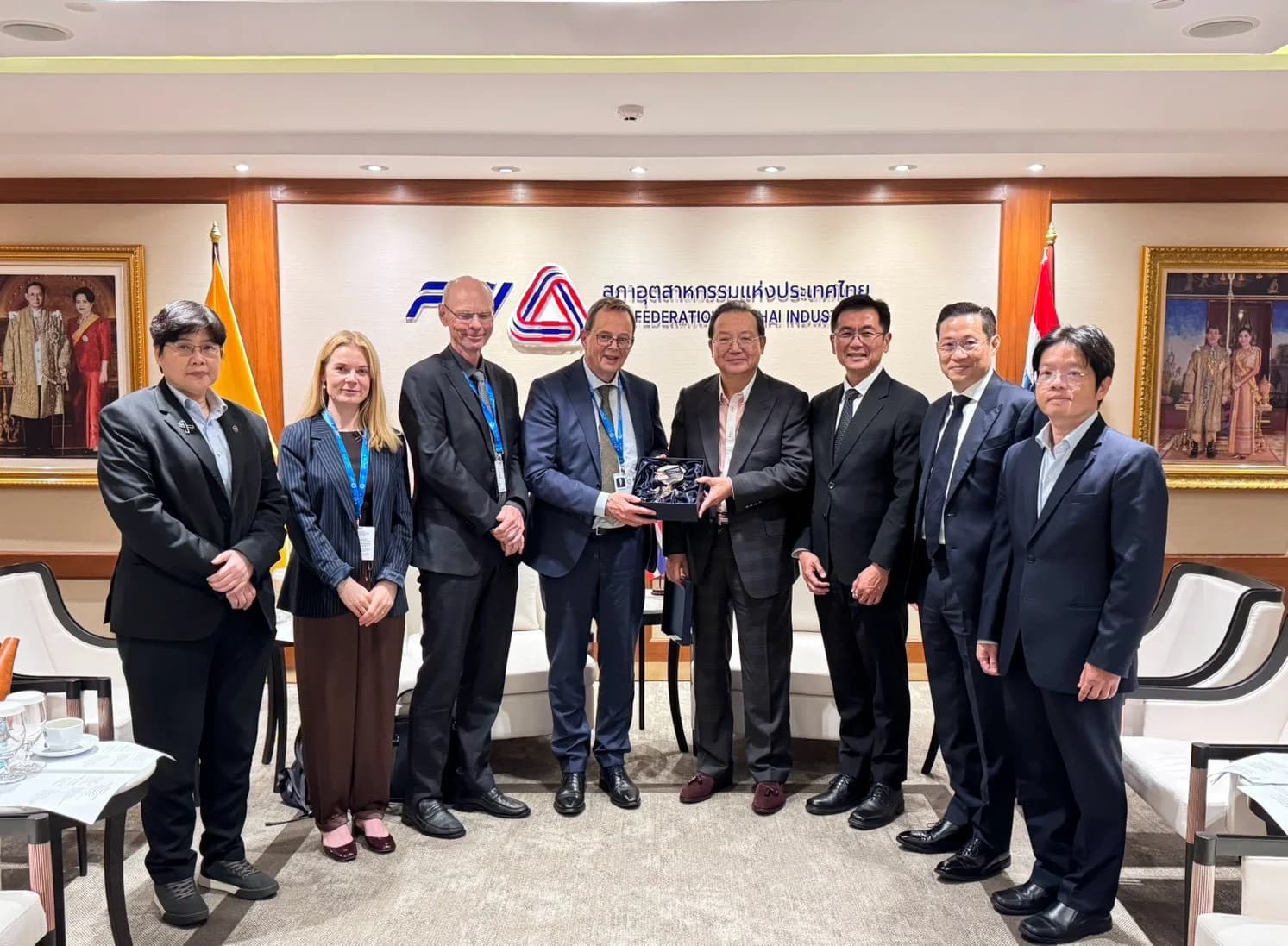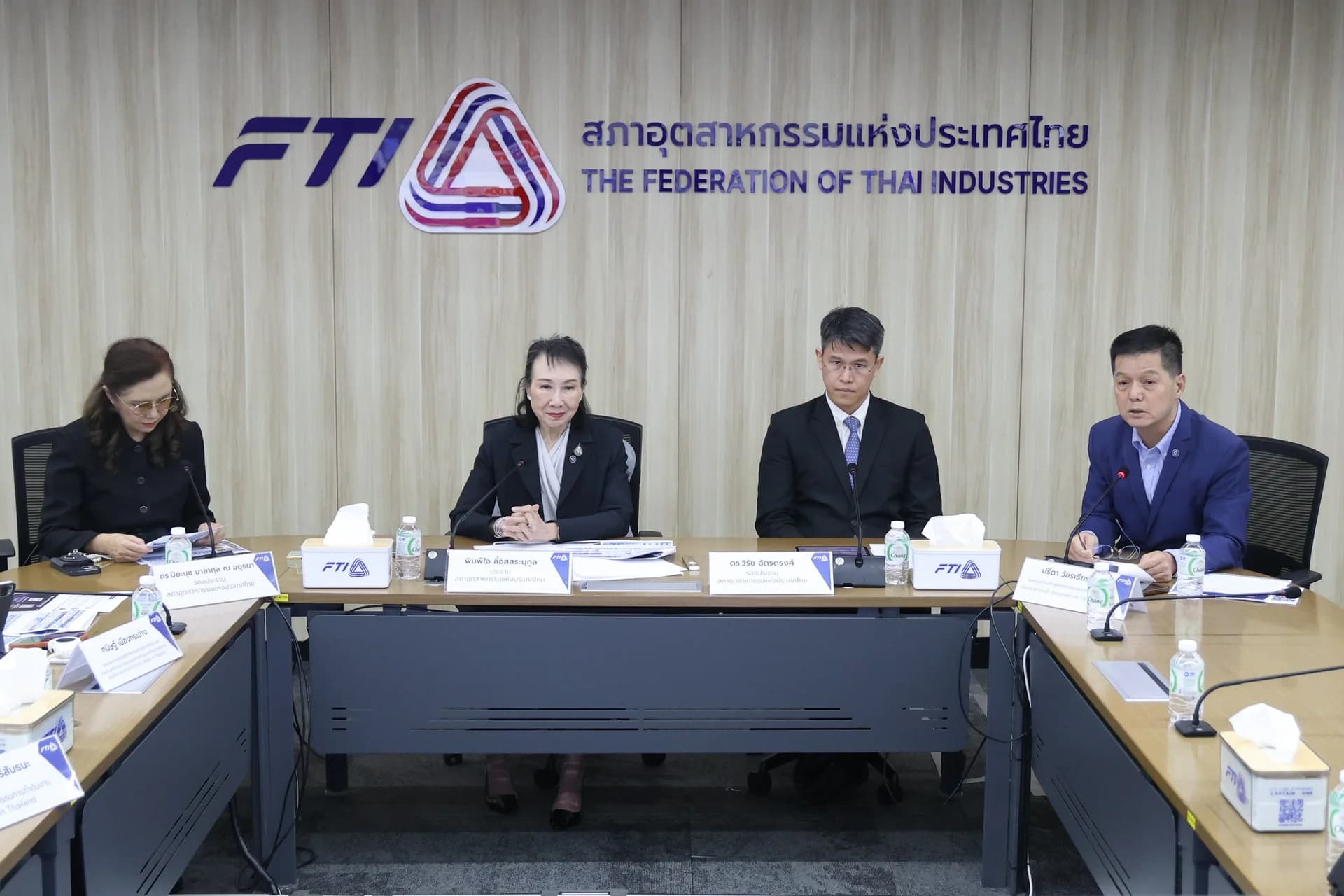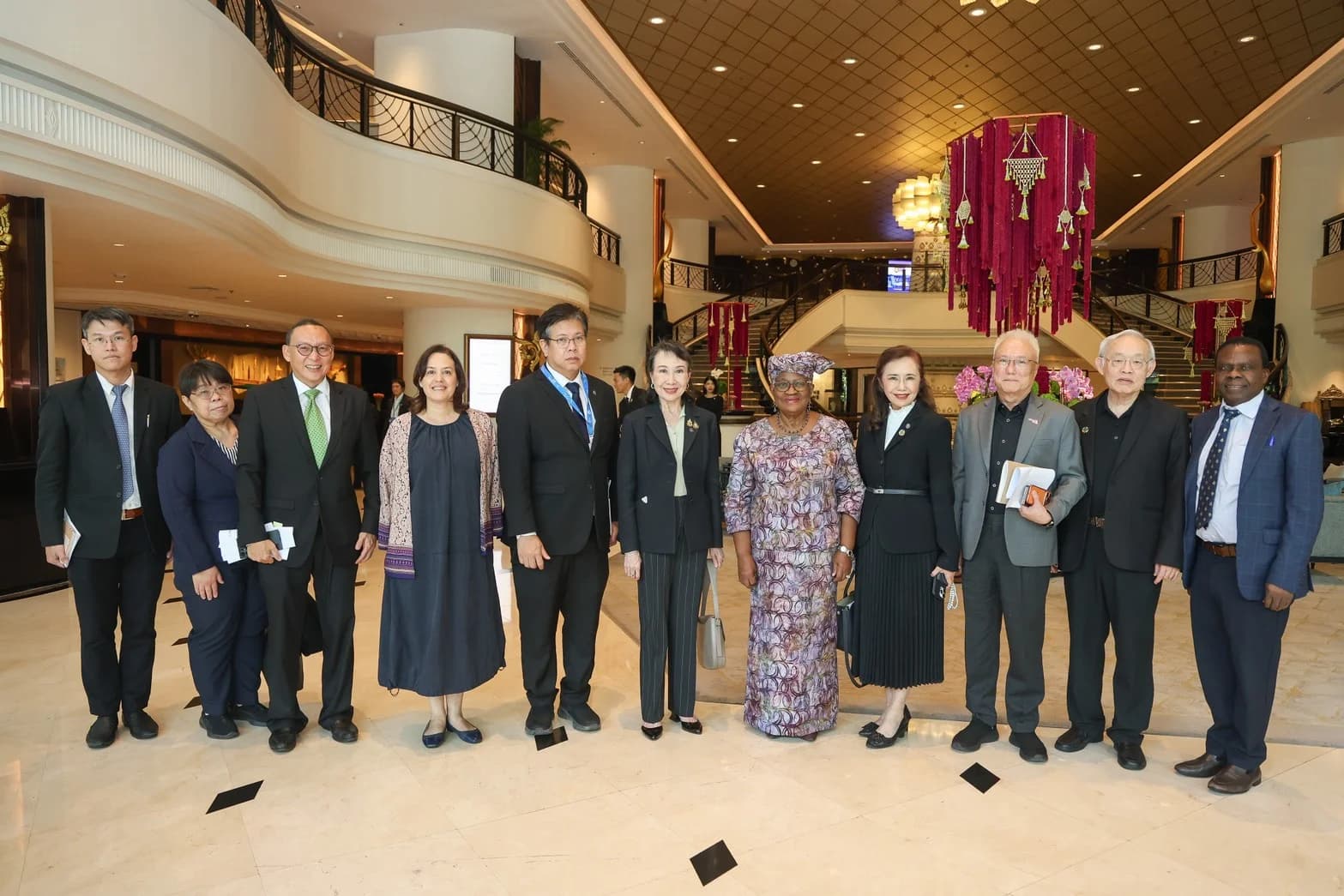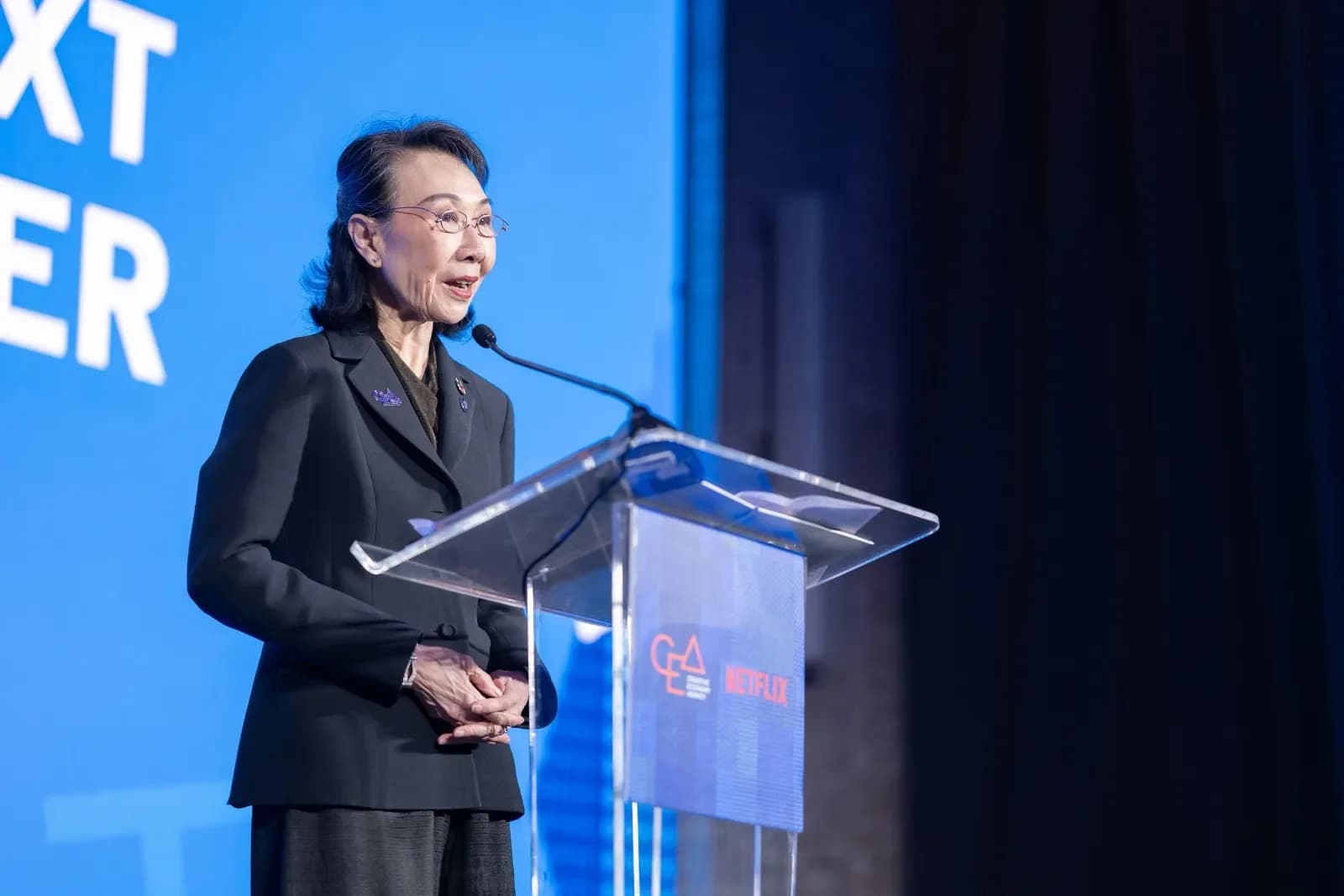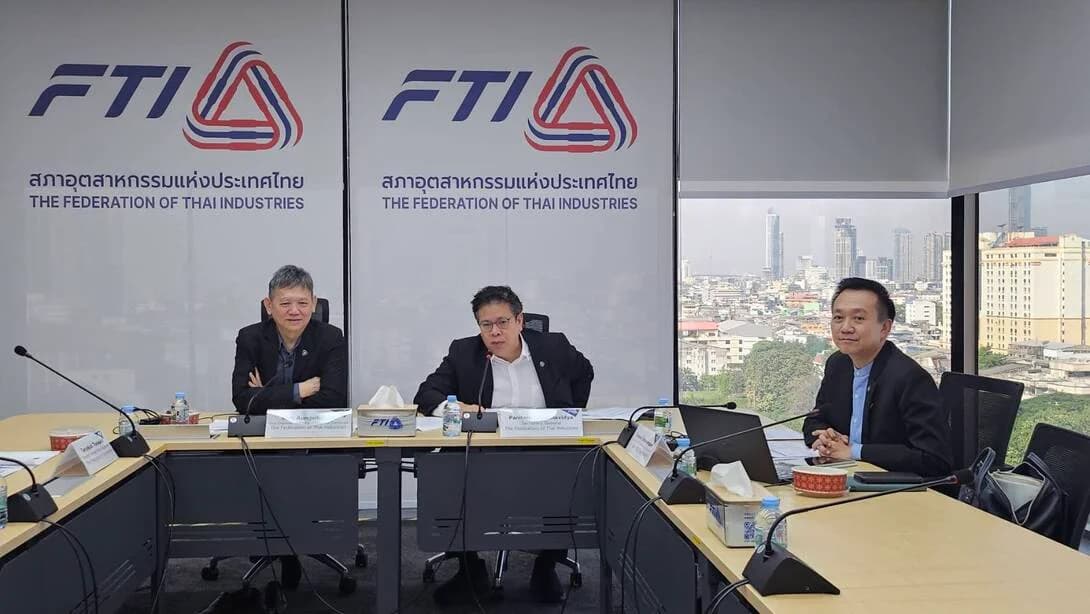

วันศุกร์ที่ 27 มีนาคม 2569 กระทรวงพาณิชย์ร่วมกับสภาอุตสาหกรรมแห่งประเทศไทย (ส.อ.ท.) หอการค้าไทยและสภาหอการค้าแห่งประเทศไทย พร้อมด้วยภาคเอกชนผู้ผลิตปิโตรเคมี จัดงาน “เชื่อม Supply ปิโตรเคมีไทย จากต้นน้ำถึงผู้ใช้” ณ Enterprise Hall อาคาร EnCo Terminal (EnTer) ถนน วิภาวดีรังสิต กรุงเทพมหานคร เพื่ออัปเดตสถานการณ์ปิโตรเคมีไทย รวมถึงเสริมสร้างความร่วมมือระหว่างผู้ผลิต ผู้จัดจำหน่าย และผู้ใช้ในการบริหารจัดการห่วงโซ่อุปทานปิโตรเคมีและเม็ดพลาสติกอย่างมีประสิทธิภาพ โดยมีนางอารดา เฟื่องทอง อธิบดีกรมการค้าต่างประเทศ กระทรวงพาณิชย์ นายเกรียงไกร เธียรนุกุล ประธานสภาอุตสาหกรรมแห่งประเทศไทย (ส.อ.ท.) ดร. วิศิษฐ์ ลิ้มลือชา รองประธานกรรมการหอการค้าไทย พร้อมด้วยผู้แทนผู้ผลิตปิโตรเคมี เข้าร่วมเวทีเสวนา “สถานการณ์และความร่วมมือห่วงโซ่อุปทานปิโตรเคมีไทย”
นางอารดา เฟื่องทอง อธิบดีกรมการค้าต่างประเทศ เปิดเผยว่า สถานการณ์เศรษฐกิจและการค้าระหว่างประเทศมีความผันผวนจากหลายปัจจัย โดยเฉพาะความตึงเครียดด้านภูมิรัฐศาสตร์ในบางภูมิภาค ส่งผลต่อราคาพลังงาน วัตถุดิบ และการขนส่งระหว่างประเทศ ทั้งนี้ กระทรวงพาณิชย์พร้อมทำหน้าที่สนับสนุนอย่างต่อเนื่อง ทั้งด้านข้อมูลการค้า การติดตามสถานการณ์ตลาดโลก มาตรการดูแลผู้ประกอบการ และการประสานความร่วมมือ เพื่อให้ภาคอุตสาหกรรมสามารถดำเนินธุรกิจได้อย่างมั่นใจ โดยการจัดงานในครั้งนี้ ถือเป็นเวทีสำคัญในการแลกเปลี่ยนข้อมูล ข้อเท็จจริง และมุมมองระหว่างภาครัฐและภาคเอกชนตลอดห่วงโซ่อุปทาน เพื่อร่วมกันกำหนดแนวทางสร้างความร่วมมือให้ห่วงโซ่อุปทานมีความมั่นคง ยืดหยุ่น และสามารถแข่งขันได้อย่างยั่งยืนในระยะยาว
ด้านนายเกรียงไกร เธียรนุกุล ประธานสภาอุตสาหกรรมแห่งประเทศไทย (ส.อ.ท.) กล่าวว่าสถานการณ์ความตึงเครียดในตะวันออกกลางได้ส่งผลกระทบอย่างมีนัยสำคัญต่ออุตสาหกรรมปิโตรเคมีตลอดห่วงโซ่อุปทาน ส่งผลให้ผู้ผลิตต้นน้ำมีต้นทุนการผลิตเพิ่มขึ้น ทั้งจากราคาวัตถุดิบ ค่าขนส่ง และค่าประกันภัย
ขณะที่อุตสาหกรรมกลางน้ำ โดยเฉพาะกลุ่มพลาสติก เผชิญกับราคาเม็ดพลาสติกที่ปรับเพิ่ม ขึ้นถึง 50–70% ส่วนอุตสาหกรรมปลายน้ำ เช่น อาหาร บรรจุภัณฑ์ ยา และเครื่องสำอาง ต้องรับแรงกดดันจากต้นทุนที่สูงขึ้น หากสถานการณ์ยืดเยื้อ โดยเฉพาะผู้ประกอบการ SMEs ที่ได้รับผลกระทบอย่างหนักจากต้นทุนที่เพิ่มขึ้นทั้งด้านวัตถุดิบและการขนส่งพร้อมกัน
สำหรับแนวทางการรับมือ ส.อ.ท. เสนอให้ภาครัฐและเอกชนติดตามและบริหารจัดการสถานการณ์วัตถุดิบอย่างใกล้ชิด พร้อมทั้งส่งเสริมการแลกเปลี่ยนข้อมูลระหว่างอุตสาหกรรมต้นน้ำถึงปลายน้ำ ควบคู่กับการกระจายแหล่งนำเข้าวัตถุดิบจากหลากหลายแหล่ง เน้นการใช้วัตถุดิบจากผู้ผลิตในประเทศ เพื่อเสริมสร้างความเข้มแข็ง Ecosystem ของ Supply Chain ประเทศไทย และการพัฒนาระบบบริหารจัดการและจัดทำสต็อกให้มีประสิทธิภาพ
นอกจากนี้ ควรส่งเสริมการใช้วัสดุทดแทน เช่น พลาสติกชีวภาพ พลาสติกรีไซเคิล หรือวัตถุดิบอื่นที่ทดแทนได้ รวมถึงการยกระดับการใช้เทคโนโลยีและ AI เพื่อเพิ่มประสิทธิภาพและลดต้นทุนในระยะกลางถึงระยะยาว ตลอดจนผลักดันการใช้พลังงานสะอาดและวัตถุดิบหมุนเวียนภายในประเทศ เพื่อลดการพึ่งพาจากต่างประเทศ และรักษาขีดความสามารถในการแข่งขันของประเทศในบริบทโลกที่กำลังก้าวสู่ยุคการทวนกระแสโลกาภิวัตน์ (Deglobalization)
ขณะที่ผู้แทนกลุ่มผู้ผลิตปิโตรเคมีเปิดเผยว่า ภาคการผลิตยังคงดำเนินการได้อย่างเต็มศักยภาพและมีเสถียรภาพ สามารถรองรับความต้องการใช้ในประเทศได้อย่างเพียงพอ โดยเม็ดพลาสติกประเภท โพลิเอทิลีน (Polyethylene: PE) ซึ่งใช้ในการผลิตบรรจุภัณฑ์ เช่น ขวด ฝาขวด และถุงหูหิ้ว ยังคงมีซัปพลายอย่างต่อเนื่อง ขณะที่เม็ดพลาสติกโพลิโพรพิลีน (Polypropylene: PP) ซึ่งใช้ในบรรจุภัณฑ์อาหาร อาทิ ซองอาหาร ถุงร้อน และกล่องพลาสติก อาจมีความตึงตัวในบางช่วง อย่างไรก็ดี อุตสาหกรรมยังสามารถบริหารจัดการซัพพลายได้อย่างต่อเนื่องและเพียงพอ แม้ได้รับผลกระทบจากสถานการณ์ภูมิรัฐศาสตร์ แต่ยังอยู่ในระดับที่ควบคุมได้
ทั้งนี้ กลุ่มผู้ผลิตปิโตรเคมียังยืนยันแนวทางบริหารซัปพลาย โดยให้ความสำคัญกับตลาดในประเทศเป็นลำดับแรก (Domestic First) ควบคู่กับการบริหารสต็อก การวางแผนส่งมอบ และการกระจายสินค้าอย่างทั่วถึง เพื่อป้องกันการขาดแคลนในบางอุตสาหกรรม พร้อมทั้งทำงานร่วมกับผู้ประกอบการตลอดห่วงโซ่อุปทานในการวางแผนความต้องการล่วงหน้า และสนับสนุนการใช้วัตถุดิบทดแทน เพื่อเพิ่มความยืดหยุ่นของระบบ และยืนยันว่าซัปพลายยังคงเพียงพอ รองรับความต้องการของตลาดได้อย่างต่อเนื่องและมั่นคง
นอกจากนี้ ภายในงานยังมีการจัดพื้นที่ Technical Clinic เพื่อเป็นศูนย์กลางเชื่อมโยงระหว่างผู้เชี่ยวชาญของผู้ผลิตเม็ดพลาสติกกับผู้ใช้ปลายทาง โดยมุ่งให้คำปรึกษา แก้ไขปัญหาและสนับสนุนด้านเทคนิค เพื่อให้กระบวนการผลิตดำเนินไปอย่างราบรื่น รวมถึงช่วยให้สามารถเลือกใช้เม็ดพลาสติกทดแทนได้อย่างเหมาะสม อันจะนำไปสู่การยกระดับประสิทธิภาพของห่วงโซ่อุปทานปิโตรเคมีไทยโดยรวม
-------------------------------------------
On Friday, March 27, 2026, the Ministry of Commerce, in collaboration with the Federation of Thai Industries (FTI), the Thai Chamber of Commerce, and the Council of Thai Chambers of Commerce, along with private sector petrochemical producers, organized the event “Connecting Thai Petrochemical Supply from Upstream to End Users” at Enterprise Hall, EnCo Terminal (EnTer) Building, Vibhavadi Rangsit Road, Bangkok, to update the situation of the Thai petrochemical industry and to enhance collaboration between producers, distributors, and users in effectively managing the petrochemical and plastic pellet supply chain. The event was attended by Mrs. Arda Fuangthong, Director-General of the Department of Foreign Trade, Ministry of Commerce, Mr. Kreangkrai Theeranukul, President of the Federation of Thai Industries (FTI), Dr. Wissit Limluecha, Vice President of the Thai Chamber of Commerce, along with representatives from petrochemical producers, who participated in the discussion panel on “Situation and Cooperation of the Thai Petrochemical Supply Chain.”
Mrs. Arda Fuangthong, the Director-General of the Department of Foreign Trade, stated that the economic and international trade situation has been volatile due to various factors, particularly geopolitical tensions in some regions, affecting energy prices, raw materials, and international transportation. The Ministry of Commerce is ready to continue its supporting role in terms of trade data, monitoring the global market situation, measures to support entrepreneurs, and coordinating cooperation to enable the industrial sector to operate confidently. This event serves as an important platform for information exchange, facts, and perspectives between the public and private sectors throughout the supply chain, aiming to collaboratively define strategies for enhancing cooperation to ensure that the supply chain remains stable, flexible, and sustainable in the long term.
Mr. Kreangkrai Theeranukul, President of the Federation of Thai Industries (FTI), indicated that the tensions in the Middle East have significantly impacted the petrochemical industry across the entire supply chain, causing upstream producers to experience increased production costs due to raw material prices, transport costs, and insurance costs.
In the midstream sector, particularly the plastics group, there has been a 50–70% increase in plastic pellet prices. Meanwhile, downstream industries such as food, packaging, pharmaceuticals, and cosmetics face pressure from rising costs due to the prolonged situation, particularly affecting SMEs that are heavily burdened by increased raw material and transportation costs simultaneously.
As for coping strategies, FTI proposed that both the public and private sectors closely monitor and manage raw material supply situations, promote information exchanges between upstream and downstream industries, and diversify sources of raw material imports from various sources, emphasizing the use of domestically produced raw materials to strengthen Thailand's supply chain ecosystem and develop efficient management systems and stock management.
Additionally, promoting the use of alternative materials, such as bioplastics, recycled plastics, or other substitutable raw materials, along with advancing technology and AI usage to enhance efficiency and reduce costs in the medium to long term, is crucial. Furthermore, advocating for the use of clean energy and renewable domestic raw materials is important to reduce dependence on imports and maintain the country’s competitive capabilities in a global context heading toward an era of de-globalization.
Meanwhile, representatives from the petrochemical manufacturing sector revealed that the production remains fully operational and stable, adequately meeting domestic demand. Plastic pellets of the type polyethylene (PE), used in producing packaging such as bottles, caps, and shopping bags, continue to have a steady supply. Although polypropylene (PP), used in food packaging such as food wraps, hot bags, and plastic boxes, may experience some tightness at times, the industry can continuously and sufficiently manage its supply. Despite the impact of geopolitical situations, the situation remains controllable.
The petrochemical producers group affirmed their supply management strategy, prioritizing the domestic market (Domestic First) alongside stock management, delivery planning, and widespread product distribution to prevent shortages in certain industries. They also work with operators throughout the supply chain to plan future demand and support the use of alternative raw materials to increase system flexibility while confirming that the supply remains sufficient to continuously and stably meet market demand.
Additionally, the event featured a Technical Clinic area serving as a central hub linking experts from plastic pellet manufacturers with end users, focusing on providing consultations, solving problems, and offering technical support to ensure smooth production processes, including assisting in the appropriate selection of substitute plastic pellets, which will lead to an overall enhancement of the Thai petrochemical supply chain efficiency.
-------------------------------------------