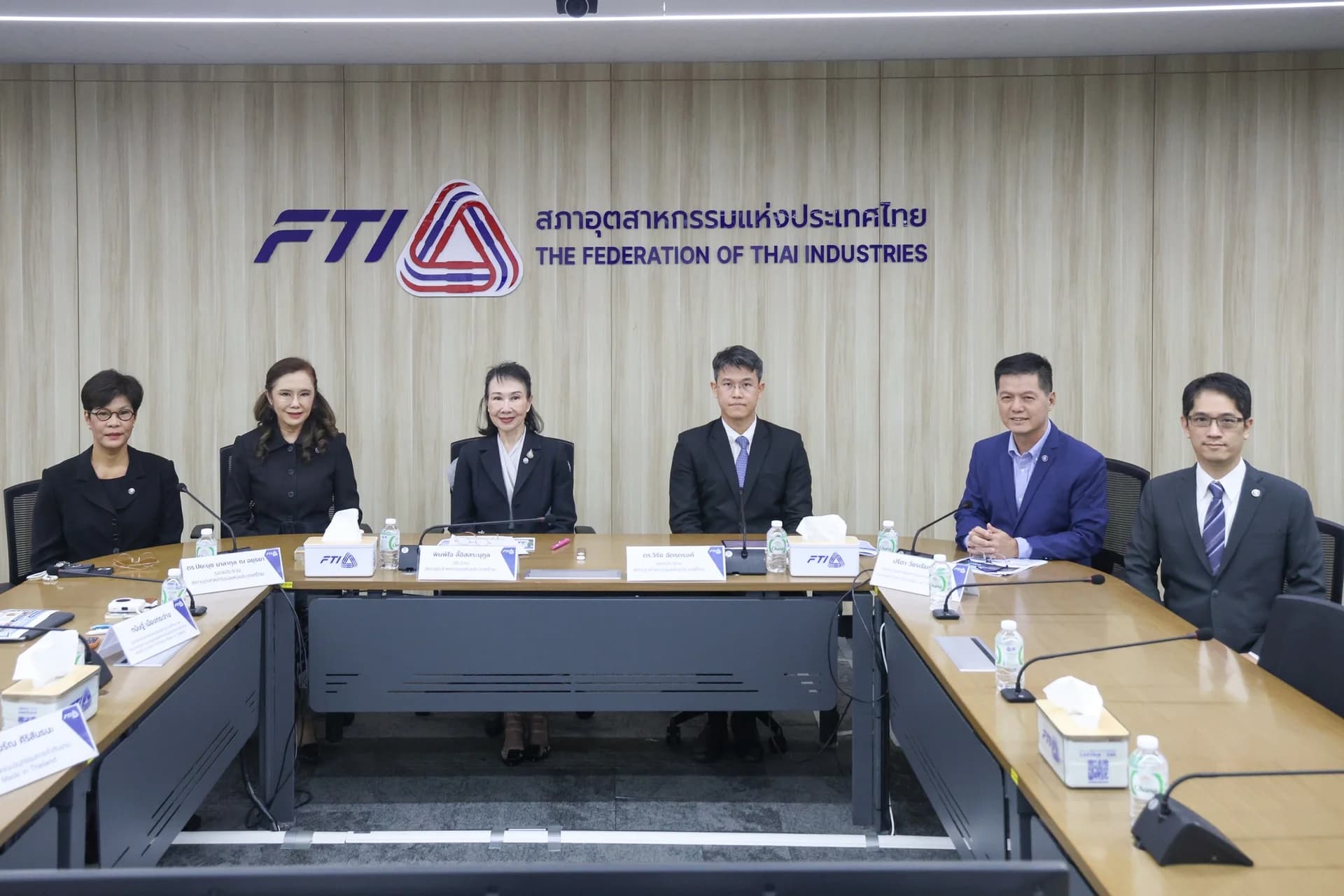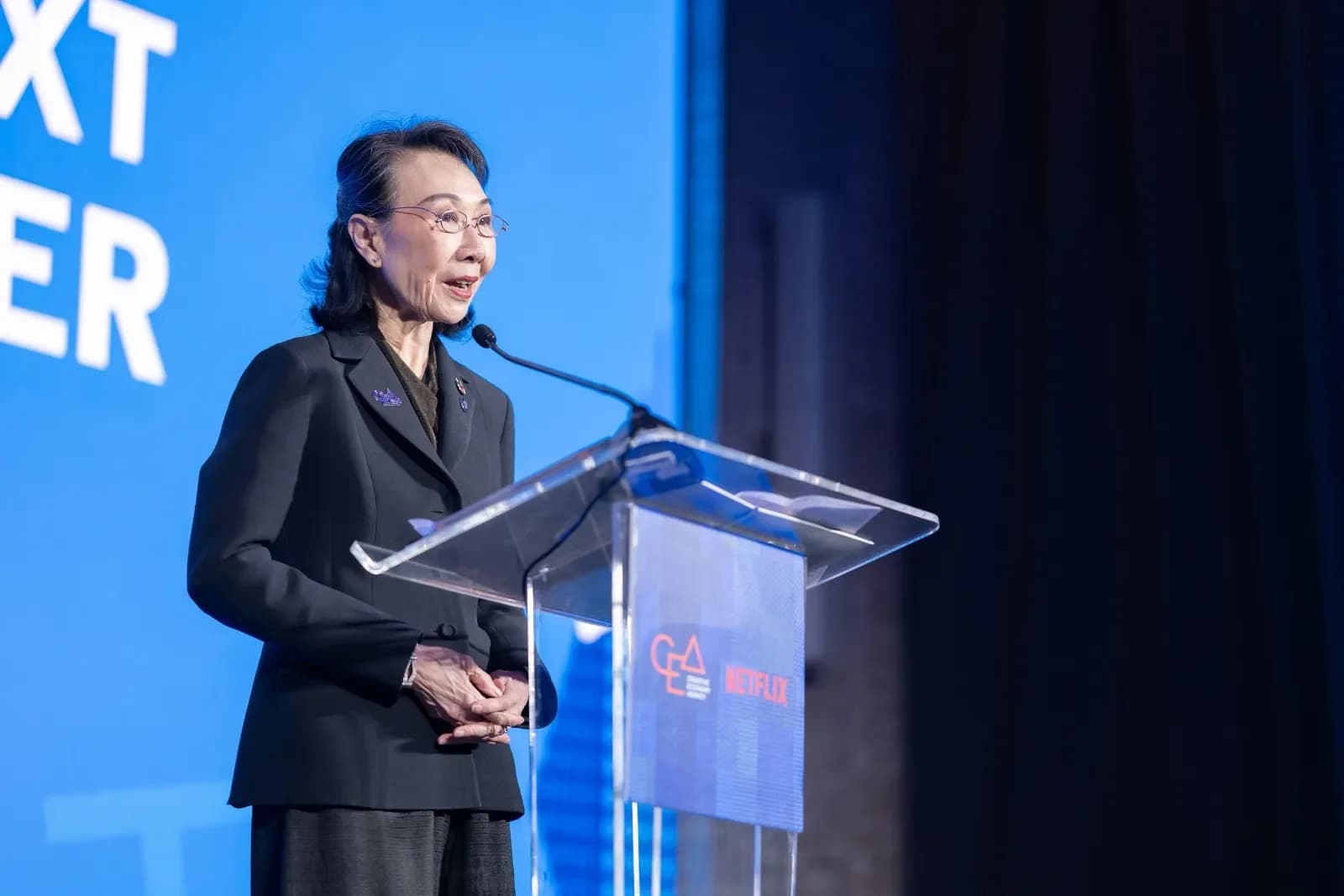

นายเกรียงไกร เธียรนุกุล ประธานสภาอุตสาหกรรมแห่งประเทศไทย (ส.อ.ท.) พร้อมด้วย ดร.วิรัช ฉัตรดรงค์ กรรมการ ส.อ.ท. และรองประธานสายงานเศรษฐกิจและวิชาการ ส.อ.ท. ร่วมเปิดเผยผลการสำรวจ ดัชนีความเชื่อมั่นภาคอุตสาหกรรม ประจำเดือนกุมภาพันธ์ 2569 อยู่ที่ระดับ 90.0 ปรับตัวเพิ่มขึ้นจากระดับ 88.7 ในเดือนมกราคม 2569
การปรับตัวเพิ่มขึ้นของดัชนีดังกล่าวมีปัจจัยสนับสนุนจากหลายด้าน โดยศาลสูงสุดของสหรัฐอเมริกามีมติให้มาตรการภาษีต่างตอบแทน (Reciprocal Tariff) เป็นโมฆะ อย่างไรก็ตาม ได้มีการประกาศใช้มาตรา 122 แห่งกฎหมายการค้าสหรัฐฯ (The Trade Act of 1974) เพื่อจัดเก็บภาษีในอัตรา 10% กับทุกประเทศ ส่งผลให้อัตราภาษีของไทยปรับลดลงเป็นระยะเวลา 150 วัน ซึ่งช่วยบรรเทาภาระต้นทุนของผู้ส่งออกในระยะสั้น
นอกจากนี้ คณะกรรมการนโยบายการเงิน (กนง.) มีมติปรับลดอัตราดอกเบี้ยนโยบายลง 0.25% จาก 1.25% เหลือ 1.00% เพื่อสนับสนุนการฟื้นตัวของเศรษฐกิจ รวมทั้งช่วยบรรเทาภาระหนี้ของผู้ประกอบการ SMEs และภาคครัวเรือน ขณะเดียวกัน การลงทุนโดยตรงจากต่างประเทศ (FDI) มีแนวโน้มขยายตัว โดยในเดือนมกราคม 2569 มีมูลค่าการลงทุน 33,779 ล้านบาท เพิ่มขึ้น 46% เมื่อเทียบกับช่วงเดียวกันของปีก่อน (YoY) ส่งผลให้เกิดการจ้างงานคนไทยเพิ่มขึ้น 15% (YoY) ช่วยเพิ่มเม็ดเงินหมุนเวียนในระบบเศรษฐกิจ กระตุ้นการจ้างงาน และสนับสนุนกิจกรรมการผลิตในประเทศ
ในส่วนของมาตรการภาครัฐ คณะรัฐมนตรี (ครม.) มีมติปรับลดอัตราเงินนำส่งเข้ากองทุนเพื่อการฟื้นฟูและพัฒนาระบบสถาบันการเงิน (FIDF) เป็นการชั่วคราวระยะเวลา 1 ปี จาก 0.46% เหลือ 0.32% ต่อปี ซึ่งจะช่วยลดต้นทุนของสถาบันการเงิน สนับสนุนการขยายสินเชื่อ และเพิ่มสภาพคล่องให้กับภาคธุรกิจ โดยเฉพาะผู้ประกอบการ SMEs
ขณะเดียวกัน การจับจ่ายใช้สอยในช่วงเทศกาลตรุษจีนมีแนวโน้มคึกคัก โดยคาดว่ามีมูลค่าการใช้จ่ายรวมประมาณ 54,221 ล้านบาท ขยายตัว 5.0% เมื่อเทียบกับช่วงเดียวกันของปีก่อน ส่งผลดีต่อการบริโภคสินค้า โดยเฉพาะในกลุ่มอาหารและเครื่องดื่ม เสื้อผ้า รวมถึงอุตสาหกรรมการพิมพ์และบรรจุภัณฑ์
อย่างไรก็ตาม ในเดือนกุมภาพันธ์ที่ผ่านมา ยังมีปัจจัยลบที่ต้องติดตาม ได้แก่ กำลังการผลิตในบางอุตสาหกรรมที่ยังอยู่ในระดับต่ำ อาทิ อุตสาหกรรมสิ่งทอ เฟอร์นิเจอร์ ผลิตภัณฑ์เซรามิก เครื่องจักรกลการเกษตร และเครื่องดื่ม นอกจากนี้ ยังมีความกังวลต่อสถานการณ์ไฟป่าตามแนวชายแดนไทย–กัมพูชา ซึ่งอาจก่อให้เกิดปัญหามลพิษทางอากาศและควันข้ามแดน ส่งผลกระทบต่อสุขภาพของประชาชน รวมถึงการดำเนินกิจกรรมทางเศรษฐกิจในจังหวัดชายแดนของไทย
สำหรับการนำเข้าสินค้าจากต่างประเทศมีแนวโน้มเพิ่มขึ้น โดยในเดือนมกราคม 2569 การนำเข้าขยายตัว 29.4% เมื่อเทียบกับช่วงเดียวกันของปีก่อน โดยเฉพาะการนำเข้าจากจีนที่เพิ่มขึ้น 29.5% ในกลุ่มสินค้าเครื่องใช้ไฟฟ้าในบ้าน (22.12%) เครื่องคอมพิวเตอร์และส่วนประกอบ (53.69%) และเคมีภัณฑ์ (5.15%) ซึ่งอาจสร้างแรงกดดันต่ออุตสาหกรรมภายในประเทศ และเพิ่มความเสี่ยงด้านการสวมสิทธิ์สินค้า
อย่างไรก็ตาม สถานการณ์ล่าสุดในเดือนมีนาคม 2569 มีแนวโน้มชะลอตัวลงจากเดือนก่อนหน้า เนื่องจากผลกระทบของสถานการณ์ความขัดแย้งระหว่างประเทศที่ยืดเยื้อ โดยเฉพาะความตึงเครียดระหว่างสหรัฐอเมริกา–อิสราเอล กับอิหร่าน ซึ่งส่งผลกระทบต่อราคาพลังงานและต้นทุนการผลิตในภาพรวม
ภาครัฐมีการขยับกรอบการตรึงราคาน้ำมันดีเซลจากเดิมไม่เกิน 30 บาทต่อลิตร เป็น 33 บาทต่อลิตร โดยอยู่ระหว่างการทยอยปรับขึ้น เพื่อให้ภาคธุรกิจและประชาชนสามารถปรับตัวได้อย่างค่อยเป็นค่อยไป
ภาคอุตสาหกรรมประเมินว่า หากราคายังไม่เกินระดับดังกล่าว ธุรกิจยังสามารถบริหารจัดการได้ แต่หากปรับตัวสูงกว่านี้จะส่งผลให้ต้นทุนขนส่งเพิ่มขึ้น 5-12% และอาจผลักดันราคาสินค้าเพิ่มขึ้น 3-5% โดยอุตสาหกรรมที่ได้รับผลกระทบอย่างมีนัยสำคัญ ได้แก่ กลุ่มเหล็ก อลูมิเนียม พลาสติก เยื่อกระดาษ แก้ว เซรามิก
ปิโตรเคมีและปูนซีเมนต์ จากต้นทุนพลังงานที่เพิ่มสูงขึ้น ส่งผลต่อแนวโน้มการปรับราคาสินค้า ขณะที่อุตสาหกรรมอื่นยังได้รับผลกระทบในระดับจำกัด
นอกจากนี้ ต้นทุนการขนส่งทางเรือปรับตัวเพิ่มขึ้นอย่างมาก จากข้อจำกัดด้านเส้นทางการเดินเรือและความล่าช้าในการขนส่งสินค้า ส่งผลให้ราคาสินค้าและแรงกดดันเงินเฟ้อเพิ่มสูงขึ้น
ในส่วนของต้นทุนพลังงาน ราคาน้ำมันเตามีแนวโน้มปรับเพิ่มขึ้นจาก 7-8 บาทมาอยู่ที่ประมาณ 23–24 บาทต่อลิตร ซึ่งเพิ่มขึ้นอย่างมีนัยสำคัญ และยังเป็นเชื้อเพลิงหลักในหลายอุตสาหกรรม โดยเฉพาะอุตสาหกรรมเหล็ก สะท้อนแรงกดดันด้านต้นทุนที่ทวีความรุนแรง ส่งผลให้ผู้ประกอบการต้องเร่งบริหารจัดการต้นทุนอย่างเข้มงวด
ขณะเดียวกัน ยังเกิดปัญหาราคาเขย่งในตลาดน้ำมัน โดยราคาหน้าปั๊มและราคาขายผ่านผู้ค้ารายย่อย (Jobber) ต่างกันสูงถึง 11-12 บาทต่อลิตร ส่งผลให้ผู้ค้าขาดสภาพคล่องในการจัดหาน้ำมันไปป้อนภาคการผลิตและเกษตรกรรม จนเริ่มเกิดภาวะขาดแคลนในบางพื้นที่ ทั้งนี้ ส.อ.ท. ประเมินแนวโน้มราคาสินค้าไทยภายใต้ความไม่แน่นอนของสงครามและราคาน้ำมัน แบ่งเป็น 3 ฉากทัศน์หลัก ได้แก่
กรณีฉากทัศน์ที่หนึ่ง หากราคาน้ำมันดีเซลปรับเพิ่มขึ้นในช่วง 1–2 บาทต่อลิตร จะถือเป็นการปรับขึ้นในระดับต่ำ โดยผลกระทบจะอยู่ในวงจำกัด ต้นทุนด้านการขนส่งมีแนวโน้มเพิ่มขึ้นประมาณ 3–5% ส่งผลให้ราคาสินค้าโดยรวมปรับเพิ่มขึ้นเล็กน้อย ขณะที่แรงกดดันเงินเฟ้อก็คาดว่าจะอยู่ในระดับต่ำ ภาคธุรกิจส่วนใหญ่ยังสามารถบริหารจัดการต้นทุนได้ อย่างไรก็ตาม ผู้ประกอบการ SMEs อาจเริ่มเผชิญแรงกดดันด้านกำไรมากขึ้น
สำหรับฉากทัศน์ที่สอง หากราคาน้ำมันดีเซลปรับเพิ่มขึ้นในช่วง 2–4 บาทต่อลิตร ผลกระทบจะขยายตัวในวงกว้างมากขึ้น โดยคาดว่าต้นทุนด้านการขนส่งจะมีแนวโน้มเพิ่มขึ้นประมาณ 5–12% ส่งผลให้ต้นทุนสินค้าและบริการในหลายภาคส่วนปรับตัวสูงขึ้นตามไปด้วย ขณะเดียวกัน ค่าไฟฟ้าผันแปร (Ft) อาจมีแนวโน้มปรับเพิ่มขึ้นสูงกว่าระดับ 4 บาทต่อหน่วย จากความผันผวนของราคาก๊าซธรรมชาติ ซึ่งเป็นเชื้อเพลิงหลักในการผลิตไฟฟ้าของประเทศ ซึ่งส่งผลให้ภาพรวมราคาสินค้าปรับเพิ่มขึ้นราว 3–5% และเริ่มเห็นแรงกดดันเงินเฟ้อในระดับ 0.5–1.0% ภาคธุรกิจโดยเฉพาะ SMEs จะเริ่มประสบปัญหาสภาพคล่องจากต้นทุนที่เพิ่มขึ้น ขณะที่อุตสาหกรรมที่ใช้พลังงานเข้มข้น เช่น เหล็ก อะลูมิเนียม เซรามิก ปูนซีเมนต์ เยื่อกระดาษ และเคมี จะได้รับผลกระทบอย่างชัดเจนมากขึ้น เนื่องจากต้นทุนพลังงานคิดเป็นสัดส่วนสูงถึง 35–50% ของต้นทุนการผลิต โดยภาพรวมถือเป็นช่วงที่เศรษฐกิจเริ่มเข้าสู่ภาวะเงินเฟ้อจากต้นทุน
กรณีฉากทัศน์ที่สาม หากราคาน้ำมันดีเซลปรับเพิ่มขึ้นมากกว่า 4 บาทต่อลิตร จะถือเป็นระดับที่ก่อให้เกิดผลกระทบรุนแรงในลักษณะใกล้เคียงกับช่วงวิกฤตราคาพลังงานจากสงครามรัสเซีย–ยูเครนในปี 2565–2566 ซึ่งราคาน้ำมันดิบปรับตัวสูงถึง 120–140 เหรียญต่อบาร์เรล โดยในช่วงดังกล่าวรัฐบาลได้ตรึงราคาน้ำมันดีเซลให้อยู่ที่ลิตรละ 34.94 บาท ส่งผลให้กองทุนน้ำมันเชื้อเพลิงติดลบสูงสุดถึง 132,671 ล้านบาท ในไตรมาส 4 ปี 2565 อย่างไรก็ตามระดับราคาน้ำมันดังกล่าวยังคงส่งผลทำให้ต้นทุนขนส่งเพิ่มขึ้นประมาณ 15–20% ขณะที่ค่าไฟฟ้าผันแปร (Ft) ปรับสูงขึ้นถึง 5.16 บาทต่อหน่วย ส่งผลให้ต้นทุนการผลิตภาคอุตสาหกรรมเพิ่มขึ้นอย่างมีนัยสำคัญ ทำให้ภาพรวมราคาสินค้าปรับตัวสูงขึ้นราว 6–8% และทำให้อัตราเงินเฟ้อของไทยเร่งตัวขึ้นมาอยู่ที่ระดับ 6% ซึ่งสะท้อนถึงผลกระทบในวงกว้างต่อค่าครองชีพและต้นทุนการดำเนินธุรกิจ
อย่างไรก็ตาม ส.อ.ท. เสนอให้ภาครัฐเร่งออกมาตรการรองรับเพื่อป้องกันผลกระทบลุกลาม ได้แก่ การอุดหนุนผู้ค้ารายย่อย (Jobber) เพื่อลดช่องว่างราคาน้ำมัน การพิจารณาระงับการส่งออกเศษเหล็ก เศษอลูมิเนียม และเศษกระดาษ เพื่อรักษาวัตถุดิบในประเทศ และการบริหารราคาดีเซลแบบค่อยเป็นค่อยไปจากผลการสำรวจผู้ประกอบการจำนวน 1,340 ราย ครอบคลุม 48 กลุ่มอุตสาหกรรมของสภาอุตสาหกรรมแห่งประเทศไทย (ส.อ.ท.) ในเดือนกุมภาพันธ์ 2569 พบว่าปัจจัยที่ผู้ประกอบการมีความกังวลลดลง ได้แก่ เศรษฐกิจภายในประเทศ 57.5% เศรษฐกิจโลก 53.1% นโยบายภาครัฐ 37.7% ส่วนปัจจัยที่ผู้ประกอบการมีความกังวลเพิ่มขึ้น ได้แก่ อัตราแลกเปลี่ยน (โดยเฉพาะในมุมมองของผู้ส่งออก) 53.6% ราคาพลังงาน 27.5% การเข้าถึงสินเชื่อ 26.9% และอัตราดอกเบี้ยเงินกู้ 19.8%
ขณะที่ ดัชนีความเชื่อมั่นภาคอุตสาหกรรมคาดการณ์ในช่วง 3 เดือนข้างหน้า อยู่ที่ระดับ 97.4 ปรับตัวเพิ่มขึ้นจากระดับ 95.9 ในเดือนมกราคม 2569 โดยมีปัจจัยสนับสนุนจากผลผลิตทางการเกษตรที่ทยอยออกสู่ตลาดเพิ่มขึ้น อาทิ ทุเรียน มังคุด เงาะ และขนุน ซึ่งคาดว่าจะช่วยหนุนรายได้ของเกษตรกร และกระตุ้นการหมุนเวียนของเม็ดเงินในระบบเศรษฐกิจภูมิภาค นอกจากนี้ การขับเคลื่อนนโยบายกระตุ้นเศรษฐกิจและการลงทุนภาครัฐภายใต้รัฐบาลใหม่ คาดว่าจะช่วยกระตุ้นการใช้จ่าย การลงทุน และการขยายตัวของกิจกรรมทางเศรษฐกิจโดยรวม
อย่างไรก็ตาม ยังมีปัจจัยเสี่ยงที่ต้องติดตามอย่างใกล้ชิด โดยเฉพาะความไม่แน่นอนทางการค้าระหว่างประเทศจากการใช้มาตรการภาษีของสหรัฐอเมริกา อาทิ มาตรา 201 มาตรา 232 มาตรา 301 และมาตรา 338 ซึ่งอาจส่งผลกดดันต่อการค้าโลก การลงทุน และห่วงโซ่อุปทานโลก ขณะเดียวกัน ความตึงเครียดทางภูมิรัฐศาสตร์ระหว่างสหรัฐอเมริกาและอิหร่าน ยังคงเป็นอีกปัจจัยที่สร้างความกังวลต่อทิศทางราคาพลังงานโลก และบรรยากาศการค้าในตลาดโลกในระยะต่อไป
ข้อเสนอแนะต่อภาครัฐ
1. เสนอให้ยกระดับกลไกติดตามมาตรการการค้าของสหรัฐฯ โดยบูรณาการภาคเอกชนเข้ามามีส่วนร่วมอย่างเป็นระบบเพื่อร่วมประเมินผลกระทบจากมาตรการตามกฎหมายการค้าสหรัฐฯ เช่น มาตรา 232, 301 รวมถึงมาตรการกีดกันรูปแบบอื่นๆ ควบคู่กับการจัดทำยุทธศาสตร์การเจรจาเชิงรุกเพื่อลดข้อจำกัดทางการค้าและรักษาความสามารถในการแข่งขัน
2. เสนอให้ภาครัฐเร่งบังคับใช้มาตรการเพื่อปกป้องอุตสาหกรรมภายในประเทศ เช่น มาตรการ AD (Anti-Dumping), CVD (Countervailing Duty) และ SG (Safeguard Measure) โดยจัดตั้งศูนย์ติดตามความเสี่ยงการนำเข้าเพื่อคัดกรองสินค้าเสี่ยงและเปิดไต่สวนเชิงรุก พร้อมยกระดับการตรวจสอบการนำเข้า ป้องกันการสำแดงราคาต่ำ สวมพิกัด เปลี่ยนแหล่งกำเนิด และการส่งผ่านประเทศที่สาม
3. เสนอให้ภาครัฐเร่งสนับสนุนการใช้เทคโนโลยีและนวัตกรรมเพื่อยกระดับ Smart Agriculture Industry (SAI) และเพิ่มมูลค่าการแปรรูปวัตถุดิบเกษตร แก้ปัญหาราคาสินค้าเกษตรตกต่ำและยกระดับความสามารถแข่งขันของอุตสาหกรรมเกษตรแปรรูปไทย โดยสนับสนุนเงินทุนปรับปรุงเครื่องจักรและอุปกรณ์ ผลักดัน R&D และยกระดับมาตรฐานสากล
ทั้งนี้ ส.อ.ท. ได้ทำการรวบรวมข้อมูลผลการสำรวจดัชนีความเชื่อมั่นภาคอุตสาหกรรมและข้อมูลตัวชี้วัดทางเศรษฐกิจและอุตสาหกรรมจากหน่วยงานต่างๆ ย้อนหลัง 3 ปี จัดทำเป็น Dashboard เผยแพร่ในเว็บไซต์ศูนย์ข้อมูลภาคเศรษฐกิจและอุตสาหกรรม Industry Data Space (iDS) ของ ส.อ.ท. เพื่ออำนวยความสะดวกให้แก่ผู้ประกอบการและบุคคลทั่วไปให้สามารถเข้าถึงข้อมูลที่เป็นประโยชน์ในการดำเนินธุรกิจ โดยสามารถเข้าไปใช้บริการข้อมูลดังกล่าวได้ที่ https://fti.or.th/ids
ส.อ.ท. มุ่ง “เสริมสร้างความเข้มแข็งให้อุตสาหกรรมไทย เพื่อประเทศไทยที่เข้มแข็งกว่าเดิม (Strengthen Thai Industries for Stronger Thailand)”
........................................................................
.เผยแพร่โดย ฝ่ายสื่อสารองค์กร สภาอุตสาหกรรมแห่งประเทศไทย (โทร. 0-2345-1051)
จัดทำข้อมูลโดย ฝ่ายเศรษฐกิจและวิชาการ สภาอุตสาหกรรมแห่งประเทศไทย (โทร. 0-2345-1111)
Mr. Kriangkrai Thiennukul, Chairman of the Federation of Thai Industries (FTI), along with Dr. Wirat Chatdarong, FTI Board Member and Vice President of Economic and Academic Affairs, revealed the survey findings of the Industrial Confidence Index for February 2026, which stands at 90.0, an increase from 88.7 in January 2026.
The increase in the index is supported by several factors, including the U.S. Supreme Court's ruling declaring various retaliatory tariffs (Reciprocal Tariff) invalid. However, Section 122 of the U.S. Trade Act of 1974 has been enacted to impose a 10% tariff on all countries, resulting in Thailand’s tax rate being temporarily lowered for 150 days, which alleviates the cost burden for exporters in the short term.
Additionally, the Monetary Policy Committee (MPC) voted to reduce the policy interest rate by 0.25%, from 1.25% to 1.00%, to support economic recovery as well as to relieve the debt burden on SMEs and households. Meanwhile, foreign direct investment (FDI) has shown a growing trend, with investments valued at 33,779 million baht in January 2026, an increase of 46% compared to the same period last year (YoY), leading to a 15% increase in Thai employment (YoY), thereby boosting cash flow in the economy, stimulating job creation, and supporting domestic production activities.
As for government measures, the Cabinet has temporarily reduced the contribution rate to the Financial Institutions Development Fund (FIDF) from 0.46% to 0.32% per year for one year, which will help reduce costs for financial institutions, support the expansion of credit, and increase liquidity for businesses, especially SMEs.
At the same time, consumer spending during the Chinese New Year festival is expected to be buoyant, with total spending projected at approximately 54,221 million baht, a 5.0% increase compared to the same period last year, positively impacting the consumption of goods, particularly in food, beverages, clothing, as well as the printing and packaging industries.
However, in February, there were negative factors to monitor, including low production capacity in some industries, such as textiles, furniture, ceramics, agricultural machinery, and beverages. Furthermore, concerns about the forest fire situation along the Thai-Cambodian border could lead to air pollution and cross-border smoke issues impacting public health, as well as economic activities in Thailand's border provinces.
In terms of imports from abroad, there is a growing trend, with imports in January 2026 expanding by 29.4% compared to the same period last year, particularly imports from China increasing by 29.5% in the categories of household electrical appliances (22.12%), computers and components (53.69%), and chemicals (5.15%), which may create pressure on domestic industries and increase the risk of product circumvention.
Nevertheless, the latest situation in March 2026 indicates a slowdown from the previous month due to the impact of the prolonged international conflict, especially the tensions between the United States-Israel and Iran, affecting energy prices and overall production costs.
The government has revised the cap on diesel prices from 30 baht per liter to 33 baht per liter, with adjustments being gradually made to allow businesses and citizens to adapt progressively.
The industrial sector estimates that if prices remain below this level, businesses can manage, but if they increase beyond this, transport costs may rise by 5-12%, which could push product prices up by 3-5%, significantly affecting industries such as steel, aluminum, plastic, pulp and paper, glass, and ceramics.
Petrochemicals and cement are also likely to see price adjustments due to rising energy costs, while other industries are expected to experience limited impacts.
Moreover, shipping costs have increased significantly due to constraints on shipping routes and delays in transporting goods, resulting in an increase in product prices and inflationary pressures.
As for energy costs, the price of kerosene is expected to rise from 7-8 baht to approximately 23–24 baht per liter, which significantly increases and remains the primary fuel in several industries, particularly the steel industry, reflecting intensified cost pressures that compel operators to manage costs rigorously.
At the same time, a price difference has emerged in the oil market, with retail pump prices differing from jobber prices by as much as 11-12 baht per liter, which has resulted in liquidity issues for retailers in supplying oil to production and agriculture, leading to emerging shortages in certain areas. The FTI assesses the trend of Thai product prices amid uncertainties from the war and oil prices, divided into three main scenarios:
In the first scenario, if diesel prices increase by 1–2 baht per liter, it will be considered a low level of adjustment with limited effects, as transportation costs are expected to rise by about 3–5%, resulting in slight overall price increases. Inflationary pressures are anticipated to remain low, allowing most businesses to manage costs; however, SMEs may start to face increased profit pressure.
For the second scenario, if diesel prices increase by 2–4 baht per liter, the impact will expand more broadly, with transportation costs likely to rise by about 5–12%, leading to price increases in many sectors. Additionally, the fluctuating electricity tariff (Ft) may exceed 4 baht per unit due to natural gas price volatility, which is the primary fuel for power generation in the country, resulting in an overall price increase of approximately 3–5%, and inflationary pressures emerging at 0.5–1.0%. Businesses, especially SMEs, will begin to experience liquidity issues due to rising costs, particularly industries with high energy consumption like steel, aluminum, ceramics, cement, pulp and paper, and chemicals, which are significantly impacted as energy costs account for 35–50% of production costs, marking a period where the economy begins facing cost-driven inflation.
In the third scenario, if diesel prices increase by more than 4 baht per liter, it will represent a severe impact akin to the energy price crisis arising from the Russia-Ukraine war in 2022-2023, during which crude oil prices rose to 120–140 dollars per barrel. During this period, the government set the diesel price at 34.94 baht per liter, resulting in the fuel fund accumulating a negative balance of up to 132,671 million baht in the fourth quarter of 2022. Nonetheless, such oil price levels will still lead to transportation costs increasing by approximately 15–20%, while the fluctuating electricity tariff (Ft) increases to 5.16 baht per unit, significantly raising industrial production costs, overall product prices increasing by about 6–8%, and inflation in Thailand accelerating to 6%, reflecting widespread impacts on living costs and business operating costs.
However, FTI recommends that the government swiftly implement measures to prevent the ripple effects, including subsidizing jobbers to reduce the oil price gap, considering a halt on the export of scrap steel, scrap aluminum, and scrap paper to preserve domestic raw materials, and managing diesel prices gradually based on the survey of 1,340 operators covering 48 industrial groups of the Federation of Thai Industries in February 2026, which revealed a decline in concerns over domestic economic factors at 57.5%, global economic factors at 53.1%, and government policies at 37.7%. Conversely, concerns that have increased for operators include exchange rates (especially from exporters) at 53.6%, energy prices at 27.5%, access to credit at 26.9%, and loan interest rates at 19.8%.
Meanwhile, the Industrial Confidence Index forecast for the next three months is at 97.4, up from 95.9 in January 2026, supported by the seasonal agricultural output in the market, such as durian, mangosteen, rambutan, and jackfruit, which is expected to bolster farmers' income and stimulate cash flow in the regional economy. Furthermore, the government's economic stimulus and investment promotion policies under the new administration are anticipated to encourage spending, investment, and overall economic activity expansion.
Nevertheless, there remain risk factors to closely monitor, particularly international trade uncertainties stemming from U.S. tariffs such as Section 201, Section 232, Section 301, and Section 338, which may exert pressure on global trade, investment, and supply chains. Simultaneously, geopolitical tensions between the United States and Iran remain another factor that raises concerns regarding global energy price directions and the trade atmosphere in world markets in the future.
Recommendations to the Government
1. It is recommended to enhance the mechanism for monitoring U.S. trade measures by systematically integrating the private sector to jointly assess the impact of U.S. trade law measures, such as Sections 232 and 301, alongside crafting a proactive negotiation strategy to reduce trade barriers and maintain competitive capabilities.
2. The government is urged to expedite implementing measures to protect domestic industries, such as AD (Anti-Dumping), CVD (Countervailing Duty), and SG (Safeguard Measure), by establishing a risk monitoring center for imports to screen risky products and conduct proactive investigations while enhancing monitoring of imports to prevent undervaluation, misclassification, and transshipment through third countries.
3. The government should accelerate support for the use of technology and innovation to elevate the Smart Agriculture Industry (SAI) and increase the value of agricultural raw material processing to address falling agricultural product prices and enhance the competitiveness of Thailand's processed agriculture industry by supporting funding for upgrading machinery and equipment, promoting R&D, and raising international standards.
The FTI has compiled survey data on the Industrial Confidence Index and economic and industry indicators from various agencies over the past three years to create a Dashboard published on the FTI Industry Data Space (iDS) website, enhancing convenience for operators and the public to access useful business data, which can be accessed at https://fti.or.th/ids.
The FTI is committed to "strengthening Thai industries for a Stronger Thailand."
........................................................................
Published by the Corporate Communications Department, Federation of Thai Industries (Tel. 0-2345-1051)
Compiled by the Economic and Academic Affairs Department, Federation of Thai Industries (Tel. 0-2345-1111)