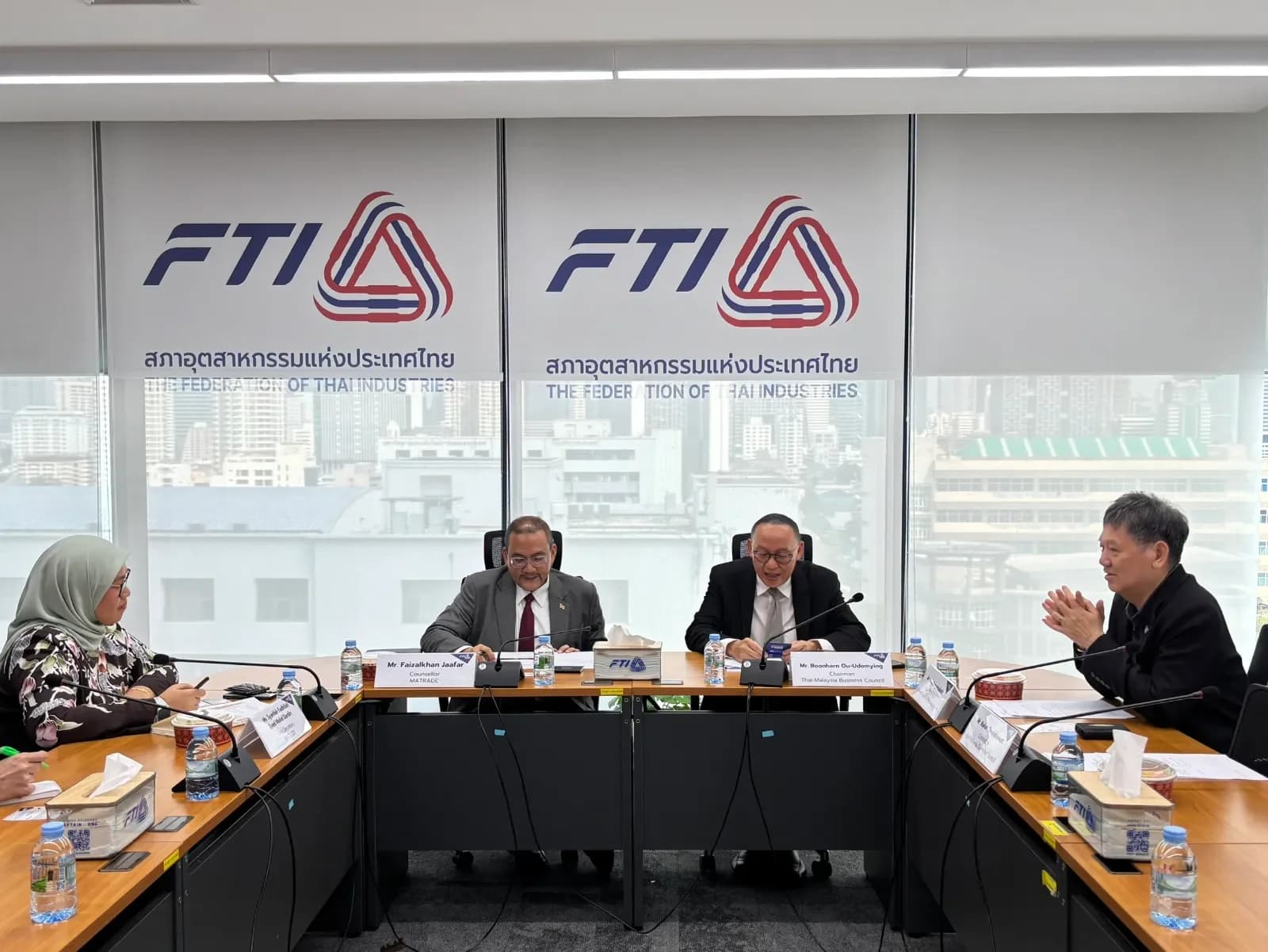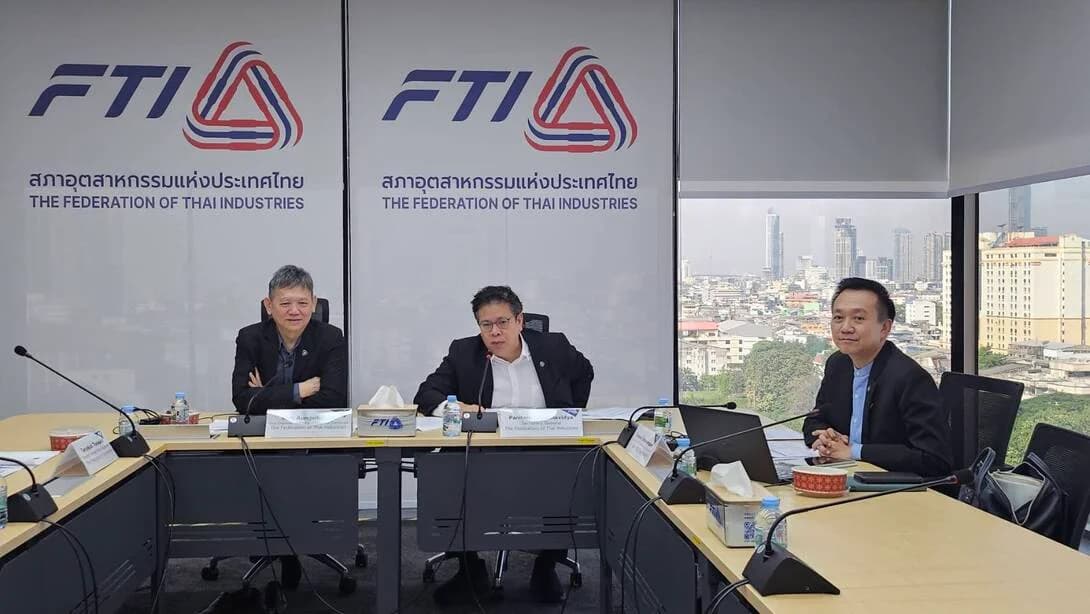
เมื่อวันที่ 11 มีนาคม 2569 นายอรุณ เอี่ยมสุรีย์ ประธานสถาบันเศรษฐกิจและการลงทุนไทย–จีน สภาอุตสาหกรรมแห่งประเทศไทย (ส.อ.ท.) เข้าร่วมเป็นวิทยากรในงาน Public Forum: ASEAN–China in the Next Decade: Western Hemisphere, Europe, and Indo-Pacific ภายใต้หัวข้อ Geoeconomic Cooperation and Challenges in ASEAN–China Relations จัดโดยสถาบันศึกษาความมั่นคงและนานาชาติ (ISIS Thailand) ณ ห้องประชุมจุมภฏ–พันธ์ทิพย์ อาคารประชาธิปก–รำไพพรรณี จุฬาลงกรณ์มหาวิทยาลัย
การเสวนาครั้งนี้ มุ่งวิเคราะห์แนวโน้มความสัมพันธ์ทางภูมิเศรษฐศาสตร์ระหว่างอาเซียนและจีนในทศวรรษหน้า ท่ามกลางการแข่งขันเชิงยุทธศาสตร์ระหว่างมหาอำนาจ ซึ่งส่งผลต่อการปรับโครงสร้างห่วงโซ่มูลค่าการผลิตของโลก โดยอาเซียนมีบทบาทสำคัญเพิ่มขึ้นในเครือข่ายการผลิต โดยเฉพาะในอุตสาหกรรมเทคโนโลยีขั้นสูง ขณะเดียวกันยังเผชิญความท้าทายจากการเพิ่มขึ้นของสินค้านำเข้าจากจีน และการเปลี่ยนแปลงของโครงสร้างการค้าโลก
ทั้งนี้ นายอรุณได้สะท้อนมุมมองจากภาคอุตสาหกรรมไทยว่า ประเทศไทยจำเป็นต้องเร่งยกระดับจาก OEM สู่ ODM และ OBM เพื่อเพิ่มมูลค่าและขีดความสามารถในการแข่งขัน ควบคู่กับการพัฒนานโยบายอุตสาหกรรมและระบบกำกับดูแลที่มีประสิทธิภาพ เพื่อให้ประเทศไทยสามารถใช้ประโยชน์จากความร่วมมือทางเศรษฐกิจในภูมิภาคได้อย่างยั่งยืน
On March 11, 2026, Mr. Arun Iamsuri, President of the Thai-Chinese Economic and Investment Institute at the Federation of Thai Industries (FTI), participated as a speaker at the Public Forum: ASEAN-China in the Next Decade: Western Hemisphere, Europe, and Indo-Pacific under the topic Geoeconomic Cooperation and Challenges in ASEAN-China Relations organized by the Institute of Security and International Studies (ISIS Thailand) at the Jumbhad-Phanthip Conference Room, Democracy-Rampai Pannak University Building, Chulalongkorn University.
This discussion aimed to analyze the trends in geoeconomic relationships between ASEAN and China in the coming decade amidst the strategic competition between major powers, which affects the restructuring of global production value chains. ASEAN's role is increasingly significant in production networks, especially in high-tech industries. Simultaneously, it faces challenges from rising imports from China and changes in global trade structures.
Mr. Arun provided insights from the Thai industrial sector, highlighting that Thailand must accelerate its transition from OEM to ODM and OBM to enhance value and competitive capabilities, alongside developing effective industrial policies and regulatory systems, in order to sustainably benefit from regional economic cooperation.