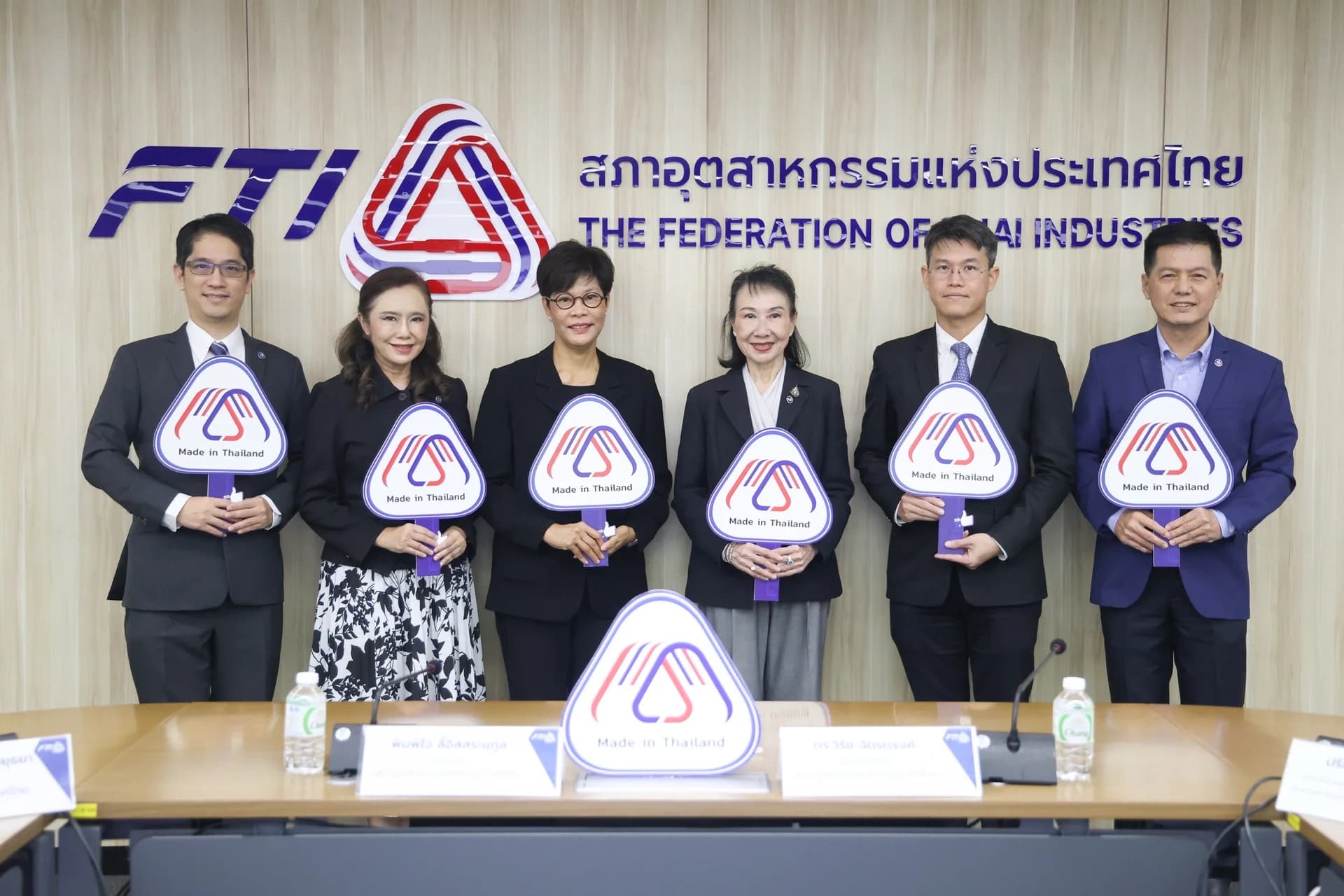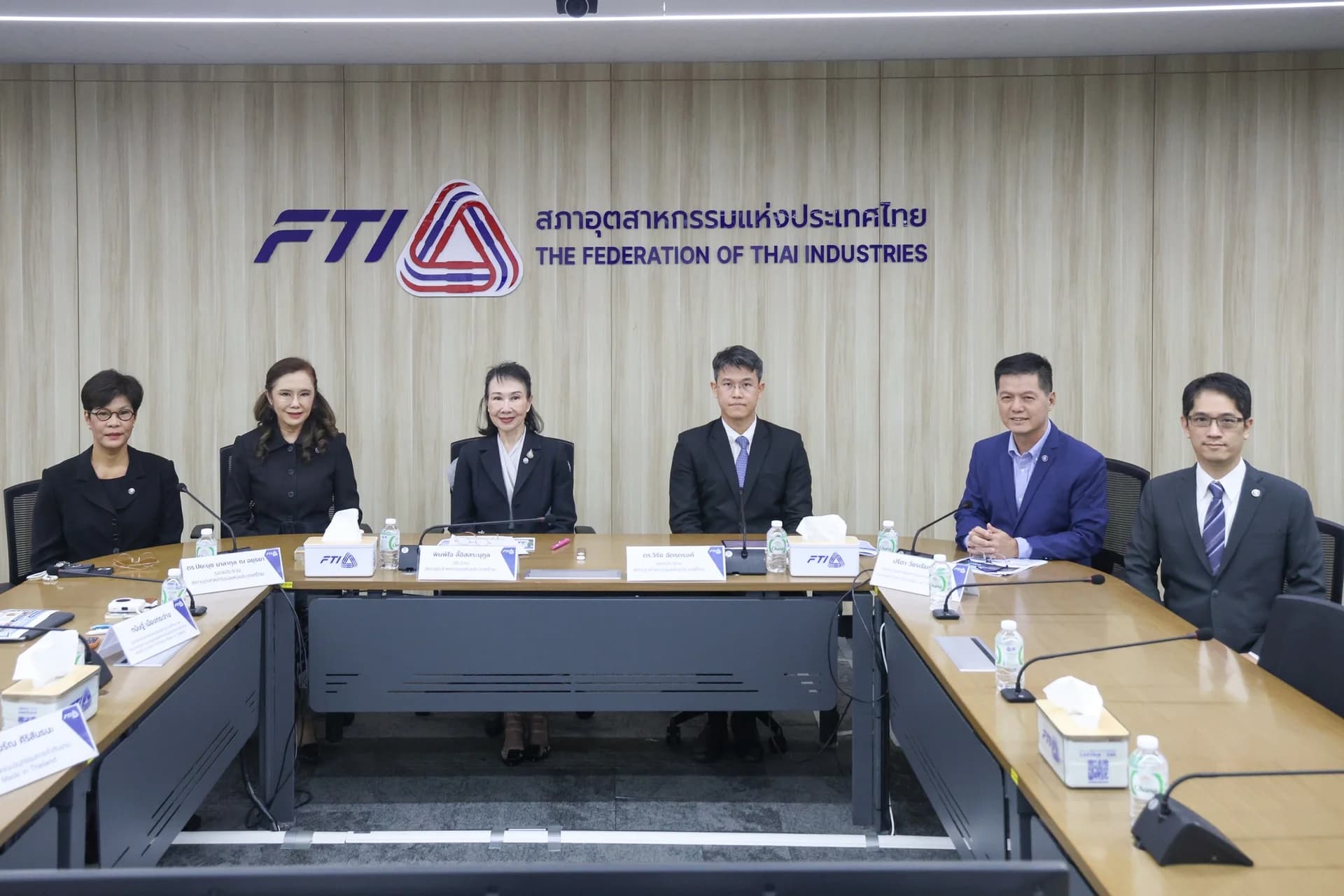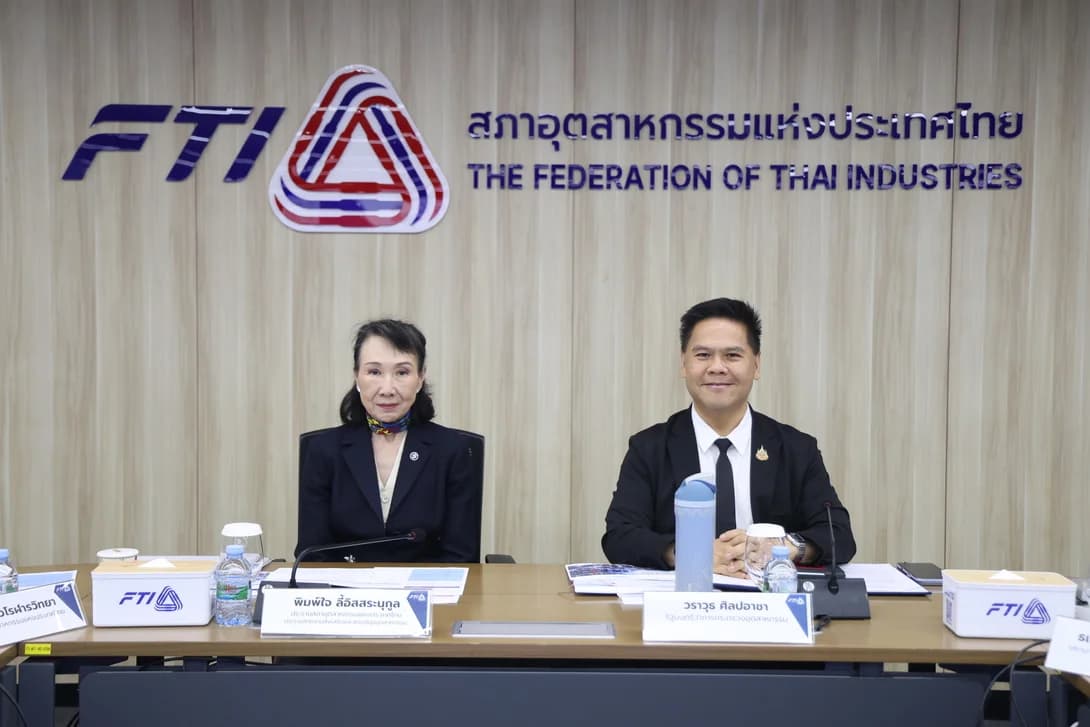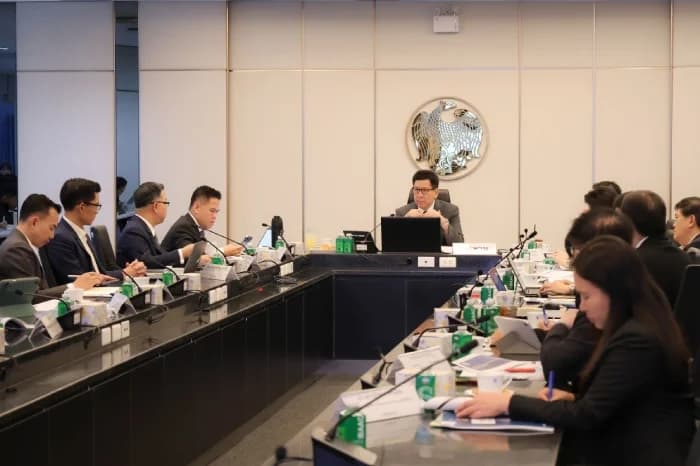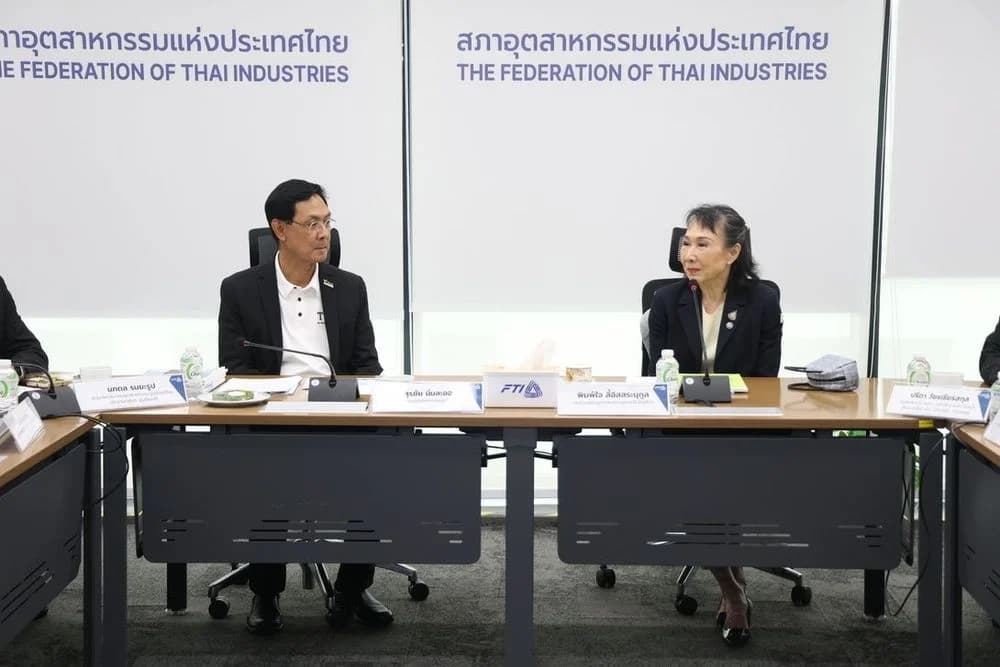

นายเกรียงไกร เธียรนุกุล ประธานสภาอุตสาหกรรมแห่งประเทศไทย (ส.อ.ท.) พร้อมด้วย ม.ล.ปีกทอง ทองใหญ่ รองประธาน ส.อ.ท. และรองประธานสายงานเศรษฐกิจและวิชาการ ส.อ.ท. นางสาวเพชรรัตน์ เอกแสงกุล รองประธาน ส.อ.ท. และนางบัญชุสา พุทธพรมงคล กรรมการ ส.อ.ท. และรองประธานสายงานเศรษฐกิจและวิชาการ ร่วมเปิดเผยผลการสำรวจดัชนีความเชื่อมั่นภาคอุตสาหกรรมในเดือนธันวาคม 2568 ซึ่งอยู่ที่ระดับ 88.2 ปรับตัวลดลงจากระดับ 89.1 ในเดือนพฤศจิกายน 2568
การปรับตัวลดลงของดัชนีดังกล่าว มีสาเหตุจากปัจจัยสำคัญหลายประการ ได้แก่ เหตุปะทะบริเวณชายแดนไทย–กัมพูชา ซึ่งส่งผลให้กิจกรรมทางเศรษฐกิจในพื้นที่บริเวณชายแดนจังหวัดอุบลราชธานี สุรินทร์ บุรีรัมย์ ศรีษะเกษ สระแก้ว จันทบุรี และตราด ต้องหยุดชะงักลง ประกอบกับความกังวลต่อความต่อเนื่องของการดำเนินนโยบายภาครัฐ ภายหลังมีการประกาศยุบสภา โดยเฉพาะโครงการคนละครึ่งพลัสเฟสสอง และการเจรจาการค้าไทย–สหรัฐฯ
ขณะเดียวกัน ภาคการผลิตอุตสาหกรรมชะลอลง จากการเร่งผลิตในช่วงก่อนหน้า และจำนวนวันทำงานที่ลดลงในช่วงเทศกาลส่งท้ายปี นอกจากนี้ การส่งออกยังมีแนวโน้มชะลอตัวตามภาวะเศรษฐกิจของประเทศคู่ค้าบางประเทศ อาทิ จีน ญี่ปุ่น และกลุ่มอาเซียน รวมถึงสถานการณ์ฝุ่นละออง PM2.5 ในหลายพื้นที่ ซึ่งส่งผลกระทบต่อการจัดกิจกรรมกลางแจ้งและสุขภาพของประชาชน
อีกทั้ง ค่าเงินบาทที่แข็งค่าขึ้นจากกการปรับลดอัตราดอกเบี้ยนโยบายของสหรัฐฯ รวมถึง กระแสเงินทุนเคลื่อนย้ายและสภาพคล่องในประเทศ ส่งผลให้รายได้ผู้ส่งออกปรับลดลง ในขณะที่ค่าใช้จ่ายของนักท่องเที่ยวต่างชาติเพิ่มขึ้น และกระทบต่อภาคการท่องเที่ยวโดยรวม
อย่างไรก็ตาม ในเดือนธันวาคมที่ผ่านมา ยังมีปัจจัยบวกหลายประการที่ช่วยพยุงเศรษฐกิจ ได้แก่ การเข้าสู่ช่วงเทศกาลส่งท้ายปีและการเร่งใช้จ่าย ภายใต้โครงการคนละครึ่งพลัสก่อนสิ้นสุดโครงการวันที่ 31 ธันวาคม 2568 มีส่วนช่วยหนุนการบริโภคและกระตุ้นการใช้จ่ายในภูมิภาคช่วงปลายปี
นอกจากนี้ คณะกรรมการนโยบายการเงิน (กนง.) มีมติปรับลดอัตราดอกเบี้ยนโยบายลง 0.25% ต่อปี จาก 1.50% เป็น 1.25% ต่อปี ซึ่งช่วยบรรเทาภาระทางการเงินให้แก่ภาคธุรกิจและครัวเรือน ขณะเดียวกัน คณะกรรมการบริหารกองทุนน้ำมันเชื้อเพลิง (กบน.) มีมติปรับลดอัตราเงินกองทุนน้ำมันดีเซลลง 20 สตางค์ต่อลิตร และผู้ประกอบการบางรายปรับลดราคาน้ำมันดีเซลและเบนซินลง 50 สตางค์ต่อลิตร โดยมีผลตั้งแต่วันที่ 24 ธันวาคม 2568 ส่งผลให้ช่วยบรรเทาภาระค่าครองชีพและต้นทุนภาคธุรกิจ
นอกจากนี้ มาตรการช่วยเหลือค่าครองชีพของภาครัฐ อาทิ เงินเยียวยาผู้ประสบอุทกภัย เงินช่วยเหลือชาวนา และเงินช่วยเหลือกลุ่มเปราะบาง ยังมีส่วนช่วยบรรเทาภาระค่าใช้จ่ายและพยุงกำลังซื้อในระยะสั้นได้ในระดับหนึ่ง
จากผลการสำรวจผู้ประกอบการจำนวน 1,330 ราย ครอบคลุม 47 กลุ่มอุตสาหกรรมของสภาอุตสาหกรรมแห่งประเทศไทย (ส.อ.ท.) ในเดือนธันวาคม 2568 พบว่าปัจจัยที่มีความกังวลเพิ่มขึ้น ได้แก่ เศรษฐกิจภายในประเทศ 62.8% เศรษฐกิจโลก 57.4% อัตราแลกเปลี่ยน (โดยเฉพาะในมุมมองของผู้ส่งออก) 50.4% ราคาพลังงาน 28.6% ส่วนปัจจัยที่ผู้ประกอบการมีความกังวลลดลง ได้แก่ นโยบายภาครัฐ 40.3% การเข้าถึงสินเชื่อ 25.3% และอัตราดอกเบี้ยเงินกู้ 17.1%
ขณะที่ดัชนีคาดการณ์ 3 เดือนข้างหน้า อยู่ที่ระดับ 95.7 ปรับตัวเพิ่มขึ้นจากระดับ 94.9 ในเดือนพฤศจิกายน 2568 โดยเป็นผลมาจากปัจจัยเชิงบวกหลายประการ ได้แก่ มาตรการจัดเก็บภาษีนำเข้าสินค้าจากแพลตฟอร์มออนไลน์ตั้งแต่บาทแรก (จากเดิมที่ยกเว้นให้สินค้าที่มีราคาต่ำกว่า 1,500 บาท) ซึ่งมีผลบังคับใช้ตั้งแต่วันที่ 1 มกราคม 2569 เพื่อควบคุมการนำเข้าสินค้าราคาถูกจากต่างประเทศและลดการแข่งขันที่ไม่เป็นธรรมต่อผู้ประกอบการไทย นอกจากนี้ การจัดตั้งรัฐบาลใหม่คาดว่าจะช่วยเร่งการฟื้นตัวของเศรษฐกิจ จากความชัดเจนด้านทิศทางนโยบายและการขับเคลื่อนกิจกรรมทางเศรษฐกิจโดยรวม
อย่างไรก็ตาม ยังมีปัจจัยลบที่ต้องติดตามอย่างใกล้ชิด ได้แก่ ความกังวลต่อความเสี่ยงที่สถานการณ์ชายแดนไทย–กัมพูชาอาจกลับมาตึงเครียดอีกครั้ง แม้จะมีการลงนามยุติการรบแล้วก็ตาม ตลอดจน มาตรการปรับราคาคาร์บอนข้ามพรมแดน (CBAM) ของสหภาพยุโรป ซึ่งจะเริ่มมีผลตั้งแต่วันที่ 1 มกราคม 2569 และจะเพิ่มภาระต้นทุนด้านการปฏิบัติตามกฎระเบียบ รวมถึงการจัดทำรายงานการปล่อยก๊าซเรือนกระจก ก่อนที่จะเริ่มการจัดเก็บค่าการปล่อยคาร์บอนอย่างเป็นทางการในปี 2570
ข้อเสนอแนะต่อภาครัฐ
1. เสนอให้ภาครัฐและหน่วยงานที่เกี่ยวข้องดูแลอัตราแลกเปลี่ยน เพื่อบรรเทาการแข็งค่าของเงินบาท โดยติดตามและยกระดับการกำกับดูแลธุรกรรมในตลาดอัตราแลกเปลี่ยน เงินทุนเคลื่อนย้าย ตลาดทองคำและการซื้อขายสินทรัพย์ดิจิทัล เพื่อลดการเก็งกำไรและความผันผวนของค่าเงิน ควบคู่กับการป้องกันธุรกรรมที่ไม่สอดคล้องกับกิจกรรมทางเศรษฐกิจจริง
2. เสนอให้ภาครัฐส่งเสริมการปฏิบัติตามมาตรการ CBAM ของสหภาพยุโรป ที่เริ่มบังคับใช้เต็มรูปแบบไปเมื่อวันที่ 1 มกราคม 2569 เช่น สนับสนุนเงินทุนและผู้เชี่ยวชาญให้คำปรึกษาเชิงเทคนิคในการลดการปล่อยคาร์บอนและการจัดทำรายงาน GHG, ส่งเสริมกลไกให้เกิดการหมุนเวียนวัตถุดิบใช้แล้วภายในประเทศ และส่งเสริมการใช้พลังงานสะอาด เป็นต้น
3. เสนอให้ภาครัฐเพิ่มสัดส่วนการจัดซื้อจัดจ้างจาก SMEs ผ่านระบบ e-GP เป็น 50% โดยกำหนดเป็นตัวชี้วัดผลการดำเนินงาน (KPI) ของหน่วยงานรัฐ เพื่อขยายโอกาสทางการตลาดและเพิ่มการเข้าถึงการจัดซื้อจัดจ้างภาครัฐของ SMEs
โอกาสนี้ นายเกรียงไกร ได้กล่าวขอบคุณพรรคการเมืองหลายพรรคที่ให้ความสำคัญและผลักดันประเด็น การส่งเสริมการใช้สินค้าที่ผลิตในประเทศ (Made in Thailand: MiT) ให้เป็นหนึ่งในนโยบายหาเสียง เนื่องจากปัจจุบันภาคอุตสาหกรรมไทยกำลังเผชิญกับการหลั่งไหลของสินค้าราคาถูกจากต่างประเทศรวมถึงปัญหาการสวมสิทธิถิ่นกำเนิดสินค้า (Transshipment) ซึ่งส่งผลกระทบอย่างรุนแรงต่อผู้ประกอบการไทยและห่วงโซ่อุปทานภายในประเทศ
นายเกรียงไกร ระบุว่า หากโครงการ MiT ได้รับการนำไปปฏิบัติอย่างเป็นรูปธรรมภายใต้รัฐบาลใหม่ จะเป็นกลไกสำคัญในการเสริมสร้างความเข้มแข็งให้กับภาคอุตสาหกรรมไทย โดย ส.อ.ท. ได้ผลักดันอย่างต่อเนื่องให้ภาครัฐกำหนดสัดส่วนใช้สินค้า MiT ไม่น้อยกว่าร้อยละ 30 ในโครงการจัดซื้อจัดจ้างภาครัฐ เพื่อสร้างความต้องการใช้สินค้าไทยในระบบเศรษฐกิจ
ทั้งนี้ ใบรับรอง MiT มีบทบาทสำคัญต่อการจัดซื้อจัดจ้างภาครัฐ ตามกฎกระทรวงว่าด้วยการกำหนดพัสดุและวิธีการจัดซื้อจัดจ้าง โดยให้แต้มต่อแก่ผู้เสนอราคาที่ใช้พัสดุที่ผลิตในประเทศและได้รับการรับรองเครื่องหมาย MiT จาก ส.อ.ท. สูงกว่าผู้เสนอราคารายอื่นไม่เกินร้อยละ 5 ซึ่งปัจจุบันได้รับความเชื่อมั่นจากหน่วยงานภาครัฐเป็นอย่างสูง และในแต่ละปีงบประมาณมีมูลค่าการสนับสนุนสินค้า MiT มากกว่าแสนล้านบาท
นางสาวเพชรรัตน์ กล่าวเพิ่มเติมว่า “ส.อ.ท. ให้ความสำคัญกับการกำกับดูแลสินค้า เพิ่มความเข้มงวดในการออกใบรับรอง MiT ปกป้องสิทธิ์ของผู้ประกอบการไทยที่ดำเนินงานอย่างถูกต้อง ทั้งนี้ เราได้มีการปรับข้อบังคับ ส.อ.ท. ฉบับที่ 34 (ฉบับที่ 2) พ.ศ.2568 ห้ามนำเข้าสินค้า SKU เดียวกันเข้ามาขอรับการรับรอง MiT พร้อมทั้ง ห้ามลบ แก้ไขหรือเปลี่ยนแปลงบัญชีรายการสินค้าและบัญชีรายชื่อ MiT กรณีมีเหตุอันควรสงสัย ส.อ.ท. มีสิทธิ์ทบทวนหรือเพิกถอนใบรับรอง ทั้งนี้ หากถูกเพิกถอน จะถูกระงับไม่สามารถออก SKU นั้นตลอดไปและบริษัทไม่มีสิทธิ์ยื่นขอรับรองสินค้าทุกรายการ เป็นระยะเวลา 2 ปี”
พร้อมกันนี้ ยังได้มีการยกระดับและพัฒนาระบบการตรวจสอบใบรับรอง MiT ให้มีความทันสมัยและมีความน่าเชื่อถือสูงสุด โดยผู้ซื้อหรือหน่วยงานที่เกี่ยวข้องสามารถตรวจสอบความแท้จริงของเอกสารได้ด้วยตนเองตลอด 24 ชั่วโมง ผ่าน 2 ช่องทางหลัก ได้แก่ การสแกน QR Code ที่ปรากฏบนใบรับรอง ซึ่งจะเชื่อมโยงเข้าสู่ฐานข้อมูลกลางของ ส.อ.ท. เพื่อแสดงสถานะล่าสุด หรือผ่านเว็บไซต์ www.mit.fti.or.th โดยระบุเลขที่ใบรับรองหรือชื่อบริษัท เพื่อตรวจสอบข้อมูลสินค้าและวันหมดอายุของใบรับรอง รวมทั้งเพื่อป้องกันความเสียหายจากการใช้เอกสารปลอม และหากพบการแอบอ้างหรือการกระทำความผิด สามารถแจ้งมายัง ส.อ.ท. โดยจะดำเนินการตามกฎหมายอย่างถึงที่สุด เพื่อรักษามาตรฐานของใบรับรอง Made in Thailand (MiT)
ทั้งนี้ ส.อ.ท. ได้ทำการรวบรวมข้อมูลผลการสำรวจดัชนีความเชื่อมั่นภาคอุตสาหกรรมและข้อมูลตัวชี้วัดทางเศรษฐกิจและอุตสาหกรรมจากหน่วยงานต่างๆ ย้อนหลัง 3 ปี จัดทำเป็น Dashboard เผยแพร่ในเว็บไซต์ศูนย์ข้อมูลภาคเศรษฐกิจและอุตสาหกรรม Industry Data Space (iDS) ของ ส.อ.ท. เพื่ออำนวยความสะดวกให้แก่ผู้ประกอบการและบุคคลทั่วไปให้สามารถเข้าถึงข้อมูลที่เป็นประโยชน์ในการดำเนินธุรกิจ โดยสามารถเข้าไปใช้บริการข้อมูลดังกล่าวได้ที่ https://fti.or.th/ids
ส.อ.ท. มุ่ง “เสริมสร้างความเข้มแข็งให้อุตสาหกรรมไทย เพื่อประเทศไทยที่เข้มแข็งกว่าเดิม (Strengthen Thai Industries for Stronger Thailand)”
.................................................................................................................................................................
เผยแพร่โดย ฝ่ายสื่อสารองค์กร สภาอุตสาหกรรมแห่งประเทศไทย (โทร. 0-2345-1051)
จัดทำข้อมูลโดย ฝ่ายเศรษฐกิจและวิชาการ สภาอุตสาหกรรมแห่งประเทศไทย (โทร. 0-2345-1111)
Mr. Kriangkrai Theeranukul, Chairman of the Federation of Thai Industries (FTI), along with M.L. Pikthong Thongyai, Vice Chairman of FTI and Vice Chairman of the Economic and Academic Committee of FTI, Ms. Petchrat Ekasangkul, Vice Chairman of FTI, and Ms. Banchusa Phuthapromkong, Committee Member of FTI and Vice Chairman of the Economic and Academic Committee, jointly revealed the results of the industrial confidence index survey for December 2025, which stands at 88.2, a decrease from 89.1 in November 2025.
The decline in the index is attributed to several significant factors, including the border clashes between Thailand and Cambodia, which disrupted economic activities in the border areas of Ubon Ratchathani, Surin, Buriram, Si Sa Ket, Sa Kaeo, Chanthaburi, and Trat. Additionally, there are concerns about the continuity of government policies following the announcement of the dissolution of parliament, particularly regarding the “Half-Half Plus Phase Two” project and trade negotiations between Thailand and the United States.
At the same time, the manufacturing sector has slowed down due to accelerated production in the previous period and the reduced working days during the year-end holidays. Furthermore, exports are also projected to slow down in accordance with the economic conditions of certain trading partner countries, such as China, Japan, and ASEAN, as well as the PM2.5 dust situation in various regions, which affects outdoor activities and public health.
Moreover, the appreciation of the baht resulting from the reduction in the policy interest rate in the United States, along with capital flow trends and domestic liquidity, has led to a decrease in exporters' income while increasing the costs for foreign tourists, thereby affecting the tourism sector overall.
However, in December, there were still several positive factors that supported the economy, including the approach of the year-end festival and increased spending under the “Half-Half Plus” program before the project ends on December 31, 2025, which has contributed to consumer spending and stimulated expenditure in the region during the year-end period.
Additionally, the Monetary Policy Committee (MPC) decided to lower the policy interest rate by 0.25% per annum from 1.50% to 1.25%, which helps alleviate the financial burden for businesses and households. Simultaneously, the Fuel Fund Committee (FFC) approved to reduce the diesel fuel fund rate by 20 satang per liter, and some operators reduced the prices of diesel and gasoline by 50 satang per liter, effective from December 24, 2025, which helps alleviate the cost of living and business costs.
Moreover, the government's cost of living assistance measures, such as flood relief funds, financial aid for farmers, and assistance for vulnerable groups, have also helped alleviate expenses and sustain purchasing power to some extent in the short term.
From a survey of 1,330 operators across 47 industrial groups of the Federation of Thai Industries (FTI) in December 2025, it was found that the factors of increasing concern include the domestic economy at 62.8%, global economy at 57.4%, exchange rates (especially from exporters' perspectives) at 50.4%, and energy prices at 28.6%. Meanwhile, the factors that showed decreased concern among operators include government policies at 40.3%, access to credit at 25.3%, and interest rates at 17.1%.
The three-month confidence index stood at 95.7, an increase from 94.9 in November 2025, attributed to various positive factors, including the newly implemented import tax measures on goods from online platforms starting from the first baht (previously exempt for goods priced below 1,500 baht) effective January 1, 2026, to control the import of inexpensive goods from abroad and reduce unfair competition against Thai operators. Furthermore, the formation of a new government is expected to accelerate economic recovery due to the clarity of policy direction and overall economic activities.
However, there are still negative factors that need to be closely monitored, including concerns about the risks of renewed tensions at the Thai-Cambodian border, even after a ceasefire agreement has been signed, as well as the European Union's Cross-Border Carbon Adjustment Mechanism (CBAM), which will take effect on January 1, 2026, leading to increased compliance cost burdens, including greenhouse gas emission reporting, before the official carbon emissions charge begins in 2027.
Recommendations to the Government
1. It is recommended that the government and relevant agencies manage the exchange rate to alleviate the appreciation of the baht by monitoring and enhancing the oversight of transactions in the exchange rate market, capital movement, gold market, and digital asset trading to reduce speculation and currency volatility, while also preventing transactions that do not correspond with actual economic activities.
2. It is suggested that the government promote compliance with the EU's CBAM measures that have fully implemented since January 1, 2026, such as supporting funding and providing technical advisory expertise for reducing carbon emissions and GHG reporting, promoting circular use of raw materials within the country, and encouraging the use of clean energy.
3. It is recommended that the government increase the proportion of procurements from SMEs through the e-GP system to 50% and make it a Key Performance Indicator (KPI) for state agencies to expand market opportunities and enhance SMEs' access to government procurement.
On this occasion, Mr. Kriangkrai expressed gratitude to several political parties for emphasizing and advocating the promotion of the consumption of domestically produced goods (Made in Thailand: MiT) as part of their campaign policies, as the Thai industrial sector is currently facing an influx of cheap imported products and the issue of transshipment, which severely impacts Thai operators and the domestic supply chain.
Mr. Kriangkrai stated that if the MiT project is implemented concretely under the new government, it will be a crucial mechanism for strengthening the Thai industrial sector, as FTI has continuously urged the government to set a MiT usage ratio of not less than 30% in public procurement projects to generate demand for Thai products in the economy.
Moreover, the MiT certification plays a significant role in public procurement according to the ministerial regulation on the specification of procurement materials and methods, granting preference to bidders who use domestically produced materials certified with the MiT mark from FTI over other bidders by up to 5%. Currently, this certification is highly trusted by government agencies, and the annual value of support for MiT goods exceeds 100 billion baht.
Ms. Petchrat further stated, "FTI places importance on the oversight of products, enhancing the strictness of issuing MiT certificates to protect the rights of Thai operators who operate correctly. We have amended the FTI regulation No. 34 (Revision 2) 2025 to prohibit importing identical SKU products from seeking MiT certification and also prohibit the deletion, alteration, or modification of product lists and MiT certification if there are reasonable grounds for suspicion. FTI reserves the right to review or revoke the certification. If revoked, the SKU will be permanently barred from issuance, and the company will not be eligible to apply for certification for any products for a period of 2 years.”
At the same time, the system for checking the MiT certification has been upgraded and developed to ensure it is modern and reliable, allowing buyers or relevant agencies to verify the authenticity of documents themselves 24 hours a day through two main channels: scanning the QR Code shown on the certificate, linking to FTI's central database to display the latest status, or visiting the website www.mit.fti.or.th by entering the certificate number or company name to verify product information and the expiration date of the certificate, as well as to prevent damage from the use of counterfeit documents. In case of finding fraud or misconduct, it can be reported to FTI, which will take legal action to uphold the standard of the Made in Thailand (MiT) certification.
Moreover, FTI has compiled data on the industrial confidence index survey and economic and industrial indicators from various agencies over the past three years and created a Dashboard to be published on the Industry Data Space (iDS) website of FTI to facilitate access for operators and the general public to useful data for business operations. This service can be accessed at https://fti.or.th/ids.
FTI aims to "Strengthen Thai Industries for a Stronger Thailand."
.................................................................................................................................................................
Published by the Corporate Communications Department, Federation of Thai Industries (Tel. 0-2345-1051)
Prepared by the Economic and Academic Department, Federation of Thai Industries (Tel. 0-2345-1111)