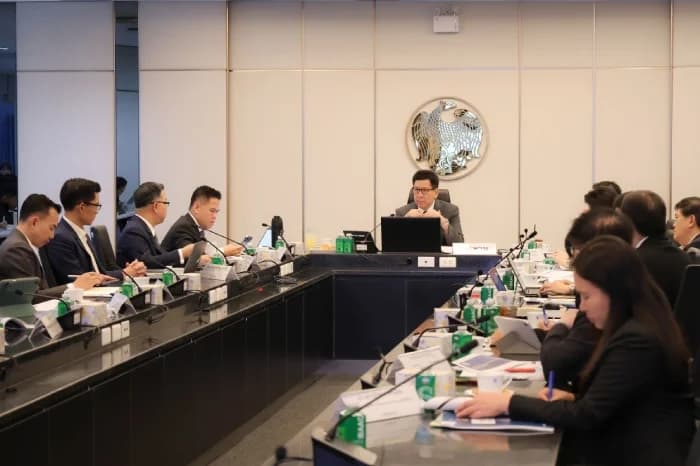
เมื่อวันอาทิตย์ที่ 14 ธันวาคม 2568 นายวิวรรธน์ เหมมณฑารพ รองประธานสภาอุตสาหกรรมแห่งประเทศไทย (ส.อ.ท.) ร่วมเป็นวิทยากรเสวนา Lunch Talk เรื่อง “การปรับตัวเศรษฐกิจไทยฝ่าวิกฤตเศรษฐกิจโลก ปี 2026” ภายใต้โครงการร่วมใจพัฒนาอย่างยั่งยืน ครบรอบ 44 ปี แห่งการก่อตั้งสมาคมนักศึกษาเก่าสถาบันบัณฑิตพัฒนบริหารศาสตร์ ในพระบรมราชูปถัมภ์ ร่วมกับ ดร.วิศิษฐ์ ลิ้มลือชา รองประธานกรรมการหอการค้าไทย และ รศ.ดร.วิพุธ อ่องสกุล อาจารย์ประจำคณะบริหารธุรกิจ นิด้า ณ ห้องประชุมใหญ่ อาคารอเนกประสงค์ สถาบันวิชาการป้องกันประเทศ (สปท.) ถนนวิภาวดีรังสิต กรุงเทพมหานคร
การเสวนาครั้งนี้ นายวิวรรธน์ได้กล่าวถึงความท้าทายของเศรษฐกิจไทย ทั้งจากความขัดแย้งทางภูมิรัฐศาสตร์ (Geopolitics) การแบ่งขั้วทางเศรษฐกิจ (Decoupling) และการทวนกระแสโลกาภิวัตน์ (Deglobalization) ตลอดจนผลกระทบจากมาตรการทางภาษีของสหรัฐฯ และสงครามการค้า ที่กำลังเปลี่ยนแปลงโครงสร้างการค้าโลก เกิดกระแสการค้าระหว่างประเทศพันธมิตร (Friend-shoring) หรือประเทศใกล้เคียง (Near-shoring) รวมถึงการย้ายฐานการผลิตกลับมาผลิตในประเทศ (Reshoring) นอกจากนี้ ไทยยังเผชิญปัญหา อาทิ การติดกับดักรายได้ปานกลางเป็นเวลานาน เศรษฐกิจขยายตัวต่ำ เติบโตไม่ถึงร้อยละ 2 และปัญหาหนี้ภาคครัวเรือน รวมถึงยังพึ่งพาภาคการส่งออกและภาคการท่องเที่ยวเป็นหลัก สะท้อนให้เห็นถึงเศรษฐกิจไทยที่เชื่อมโยงกับเศรษฐกิจโลกในระดับสูง
ทั้งนี้ แนวทางการปรับตัวของภาคอุตสาหกรรมไทย ได้แก่
1. เร่งพัฒนาโมเดลธุรกิจไปสู่การเป็นผู้ออกแบบผลิตภัณฑ์ (Original Design Manufacturer: ODM) และการเป็นเจ้าของแบรนด์ (Original Brand Manufacturer: OBM)
2. การนำเทคโนโลยีและนวัตกรรมมาปรับใช้ เพื่อเพิ่มประสิทธิภาพและยกระดับสู่ Industry 4.0 และ
3. การใช้จุดแข็งด้านความหลากหลายทางชีวภาพ (Biodiversity) เพื่อพัฒนาอุตสาหกรรมที่เกี่ยวข้องกับ BCG Model โดยเฉพาะ Bio Economy ซึ่งจะช่วยสร้างมูลค่าเพิ่มให้กับสินค้าเกษตรได้หลากหลายมิติเป็นสำคัญ
On Sunday, December 14, 2025, Mr. Wiwat Hemmantara, Vice Chairman of the Federation of Thai Industries (FTI), participated as a speaker in a Lunch Talk on “Adapting the Thai Economy to Overcome the Global Economic Crisis in 2026” under the joint project for sustainable development marking the 44th anniversary of the Alumni Association of the National Institute of Development Administration, under the Royal Patronage, together with Dr. Wisith Limluecha, Vice Chairman of the Thai Chamber of Commerce, and Associate Professor Dr. Wiput Ongsakul, lecturer at the Faculty of Business Administration, NIDA, at the main meeting room of the Multi-Purpose Building of the National Defense Studies Institute (NDSI), Vibhavadi Rangsit Road, Bangkok.
During the discussion, Mr. Wiwat addressed the challenges facing the Thai economy, including geopolitical conflicts, economic decoupling, and deglobalization, as well as the impacts of U.S. tax measures and the trade war that are altering global trade structures. This has led to trends such as friend-shoring and near-shoring, along with reshoring production capabilities back to domestic grounds. Furthermore, Thailand is facing issues such as being trapped in a prolonged middle-income status, low economic growth not exceeding 2%, household debt problems, and heavy reliance on exports and tourism, reflecting the high integration of the Thai economy with the global economy.
The adaptive strategies proposed for the Thai industrial sector include:
1. Accelerating the development of business models towards becoming Original Design Manufacturers (ODM) and Original Brand Manufacturers (OBM).
2. Integrating technology and innovation to enhance efficiency and transition towards Industry 4.0; and
3. Leveraging strengths in biodiversity to develop industries related to the BCG Model, especially the Bio Economy, which will help to create added value for agricultural products in various dimensions.