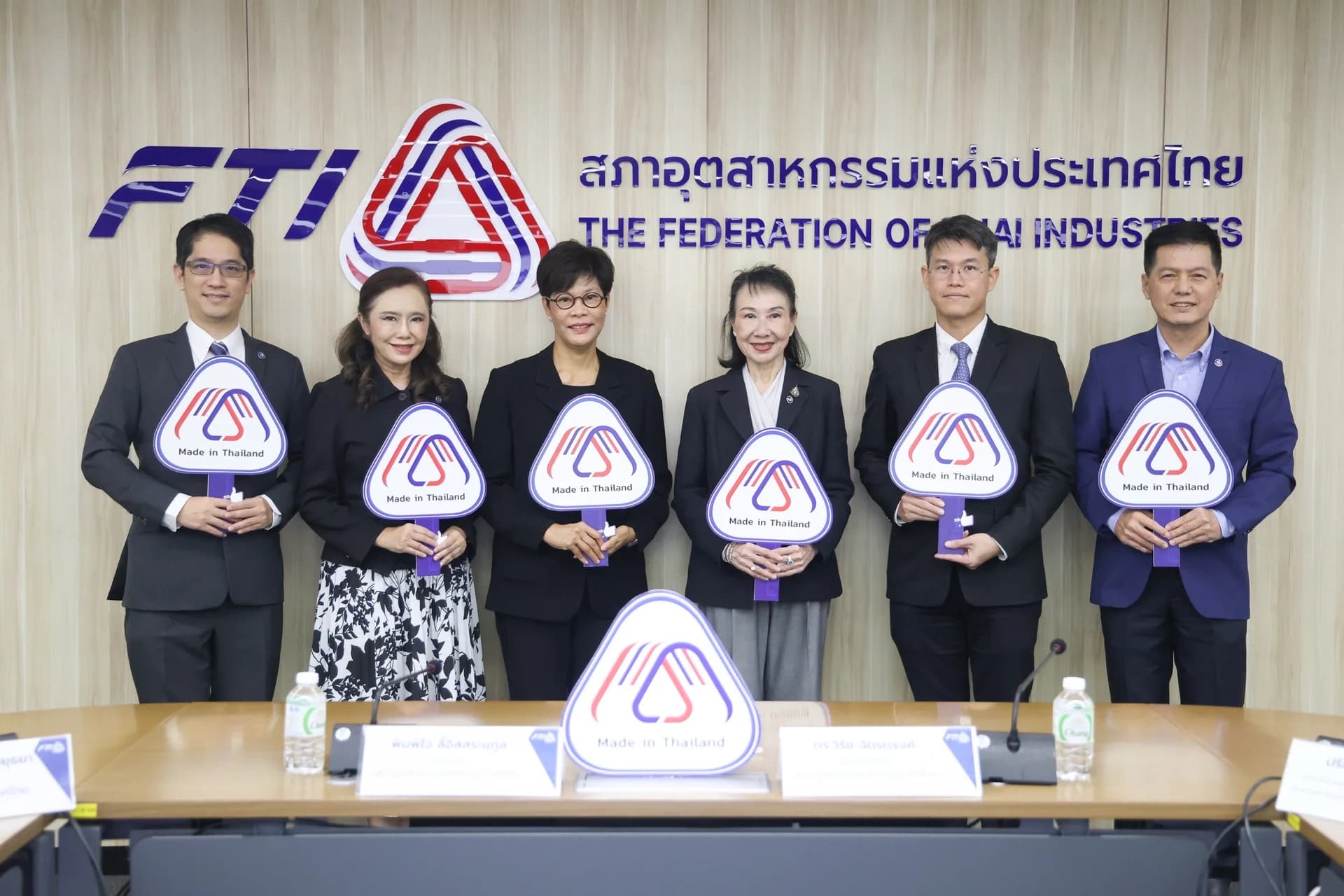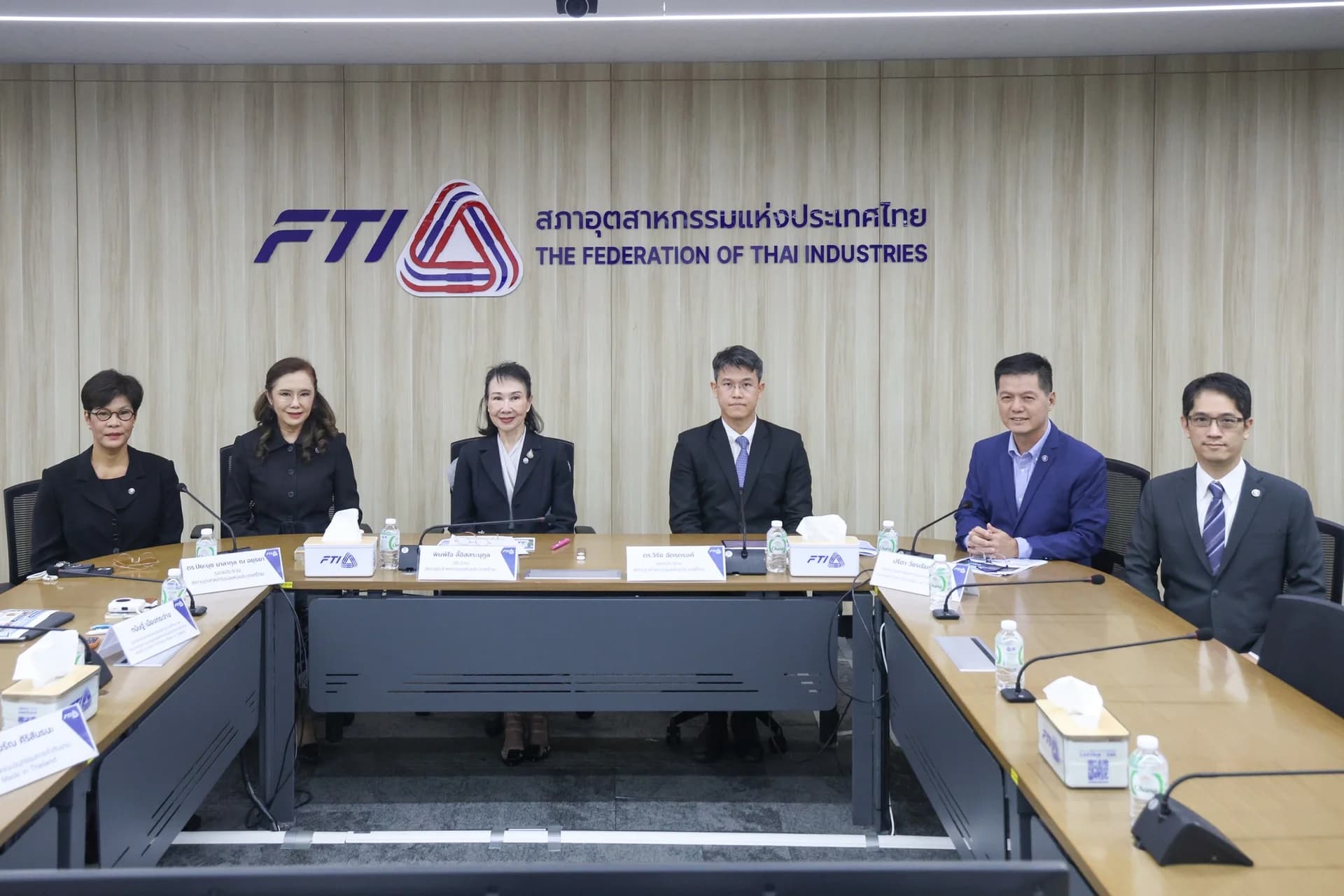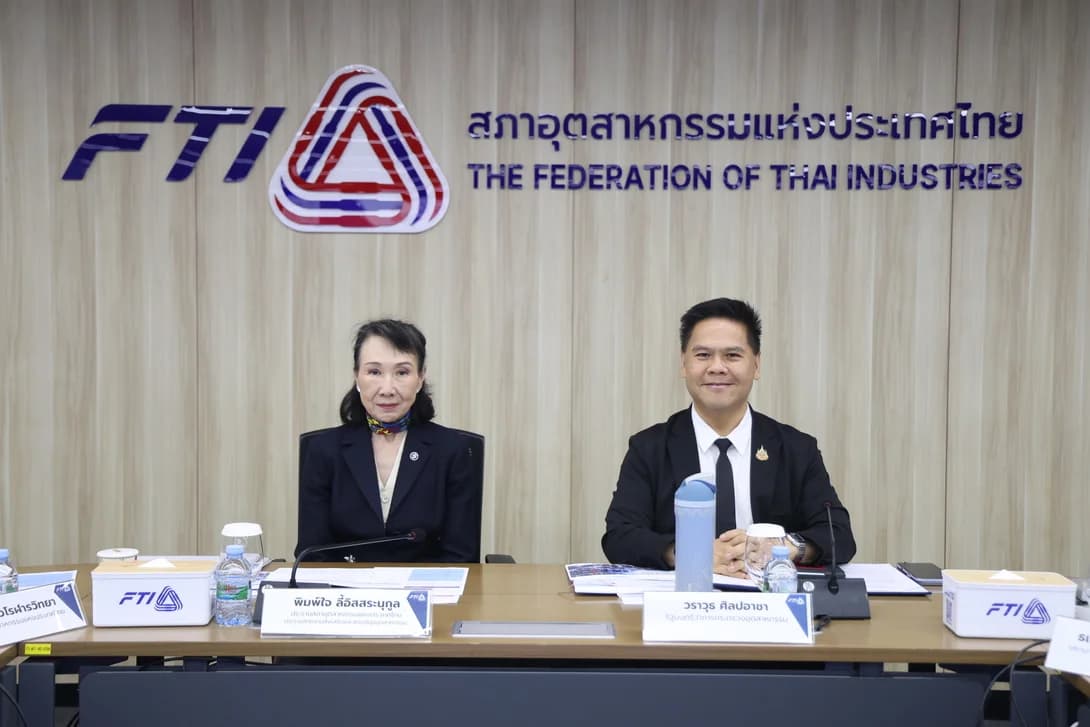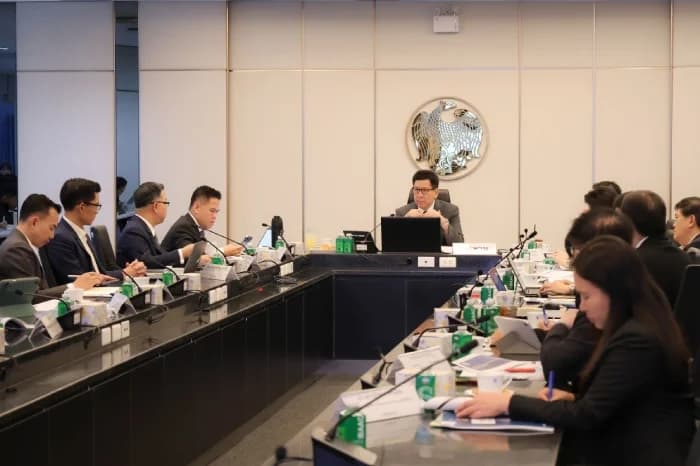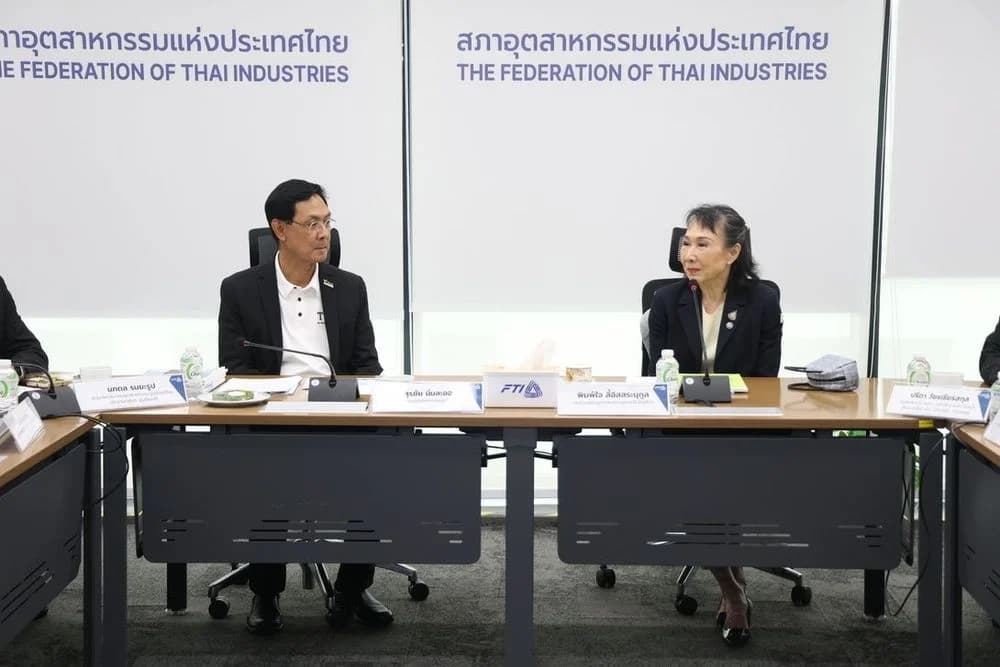

วันพุธที่ 19 พฤศจิกายน 2568 นายเกรียงไกร เธียรนุกุล ประธานสภาอุตสาหกรรมแห่งประเทศไทย (ส.อ.ท.) พร้อมด้วย ม.ล.ปีกทอง ทองใหญ่ รองประธาน ส.อ.ท. และประธานสายงานเศรษฐกิจและวิชาการ ส.อ.ท. นายอภิชิต ประสพรัตน์ รองประธาน ส.อ.ท. และนางสาวพรรรัตน์ เพชรภักดี ผู้อำนวยการใหญ่ ส.อ.ท. ร่วมเปิดเผยผลการสำรวจดัชนีความเชื่อมั่นภาคอุตสาหกรรมในเดือนตุลาคม 2568 อยู่ที่ระดับ 87.3 ปรับตัวลดลงเล็กน้อยจากระดับ 87.8 ในเดือนกันยายน 2568 ผลมาจากหลายปัจจัยสำคัญ อาทิ การส่งออกสินค้าคงทนปรับตัวลดลง ปัญหาการปิดหน่วยงานรัฐบาลกลางของสหรัฐฯ การนำเข้าสินค้าจากจีนยังคงขยายตัวอย่างต่อเนื่อง ความกังวลต่อสถานการณ์น้ำและอุทกภัยที่ยังคงขยายวงกว้างในหลายพื้นที่ และมูลค่าการค้าชายแดนและการค้าผ่านแดนยังคงหดตัวต่อเนื่อง ณ ห้อง Passion (802) ส.อ.ท.
การปรับตัวลดลงของดัชนีดังกล่าวเป็นผลมาจากหลายปัจจัยสำคัญ อาทิ การส่งออกสินค้าคงทนปรับตัวลดลง โดยเฉพาะในหมวดรถยนต์สันดาปและเครื่องปรับอากาศ จากอุปสงค์ที่ชะลอตัวในตลาดออสเตรเลียและสหรัฐอเมริกา รวมถึงผลิตภัณฑ์ไม้ในตลาดจีนและมาเลเซียที่มีคำสั่งซื้อลดลงอย่างต่อเนื่อง ขณะเดียวกัน ปัญหาการปิดหน่วยงานรัฐบาลกลางของสหรัฐฯ ยังเป็นอีกปัจจัยเสี่ยงที่คาดว่าจะส่งผลให้ GDP ของประเทศลดลงประมาณ 0.1% ต่อสัปดาห์ คิดเป็นมูลค่าราว 7 พันล้านดอลลาร์สหรัฐ ซึ่งอาจส่งผลกระทบต่อภาวะเศรษฐกิจและตลาดแรงงานของสหรัฐฯ โดยรวม นอกจากนี้ การนำเข้าสินค้าจากจีนยังคงขยายตัวอย่างต่อเนื่อง โดยในช่วงเดือนมกราคม–กันยายน 2568 เพิ่มขึ้นถึง 33.49% เมื่อเทียบกับช่วงเดียวกันของปีก่อน (YoY) ส่งผลกระทบต่อยอดขายของผู้ผลิตในประเทศ โดยเฉพาะในกลุ่มเครื่องใช้ไฟฟ้าในบ้าน (+9.78%YoY) เหล็ก (+9.23%YoY) และพลาสติก (+16.28%YoY)
นอกจากนี้ ความกังวลต่อสถานการณ์น้ำและอุทกภัยที่ยังคงขยายวงกว้างในหลายพื้นที่ ยังคงส่งผลกระทบต่อผลผลิตของอุตสาหกรรมเกษตรแปรรูป ตลอดจนการดำเนินธุรกิจและกิจกรรมทางเศรษฐกิจในภูมิภาค รวมถึงมูลค่าการค้าชายแดนและการค้าผ่านแดนยังคงหดตัวต่อเนื่อง โดยในเดือนกันยายน 2568 มูลค่าการค้ากับเมียนมาลดลงเหลือ 9,401 ล้านบาท (-40.8%) ขณะที่การค้ากับกัมพูชาลดลงเหลือเพียง 11 ล้านบาท (-99.9%) เมื่อเทียบกับช่วงเดียวกันของปีก่อน
อย่างไรก็ตาม ในเดือนตุลาคม ยังมีปัจจัยบวกหลายประการที่ช่วยประคับประคองภาวะเศรษฐกิจให้มีเสถียรภาพมากขึ้น โดยคณะกรรมการบริหารกองทุนน้ำมันเชื้อเพลิง (กบน.) ได้มีมติปรับลดราคาน้ำมันดีเซลลง 50 สตางค์ เหลือ 30.94 บาทต่อลิตร และปรับลดราคาน้ำมันเบนซินลง 30 สตางค์ต่อลิตร มีผลตั้งแต่วันที่ 21 ตุลาคม 2568 เป็นต้นไป ซึ่งมาตรการดังกล่าวมีส่วนช่วยบรรเทาภาระค่าครองชีพของประชาชน และลดต้นทุนการผลิตในภาคอุตสาหกรรม ประกอบกับการเข้าสู่ช่วงเทศกาลกินเจและฤดูกาลท่องเที่ยว (High Season) ยังเป็นอีกปัจจัยสำคัญที่ช่วยกระตุ้นการใช้จ่ายภายในประเทศ โดยเฉพาะในกลุ่มสินค้าอาหาร หัตถกรรม ของฝาก และเครื่องนุ่งห่ม ขณะเดียวกัน การบรรลุข้อตกลงสันติภาพระหว่างไทยและกัมพูชา ยังช่วยผ่อนคลายบรรยากาศตึงเครียดบริเวณชายแดน และมาตรการกระตุ้นเศรษฐกิจของภาครัฐ เช่น โครงการ “คนละครึ่งพลัส” และ “เที่ยวดีมีคืน” ยังมีส่วนช่วยกระตุ้นการใช้จ่ายของประชาชนในช่วงไตรมาสสุดท้ายของปี ส่งผลให้บรรยากาศทางเศรษฐกิจโดยรวมปรับตัวดีขึ้นอย่างต่อเนื่อง
จากผลการสำรวจผู้ประกอบการจำนวน 1,335 ราย ครอบคลุม 47 กลุ่มอุตสาหกรรมของสภาอุตสาหกรรมแห่งประเทศไทย (ส.อ.ท.) ในเดือนตุลาคม 2568 พบว่าปัจจัยที่มีความกังวลเพิ่มขึ้น ได้แก่ เศรษฐกิจภายในประเทศ 67.3% เศรษฐกิจโลก 63.1% และอัตราแลกเปลี่ยน (โดยเฉพาะในมุมมองของผู้ส่งออก) 48.1% ส่วนปัจจัยที่ผู้ประกอบการมีความกังวลลดลง ได้แก่ นโยบายภาครัฐ 48% การเข้าถึงสินเชื่อ 29.1% ราคาพลังงาน 27.1% และอัตราดอกเบี้ยเงินกู้ 20.4%
ขณะที่ดัชนีฯ คาดการณ์ 3 เดือนข้างหน้า ปรับตัวเพิ่มขึ้นอย่างต่อเนื่อง โดยอยู่ที่ระดับ 93.5 จากระดับ 91.8 ในเดือนกันยายน 2568 ซึ่งสะท้อนถึงความเชื่อมั่นของภาคธุรกิจที่ปรับตัวดีขึ้น โดยเป็นผลมาจากมาตรการ “Quick Big Win” ของภาครัฐ อาทิ มาตรการแก้ไขปัญหาหนี้ครัวเรือนผ่านการจัดตั้งบริษัทบริหารสินทรัพย์ (AMC) เพื่อรับซื้อและปรับโครงสร้างหนี้เสียภาคครัวเรือน รวมถึงมาตรการสนับสนุนผู้ประกอบการ SMEs โดยให้บรรษัทประกันสินเชื่ออุตสาหกรรมขนาดย่อม (บสย.) ค้ำประกันสินเชื่อในวงเงินขั้นต่ำ 50,000 ล้านบาท ซึ่งช่วยเสริมสภาพคล่องและกระตุ้นการลงทุนในระบบเศรษฐกิจ
นอกจากนี้ ความสัมพันธ์ทางเศรษฐกิจระหว่างไทย และสหรัฐอเมริกายังมีพัฒนาการในเชิงบวก โดยทั้งสองประเทศได้บรรลุกรอบข้อตกลงการค้าต่างตอบแทน ซึ่งสหรัฐฯ ยังคงอัตราภาษีศุลกากรตอบโต้ไว้ที่ 19% พร้อมให้สิทธิยกเว้นภาษี (0%) แก่สินค้าบางประเภทจากไทย ซึ่งคาดว่าจะส่งผลดีต่อการส่งออกของไทยในระยะถัดไป ขณะเดียวกัน การเจรจาการค้าระหว่างสหรัฐฯ และจีนมีแนวโน้มผ่อนคลายลง โดยสหรัฐฯ จะ ปรับลดอัตราภาษีนำเข้าจากจีนเหลือ 47% จากเดิม 57% ขณะที่จีนได้ผ่อนคลายข้อจำกัดในการส่งออกแร่หายาก ซึ่งช่วยคลี่คลายบรรยากาศทางการค้าโลก
แม้จะมีสัญญาณเชิงบวกจากหลายปัจจัยดังกล่าว แต่อุตสาหกรรมไทยยังคงเผชิญกับความเสี่ยงบางประการที่ต้องเฝ้าระวัง โดยเฉพาะความกังวลต่อปัญหาธุรกิจสีเทา ซึ่งอาจส่งผลกระทบต่อภาพลักษณ์ของประเทศด้านการดำเนินธุรกิจ ตลอดจนความเชื่อมั่นของนักลงทุนต่างชาติ นอกจากนี้ ค่าเงินบาทยังอยู่ในโซนแข็งค่าอย่างต่อเนื่อง ยังเป็นอีกปัจจัยที่อาจส่งผลกระทบต่อรายได้จากการส่งออก รวมถึงความสามารถในการแข่งขันของภาคการท่องเที่ยวไทยในตลาดโลก
ข้อเสนอแนะต่อภาครัฐ
1. เสนอให้ภาครัฐเร่งรัดการเบิกจ่ายงบประมาณจัดซื้อจัดจ้างให้กับผู้ประกอบการ SMEs ภายใน 30–45 วันนับตั้งแต่ตรวจรับงานเพื่อลดปัญหาการขาดสภาพคล่อง พร้อมปรับลดวงเงินหลักประกันสัญญาและเร่งคืนให้เร็วขึ้นภายใน 15 วัน
2. เสนอให้เร่งรัดการใช้จ่ายงบประมาณภาครัฐประจำปีงบประมาณ พ.ศ. 2569 วงเงิน 4.37 ล้านล้านบาท โดยตั้งเป้าเบิกจ่ายอย่างน้อย 33% ภายในไตรมาสแรกของปีงบประมาณ 2569 ตามนโยบาย Quick Big Win เพื่อให้เม็ดเงินหมุนเวียนเข้าสู่ระบบเศรษฐกิจเร็วขึ้น
3. สนับสนุนให้ภาครัฐดำเนินการปราบปรามและป้องกันธุรกิจสีเทาในทุกมิติ ตลอดจนร่วมขับเคลื่อนแผนของคณะทำงาน Zero Corruption ของ กกร. ใน 6 ด้าน เพื่อสร้างความโปร่งใสในระบบเศรษฐกิจ เสริมสร้างความเชื่อมั่น และรักษาภาพลักษณ์ที่ดีของประเทศไทย
ทั้งนี้ ส.อ.ท. ได้ทำการรวบรวมข้อมูลผลการสำรวจดัชนีความเชื่อมั่นภาคอุตสาหกรรมและข้อมูลตัวชี้วัดทางเศรษฐกิจและอุตสาหกรรมจากหน่วยงานต่างๆ ย้อนหลัง 3 ปี จัดทำเป็น Dashboard เผยแพร่ในเว็บไซต์ศูนย์ข้อมูลภาคเศรษฐกิจและอุตสาหกรรม Industry Data Space (iDS) ของ ส.อ.ท. เพื่ออำนวยความสะดวกให้แก่ผู้ประกอบการและบุคคลทั่วไปให้สามารถเข้าถึงข้อมูลที่เป็นประโยชน์ในการดำเนินธุรกิจ โดยสามารถเข้าไปใช้บริการข้อมูลดังกล่าวได้ที่ https://fti.or.th/ids
ส.อ.ท. มุ่ง “เสริมสร้างความเข้มแข็งให้อุตสาหกรรมไทย เพื่อประเทศไทยที่เข้มแข็งกว่าเดิม (Strengthen Thai Industries for Stronger Thailand)”
......................................................................
เผยแพร่โดย ฝ่ายสื่อสารองค์กร สภาอุตสาหกรรมแห่งประเทศไทย (โทร. 0-2345-1051)
จัดทำข้อมูลโดย ฝ่ายเศรษฐกิจและวิชาการ สภาอุตสาหกรรมแห่งประเทศไทย (โทร. 0-2345-1111)
On Wednesday, November 19, 2025, Mr. Kriengkrai Thiennukul, Chairman of the Federation of Thai Industries (FTI), along with M.L. Pikthong Tongyai, Vice Chairman of FTI and Chairman of the Economics and Academic Line of FTI, Mr. Apichit Paspornrat, Vice Chairman of FTI, and Ms. Phornrat Phetphakdee, Director General of FTI, jointly disclosed the results of the industrial confidence index survey for October 2025, which stands at 87.3, a slight decrease from 87.8 in September 2025. This result is attributed to several significant factors, including a decrease in durable goods exports, the closure of U.S. federal government agencies, the continuous expansion of imports from China, ongoing concerns over water and flood situations in multiple areas, and the continued contraction of border trade and cross-border trade. This took place in Room Passion (802) at FTI.
The decrease in the index is due to several key factors, including a reduction in durable goods exports, particularly in the internal combustion engine vehicle and air conditioning segments, driven by slowing demand in the Australian and U.S. markets, as well as continuous declines in orders for wood products in the markets of China and Malaysia. Additionally, the closure of U.S. federal government agencies remains a risk factor expected to reduce the country's GDP by about 0.1% per week, amounting to approximately 7 billion USD, which may impact the overall economic situation and labor market in the United States. Furthermore, imports from China continue to expand, showing a 33.49% increase from January to September 2025 compared to the same period last year (YoY), affecting sales for domestic producers, especially in the electrical appliance sector (+9.78% YoY), steel (+9.23% YoY), and plastics (+16.28% YoY).
Moreover, concerns over the ongoing water and flood situations, which are expanding in many areas, continue to impact the production of the processed agricultural industry, as well as business operations and economic activities in the region. Additionally, the value of border trade and cross-border trade has continued to contract, with trade value with Myanmar dropping to 9.401 billion baht (-40.8%) in September 2025, while trade with Cambodia decreased to only 11 million baht (-99.9%) compared to the same period last year.
However, in October, several positive factors helped stabilize the economy. The Executive Committee of the Fuel Oil Fund (FEF) resolved to reduce diesel prices by 0.50 baht to 30.94 baht per liter and to reduce gasoline prices by 0.30 baht per liter, effective from October 21, 2025. These measures help ease the burden of living costs for the public and reduce production costs in the industrial sector. Moreover, the approach into the vegetarian festival period and the tourism season (High Season) also serves as a critical factor to stimulate domestic spending, especially in the food, handicrafts, souvenirs, and clothing sectors. Meanwhile, the achievement of the peace agreement between Thailand and Cambodia helps ease the tense atmosphere along the border. Additionally, economic stimulus measures from the government, such as the “Half-Half” project and “Joyful Trip Returns”, contributed to stimulating consumer spending in the final quarter of the year, resulting in an overall improvement in the economic atmosphere.
From the survey results involving 1,335 entrepreneurs across 47 industry groups of the Federation of Thai Industries (FTI) in October 2025, the factors that have increased concern include domestic economic conditions at 67.3%, global economic conditions at 63.1%, and exchange rates (especially from the exporters’ perspective) at 48.1%. Meanwhile, the factors that entrepreneurs are less concerned about include government policies at 48%, access to credit at 29.1%, energy prices at 27.1%, and interest rates at 20.4%.
Meanwhile, the index forecast for the next three months has continuously increased, standing at 93.5 from 91.8 in September 2025, reflecting an improving business confidence, which is a result of the government’s “Quick Big Win” measures, such as the resolution to address household debt issues through the establishment of an Asset Management Company (AMC) to buy and restructure non-performing household debts, along with supporting measures for SMEs by allowing the Small Industries Credit Guarantee Corporation (SCS) to guarantee loans with a minimum budget of 50 billion baht, which helps boost liquidity and stimulate investment in the economic system.
Additionally, the economic relationship between Thailand and the United States has shown positive developments, as both countries have reached an agreement on reciprocal trade frameworks. The U.S. has maintained retaliatory tariffs at 19% while granting a zero percent tax exemption on certain products from Thailand, which is expected to positively impact Thai exports in the future. Meanwhile, trade negotiations between the U.S. and China show signs of easing, with the U.S. reducing import tariffs from China to 47% from the previous 57%, while China has relaxed restrictions on rare earth exports, which helps ease the atmosphere of global trade.
Despite these positive signals from various factors, the Thai industry still faces certain risks that must be monitored, particularly concerns regarding gray businesses that may affect the country’s business image and the confidence of foreign investors. Additionally, the baht remains in a strengthening zone, another factor that may impact export revenues as well as Thailand’s competitiveness in the global tourism market.
Recommendations to the Government
1. Propose to the government to expedite the disbursement of procurement budgets to SMEs within 30–45 days from the project acceptance to reduce liquidity issues, along with reducing the contract guarantee amount and expediting refunds within 15 days.
2. Propose to accelerate the expenditure of the fiscal budget for the fiscal year 2026 amounting to 4.37 trillion baht, aiming for at least 33% disbursement within the first quarter of the fiscal year 2026, in accordance with the Quick Big Win policy to facilitate the rapid influx of money into the economic system.
3. Support the government in taking measures against and preventing gray businesses in all dimensions and collaborate to drive the Zero Corruption plan of the Joint Public-Private Sector Committee (JPPSC) in six areas to create transparency in the economic system, build confidence, and maintain Thailand's favorable image.
The FTI has compiled survey data on the industrial confidence index and economic and industrial indicators from various agencies over the past three years and developed a dashboard published on the Industry Data Space (iDS) website of the FTI to facilitate entrepreneurs and the public in accessing relevant business information beneficial for operations. This data can be accessed at https://fti.or.th/ids.
The FTI aims to "Strengthen Thai Industries for a Stronger Thailand".
......................................................................
Published by the Corporate Communications Division, Federation of Thai Industries (Tel. 0-2345-1051)
Compiled by the Economics and Academic Division, Federation of Thai Industries (Tel. 0-2345-1111)