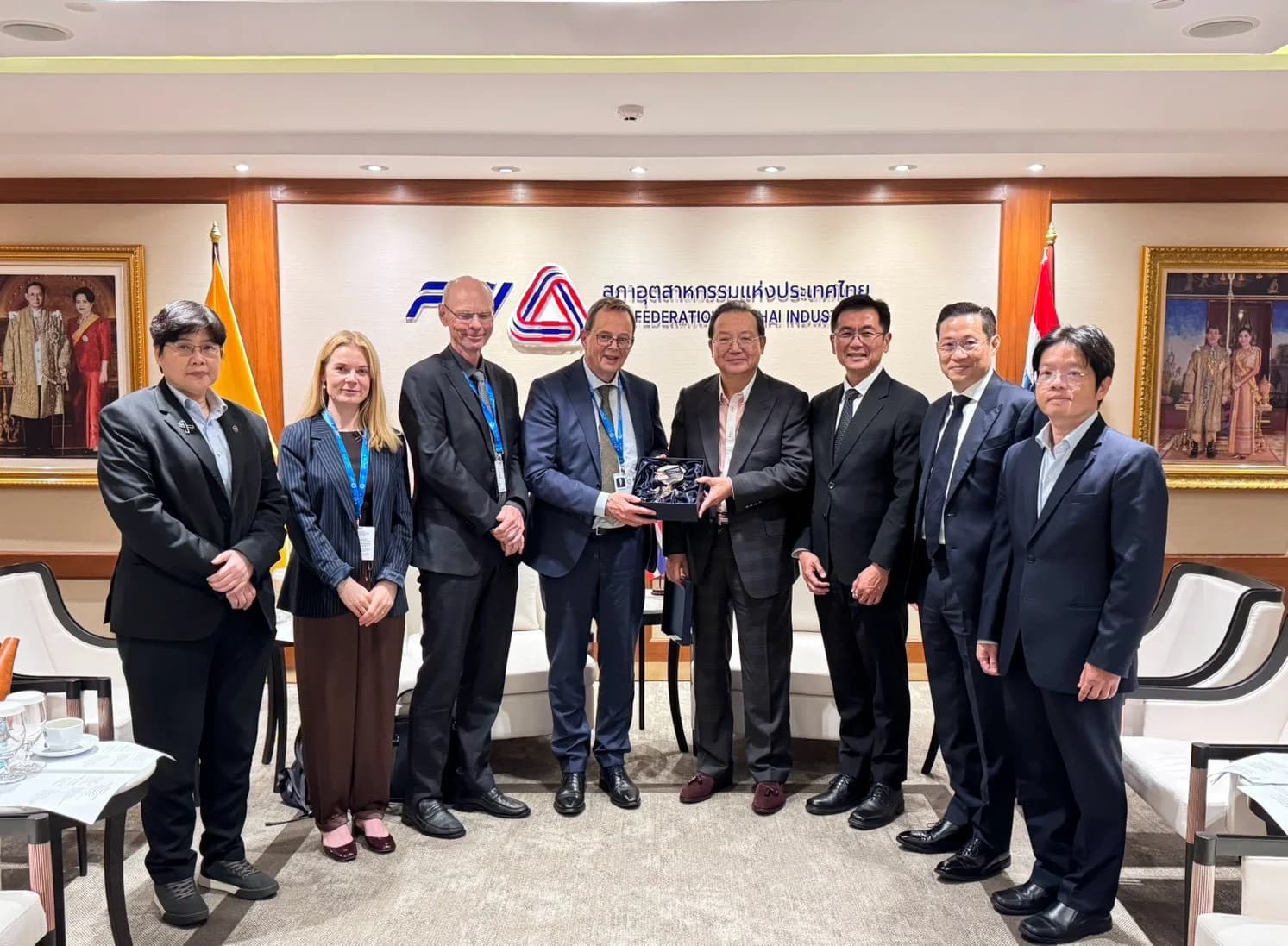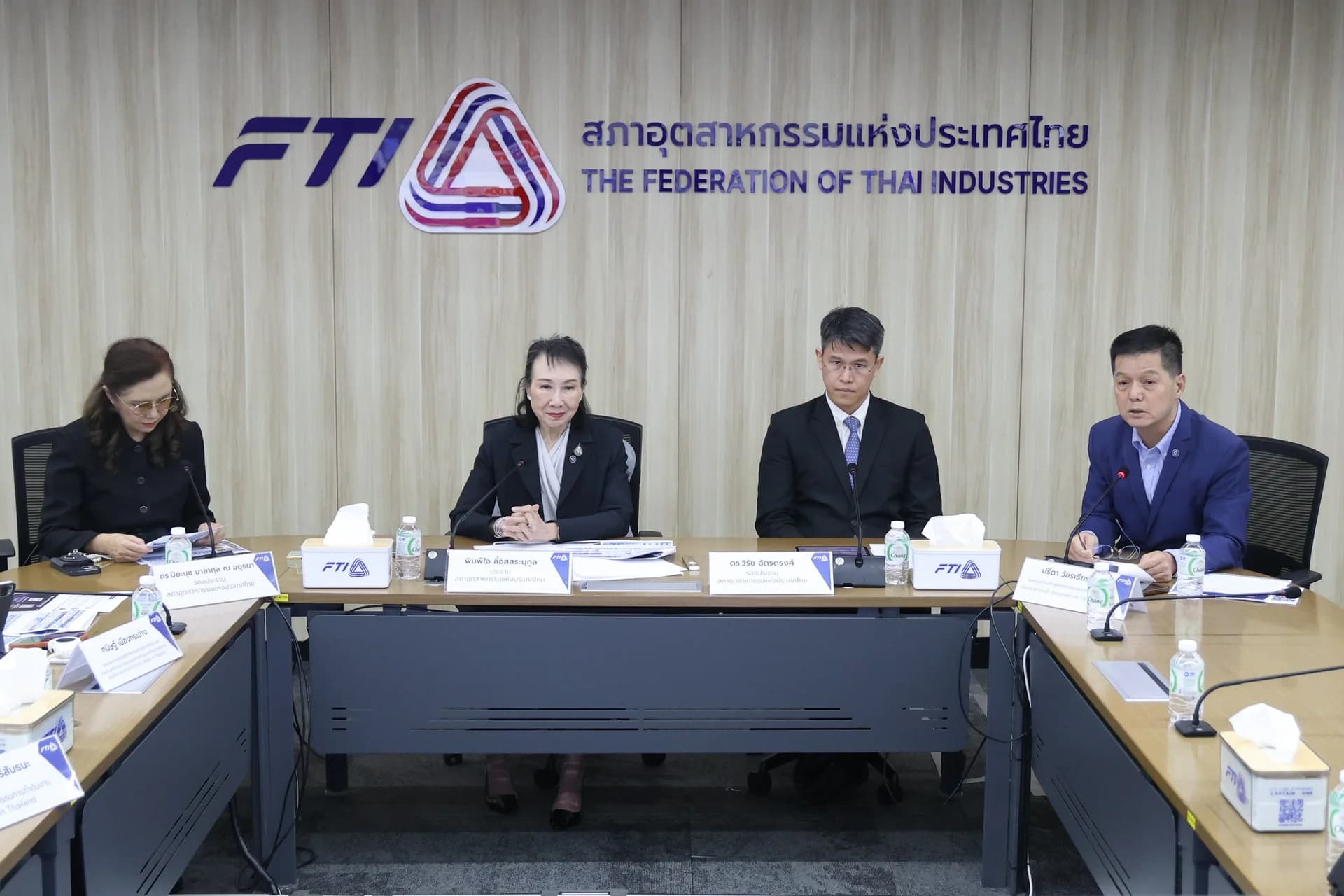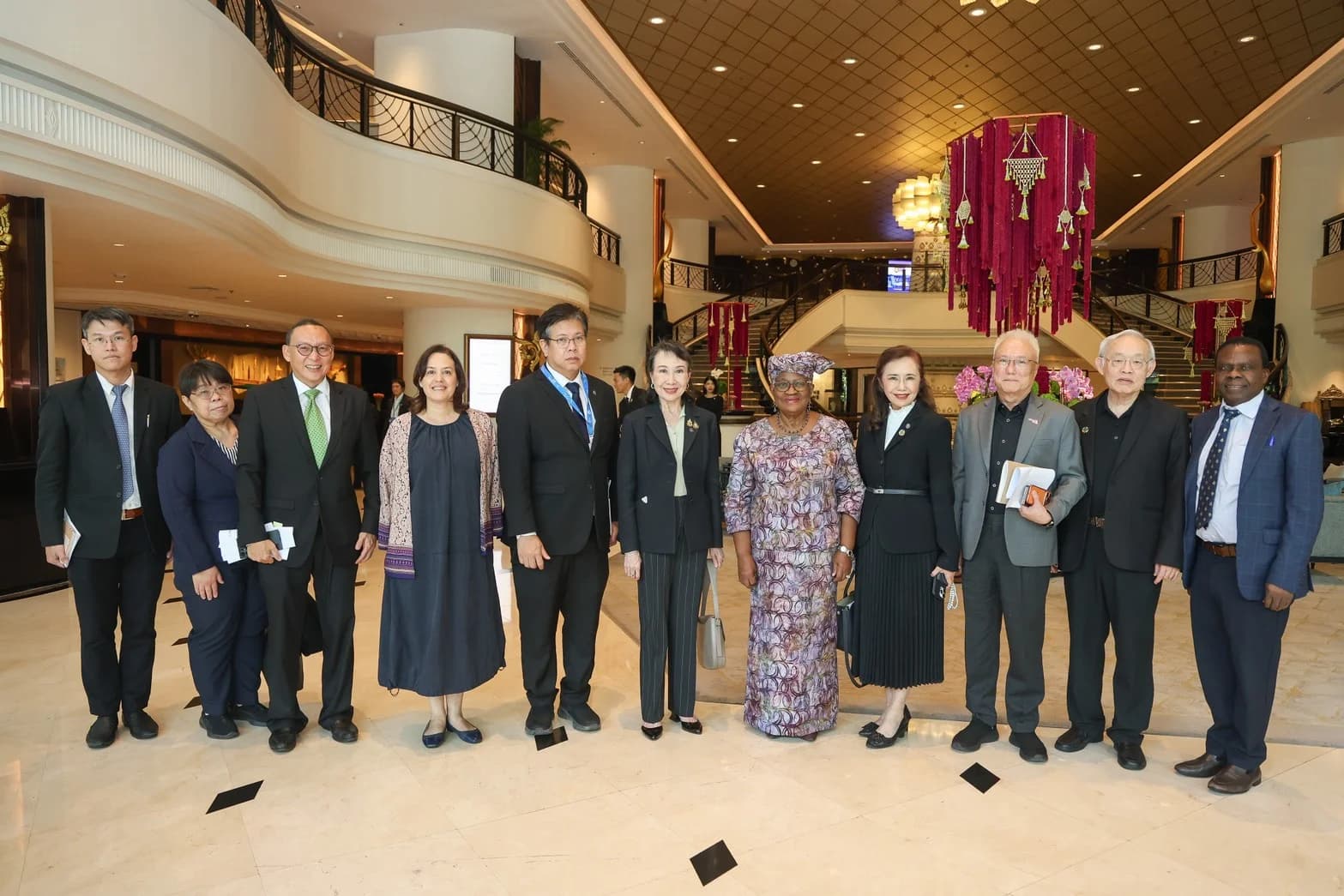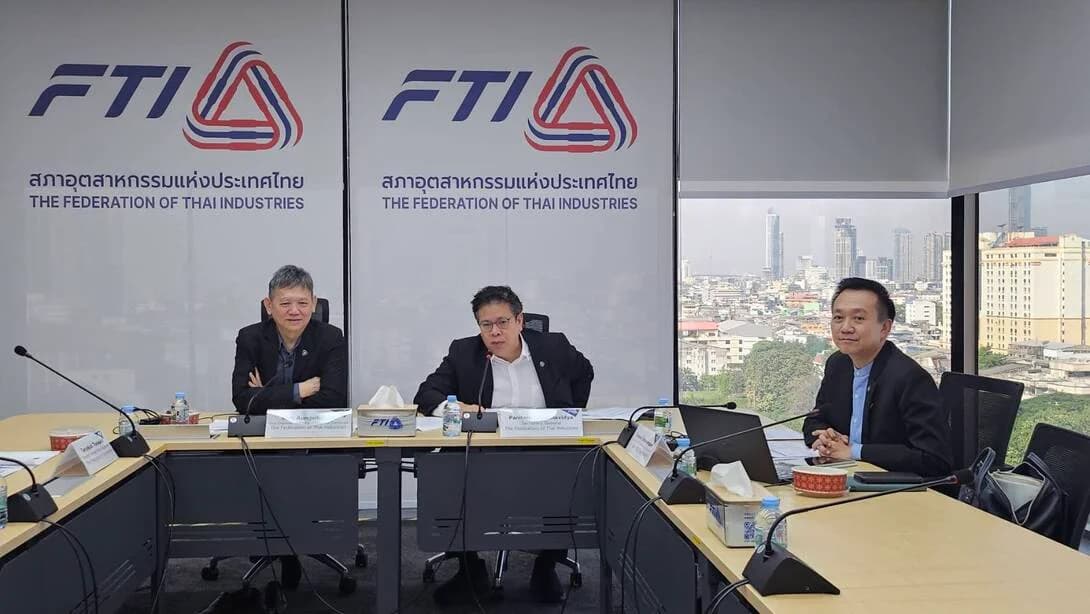

ระหว่างวันที่ 16–19 กรกฎาคม 2569 ดร.กริช อึ้งวิฑูรสถิตย์ ประธานสภาธุรกิจไทย-เมียนมา (TMBC : Thailand–Myanmar Business Council) พร้อมด้วยคณะกรรมการฯ หน่วยงานราชการไทย และผู้ประกอบการไทย นำคณะเดินทางเยือนกรุงย่างกุ้ง ประเทศเมียนมา เพื่อติดตามสถานการณ์เศรษฐกิจและการค้าภายในประเทศเมียนมา รวมทั้งหารือกับหน่วยงานที่เกี่ยวข้องเพื่อแก้ไขปัญหาอุปสรรคและข้อจำกัดด้านการส่งออกสินค้าไทย ภายใต้บริบทการเปลี่ยนแปลงทางเศรษฐกิจและการเมืองภายหลังการเลือกตั้งทั่วไปของประเทศเมียนมา
ในการนี้ คณะฯ ได้เข้าพบหารือกับอุปทูตไทย ณ กรุงย่างกุ้ง ซึ่งปฏิบัติหน้าที่รักษาราชการแทนเอกอัครราชทูตไทย ณ กรุงย่างกุ้ง และผู้อำนวยการสำนักงานส่งเสริมการค้าในต่างประเทศ ณ กรุงย่างกุ้ง เพื่อรับทราบข้อมูลสถานการณ์เศรษฐกิจ การค้า และการลงทุน ตลอดจนแลกเปลี่ยนข้อคิดเห็นเกี่ยวกับแนวทางส่งเสริมและสนับสนุนผู้ประกอบการไทยในประเทศเมียนมา
นอกจากนี้ คณะฯ ยังได้เข้าพบหารือเพื่อประสานความร่วมมือในระดับนโยบายกับหน่วยงานภาครัฐและภาคธุรกิจของประเทศเมียนมา ได้แก่
1.Directorate of Investment and Company Administration (DICA)
2.Department of Trade (DOT)
3.Union of Myanmar Federation of Chambers of Commerce and Industry (UMFCCI)
4.Myanmar Industries Association (MIA)
5.Myanmar Port Authority (MPA)
6.Hlaing Thar Yar Industrial Zone
จากสถานการณ์ข้อจำกัดด้านการส่งออกสินค้าไทยไปยังประเทศเมียนมาที่ดำเนินมาอย่างต่อเนื่อง โดยเฉพาะมาตรการเกี่ยวกับการออกใบอนุญาตนำเข้าสินค้าจากต่างประเทศ ประกอบกับนโยบายของรัฐบาลเมียนมาที่มุ่งส่งเสริมการผลิตภายในประเทศและเพิ่มศักยภาพการส่งออกสินค้าในประเทศ ทำให้ภาครัฐและภาคธุรกิจไทยจำเป็นต้องกำหนดยุทธศาสตร์และแนวทางความร่วมมือให้สอดคล้องกับทิศทางการพัฒนาของเมียนมา ทั้งในมิติของภาคการผลิต การค้า และการเงิน เพื่อรักษาและต่อยอดโอกาสทางเศรษฐกิจระหว่างสองประเทศ
ทั้งนี้ สภาธุรกิจไทย-เมียนมา จะรวบรวมประเด็น ข้อเสนอแนะ และผลการหารือจากการเดินทางครั้งนี้ เพื่อนำเสนอต่อนางพิมพ์ใจ ลี้อิสสระนุกูล ประธานสภาอุตสาหกรรมแห่งประเทศไทย (ส.อ.ท.) ซึ่งให้ความสำคัญและติดตามสถานการณ์อย่างใกล้ชิด รวมถึงนำเสนอต่อคณะกรรมการร่วมภาคเอกชน 3 สถาบัน (กกร.) เพื่อพิจารณาแนวทางดำเนินการในระดับนโยบายต่อไป
From July 16-19, 2026, Dr. Krit Uthivathusut, Chairman of the Thai-Myanmar Business Council (TMBC), along with the Committee, representatives from Thai government agencies, and Thai entrepreneurs, visited Yangon, Myanmar to monitor the economic and trade situation within Myanmar, as well as to discuss with relevant agencies to resolve issues and barriers concerning the export of Thai goods, in the context of the economic and political changes following the general election in Myanmar.
During this visit, the delegation met with the Thai Deputy Ambassador in Yangon, who is acting as the Charge d'Affaires at the Thai Embassy in Yangon, and the Director of the Office of Trade Promotion in Foreign Countries in Yangon, to gain insights into the economic, trade, and investment situation, as well as to exchange opinions on strategies to promote and support Thai businesses in Myanmar.
Additionally, the delegation engaged in discussions to coordinate cooperation at the policy level with government and business sectors in Myanmar, including:
1. Directorate of Investment and Company Administration (DICA)
2. Department of Trade (DOT)
3. Union of Myanmar Federation of Chambers of Commerce and Industry (UMFCCI)
4. Myanmar Industries Association (MIA)
5. Myanmar Port Authority (MPA)
6. Hlaing Thar Yar Industrial Zone
Given the ongoing barriers to the export of Thai goods to Myanmar, particularly concerning import licensing measures from abroad, along with the Myanmar government’s policy to promote domestic production and enhance the export potential of local products, both the Thai government and private sector must establish strategies and cooperation frameworks that align with Myanmar's development direction, particularly in manufacturing, trade, and finance, to maintain and expand economic opportunities between the two countries.
Furthermore, the Thai-Myanmar Business Council will compile issues, recommendations, and outcomes from this visit to present to Khun Pimjai Leeissaranukul, President of the Federation of Thai Industries (FTI), who closely monitors the situation and will also present them to the Joint Private Sector Committee of the three institutions (JPS) for consideration of policy implementation strategies going forward.