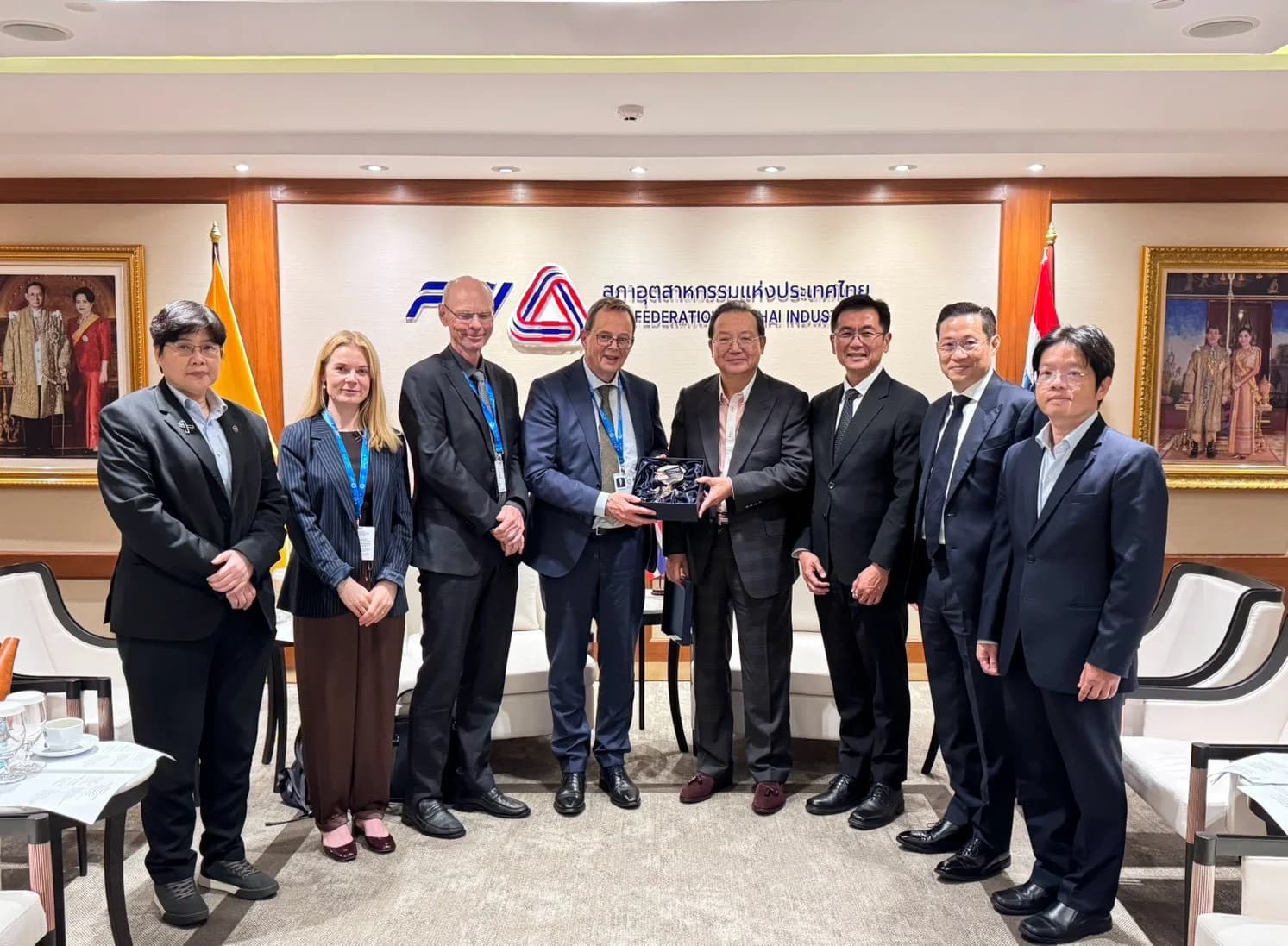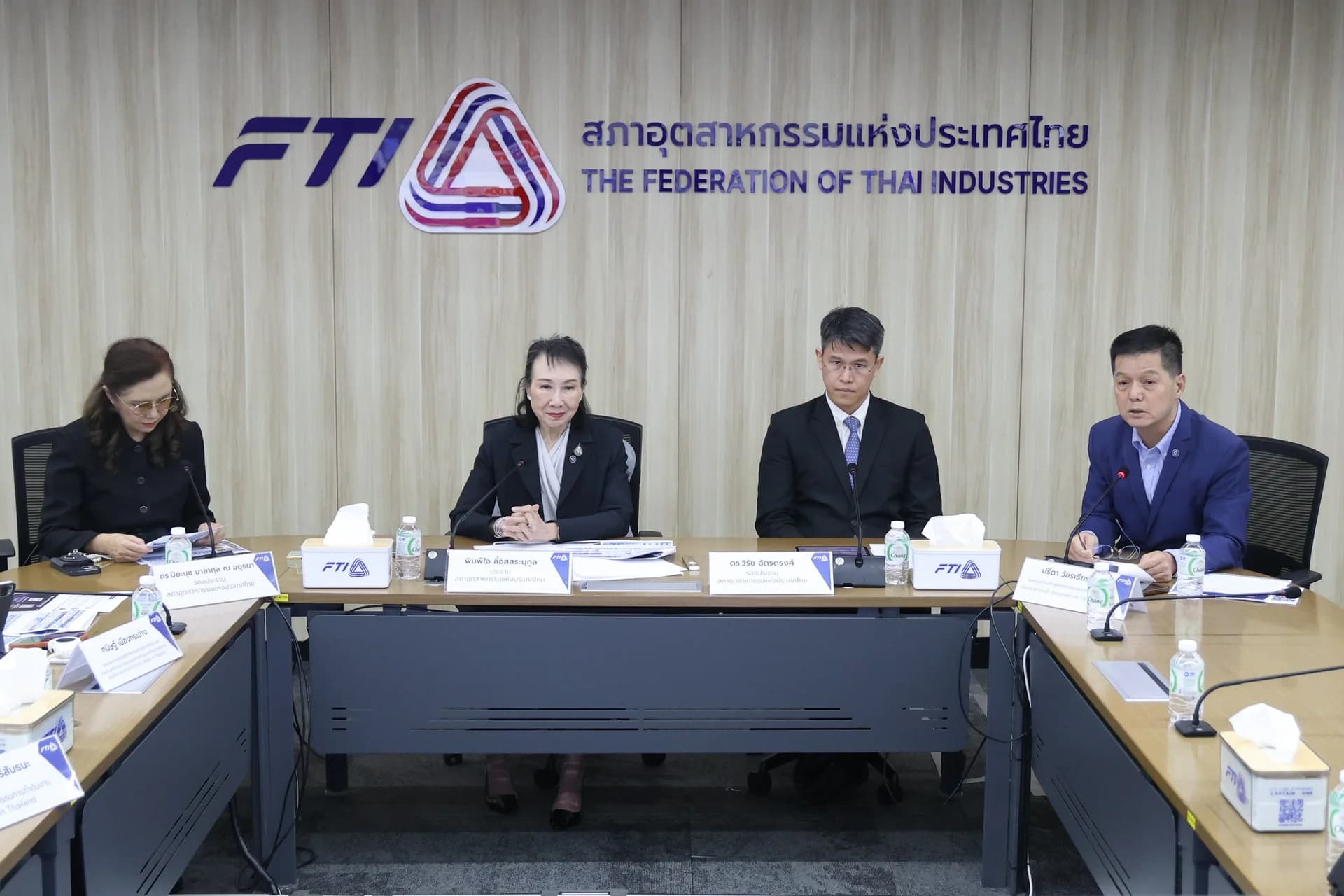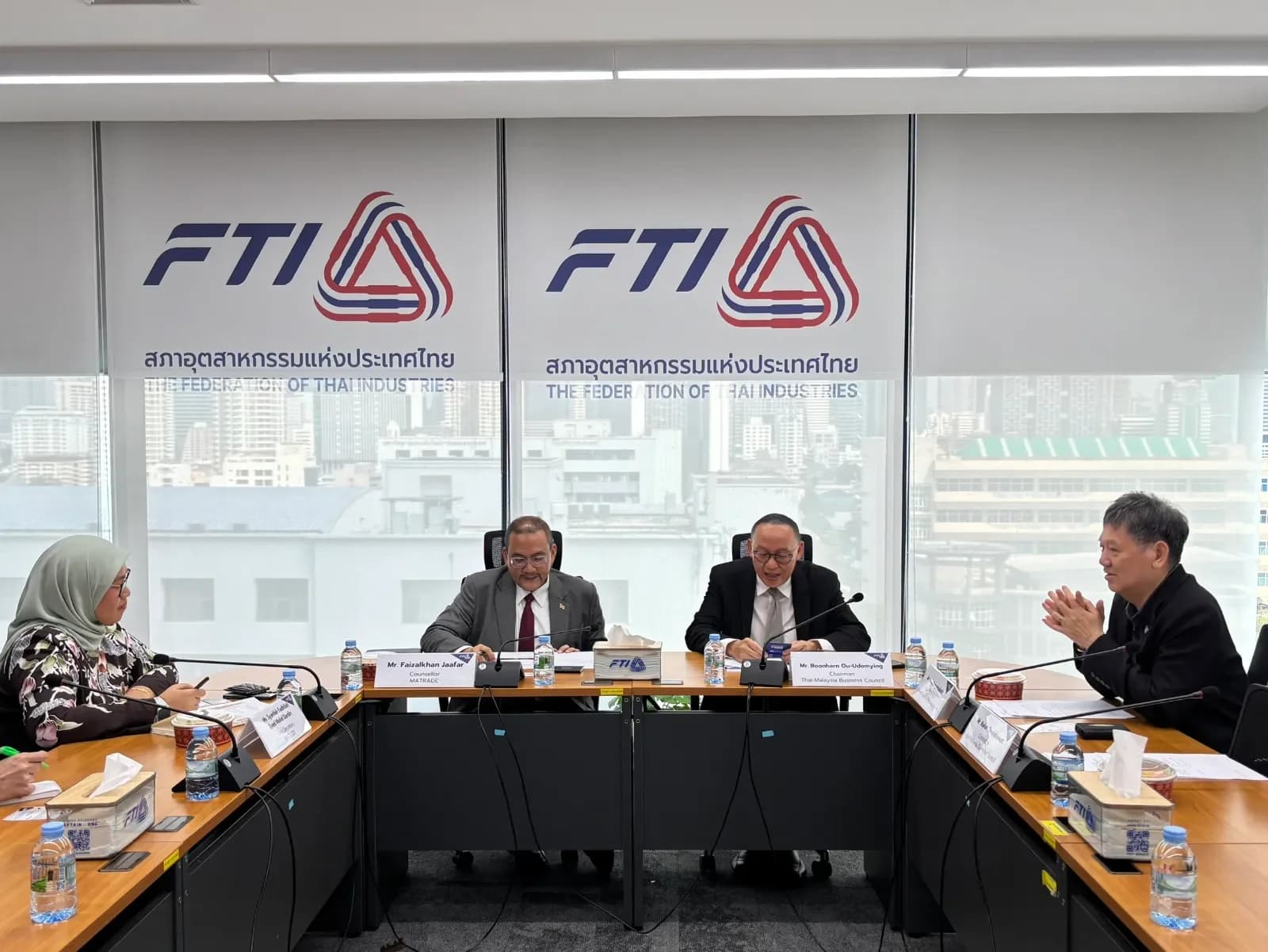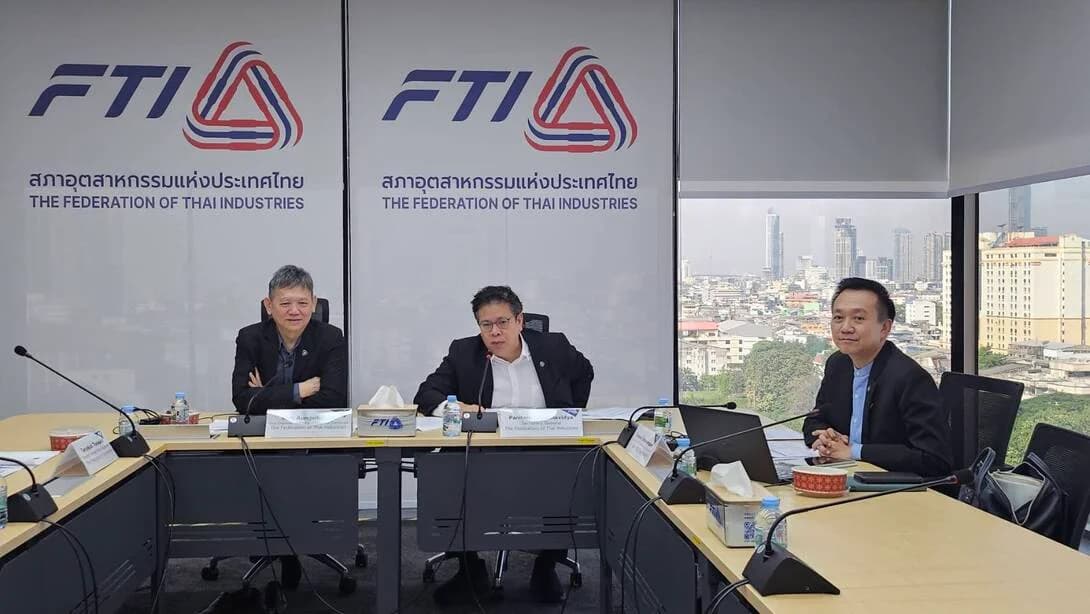
วันที่ 14 กรกฎาคม 2569 นางพิมพ์ใจ ลี้อิสสระนุกูล ประธานสภาอุตสาหกรรมแห่งประเทศไทย (ส.อ.ท.) ให้การต้อนรับคณะผู้แทนจาก Japanese Chamber of Commerce, Bangkok (JCC) นำโดย นาย Noriaki Yamashita JCC Vice President/Automobile Division Chair และคณะ เพื่อหารือแนวทางความร่วมมือในการขับเคลื่อนอุตสาหกรรมยานยนต์ไทย พร้อมรวบรวมข้อเสนอเชิงนโยบายเสนอต่อรัฐบาล เพื่อรองรับการเปลี่ยนแปลงของเทคโนโลยีและเศรษฐกิจโลก ณ ห้อง 802 ส.อ.ท.
นอกจากนี้ ยังมีผู้แทนจากทั้งสองฝ่ายเข้าร่วมหารือ ได้แก่ นายปณิธาน ปวโรฬารวิทยา เลขาธิการ ส.อ.ท. ภก.ดร. นิลสุวรรณ ลีลารัศมี รองประธาน ส.อ.ท. นายถาวร ชลัษเฐียร รองประธาน ส.อ.ท. และประธานสถาบันเสริมสร้างขีดความสามารถมนุษย์ นายสุวัชร์ ศุภกาญจน์เดชากุล รองประธาน ส.อ.ท. และประธานกลุ่มอุตสาหกรรมยานยนต์ นายสุพจน์ สุขพิศาล กรรมการบริหาร ส.อ.ท. นายชญานินทร์ โพธิวรคุณ กรรมการสายงานกิจการต่างประเทศ และประธานกลุ่มฯ ไฟฟ้าและอิเล็กทรอนิกส์
ส.อ.ท. ได้นำเสนอนโยบาย "The New Chapter of Thai Industry: Empowering Growth with 5I" โดยเน้น 3 ด้านที่เกี่ยวข้องกับอุตสาหกรรมยานยนต์ ได้แก่ I1: Intelligent Industry การยกระดับการผลิตด้วย AI ระบบอัตโนมัติ และ Smart Manufacturing I2: Innovation & Creative Industry การสร้างนวัตกรรมและเพิ่มมูลค่าผลิตภัณฑ์ เพื่อก้าวสู่การพัฒนาเทคโนโลยีและแบรนด์ของไทย และ I3: International Alliance & Network การสร้างความร่วมมือกับพันธมิตรต่างประเทศ เพื่อส่งเสริมการลงทุน การถ่ายทอดเทคโนโลยี และเชื่อมโยงห่วงโซ่อุปทานระดับโลก
นอกจากนี้ ส.อ.ท. ยังได้นำเสนอข้อเสนอในการฟื้นฟูตลาดยานยนต์ ซึ่งเป็น Champion Product ของประเทศไทย โดยเสนอให้ภาครัฐพิจารณามาตรการกระตุ้นการซื้อรถยนต์ อาทิ การลดหย่อนภาษีเงินได้ โครงการรถเก่าแลกรถใหม่ (Trade-in Program) การผ่อนปรนหลักเกณฑ์สินเชื่อ และการส่งเสริมการใช้เชื้อเพลิง Biodiesel B20 เพื่อกระตุ้นการผลิตภายในประเทศและรักษาการจ้างงานในอุตสาหกรรม
ด้านคณะผู้แทน JCC ได้สะท้อนข้อเสนอแนะเกี่ยวกับการรักษาฐานการผลิตยานยนต์ของประเทศไทย โดยเสนอให้พิจารณาความเหมาะสมของมาตรการด้านภาษีและกฎระเบียบ การเจรจาความตกลงการค้าเสรี (FTA) เพื่อเทียบเท่ากับ FTA ที่ส่งเสริมอุตสาหกรรมภายในประเทศ รวมถึงการส่งเสริมสิทธิประโยชน์ด้านการส่งออก เพื่อเพิ่มขีดความสามารถในการแข่งขันของอุตสาหกรรมไทยในตลาดโลก
ทั้งสองฝ่าย ยืนยันความพร้อมในการสานต่อความร่วมมืออย่างใกล้ชิด และจะร่วมกันผลักดันข้อเสนอเชิงนโยบายต่อภาครัฐ เพื่อเสริมสร้างความแข็งแกร่งให้กับอุตสาหกรรมยานยนต์ไทย และขับเคลื่อนประเทศสู่การเป็นศูนย์กลางการผลิตยานยนต์แห่งอนาคตของภูมิภาค
On July 14, 2026, Mrs. Pimjai Leeissaranukul, President of the Federation of Thai Industries (FTI), welcomed a delegation from the Japanese Chamber of Commerce, Bangkok (JCC), led by Mr. Noriaki Yamashita, JCC Vice President/Automobile Division Chair, to discuss collaboration strategies for driving Thailand's automotive industry, while also compiling policy proposals to present to the government to accommodate ongoing changes in technology and the global economy in Room 802 of the FTI.
Additionally, representatives from both sides participated in the discussions, including Mr. Panithan Pawarolravit, Secretary-General of FTI; Dr. Nilsuwan Leelaratsamee, Vice President of FTI; Mr. Thaworn Chalathian, Vice President of FTI and President of the Institute for Human Capability Enhancement; Mr. Suwatch Supakarn-dechakul, Vice President of FTI and President of the Automotive Industry Group; Mr. Supachai Sukpisan, FTI Executive Board Member; and Mr. Chayanin Podhiwakun, Director of International Affairs and President of the Electrical and Electronics Group.
FTI presented the policy "The New Chapter of Thai Industry: Empowering Growth with 5I," focusing on three areas relevant to the automotive industry: I1: Intelligent Industry—enhancing production through AI, automation, and Smart Manufacturing; I2: Innovation & Creative Industry—creating innovations and increasing product value to advance Thai technology development and branding; and I3: International Alliance & Network—building collaborations with international partners to promote investment, technology transfer, and connect global supply chains.
Moreover, FTI proposed initiatives to revitalize the automotive market, which is a Champion Product of Thailand, suggesting the government consider measures to stimulate car purchases, such as personal income tax reductions, the Trade-in Program, easing lending criteria, and promoting the use of Biodiesel B20 to stimulate domestic production and maintain employment within the industry.
The JCC delegation reflected suggestions regarding maintaining Thailand's automotive production base, advocating for consideration of appropriate tax measures and regulations, negotiating Free Trade Agreements (FTAs) to align with FTAs that promote domestic industry, and enhancing export incentives to increase the competitiveness of the Thai industry in the global market.
Both parties confirmed their readiness to continue close cooperation and will jointly promote policy proposals to the government to strengthen Thailand's automotive industry and drive the country towards becoming a hub for future automotive manufacturing in the region.