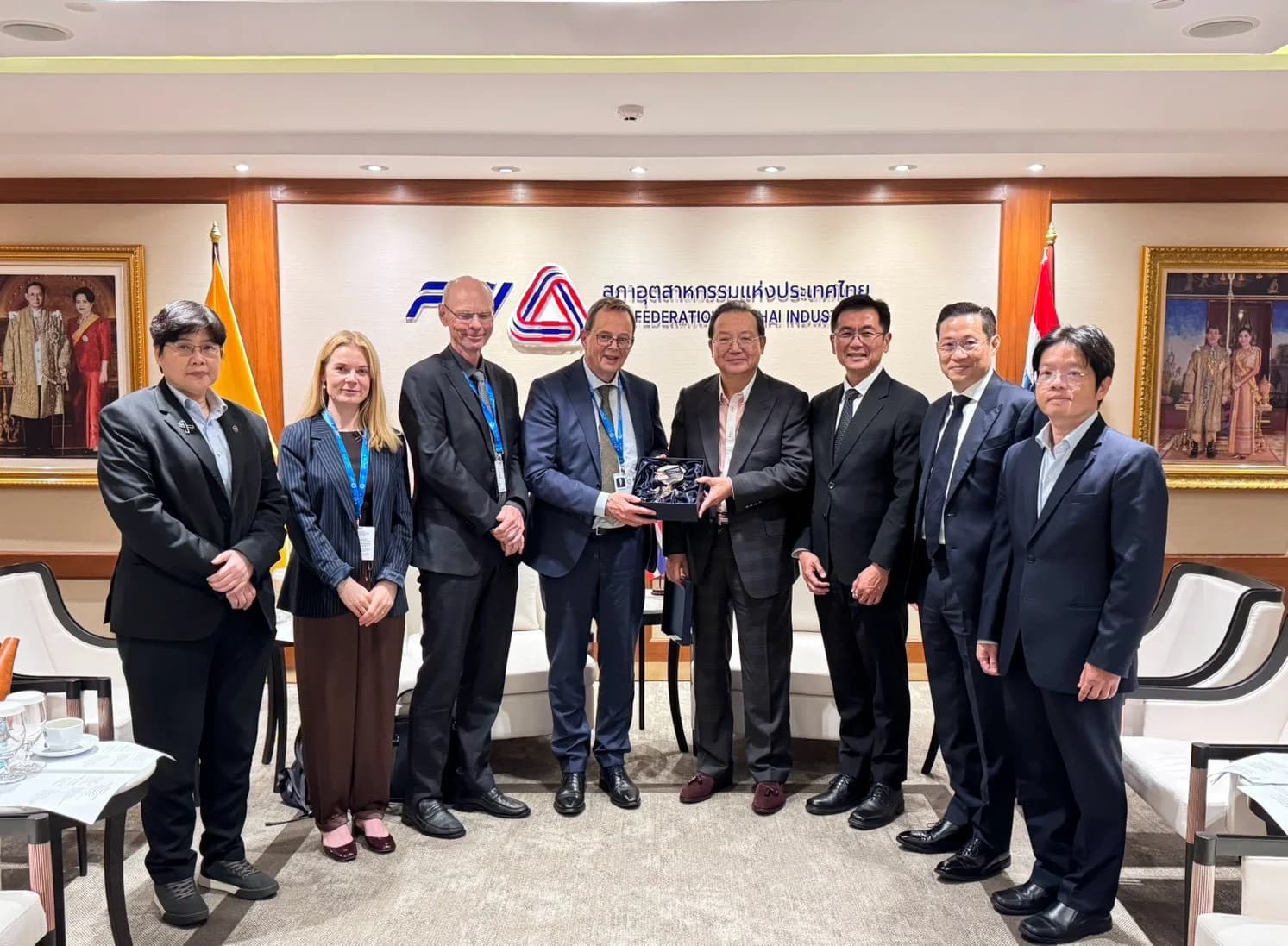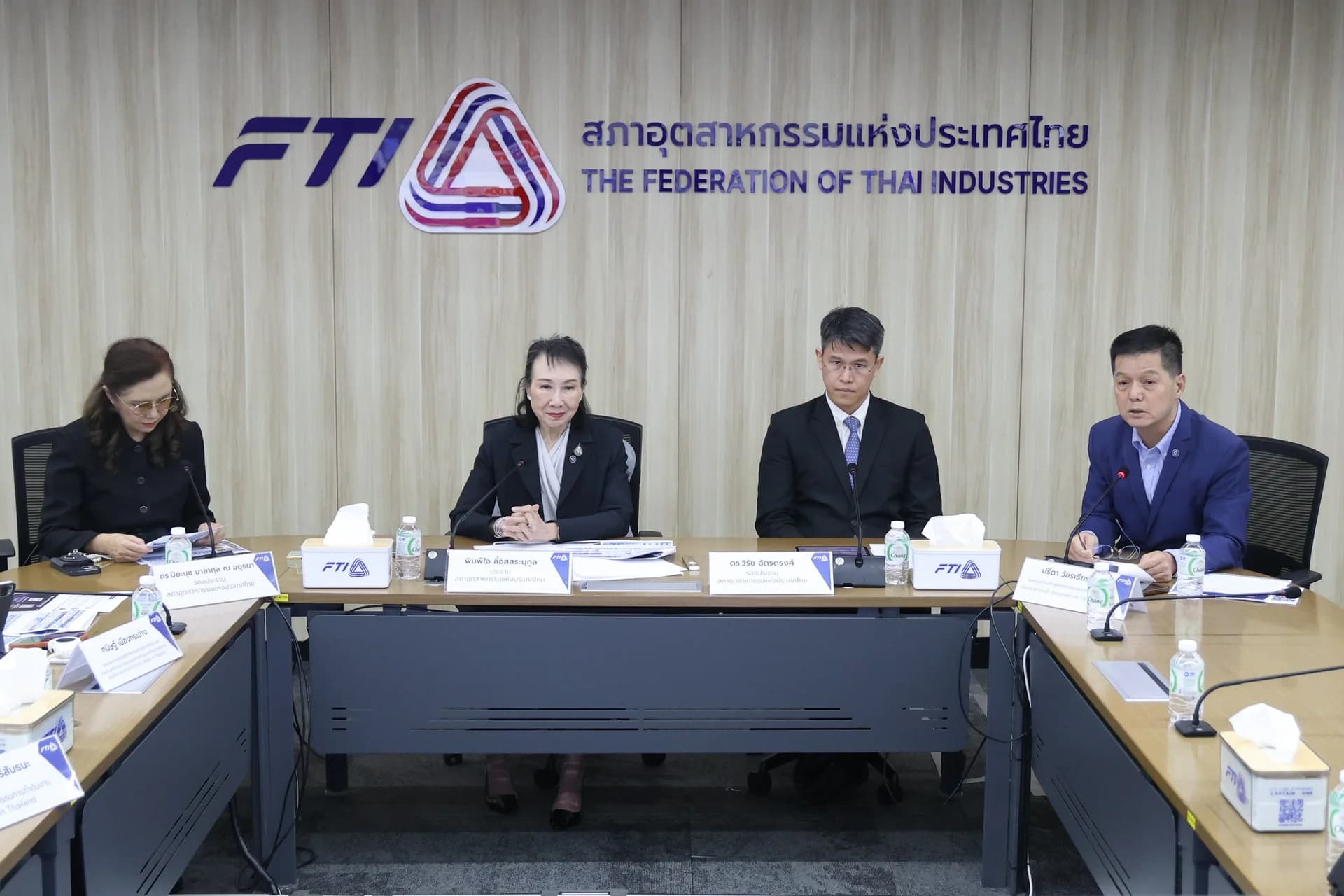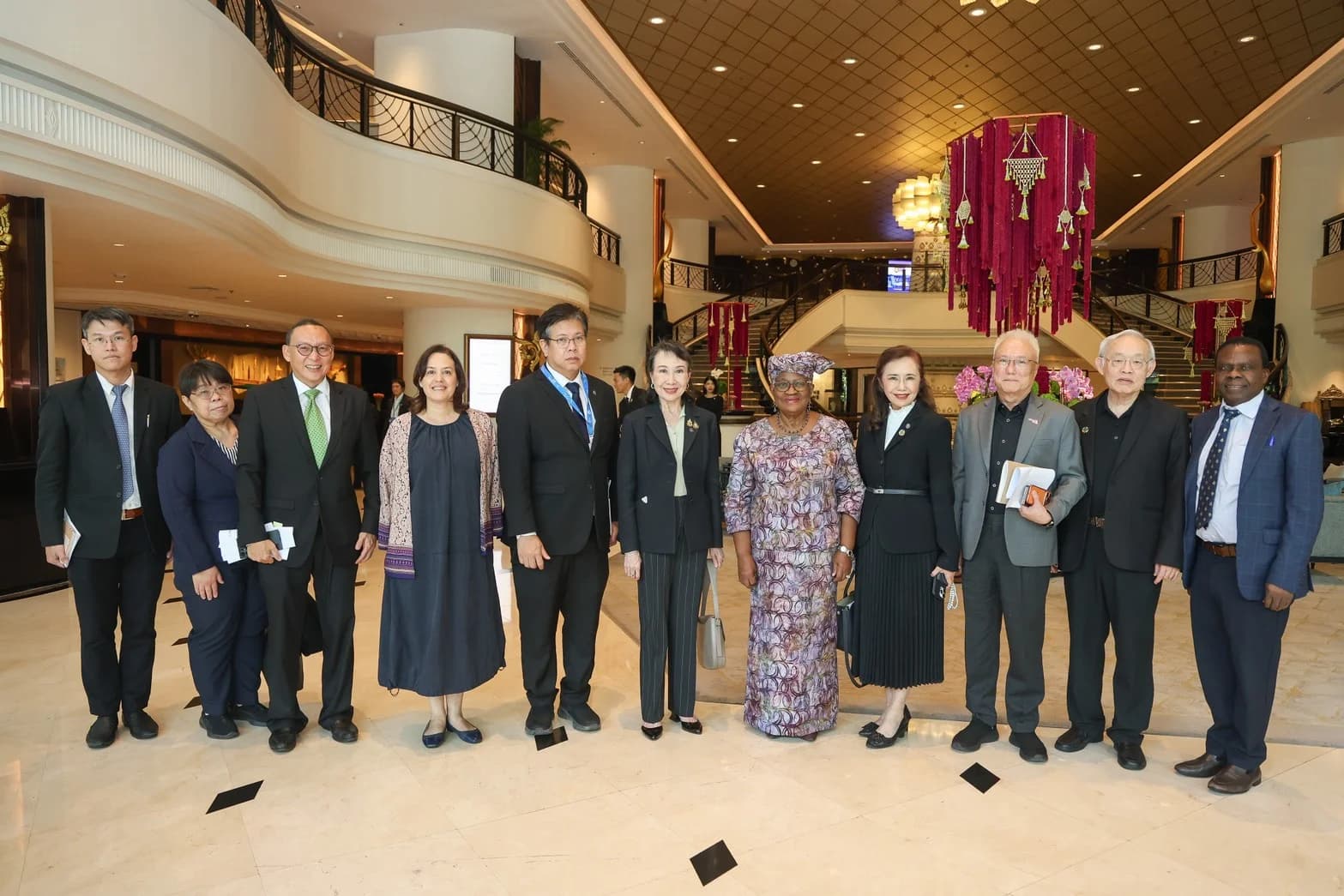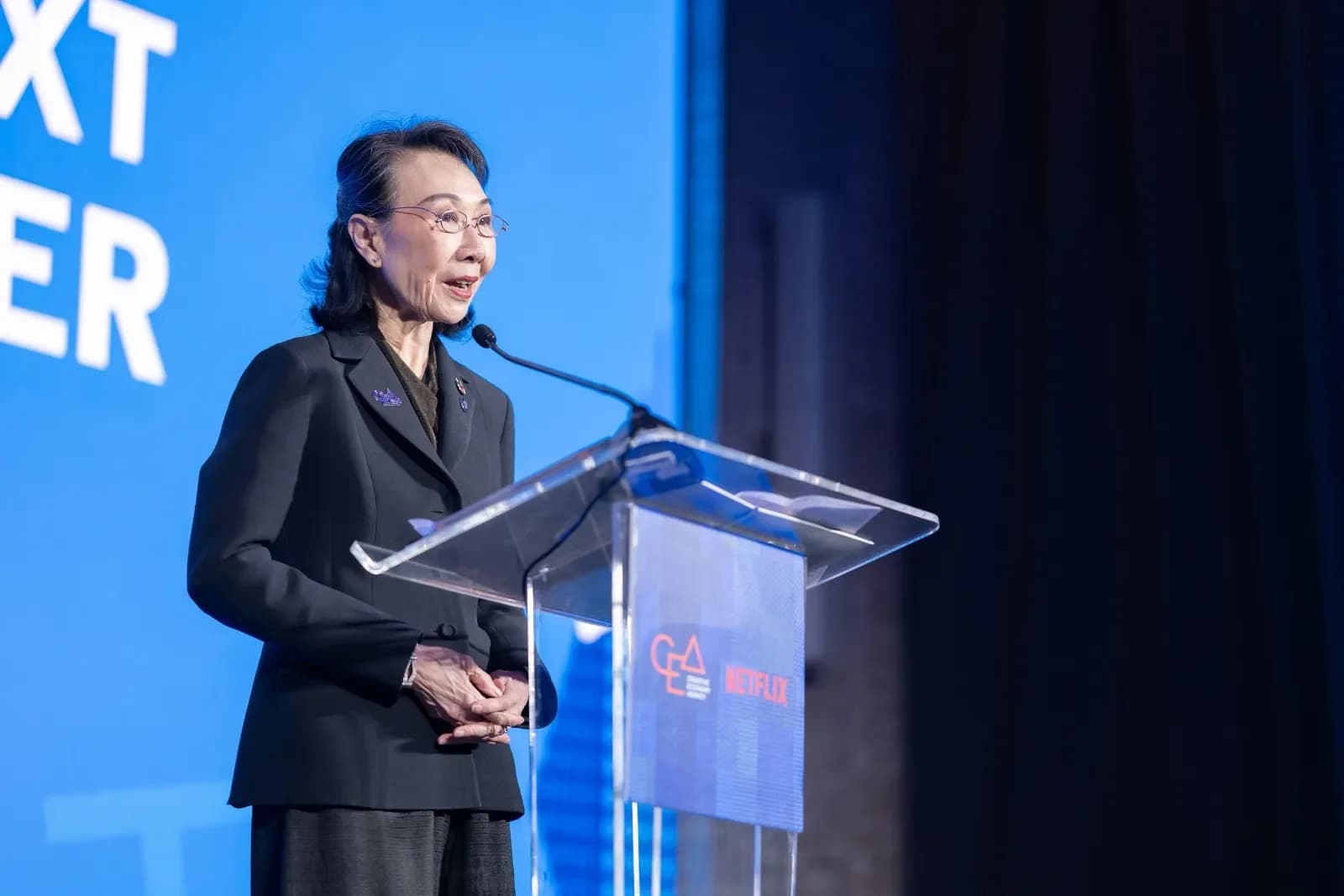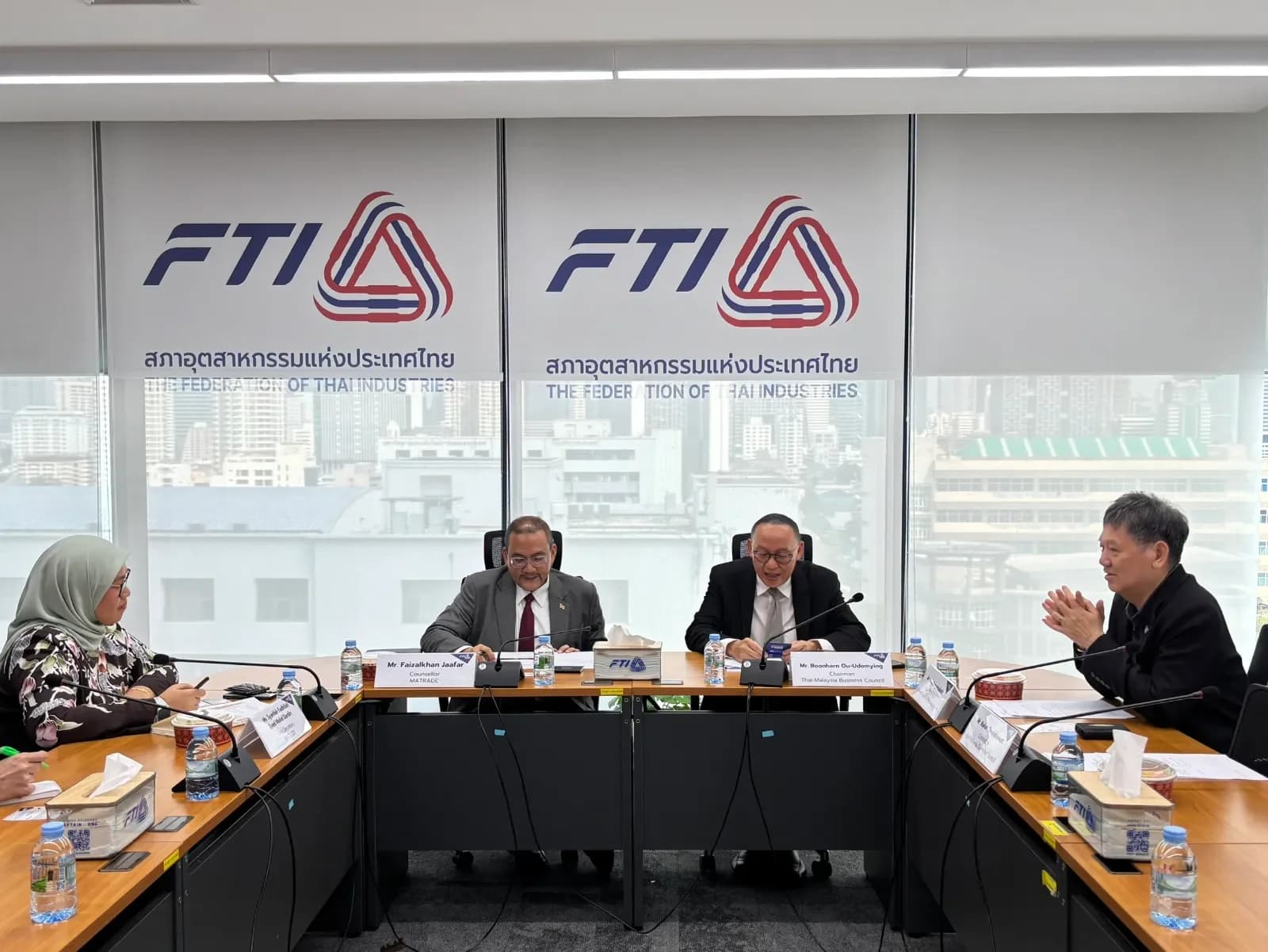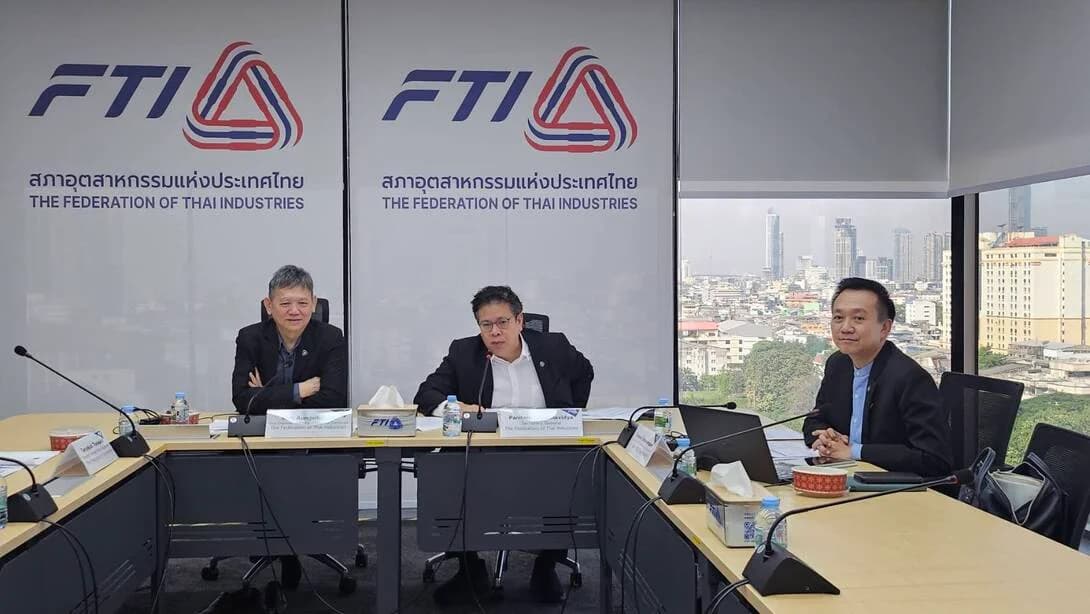

เมื่อวันที่ 14 กรกฎาคม 2569 นางพิมพ์ใจ ลี้อิสสระนุกูล ประธานสภาอุตสาหกรรมแห่งประเทศไทย (ส.อ.ท.) ได้ร่วมหารือกับ ดร.กริช อึ้งวิฑูรสถิตย์ ประธานสภาธุรกิจไทย-เมียนมา นายธนวัฒน์ จิตบรรเทิงพันธ์ กรรมการเลขาธิการสภาธุรกิจไทย-เมียนมา ดร.กฤษฎา ประเสริฐสุโข กรรมการสภาธุรกิจไทย-เมียนมา และนายวิชัย เข็มทองคำ กรรมการสภาธุรกิจไทย-เมียนมา ถึงสถานการณ์และแนวโน้มเศรษฐกิจของประเทศเมียนมา เพื่อประเมินและพิจารณาการวางยุทธศาสตร์ทางธุรกิจของไทย ณ ส.อ.ท.
นางพิมพ์ใจ มีความห่วงใยต่อภาพรวมการค้าระหว่างไทยกับประเทศเพื่อนบ้าน โดยเห็นว่าประเทศเมียนมายังคงมีความสำคัญทางการค้ากับไทย แม้ปัจจุบันจะมีข้อจำกัดและอุปสรรคเพิ่มมากขึ้น ทั้งการปรับเปลี่ยนมาตรการควบคุมการนำเข้าที่เข้มงวด ปัญหาการขาดแคลนแรงงานในประเทศเมียนมา และความผันผวนด้านพลังงานไฟฟ้าภายในประเทศ เป็นต้น
ดร.กริชฯ ให้ข้อมูลว่า ที่ผ่านมาจนถึงปัจจุบัน สินค้าจากต่างประเทศ รวมถึงสินค้าจากประเทศไทย ยังต้องเผชิญกับข้อจำกัดในเรื่องการขอใบอนุญาตนำเข้าสินค้าจากรัฐบาลเมียนมา (Import Permit) ซึ่งออกได้ยากขึ้นจากมาตรการที่เข้มงวด โดยผู้นำเข้าของประเทศเมียนมาต้องยื่นสำแดงมูลค่าการส่งออก (Export Earning Money) เพื่อประกอบการยื่นขอใบอนุญาตนำเข้า ส่งผลให้มูลค่าการส่งออกสินค้าไทยไปยังเมียนมาลดลงอย่างมาก ทำให้สินค้าไทยจำนวนมากลดหายไปจากตลาดภายในประเทศเมียนมา โดยสินค้าบางประเภทถูกทดแทนด้วยสินค้าที่ติดฉลากและผลิตในเมียนมา
นางพิมพ์ใจ ได้เสนอให้สภาธุรกิจไทย-เมียนมาศึกษารายละเอียดเชิงลึกในแต่ละมิติ โดยเฉพาะแนวคิดและแนวทางที่ภาคธุรกิจไทยควรดำเนินการ เพื่อนำมาพิจารณากำหนดยุทธศาสตร์ด้านต่าง ๆ และนำเสนอต่อรัฐบาลและหน่วยงานภาครัฐ
On July 14, 2026, Ms. Pimjai Leeissaranukul, Chairwoman of the Federation of Thai Industries (FTI), held discussions with Dr. Krit Uengwitoonrat, Chairman of the Thailand-Myanmar Business Council, Mr. Thanawat Jitbanthongpan, Secretary General of the Thailand-Myanmar Business Council, Dr. Kritsada Prasertsukho, Director of the Thailand-Myanmar Business Council, and Mr. Wichai Khemthongkham, Director of the Thailand-Myanmar Business Council regarding the economic situation and trends in Myanmar. This meeting aimed to assess and consider the business strategy formulation for Thailand at FTI.
Ms. Pimjai expressed concern regarding the overall trade dynamics between Thailand and its neighboring countries, noting that Myanmar continues to be significant for Thai trade. Despite this, she acknowledged the increasing restrictions and obstacles, such as stricter import control measures, labor shortages within Myanmar, and fluctuations in domestic electricity supply.
Dr. Krit indicated that up until the present, goods from abroad, including those from Thailand, have faced restrictions when applying for import permits from the Myanmar government. These permits have become increasingly difficult to obtain due to stringent regulations. Importers in Myanmar are now required to declare export earning money in order to support their import permit applications, resulting in a substantial decline in the value of Thai exports to Myanmar, causing many Thai products to disappear from the Myanmar market. Some products have been replaced by items labeled and produced within Myanmar.
Ms. Pimjai proposed that the Thailand-Myanmar Business Council conduct in-depth studies in various dimensions, particularly regarding ideas and strategies that the Thai business sector should pursue to be considered for the formulation of various strategies to present to the government and relevant public agencies.