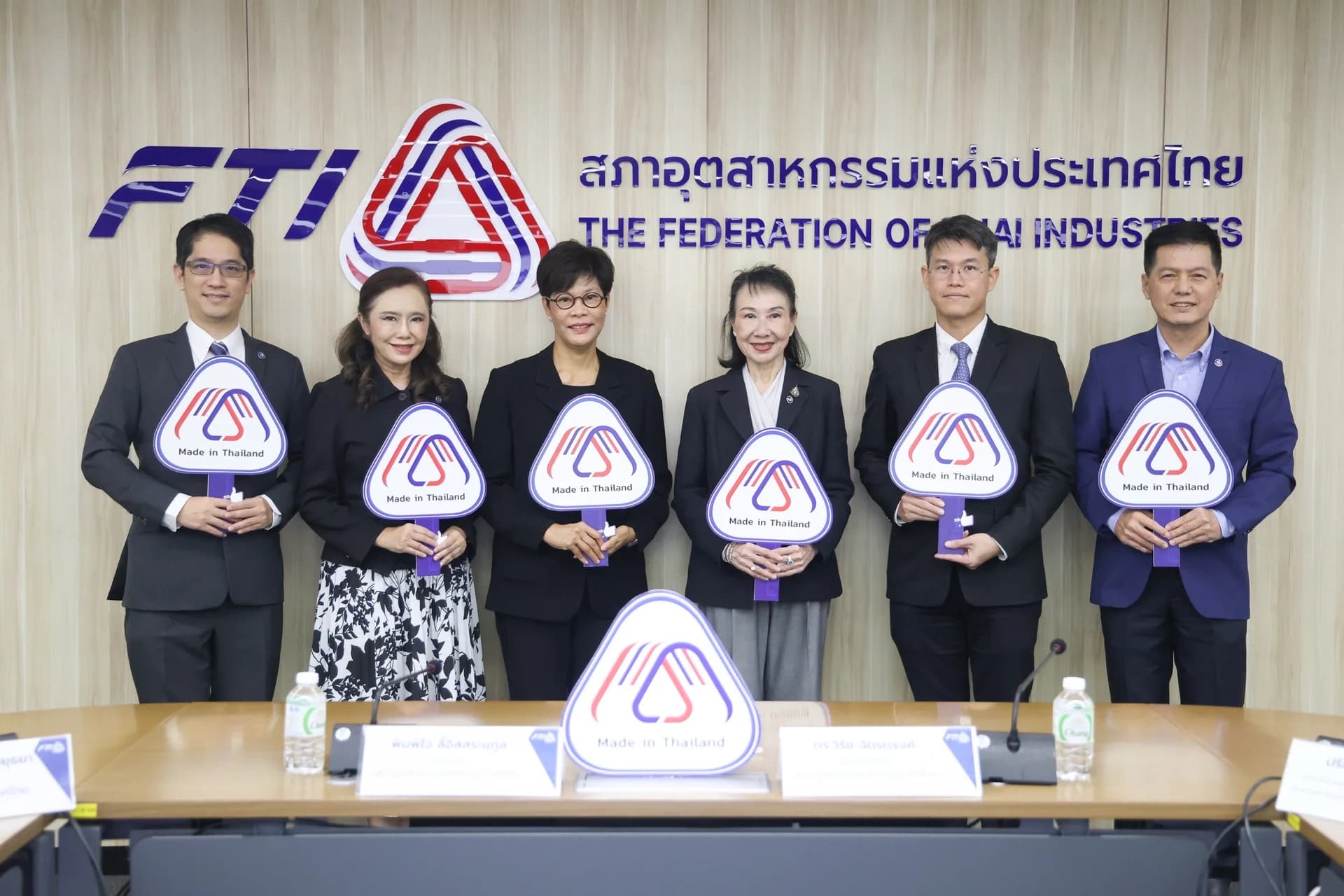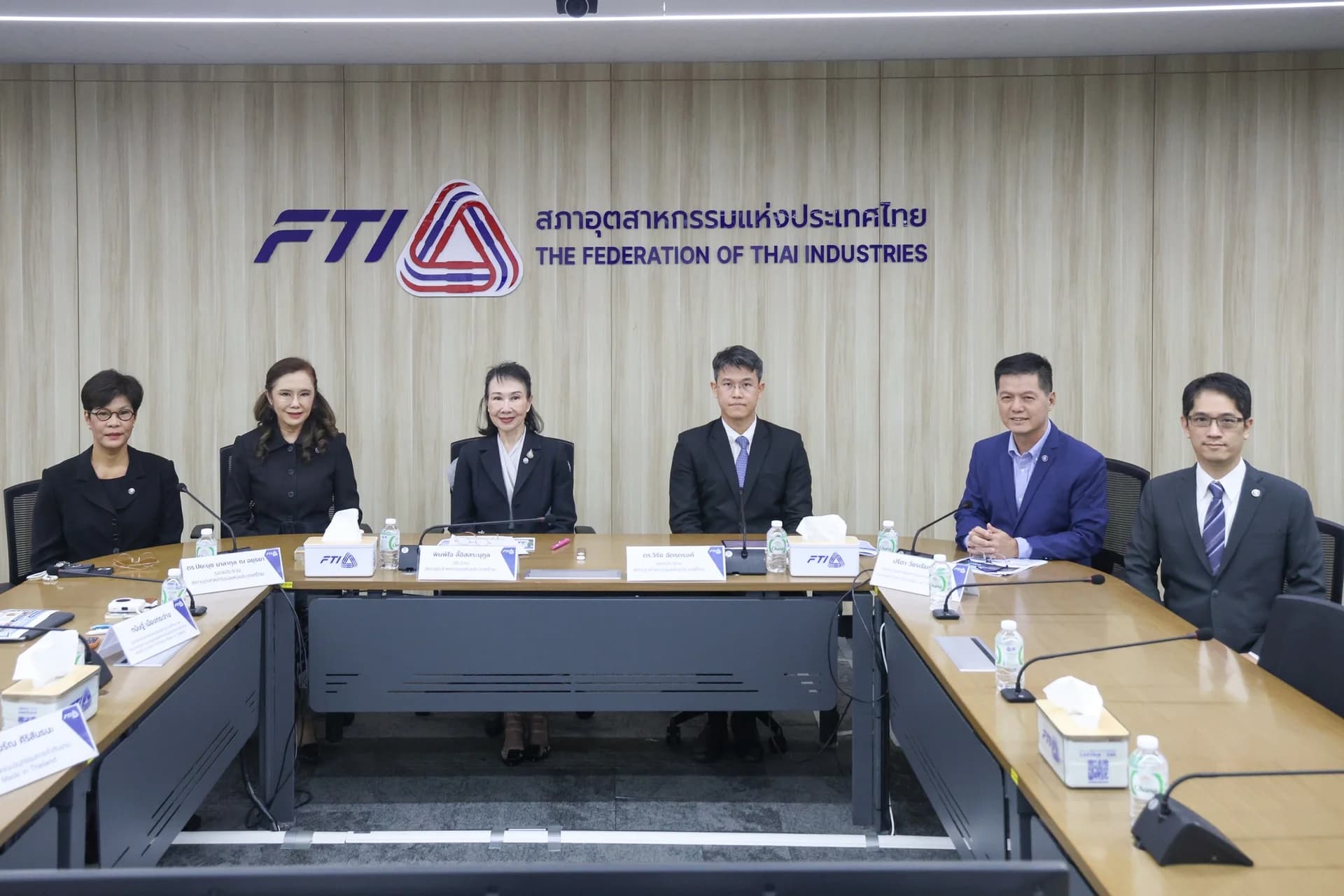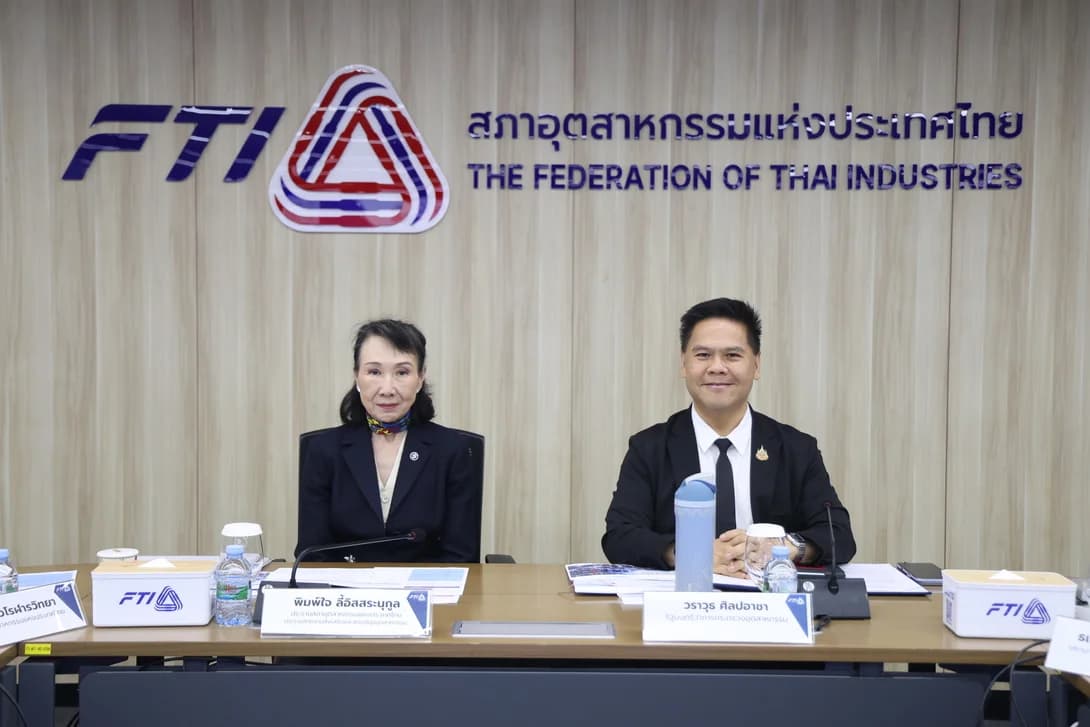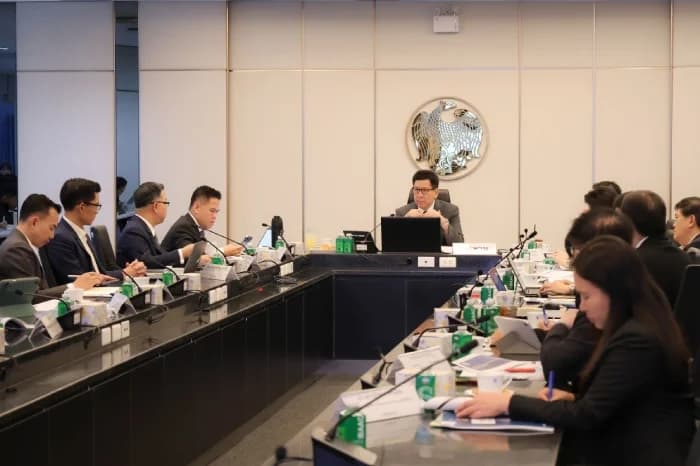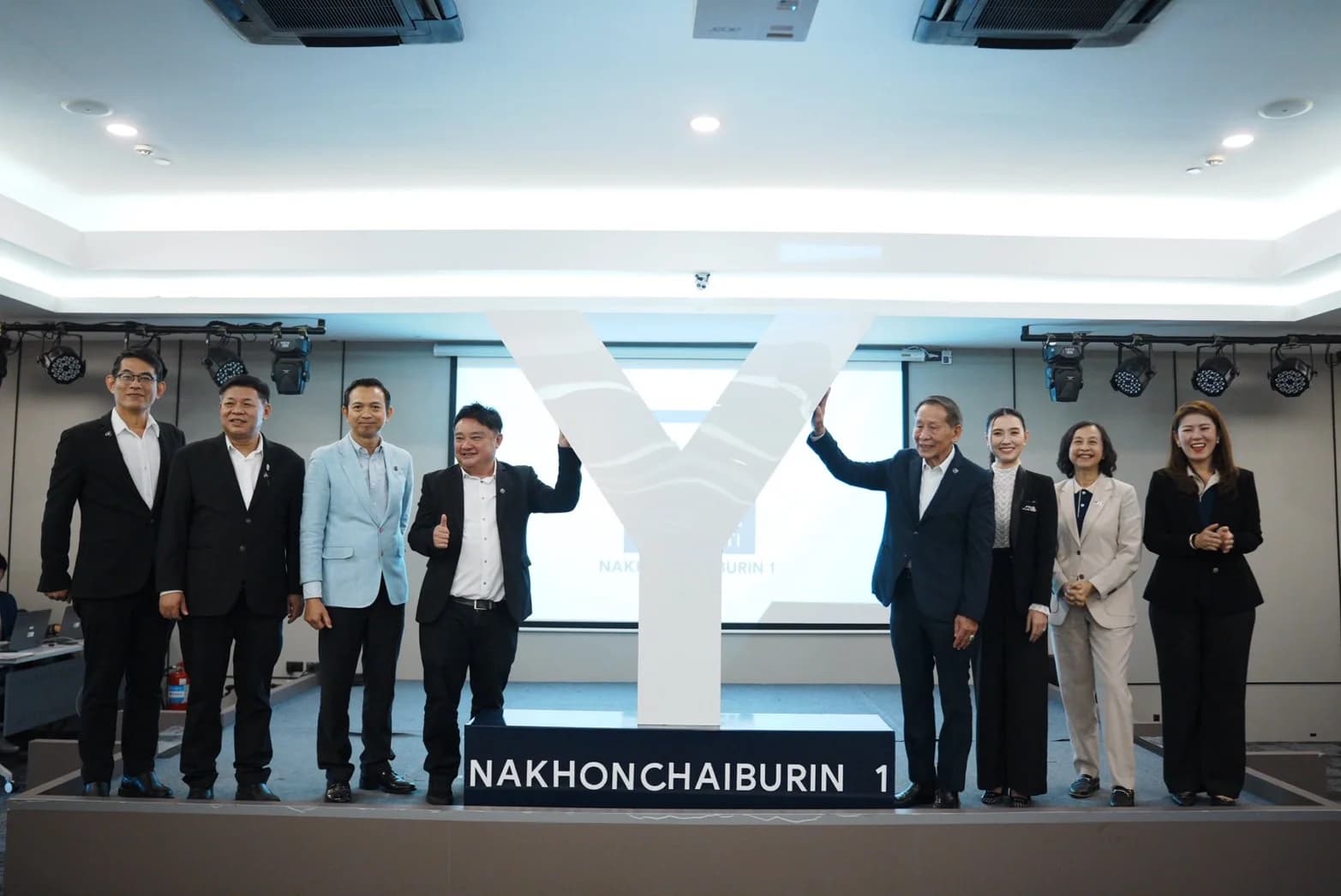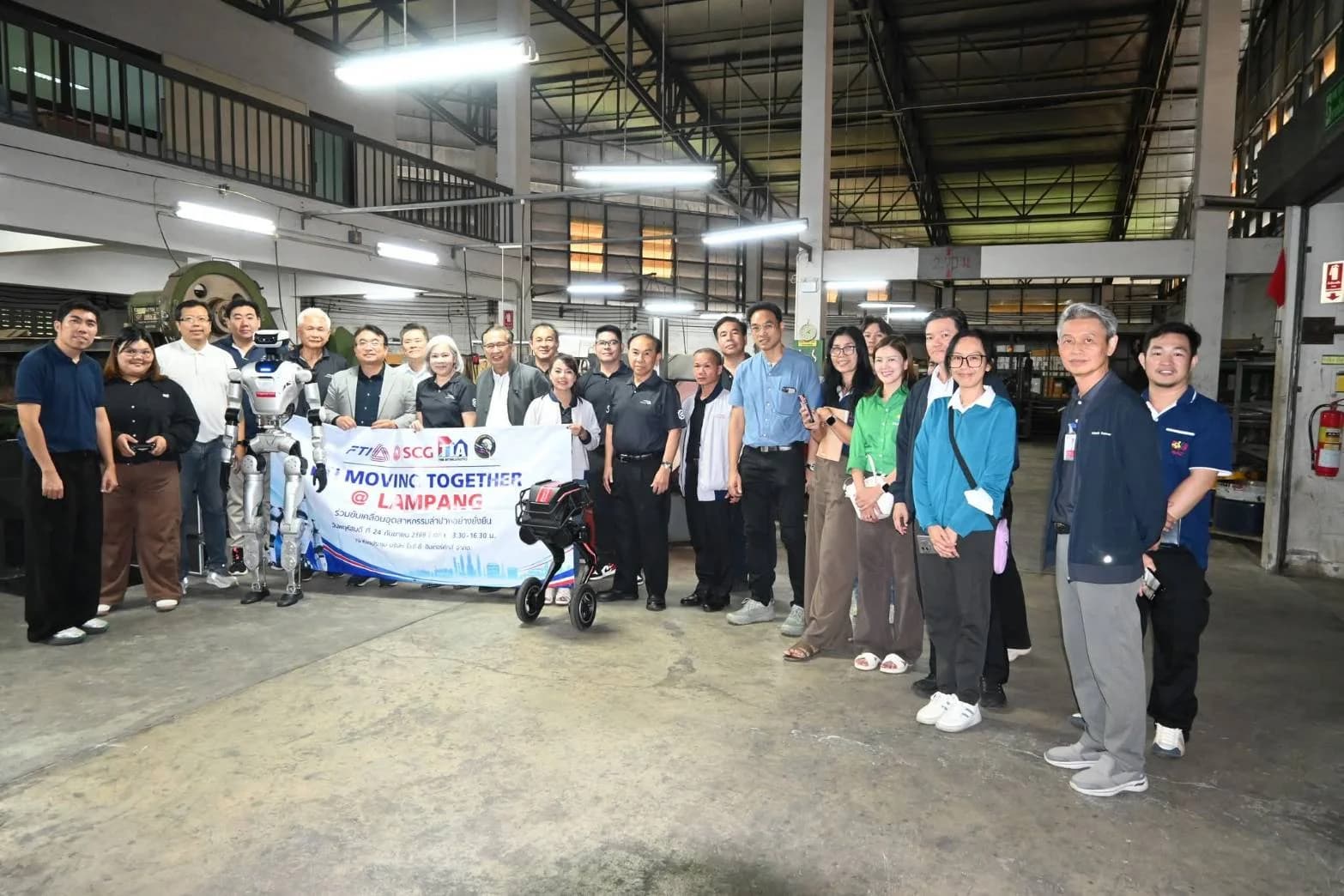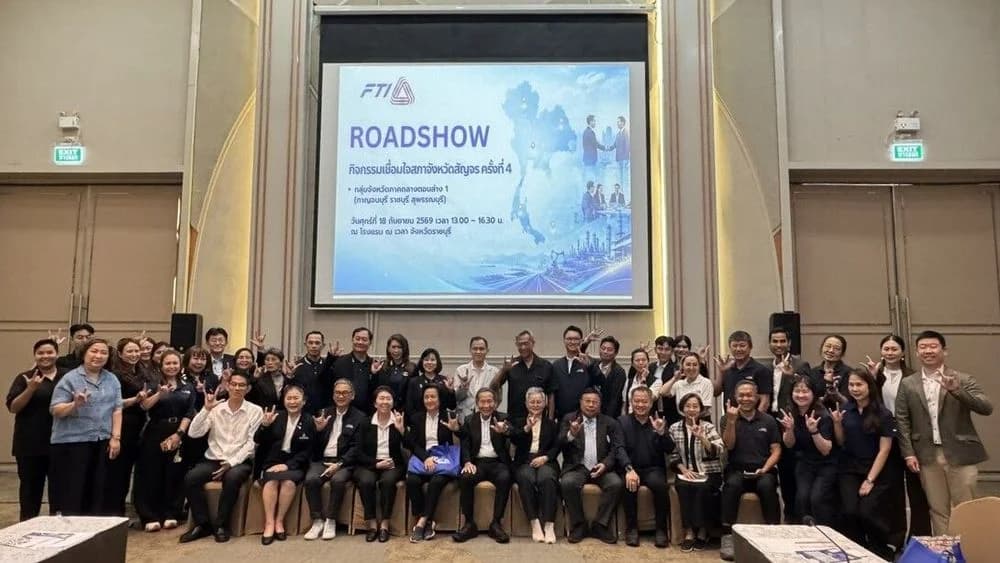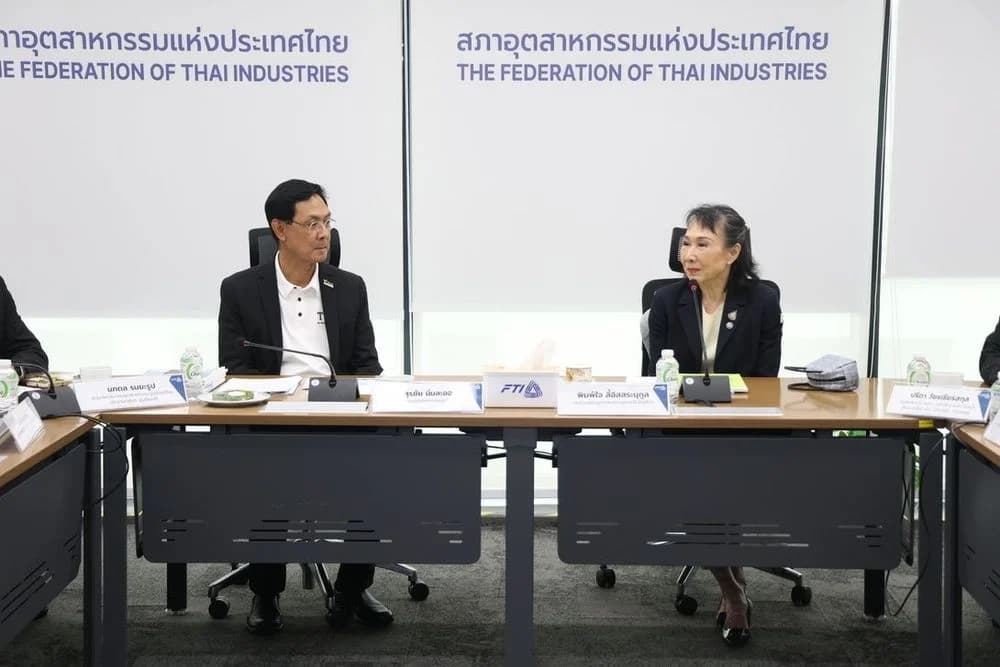

เมื่อวันพฤหัสบดีที่ 24 กรกฎาคม 2568 นายเกรียงไกร เธียรนุกุล ประธานสภาอุตสาหกรรมแห่งประเทศไทย (ส.อ.ท.) พร้อมด้วยคณะกรรมการ ส.อ.ท. ให้การต้อนรับและร่วมแสดงความยินดีกับนายจตุพร บุรุษพัฒน์ รัฐมนตรีว่าการกระทรวงพาณิชย์ และนายฉันทวิชญ์ ตัณฑสิทธิ์ รัฐมนตรีช่วยว่าการกระทรวงพาณิชย์ ในโอกาสเข้ารับตำแหน่งใหม่ พร้อมหารือแนวทางการขับเคลื่อนความร่วมมือระหว่างภาครัฐและภาคเอกชน ณ ห้องประชุม Passion (802) ชั้น 8 สภาอุตสาหกรรมแห่งประเทศไทย
นายจตุพร บุรุษพัฒน์ รัฐมนตรีว่าการกระทรวงพาณิชย์ กล่าวว่า ขณะนี้ประเทศไทยกำลังเผชิญความท้าทายด้านการส่งออก ทั้งจากกลไกและกฎเกณฑ์ทางการค้าที่แตกต่างกันในแต่ละประเทศ รวมถึงปัญหาภูมิรัฐศาสตร์ที่กระทบผู้ประกอบการโดยตรง อีกทั้งยังมีความเสี่ยงจากการเปลี่ยนแปลงสภาพภูมิอากาศ ซึ่งส่งผลต่อการผลิตและภาคการเกษตร ดังนั้น การหารือในครั้งนี้ ถือเป็นโอกาสดีในการทำงานร่วมกันอย่างใกล้ชิด เพื่อหาทางออกและแก้ไขปัญหาได้อย่างตรงจุด
ด้านนายเกรียงไกร เธียรนุกุล ประธานสภาอุตสาหกรรมแห่งประเทศไทย (ส.อ.ท.) กล่าวว่า ปัจจุบันสภาอุตสาหกรรมแห่งประเทศไทยมีหน้าที่กำกับดูแล 47 กลุ่มอุตสาหกรรม 11 คลัสเตอร์ และ 76 สภาอุตสาหกรรมจังหวัด ภายใต้นโยบาย ONE FTI (One Vision, One Team, One Goal) ซึ่งหมายถึงการมีวิสัยทัศน์เดียวกัน (One Vision)
การทำงานเป็นทีมเดียวกัน (One Team) และการมุ่งไปสู่เป้าหมายเดียวกัน (One Goal)
นโยบายนี้ มีเป้าหมายเพื่อรวมพลังทุกภาคส่วนของอุตสาหกรรมไทยให้มีความเป็นเอกภาพและเดินไปในทิศทางเดียวกัน
นอกจากนี้ ส.อ.ท. ยังให้ความสำคัญกับการยกระดับผู้ประกอบการวิสาหกิจขนาดกลางและขนาดย่อม (SMEs) ซึ่งถือเป็นกลุ่มธุรกิจหลักที่มีบทบาทสำคัญต่อเศรษฐกิจไทย ผ่าน กลยุทธ์ 4GO ซึ่งประกอบด้วย
GO Digital & AI – สนับสนุนให้ผู้ประกอบการนำเทคโนโลยีดิจิทัลและปัญญาประดิษฐ์ (AI) มาปรับใช้ เพื่อเพิ่มประสิทธิภาพการผลิต การบริหารจัดการ และการบริการลูกค้า ให้ทันต่อการเปลี่ยนแปลงของยุคดิจิทัล
GO Innovation – ส่งเสริมให้เกิดนวัตกรรมใหม่ ๆ ในกระบวนการผลิต สินค้า และบริการ เพื่อสร้างความแตกต่างและเพิ่มมูลค่าให้กับธุรกิจไทย
GO Global – ผลักดันผู้ประกอบการให้สามารถขยายตลาดไปยังต่างประเทศ ทั้งการส่งออก การร่วมลงทุน และการสร้างเครือข่ายพันธมิตรทางธุรกิจในระดับสากล
GO Green – เน้นการพัฒนาอุตสาหกรรมที่เป็นมิตรกับสิ่งแวดล้อม ลดการปล่อยคาร์บอน และใช้ทรัพยากรอย่างยั่งยืน เพื่อให้สอดคล้องกับเป้าหมายการพัฒนาอย่างยั่งยืน (SDGs)
ทั้งหมดนี้สะท้อนถึงบทบาทของ ส.อ.ท. ในการเป็นศูนย์กลางในการพัฒนาอุตสาหกรรมไทยให้เติบโตอย่างเข้มแข็ง ทันสมัย และยั่งยืนในระดับโลก
นายอภิชิต ประสพรัตน์ รองประธานสภาอุตสาหกรรมแห่งประเทศไทย และประธานสถาบันวิสาหกิจขนาดกลางและขนาดย่อมอุตสาหกรรมการผลิต (SMI) กล่าวเสริมว่า ส.อ.ท. มีเป้าหมายสนับสนุนการดำเนินงานของกระทรวงพาณิชย์ในหลายด้าน เช่น การบูรณาการหลักสูตรและกิจกรรมส่งเสริมการค้าระหว่างประเทศกับภาคเอกชน การขยายโครงการ SME Pro-active ตลอดจนการจัดตั้งศูนย์ให้คำปรึกษาด้านการตลาดและการส่งออกแบบครบวงจร
นายนาวา จันทนสุรคน รองประธานสภาอุตสาหกรรมแห่งประเทศไทย (ส.อ.ท.) ระบุว่า สินค้าส่งออกสำคัญของไทยที่ได้รับผลกระทบจากมาตรการทางการค้าของสหรัฐอเมริกา ได้แก่ เฟอร์นิเจอร์ ยางล้อ ฮาร์ดดิสก์ ถุงมือยาง เครื่องนุ่งห่ม ผลไม้กระป๋องและแปรรูป คอมพิวเตอร์และอุปกรณ์ เซรามิก เครื่องมือแพทย์ รองเท้าหนัง โลหะเบ็ดเตล็ด พลาสติก เครื่องปรับอากาศ อาหารทะเลกระป๋อง และเครื่องจักรกล
ดังนั้น ข้อเสนอสำคัญของ ส.อ.ท. ต่อกระทรวงพาณิชย์ มีดังนี้
1. ผลักดันมาตรการเยียวยาผู้ประกอบการจากผลกระทบมาตรการภาษีตอบโต้ (Reciprocal Tariff)
o สนับสนุนที่ปรึกษากฎหมายหรือผู้เชี่ยวชาญ เพื่อช่วยเหลือผู้ประกอบการ SMEs ที่ขาดประสบการณ์หรือทุนทรัพย์เพียงพอ
o ผลักดันมาตรการลดค่าใช้จ่ายในการดำเนินธุรกิจที่เกี่ยวข้องกับกระทรวงพาณิชย์ เช่น ค่าธรรมเนียมใบรับรองถิ่นกำเนิดสินค้า
2. ผลักดันการเจรจาลดภาษีรายสินค้าของสหรัฐฯ ภายใต้มาตราอื่นๆ
o โดยเฉพาะการเจรจาลดภาษีภายใต้มาตรา 232 ของสหรัฐฯ สำหรับสินค้าเหล็ก อะลูมิเนียม ยานยนต์ ชิ้นส่วนและอะไหล่
3. สร้างบทบาทเชิงรุกในการดำเนินมาตรการทางการค้าเพื่อลดผลกระทบ TRADE DIVERSION
o ติดตามการนำเข้าสินค้าที่มีปริมาณเพิ่มขึ้นหรือมีการทุ่มตลาดโดยไม่รอให้ภาคเอกชนยื่นเรื่องเพียงฝ่ายเดียว เพื่อให้การใช้มาตรการทางการค้ารวดเร็วและสอดคล้องกับหลักการค้าเสรีและเป็นธรรม (Free & Fair Trade)
o ใช้มาตรการทางการค้านอกเหนือจากมาตรการตอบโต้การทุ่มตลาด (Anti-Dumping : AD) ได้แก่ มาตรการปกป้องการนำเข้าสินค้าที่เพิ่มขึ้น (Safeguard Measure: SG) มาตรการตอบโต้การอุดหนุน (Countervailing Duty : CVD) เพื่อให้การปกป้องผู้ประกอบการในประเทศไทยเป็นไปอย่างมีประสิทธิภาพและสอดคล้องกับสถานการณ์
o พิจารณามาตรการควบคุมการนำเข้าตามพระราชบัญญัติการส่งออกไปนอกและการนำเข้ามาในราชอาณาจักร พ.ศ. 2522
4. ผลักดันการเปิดตลาดใหม่
o เร่งการเจรจาความตกลงการค้าเสรี (FTA) ฉบับใหม่
o สนับสนุนงบประมาณเพื่อขยายตลาดใหม่ เช่น โครงการ SME Pro-active และการจัดกิจกรรม Trade Mission (สอดคล้องกับแผน GO Global)
o สนับสนุนการเพิ่มสัดส่วนจัดซื้อจัดจ้างภาครัฐให้กับสินค้าไทย (Made in Thailand: MiT)
5. ส่งเสริมระบบนิเวศการค้าชายแดน เพื่อพัฒนาเศรษฐกิจภูมิภาค
นางพิมพ์ใจ ลี้อิสสระนุกูล รองประธานสภาอุตสาหกรรมแห่งประเทศไทย (ส.อ.ท.) และประธานสถาบันพัฒนาอุตสาหกรรมสร้างสรรค์และซอฟต์พาวเวอร์ (Creative Industry and Soft Power Institute: CISPI) เสนอแนวทางสนับสนุนการสร้างมูลค่าเพิ่มทางทรัพย์สินทางปัญญา (IP) ได้แก่
• เชื่อมโยงองค์ความรู้ IP เช่น จัดตั้ง Creative IP Clinic ร่วมกับกรมทรัพย์สินทางปัญญา เพื่อให้คำปรึกษาและจัดอบรมผู้ประกอบการในกลุ่มอุตสาหกรรมสร้างสรรค์
• ออกแบบผลิตภัณฑ์/ลวดลายสู่ IP ยั่งยืน เช่น จัดกิจกรรม Design & Pattern Bootcamp เพื่อออกแบบผลิตภัณฑ์และลวดลาย สร้างนวัตกรรมและยื่นคุ้มครองสิทธิอย่างรวดเร็ว
• จัดตั้งกองทุนคูปองสนับสนุนการตรวจสอบทรัพย์สินทางปัญญา (IP Audit) และค่าจดทะเบียนสิทธิ สำหรับ MSEs และ SMEs
นายจตุพร กล่าวทิ้งท้ายว่า หลายข้อเสนอของ ส.อ.ท. สอดคล้องกับนโยบายที่กระทรวงพาณิชย์กำลังผลักดันอยู่แล้ว โดยจะรับเรื่องทั้งหมดไว้พิจารณาอย่างละเอียด ประสานงานอย่างใกล้ชิด และติดตามความคืบหน้าเป็นระยะ เพื่อให้เกิดผลเป็นรูปธรรมโดยเร็วที่สุด
“ยุทธศาสตร์คงที่ ยุทธวิธีปรับไปเรื่อยๆ เราจะทำงานร่วมกันอย่างเต็มกำลัง” – นายจตุพร กล่าว
ทั้งนี้ ในที่ประชุม มีผู้เข้าร่วมจากสำนักงานรัฐมนตรี ประกอบด้วย
- นายตรีรัตน์ ศิริจันทโรภาส ที่ปรึกษารัฐมนตรีว่าการกระทรวงพาณิชย์
- นางสาวภัทรานันท์ ทองประพาฬ ที่ปรึกษารัฐมนตรีว่าการกระทรวงพาณิชย์
- นายภัทรดนัย ใหม่พระเนตร ที่ปรึกษารัฐมนตรีว่าการกระทรวงพาณิชย์
- นายปรีดิ์ ดีบุกคำ คณะทำงานรัฐมนตรีช่วยว่าการกระทรวงพาณิชย์
- นายเสฏฐวุฒิ เกตุแก้ว คณะทำงานรัฐมนตรีช่วยว่าการกระทรวงพาณิชย์
- นางสาวพิรญาณ์ วรรณกิจ คณะทำงานรัฐมนตรีช่วยว่าการกระทรวงพาณิชย์
รวมทั้งผู้เข้าร่วมจากหน่วยงานในสังกัดกระทรวงพาณิชย์ ประกอบด้วย
- นายวุฒิไกร ลีวีระพันธุ์ ปลัดกระทรวงพาณิชย์
- นางอรมน ทรัพย์ทวีธรรม อธิบดีกรมพัฒนาธุรกิจการค้า (พค.)
- นายวิทยากร มณีเนตร อธิบดีกรมการค้าภายใน (คน.)
- นางสาวโชติมา เอี่ยมสวัสดิกุล อธิบดีกรมเจรจาการค้าระหว่างประเทศ (จร.)
- นางอารดา เฟื่องทอง อธิบดีกรมการค้าต่างประเทศ (คต.)
- นายพูนพงษ์ นัยนาภากรณ์ ผู้อำนวยการสำนักงานนโยบายและยุทธศาสตร์การค้า (สนค.)
- นายกิตติวัฒน์ ปัจฉิมนันท์ รองอธิบดีกรมทรัพย์สินทางปัญญา (ทป.)
- นายพรวิช ศิลาอ่อน รองอธิบดีกรมส่งเสริมการค้าระหว่างประเทศ (สค.)
- นางสาวณัฐิยา สุจินดา รองผู้อำนวยการสำนักงานนโยบายและยุทธทธศาสตร์การค้า (สนค.)
- นางสาวลิลิน ก่อวุฒิกุลรังสี ผู้อำนวยการกองบริหารการนำเข้าและรับรองถิ่นกำเนิด กรมการค้าต่างประเทศ (คต.)
- นางสาวมาลัย กรแก้วสมนึก ผู้อำนวยการสำนักพัฒนาความพร้อมทางการค้า (จร.)
- นางพรพรรณนิล ศตวรรษธำรง ผู้อำนวยการกองนโยบายและยุทธศาสตร์การค้าสินค้าเกษตร สำนักงานนโยบายและยุทธศาสตร์การค้า (สนค.)
- นางบรรณโศภิษฐ์ นนทรีย์ ผู้อำนวยการกลุ่มพัฒนาระบบบริหาร กรมพัฒนาธุรกิจการค้า (พค.)
- นางสาวอรอร สาราจิตต์ กองส่งเสริมการพัฒนาทรัพย์สินทางปัญญา กรมทรัพย์สินทางปัญญา (ทป.)
- นางกรทอง แท้เที่ยงธรรม สำนักยุทธศาสตร์การค้าระหว่างประเทศ กรมส่งเสริมการค้าระหว่างประเทศ (สค.)
On Thursday, July 24, 2025, Mr. Kriangkrai Theeranukul, Chairman of the Federation of Thai Industries (FTI), along with the FTI Board, welcomed and congratulated Mr. Jaturaporn Burusphat, Minister of Commerce, and Mr. Chanthawij Thanasit, Deputy Minister of Commerce, on their new appointments while discussing ways to enhance cooperation between the government and the private sector at the Passion Conference Room (802), 8th floor of the Federation of Thai Industries.
Mr. Jaturaporn Burusphat, Minister of Commerce, stated that Thailand is currently facing challenges in exports due to various trade mechanisms and regulations in different countries, as well as geopolitical issues that directly impact operators. Additionally, there are risks from climate change affecting production and agriculture. Therefore, this discussion is a good opportunity for close collaboration to find solutions and address issues effectively.
Mr. Kriangkrai Theeranukul, Chairman of the Federation of Thai Industries (FTI), mentioned that the FTI currently oversees 47 industry groups, 11 clusters, and 76 provincial industrial councils under the ONE FTI policy (One Vision, One Team, One Goal), which signifies having a shared vision (One Vision)
working as one team (One Team), and aiming for a common goal (One Goal).
This policy aims to unify all sectors of the Thai industry to work cohesively in the same direction.
Moreover, the FTI emphasizes uplifting small and medium-sized enterprises (SMEs), which are a key business sector crucial for the Thai economy, through the 4GO strategy, which includes:
GO Digital & AI – Supporting operators in adopting digital technology and artificial intelligence (AI) to enhance production efficiency, management, and customer service to keep pace with the digital era.
GO Innovation – Promoting new innovations in production processes, products, and services to create differentiation and increase value for Thai businesses.
GO Global – Encouraging operators to expand their markets internationally, including exports, joint ventures, and developing international business networks.
GO Green – Focusing on developing environmentally friendly industries, reducing carbon emissions, and utilizing resources sustainably to align with Sustainable Development Goals (SDGs).
All of these reflect the FTI's role as a central body in driving the Thai industry to grow robustly, modernly, and sustainably on a global scale.
Mr. Apichit Prasoprat, Vice Chairman of the Federation of Thai Industries and President of the Small and Medium-Sized Enterprises Institute of Manufacturing Industry (SMI), added that the FTI aims to support the operations of the Ministry of Commerce in various areas, such as integrating curricula and activities to promote international trade with the private sector, expanding the SME Pro-active project, and establishing comprehensive marketing and export consultancy centers.
Mr. Nava Chantanasurakhan, Vice Chairman of the Federation of Thai Industries (FTI), indicated that Thailand's key export products affected by U.S. trade measures include furniture, tires, hard disks, rubber gloves, apparel, canned and processed fruits, computers and equipment, ceramics, medical instruments, leather shoes, miscellaneous metals, plastics, air conditioning units, canned seafood, and machinery.
Therefore, the FTI's significant proposals to the Ministry of Commerce are as follows:
1. Advance measures to assist operators affected by retaliatory tariff measures (Reciprocal Tariff)
o Support legal advisors or experts to assist SMEs lacking experience or sufficient capital.
o Promote measures to reduce operational costs related to the Ministry of Commerce, such as fees for certificates of origin.
2. Advocate for negotiations to reduce tariffs on U.S. products under other statutes.
o Particularly, negotiations to reduce tariffs under Section 232 of the U.S. for steel, aluminum, automotive, parts, and accessories.
3. Create a proactive role in implementing trade measures to mitigate TRADE DIVERSION impacts.
o Monitor increased imports or dumping products without waiting for private sector complaints to ensure swift use of trade measures that align with free and fair trade principles.
o Utilize trade measures beyond antidumping measures (Anti-Dumping: AD), including safeguards for increased imports (Safeguard Measure: SG) and countervailing duty measures (Countervailing Duty: CVD) to ensure that the protection of Thai operators is effective and in line with the current situation.
o Consider import control measures according to the Export and Import Act B.E. 2522.
4. Advocate for opening new markets.
o Accelerate negotiations for new Free Trade Agreements (FTAs).
o Support budgets to expand new markets, such as the SME Pro-active project and organizing Trade Mission activities (aligning with the GO Global plan).
o Promote increased procurement proportions for Thai products (Made in Thailand: MiT).
5. Enhance the border trade ecosystem to develop regional economies.
Mrs. Pimchaya Liasirarakul, Vice Chairperson of the Federation of Thai Industries (FTI) and President of the Creative Industry and Soft Power Institute (CISPI), proposed ways to support the creation of added value through intellectual property (IP) such as:
• Linking IP knowledge, such as establishing a Creative IP Clinic in collaboration with the Department of Intellectual Property to provide consultancy and training for operators in the creative industry.
• Designing sustainable IP products/patterns, such as organizing Design & Pattern Bootcamps to innovate products and patterns, and quickly securing protection rights.
• Establishing a fund for supporting IP audits and registration fees for MSEs and SMEs.
Mr. Jaturaporn concluded that many of the FTI's proposals align with the policies that the Ministry of Commerce is already promoting, and all points will be carefully considered, closely coordinated, and followed up regularly to achieve concrete outcomes as soon as possible.
“Strategic constant, tactical adjustment, we will work together with full capacity,” said Mr. Jaturaporn.
In this meeting, participants included:
- Mr. Treerat Sirichantaropas, Advisor to the Minister of Commerce
- Ms. Pattharanan Tongprapan, Advisor to the Minister of Commerce
- Mr. Phatthanai Maiphanet, Advisor to the Minister of Commerce
- Mr. Preedee Dee-buk-kham, Working Group of the Deputy Minister of Commerce
- Mr. Setthavut Ketkaew, Working Group of the Deputy Minister of Commerce
- Ms. Piriyane Wankij, Working Group of the Deputy Minister of Commerce.
Including participants from agencies under the Ministry of Commerce:
- Mr. Wuttikrai Lieweeraphan, Permanent Secretary of the Ministry of Commerce
- Ms. Orman Saptaveethum, Director-General of the Department of Business Development
- Mr. Witiakorn Manee-net, Director-General of the Department of Internal Trade
- Ms. Chotima Iamsawadikul, Director-General of the Department of International Trade Negotiations
- Ms. Arada Fueangthong, Director-General of the Department of Foreign Trade
- Mr. Poonphong Nainapakhorn, Director of the Office of Trade Policy and Strategy
- Mr. Kittiwat Pachimanan, Deputy Director-General of the Department of Intellectual Property
- Mr. Phonwich Sila-on, Deputy Director-General of the Department of International Trade Promotion
- Ms. Nattiya Sujinda, Deputy Director of the Office of Trade Policy and Strategy
- Ms. Lilin Kowutthikullarin, Director of the Import Management and Certification Division, Department of Foreign Trade
- Ms. Malai Gor Kaewsomneuk, Director of the Office for Trade Preparation
- Ms. Pornphanan Silawatchthumrong, Director of the Agricultural Products Trade Policy and Strategy Division, Office of Trade Policy and Strategy
- Ms. Bansophit Nontree, Director of the Management System Development Group, Department of Business Development
- Ms. Orakan Sarachit, Division for Promoting Intellectual Property Development, Department of Intellectual Property
- Ms. Krongthong Thaetthiangtham, Office of International Trade Strategy, Department of International Trade Promotion.