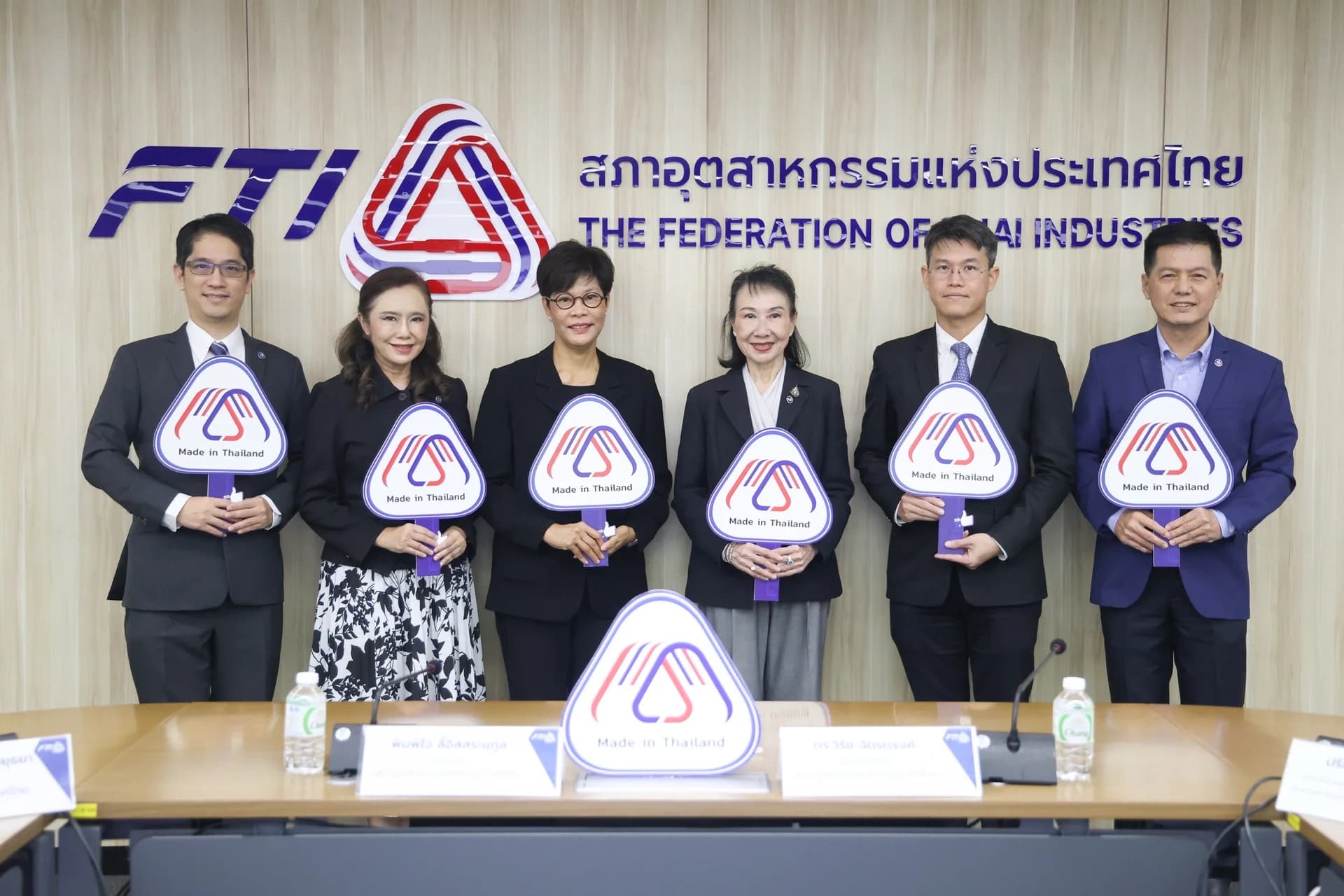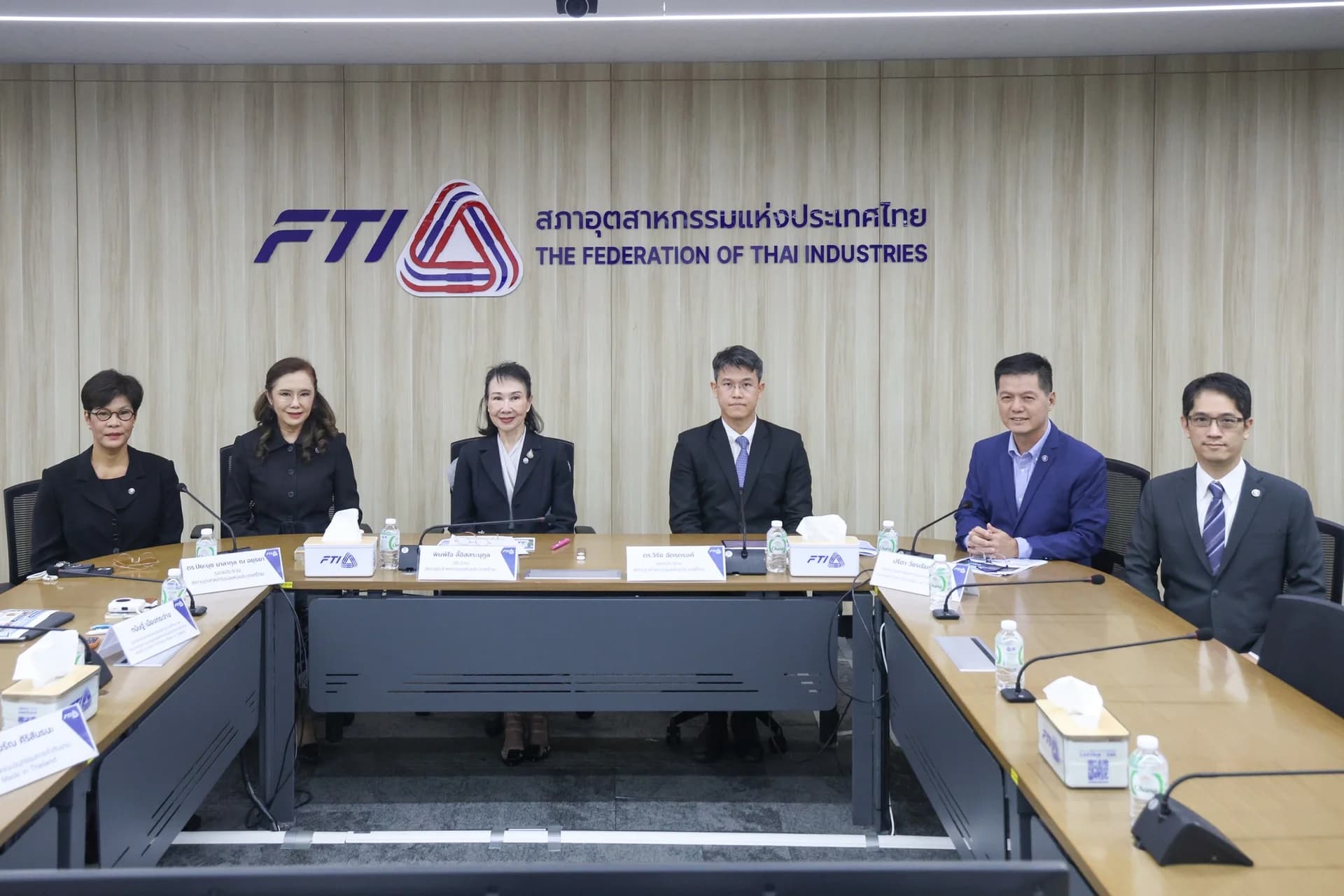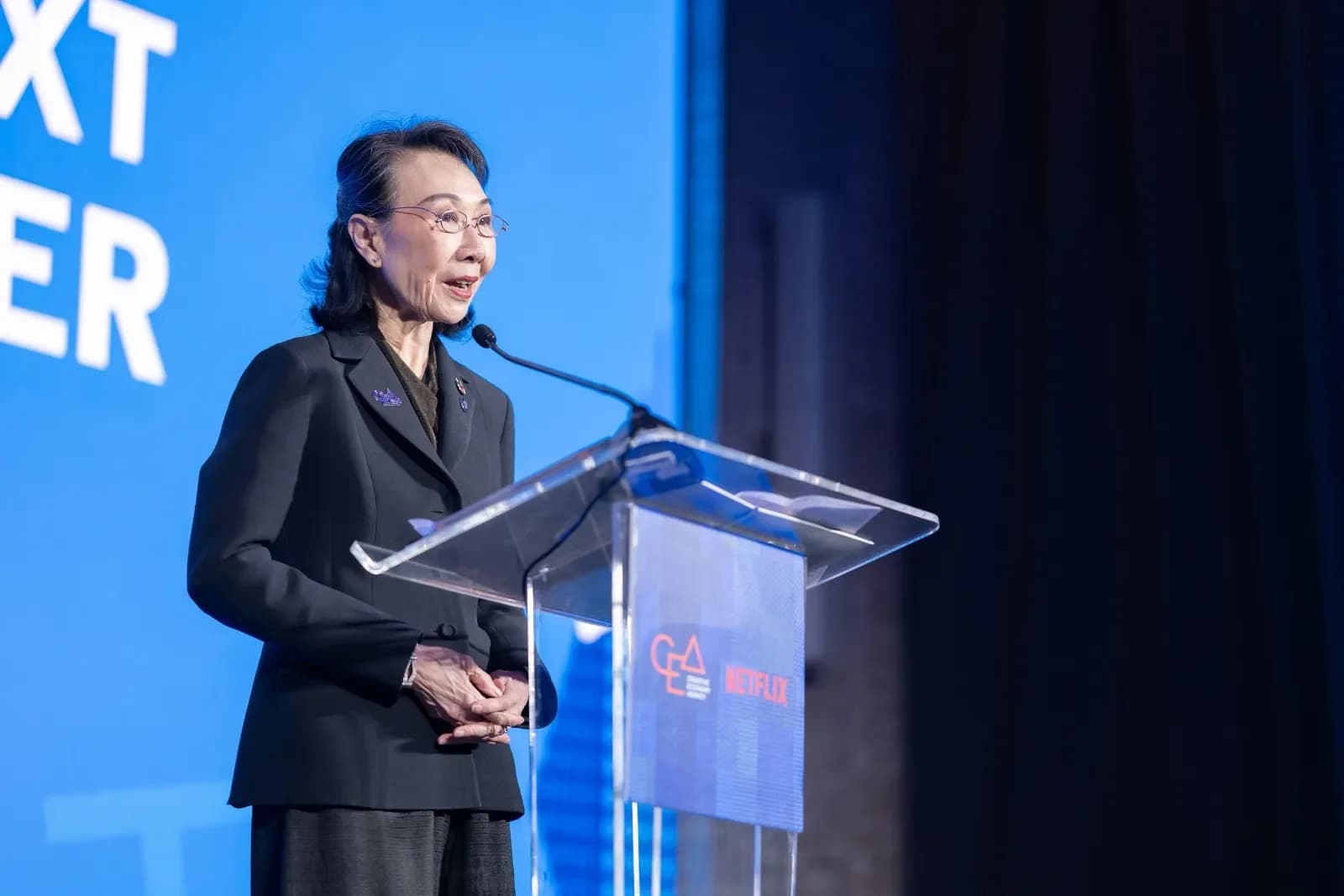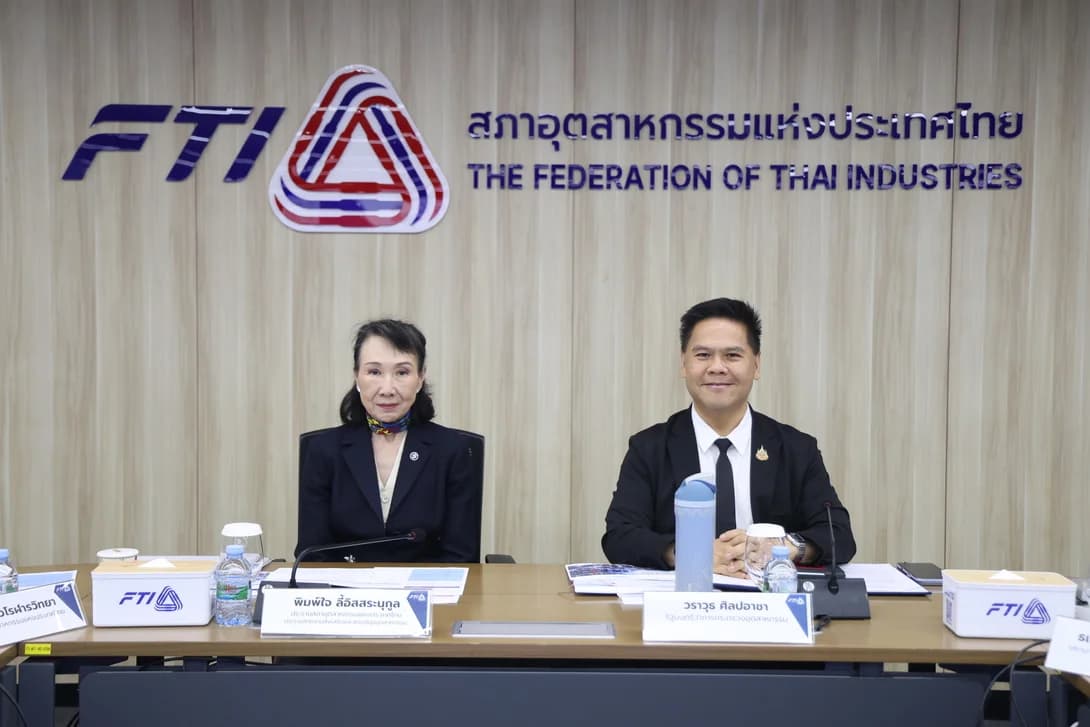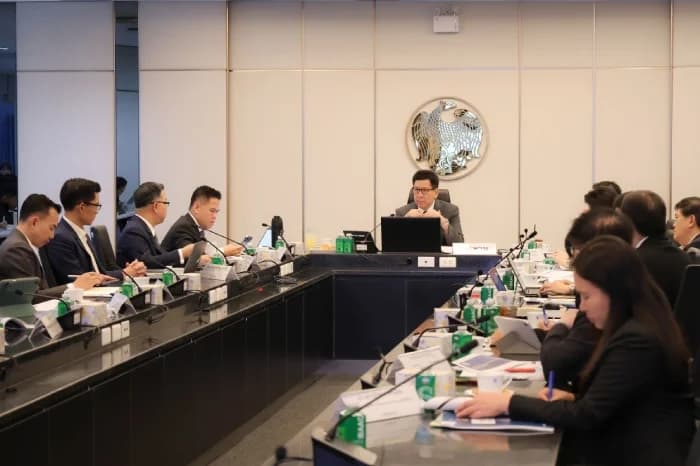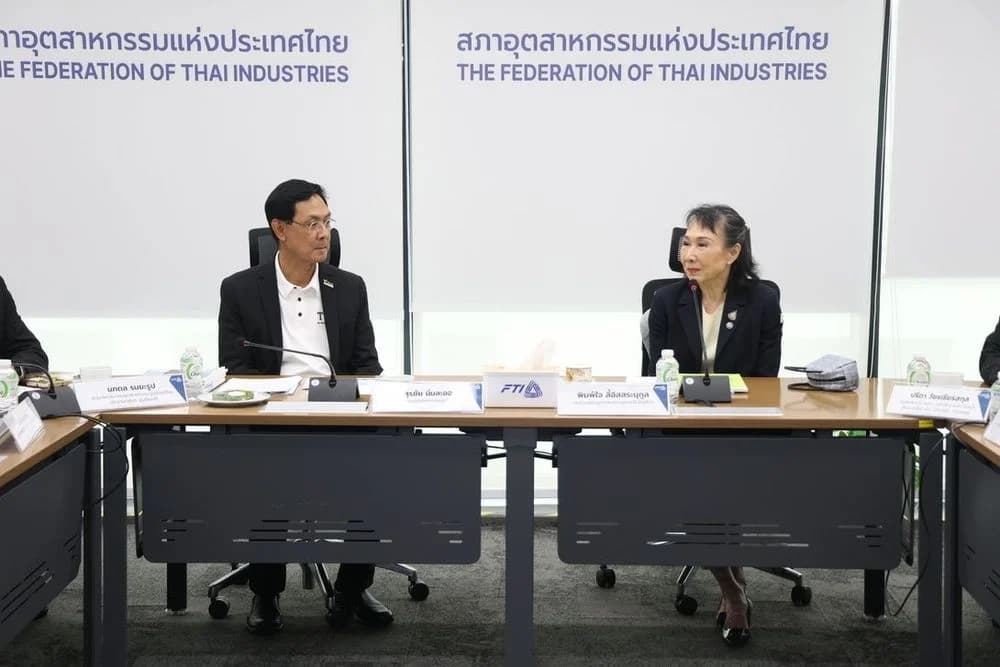

เมื่อวันที่ 9 กรกฎาคม 2569 นางพิมพ์ใจ ลี้อิสสระนุกูล ประธานสภาอุตสาหกรรมแห่งประเทศไทย (ส.อ.ท.) และประธานสายงานส่งเสริมและสนับสนุนอุตสาหกรรม เป็นประธานในการประชุมคณะกรรมการสายงานส่งเสริมและสนับสนุนอุตสาหกรรม ครั้งที่ 2/2569(2) วาระปี 2569-2571 เพื่อติดตามความคืบหน้าการดำเนินงานและผลักดันนโยบายสำคัญร่วมกับภาครัฐ มุ่งเป้ายกระดับขีดความสามารถของภาคอุตสาหกรรมไทยให้เติบโตอย่างยั่งยืน ณ ส.อ.ท.
สำหรับการประชุมครั้งนี้ ได้มีการสรุปภาพรวมและหารือในประเด็นสำคัญ ดังนี้
ผนึกกำลังยกระดับอุตสาหกรรม : ส.อ.ท. ได้เข้าพบกระทรวงการอุดมศึกษา วิทยาศาสตร์ วิจัยและนวัตกรรม (อว.) เพื่อเสนอจัดตั้งกองทุนพัฒนานวัตกรรมหนุน Tech Startup และ SMEs โดยได้เสนอมาตรการเชิงนโยบายเพื่อแก้ไขวิกฤติอุตสาหกรรมรถกระบะไทย โดยเสนอให้ทบทวนโครงสร้างภาษีสรรพสามิต ขับเคลื่อนมาตรการ Trade-in (รถเก่าแลกรถใหม่) ควบคู่กับการรีไซเคิล และผลักดันมาตรฐานยูโร 6 สำหรับเครื่องยนต์ดีเซล
นอกจากนี้ ยังเตรียมขยายผลโครงการ Made in Thailand (MiT) สู่ภูมิภาค ขับเคลื่อนอุตสาหกรรมเครื่องจักรกลการเกษตรในรูปแบบ Product as a Service เพื่อช่วยเกษตรกรรายย่อย การปรับปรุง พ.ร.บ. การจัดการกากอุตสาหกรรมด้วยแนวคิด Circular Economy และส่งเสริมโครงการ BUY THAI ทั้งนี้ สองหน่วยงานตกลงที่จะตั้งคณะกรรมการอำนวยการร่วมกันเพื่อติดตามความคืบหน้าในทุกๆ 2 เดือน
หนุนการลงทุนและโครงสร้างพื้นฐาน (BOI) : ติดตามความคืบหน้าโครงการ "Thailand Fast Pass" ที่ปรับบทบาทรัฐสู่อำนวยความสะดวกนักลงทุน รวมถึงการอนุมัติโครงการขนาดใหญ่ของบอร์ดบีโอไอมูลค่ากว่า 6.6 หมื่นล้านบาท ครอบคลุมกลุ่ม Data Center และพลังงานสะอาด
เตรียมพร้อมรับมาตรการภาษีโลก และสนับสนุนสภาพคล่อง SMEs : ในวาระแลกเปลี่ยนความคิดเห็น ส.อ.ท. ได้เน้นย้ำให้ผู้ประกอบการเตรียมตัวรับมือกับ Global Minimum Tax (ภาษีขั้นต่ำของโลก 15%) และพิจารณาประโยชน์จากมาตรการ QRTC (เครดิตภาษีที่ขอคืนได้) พร้อมทั้งเร่งประชาสัมพันธ์โครงการ PromptBiz "พี่ช่วยน้อง" เพื่อสนับสนุนสินเชื่อ Supply Chain Financing แบบไม่มีหลักประกัน ช่วยเติมสภาพคล่องให้แก่ SMEs ในเครือข่าย
โดยที่ประชุม ได้สะท้อนมุมมองและจัดทำข้อเสนอแนะเชิงนโยบาย ในประเด็นสำคัญที่อาจส่งผลกระทบต่อขีดความสามารถและการดำเนินงานของภาคอุตสาหกรรมแบบรอบด้าน ได้แก่
1. ด้านกฎหมาย: การเตรียมความพร้อมและท่าทีของภาคอุตสาหกรรมต่อ กฎหมายความชำรุดบกพร่องของสินค้า (Lemon Law)
2. ด้านภาษีและเศรษฐกิจ: การรับมือมาตรฐาน ภาษีขั้นต่ำของโลก (Global Minimum Tax - GMT) และพิจารณามาตรการเครดิตภาษีที่ขอคืนได้ (QRTC) รวมถึงการให้ความเห็นต่อภาพรวมนโยบายการส่งเสริมการลงทุน (Investment Policy)
3. ด้านความมั่นคงและโลจิสติกส์: ประเด็นต่อประกาศกระทรวงกลาโหม ว่าด้วยการกําหนดชนิดหรือประเภทสินค้าควบคุมในเขตพื้นที่ชายแดน
4. ด้านยุทธศาสตร์ชาติ: การร่วมทำแบบสำรวจและระดมข้อเสนอแนะเพื่อประกอบการจัดทำ (ร่าง) แผนพัฒนาเศรษฐกิจและสังคมแห่งชาติ ฉบับที่ 14 ให้สอดรับกับบริบทของภาคอุตสาหกรรม
นอกจากมิติด้านนโยบายแล้ว ส.อ.ท. ยังมุ่งขับเคลื่อนการตลาดเชิงรุก โดยเดินหน้าคัดเลือกสินค้าที่มีศักยภาพสูงจากภาคอุตสาหกรรม อาทิ ผลิตภัณฑ์กลุ่มเซรามิก เพื่อผลักดันเข้าสู่ระบบ CISPI ควบคู่ไปกับการบูรณาการข้อมูล เพื่อสร้างความเชื่อมโยง (Synergy) และเครือข่ายความร่วมมือที่แข็งแกร่งระหว่างกลุ่มอุตสาหกรรมต่างๆ ต่อไป
On July 9, 2026, Mrs. Pimjai Leeissaranukul, President of the Federation of Thai Industries (FTI) and Head of the Promotion and Support of Industry Department, presided over the second meeting of the Promotion and Support of Industry Committee for the year 2026-2028 to follow up on progress and push forward key policies in collaboration with the government, aiming to elevate Thailand's industrial capabilities for sustainable growth at FTI.
This meeting summarized the overall picture and discussed key issues as follows:
Collaborative Upgrade of Industry: FTI met with the Ministry of Higher Education, Science, Research and Innovation (MHESI) to propose the establishment of a development fund for innovation to support Tech Startups and SMEs. Policy measures were suggested to address the crisis of the Thai pickup truck industry, including a review of the excise tax structure, the promotion of a Trade-in measure (old vehicles for new) alongside recycling, and the advancement of Euro 6 standards for diesel engines.
Additionally, preparations are underway to expand the Made in Thailand (MiT) project to the region, driving the agricultural machinery industry in a Product as a Service model to aid smallholder farmers, reforming the industrial waste management Act with a Circular Economy concept, and promoting the BUY THAI project. Both agencies agreed to establish a joint steering committee to monitor progress every two months.
Support for Investment and Infrastructure (BOI): Updates were provided on the "Thailand Fast Pass" project, which modifies the role of the state to facilitate investors, including the approval of large projects by the BOI worth over 66 billion baht, covering the Data Center and clean energy sectors.
Preparation for Global Tax Measures and Support for SMEs' Liquidity: During the feedback session, FTI emphasized that operators should prepare for the Global Minimum Tax (a global tax of 15%) and consider the benefits of the QRTC (Qualifying Refundable Tax Credits) measures while accelerating the promotion of the PromptBiz "Big Brother Helps Little Brother" project to support Supply Chain Financing without collateral, helping to enhance liquidity for SMEs in the network.
The meeting reflected viewpoints and developed policy recommendations on significant issues that could impact the capabilities and operations of the industrial sector comprehensively, including:
1. Legal Aspects: Preparedness and stance of the industrial sector towards the product liability law (Lemon Law)
2. Tax and Economic Aspects: Coping with the Global Minimum Tax (GMT) standards and considering the Qualifying Refundable Tax Credits (QRTC) measures, along with providing feedback on the overall Investment Policy
3. Security and Logistics: Issues concerning the Ministry of Defense's announcement regarding the designation of controlled goods in border areas
4. National Strategy: Collaborating on surveys and gathering suggestions for drafting the 14th National Economic and Social Development Plan, aligning with the context of the industrial sector.
In addition to policy dimensions, FTI is also focused on proactive marketing by selecting high-potential products from the industrial sector, such as ceramics, to promote into the CISPI system alongside integrating data to create synergy and strong collaborative networks among various industries.