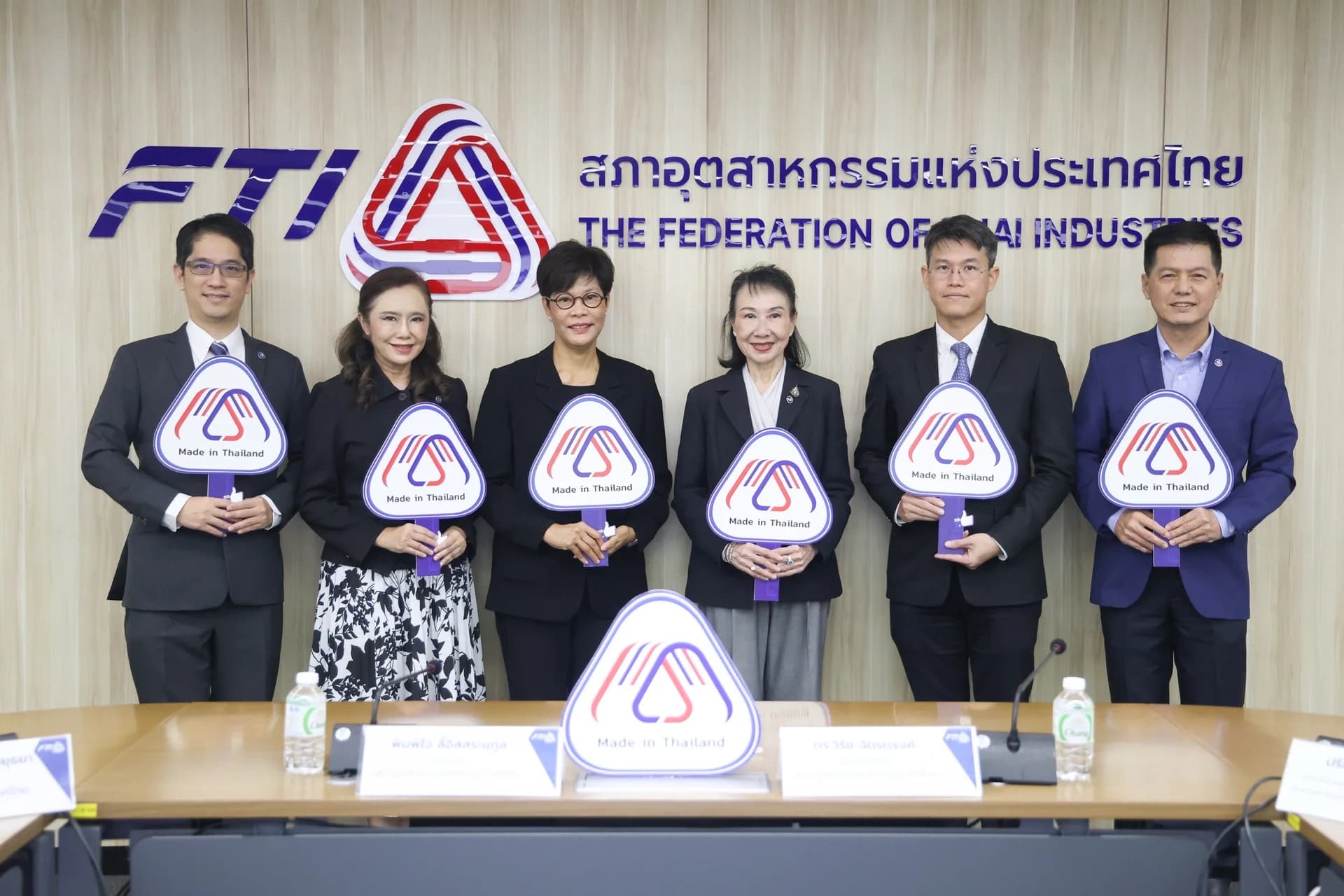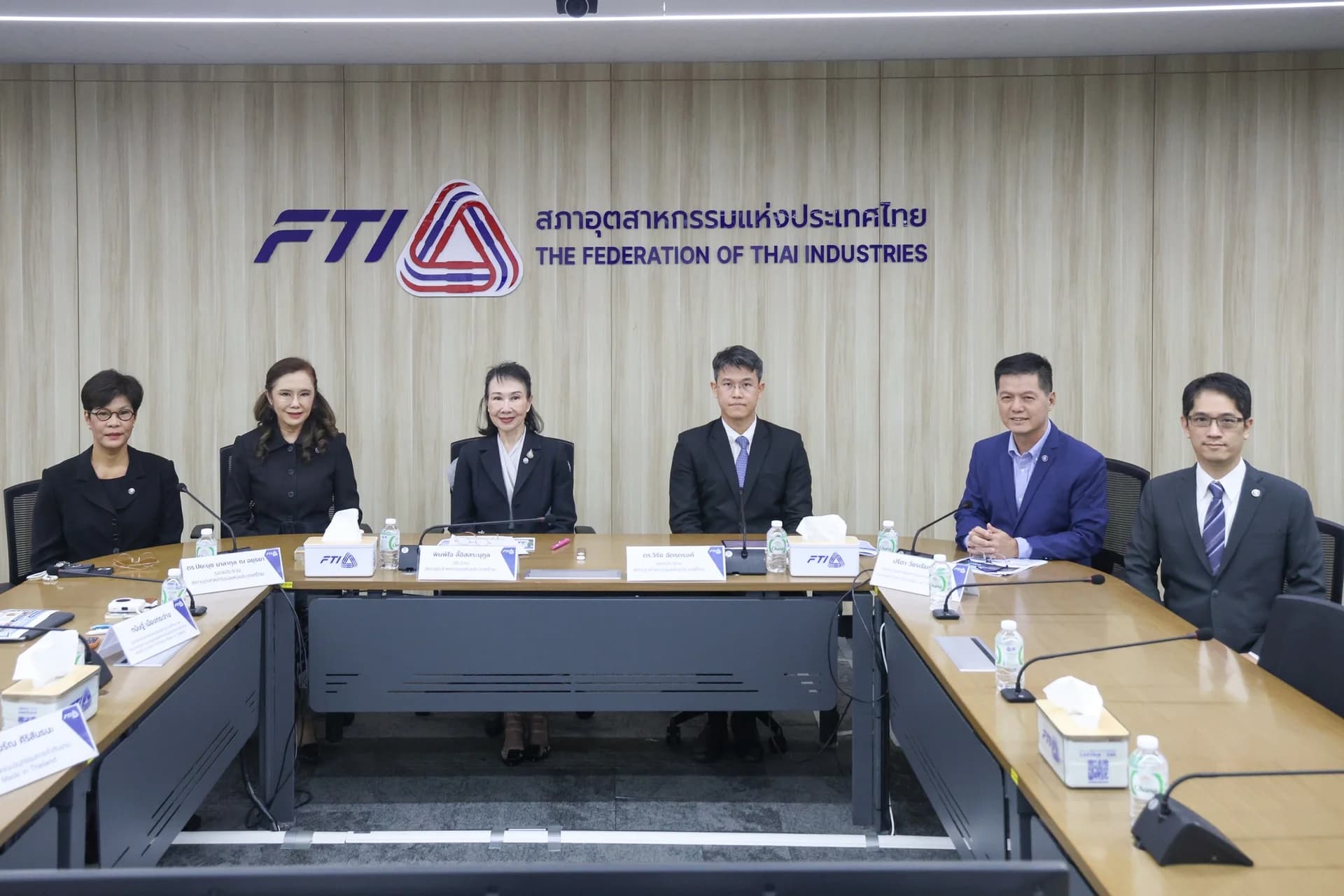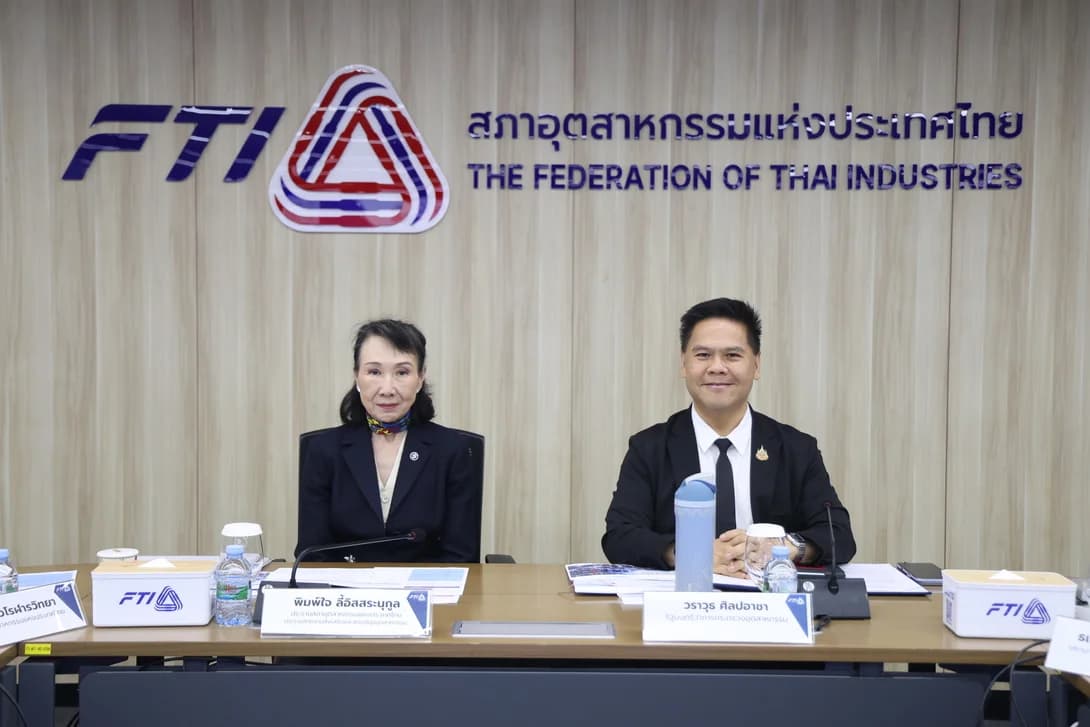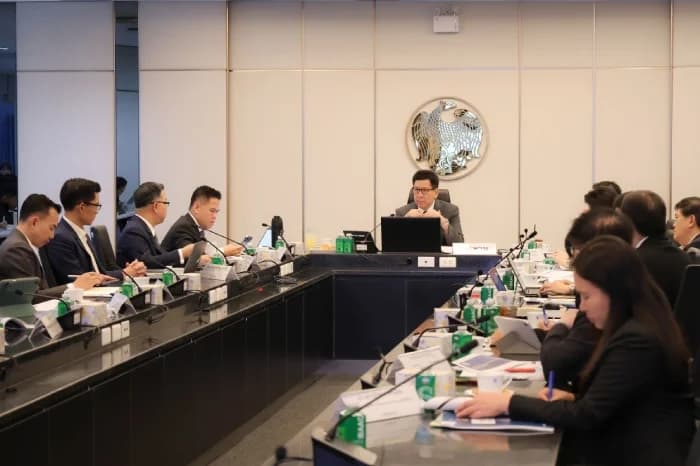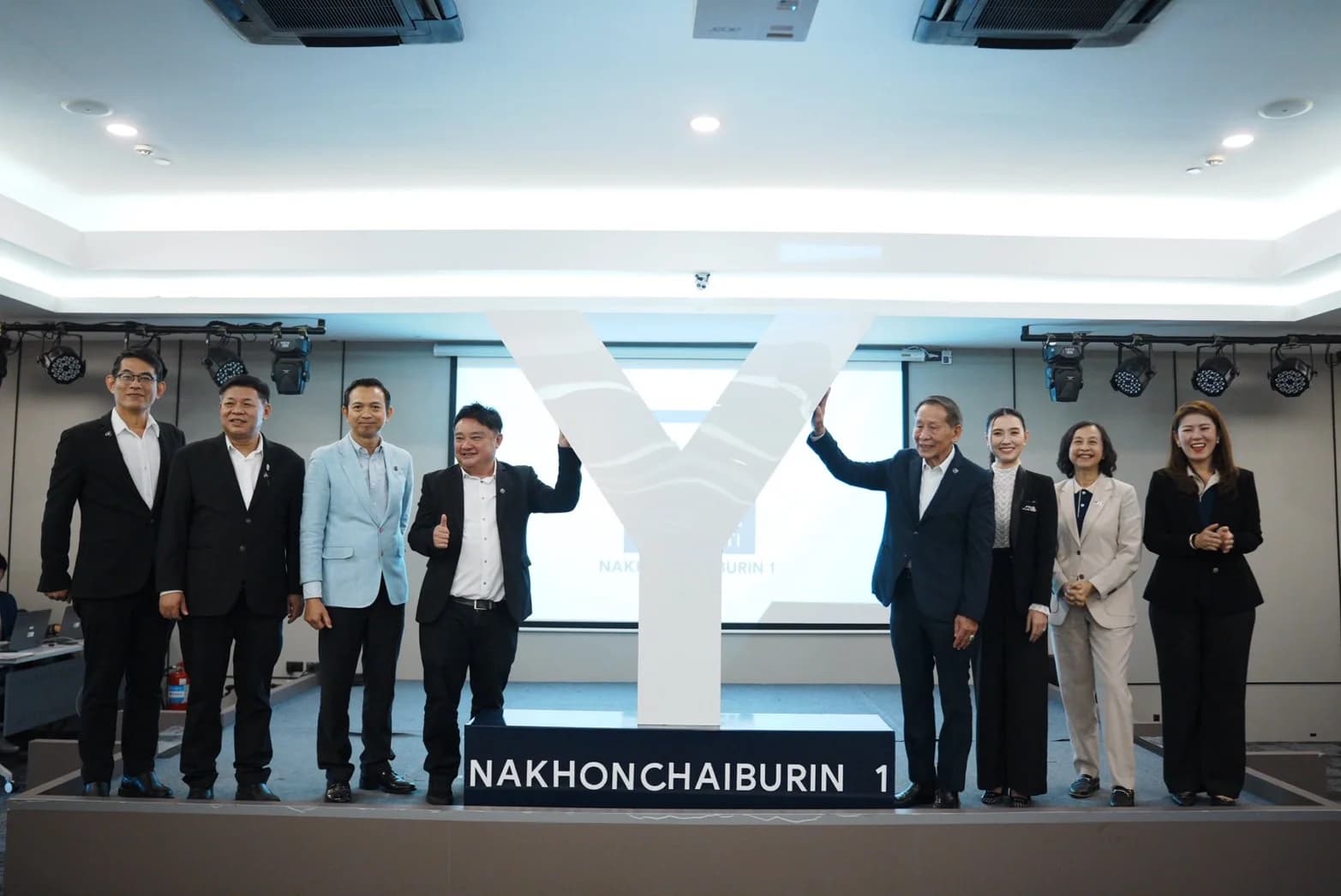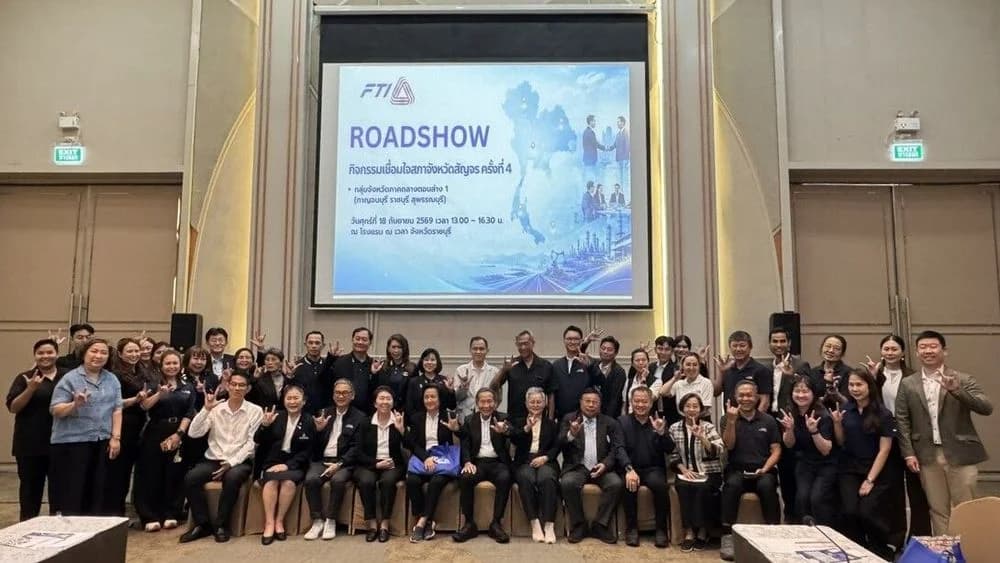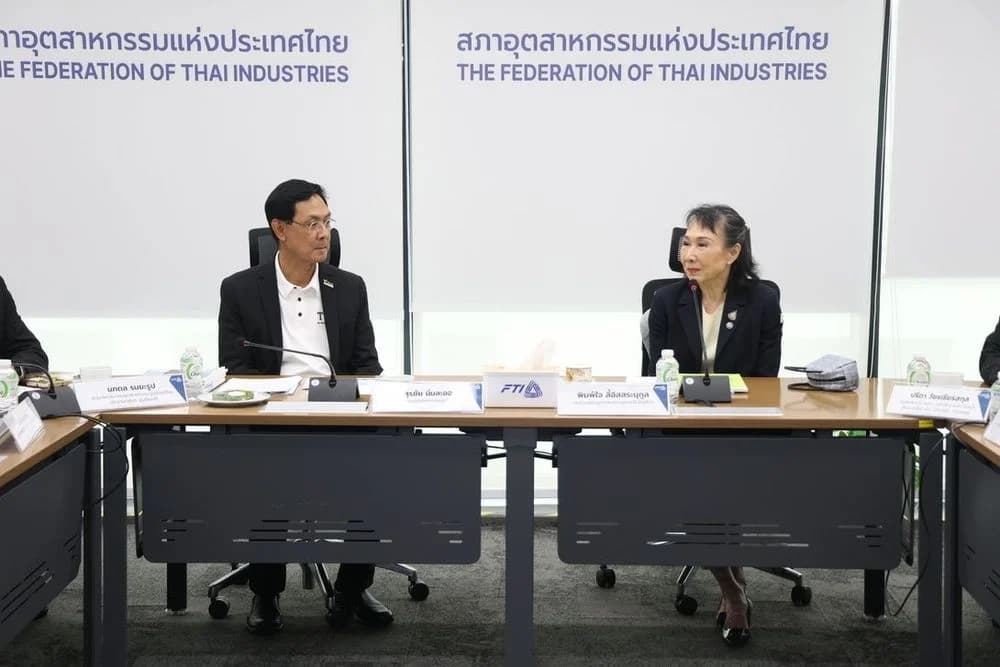

เมื่อวันที่ 12 มิถุนายน 2568 “TIPMSE” เปิดเวทีระดมความเห็น “Design for EPR ออกแบบบรรจุภัณฑ์...เพื่อการเก็บกลับที่ยั่งยืน” ดึงผู้ประกอบการร่วมหารือแนวทางการพัฒนาบรรจุภัณฑ์ตามหลักการออกแบบที่เป็นมิตรต่อสิ่งแวดล้อม (Eco-design) เตรียมพร้อมรับมือกฎหมายก่อนบังคับใช้ในปี 2570 ซึ่งจะเน้นเรื่องการนำหลักการขยายความรับผิดชอบของผู้ผลิต หรือ Extended Producer Responsibility (EPR) มาใช้ เพื่อให้มีส่วนร่วมในการจัดการกับบรรจุภัณฑ์ที่ใช้แล้ว เช่น การนำกลับมารีไซเคิล ดังนั้น ผู้ผลิตจึงต้องเริ่มออกแบบบรรจุภัณฑ์ให้สอดคล้องกับหลักเกณฑ์สากลและเป้าหมายของกฎหมาย อันนำไปสู่การลดผลกระทบต่อการค้าและสิ่งแวดล้อมในระยะยาว ณ ศูนย์นิทรรศการและการประชุมไบเทค บางนา
นายธงชัย ศิริธร รองประธานสถาบันการจัดการบรรจุภัณฑ์และรีไซเคิลเพื่อสิ่งแวดล้อมงาน (TIPMSE) สภาอุตสาหกรรมแห่งประเทศไทย (ส.อ.ท.) เปิดเผยว่า ส.อ.ท. ได้ร่วมกับกรมควบคุมมลพิษ ขับเคลื่อนทุกภาคส่วนที่ปฏิบัติภารกิจตามร่างกฎหมาย EPR ซึ่งเป็นแนวทางสำคัญในการสร้างระบบจัดการบรรจุภัณฑ์อย่างยั่งยืน โดยเฉพาะการส่งเสริมให้ผู้ผลิตมีบทบาทและความรับผิดชอบต่อต่อบรรจุภัณฑ์ โดยเฉพาะการออกแบบบรรจุภัณฑ์ตั้งแต่ต้นทาง เพื่อให้สามารถรีไซเคิลหรือใช้ซ้ำได้ง่ายขึ้น ตามแนวคิด “Eco-design”
“สิ่งสำคัญ คือ การออกแบบบรรจุภัณฑ์ให้รองรับการเก็บกลับและนำกลับมาใช้ใหม่ได้อย่างมีประสิทธิภาพ ซึ่งจะช่วยลดของเสียจากการฝังกลบ และเพิ่มโอกาสในการหมุนเวียนวัสดุกลับสู่ระบบเศรษฐกิจได้มากขึ้น”
แม้การพัฒนาบรรจุภัณฑ์ให้รีไซเคิลได้ ยังมีความท้าทายทั้งในเรื่องเทคโนโลยี ความรู้ และความเข้าใจในกระบวนการที่แท้จริง แต่ TIPMSE มองว่า นี่คือ จุดเริ่มต้นของการเปลี่ยนแปลงเชิงบวก จึงได้ริเริ่มกระบวนการสร้างความร่วมมือกับทุกภาคส่วน โดยอ้างอิงแนวทาง (Guideline) และหลักเกณฑ์จากทั้งในประเทศและต่างประเทศ รวมทั้งพร้อมเปิดเวทีรับฟังความคิดเห็นจากผู้ผลิตและผู้เกี่ยวข้อง เพื่อร่วมกันพัฒนาแนวทางที่เหมาะสมกับบริบทของไทย
“เป้าหมายร่วมกัน คือ การทำให้บรรจุภัณฑ์สามารถกลับมาเป็นวัตถุดิบในระบบรีไซเคิลได้จริง สร้างประโยชน์ทั้งด้านเศรษฐกิจ สิ่งแวดล้อม และสังคมในระยะยาว” นายธงชัย กล่าวเสริม
นายทวีชัย เจียรนัยขจร ผู้อำนวยการส่วนลดและใช้ประโยชน์ของเสีย กรมควบคุมมลพิษ ชี้ถึงมุมมองความสำเร็จของการนำหลักการ EPR มาพัฒนาเป็นกฎหมายบังคับใช้ ส่วนหนึ่งจำเป็นที่จะต้องสนับสนุนและส่งเสริมผู้ผลิตให้พัฒนา Eco-design เหมือนที่ TIPMSE ดำเนินการให้ความรู้ผ่านการอบรม สัมมนา รวมถึงกิจกรรมวันนี้ หรือการจับมือร่วมกับภาคเอกชนเดินหน้าพัฒนา Guideline เพื่อยกระดับสู่มาตรฐาน เพราะการเตรียมการตั้งแต่การออกแบบเป็นตัวแปรสำคัญที่ทำให้บรรจุภัณฑ์ใช้แล้วสามารถนำไปหมุนเวียนได้อย่างมีประสิทธิภาพ ลดการใช้ทรัพยากรและลดปัญหาขยะของประเทศไทยได้ อีกทั้งการออกแบบที่คำนึงถึงสิ่งแวดล้อม จะกลายเป็นตัวแปรสำคัญที่ทำให้ผู้ประกอบการสามารถส่งออกสินค้าที่มีบรรจุภัณฑ์ที่สอดรับกับนโยบายด้านสิ่งแวดล้อมของประเทศคู่ค้าได้อีกด้วย ซึ่งสถานการณ์เหล่านี้ คือ ผู้ประกอบการไทยต้องเร่งหาทางออกและปรับตัว หากต้องการแข่งขันในตลาดโลกต่อไป
ด้านนายสุนทร ยงค์วิบูลศิริ ประธานกลุ่มอุตสาหกรรมเยื่อและกระดาษ สภาอุตสาหกรรมแห่งประเทศไทย (ส.อ.ท.) ในฐานะหัวหน้ากลุ่มงาน Eco-design ของสถาบัน TIPMSE ได้กล่าวถึงแนวทางการพัฒนา Eco-design ที่กลุ่มงานกำลังดำเนินการ อยู่ในเป้าหมายที่ 4 ของการขับเคลื่อน EPR ของ ส.อ.ท. ซึ่งเน้นการออกแบบบรรจุภัณฑ์ให้เป็นมิตรต่อสิ่งแวดล้อมและสามารถรีไซเคิลได้ง่าย โดยกลุ่มงานมุ่งเน้นทั้งการพัฒนาแนวทางการออกแบบ และการสร้างแรงจูงใจให้ภาคเอกชนปรับตัว ซึ่งหากดำเนินการตามเป้าหมายได้สำเร็จ Guideline ที่จัดทำขึ้นจะถูกยกระดับเป็น “มาตรฐานกลาง” ที่สามารถใช้เป็นเกณฑ์อ้างอิงในระบบ EPR โดยเฉพาะการกำหนดค่าธรรมเนียมหรือค่าบริการ EPR ที่แตกต่างกันตามระดับความสามารถในการรีไซเคิลของบรรจุภัณฑ์ แม้เป็นประเภทเดียวกันก็อาจมีความยากง่ายต่างกันในการจัดเก็บและนำกลับมาใช้ใหม่
มาตรการด้านสิ่งแวดล้อมที่เริ่มบังคับใช้ อาจกระทบกับผู้ผลิตรายใหญ่ในช่วงแรก เพราะทำให้ตลาดต้องปรับตัวอย่างรวดเร็ว ซึ่งหลายบริษัทก็เริ่มปรับเปลี่ยนตามเทรนด์มากขึ้นแล้ว แต่สำหรับผู้ประกอบการรายกลางและรายเล็ก ยังลังเลเพราะไม่มั่นใจในทิศทางนโยบายของประเทศ และมีข้อจำกัดด้านเงินทุน ดังนั้น กลุ่มนี้จึงยังรอความชัดเจนอยู่ อย่างไรก็ตาม กลุ่มนี้ควรติดตามสถานการณ์อย่างใกล้ชิด และเริ่มเรียนรู้เพื่อเตรียมพร้อมรับมือกับความเปลี่ยนแปลง รวมถึงอาจหาโอกาสในการเข้าไปมีส่วนร่วมในเวทีแสดงความคิดเห็นหรือแลกเปลี่ยนประสบการณ์ ซึ่งจะช่วยให้ผู้ประกอบการเห็นแนวทางปรับตัวได้ดีขึ้น เพราะสุดท้ายแล้ว การเปลี่ยนแปลงย่อมเกิดขึ้นแน่นอน
การดำเนินงานในช่วงที่ผ่านมา TIPMSE ได้ดำเนินการด้านการจัดการบรรจุภัณฑ์ในหลายมิติ ทั้งเรื่องการส่งเสริมการเก็บกลับบรรจุภัณฑ์ การให้ความรู้กับภาคส่วนต่างๆ การพัฒนาแนวทาง Eco-design รวมถึงการมีส่วนร่วมในการแสดงความเห็นต่อร่างกฎหมายของประเทศ ซึ่งทุกภารกิจต้องอาศัยความร่วมมือจากทุกภาคส่วน โดยเฉพาะผู้ผลิต ซึ่งถือเป็นกลุ่มสำคัญที่ต้องเดินไปด้วยกัน
ตั้งแต่ปี 2567 TIPMSE ได้เริ่มขับเคลื่อนแนวทาง Eco-design อย่างเป็นรูปธรรม โดยเริ่มต้นใน ระยะที่ 1 (ปี 2567-2568) กับบรรจุภัณฑ์ 3 ประเภท ได้แก่ ขวด PET สำหรับเครื่องดื่ม บรรจุภัณฑ์ HDPE สำหรับสินค้าในครัวเรือนและดูแลร่างกาย รวมทั้งบรรจุภัณฑ์หลายชั้น (Multi-layer Flexible Packaging หรือ MLP) ซึ่งในแต่ละประเภท จะมีสมาชิก TIPMSE ที่เป็นผู้เชี่ยวชาญดูแลเฉพาะด้าน โดยได้จัดเวทีรับฟังความคิดเห็นจากผู้เกี่ยวข้อง ทั้งผู้ผลิตบรรจุภัณฑ์ ผู้ใช้บรรจุภัณฑ์ ผู้รวบรวมและโรงงานรีไซเคิล ไปแล้วจำนวน 2 ครั้ง และเตรียมจัดอีก 1 ครั้ง ก่อนยกระดับแนวทางไปสู่ “มาตรฐานที่สามารถตรวจสอบได้”
แม้งานในระยะที่ 1 จะยังดำเนินการอยู่ แต่ TIPMSE ก็ได้เดินหน้าต่อในระยะที่ 2 (ปี 2568-2569) ด้วยการขยายประเภทของบรรจุภัณฑ์เพิ่มอีก 5 ประเภท ได้แก่ บรรจุภัณฑ์แก้ว บรรจุภัณฑ์กระดาษ กระป๋องอะลูมิเนียม กระป๋องเหล็ก และกล่องเครื่องดื่ม โดยมีเป้าหมาย คือ การพัฒนาแนวทาง Eco-design ที่ครอบคลุมบรรจุภัณฑ์ทุกรูปแบบ ตามร่างพระราชบัญญัติการจัดการบรรจุภัณฑ์อย่างยั่งยืน เพื่อให้บรรจุภัณฑ์สามารถรีไซเคิลได้จริง และรองรับกฎหมายในอนาคตอย่างเป็นระบบแม้กฎหมาย EPR จะยังไม่บังคับใช้ แต่ทุกภาคส่วนก็เริ่มตื่นตัวและให้ความร่วมมือกันอย่างต่อเนื่อง ส่วนหนึ่งมาจากกระแสการเปลี่ยนแปลงระดับโลก และอีกเหตุผลสำคัญ คือ ความตระหนักถึงความยั่งยืนของสิ่งแวดล้อม เพราะทรัพยากรธรรมชาติมีจำกัด และสิ่งแวดล้อมกำลังเผชิญแรงกดดันมากขึ้นเรื่อย ๆ ไม่ว่าจะเป็นผู้ผลิตรายเล็ก รายกลาง หรือรายใหญ่ ต่างก็มีบทบาทในการร่วมขับเคลื่อนไปกับ TIPMSE ได้ เพื่อช่วยกันสร้างระบบจัดการบรรจุภัณฑ์ที่ยั่งยืน และเตรียมความพร้อมสู่อนาคต
อยากร่วมเป็นส่วนหนึ่งในการขับเคลื่อน EPR บรรจุภัณฑ์ ไปกับ TIPMSE
สอบถามเพิ่มเติม 02-345-1289
..................................................................
เผยแพร่โดย ฝ่ายสื่อสารองค์กร สภาอุตสาหกรรมแห่งประเทศไทย (โทร. 0-2345-1051)
จัดทำข้อมูลโดย ฝ่ายเศรษฐกิจและวิชาการ สภาอุตสาหกรรมแห่งประเทศไทย (โทร. 0-2345-1111)
On June 12, 2025, “TIPMSE” launched a forum titled “Design for EPR: Packaging Design... for Sustainable Return” inviting entrepreneurs to discuss the development of environmentally friendly packaging (Eco-design) principles in preparation for the upcoming regulations coming into effect in 2027. The emphasis will be on implementing the Extended Producer Responsibility (EPR) principle to ensure participation in the management of used packaging, such as recycling. Therefore, producers must begin designing packaging in accordance with international guidelines and legal objectives, which will lead to long-term reductions in impacts on commerce and the environment at BITEC Bangna.
Mr. Thongchai Sirithorn, Vice President of the Thai Institute of Packaging and Recycling for the Environment (TIPMSE), under the Federation of Thai Industries (FTI), revealed that the FTI has collaborated with the Pollution Control Department to drive all sectors that perform missions according to the EPR draft legislation. This is a key approach to creating a sustainable packaging management system, especially promoting the role and responsibility of producers towards packaging, particularly in the design phase to make it easier to recycle or reuse, in line with the concept of “Eco-design.”
“The important thing is to design packaging that accommodates efficient collection and reuse, which will help reduce waste from landfilling and increase the opportunities for material circulation back into the economy,”
Although the development of recyclable packaging still faces challenges concerning technology, knowledge, and understanding of the actual process, TIPMSE views this as the starting point for positive change. Thus, it has initiated a process of collaboration with all sectors by referencing guidelines and criteria from both domestic and international sources, along with being open to listening to feedback from producers and stakeholders to collectively develop suitable approaches for the Thai context.
“The common goal is to ensure that packaging can actually be returned as raw materials in the recycling system, creating benefits in terms of the economy, environment, and society in the long term,” Mr. Thongchai added.
Mr. Taweechai Jiaranajakorn, Director of the Waste Reduction and Utilization Division at the Pollution Control Department, highlighted the viewpoint on the success of applying the EPR principle to develop it into enforceable law, noting that it is essential to support and promote producers to develop Eco-design, as TIPMSE has done through training, seminars, and today’s activities, or by collaborating with the private sector to develop guidelines to elevate standards. This preparation from the design phase is a crucial variable that allows used packaging to be efficiently recycled, reducing resource use and addressing waste issues in Thailand. Moreover, environmentally considerate design will become a vital factor for operators to export products with packaging that aligns with the environmental policies of trading partner countries. These circumstances require Thai operators to urgently seek solutions and adapt if they are to compete in the global market going forward.
Mr. Sunthorn Yongwibulsiri, Chairman of the Pulp and Paper Industry Group under the Federation of Thai Industries (FTI), in his capacity as head of the Eco-design task group of TIPMSE, discussed the approach to developing Eco-design currently being pursued under Goal 4 of the FTI’s EPR drive, which focuses on designing packaging to be environmentally friendly and easily recyclable. The task group emphasizes both developing design guidelines and incentivizing the private sector to adapt. If the objectives are successfully met, the guidelines developed will be elevated to a “standard reference” that can be used as a benchmark in the EPR system, especially in determining fees or EPR service charges that vary according to the recyclability of the packaging, even among the same category, as there may be different levels of ease in collection and reuse.
Environmental measures that are starting to be enforced may initially impact large manufacturers as they will require the market to adjust rapidly. Many companies are already adapting to the trend; however, medium and small enterprises remain hesitant due to uncertainty about the national policy direction and financial limitations. Therefore, this group is still awaiting clarity. Nonetheless, this group should closely monitor the situation and begin learning to prepare for the changes, including seeking opportunities to participate in forums for feedback or experience exchanges, which will help operators better identify adaptive paths, as change is inevitably forthcoming.
In its recent operations, TIPMSE has undertaken packaging management in multiple dimensions, including promoting the return of packaging, providing knowledge to various sectors, developing Eco-design guidelines, and participating in expressing opinions on the country’s draft legislation. All missions require collaboration from all sectors, especially producers, who are a crucial group that must move forward together.
Since 2024, TIPMSE has begun driving Eco-design approaches practically, initiating Phase 1 (2024-2025) with three types of packaging: PET bottles for beverages, HDPE packaging for household and body care products, and multi-layer flexible packaging (MLP). For each type, there are TIPMSE members with expertise overseeing specific areas. Feedback forums involving relevant stakeholders, including packaging producers, pack users, collectors, and recycling plants, have already been conducted twice and are preparing for a third session before elevating the guidelines to “verifiable standards.”
While work in Phase 1 is still ongoing, TIPMSE is advancing to Phase 2 (2025-2026) by expanding the types of packaging to include five additional types: glass packaging, paper packaging, aluminum cans, steel cans, and beverage cartons, aiming to develop Eco-design approaches that encompass all forms of packaging per the draft sustainable packaging management legislation. This ensures that packaging can genuinely be recyclable and systematically support future legislation, even if the EPR law has yet to be enforced. Nonetheless, all sectors are beginning to awaken and cooperate continuously, partly driven by global change and a key reason being the growing awareness of environmental sustainability, as natural resources are limited and the environment is facing increasing pressure. Whether small, medium, or large producers, they all play a role in advancing together with TIPMSE to help create a sustainable packaging management system and prepare for the future.
Want to be part of the EPR packaging movement with TIPMSE?
For inquiries: 02-345-1289
..................................................................
Published by the Corporate Communication Department, Federation of Thai Industries (Tel: 0-2345-1051)
Prepared by the Economic and Academic Department, Federation of Thai Industries (Tel: 0-2345-1111)