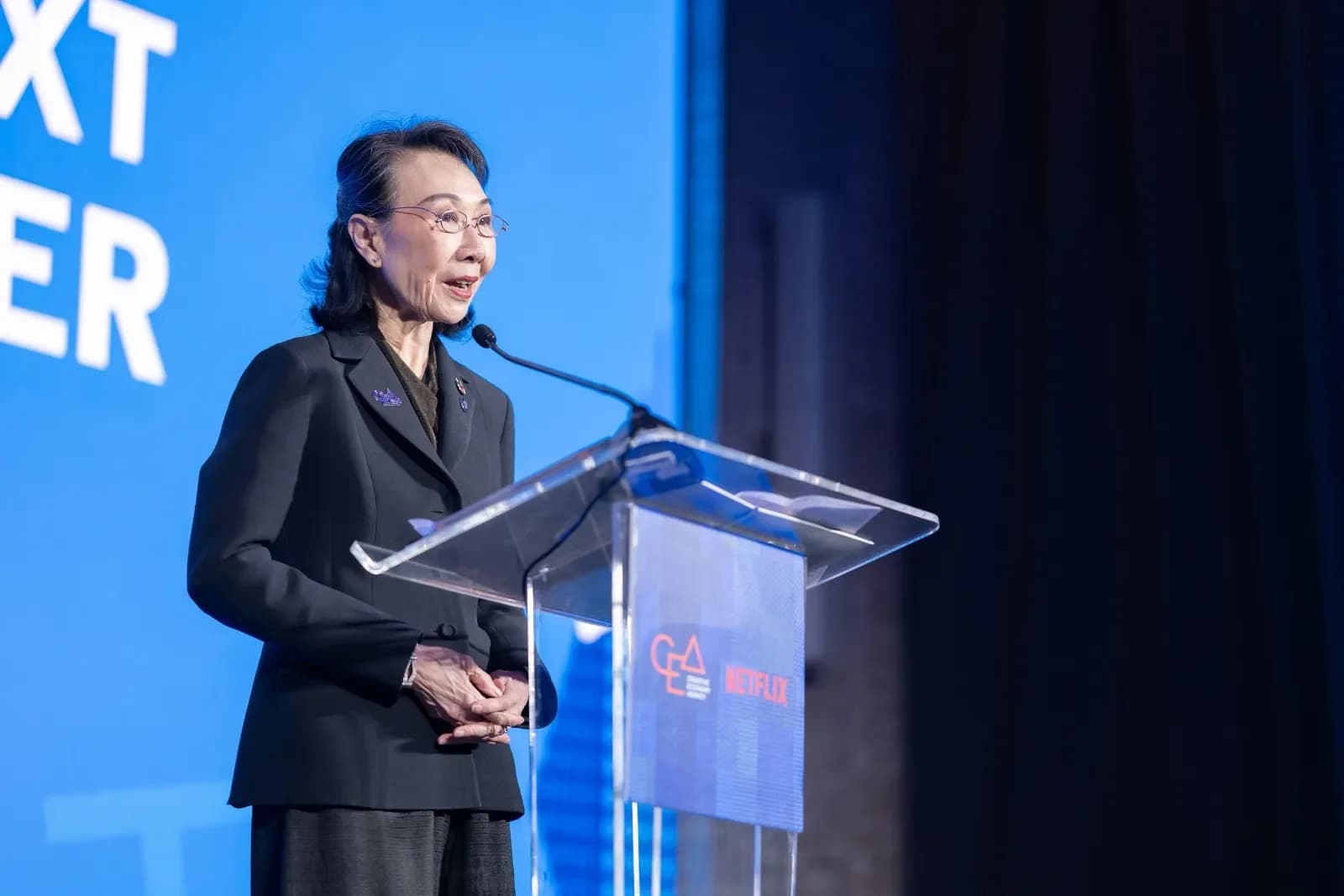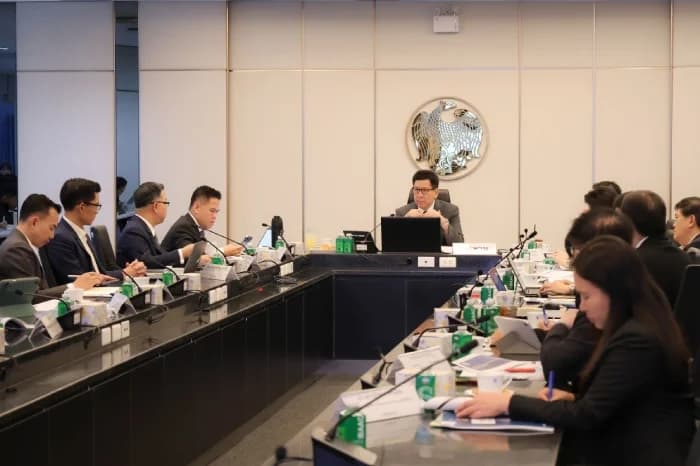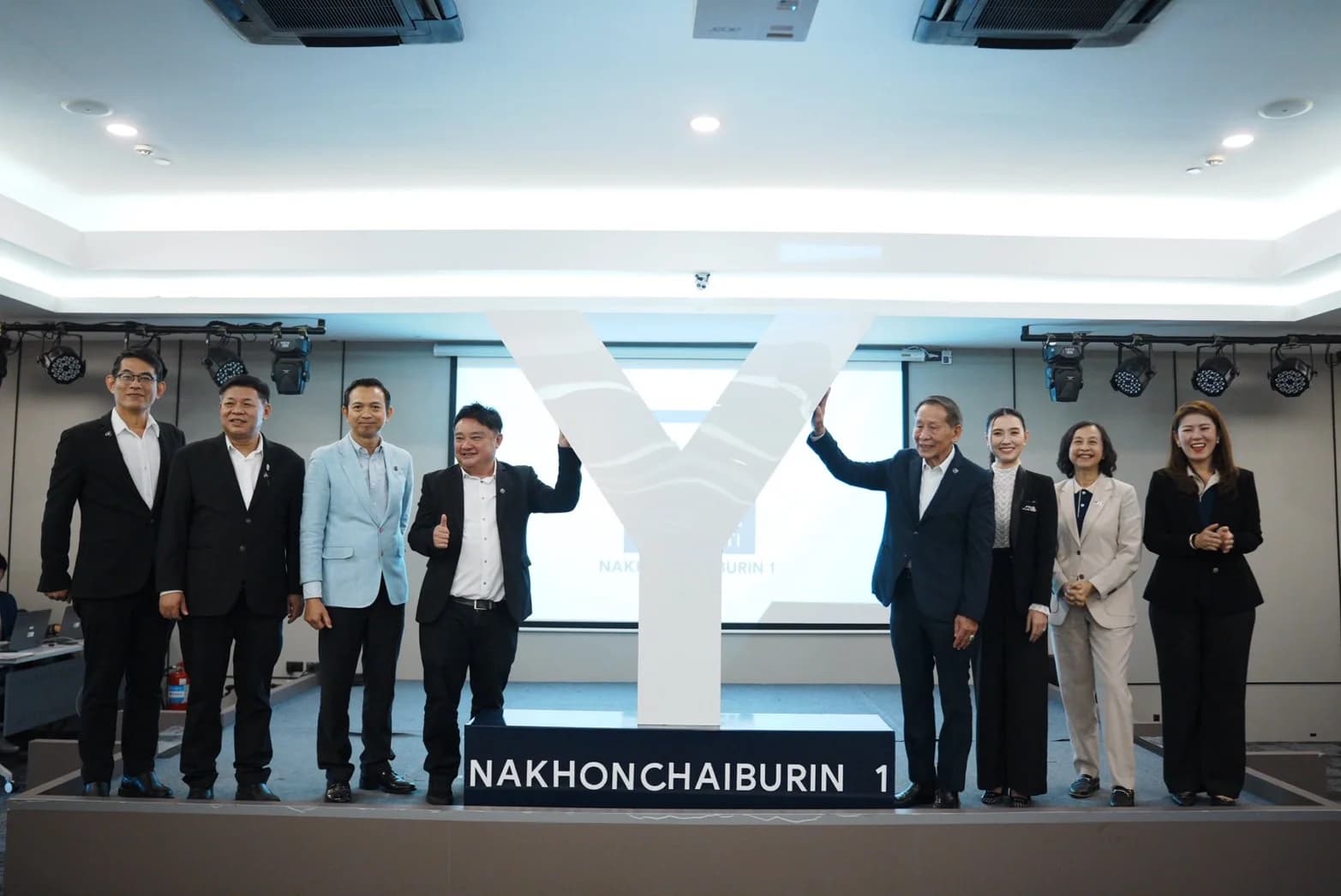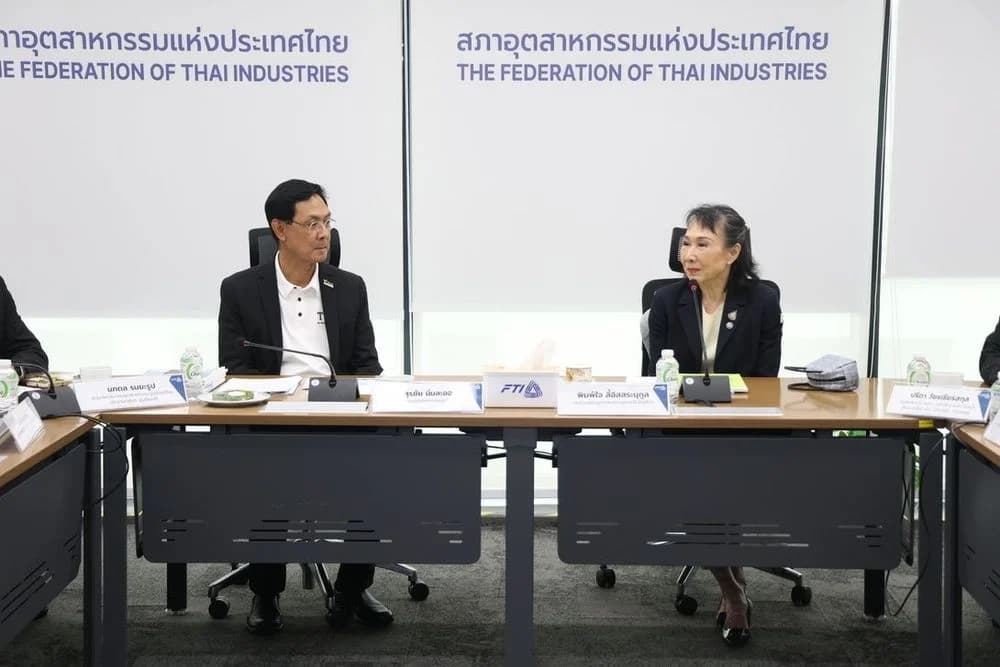
เมื่อวันที่ 9 กรกฎาคม 2569 นางพิมพ์ใจ ลี้อิสสระนุกูล ประธานสภาอุตสาหกรรมแห่งประเทศไทย (ส.อ.ท.) พร้อมด้วย นายกิตติ ตั้งจิตรมณีศักดา รองประธานอาวุโส ส.อ.ท. นายสุวัชร์ ศุภกาญจน์เดชากุล และนายธีระพล ติรวศิน รองประธาน ส.อ.ท. ประจำสำนักประธาน เข้าร่วมงาน "TCMA at 20: The NEXT Chapter to Net Zero 2050" โดยมี นายวราวุธ ศิลปอาชา รัฐมนตรีว่าการกระทรวงอุตสาหกรรม เป็นประธานในพิธี ณ ห้องเพรสทีจ ฮอลล์ ชั้น 11 โรงแรมแกรนด์ เซนเตอร์ พอยต์ เพรสทีจ กรุงเทพฯ
งานดังกล่าวจัดขึ้นเนื่องในโอกาสครบรอบ 20 ปีของ TCMA ภายใต้แนวคิด "TCMA at 20: The NEXT Chapter to Net Zero 2050" เพื่อสะท้อนบทบาทของอุตสาหกรรมปูนซีเมนต์ไทยในฐานะภาคการผลิตสำคัญของประเทศ ที่มีส่วนร่วมในการขับเคลื่อนเศรษฐกิจควบคู่กับการเปลี่ยนผ่านสู่การผลิตคาร์บอนต่ำ ผ่านการประยุกต์ใช้เทคโนโลยีและนวัตกรรม ตลอดจนการส่งเสริมความร่วมมือกับทุกภาคส่วน ทั้งในและต่างประเทศ ภายใต้แนวคิด Public-Private-People Partnership (PPP) เพื่อสนับสนุนการดำเนินงานของประเทศด้านการเปลี่ยนแปลงสภาพภูมิอากาศ และมุ่งสู่เป้าหมายการปล่อยก๊าซเรือนกระจกสุทธิเป็นศูนย์ภายในปี พ.ศ. 2593
ภายในงานยังมีพิธีมอบรางวัลเกียรติยศแก่ภาคีเครือข่ายผู้ขับเคลื่อนนโยบายลดก๊าซเรือนกระจก สาขากระบวนการทางอุตสาหกรรมและการใช้ผลิตภัณฑ์ (IPPU) ภายใต้มาตรการทดแทนปูนเม็ด ซึ่งเป็นผลจากการบูรณาการความร่วมมือระหว่างหน่วยงานภาครัฐและภาคเอกชนที่ดำเนินงานอย่างต่อเนื่อง จนเกิดผลสัมฤทธิ์ในการลดการปล่อยก๊าซเรือนกระจกได้ตามเป้าหมาย
ปัจจุบันปูนซีเมนต์ไฮดรอลิกได้กลายเป็นปูนซีเมนต์โครงสร้างหลักของประเทศแทนปูนซีเมนต์ชนิดเดิม นับเป็นแรงขับเคลื่อนสำคัญในการเปลี่ยนผ่านประเทศไทยสู่เศรษฐกิจคาร์บอนต่ำ พร้อมเสริมสร้างขีดความสามารถของประเทศสู่การเติบโตอย่างยั่งยืน
การเข้าร่วมงานในครั้งนี้สอดคล้องกับนโยบาย 5I ของ ส.อ.ท. โดยเฉพาะด้าน I5: Inclusive Sustainability ที่มุ่งส่งเสริมความยั่งยืนด้านสิ่งแวดล้อม สังคม และธรรมาภิบาล ผ่านการสนับสนุนภาคอุตสาหกรรมที่เป็นมิตรต่อสิ่งแวดล้อม
ทั้งนี้ ส.อ.ท. พร้อมสนับสนุนและบูรณาการความร่วมมือกับทุกภาคส่วน โดยเฉพาะการนำแนวทางการทำ Roadmap สู่กลุ่มอุตสาหกรรมอื่นๆ เพื่อเป็นตัวอย่างในการขับเคลื่อนภาคอุตสาหกรรมไทยสู่เป้าหมายการลดก๊าซเรือนกระจกและการเติบโตอย่างเข้มแข็งและยั่งยืนต่อไป
On July 9, 2026, Mrs. Pimjai Leeissaranukul, Chairperson of the Federation of Thai Industries (FTI), along with Mr. Kitti Tangjitrmanasakda, Senior Vice Chairman of FTI, Mr. Suwatch Supakarndechakul, and Mr. Thiraphon Tirawathsin, Vice Chairman of FTI under the Chairperson's Office, participated in the event "TCMA at 20: The NEXT Chapter to Net Zero 2050", with Mr. Warawut Silpa-archa, Minister of Industry, presiding over the ceremony at Prestige Hall, 11th Floor, Grand Center Point Prestige Hotel, Bangkok.
This event was organized to commemorate the 20th anniversary of TCMA under the theme "TCMA at 20: The NEXT Chapter to Net Zero 2050" to reflect the role of the Thai cement industry as a vital manufacturing sector in the country that contributes to economic growth while transitioning to low-carbon production through the application of technology and innovation, as well as promoting cooperation with all sectors both domestically and internationally under the concept of Public-Private-People Partnership (PPP), to support the country's efforts in addressing climate change and aiming for net greenhouse gas emissions by the year 2050.
The event also featured an award ceremony honoring the partners and networks driving greenhouse gas reduction policies in the industrial processes and product use (IPPU) sector under measures to replace clinker, resulting from the integrated cooperation between government agencies and the private sector that has been ongoing, achieving the target of reducing greenhouse gas emissions.
Currently, hydraulic cement has become the main structural cement in the country, replacing traditional cement, and serves as a significant driving force for Thailand's transition towards a low-carbon economy while enhancing the country's capacity for sustainable growth.
Participation in this event aligns with the 5I policy of FTI, particularly I5: Inclusive Sustainability, which aims to promote environmental, social, and governance sustainability by supporting environmentally friendly industries.
Moreover, FTI is ready to support and integrate cooperation with all sectors, especially by adopting a roadmap towards other industrial groups to serve as a model for driving the Thai industrial sector towards the goal of reducing greenhouse gases and achieving robust and sustainable growth.