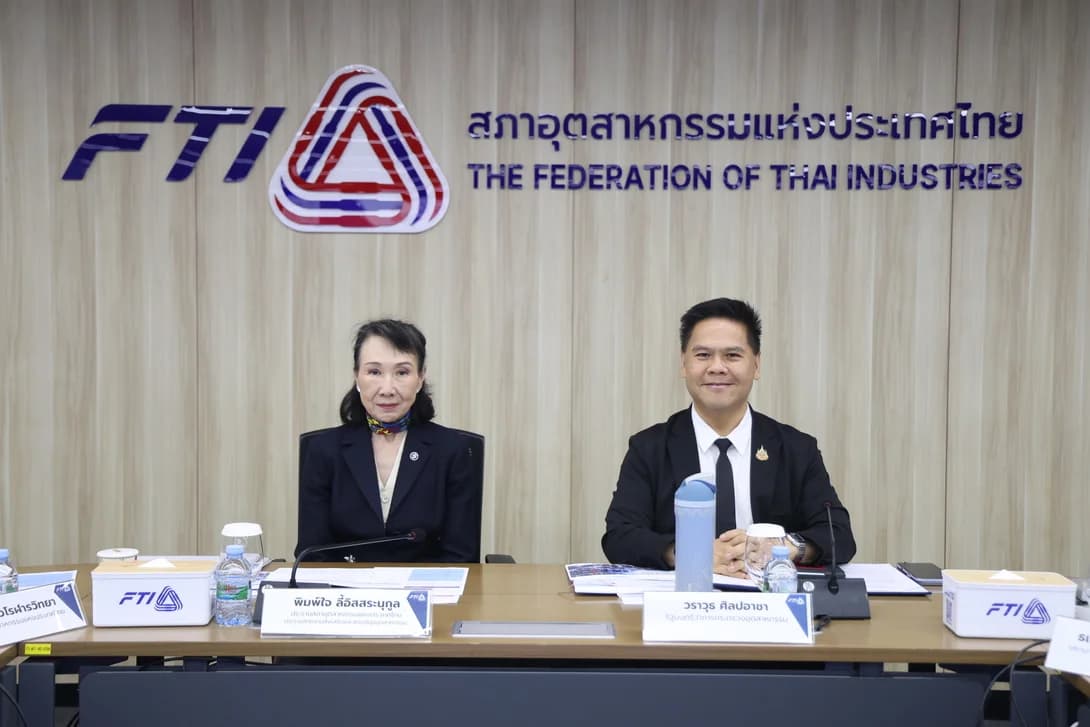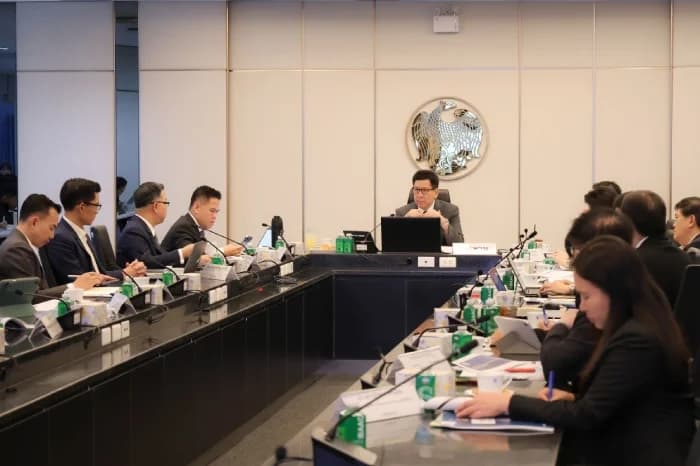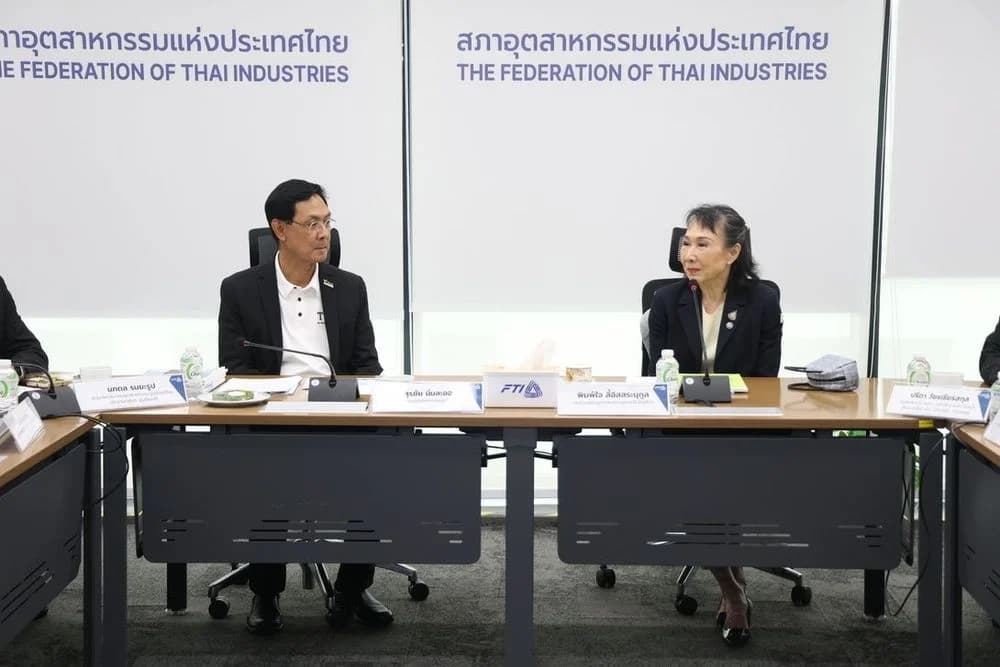

เมื่อวันที่ 28 พฤษภาคม 2568 นายเกรียงไกร เธียรนุกุล ประธานสภาอุตสาหกรรมแห่งประเทศไทย (ส.อ.ท.) พร้อมด้วยนายวิวรรธน์ เหมมณฑารพ รองประธาน ส.อ.ท. และนายถาวร กนกวลีวงศ์ กรรมการบริหาร ส.อ.ท. เข้าร่วมประชุมมอบนโยบายการปฏิบัติงานแก่ผู้อำนวยการสำนักงานส่งเสริมการค้าในต่างประเทศและพาณิชย์จังหวัดทั่วประเทศ โดยมี นายพิชัย นริพทะพันธุ์ รัฐมนตรีว่าการกระทรวงพาณิชย์ เป็นประธาน และผู้บริหารกระทรวงพาณิชย์ เข้าร่วมประชุม ณ ห้องบุรฉัตรไชยากร สำนักงานปลัดกระทรวงพาณิชย์
ในที่ประชุมได้มีการนำเสนอแผนกลยุทธ์เจาะตลาดสำคัญ 5 กลุ่ม ได้แก่ สหรัฐอเมริกา อินเดีย ตะวันออกกลาง อาเซียน และจีน จากทูตพาณิชย์ โดยเน้นเรื่องการใช้ Soft Power ในการสร้างความนิยมของสินค้าไทย การใช้ประโยชน์จากข้อตกลงการค้าเสรี (FTA) การเตรียมการรับมือกับมาตรการภาษีของสหรัฐ (Reciprocal Tariffs) และสถานการณ์ เศรษฐกิจโลกผันผวน การบูรณาการระหว่างพาณิชย์จังหวัดและทูตพาณิชย์ในต่างประเทศในการสนับสนุนผู้ประกอบการไทยขยายตลาดส่งออกต่างประเทศ
นอกจากนี้ ยังได้เน้นย้ำถึงการทำงานร่วมกันอย่างใกล้ชิดระหว่างภาครัฐและภาคเอกชน โดยจะมีการจัดประชุมร่วมทุกไตรมาส เพื่อรับฟังข้อเสนอแนะ และตอบสนองต่อสถานการณ์ได้อย่างทันท่วงที
On May 28, 2025, Mr. Kriangkrai Theeranukul, Chairman of the Federation of Thai Industries (FTI), along with Mr. Wiwat Hemmangkhalap, Vice Chairman of FTI, and Mr. Thaworn Kanokwlee Wong, Executive Board Member of FTI, attended a policy meeting for directors of the Office of International Trade Promotion and provincial commerce offices nationwide, chaired by Mr. Pichai Naripthaphan, Minister of Commerce, with executives from the Ministry of Commerce also in attendance at the Burchatchaiyakorn Room, Office of the Permanent Secretary of the Ministry of Commerce.
During the meeting, a strategic plan was presented to penetrate five key markets: the United States, India, the Middle East, ASEAN, and China, by trade representatives. The focus was on utilizing Soft Power to enhance the popularity of Thai products, leveraging Free Trade Agreements (FTAs), preparing for the impact of U.S. tax measures (Reciprocal Tariffs), and dealing with the volatile global economic situation, as well as integrating the efforts between provincial commerce offices and trade representatives abroad to support Thai entrepreneurs in expanding their export markets.
Additionally, there was an emphasis on close cooperation between the government and the private sector, with plans to hold joint meetings every quarter to gather suggestions and respond timely to the changing circumstances.