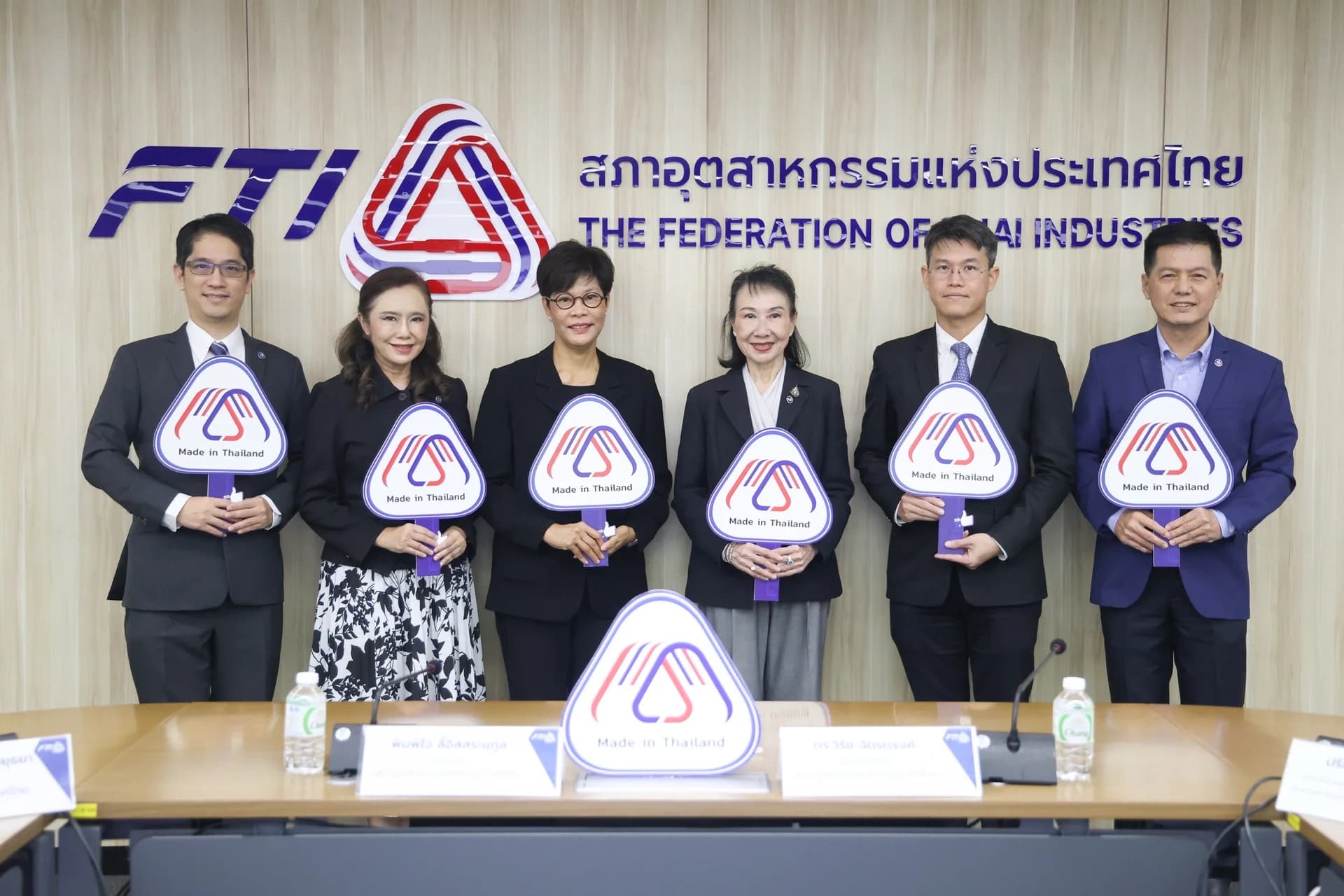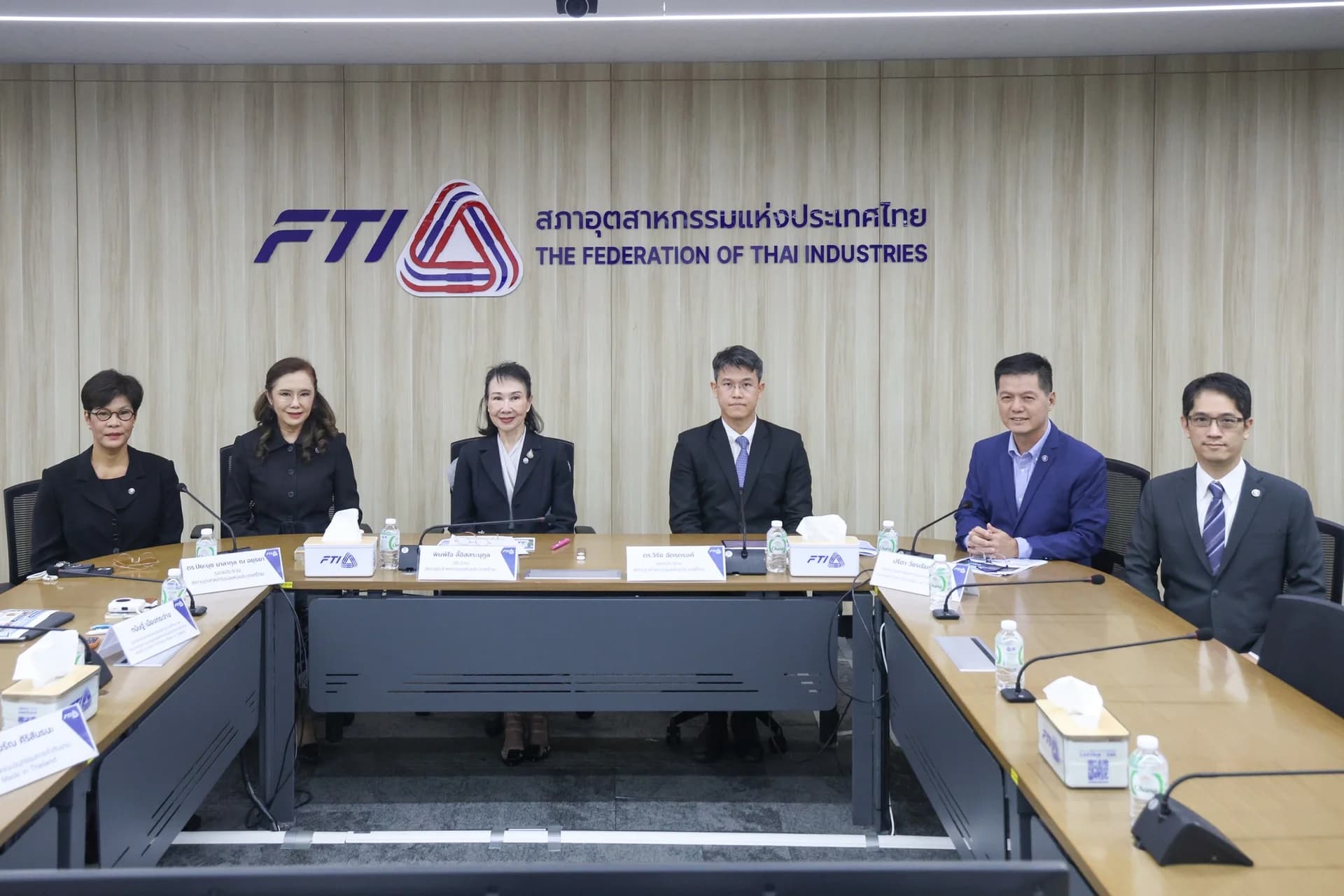

วันพุธที่ 8 กรกฎาคม 2569 ดร.วิรัช ฉัตรดรงค์ รองประธานสภาอุตสาหกรรมแห่งประเทศไทย (ส.อ.ท.) และรองประธานสายงานเศรษฐกิจและวิชาการ พร้อมด้วย นางสาวอนุษฐา เชาว์วิศิษฐ รองเลขาธิการ ส.อ.ท. กรรมการและเลขานุการ สายงานเศรษฐกิจและวิชาการ และนายวชิระชัย คูนำวัฒนา รองประธานสายงานเศรษฐกิจและวิชาการ ร่วมเปิดเผยผลการสำรวจดัชนีความเชื่อมั่นภาคอุตสาหกรรม ประจำเดือนมิถุนายน 2569 อยู่ที่ระดับ 88.2 ปรับตัวเพิ่มขึ้นจากระดับ 84.7 ในเดือนพฤษภาคม 2569 จจากแรงหนุนการบริโภคในประเทศและราคาพลังงานที่ปรับลดลง พร้อมเสนอภาครัฐเร่งลดต้นทุนพลังงาน พัฒนาระบบ Early Warning ป้องกันสินค้านำเข้าทุ่มตลาด และส่งเสริมการใช้สินค้า Made in Thailand (MiT) เพื่อเพิ่มขีดความสามารถในการแข่งขันของประเทศ
การปรับตัวเพิ่มขึ้นของดัชนีฯ มีปัจจัยสนับสนุนจากหลายด้าน ได้แก่ มาตรการ "ไทยช่วยไทยพลัส" ที่ช่วยบรรเทาภาระค่าครองชีพของประชาชน และสนับสนุนการฟื้นตัวของการบริโภคภายในประเทศ ผ่านการสร้างเม็ดเงินหมุนเวียนในระบบเศรษฐกิจกว่า 43,200 ล้านบาท
นอกจากนี้ การจัดกิจกรรมส่งเสริมการขายช่วงกลางปีของผู้ประกอบการ รวมถึงโครงการ Amazing Thailand Grand Sale 2026 ยังมีส่วนช่วยกระตุ้นยอดจำหน่ายสินค้าอุปโภคบริโภค อาหาร เครื่องดื่ม แฟชั่น และสินค้าไลฟ์สไตล์ ตลอดจนส่งเสริมการใช้จ่ายของนักท่องเที่ยว
ขณะเดียวกัน การบรรลุข้อตกลงหยุดยิงชั่วคราวระหว่างสหรัฐอเมริกาและอิหร่าน ช่วยผ่อนคลายความตึงเครียดในบริเวณช่องแคบฮอร์มุซ ส่งผลให้ราคาน้ำมันในตลาดโลกและราคาน้ำมันดีเซลภายในประเทศปรับลดลง ซึ่งช่วยบรรเทาต้นทุนด้านพลังงานและค่าขนส่งของภาคอุตสาหกรรม รวมถึงลดความเสี่ยงต่อการขาดแคลนวัตถุดิบในอุตสาหกรรมปิโตรเคมีและปุ๋ย
นอกจากนี้ โครงการ Thailand FastPass ยังช่วยเร่งรัดการลงทุน จำนวน 25 โครงการ คิดเป็นมูลค่ารวม 223,000 ล้านบาท และคาดว่าจะต่อยอดให้เกิดการลงทุนรวมมากกว่า 700,000 ล้านบาท ซึ่งมีส่วนเสริมสร้างความเชื่อมั่นด้านการลงทุน และกระตุ้นอุปสงค์ในห่วงโซ่อุปทานของภาคอุตสาหกรรมที่เกี่ยวข้อง
ในด้านการค้าระหว่างประเทศ การส่งออกสินค้าในกลุ่มเทคโนโลยี (Tech) ยังคงมีแนวโน้มขยายตัวอย่างต่อเนื่อง โดยในช่วง 5 เดือนแรกของปี 2569 ขยายตัวร้อยละ 37.6 ตามการเพิ่มขึ้นของอุปสงค์ในตลาดโลก
ขณะที่คณะกรรมการนโยบายการเงิน (กนง.) มีมติคงอัตราดอกเบี้ยนโยบายไว้ที่ร้อยละ 1.0 ต่อปี ซึ่งช่วยลดแรงกดดันด้านต้นทุนทางการเงิน และสนับสนุนการฟื้นตัวของเศรษฐกิจที่ยังอยู่ในภาวะเปราะบาง
อย่างไรก็ตาม แม้ดัชนีความเชื่อมั่นจะปรับตัวดีขึ้น แต่ยังมีปัจจัยเสี่ยงที่ต้องติดตามอย่างใกล้ชิด โดยในเดือนมิถุนายน 2569 มีประเด็นสำคัญ ได้แก่ การขยายรายการสินค้าควบคุมเป็น 66 รายการ อาทิ ซอสปรุงรสและผลิตภัณฑ์มะพร้าว ซึ่งอาจจำกัดความสามารถของผู้ประกอบการในการส่งผ่านต้นทุนไปยังผู้บริโภค โดยเฉพาะในกลุ่มสินค้าอาหาร
นอกจากนี้ มาตรการกีดกันทางการค้าของประเทศคู่ค้า เช่น มาเลเซีย เม็กซิโก และเวียดนาม ยังคงส่งผลกระทบต่อการส่งออกสินค้าไทยไปยังตลาดดังกล่าว
ขณะเดียวกัน ภาคการผลิตในบางอุตสาหกรรมยังเผชิญแรงกดดัน สะท้อนจากอัตราการใช้กำลังการผลิต (Capacity Utilization: CapU) ที่ชะลอตัวลงตามคำสั่งซื้อที่ลดลงในบางกลุ่มอุตสาหกรรม เช่น เหล็ก สิ่งทอ และเครื่องนุ่งห่ม
สำหรับอุตสาหกรรมยานยนต์ ตลาดรถกระบะยังคงได้รับแรงกดดันจากกำลังซื้อที่อ่อนแอและความเข้มงวดในการปล่อยสินเชื่อ สะท้อนจากยอดขายรถกระบะที่ลดลงร้อยละ 5.13 เมื่อเทียบกับช่วงเดียวกันของปีก่อน (Year-on-Year: YoY) ขณะที่ความต้องการจากตลาดต่างประเทศลดลงร้อยละ 12.31 เมื่อเทียบกับช่วงเดียวกันของปีก่อน ในช่วงเดือนมกราคม-พฤษภาคม 2569 ส่งผลกระทบต่อห่วงโซ่อุปทาน (Supply Chain) ของอุตสาหกรรมชิ้นส่วนยานยนต์ที่เกี่ยวเนื่อง
จากผลการสำรวจผู้ประกอบการจำนวน 1,328 ราย ครอบคลุม 48 กลุ่มอุตสาหกรรมของสภาอุตสาหกรรมแห่งประเทศไทย (ส.อ.ท.) ในเดือนมิถุนายน 2569 พบว่าปัจจัยที่ผู้ประกอบการมีความกังวลลดลง ได้แก่ เศรษฐกิจโลกร้อยละ 61.6 ราคาพลังงานร้อยละ 59.0 เศรษฐกิจภายในประเทศร้อยละ 55.6 และการเข้าถึงสินเชื่อร้อยละ 31.7 อัตราแลกเปลี่ยน (โดยเฉพาะในมุมมองของผู้ส่งออก) ร้อยละ 29.9 นโยบายภาครัฐร้อยละ 28.8 อัตราดอกเบี้ยเงินกู้ร้อยละ 25.8
ขณะที่ดัชนีความเชื่อมั่นภาคอุตสาหกรรมคาดการณ์ในช่วง 3 เดือนข้างหน้า อยู่ที่ระดับ 94.5 ปรับตัวเพิ่มขึ้นจากระดับ 91.8 ในเดือนพฤษภาคม 2569 โดยมีปัจจัยสนับสนุนและปัจจัยที่ต้องติดตาม ดังนี้
ในด้านปัจจัยบวก มาตรการโซลาร์ภาคประชาชน และแผนปรับโครงสร้างพลังงานวงเงิน 200,000 ล้านบาท คาดว่าจะช่วยกระตุ้นอุปสงค์ในห่วงโซ่อุปทานของอุตสาหกรรมพลังงานสะอาด อาทิ แผงเซลล์แสงอาทิตย์ อุปกรณ์ไฟฟ้า และระบบกักเก็บพลังงาน ส่งผลดีต่อภาคการผลิตที่เกี่ยวเนื่อง
อย่างไรก็ตาม ยังคงมีปัจจัยเสี่ยงที่ต้องเฝ้าระวัง โดยเฉพาะความไม่แน่นอนจากมาตรการภาษีของสหรัฐอเมริกาภายใต้มาตรา Section 301 ซึ่งอยู่ระหว่างการพิจารณาในประเด็นด้านแรงงาน (Labor Force) และกำลังการผลิตส่วนเกิน (Overcapacity) โดยประเทศไทยเป็น 1 ใน 16 ประเทศที่อยู่ในขอบเขตการพิจารณา ซึ่งอาจส่งผลให้ต้นทุนการส่งออกเพิ่มสูงขึ้น และกระทบต่อความสามารถในการแข่งขันของผู้ประกอบการไทย
นอกจากนี้ ยังมีความกังวลต่อแนวโน้มการปรับขึ้นอัตราดอกเบี้ยนโยบายของประเทศเศรษฐกิจหลัก จากแรงกดดันด้านเงินเฟ้อ ซึ่งอาจส่งผลต่อภาวะการค้า การลงทุน และการฟื้นตัวของเศรษฐกิจโลกในระยะต่อไป
จากปัจจัยดังกล่าว ส.อ.ท. ได้รวบรวมข้อเสนอแนะจากผู้ประกอบการที่ตอบแบบสำรวจในเดือนมิถุนายน 2569 ควบคู่กับการจัดทำข้อเสนอเพิ่มเติมจากผลการประเมินขีดความสามารถในการแข่งขันของประเทศโดยสถาบัน IMD (International Institute for Management Development) เพื่อใช้เป็นแนวทางในการยกระดับขีดความสามารถในการแข่งขันของประเทศไทยในระยะต่อไป โดยมีรายละเอียดดังนี้
ข้อเสนอแนะต่อภาครัฐ เดือนมิถุนายน 2569
1. เสนอให้ภาครัฐมีการวางแผนและกำหนดเป้าหมายในการสร้างความสมดุลระหว่างโครงสร้างราคาค่าไฟฟ้า ความสามารถในการแข่งขัน และเป้าหมายการมุ่งสู่สังคมคาร์บอนต่ำให้ชัดเจน ควบคู่กับการบูรณาการการทำโครงการภายใต้วงเงินกู้ 200,000 ล้านบาทให้เกิดประโยชน์สูงสุด รวมทั้งเร่งศึกษาแหล่งพลังงานทางเลือกอื่นๆ เช่น โรงไฟฟ้า SMR, ไฮโดรเจน ฯลฯ เพื่อขับเคลื่อนการเปลี่ยนผ่านด้านพลังงานของประเทศ
2. เสนอให้ภาครัฐเร่งพัฒนาระบบติดตามและเฝ้าระวังสินค้านำเข้าในกลุ่มเสี่ยงที่อาจเข้าข่ายทุ่มตลาด (Early Warning) ทั้งในมิติของปริมาณการนำเข้าและราคาสินค้าที่ผิดปกติ เพื่อใช้เป็นกลไกสนับสนุนภาคเอกชนด้านข้อมูลสำหรับยื่นคำร้องเปิดการใช้มาตรการทางการค้าได้อย่างรวดเร็วและมีประสิทธิภาพ
3. เสนอให้ภาครัฐออกแคมเปญรณรงค์ส่งเสริมการบริโภคสินค้าไทย ควบคู่กับมาตรการส่งเสริมให้ภาคเอกชนใช้สินค้าที่ผลิตในประเทศ Made in Thailand (MiT) เช่น การนำค่าใช้จ่ายในการซื้อสินค้าไทยไปหักเป็นค่าใช้จ่ายได้ 1.5 เท่า และสิทธิประโยชน์ด้านการลงทุน เช่น การยกเว้นภาษี เป็นต้น เพื่อส่งเสริมและขยายโอกาสให้กับผู้ประกอบการไทย
ข้อเสนอแนะต่อภาครัฐในการเพิ่มขีดความสามารถในการแข่งขันของประเทศไทย
1. Economic Performance: ปรับทิศทางจากการกระตุ้นเศรษฐกิจระยะสั้น สู่การปรับโครงสร้างเศรษฐกิจระยะยาว (Economic Transformation) โดยส่งเสริมการลงทุนเชิงยุทธศาสตร์ที่ช่วยแก้ปัญหาเชิงโครงสร้าง กระจายความเจริญสู่ภูมิภาค และสร้างเครื่องยนต์เศรษฐกิจใหม่ เช่น ยานยนต์แห่งอนาคต อิเล็กทรอนิกส์อัจฉริยะ และอาหารแห่งอนาคต
2. Government Efficiency: เร่งพัฒนารัฐบาลดิจิทัล (Digital Government) และระบบอนุมัติอนุญาตแบบเบ็ดเสร็จผ่านแพลตฟอร์มกลาง ควบคู่กับการทบทวนและลดกฎระเบียบที่เป็นภาระต่อภาคธุรกิจ โดยใช้เกณฑ์ B-READY เป็นแนวทาง เพื่อช่วยลดต้นทุน ลดระยะเวลา และเพิ่มความโปร่งใส
3. Business Efficiency: ยกระดับผลิตภาพภาคธุรกิจไทย (Productivity) โดยสนับสนุนการลงทุนในเทคโนโลยี ระบบอัตโนมัติ AI และเครื่องจักรประสิทธิภาพสูง ควบคู่กับการสร้างมูลค่าเพิ่มให้กับสินค้าและบริการ เชื่อมโยงการผลิตกับห่วงโซ่อุปทานโลก (Global Supply Chain) และส่งเสริมกลไกให้เกิดการถ่ายทอดเทคโนโลยีภายในประเทศ
4. Infrastructure: ปฏิรูประบบการศึกษา พัฒนาทักษะแรงงานให้ตรงกับความต้องการของภาคธุรกิจ (Skills Alignment) พร้อมทั้งวางแผนระยะยาวอย่างเป็นระบบในการพัฒนาโครงสร้างพื้นฐาน เช่น โครงสร้างพลังงาน ระบบโลจิสติกส์ เทคโนโลยี & นวัตกรรม โครงสร้างพื้นฐานดิจิทัลและ AI สวัสดิการสังคม และการดูแลสิ่งแวดล้อม
ทั้งนี้ ส.อ.ท. ได้รวบรวมผลสำรวจดัชนีความเชื่อมั่นภาคอุตสาหกรรมและข้อมูลตัวชี้วัดเศรษฐกิจและอุตสาหกรรมย้อนหลัง 3 ปี จัดทำเป็น Dashboard เผยแพร่ผ่านเว็บไซต์ Industry Data Space (iDS) เพื่ออำนวยความสะดวกแก่ผู้ประกอบการและประชาชนในการเข้าถึงข้อมูลสำหรับใช้ประโยชน์ทางธุรกิจ โดยสามารถเข้าดูข้อมูลได้ที่ https://fti.or.th/ids
......................................................................................
เผยแพร่โดย ฝ่ายสื่อสารองค์กร สภาอุตสาหกรรมแห่งประเทศไทย (โทร. 0-2345-1051)
จัดทำข้อมูลโดย ฝ่ายเศรษฐกิจและวิชาการ สภาอุตสาหกรรมแห่งประเทศไทย (โทร. 0-2345-1111)
On Wednesday, July 8, 2026, Dr. Wirat Chatdarong, Vice Chairman of the Federation of Thai Industries (FTI) and Vice Chairman of the Economic and Academic Working Group, along with Ms. Anusak Chaowisit, Deputy Secretary-General of FTI, Committee Member and Secretary of the Economic and Academic Working Group, and Mr. Wachirachai Khunamwatana, Vice Chairman of the Economic and Academic Working Group, jointly disclosed the results of the Industrial Confidence Index survey for June 2026, which stood at 88.2, an increase from 84.7 in May 2026, supported by domestic consumption and reduced energy prices. They also urged the government to expedite energy cost reductions, develop an Early Warning system to prevent dumping imports, and promote the use of Made in Thailand (MiT) products to enhance the country's competitiveness.
The increase in the index was supported by several factors, including the "Thai Help Thai Plus" measures that alleviated the cost of living burden for citizens and supported the recovery of domestic consumption by creating a cash flow in the economy amounting to over 43.2 billion baht.
Additionally, mid-year promotional activities by businesses, including the Amazing Thailand Grand Sale 2026, have helped stimulate sales of consumer goods, food, beverages, fashion, and lifestyle products, as well as promote spending by tourists.
At the same time, the temporary ceasefire agreement between the United States and Iran has eased tensions in the Strait of Hormuz, resulting in lower global oil prices and domestic diesel prices, which alleviates energy costs and transportation expenses for the industrial sector, as well as reduces the risk of raw material shortages in the petrochemical and fertilizer industries.
In addition, the Thailand FastPass project has accelerated investment in 25 projects, totaling 223 billion baht, and is expected to catalyze a total investment of over 700 billion baht, which contributes to fostering investment confidence and stimulating demand in the supply chains of related industries.
In terms of international trade, exports in the technology sector continue to show growth. In the first five months of 2026, they expanded by 37.6 percent, driven by rising global demand.
Meanwhile, the Monetary Policy Committee (MPC) maintained the policy interest rate at 1.0 percent per annum, which helps reduce financial cost pressures and supports the recovery of the still vulnerable economy.
However, despite the increase in the confidence index, there are still risks that need to be closely monitored. In June 2026, significant issues included the expansion of controlled goods to 66 items, such as seasoning sauces and coconut products, which may limit operators' ability to pass on costs to consumers, particularly in the food product group.
Moreover, trade barriers from partner countries such as Malaysia, Mexico, and Vietnam continue to affect Thai exports to those markets.
Meanwhile, the manufacturing sector in some industries still faces pressure, reflected from the slowdown in the Capacity Utilization (CapU) rate due to reduced orders in some sectors such as steel, textiles, and clothing.
Regarding the automotive industry, the pickup truck market continues to be under pressure from weak purchasing power and strict credit approval, as reflected in a 5.13 percent decline in sales of pickup trucks compared to the same period last year (Year-on-Year: YoY), while demand from foreign markets decreased by 12.31 percent compared to the same period last year in January-May 2026, affecting the supply chain of relevant automotive parts industries.
From a survey of 1,328 operators across 48 industrial sectors of the Federation of Thai Industries (FTI) in June 2026, it was found that concerns among operators had decreased, including global economy at 61.6 percent, energy prices at 59.0 percent, domestic economy at 55.6 percent, and access to credit at 31.7 percent. Exchange rates (particularly from the perspective of exporters) at 29.9 percent, government policies at 28.8 percent, and borrowing interest rates at 25.8 percent.
The Industrial Confidence Index forecast for the next three months is expected to stand at 94.5, an increase from 91.8 in May 2026, with supporting factors and factors to monitor as follows:
On the positive side, the solar household measures and the energy restructuring plan of 200 billion baht are expected to stimulate demand in the supply chains of the clean energy industry, such as solar panels, electrical equipment, and energy storage systems, benefitting the related manufacturing sector.
However, there are still risk factors to watch out for, particularly uncertainties from the U.S. tax measures under Section 301, which are under review concerning labor force and overcapacity issues. Thailand is one of 16 countries in the review scope, which may lead to increased export costs and impact the competitiveness of Thai operators.
Additionally, there are concerns about the rising trend of policy interest rates in major economies due to inflationary pressures, which may affect trade conditions, investment, and the global economy's recovery in the future.
In light of these factors, FTI has compiled recommendations from operators who responded to the survey in June 2026, along with additional proposals from the assessment of the country's competitiveness by the International Institute for Management Development (IMD) to guide in enhancing Thailand's competitiveness in the future. The details are as follows:
Recommendations to the government in June 2026
1. Suggest the government plan and set clear targets for creating a balance between electricity price structures, competitiveness, and carbon neutrality goals, along with integrating projects under the 200 billion baht loan to achieve maximum benefits, as well as hastening the study of other alternative energy sources such as SMR power plants, hydrogen, etc., to drive the country’s energy transition.
2. Suggest the government expedite the development of a monitoring system for high-risk imported goods that may be involved in dumping (Early Warning), both in terms of import volume and abnormal product prices, to support the private sector with information for submitting trade remedy petitions quickly and effectively.
3. Suggest the government launch a campaign to promote consumption of Thai products, along with measures to encourage the private sector to use domestically produced goods (MiT), such as allowing 1.5 times the expenses for purchasing Thai products to be deducted as expenses and granting investment incentives such as tax exemptions, etc., to promote and expand opportunities for Thai operators.
Recommendations to the government for enhancing Thailand's competitiveness
1. Economic Performance: Shift from short-term economic stimulus to long-term economic restructuring (Economic Transformation) by promoting strategic investments that address structural problems, distribute prosperity to regions, and create new economic engines, such as future vehicles, smart electronics, and future foods.
2. Government Efficiency: Accelerate the development of digital government and a comprehensive approval system through a central platform, along with reviewing and reducing burdensome regulations on businesses using the B-READY criteria to help reduce costs, time, and increase transparency.
3. Business Efficiency: Enhance the productivity of Thai businesses by supporting investments in technology, automation, AI, and high-efficiency machinery, along with creating added value for products and services, linking production with the global supply chain, and promoting mechanisms for technology transfer within the country.
4. Infrastructure: Reform the education system, develop workforce skills aligned with business needs (Skills Alignment), and systematically plan for long-term infrastructure development, such as energy structures, logistics systems, technology & innovation, digital and AI infrastructure, social welfare, and environmental care.
Moreover, FTI has compiled the results of the Industrial Confidence Index survey and economic and industrial indicators over the past three years, presenting them as a Dashboard on the Industry Data Space (iDS) website to facilitate access to information for operators and the public for business benefits. The information can be accessed at https://fti.or.th/ids
......................................................................................
Published by the Corporate Communication Department, Federation of Thai Industries (Tel. 0-2345-1051)
Data compiled by the Economic and Academic Department, Federation of Thai Industries (Tel. 0-2345-1111)